
Clay-Colored Sparrow
Clay-Colored Sparrow
Also known as: Clay-Coloured Sparrow
Spizella pallida


Quick Identification guide
Quick Identification guide
- •
Features pale, earthy tones with a soft gray-brown back and lighter underparts
- •
Displays a distinctive white crown stripe flanked by brown lateral stripes on the head
- •
Equipped with a small, pointed beak and a slender build, typical of the Spizella sparrows
What does a clay-coloured sparrow sound like?
The clay-colored sparrow typically vocalizes through a series of 4 or 5 toneless, insect-like buzzes. The sparrow's call pattern is flat and is characterized as a buzz, chirp or chip. These calls resemble the sounds made by insects and lack the melodic tonal qualities commonly associated with bird songs.


Description
Did you know that clay-coloured sparrow chicks leave the nest before they can fly? No, they don't climb down; they build their nests close to the ground and the precocious chicks then spend six to eight days hiding on the ground. Talk about an initiation! If ever a bird was neat, it's this one: they have different territories for breeding and feeding and like to keep a tidy nest; when the eggs hatch, they clear away the eggshells.
The clay-coloured sparrow can weigh between 10to12grams and be from12.5to14centimeters tall.
The typical lifespan of a clay-colored sparrow is approximately 4.5 years, but some individuals have been known to live up to 7 years in the wild. Compared to other sparrows such as the house sparrow, they have a longer lifespan. Other related species, like the song sparrow, typically live for 11-12 years, significantly longer than the clay-colored sparrow.
Did you know?
Most popular questions about clay-coloured sparrow
How to recognise a clay-coloured sparrow?
General appearance
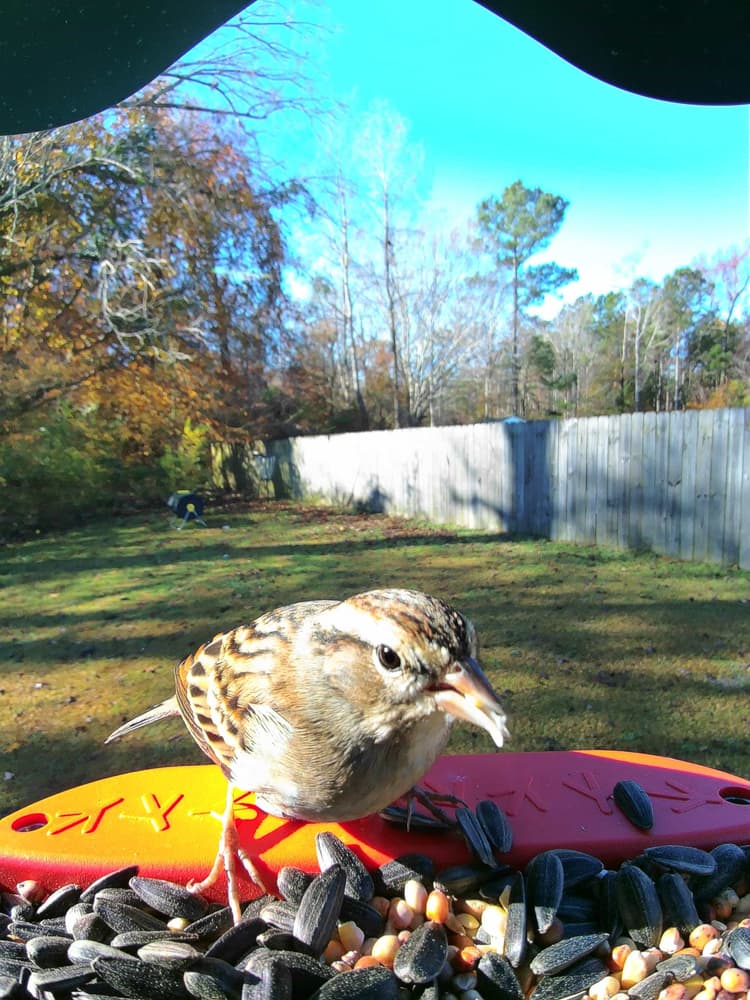
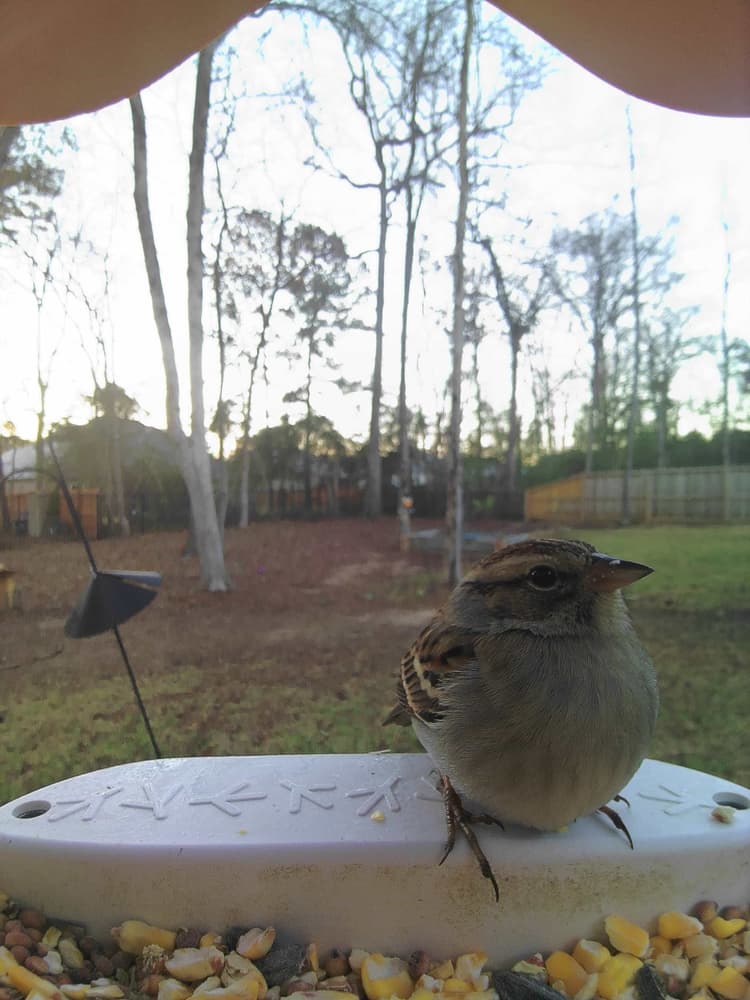
The clay-colored sparrow is a small bird characterized by its beige-brown coloration, with pale, unstreaked underparts and a buffy wash on the chest. It has a distinct facial pattern featuring a grayish-brown crown, a pronounced white eyebrow, and a thin dark line through the eye. The wings are brown with two pale wing bars, and the tail is relatively short and notched.
Male vs female
Males and females are similar in appearance, but males may exhibit slightly bolder facial markings and crisper wing patterns. Both genders share the clay-colored plumage and lack distinct differences in size, making visual gender identification challenging.
Juvenile
Juvenile clay-colored sparrows have a more muted appearance compared to adults, with a streakier and duller plumage overall. They show less distinct facial markings and a generally paler color, which helps them stay camouflaged in their habitat until they mature into adult plumage.
Often mistaken for
Chipping Sparrow vs Clay-Colored Sparrow
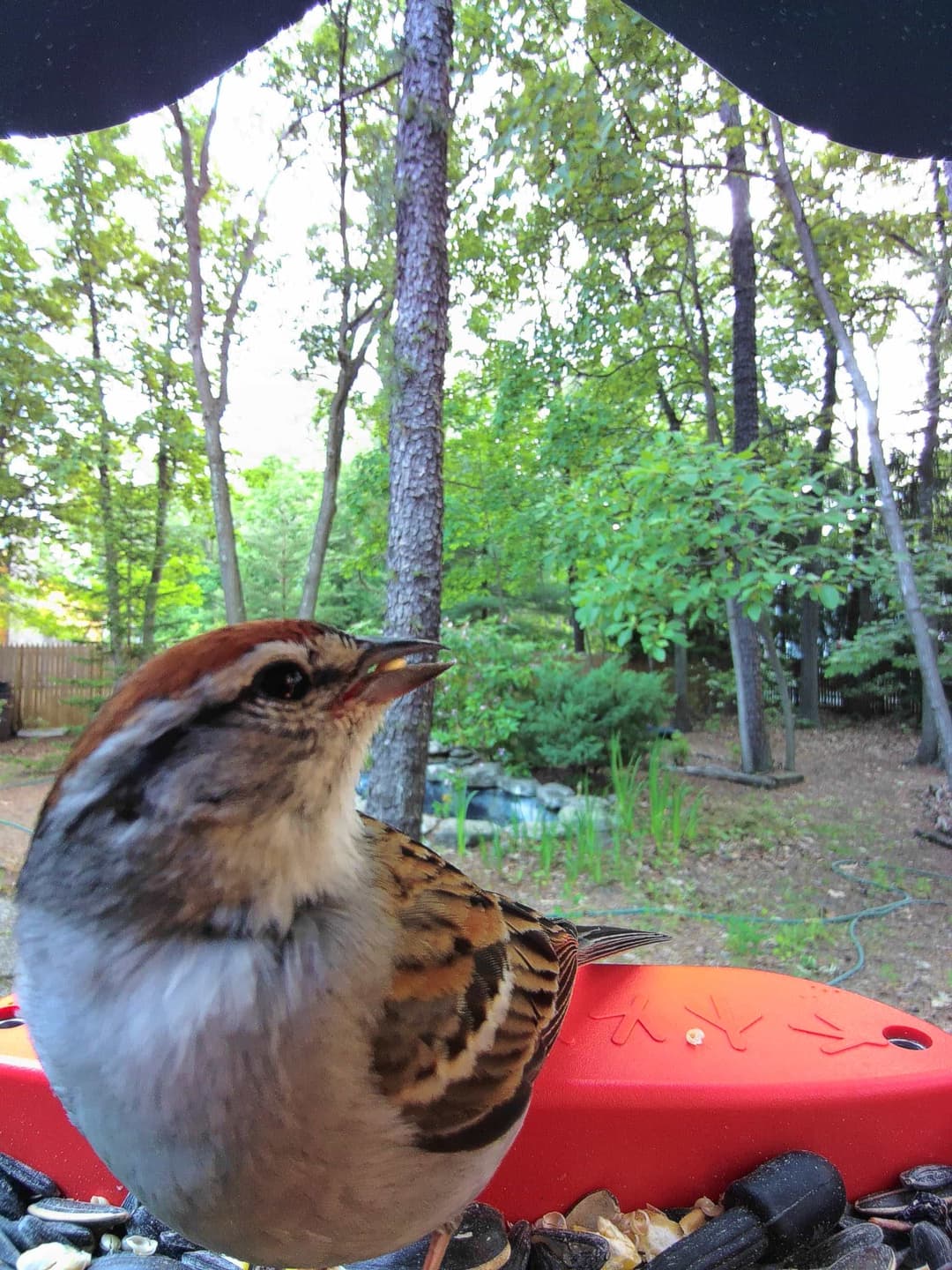
The Clay-Colored Sparrow differs from the Chipping Sparrow primarily in its plumage and vocalizations. The Clay-Colored has a pale, buffy overall appearance with a distinct, clear pale crown stripe and less contrasting head pattern compared to the Chipping Sparrow. Chipping Sparrows typically have a darker, richer rufous crown and a clearer white underpart. The calls also differ; Clay-Colored Sparrows produce a distinctive, dry, monotonous buzz, whereas Chipping Sparrows have a more varied and musical trill. Pay attention to these differences in head patterns and calls to identify the Clay-Colored Sparrow accurately.
Breeding and nesting habits of the clay-coloured sparrow
Mating behaviors
Males sing in spring to establish and defend nesting territories. This song acts as a pivotal mechanism during the mating season to attract females and fend off rival males.
Nesting details
Nest sites are typically very low, either on the ground or in low shrubs up to 5' high. Nests built early in the season are often placed on the ground, with later ones higher. Nests are open cups made by females, consisting of grass, weeds, twigs, and rootlets, lined with fine grass and animal hair. Local populations may specialize in sites; for instance, in some areas, nests are mainly in snowberry bushes.
Eggs and chick-rearing
During the breeding season, adults often forage away from the nesting area, unlike most songbirds. After egg-laying, both parents may be involved in feeding the chicks. Creating a suitable garden habitat involves growing native shrubs such as snowberry or rosebushes and maintaining clumps of grass, which can cater to their nesting requirements.
What does a clay-coloured sparrow like to eat?
Berries
Insects
Plants
Seeds
Spiders
Natural diet
The clay-colored sparrow primarily eats seeds and insects. It predominantly consumes seeds, especially those from weeds and grasses, throughout most of the year. Additionally, their diet includes some leaf buds, catkins, and berries. Insect consumption increases in the summer and includes caterpillars, grasshoppers, true bugs, ants, damselflies, spiders, and other insects. The young sparrows are primarily fed insects to support their growth.
Bird feeders
While specific preferences at bird feeders for clay-colored sparrows are not detailed, they may occasionally visit feeders offering seeds. Typical seed offerings, such as millet or mixed grains, can attract these sparrows, particularly if they reflect the seeds found in their natural diet.
Inviting the clay-colored sparrow
Attracting the Clay-Colored Sparrow to your yard is a rewarding experience that requires a setup of an appealing environment. Opting for a natural approach that replicates their habitat can yield positive results.
Feeder type and placement
Choose a platform or tray feeder and place it in a quiet, secure location near shrubs or trees. Sparrows prefer feeders closer to the ground, ideally under 6 feet.
Choosing the right food
These sparrows enjoy a mix of seeds. Bird Buddy seeds come highly recommended as they're chosen by experts for the season, guaranteeing the perfect blend for your feathered visitors.
Provide a water source
Setting up a birdbath or water dish is a good idea. Sparrows like to drink and bathe, so providing a water source can attract these birds to your yard.
Encourage them to stay
Offering nesting materials like twigs and grasses can persuade sparrows to stay and make their homes in your landscape. Remember, consistent food and water supplies will promote regular visits.
Sing-along time
Playing soft bird songs can attract sparrows to your yard and even encourage a sing-along. Keep the volume low, and try different songs to see which ones your sparrows prefer.
Where can you find clay-colored sparrows?
Primary habitat
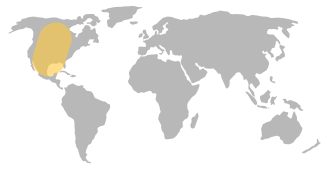
The clay-colored sparrow primarily inhabits scrub and brushy prairies, as well as the understory in jack pine woods. They prefer shrubby areas, such as stands of bushes on open prairies and edges of woodlands.
Additional range
In migration and winter, these sparrows are found in brushy fields, thickets, dry scrub and desert grasslands. They generally occupy more open and heavier brush areas than similar sparrow species.
Do they migrate?
The clay-colored sparrow is a migratory bird. It typically migrates in flocks, utilizing routes primarily through the Great Plains of North America. In their migratory pattern, these sparrows head towards their wintering grounds in Mexico and the southern United States. Their migration south typically occurs in the fall. Throughout the migration, some clay-colored sparrows stray from their main route and are occasionally spotted along both the Atlantic and Pacific coasts. This dispersed presence across wider geographical areas during migration indicates their adaptability in varying conditions or pressures encountered during the journey. During spring, these sparrows return to their breeding grounds, which are located primarily in the northern Great Plains and parts of southern Canada. The key locations for their breeding include areas characterized by shrubby environments and grasslands where they can nest. Their migration is influenced by the availability of food resources and suitable nesting habitats. Overall, the clay-colored sparrow's migration is a critical aspect of its life cycle, enabling it to exploit different ecological regions across seasons for breeding and survival.
What is the role of clay-colored sparrows in nature and how to protect them?
Conservation status
The clay-colored sparrow is considered common, but surveys have indicated a slight decline in numbers in recent decades. The exact reasons for this decline are not apparent. A significant threat to the species is nest parasitism by Brown-headed Cowbirds, which can negatively impact their reproductive success. There are no immediate conservation efforts targeting this species specifically, but ongoing habitat monitoring and management could benefit their populations. Maintaining healthy grassland and shrubland habitats is crucial for the sparrow's continued stability.
Ecological role of clay-colored sparrows
Its role in the ecosystem
The Clay-colored Sparrow plays a significant role in the ecosystem, acting as both a seed disperser and a form of pest control. By feeding primarily on seeds, especially those of weeds and grasses, they help with seed dispersal which contributes to plant propagation and biodiversity. This preference for seeds could also potentially aid in controlling the growth of weed and undesirable plant species. Additionally, their diet includes a wide variety of insects, such as caterpillars, grasshoppers, true bugs, ants, damselflies, and spiders. By feeding on these invertebrates, they help regulate the insect and spider populations, preventing these species from becoming excessively abundant which could upset the delicate balance of the ecosystem. During breeding season, the Clay-colored Sparrow’s behaviour of foraging away from their nesting territory might aid in the dispersal of seeds across a wider geographic area, further enriching the ecosystem. Therefore, the Clay-colored Sparrow provides important contributions to their environment and promotes ecological balance and diversity.
How to help protect clay-colored sparrows
Preservation tips
Habitat preservation strategies
To contribute to the conservation of the clay-colored sparrow, crucial actions include preserving its native habitats like grasslands and shrubs. Development projects should be regulated, ensuring environmental impact assessments are conducted to minimize habitat destruction. Support policies upholding the protection of these ecosystems. Participate in reforestation efforts, focusing on native plant species that are conducive to the sparrow's survival.
Community science initiatives
Engage in citizen science initiatives related to bird conservation. Participate in bird watching and counting programs like the Audubon Society's Annual Christmas Bird Count. This helps scientists track the populations and movements of the species. Report any sightings of clay-colored sparrows, particularly during breeding seasons. Use platforms like eBird to share observations. Educate others about the importance of conservation and the role of the clay-colored sparrow in maintaining ecological balance.