
Dunnock
Dunnock
Also known as: Hedge Accentor
Prunella modularis


Quick Identification guide
Quick Identification guide
- •
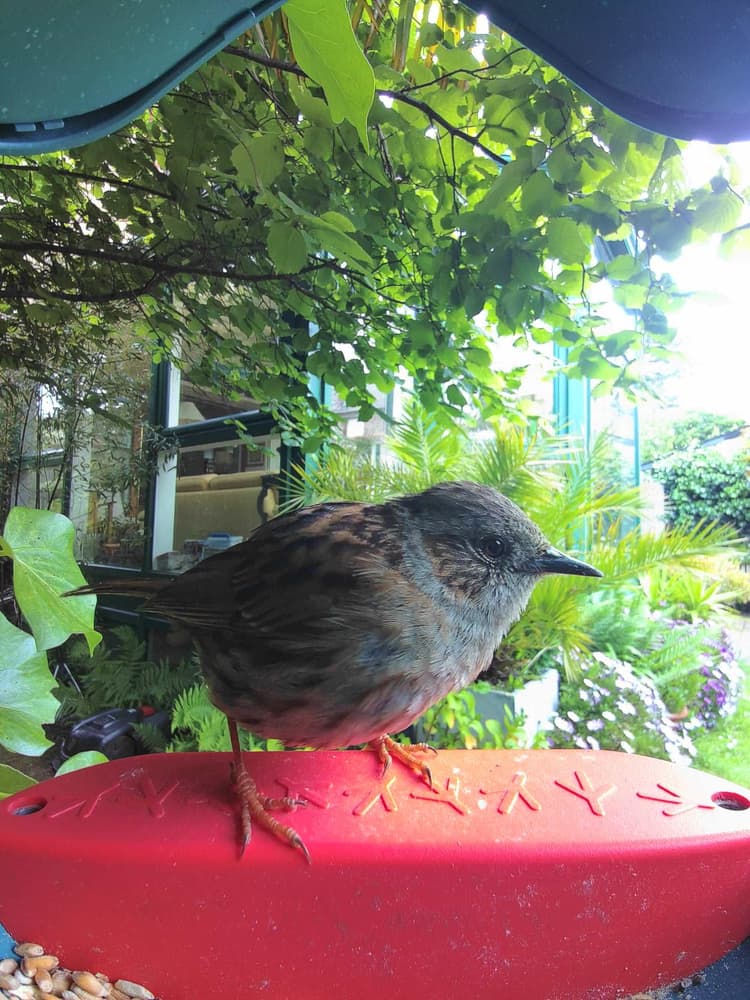
Small, sparrow-sized bird with brown-streaked back and grayish head and underparts
- •
Features a slender, pointed beak suited for insectivory
- •
Displays fine, dark streaks on the upper parts and rufous flanks contrasting with the muted tones
What does a dunnock sound like?
The Dunnock, a small bird species, exhibits a variety of vocalizations, chiefly characterized by a pleasant, rapid warble. This song is often short, complex, and high pitched, consisting of assorted twitters, trills, and chirps, often delivered from a high perch. The Dunnock's typical call, often heard in undergrowth, is a shrill, persistent 'tseep' sound. Their songs serve multiple functions such as defending territory or attracting mates.


Description
These shy little guys are similar to robins and are, like them, very beloved in the UK! One of the names for them is hedge sparrow. Males and females are almost identical and, when they're young, dunnocks' faces are brown and only turn grey as they grow older.
The dunnock can weigh between 19to20grams and be from13.5to14centimeters tall.
The typical lifespan of a Dunnock, or Prunella modularis, is 2 years, although some individuals have been known to live up to 11 years. Compared to similar species, such as the common nightingale that lives around 2-3 years, or the European robin which typically lives up to 1.1 years, the dunnock has a relatively average lifespan. Factors such as harsh living conditions and predation may lower these averages.
Did you know?
Most popular questions about dunnock
How to recognise a dunnock?
General appearance
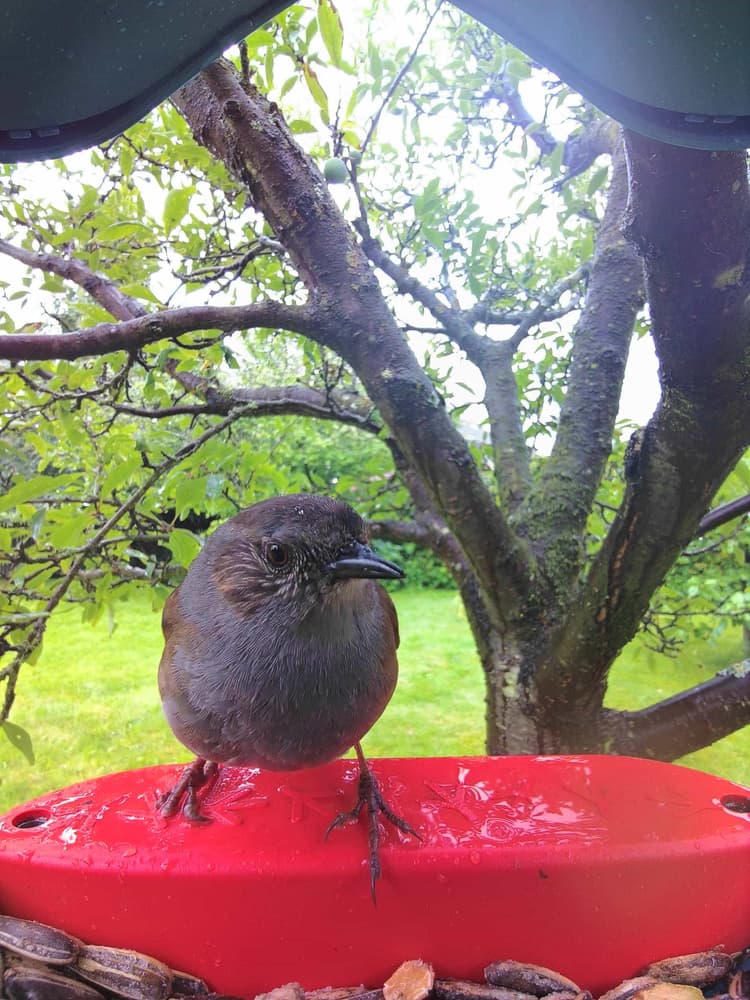
The dunnock, or hedge sparrow, is a small, unobtrusive bird characterized by its slender body, thin bill, and long legs. It has a streaked brown back, somewhat reminiscent of a sparrow, but its underparts are blue-grey. Its eyes are dark, and it has a distinctive orange-brown streak running from the beak to the eye. Dunnocks often flit about in dense undergrowth and are more often heard than seen.
Male vs female
Male and female dunnocks are generally similar in appearance, making it challenging to distinguish between the two in the wild. Both sexes have similar plumage, with no marked differences in coloration or size. However, males can be slightly larger, though this is not obvious without close comparison.
Juvenile
Juvenile dunnocks are similar in size to adults but usually have a duller, more brownish appearance with less distinct streaking. Their underparts lack the blue-grey hue of adults, appearing more buff in color. The eye stripe is less pronounced, and overall, they blend more into their environment until they mature.
Breeding and nesting habits of the dunnock
Mating behaviors
Dunnocks exhibit a complex mating system that includes monogamy, polygyny, and polyandry. The males and females both engage in secretive courtship behaviors, including wing-flicking and tail-raising, to attract multiple mates and secure mating opportunities.
Nesting details
Dunnocks typically build nests in dense shrubs and hedges, favoring low, concealed locations. The nest is constructed from twigs, moss, and leaves, and lined with feathers and hair. Gardens with varied plantings can provide suitable nesting sites for dunnocks.
Eggs and chick-rearing
The female lays 3-5 pale blue eggs, which she incubates for about 12-14 days. Both parents participate in feeding the chicks, which fledge around two weeks after hatching. Providing dense vegetation can help support dunnock families in garden environments.
What does a dunnock like to eat?
Berries
Insects
Seeds
Spiders
Worms
Natural diet
The dunnock primarily feeds on insects and other invertebrates such as ants, spiders, and caterpillars. During the breeding season, these provide essential protein. In autumn and winter, dunnocks supplement their diet with seeds and berries.
Bird feeders
At bird feeders, dunnocks often consume small seeds like sunflower seeds, broken bits of peanuts, and mealworms. They are ground feeders, so they prefer to eat food that has fallen from feeders to the ground.
Attracting dunnocks to your yard
To attract a dunnock to your yard or feeder, the first step is to ensure you have a safe and welcoming environment. This includes an area with plenty of cover for them to hide and feel safe, such as shrubs and hedges.
Favorite snacks of dunnocks
Dunnocks love to snack on insects, spiders and worms. They also enjoy seeds and will visit a bird feeder that offers these. We recommend using Bird Buddy seeds for best results as they are expertly chosen for the season.
Feeder types for dunnocks
Using ground feeders or low hanging feeders can help attract Dunnocks as they're generally ground feeders by nature. Make sure to keep the feeding area clean and replenish the feed regularly.
Fun tricks to encourage their visit
Have a bird bath or water feature in your garden as this provides a water source for Dunnocks, helping them feel more at home. Playing bird songs may also encourage them to visit your yard, and maybe even stay for a sing-along!
Where can you find dunnocks?

Primary habitat
Dunnocks prefer temperate zones, inhabiting woodlands, gardens, and hedgerows across Europe and parts of western Asia. They thrive in regions where dense vegetation offers cover and feeding opportunities.
Additional range
Unexpectedly, dunnocks occupy urban areas, adapting to parks and residential gardens. Their range includes areas with mild climates, avoiding extreme temperatures and highly arid regions.
Do they migrate?
The dunnock primarily exhibits resident behavior, staying within its home range throughout the year across much of Western Europe, including the UK, Ireland, and parts of France. These birds are generally sedentary, meaning they do not undertake significant migrations like many other bird species. However, populations in northeastern Europe, such as those in Scandinavia or the Baltic regions, might display partial migratory behavior. These birds tend to move short distances to more temperate areas during the colder months, primarily seeking milder climates within Southern Europe, particularly along the coasts of the Mediterranean. Migration tends to occur in late September to October, with a return trip in March to April. The migration routes are not well-defined as the dunnock usually travels relatively short distances compared to long-distance migratory birds, and specific stopover locations are not well-documented. These movements are not on a large scale and tend to occur discreetly, in contrast to the massive migrations seen in other avian species. Overall, the dunnock is mostly a year-round resident, with only some populations showing limited migratory behavior.
What is the role of dunnocks in nature and how to protect them?
Conservation status
The dunnock is listed as a species of Least Concern, indicating it is common and not currently at risk of extinction. However, it faces threats from habitat loss due to agricultural intensification and urban development. Conservation efforts focus on maintaining and restoring hedgerows and woodland edges, crucial for their habitat. While their population is stable across much of Europe, ongoing monitoring is essential to ensure local populations remain secure. Balanced land management practices play a pivotal role in safeguarding their natural habitats, and community awareness can aid in preserving these environments for the dunnock.
Ecological role of dunnocks
Its role in the ecosystem
The dunnock, also known as a hedge sparrow, plays a crucial role in maintaining the ecological balance. It acts as a pest controller by eating invertebrates, including insects, spiders, and small snails, thus controlling their population and preventing their overgrowth which could otherwise result in environmental harm. The dunnock also plays a vital role in seed dispersal. It forages on the ground, consuming seeds among other food sources. Through its natural biological processes, the dunnock disperses these seeds into the environment, thereby aiding plant growth and diversity. The dunnock's nesting habit contributes to the ecosystem by making use of different plant materials and promoting the recycling of nutrients. Its singing behaviour also plays a role in maintaining the auditory landscape of its habitat, contributing to the overall biodiversity and ecological health of its environment.
How to help protect dunnocks
Preservation tips
Habitat preservation strategies for dunnock
Prioritize maintaining and extending shrubs, hedges, and scrublands where dunnock thrive. This bird needs dense undergrowth for nesting, so avoid trimming shrubs frequently. Limit use of pesticides, as they feed on insects and spiders. Promote denser planting in gardens to provide suitable habitats.
Community science initiatives
Organize regular bird watching sessions with a focus on dunnock, providing education about their behavior, habits, and importance to the ecosystem. Engage schools and local communities in citizen science projects, such as tracking dunnock populations and reporting sightings. This will not only help monitor trends, but also increase public awareness and involvement in conservation.