
Eurasian Blackcap
Eurasian Blackcap
Also known as: Blackcap
Sylvia atricapilla


Quick Identification guide
Quick Identification guide
Male
- •
black cap on the head, giving the species its name
- •
Body covered in grey-brown plumage
- •
pale underparts that contrast with the darker body
Female
- •
brown cap on the head, distinguishing it from the male
- •
olive-brown upperparts with softer tones
- •
light grey underparts for a subtle contrast
What does a Eurasian blackcap sound like?
The Eurasian blackcap is known for its rich, fluty and melodious song, often with a rapid 'chur-chur-chur', usually sung from tree-tops or bushes. The song is comprised of long, complex, and variable phrases. Males usually sing to mark their territories. Typical calls include a sharp 'tec-tec'. Alarmed blackcaps produce a 'tacc-tacc', whereas their flight call note is a subdued 'pfew'. Females can also sing, but less frequently and quieter than males. This bird is a renowned mimic, occasionally incorporating phrases from other species’ songs into its own.


Description
These songbirds were named after the black spot on their heads. When it comes to females, the name is actually a bit of a misnomer as their cap is chestnut-coloured! Males are thought to have only one partner throughout their lives and to attract her, the males will dance their feathery pants off! They leave the nest around 11 days after hatching – fledging and flying as soon as possible.
The Eurasian blackcap can weigh between 16to25grams and be from13to14centimeters tall.
The Eurasian blackcap typically lives for about two years. Yet, exceptional individuals have been reported to live up to 11 years. In comparison, other species under the bird family Sylviidae, such as the Sedge Warbler and the Whitethroat, have similar average lifespans of around 2 years, but unlike the blackcap, rarely surpass 10 years of age.
Did you know?
Most popular questions about Eurasian blackcap
How to recognise a Eurasian blackcap?
General appearance
The Eurasian Blackcap is a mid-sized bird species with a compact body and a distinctive black or reddish-brown 'cap' on the head. It has creamy grey plumage on the body, light grey to olive hues on upper parts and buff white underside. It has a distinctive narrow eye-ring that is pale in color and a rounded tail. Seasonal variation involves the males' cap color darkening post moulting.
Male vs female
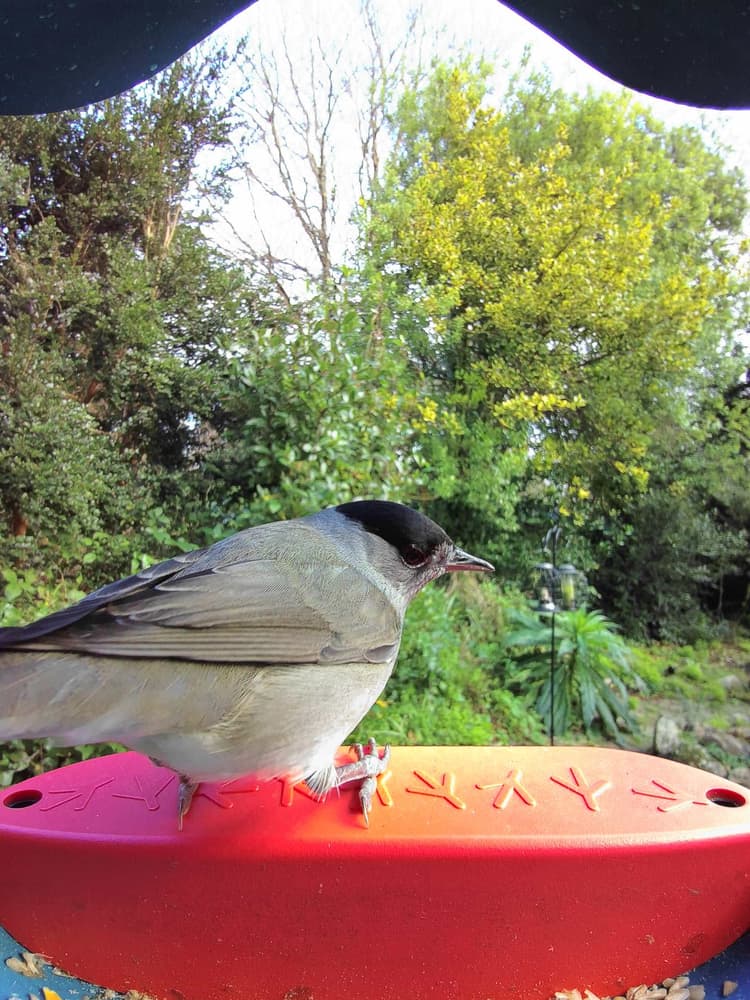
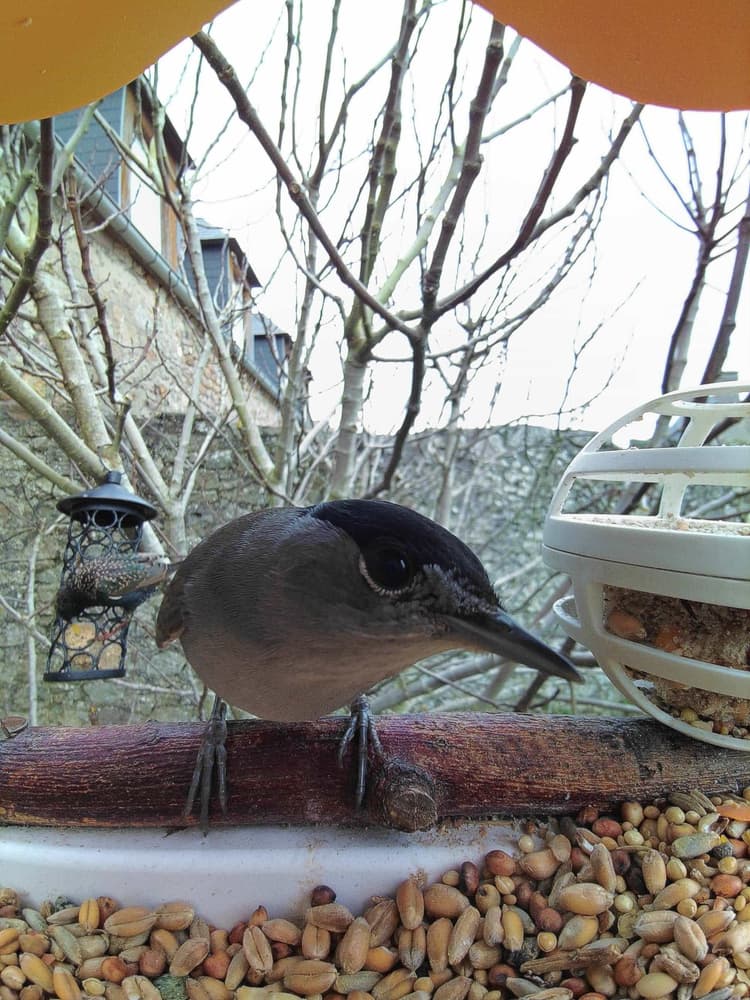
Male Blackcaps boast of a clear eponymous black cap, while the females have a chestnut-brown cap instead. Males also exhibit darker shades of grey on the body compared to females. Both sexes share the similar body size and structure, with no significant size difference between males and females.
Juvenile
Juvenile Blackcaps resemble adult females but have a morose brownish tone on the body. Unlike adults, their cap is dull and browner, that gets darker and distinct with age. Juveniles acquire adult-like plumage after first moulting, accompanying a cap color change.
Breeding and nesting habits of the Eurasian blackcap
Mating behaviors
The Eurasian blackcap engages in dynamic courtship displays involving melodic singing by males to attract females. Males may perform aerial displays and flutter their wings to draw attention.
Nesting details
Blackcaps choose dense shrubs or low trees for nesting, often selecting gardens, hedgerows, or woodlands. Nests are made from grass, twigs, and lined with hair or roots, creating a concealed and secure site.
Eggs and chick-rearing
Females lay 4-6 eggs, which they incubate for about 11 days. Both parents feed the chicks, which fledge around 10-12 days post-hatching. Suitable garden habitats should include dense shrubbery and insect-friendly plants.
What does a Eurasian blackcap like to eat?
Berries
Fruits
Insects
Snails
Spiders
Worms
Natural diet
The Eurasian blackcap primarily feeds on a variety of insects and their larvae, which constitute a significant part of its diet during the breeding season. It also consumes a wide range of fruits and berries, especially in the autumn and winter months, including elderberries, blackberries, and other soft fruits available in its habitat. The blackcap is known to adapt its diet based on seasonal availability, shifting from insect-dominated diets to more fruit-based consumption when insects are scarce.
Bird feeders
At bird feeders, Eurasian blackcaps are frequently attracted to offerings such as fruit, particularly apples and pears, which mimic their natural fruit preferences. They may also consume suet or fat balls, especially those that contain pieces of fruit or seeds. Additionally, blackcaps have been seen enjoying sunflower hearts and small pieces of nuts, which provide an alternative source of energy when natural food sources are less accessible during colder months.
Types of feeders
To attract the Eurasian blackcap, you'll want to start with a good quality bird feeder. Hanging tube feeders or ground feeders are often recommended. These birds prefer peace while eating, so be sure to place the feeder in a quiet, safe spot away from predators and excessive noise.
Favorite snacks
Eurasian blackcaps are quite fond of eating fruits and insects. Offer them chopped fresh fruits like apples and pears. Insects such as mealworms can be a great source of protein for them. Make sure to regularly stock up your feeders with these favorites.
Bird buddy seeds
Bird Buddy seeds have been noted to attract the Eurasian blackcap like no other. These seeds are chosen by experts for the season and provide an excellent source of nutrition for the birds. Try out these seeds for best results.
Fun tricks
Planting bushes and shrubs like hawthorn or blackberry can attract these birds as these plants provide both food and shelter. Playing soft bird songs can also encourage them to drop by. Remember, Eurasian blackcaps are fabulous singers, so you might even get a sing-along.
Where can you find Eurasian blackcaps?
Primary habitat
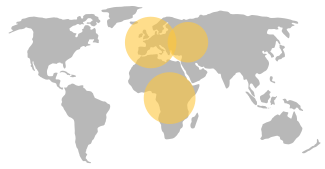
The Eurasian blackcap predominantly dwells in deciduous and mixed forests in Europe, western Asia, north-western Africa, and Macaronesia.
Additional range
It can be found in gardens and parks during migration and prefers temperate climate. Unexpected environments include semi-desert areas in North Africa and high altitudes in the Himalayas.
Do they migrate?
The Eurasian blackcap is a migratory bird, although some populations exhibit partial migration behavior. Typically, blackcaps breeding in the more temperate regions of central and northern Europe migrate to southern Europe and North Africa for the winter. The southern populations in milder climates, such as southwestern Europe, tend to be more sedentary and may stay in their breeding areas year-round. **Migration Route and Timing:** 1. **Breeding Areas:** Northern and central Europe, including countries like the UK, Germany, and Scandinavia. 2. **Autumn Migration:** Birds head south through western Europe. Key waypoints include France, the Iberian Peninsula, and Italian regions. 3. **Wintering Grounds:** Southern France, Spain, Portugal, North Africa, and parts of the Mediterranean coast. Some blackcaps have adapted to spend winters in the British Isles, exploiting food from garden feeders, a behavior that has become more common over recent decades. The return migration in spring occurs from March to May, as they head back to breeding sites. This pattern shows the blackcap's adaptability and changing migratory behaviors depending on environmental conditions and food availability.
What is the role of Eurasian blackcaps in nature and how to protect them?
Conservation status
The Eurasian blackcap is classified as "Least Concern" by the IUCN, indicating it is a common species with a stable population. This bird thrives in diverse habitats across Europe, Asia, and North Africa. A notable threat includes habitat loss due to urbanization and agricultural expansion. However, its adaptability to various environments and increased use of garden feeders during migration and winter help maintain its numbers. There are no significant targeted conservation efforts, as the population is currently stable and widespread, but general biodiversity preservation initiatives indirectly benefit the species.
Ecological role of Eurasian blackcaps
Its role in the ecosystem
The Eurasian blackcap, a small, insectivorous bird, plays a significant role in controlling pests in various ecosystems. Its diet primarily consists of insects, spiders, and other small invertebrates, thus helping to maintain a balance in the population of these species and indirectly supporting agricultural practices. In autumn and winter, its diet shifts to fruits and berries, contributing to seed dispersal. This behaviour promotes plant diversity and growth, supporting the overall health of the ecosystem. The Eurasian blackcap is also a migratory species, moving between Europe and Africa, hence it helps in the nutrient transfer across geographical regions. Its nesting habits also provide microhabitats for other species. Thus, the Eurasian blackcap holds a key role in biodiversity, pest control, and plant propagation.
How to help protect Eurasian blackcaps
Preservation tips
Habitat preservation strategies
Preserve and manage habitat areas where blackcap are known to breed, including dense scrub and woodland. Retain mature and diverse vegetation in these areas, as they provide nesting and foraging sites for the blackcap. Avoid using pesticides in your garden, as they are detrimental to the insects that blackcaps feed on. Support reforestation initiatives, creating more spaces for them to thrive.
Community science initiatives
Engage in local birdwatching groups to monitor blackcap populations and understand their behaviors. Share your sightings with national databases to contribute to scientific research. Advocate for blackcap conservation in your community and educate others about the importance of their preservation. Volunteer for or donate to organizations working towards bird conservation, or participate in citizen science projects like NestWatch and the Great Backyard Bird Count.