
Eurasian Reed Warbler
Eurasian Reed Warbler
Also known as: Reed Warbler
Acrocephalus scirpaceus
Quick Identification guide
Quick Identification guide
- •
The Eurasian Reed Warbler has olive-brown upperparts with pale, buffy underparts, creating a subtle contrast
- •
Features a thin, slightly downward curved beak perfect for insectivory
- •
Displays a slim and elongated body with a relatively long tail, giving it a graceful and delicate appearance
What does an Eurasian reed warbler sound like?
The Eurasian Reed Warbler is known for its distinctive and continuous song, characterized by a rhythmic series of melodious and repetitive phrases. It typically consists of scratchy, chattering notes interspersed with whistles and mimicry of other birds, creating a rich, varied acoustic pattern. The song is often delivered from a concealed perch within reedbeds. Additionally, it utters a harsh “check-check” call, particularly when agitated or alarmed. The vocalizations play a crucial role in territory establishment and mate attraction during the breeding season, with the song usually peaking at dawn and dusk.
Description
If you can tell a Eurasian reed warbler apart from other reed warblers, then you’ve earned your Expert Birder badge! Tough to spot, their melodious song means they are more easily heard than seen, and are found almost exclusively in reed beds. At least you'll know where to look!
The Eurasian reed warbler can weigh between 8to20grams and be from12.5to13.5centimeters tall.
The Eurasian Reed Warbler typically lives up to 11 years. This lifespan is comparable to other small warblers, although factors like predation and habitat can influence longevity. In contrast, the closely related Sedge Warbler generally has a shorter lifespan, often around 7 years. The Willow Warbler, another similar species, also has a lifespan of about 7 years. Eurasian Reed Warblers benefit from their adaptability and wide distribution, which can contribute to their relatively longer lifespan in suitable conditions.
Did you know?
Most popular questions about Eurasian reed warbler
How to recognise an Eurasian reed warbler?
General appearance
The Eurasian Reed Warbler is a small, agile bird primarily characterized by its reddish-brown upperparts and creamy underparts. The head has a subtle grey-brown hue with a slightly paler throat and chest. Its wings are broad and rounded, aiding in its skilled maneuvering through dense reed beds where it typically resides. The tail is relatively long and slightly notched, displaying a similar reddish-brown coloring. The bird's bill is slender and pointed, a typical feature of insectivore birds, allowing it to adeptly catch insects amidst foliage.
Male vs female
Male and female Eurasian Reed Warblers appear remarkably similar, with little distinction in plumage coloration between the sexes. Both possess the characteristic brownish tones and creamy underparts, making gender differentiation mainly reliant on behavior during the breeding season rather than distinct visual traits. Occasionally, males may exhibit slightly brighter plumage, but this is not significantly pronounced.
Juvenile
Juvenile Eurasian Reed Warblers display similar coloration to adults but with slightly duller and less defined plumage. Their underparts tend to show a buffish tint rather than the creamy white of adults. Additionally, juveniles may have more prominent streaking on their upperparts, providing some degree of camouflage during their initial stages of life. As they mature, these streaks fade, and the overall plumage becomes more pronounced, adopting the characteristic adult coloring.
Breeding and nesting habits of the Eurasian reed warbler
Mating Behaviors
The Eurasian Reed Warbler engages in elaborate courtship displays to attract a mate. Males often sing from exposed perches within their territory to advertise their presence and assert dominance over other males. This singing may include various melodious and repetitive notes. They may also perform aerial displays, such as flying in circles or engaging in chase flights. Monogamous during the breeding season, these warblers display social behaviors that center around securing and defending a mate.
Nesting Details
The preferred nesting locations for the Eurasian Reed Warbler are dense reed beds near water bodies, although they occasionally nest in bushy gardens. Nests are constructed using grasses, leaves, and reeds carefully woven together, secured with spider silk to provide strength. This small, cup-shaped nest is typically located close to the ground or water level for protection against predators and weather elements. To encourage warblers to nest in gardens, maintaining dense vegetation with reeds or tall grasses is key.
Eggs and Chick-Rearing
Female Eurasian Reed Warblers typically lay between 3 to 5 eggs per clutch. The incubation period lasts about 11 to 12 days, during which both parents participate in keeping the eggs warm. Once hatched, the chicks are fed a diet of insects and caterpillars continuously by both parents. Young warblers fledge approximately 10 to 12 days after hatching, though they remain dependent on parental care for food and protection for a short period post-fledging.
What does an Eurasian reed warbler like to eat?
Fruits
Insects
Spiders
Natural Diet
The Eurasian Reed Warbler primarily feeds on a diverse range of insects, particularly during the warmer months when insects are abundant. Its diet includes caterpillars, beetles, aphids, and spiders, which it forages from reed beds and dense vegetation. As an opportunistic feeder, the warbler may occasionally consume small fruits and berries, especially in late summer and early fall as insect populations decline. During the autumn migration, it may enhance its diet with energy-rich nectar or sugary fruits to fuel its long journey.
Bird Feeders
The Eurasian Reed Warbler is less commonly observed at bird feeders compared to backyard birds like sparrows and finches. However, it may occasionally visit feeders, particularly in colder months or when natural food sources are scarce. If it does, it might be attracted to insect-rich suet cakes or specialized mixes designed for insect-eating birds. They are generally not attracted to seed mixes or grains. Offering dried mealworms or softened fruits might also encourage a visit from these birds, especially in gardens that simulate their natural habitat with dense foliage and water sources.
Attract eurasian reed warblers with the right feeder
To attract Eurasian Reed Warblers, select a tube feeder with small ports, ensuring only small birds can access it. These feeders should mimic their natural feeding habits, aligning with the slender beaks of warblers.
Offer nutritious foods and seeds
Eurasian Reed Warblers are drawn to insects and a mix of quality seeds; Bird Buddy seeds are ideal. This special blend, rich in protein, offers the nutrition these warblers seek, especially during migration and breeding seasons.
Optimal feeder placement for warblers
Position the feeder in a quiet, sheltered area, close to shrubs or tall grasses. A height of 1.5 to 2 meters is ideal, simulating the reeds where they naturally thrive, offering safety and easy access.
Seasonal strategies to enhance attraction
In spring and early summer, when insects are abundant, complement the seed offerings with mealworms. During these months, maintaining a well-stocked feeder can make your yard a favored stop on migration paths.
Create a welcoming environment
Incorporate water sources like bird baths or small ponds nearby, crucial for drinking and bathing needs. Plant native grasses and reeds to simulate the warbler's natural habitat, thereby increasing the likelihood of visits.
Where can you find eurasian reed warblers?
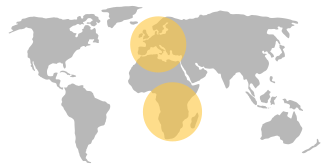
Eurasian reed warbler habitat overview
Primary habitat: Eurasian Reed Warblers predominantly inhabit reed beds found near water bodies like lakes, rivers, and marshes across Europe, western Asia, and parts of northern Africa. They prefer climates that offer a moist environment, providing both dense reed cover for nesting and proximity to water for foraging. Additional range: While they mainly thrive in reed beds, these adaptable birds can occasionally be found nesting in shrubland and open grasslands, especially during migration. Their presence in urban garden ponds and rural ditches also indicates their adaptability to different environments when reed availability is limited.
Do they migrate?
The Eurasian Reed Warbler (Acrocephalus scirpaceus) is a migratory bird. It breeds across Europe and Western Asia, inhabiting reed beds and wetlands during the breeding season, which typically lasts from April to August. As autumn approaches, the Eurasian Reed Warbler embarks on a southward migration to its wintering grounds in sub-Saharan Africa. The migration journey usually commences in late August or September. These birds navigate across the Mediterranean Sea, with some crossing the Iberian Peninsula or Italy, while others travel over the Balkans and Greece. Major stopover locations often include wetland regions along their route where they can rest and refuel. Upon reaching Africa, they continue traveling southwards, with their wintering destinations including parts of West Africa, particularly in countries like Senegal, Mali, and Nigeria. Some populations may extend as far east as East Africa. By March or April, the birds start their return migration back to their breeding grounds, following similar routes but more directly as they are more familiar with the landscape. Environmental cues, such as changes in temperature and daylight, help guide this intricate migratory behavior, ensuring their survival and successful breeding across diverse geographical regions.
What is the role of eurasian reed warblers in nature and how to protect them?
Conservation status
The Eurasian Reed Warbler is classified as "Least Concern" by the IUCN, indicating it is relatively common and not currently vulnerable or endangered. This bird thrives in reed beds and wetlands across Europe and parts of Asia. Key conservation efforts focus on preserving and restoring wetland habitats, which are crucial for their breeding and foraging. The species faces threats primarily from habitat loss due to drainage and land development. Climate change also poses a long-term risk by potentially altering their natural habitats. Efforts are ongoing to ensure these wetland ecosystems remain intact and support biodiversity.
Ecological role of eurasian reed warblers
Its role in the ecosystem
The Eurasian Reed Warbler plays a multifaceted role in the ecosystems it inhabits. This small bird is primarily known for its insectivorous diet, consuming a significant amount of insects such as flies, mosquitoes, and larvae, thus aiding in natural pest control. By regulating insect populations, the warbler helps maintain a balance within its habitat, preventing outbreaks that could damage the vegetation. While primarily focused on insects, the Reed Warbler occasionally consumes small fruits and berries. This dietary flexibility allows it to contribute to seed dispersal, aiding in plant propagation as seeds pass through the bird's digestive system and are deposited elsewhere. Though not directly involved in pollination, the presence of warblers supports healthy plant communities by controlling leaf-feeding insect populations. This indirectly benefits pollinators such as bees and butterflies, who rely on thriving plant species. Nutrient cycling is facilitated by this bird through guano, which enriches the soil with essential nutrients, fostering plant growth and maintaining soil health. Additionally, the warbler's nests provide habitat for a diverse range of organisms and contribute to the overall biodiversity of reed beds. These interactions underline the importance of the Eurasian Reed Warbler in sustaining the delicate balance of ecosystems it inhabits.
How to help protect eurasian reed warblers
Preservation tips
Habitat preservation strategies
To support the conservation of the Eurasian Reed Warbler, individuals can advocate for the protection and restoration of wetlands and reed beds, which are the natural habitats of these birds. Collaborating with local conservation organizations to fund and participate in habitat restoration projects can make a significant impact. Supporting legislation that protects these ecosystems and encourages sustainable land use practices is another important action. Additionally, landowners can be approached to encourage the maintenance of natural waterways and discourage drainage or conversion of important wetland areas.
Community science initiatives
Engaging in community science initiatives can greatly aid in the conservation of the Eurasian Reed Warbler. Citizens can participate in bird-watching events and contribute data to ornithological research platforms, enabling scientists to track populations and behaviors. Hosting or attending local workshops focused on bird conservation can help raise awareness and educate others. Schools and community groups can organize events to clean up natural habitats, helping maintain environments conducive to the warblers. Furthermore, using platforms like social media to share information and successes can inspire others to join in conservation efforts.