
Orange-Chinned Parakeet
Orange-Chinned Parakeet
Also known as: Tovi Parakeet
Brotogeris jugularis
Quick Identification guide
Quick Identification guide
- •
Features a predominantly green plumage with a distinctive orange spot under the chin
- •
Displays a short tail and compact body structure, complementing its agile appearance
- •
Has a stubby, pale beak that contrasts with its green feathers
What does an orange-chinned parakeet sound like?
The orange-chinned parakeet produces a series of high-pitched, repetitive verbalizations that include squawks, chirps, and tweets, utilized primarily for communication within flocks. Experts characterize the calls as sharp, loud, and fast, often described as 'kweek'. It does not showcase a vibrant singing repartee but may mimic human voices if raised in domestic conditions. Its vocalizations serve as a warning for nearby dangers and during its lively social interactions.
Description
Orange-chinned parakeets may be pocket-sized but that does not stop them from being as noisy as can be! They are great mimics too, so they are able to include a plethora of different sounds into their repertoire. They like to fly around in large flocks and, of course, chatter a bit while on the go.
The orange-chinned parakeet can weigh between 53to65grams and be from18to19centimeters tall.
The orange-chinned parakeet typically lives up to 20-30 years in captivity. Compared to other parrot species, their lifespan is relatively short. For instance, the African Grey parrot can live up to 60 years in captivity and the Budgerigar, a small Australian parakeet, also outlives the orange-chinned parakeet with a lifespan of 30-40 years. Its lifespan in the wild, however, is generally shorter due to factors like predation and disease.
Did you know?
Most popular questions about orange-chinned parakeet
How to recognise an orange-chinned parakeet?
General appearance
The orange-chinned parakeet, also called the Tovi parakeet, is a small bird with a size ranging from 24-26cm. It is predominantly green with blue-tinted wings and tail. The characteristic feature which gives it its name is the bright orange patch found on its chin, contrasting its otherwise green face. It has a pointed tail and robust body.
Male vs female
The orange-chinned parakeet exhibits sexual monomorphism, meaning that males and females possess similar appearance. Both genders display the colorful orange patch on the chin and have green bodies with blue-tinted wings and tail. The primary difference is in size - males tend to be slightly larger than the females.
Juvenile
Juvenile orange-chinned parakeets resemble adults but are generally duller in color. They lack the distinct orange chin patch, which develops as they mature. Their wing and tail feathers also do not have the same blue tinting found in the adults. The full adult plumage typically comes in after their first molt.
Breeding and nesting habits of the orange-chinned parakeet
Mating behaviors
Orange-chinned parakeets engage in courtship displays that involve vocalizations and mutual preening. These behaviors strengthen pair bonds before breeding.
Nesting details
The species nests in tree cavities, often in palm trees. They may also utilize artificial structures in gardens. Nesting materials include leaves and other plant debris. Providing birdhouses with a small entrance in gardens can support nesting.
Eggs and chick-rearing
Females typically lay 3 to 5 eggs, which are incubated for about 22 days. Both parents participate in feeding and caring for the chicks, which fledge around 6 to 7 weeks of age.
What does an orange-chinned parakeet like to eat?
Flowers
Fruits
Nectar
Plants
Seeds
Natural diet
The orange-chinned parakeet primarily feeds on a variety of fruits, seeds, and flowers found in its natural habitat. It commonly consumes items like figs, berries, and nectar from various plants. This parakeet often forages in small groups, taking advantage of food sources available in forest edges, open woodlands, and plantations.
Bird feeders
At bird feeders, the orange-chinned parakeet is attracted to offerings such as sunflower seeds, millet, and cracked corn. It may also enjoy fresh fruit pieces like apple and banana, as well as specially formulated parrot food mixes that include a variety of seeds and dried fruits. These feeders can supplement its natural diet, especially in urban areas.
Alluring the orange-chinned parakeet
Luring these vibrant-feathered friends to your yard can be a rewarding and delightful experience. To attract the Orange-Chinned Parakeets, start by setting up a bird feeder. Choose feeders with ports, perches, and enough space for parakeets. Cylinder feeders filled with seed mix, platform feeders, or even homemade feeders, would work great. Connect the feeder to a tree or hang it from a pole.
Choice of snacks for orange-chinned parakeets
Parakeets are fond of various seeds and grains. Fill up your feeder with quality seeds like the Bird Buddy seeds. These seeds are preferred as they are seasonal and chosen by bird experts. Thus, ensures they provide the necessary nutrients to these parakeets. You can also tempt them with fresh fruits and vegetables, but remember to remove any uneaten fruits and veggies at the end of the day to prevent spoilage.
Encouraging frequent visits
Create a secure and calm environment free from predators like cats and dogs. Provide a bird bath or shallow dish with fresh water. A routine will also encourage these birds to drop in more often. With consistent food and a peaceful environment, they might even stay for a little singalong, sharing their unique, cheerful tunes.
Where can you find orange-chinned parakeets?
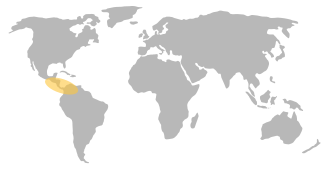
Primary habitat
The Orange-chinned Parakeet primarily inhabits tropical and subtropical dry forests and shrublands. They are also found in pasturelands and cultivated areas.
Additional range
While their typical range extends from Mexico to northwestern Peru and northern Argentina, these parakeets are not exclusive to Latin America and can also be found in suburban and urban areas, adapting well to human-altered environments.
Do they migrate?
The orange-chinned parakeet, also known as the Tovi parakeet, is generally a non-migratory bird. It is native to Central America and parts of northern South America. This species primarily resides in a range that includes southern Mexico, through Central America, and into western Colombia and Venezuela. Rather than long-distance migration, these parakeets may make small local movements in response to food availability and seasonal changes. These movements are typically altitudinal or between different types of forest and woodland habitats, often within the same region. Orange-chinned parakeets thrive in a variety of environments, including lowland forests, plantations, and urban areas, where they can find sufficient food and nesting sites. Their diet consists mainly of seeds, fruits, and flowers, which are generally available year-round in their range, reducing the need for extensive migration. Overall, the species is adapted to remain in its local environment throughout the year, relying on its ability to exploit diverse resources and habitats in its tropical and subtropical distribution range.
What is the role of orange-chinned parakeets in nature and how to protect them?
Conservation status
The orange-chinned parakeet is categorized as "Least Concern" by the IUCN, indicating that it is relatively common and not currently at risk of extinction. The species thrives in various habitats, including urban areas and secondary forests, across Central America. There are no significant widespread threats impacting their populations drastically. However, habitat destruction and illegal pet trade pose localized threats. Conservation efforts focus on habitat preservation and raising awareness to curb illegal trade. As they are adaptable, their overall population remains stable, reducing the immediacy of large-scale conservation programs.
Ecological role of orange-chinned parakeets
Its role in the ecosystem
The orange-chinned parakeet plays a crucial role in maintaining ecological balance in its native tropical territories. As an omnivorous bird, it helps in controlling pest populations by consuming various insects, which are often considered pests for various plants. Besides this, it aids in seed dispersal - its feeding habits involve feasting on fruits and as a result, the bird ends up dispersing seeds through its droppings across a large geographical area, thereby contributing to plant propagation and diversification. Furthermore, the parakeet holds cultural significance and is frequently used as a pet, increasing its economic value and impact. However, this has led to it being endangered due to illegal pet trade activities. Its existence is essential for maintaining functional ecosystems, and its reduction in number might upset the ecological equilibrium.
How to help protect orange-chinned parakeets
Preservation tips
Habitat preservation
Support organizations invested in conserving tropical and subtropical dry forests of Central and South America, the natural habitat of the orange-chinned parakeet. Engage in efforts to reduce deforestation like tree planting initiatives, promote sustainable farming practices, and support legal action against illegal logging.
Community science initiatives
Partake in community science projects that monitor the orange-chinned parakeet population and range. Report any sightings on bird watching platforms and participate in annual bird count events. Public education and outreach can also be instrumental in raising awareness about the importance of preserving this species and its habitat.