
Red-Tailed Black Cockatoo
Red-Tailed Black Cockatoo
Also known as: Banksian Black Cockatoo, Banks' Black Cockatoo
Calyptorhynchus banksii
Quick Identification guide
Quick Identification guide
Male
- •
glossy black plumage with vibrant red panels on the tail
- •
broad, robust beak perfect for cracking hard seeds
- •
short crest that raises when alert
Female
- •
black plumage speckled with yellow-orange spots on head and wings
- •
red and orange barring on the tail
- •
narrower crest compared to the male
What does a red-tailed black cockatoo sound like?
The red-tailed black cockatoo has a characteristic piercing, metallic screech, often repeated during flight or while perching. The call varies in pitch and volume, sometimes ending in a softer 'caw-caw-caw'. It lacks distinct songs but produces soft social noises while resting or feeding. Females also emit softer, more modulated cries and have unique contact calls for their chicks. Males produce a nasally alarm call. The cockatoo may also mimic human speech when in captivity.
Description
Red-tailed black cockatoos have something called zygodactyl feet! That means two toes point forwards and two point backwards. This lets these beautiful birds grab things while standing on the other foot. And just like we have a dominant hand, they have a dominant foot. They are almost exclusively left-footed!
The red-tailed black cockatoo can weigh between 570to870grams and be from55to60centimeters tall.
Red-tailed black cockatoos typically live up to 50 years in the wild and up to 75 years in captivity. This is similar to other large cockatoos, but longer than smaller parrot species, which usually live up to 15-20 years.
Did you know?
Most popular questions about red-tailed black cockatoo
How to recognise a red-tailed black cockatoo?
General appearance
The red-tailed black cockatoo is a large and striking bird, primarily black in color with bright red or orange panels in the tail depending on sex. They have a distinctive crest of the same black feathers on their head. Their size varies with location, but generally ranges between 50-65 cm in length.
Male vs female
Males have a characteristic pair of bright red panels on their tail feathers, a black beak, and a dark iris. Females are slightly smaller, beaks are whitish, and they typically sport patterned yellow-orange spots on their chest and wings. Their tail panels are thin orange-yellow stripes instead of solid red.
Juvenile
Juveniles resemble the adult female red-tailed black cockatoo, but are duller in color. Their iris is dark, and they possess fainter yellow-orange patterns. Tail-wise, the young males have dull red panels while the young females display barred orange tail panels. With age, these colors become more pronounced and distinct.
Breeding and nesting habits of the red-tailed black cockatoo
Mating behaviors
Red-tailed black cockatoos engage in courtship displays including wing-spreading and vocalizations. Males may also present food to the female as a part of courtship rituals.
Nesting details
These cockatoos typically nest in large, hollow trees, preferring eucalyptus species. Nests are lined with chewed wood to create a suitable environment. They rarely nest in gardens, demanding large trees for proper nesting.
Eggs and chick-rearing
The female lays 1-2 eggs and incubates them for about 30 days. After hatching, chicks are cared for by both parents. They remain in the nest for several months before fledging.
What does a red-tailed black cockatoo like to eat?
Fruits
Nuts
Plants
Seeds
Natural diet
The red-tailed black cockatoo primarily feeds on native seeds, fruits, nuts, and flowers found in its habitat. They have a particular preference for seeds from eucalyptus, casuarina, and acacia trees. Additionally, they consume insect larvae and other small invertebrates.
Bird feeders
At bird feeders, red-tailed black cockatoos are occasionally seen consuming commercial bird seed mixes that include sunflower seeds, grains, and nuts. While they are less commonly found at feeders, these foods can supplement their natural diet when available.
Attract red-tailed black cockatoos with feeders
Start by setting up a bird feeder in your yard. Red-tailed black cockatoos are big birds and prefer large, sturdy feeders which can easily accommodate them. Place the feeder safely away from predators and ideally close to trees to provide a reassuring shelter. Make sure to regularly clean and disinfect your feeder to keep it inviting and safe for birds.
Fill your feeder with their favorite snacks
Red-tailed black cockatoos are particularly fond of seeds, nuts, and berries. Consider filling your bird feeder with Bird Buddy seeds, specially selected by experts depending on the season. These birds are specifically drawn to native tree seeds. Additionally, provide fresh water for them to drink and bathe in.
Establish a natural habitat
Making your yard more bird-friendly will surely attract red-tailed black cockatoos. Include native trees and plants in your landscaping as these will attract local wildlife including your desired cockatoos. A flourishing natural environment will provide both food and shelter for these birds making your yard a preferred stopover.
Encourage them to linger with fun tricks
Once the cockatoos start showing up, encourage them to make regular visits and longer stays by playing soft music or mimic calls. Red-tailed black cockatoos are curious and intelligent, and may appreciate this interactive element. However, avoid loud noises which could scare them away. If possible, install a bird bath or a fountain, as these cockatoos enjoy bathing and playing in water.
Where can you find red-tailed black cockatoos?
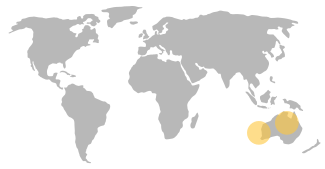
Primary habitat
The red-tailed black cockatoo primarily inhabits Eucalyptus woodlands, Melaleuca swamps, and tropical rainforests in Australia.
Additional range
It occasionally ventures into urban areas becoming a common sight in parks and gardens. They prefer warm climates and are mostly found across northern and eastern Australia.
Do they migrate?
The red-tailed black cockatoo primarily does not migrate in the traditional sense. Instead, these birds are known for their local movements which are largely dictated by the availability of food and water rather than long-distance migration patterns. These cockatoos inhabit various regions of Australia, including northern, eastern, and southwestern parts of the continent. The population movements are particularly observed in areas with more seasonal climates, where they may relocate temporarily to access better food sources or water, especially during the dry season. In parts of Northern Australia, red-tailed black cockatoos may move between woodland and savanna areas, especially following the fruiting or flowering cycles of native trees like Eucalyptus and Grevillea. In the temperate regions, particularly in the southwest, they may be seen shifting between forests and agricultural lands. Overall, while they do not have a defined migratory route, their movements are fairly predictable based on seasonal resource availability. Monitoring their movement patterns helps understand their habitat needs and conservation priorities.
What is the role of red-tailed black cockatoos in nature and how to protect them?
Conservation status
The red-tailed black cockatoo is generally considered to be of Least Concern, though some specific populations face threats. Certain subspecies are classified as vulnerable or endangered, primarily due to habitat loss from land clearing and logging. Key conservation efforts include habitat protection and restoration, along with community education programs. Additionally, some recovery plans aim to manage threats such as competition for nesting sites and illegal poaching. Conservationists focus on preserving habitats, managing fire regimes, and monitoring population dynamics to ensure the species' survival across its range.
Ecological role of red-tailed black cockatoos
Its role in the ecosystem
The Red-tailed Black Cockatoo plays a crucial role in maintaining the ecosystem balance in its native environments across Australia. One significant ecological role is in seed dispersal, where it helps in the propagation of plant species. It feeds on various seeds, notably eucalypts, acacias, and banksias, discarding many while eating, fostering growth in new locations. The Cockatoo also aids pest control, consuming insects that may otherwise damage vegetation or pose threats to other species. Its nesting habits contribute to the ecosystem, as they establish their nests in large tree hollows, aiding in the decomposition process. These hollows also provide habitats for various other creatures once vacated by the cockatoos. Therefore, the conservation of the Red-tailed Black Cockatoo is vital for the sustainability of these ecosystems.
How to help protect red-tailed black cockatoos
Preservation tips
Habitat preservation strategies
Supporting the red-tailed black cockatoo can involve habitat preservation strategies such as lobbying for stronger environmental protection laws, supporting organisations that create and sustain protected areas, conducting reforestation initiatives in deforested areas, and preserving the cockatoo’s food sources like Marri and Jarrah trees. Regular monitoring of these habitats is also crucial to prevent any potential threats.
Community science initiatives
Community science initiatives could be beneficial, like conducting local bird count initiatives to keep track of population numbers, or advancing educational programs to spread awareness about the importance of the red-tailed black cockatoo and the threats it faces. Encouraging local engagement by creating bird-friendly spaces in backyards and communities can also help. Reporting sightings to local wildlife services ensures constant monitoring and immediate action when necessary.