Rufous-Tailed Hummingbird or Allen's Hummingbird?
Here's how to tell the difference
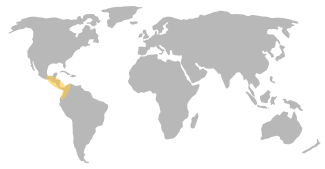


Rufous-Tailed Hummingbird


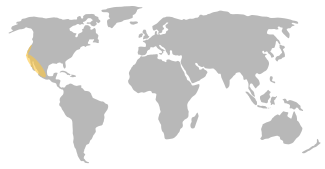
Allen's Hummingbird
Rufous-Tailed Hummingbird
Amazilia tzacatl
General appearance
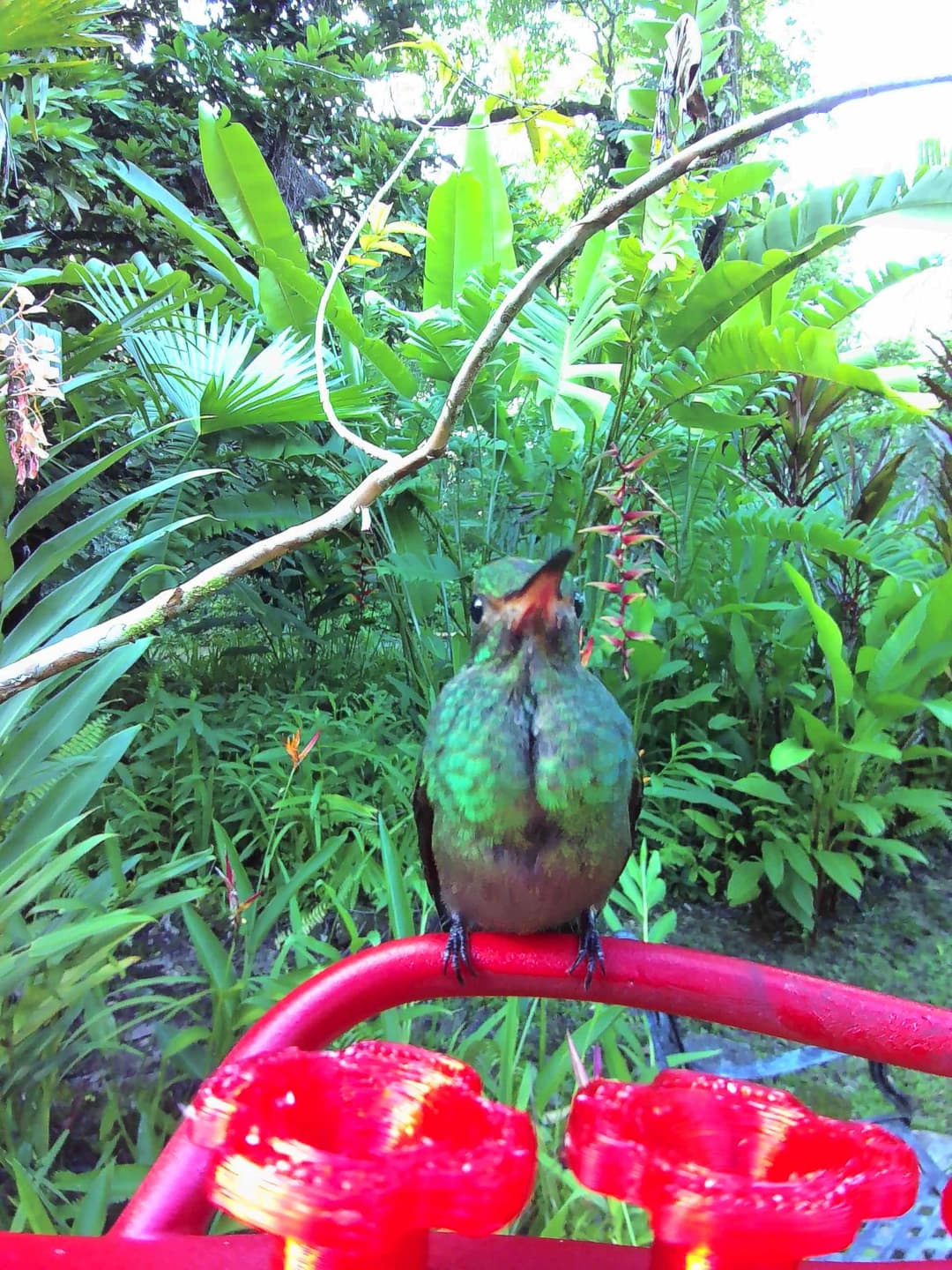
The Rufous-Tailed Hummingbird measures roughly 10 to 12 cm in length. Primarily bright green, it flaunts a reddish-brown and slightly forked tail, from which it gets its name. A white spot behind each eye adds to its allure. Its bill is straight and noticeably reddish in color.
Male vs female
Males and females are indistinguishable by plumage, both boasting the same vibrant green and reddish-brown tones. However, females may be slightly larger in size. During mating seasons, males perform impressive airborne displays to appeal to females.
Juvenile
Juvenile Rufous-Tailed Hummingbirds sport similar coloration to their adult counterparts, making them difficult to distinguish. They might show a more uneven, fluffier feather arrangement and their tail feathers can be shorter. They gain full adult plumage within several weeks after leaving the nest.
Size
3.5 - 4.3 in/0.2 oz
There's more to learn about Rufous-Tailed Hummingbird
View full detailsAllen's Hummingbird
Selasphorus sasin
General appearance
The Allen's hummingbird is a small species, measuring between 3-3 1/2" (8-9 cm), roughly the size of a Sparrow. The bird displays a variety of colors including black, green, orange, red, and white. Its physical features consist of a multi-pointed, rounded, and wedge-shaped tail, with narrow, rounded and short wings.
Male vs female
Mature males have coloration similar to a Rufous Hummingbird, with the notable distinction of a green back. However, Rufous Hummingbirds can also display green backs making identifying Allen's challenging outside of their typical range. The females and young of the species are completely identical to their Rufous counterparts.
Juvenile
The juvenile Allen's hummingbirds inherit the identical appearance of the female and are similar to Rufous younglings, so identifying them can potentially be difficult. Instead, their range of habitat can provide a decent clue towards proper identification.
Size
3.0 - 3.5 in/0.1 oz
There's more to learn about Allen's Hummingbird
View full detailsHow to tell the Rufous-Tailed Hummingbird from the Allen's Hummingbird
Visual differences
The Rufous-Tailed Hummingbird (3.5-4.3 inches) is slightly larger than Allen's Hummingbird (3-3.5 inches) with a straight reddish bill and uniform bright green and reddish-brown plumage. Its tail is reddish-brown and slightly forked. In contrast, Allen's Hummingbird features a multi-colored appearance with a green back, rounded wings, and a wedge-shaped tail. Male Allen's show a Rufous-like coloration but differ by the green back. Allen's females and juveniles are similar to Rufous females and juveniles, complicating identification outside of regional context.
Key differences and behavior
The Rufous-Tailed and Allen's Hummingbirds, while similar in size and diet, exhibit distinct differences. Rufous-Tailed Hummingbirds, common in Central America, display aggressive territorial behavior around feeders but can nest in loose colonies when food isn't at stake. They inhabit tropical forests and gardens, with dynamic flight displays for courtship. Conversely, Allen's Hummingbirds, known for their aggressive nature, inhabit semi-open habitats along the U.S. West Coast, demonstrating a unique J-shaped flight during courtship. They remember flower and feeder locations and migrate seasonally. While both species feed on nectar and insects, the Rufous-Tailed can thrive in urban settings, whereas Allen's use memorization for efficient foraging.
Still not sure? Here are more lookalikes!
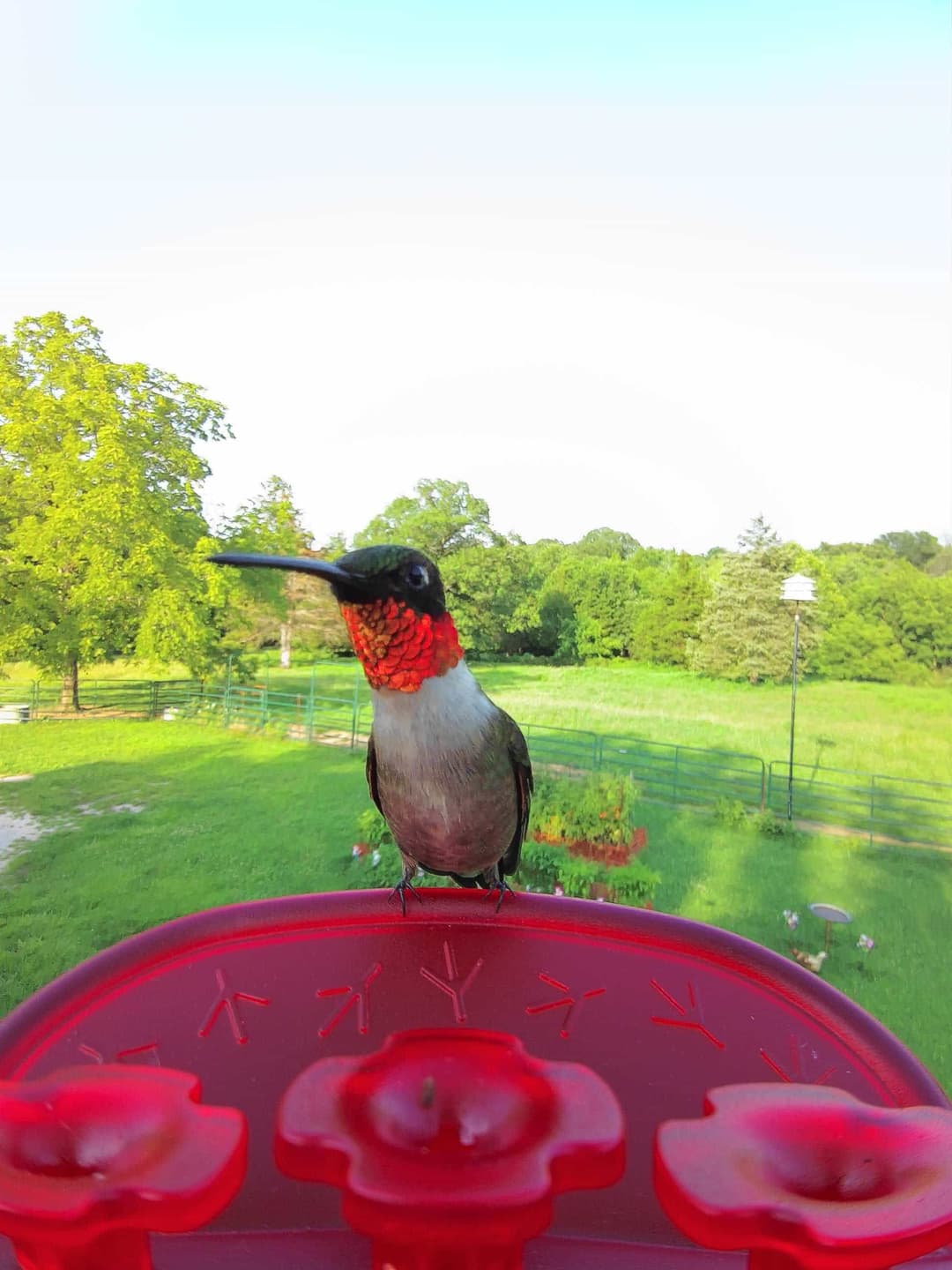
Rufous-Tailed Hummingbird vs Ruby-Throated Hummingbird
Rufous-Tailed Hummingbird vs Anna's Hummingbird
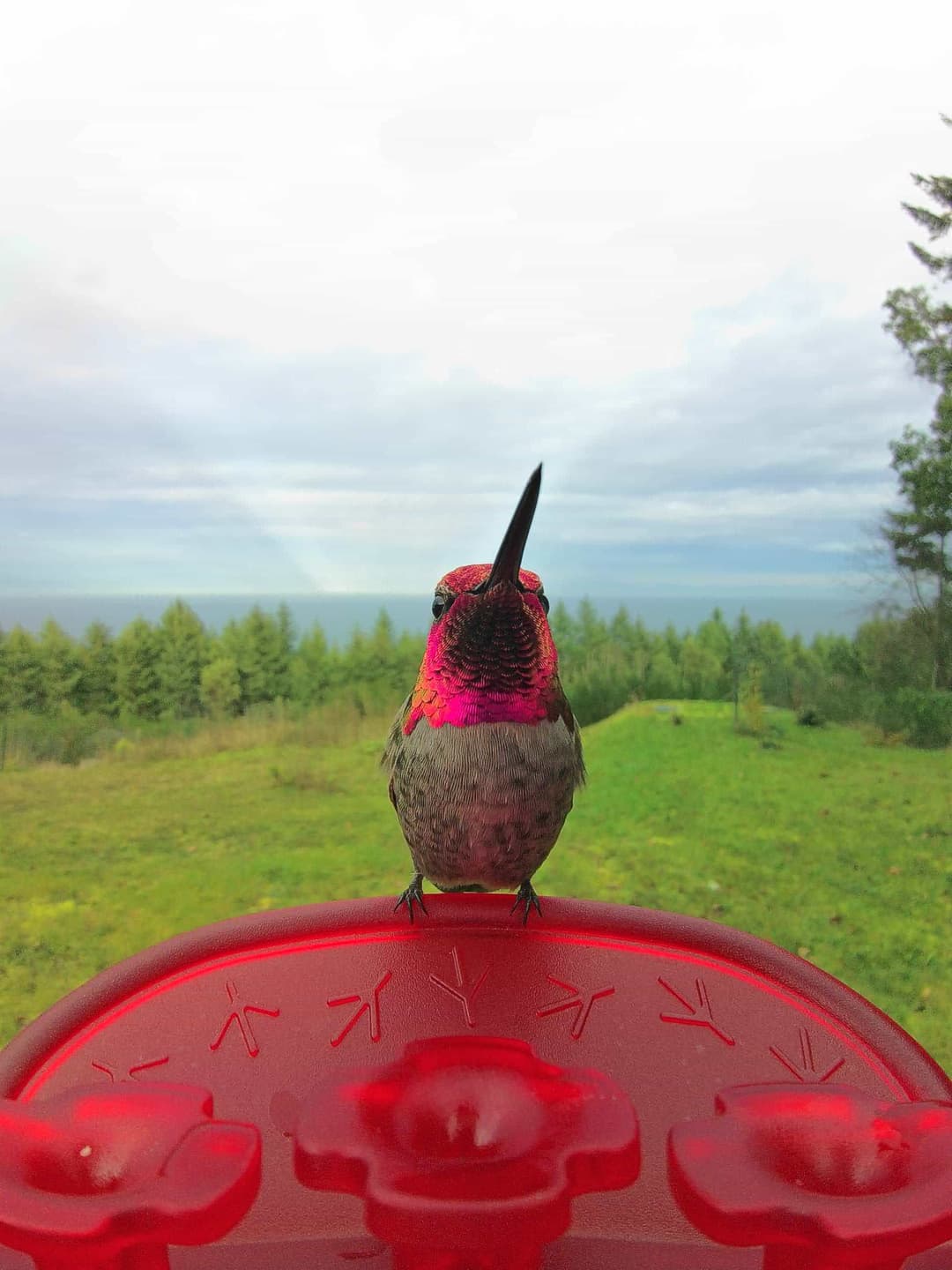
Allen's Hummingbird vs Rufous Hummingbird
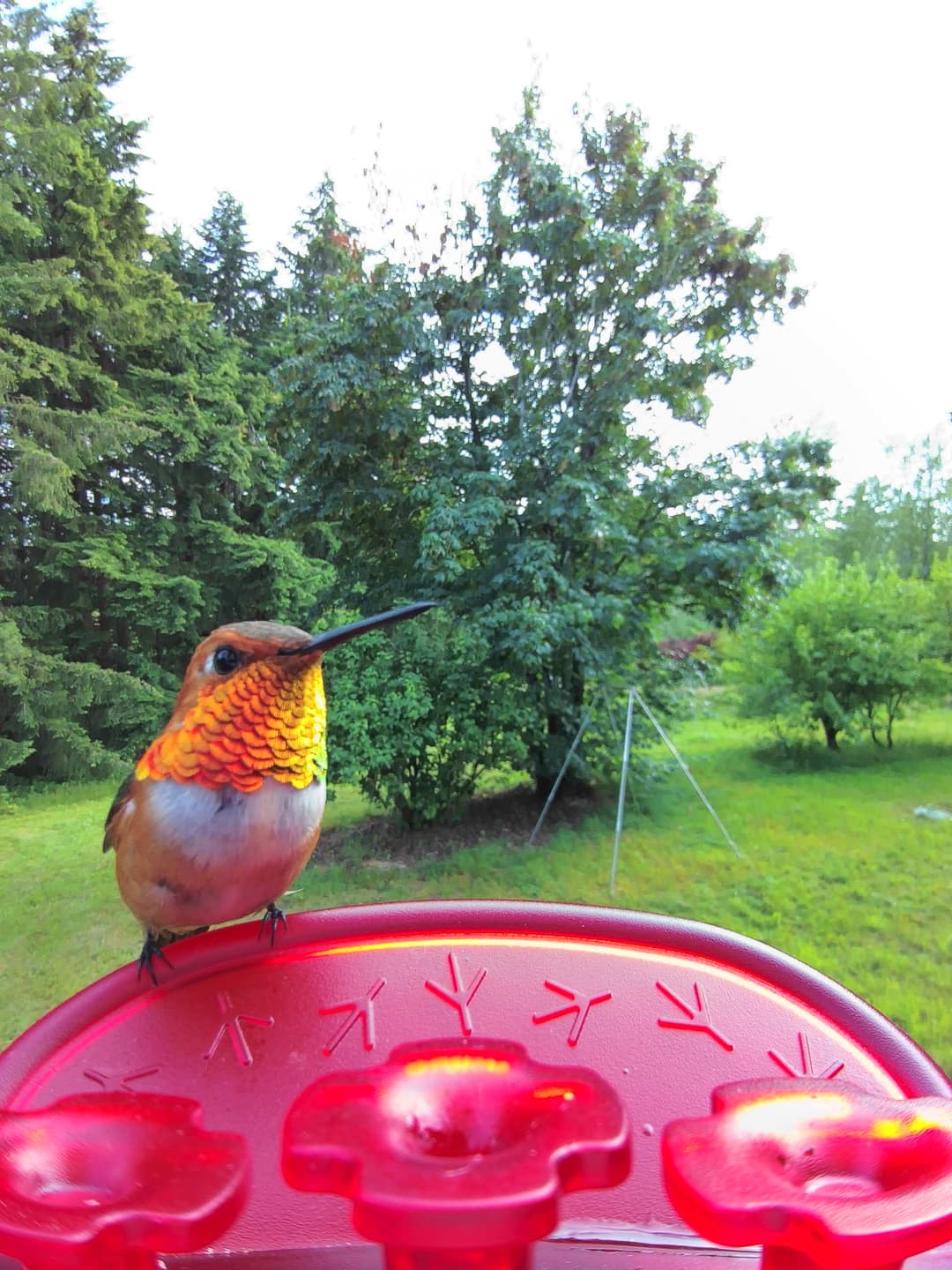
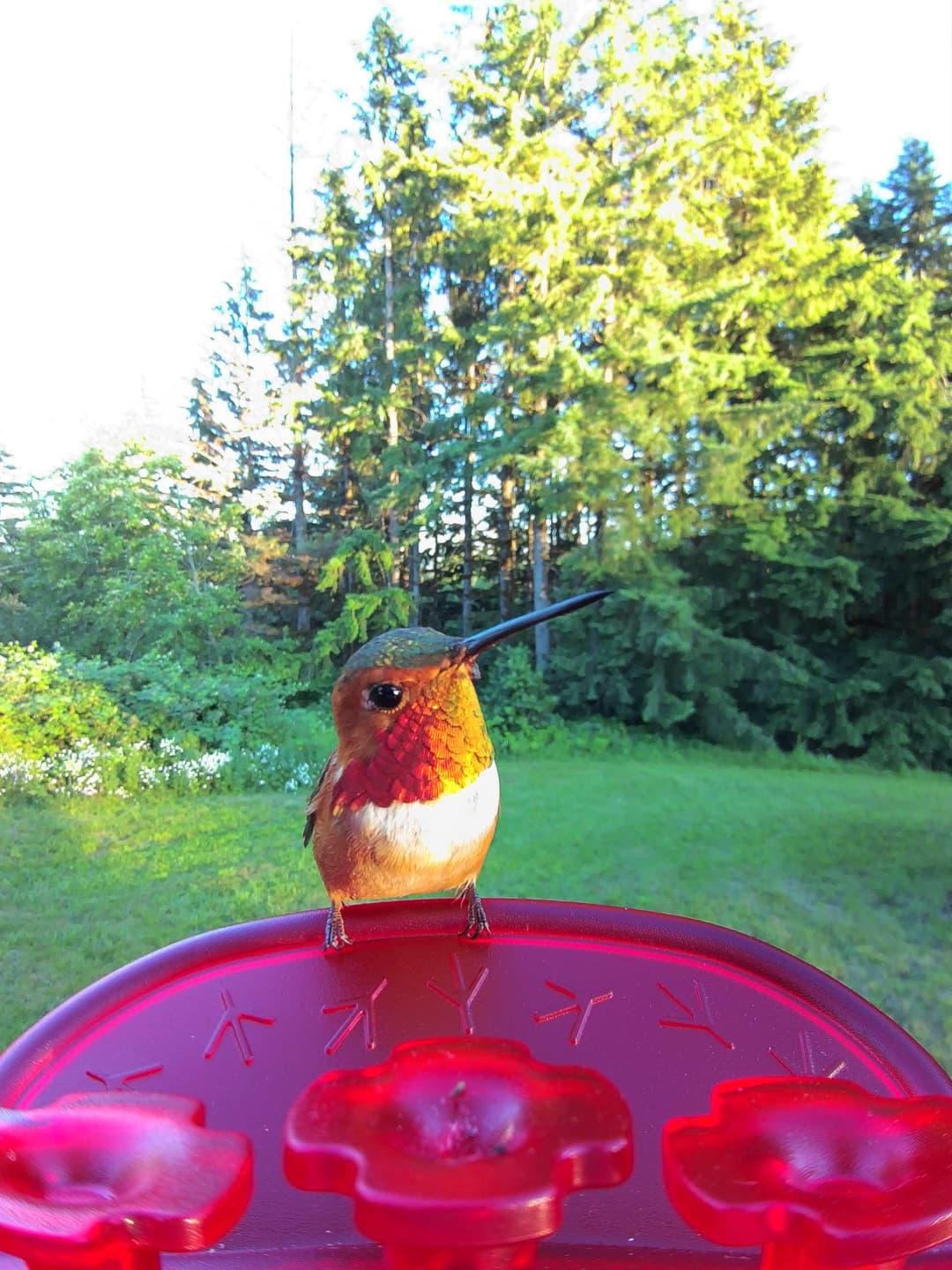
Allen's Hummingbird vs Broad-Tailed Hummingbird
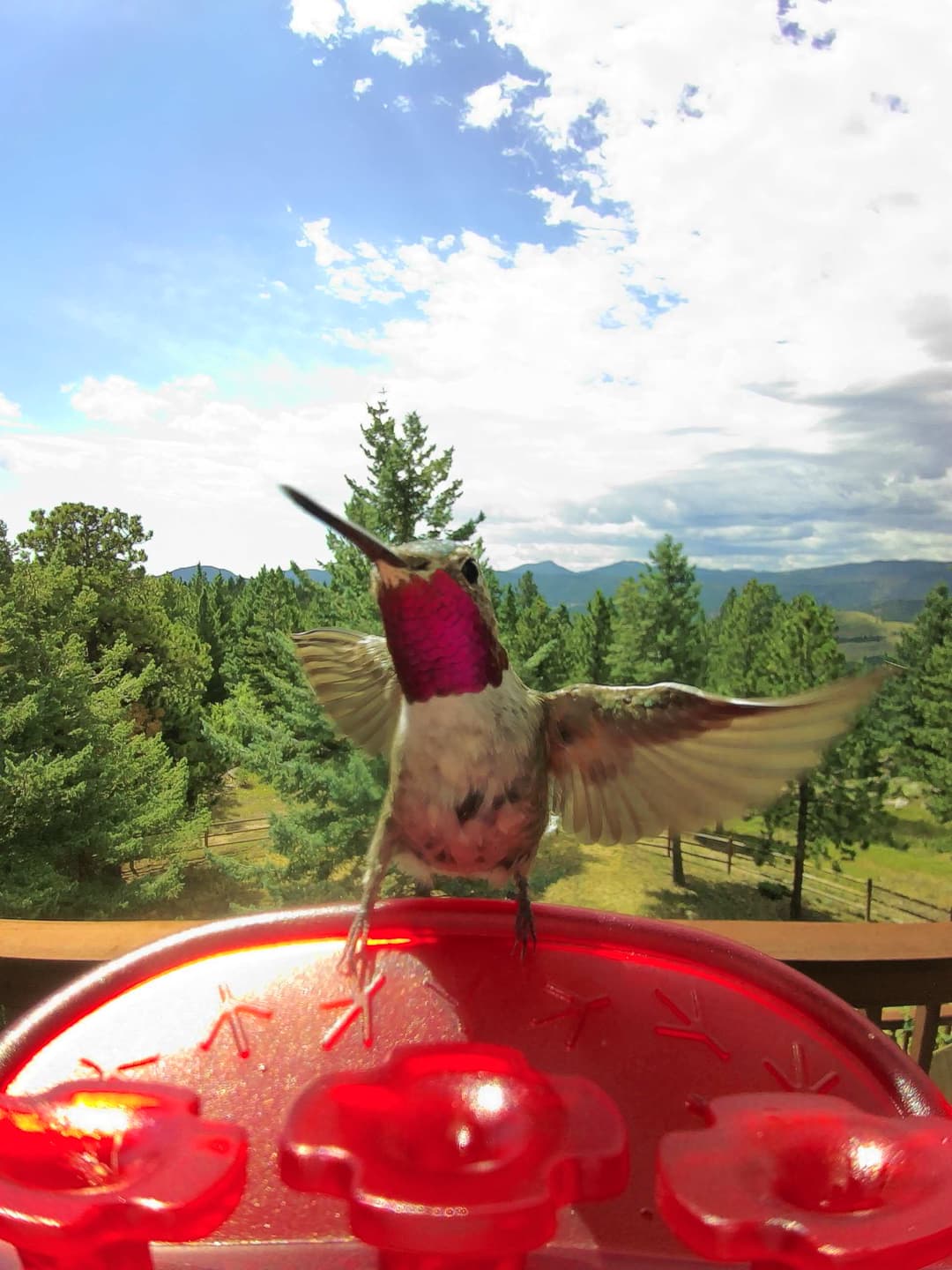
Allen's Hummingbird vs Calliope Hummingbird
Rufous-Tailed Hummingbird vs [Select a bird]

[Select a bird]
Pick a bird to compare
Allen's Hummingbird vs [Select a bird]
[Select a bird]
Pick a bird to compare