Cape May Warbler or Yellow-Rumped Warbler?
Here's how to tell the difference



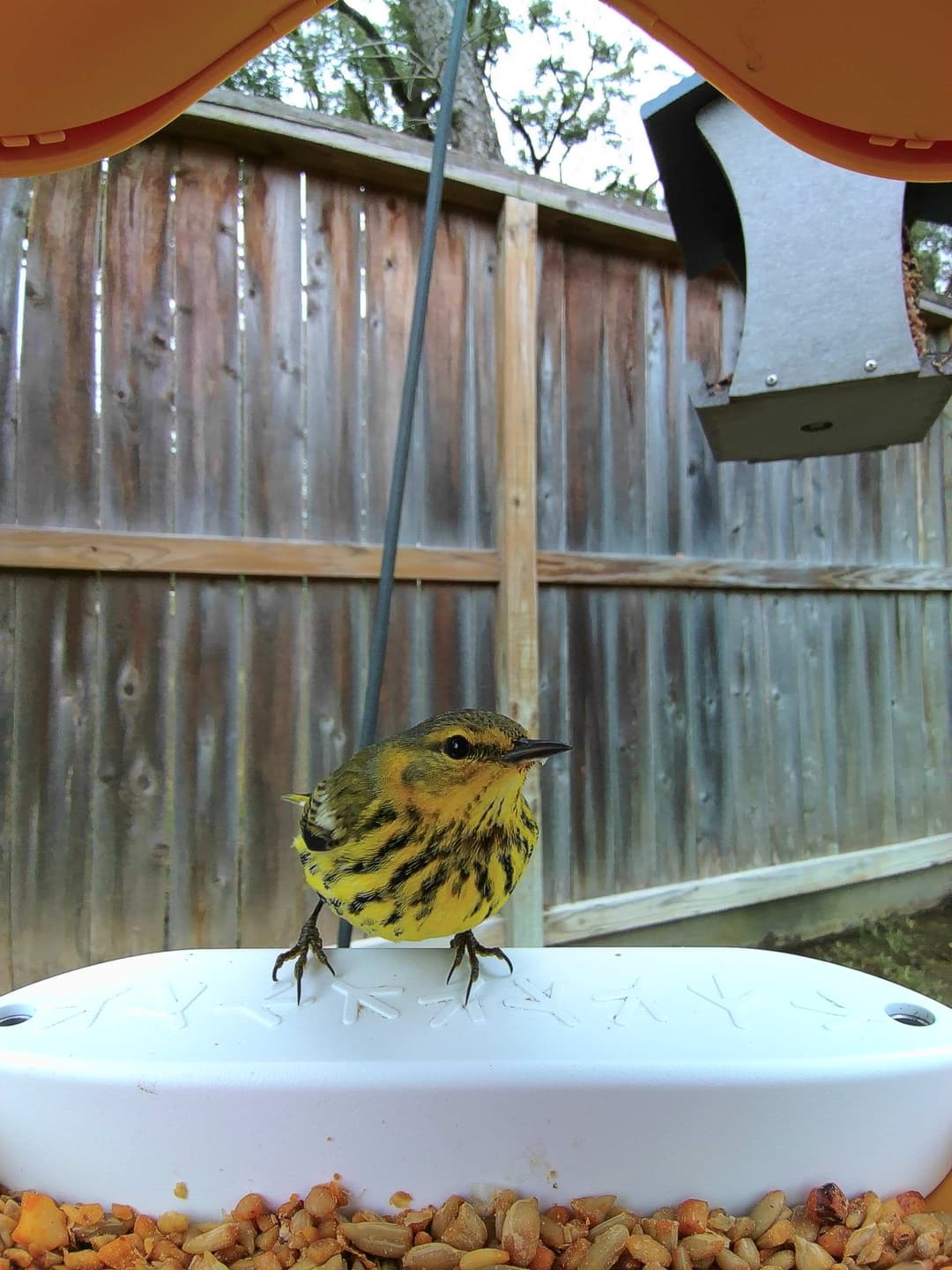
Cape May Warbler
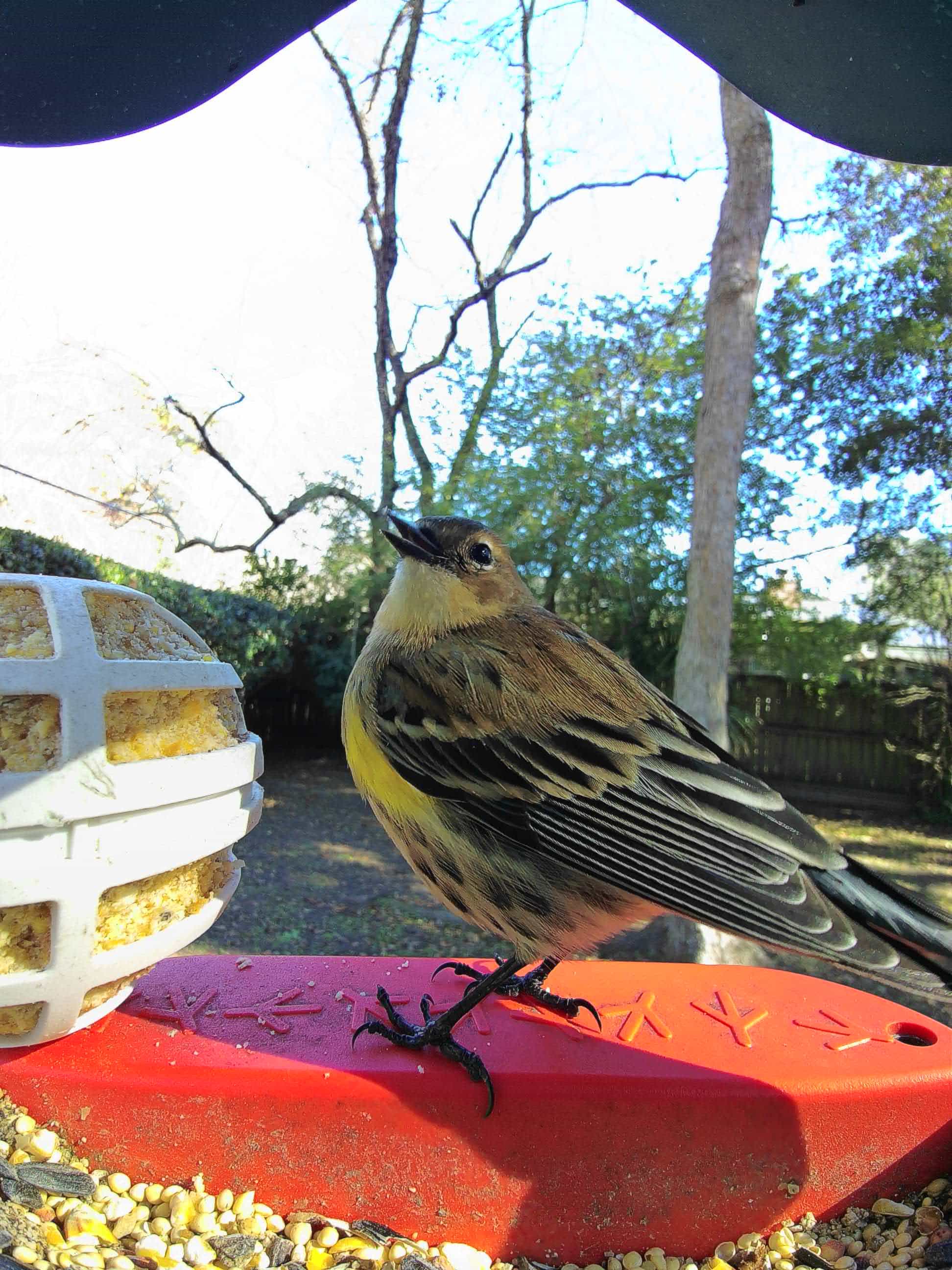


Yellow-Rumped Warbler
Cape May Warbler
Setophaga tigrina
General appearance
The Cape May warbler is about the size of a sparrow, measuring 13cm in length. Its most prominent features are its black stripes on a yellow breast and a yellow-green patch on its rump. It also displays a hint of a pale neck spot.
Male vs female
Gender differences are observable in terms of color intensity and specificity. The males have rich chestnut ear patches that are not present in females. Female warblers exhibit a duller version of the male pattern, retaining the stripes but without the chestnut ear patch.
Juvenile
Fall immature Cape May warbler shows variable coloring. Their coloration is more subdued and they might lack the bright yellow found in the adults. The combination of their more defined dark streaks on the underparts and shorter tail could lead to some identification challenges in the field.
Size
4.9 - 5.3 in/0.3 - 0.4 oz
There's more to learn about Cape May Warbler
View full detailsYellow-Rumped Warbler
Setophaga coronata
Also known as: Butterbutt
General appearance
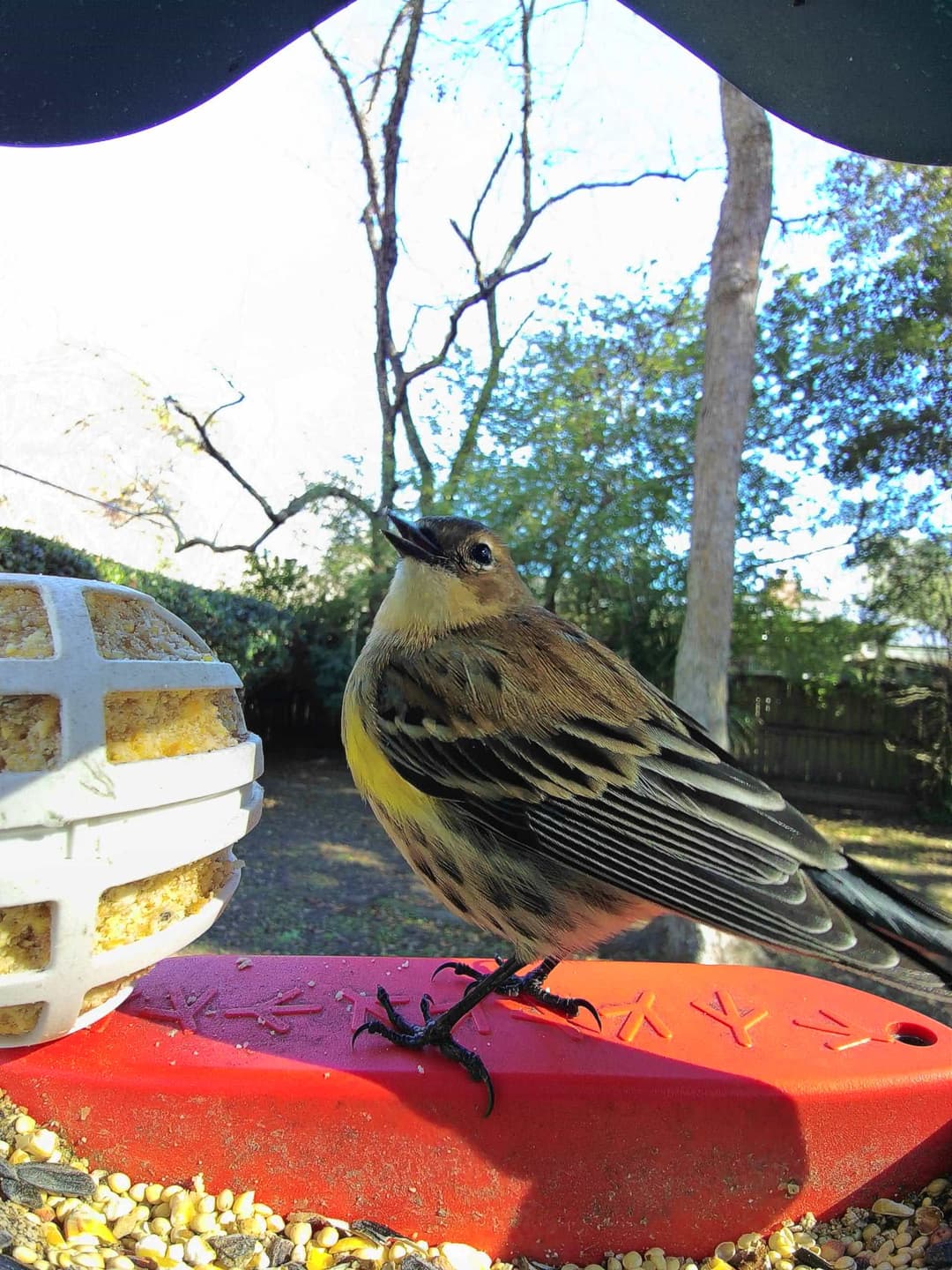
The Yellow-rumped Warbler is approximately the size of a Sparrow, clocking in at 5-6 inches (13-15 cm). The bird has a black, blue, brown, gray, white, and yellow plumage, and a distinctive bright yellow rump patch. Its tail features white spots, and there's a small yellow patch at the side of its chest. The face of the bird varies, with the 'Myrtle Warbler' having a white throat, and the 'Audubon's Warbler' boasting a yellow throat.
Male vs female
Males tend to have the brightest coloration, particularly in the spring. Females, particularly young ones in the fall and winter, exhibit a comparatively duller pattern. The 'Myrtle Warbler' variant possesses a well-defined dark cheek patch behind its white throat.
Juvenile
Juvenile Yellow-rumped Warblers may manifest a dull buff throat, particularly in some 'Myrtle Warbler' young ones. Juvenile females in the fall and winter present the dullest coloration.
Size
5.3 - 5.7 in/0.4 - 0.6 oz
There's more to learn about Yellow-Rumped Warbler
View full detailsHow to tell the Cape May Warbler from the Yellow-Rumped Warbler
Visual differences
Cape May Warblers are about 5 inches long, with black stripes on a yellow breast, a yellow-green rump patch, and males have chestnut ear patches. Yellow-Rumped Warblers, slightly larger at 5-6 inches, display a black, blue, brown, and gray plumage with a distinct bright yellow rump and small yellow chest patches. They also have white spots on their tails. Cape May Warblers sport a tubular beak, while Yellow-Rumped have slightly longer, more pointed beaks. The former have a less varied color palette compared to the latter's diverse hues.
Key differences and behavior
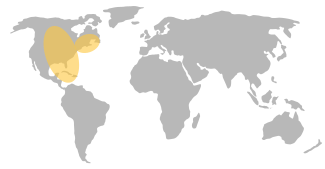
Cape May and Yellow-Rumped Warblers exhibit distinct behaviors and habitat preferences. Cape May Warblers favor spruce forests in the boreal regions, migrating to the Caribbean during winter, while Yellow-Rumped Warblers occupy coniferous and mixed forests, with a broader winter range including gardens and coastal areas. Cape May Warblers uniquely feed on nectar due to their semitubular tongues and spruce budworms; they may visit hummingbird feeders. In contrast, Yellow-Rumped Warblers, known for catching insects mid-flight, shift to berry consumption in winter, notably digesting waxy coatings. Breeding involves both species engaging in courtship displays, but Cape May Warblers lay larger clutches during spruce budworm outbreaks. Yellow-Rumped Warblers adapt their diet with berries, enabling them to winter further north than Cape Mays. While both species visit feeders, Cape Mays prefer nectar and fruit, and Yellow-Rumpeds consume suet and seeds.
Still not sure? Here are more lookalikes!
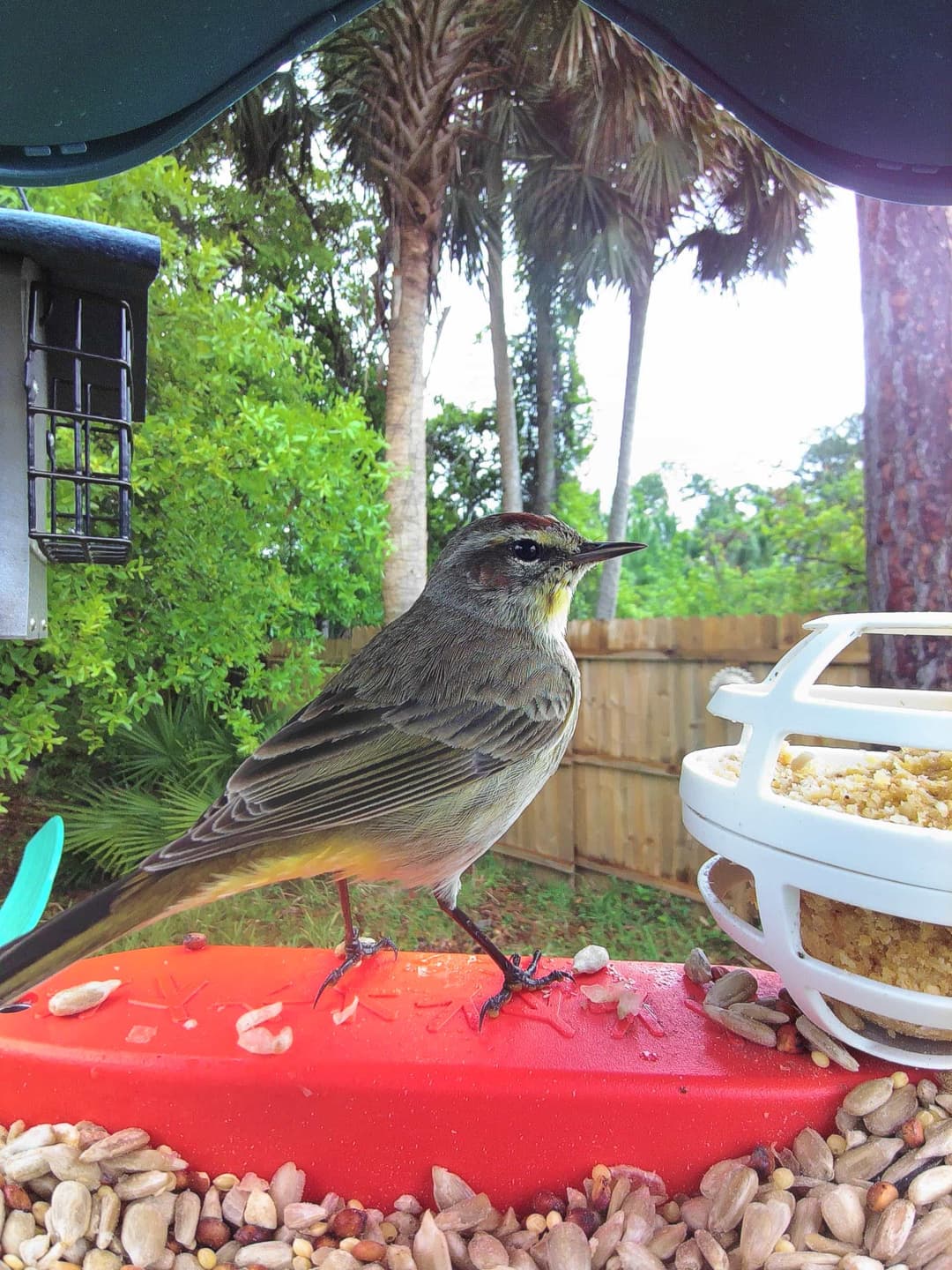
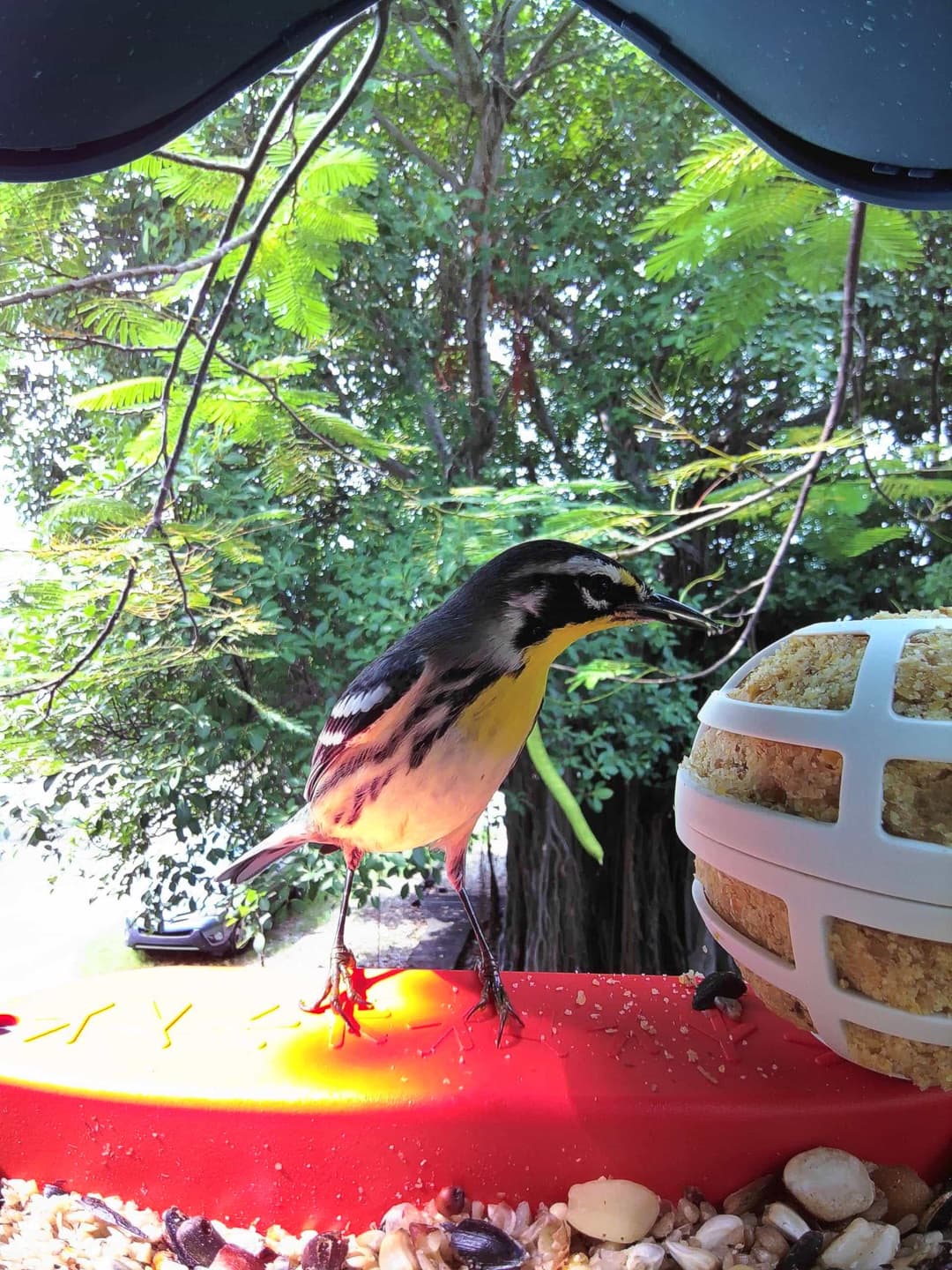
Yellow-Rumped Warbler vs Yellow-Throated Warbler
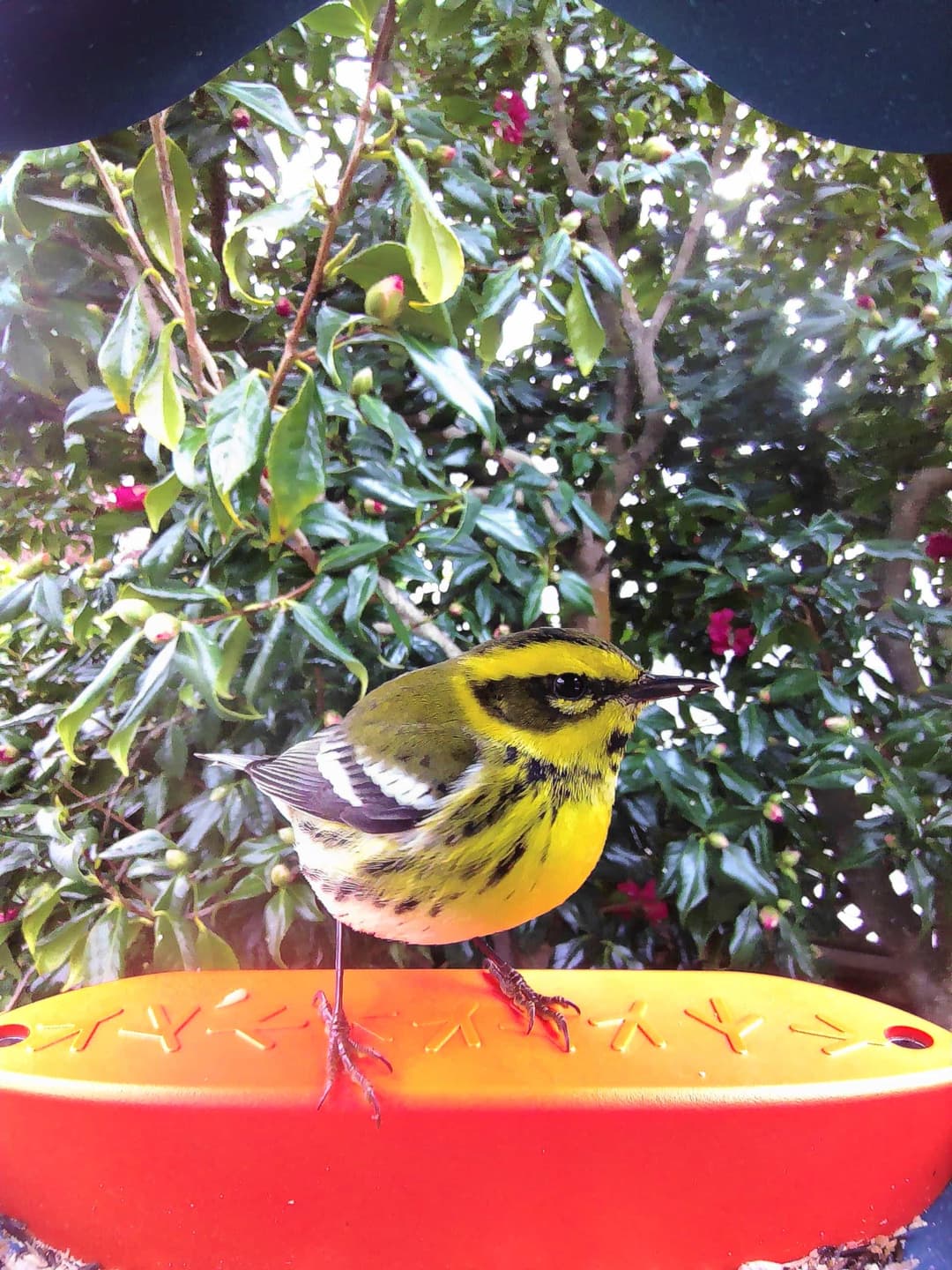
Yellow-Rumped Warbler vs Townsend’s Warbler
Cape May Warbler vs [Select a bird]

[Select a bird]
Pick a bird to compare
Yellow-Rumped Warbler vs [Select a bird]
[Select a bird]
Pick a bird to compare