Cassin’s Finch or Pine Siskin?
Here's how to tell the difference
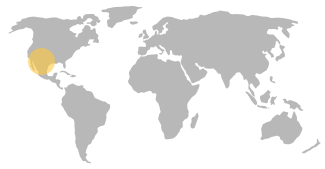
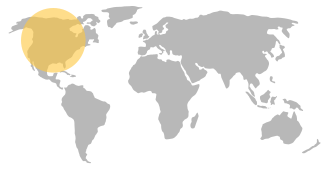
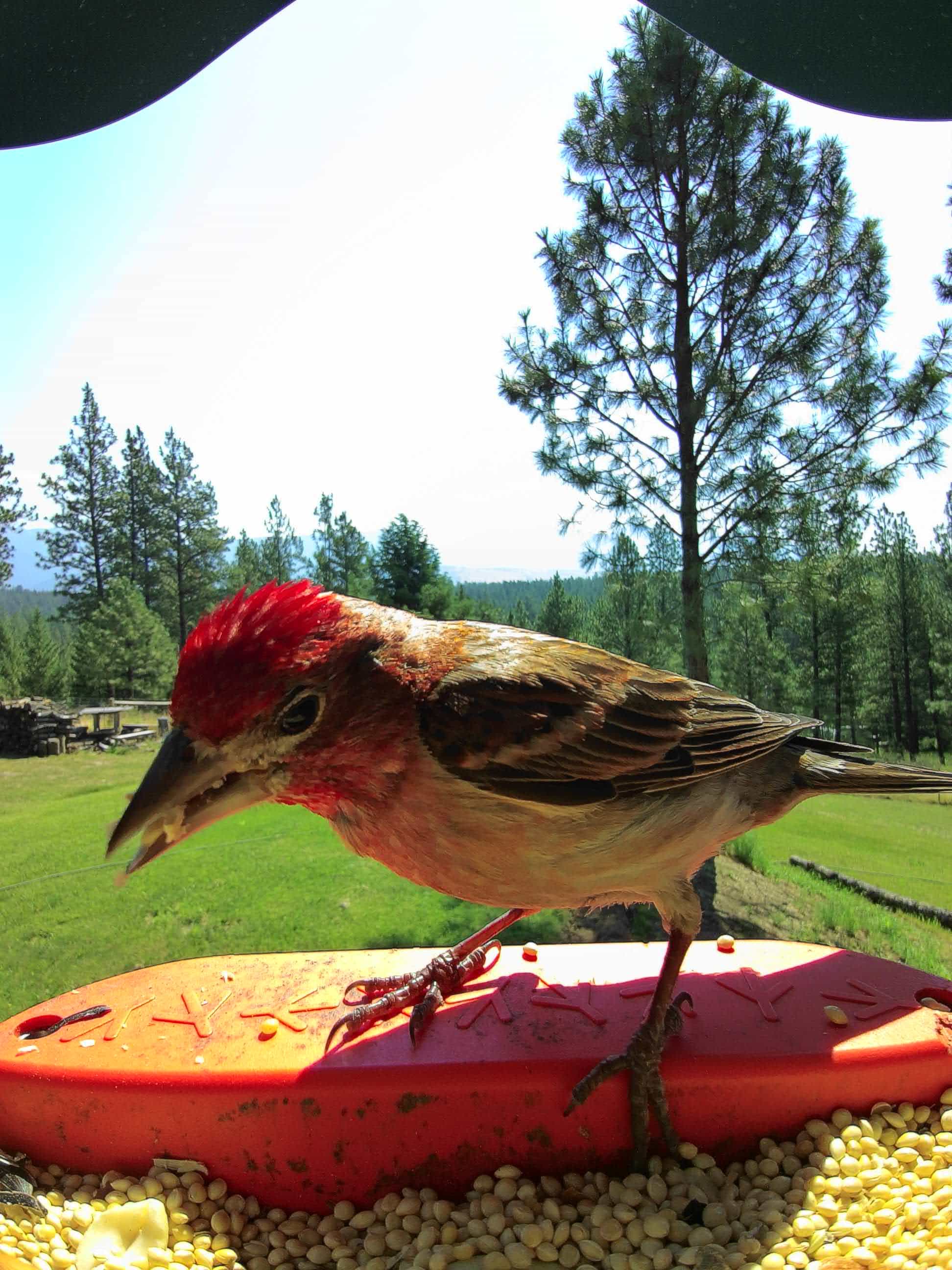


Cassin’s Finch
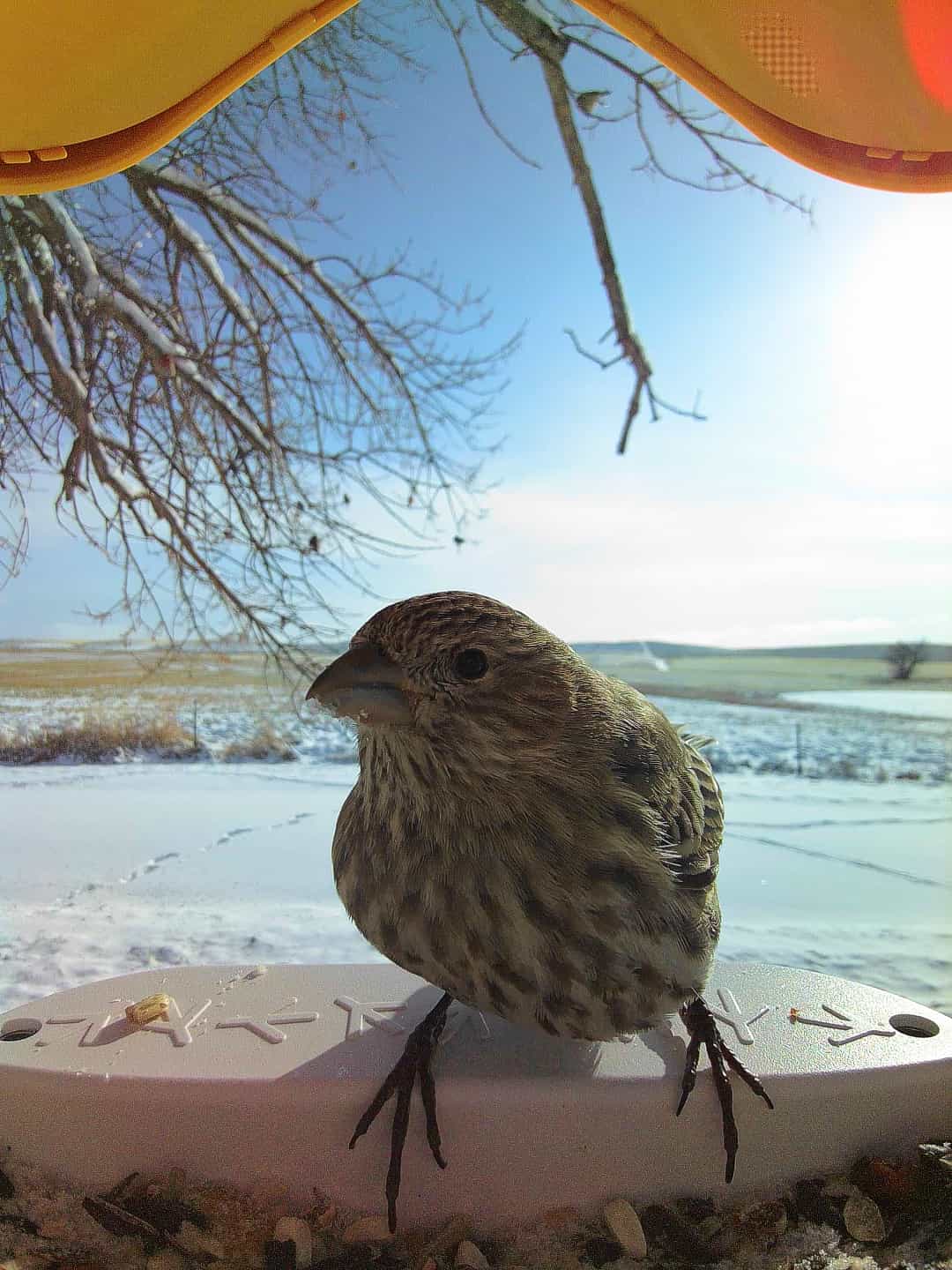


Pine Siskin
Cassin’s Finch
Haemorhous cassinii
General appearance
Cassin’s Finch is a medium-sized finch with a distinctive appearance characterized by its sturdy build and conical bill. Its plumage is predominantly brown, with streaked back and wings, and a light belly. Observers can identify it by its split short tail and pointed wings when in flight.
Male vs female
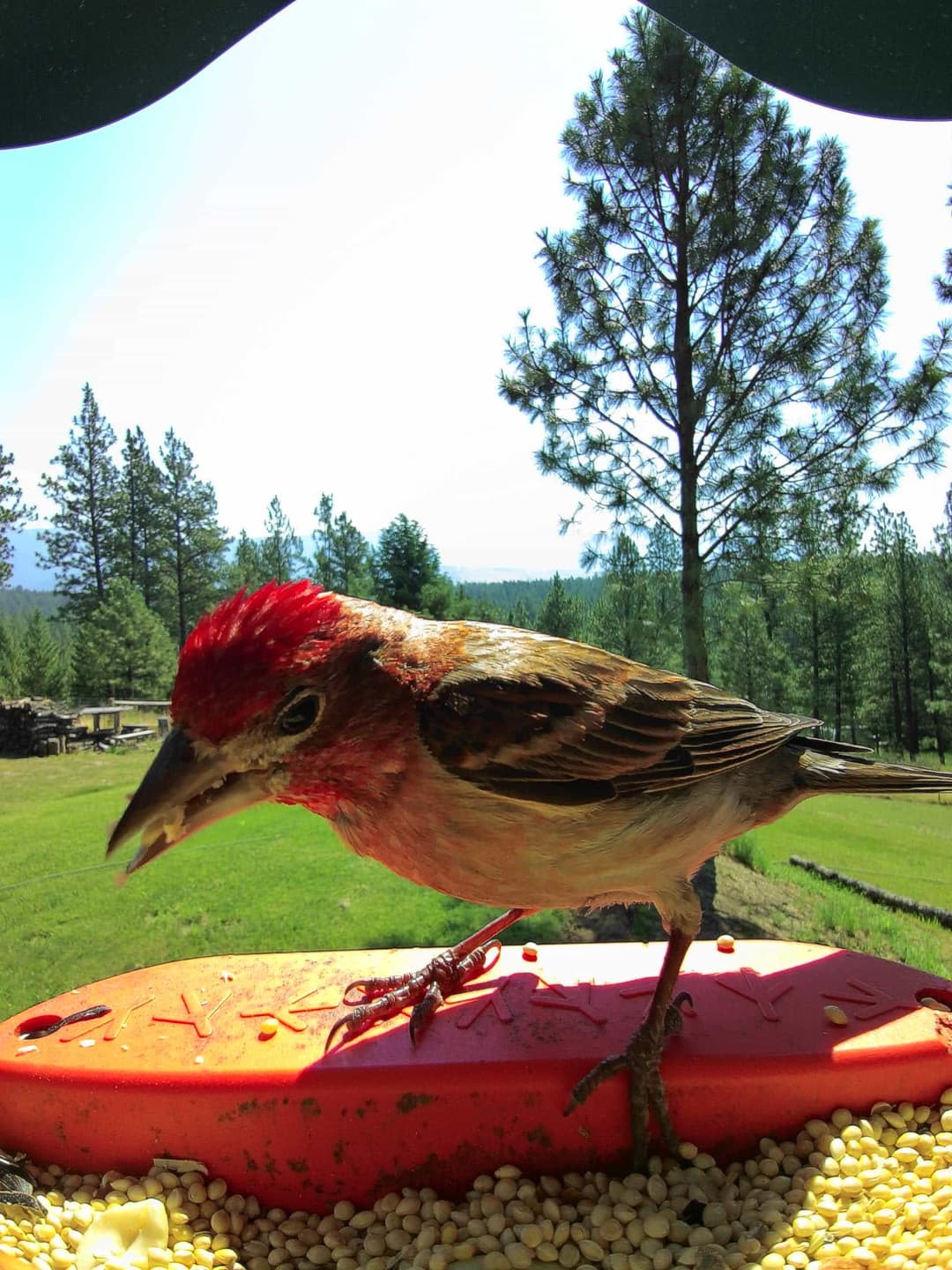
Male Cassin’s Finches are striking with their bright raspberry-red crown which blends into pinkish-red on the throat and breast. This coloration is more vibrant during the breeding season. Females, in contrast, lack the red hues, displaying streaked gray-brown plumage overall with distinctive facial markings, such as a pale eyebrow line and streaked underparts.
Juvenile
Juvenile Cassin’s Finches resemble females but are paler and have a more buffy appearance. They are heavily streaked with brown both above and below. As they mature, juvenile males begin to develop their characteristic red coloration. Seasonal variations include paler tones during the non-breeding season. They can be identified by their habitat in highland coniferous forests and their distinctive, warbling song.
Size
6.3 - 6.7 in/0.8 - 1.2 oz
There's more to learn about Cassin’s Finch
View full detailsPine Siskin
Spinus pinus
General appearance
The pine siskin, similar to a goldfinch in size, shape, and behavior, ranges between 4 1/2 to 5 inches in size (11-13 cm). It displays a brown color, usually with heavy streaking. Notable features include a narrower, sharp-pointed bill and a plain face. Yellow edging can be observed in its wings and tail, particularly during flight. The wing shape is pointed, and the tail shape is a mixture of notched and square-tipped.
Male vs female
Differences between male and female pine siskins are not well pronounced. Both sexes share the same general appearance including coloration and physical features. However, during the breeding season, males may exhibit more vibrant coloring in an effort to attract females.
Juvenile
Juvenile pine siskins resemble adults but may have heavier streaking on their underparts. The juvenile plumage is usually replaced by an adult-like plumage after the first molt. The yellow edging on the wings and tail may be less noticeable in juveniles compared to adults.
Size
4.3 - 5.5 in/0.4 - 0.6 oz
There's more to learn about Pine Siskin
View full detailsHow to tell the Cassin’s Finch from the Pine Siskin
Visual differences
Cassin's Finch is larger (6.3-6.7 in, 0.8-1.2 oz), with a sturdy build, conical bill, and males exhibit bright raspberry-red on the crown and breast. In contrast, Pine Siskin is smaller (4.3-5.1 in, 0.4-0.6 oz), with a narrower, sharp-pointed bill, heavily streaked brown plumage, and yellow wing/tail edges. Cassin's has a split short tail; Pine Siskin's tail is notched/square-tipped. Pine Siskins have a plain face, while female Cassin's have distinctive facial markings. These features help distinguish between the two species visually.
Key differences and behavior
Cassin's Finch and Pine Siskin differ notably in their behavior and habitat preferences. Cassin's Finch typically inhabits high mountain coniferous forests, preferring large conifers for nesting, whereas Pine Siskins breed in mixed or coniferous woods and adapt to various semi-open areas during winter. Cassin's Finch males maintain proximity to females but don't defend territories, possibly nesting in colonies. Pine Siskin males enact aerial displays and courtship feeding to attract females. Diet also varies: Cassin's Finch consumes seeds, buds, and berries, slightly supplemented by insects, whereas Pine Siskins focus on seeds, buds, and include insects and nectar. Both birds may be drawn to salt, yet Cassin's Finch flocks to mineral deposits more distinctly.
Still not sure? Here are more lookalikes!
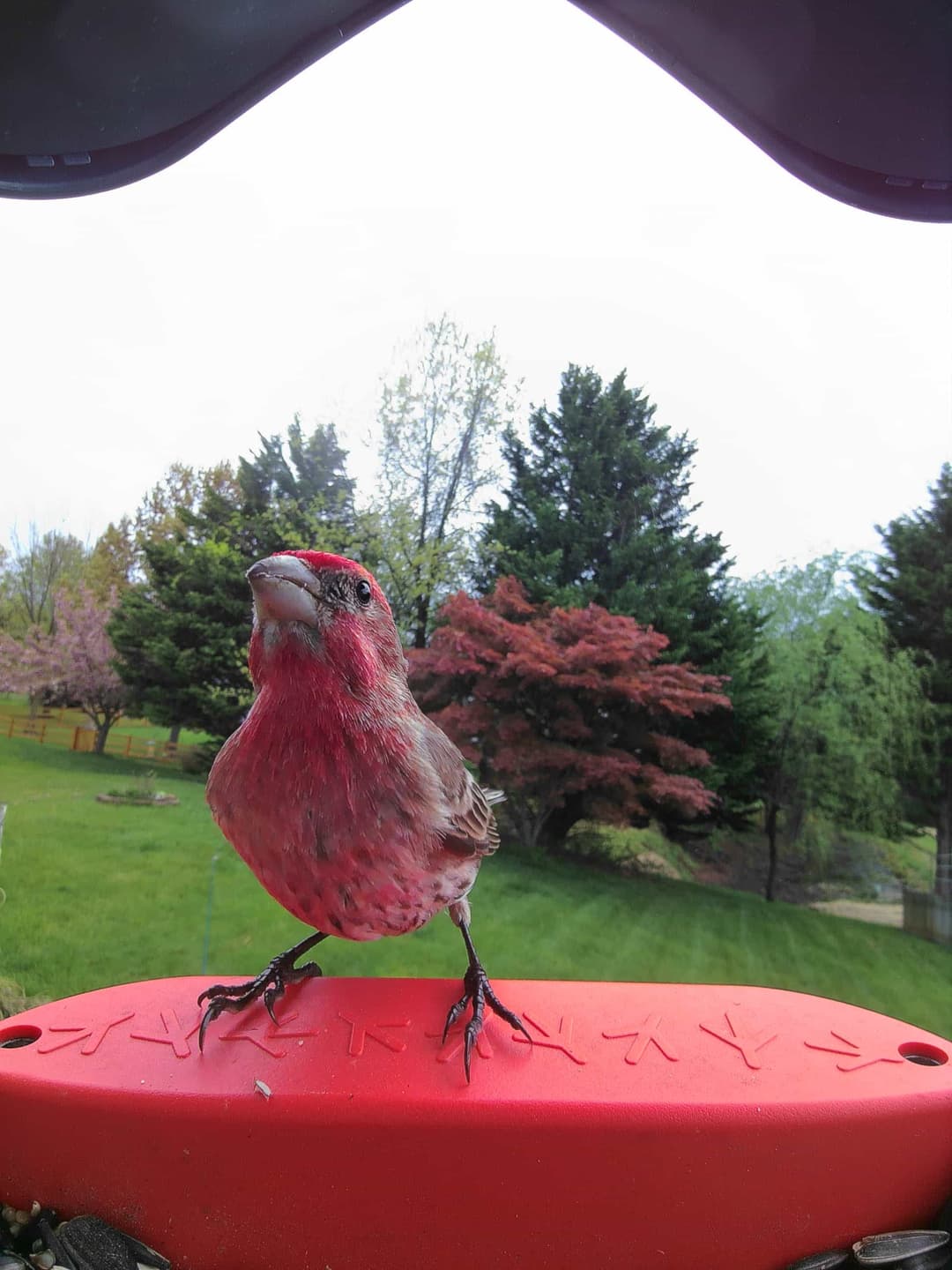
Cassin’s Finch vs House Finch
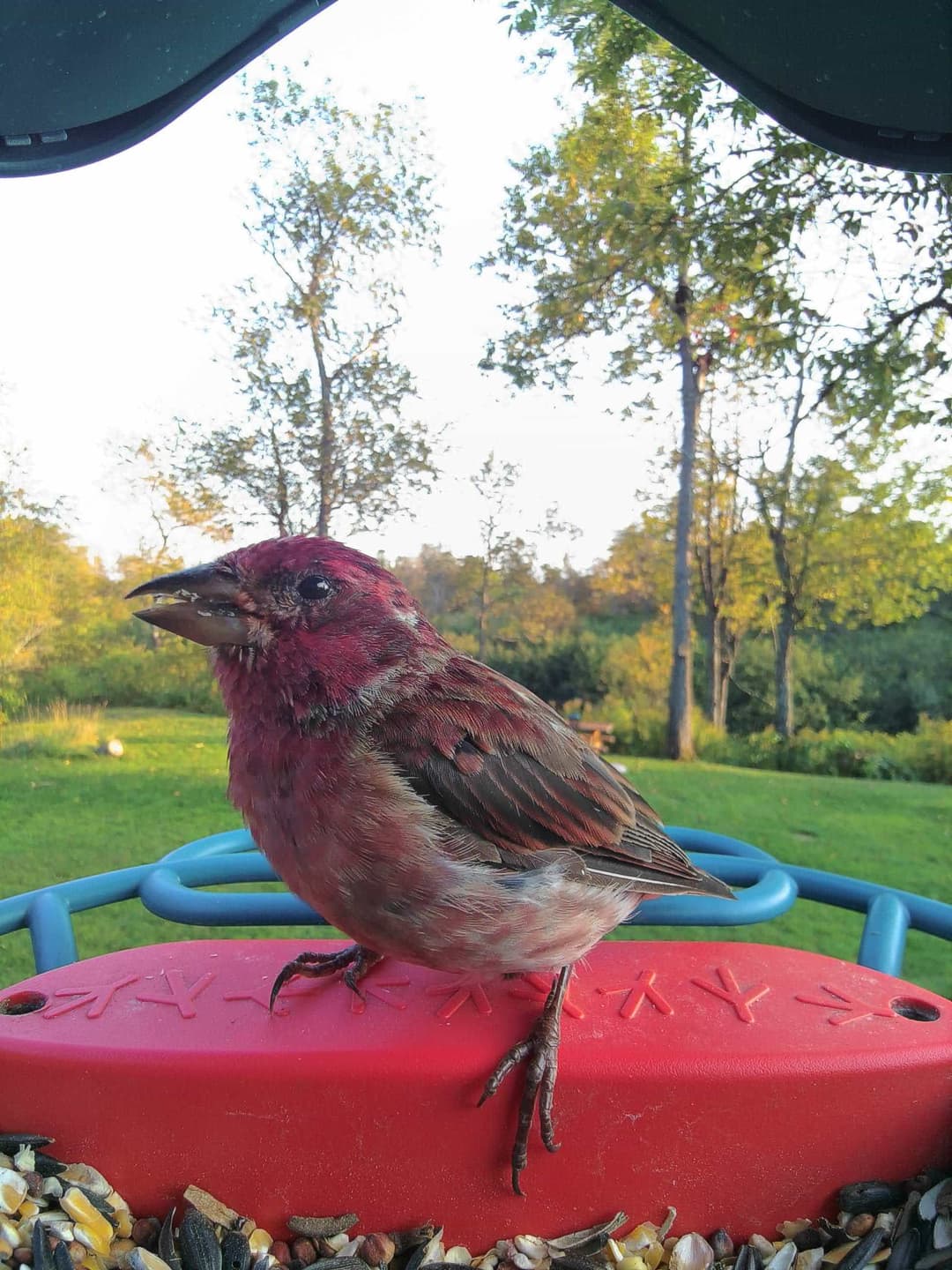
Cassin’s Finch vs Purple Finch
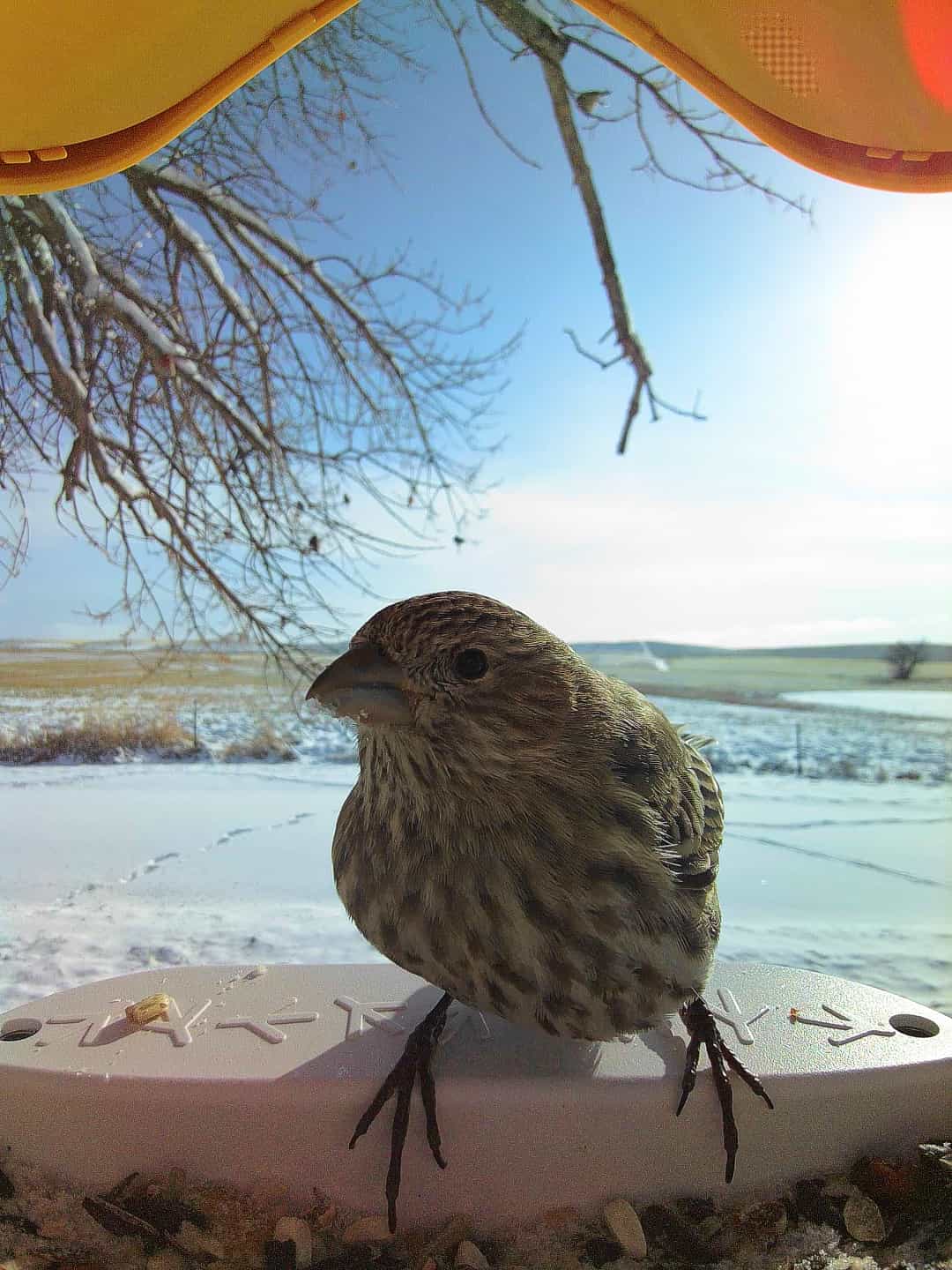
Pine Siskin vs House Finch
Cassin’s Finch vs [Select a bird]

[Select a bird]
Pick a bird to compare
Pine Siskin vs [Select a bird]
[Select a bird]
Pick a bird to compare