Indigo Bunting or House Sparrow?
Here's how to tell the difference
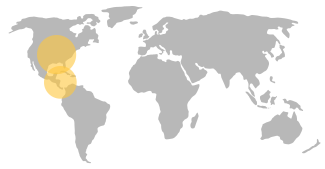



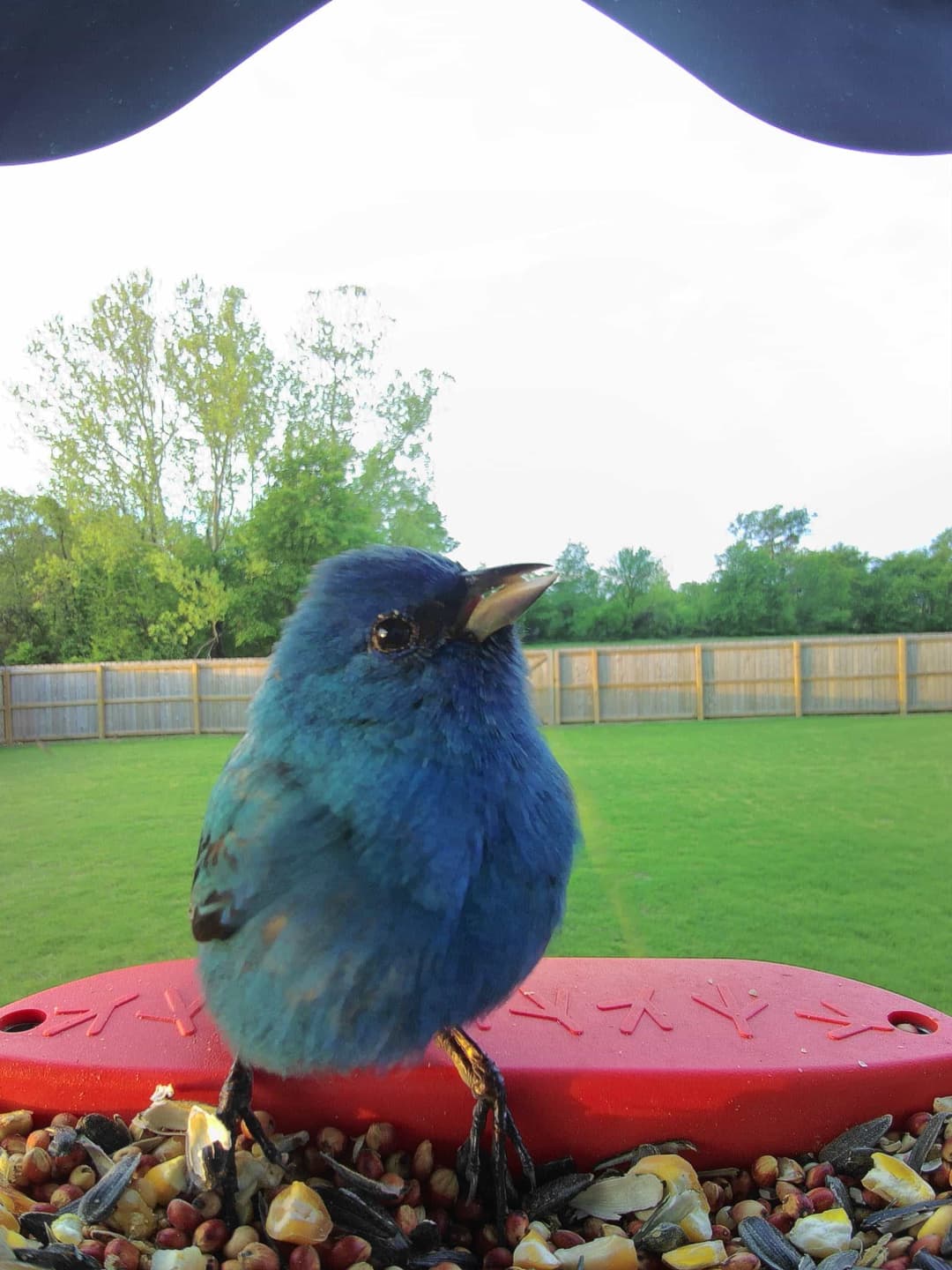
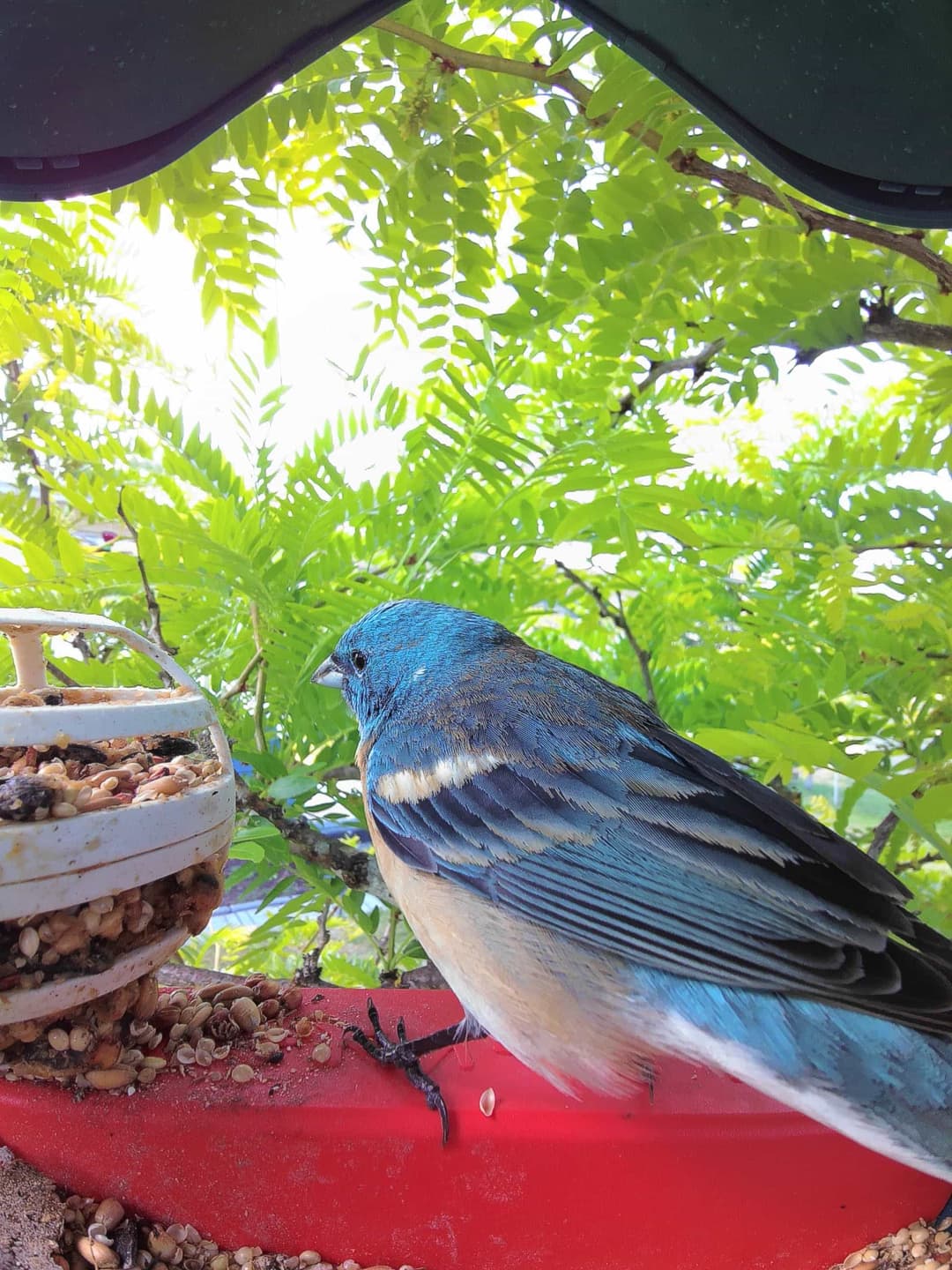
Indigo Bunting
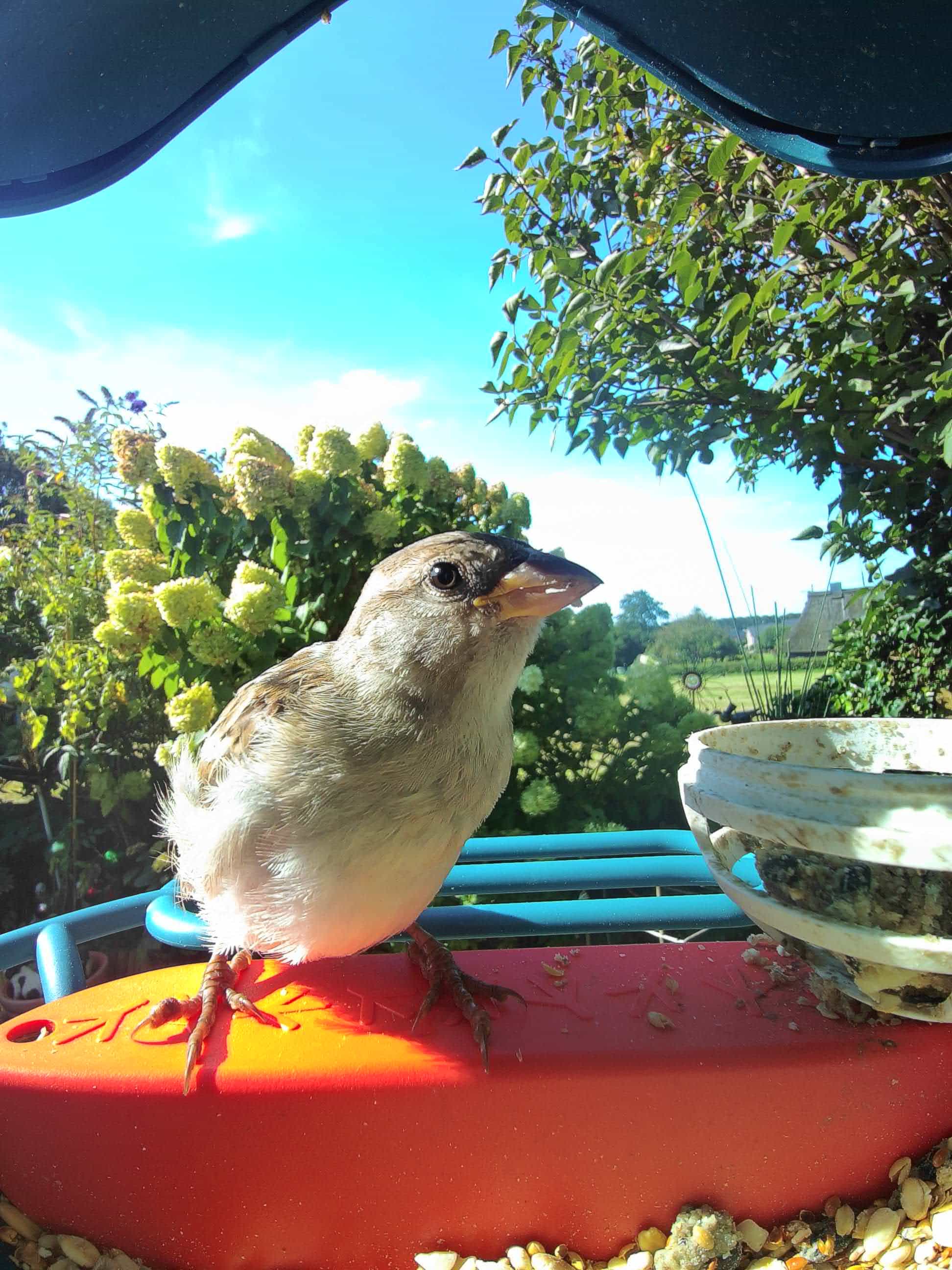


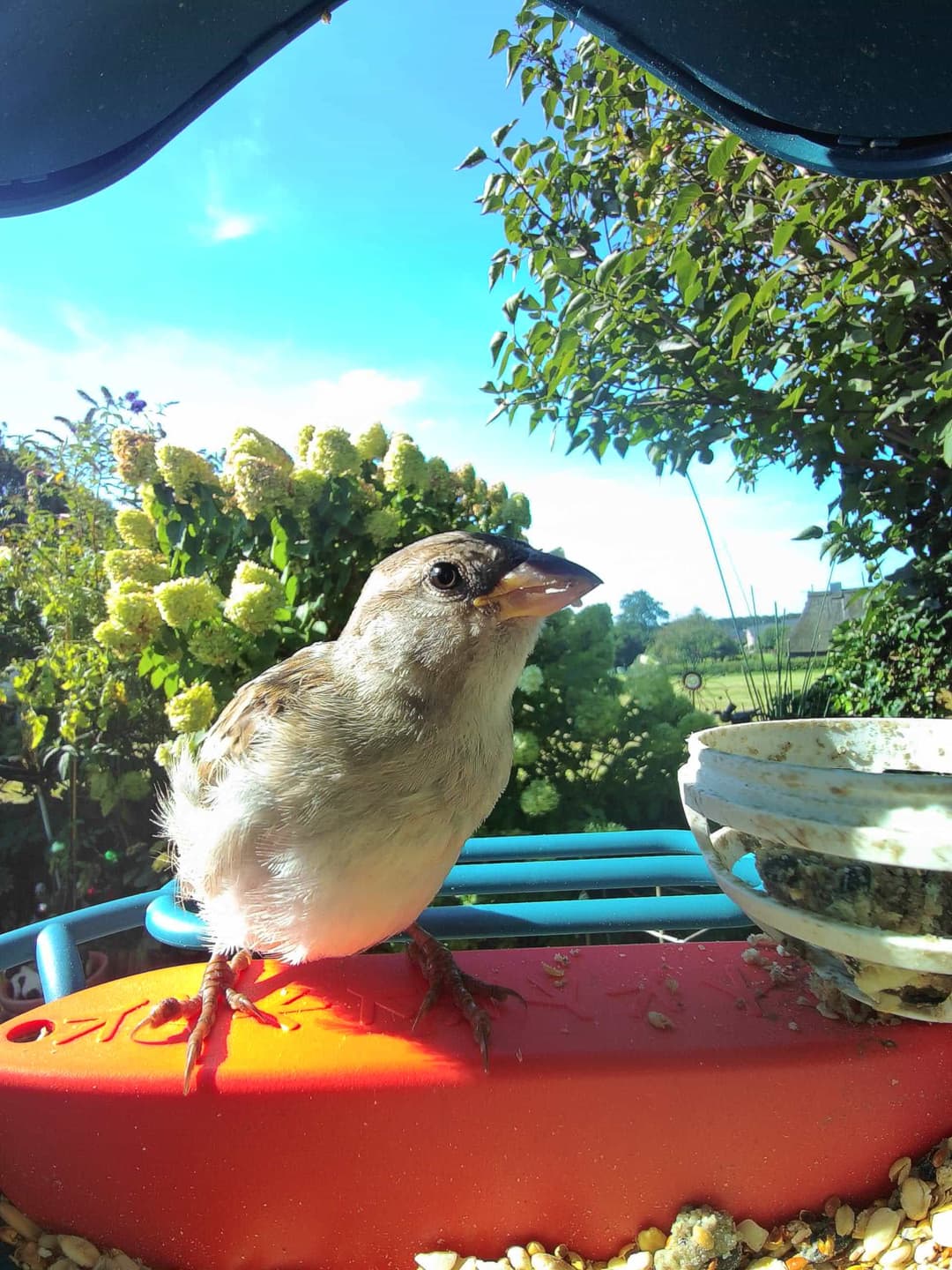
House Sparrow
Indigo Bunting
Passerina cyanea
General appearance
The Indigo Bunting is characterized by a size comparable to a Sparrow, around 5 1/2 inches or 14 cm. Its main features include a rounded wing shape and a tail which can be notched, squared or rounded. Some seasonal variations can influence its coloration.
Male vs female
Adult males stand out with a dark blue color in spring/summer. However, during autumn, males along with females transition to a brown tone. They normally exhibit fine streaks on their chest and a blue tinge on their tail.
Juvenile
One-year-old males during summer could exhibit a distinctive marking, taking on a blue shade interspersed with a white belly. This can make them unique compared to their adult counterparts.
Size
4.7 - 5.1 in/0.4 - 0.6 oz
There's more to learn about Indigo Bunting
View full detailsHouse Sparrow
Passer domesticus
General appearance
House sparrows are small, stocky birds measuring about 16 cm in length. They have a short tail and a stout bill. Their plumage is predominantly brown, with black streaks on their back and wings. This common bird has a distinctive, somewhat rounded head and a smooth body shape that helps in identifying it in urban and rural areas alike.
Male vs female
Male house sparrows are more vibrant with a gray crown, a chestnut-brown nape, and white cheeks. They have a distinctive black bib on their throat, which can vary in size seasonally. In contrast, females are duller with a more uniform brown coloration, lacking the bold markings of males. Their underparts are a plain grayish-brown, and they have a more pronounced eye stripe behind the eye.
Juvenile
Juvenile house sparrows resemble females but are even paler, with grayish-brown plumage and softer streaks. They lack the developed throat patch and bright head pattern found in adults. Juveniles gradually acquire adult coloration through moulting, becoming distinguishable by their more uniform brown appearance and subtler facial markings.
Size
5.9 - 6.7 in/1.0 - 1.1 oz
There's more to learn about House Sparrow
View full detailsHow to tell the Indigo Bunting from the House Sparrow
Visual differences
The Indigo Bunting is smaller at 5.5 inches long, while the House Sparrow is about 6.3 inches. Male Indigo Buntings are strikingly cobalt blue in summer, turning brown in fall, whereas House Sparrow males have a gray crown and chestnut nape with a black bib. Female Indigo Buntings are brown with subtle blue tints, while female Sparrows are uniformly dull brown with a prominent eye stripe. The Bunting's beak is more conical, compared to the Sparrow's stout, short bill. Both have brown streaks, but Buntings can show blue tinges.
Key differences and behavior
Indigo Buntings and House Sparrows exhibit distinct behavioral differences. Indigo Buntings are known for their nocturnal migration using stars for navigation and have a unique song culture where chicks learn songs from neighboring males. They prefer brushy, rural habitats, often nesting low in shrubs, with males sometimes mating with multiple females. Their diet is seasonal, focusing on insects in summer and seeds in winter. In contrast, House Sparrows are highly social, often found in urban areas, and exhibit group roosting and social singing. They are frequently seen dust bathing. They nest in manmade structures and enclosed spaces, often in closer proximity to human habitation. Their diet is more varied, including urban food scraps and small seeds. Both are common at bird feeders, but their habitat preferences and social behaviors help distinguish them.
Still not sure? Here are more lookalikes!
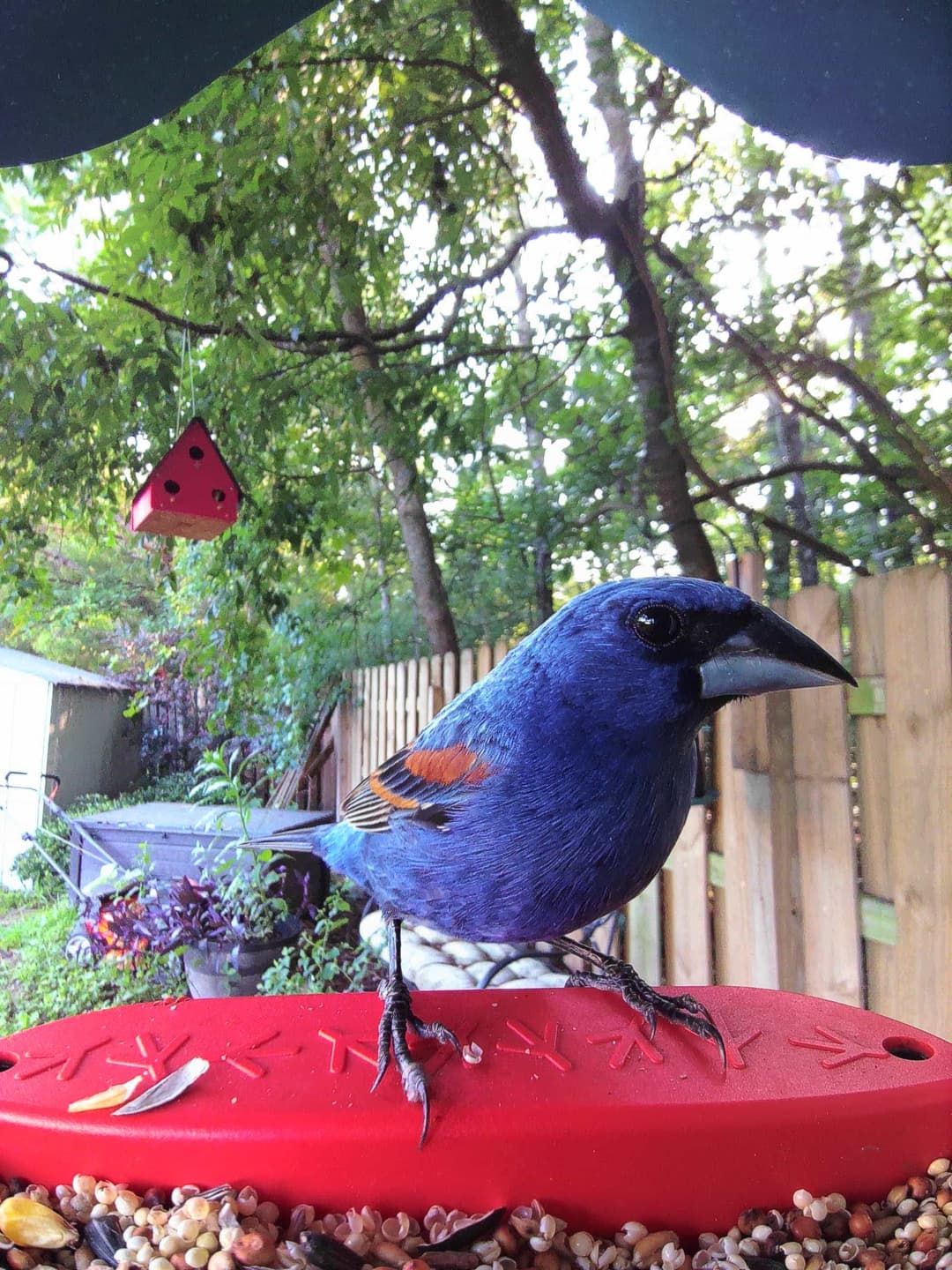
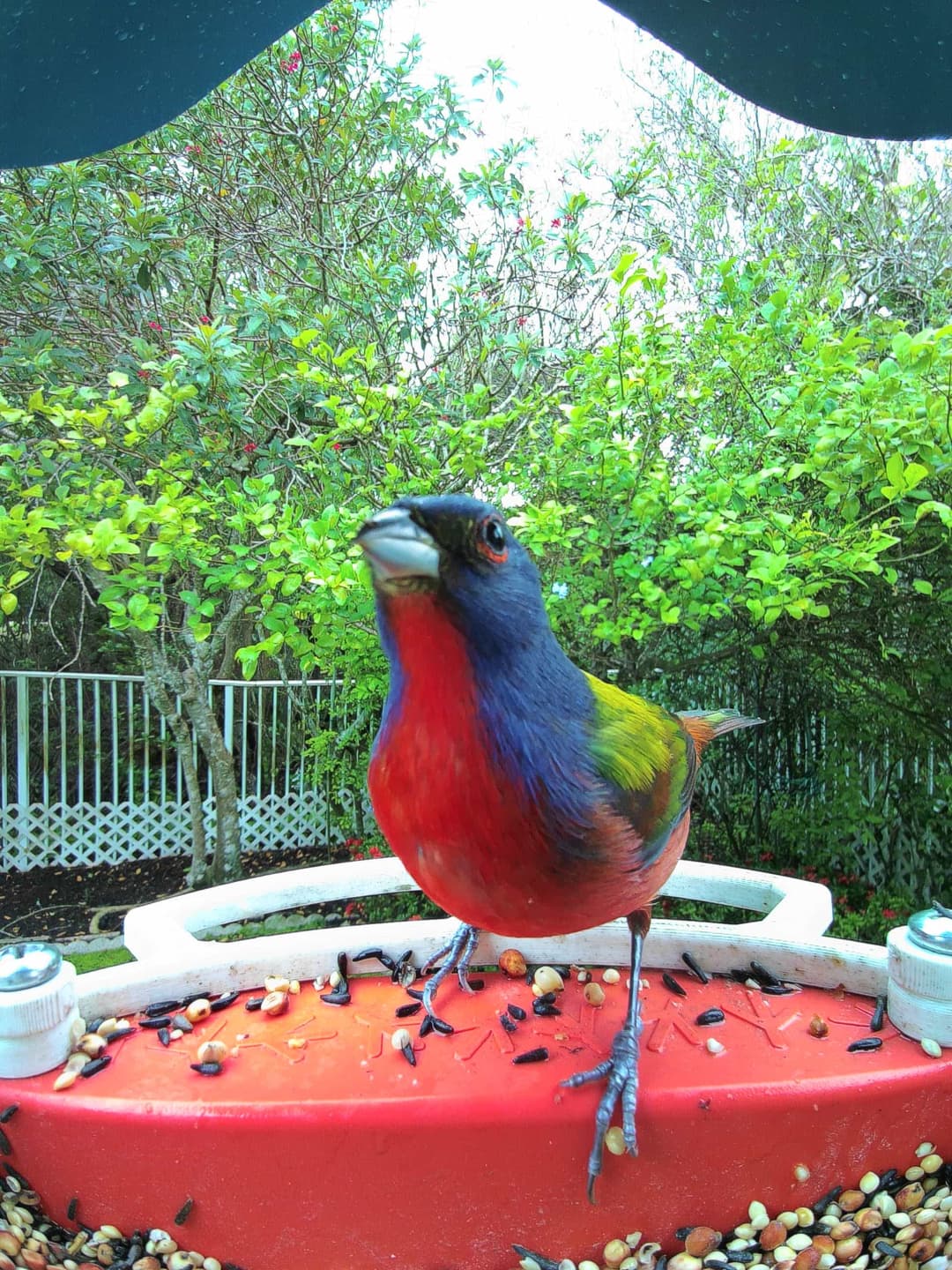
Indigo Bunting vs Painted Bunting
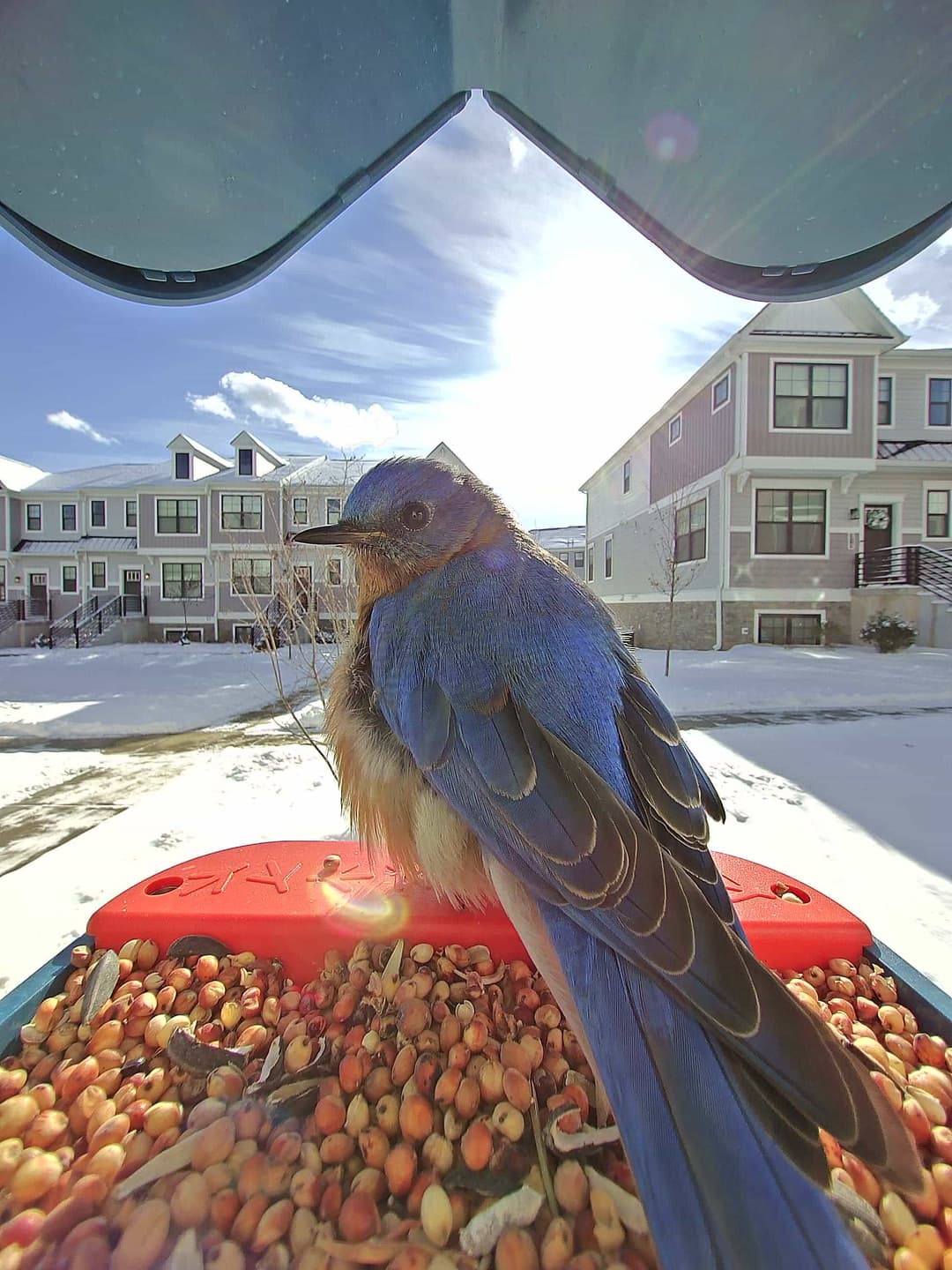
Indigo Bunting vs Eastern Bluebird
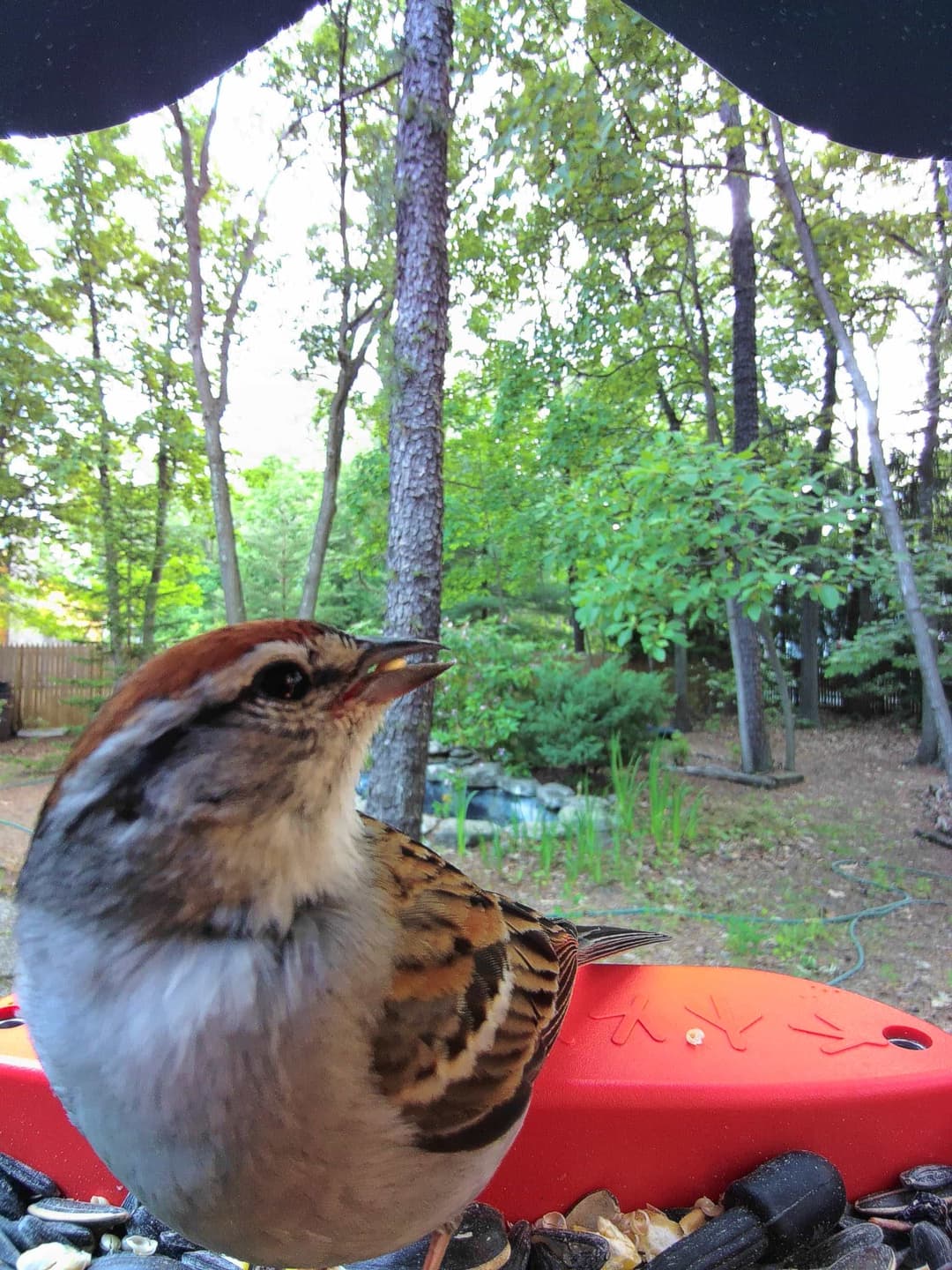
House Sparrow vs Chipping Sparrow
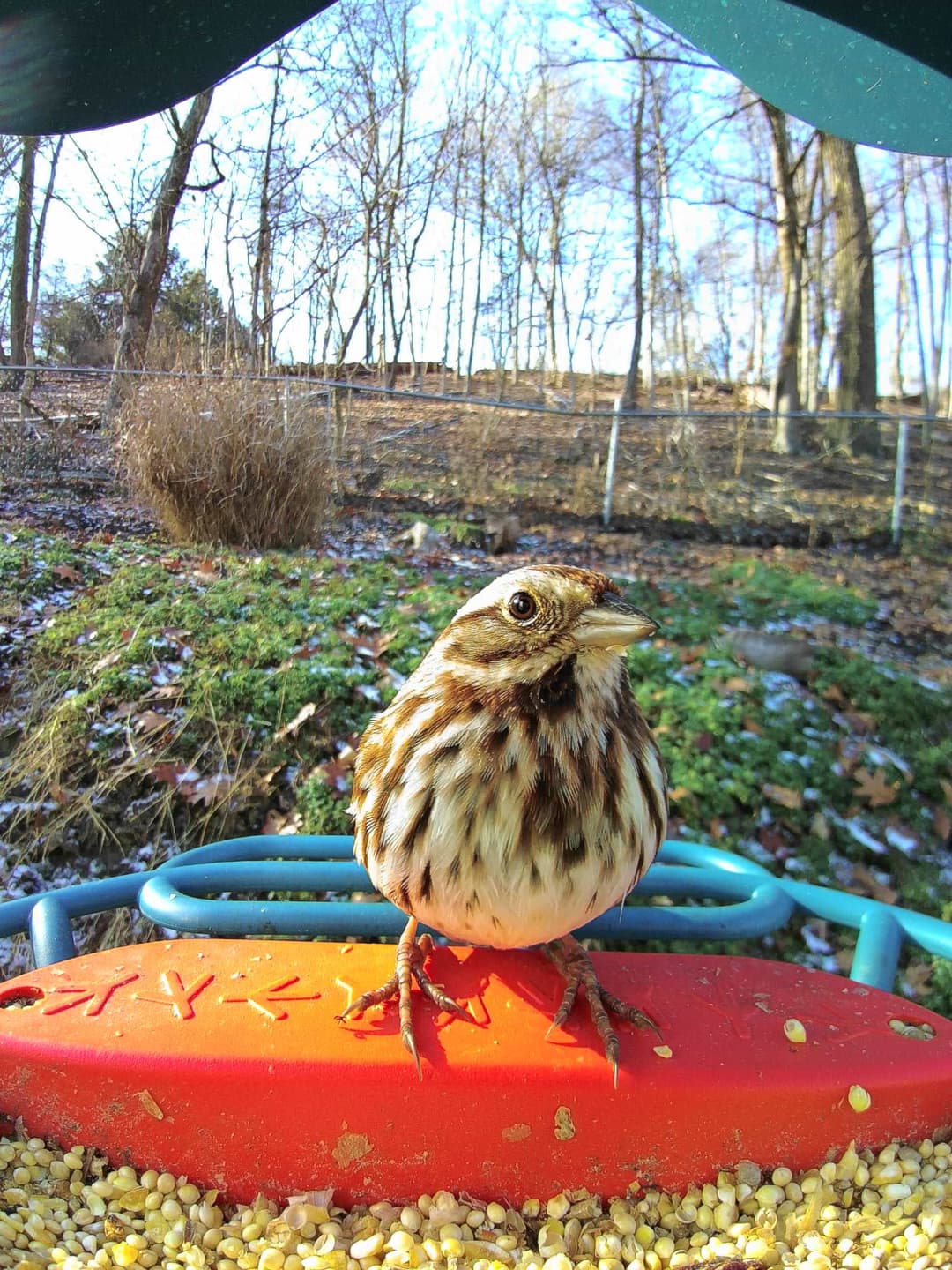
House Sparrow vs Song Sparrow
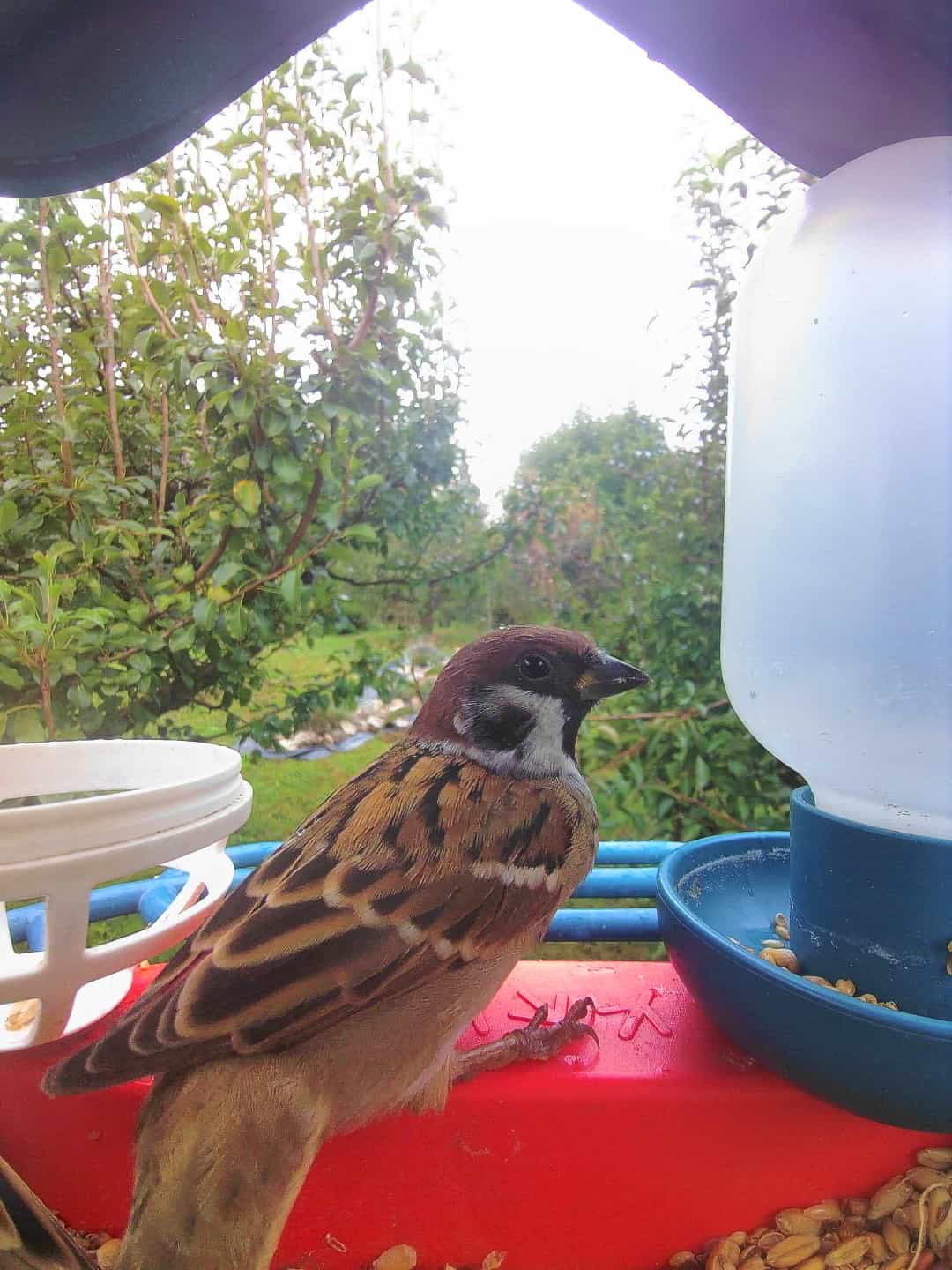
House Sparrow vs Eurasian Tree Sparrow
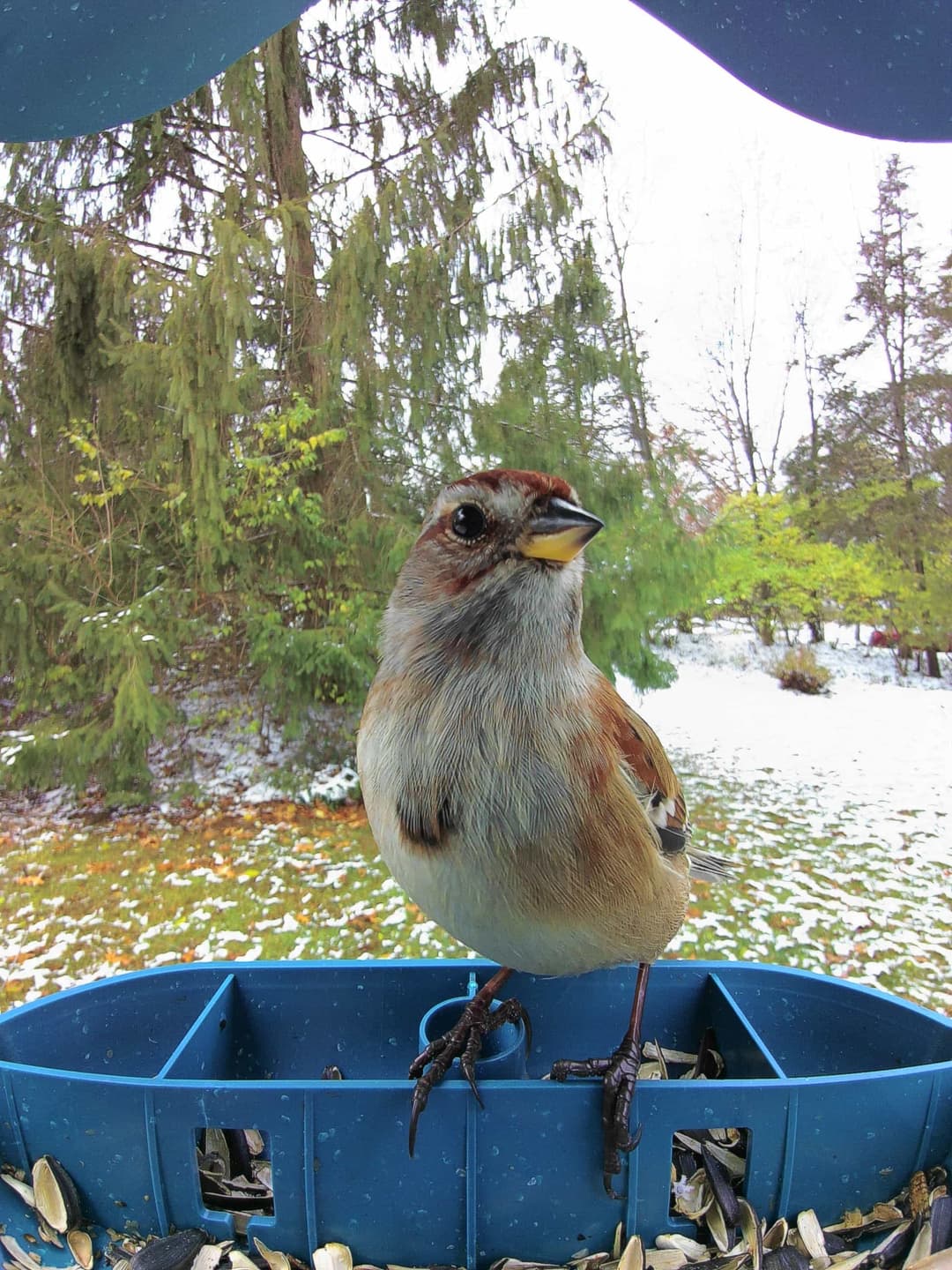
House Sparrow vs American Tree Sparrow
Indigo Bunting vs [Select a bird]

[Select a bird]
Pick a bird to compare
House Sparrow vs [Select a bird]
[Select a bird]
Pick a bird to compare