Savannah Sparrow or Vesper Sparrow?
Here's how to tell the difference




Savannah Sparrow


Vesper Sparrow
Savannah Sparrow
Passerculus sandwichensis
General appearance
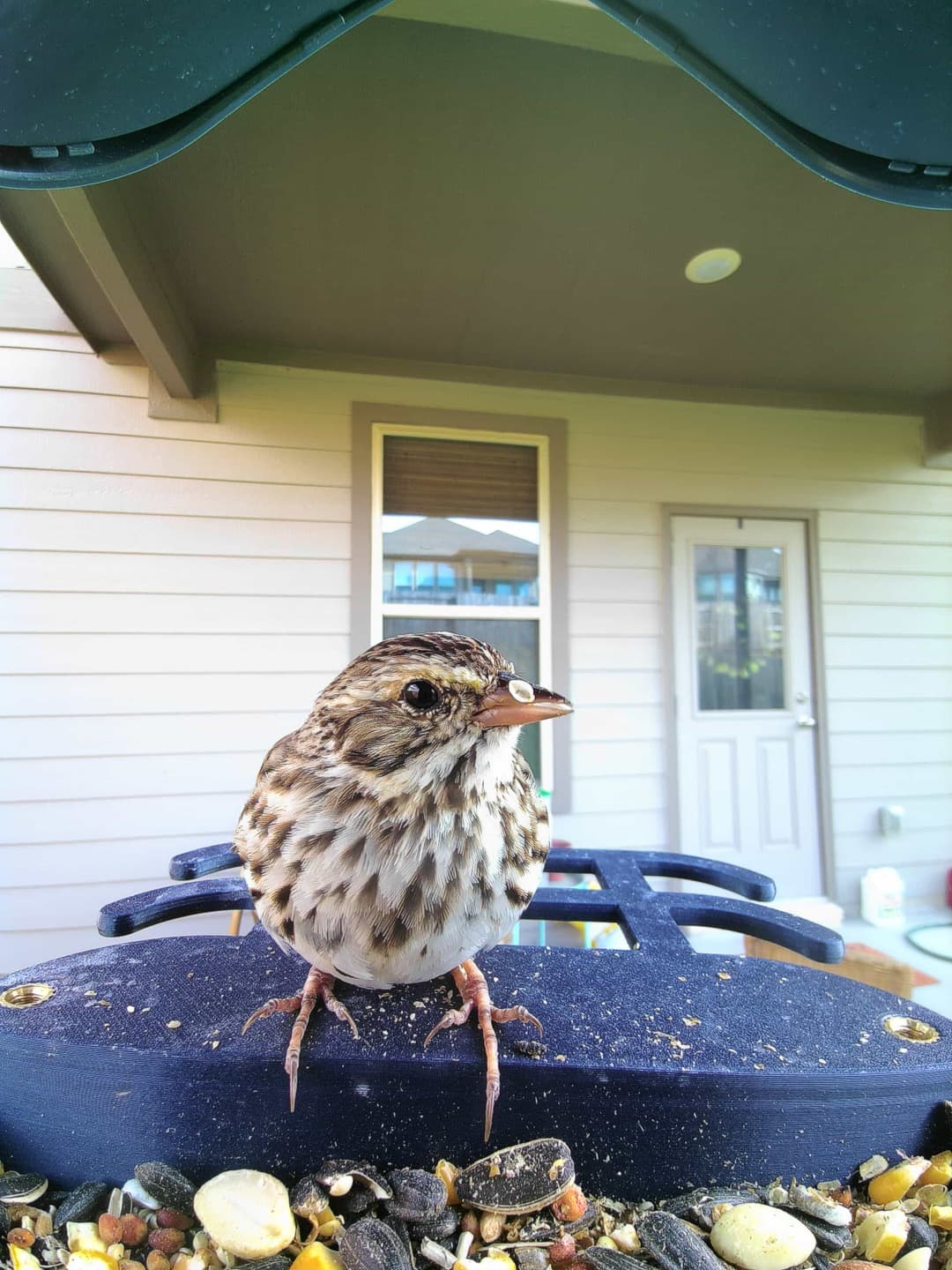
The savannah sparrow is a small, streaked songbird with a short tail and a distinguishing yellow spot between the eye and beak. Its back and wings are brown with heavy streaking, while the underparts are white with dark streaks. The bill is typically short and conical.
Male vs female
Males and females are similar in appearance, but males often exhibit slightly brighter and more contrasting plumage during the breeding season. Both sexes feature a similar patterning and coloration throughout the year.
Juvenile
Juvenile savannah sparrows resemble adults but have a more subdued coloration and streaking. The yellow spot may be less pronounced in juveniles. As they mature, their plumage becomes more defined, resembling adult birds.
Size
4.3 - 5.9 in/0.5 - 1.0 oz
There's more to learn about Savannah Sparrow
View full detailsVesper Sparrow
Pooecetes gramineus
General appearance
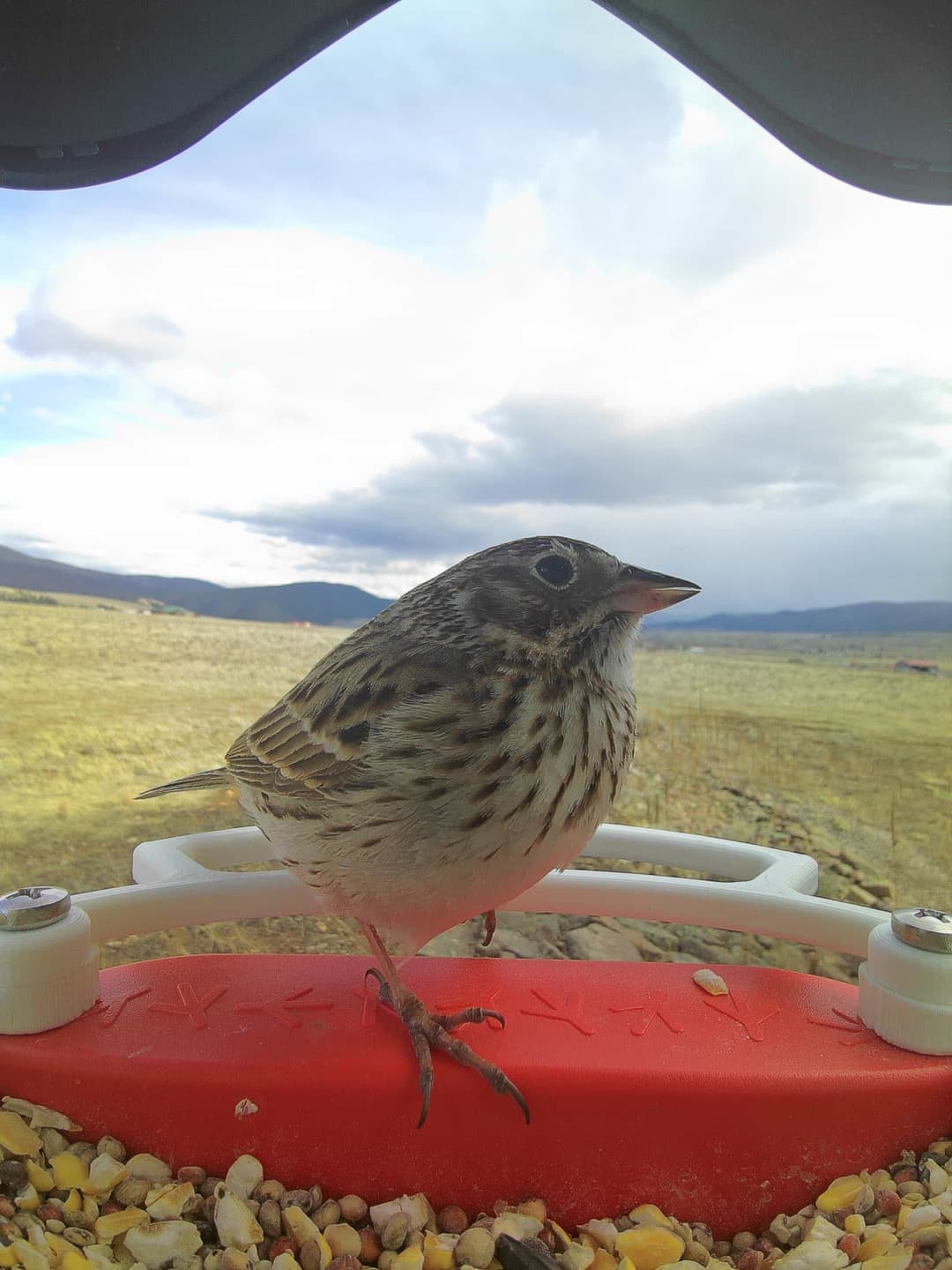
The vesper sparrow is a medium-sized sparrow characterized by its streaked brown body, white outer tail feathers, and a conspicuous chestnut shoulder patch. Its appearance includes a blend of brown, gray, and whitish underparts with streaked flanks. A pale eye ring and a slight crest can sometimes be observed, especially when the bird is alert.
Male vs female
There is minimal sexual dimorphism in vesper sparrows, with males and females appearing similar. Both sexes share the same overall streaked brown coloration and prominent field marks like the white outer tail feathers. During the breeding season, males may exhibit slightly brighter plumage and perform more conspicuous behavior, such as singing from prominent perches.
Juvenile
Juvenile vesper sparrows resemble adults but typically display more subdued and fuzzier plumage with less distinct streaking. They may lack the definitive chestnut shoulder patch seen in adults and have more mottled chest and back patterns. As they mature, the plumage becomes more defined, resembling that of adult sparrows.
Size
5.1 - 6.3 in/0.7 - 1.0 oz
There's more to learn about Vesper Sparrow
View full detailsHow to tell the Savannah Sparrow from the Vesper Sparrow
Visual differences
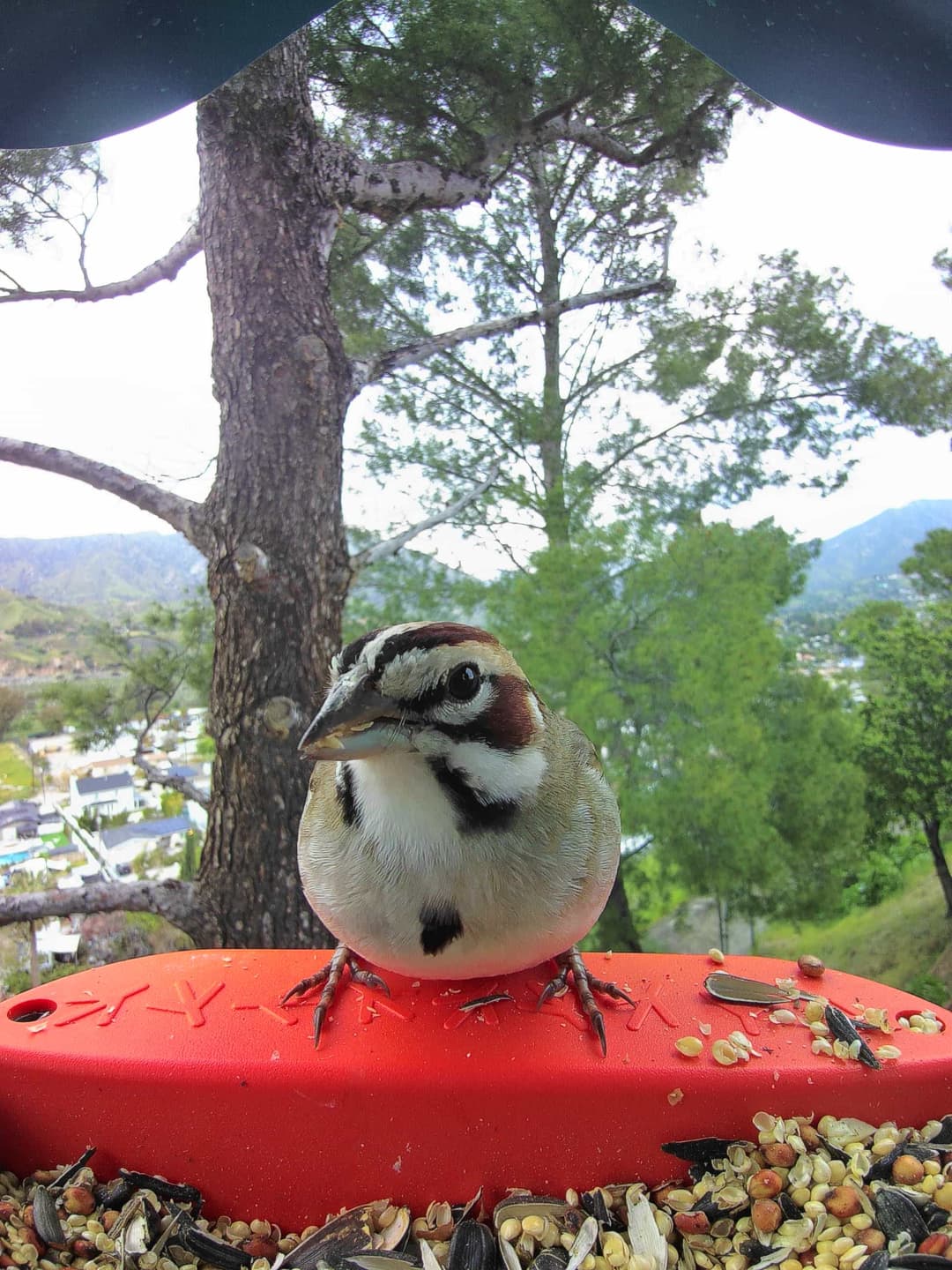
The Savannah Sparrow is smaller (4.3-5.9 inches, 0.5-1.0 oz) with a short tail and a notable yellow spot before the eye. It has a brown streaked back and white underparts with dark streaks. The Vesper Sparrow is slightly larger (5.1-6.3 inches, 0.7-1.0 oz) with distinctive white outer tail feathers, a chestnut shoulder patch, and a pale eye ring. Both have streaked plumage, but the Vesper Sparrow's streaking is less defined with a more mix of gray and brown above. The Vesper's bill is slightly longer and less conical.
Key differences and behavior
Savannah Sparrows and Vesper Sparrows exhibit distinct behaviors and habitat preferences useful for field identification. Savannah Sparrows are highly adaptable, thriving in varied environments such as tundras, shores, and marsh edges, while Vesper Sparrows prefer open, dry, grassy fields and roadsides. Savannah Sparrows often nest at ground level among tall grasses, and Vesper Sparrows create their nests in depressions at the base of grasses. Savannahs are vocal throughout the day, while Vespers are known for twilight singing. Both species primarily consume insects and seeds, but Savannah Sparrows may eat crustaceans and have a marginal presence at feeders. In contrast, Vesper Sparrows focus on ground-running courtship displays. Vesper Sparrows, slightly larger at 5-6 inches, share similarities in defense of breeding territories but are distinguished by their chestnut shoulder patch. Both have similar behaviors but vary in timing and specific habitats they occupy.
Still not sure? Here are more lookalikes!
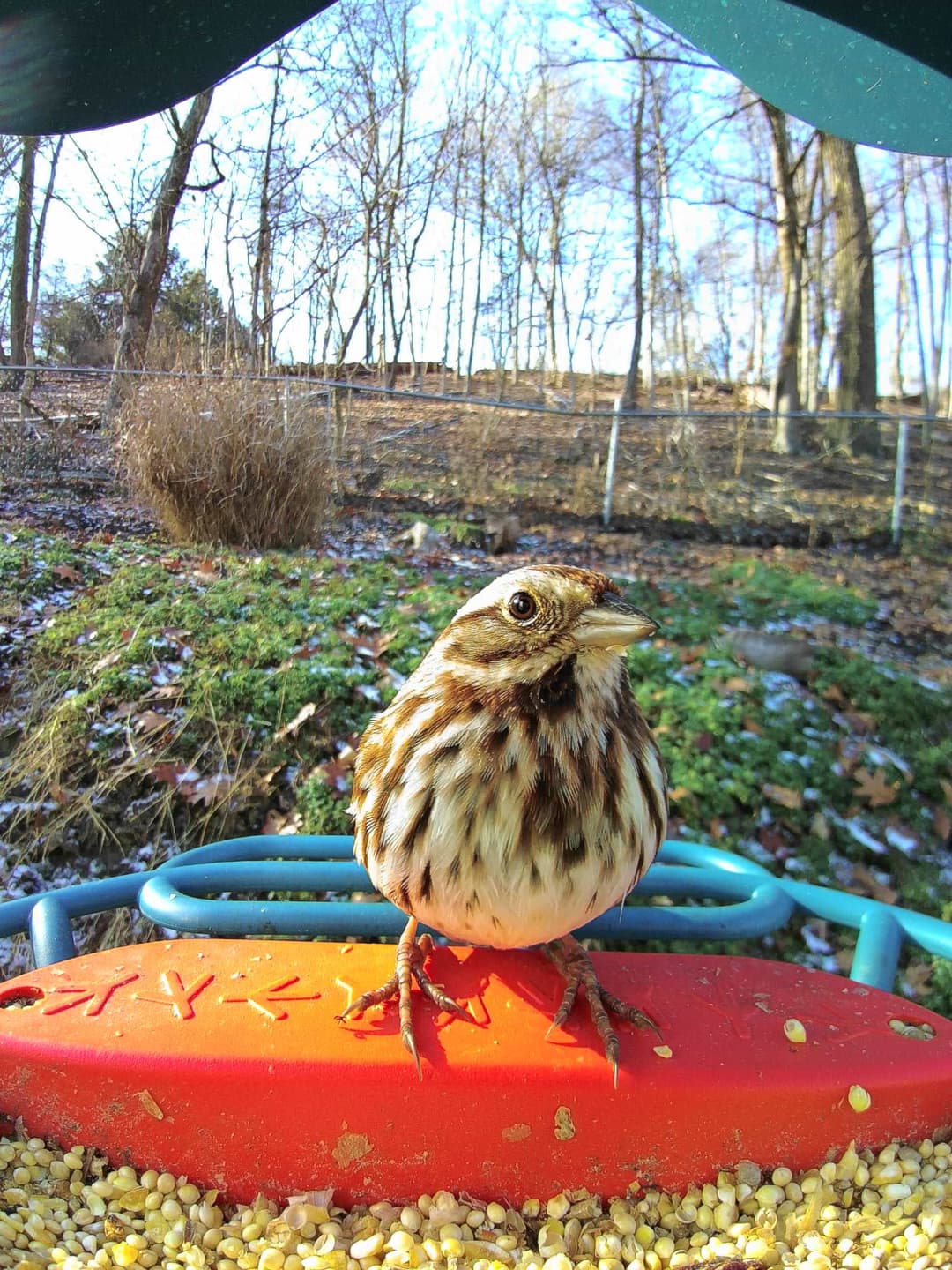
Savannah Sparrow vs Song Sparrow
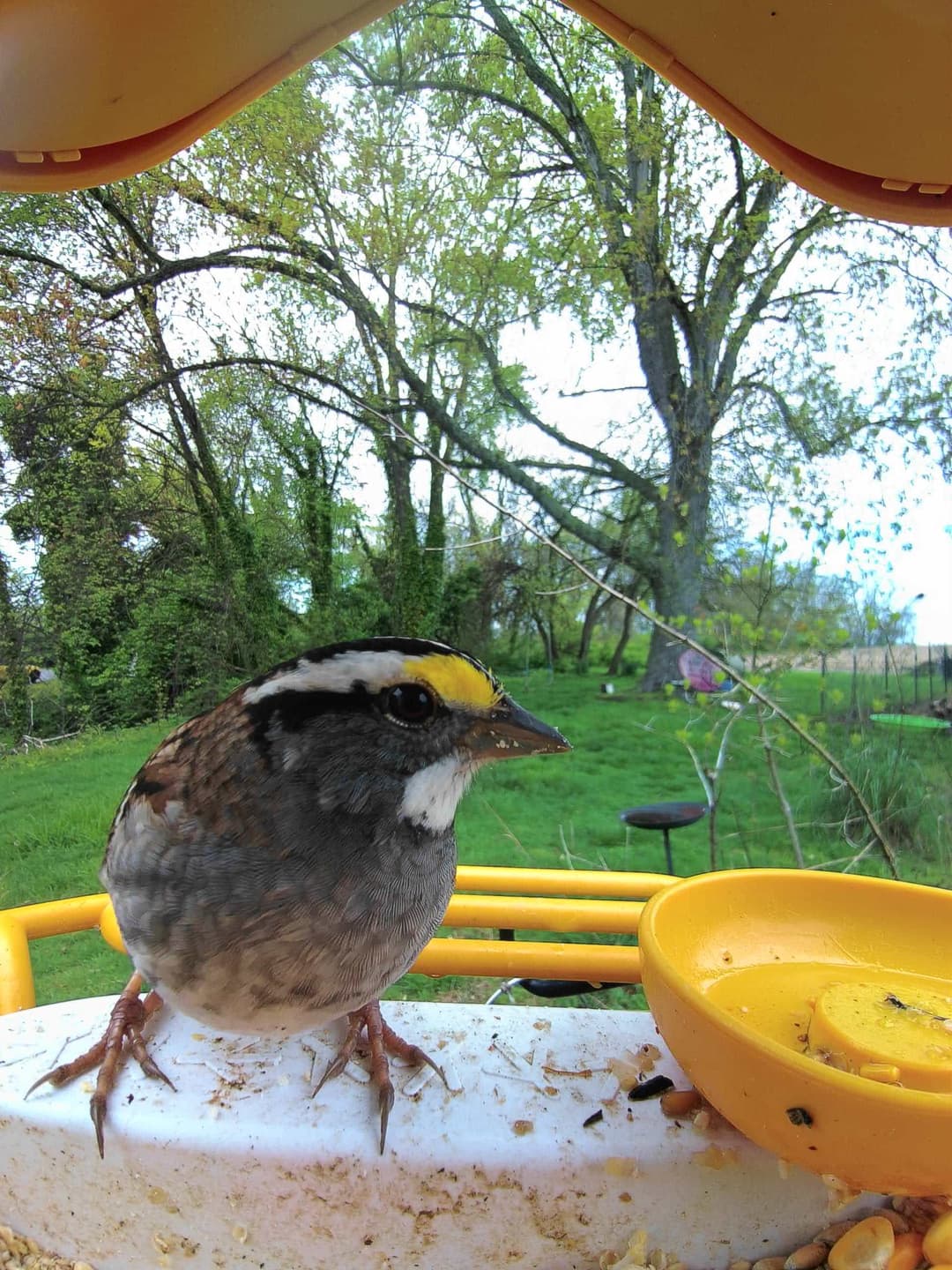
Savannah Sparrow vs White-Throated Sparrow
Vesper Sparrow vs Song Sparrow
Savannah Sparrow vs [Select a bird]

[Select a bird]
Pick a bird to compare
Vesper Sparrow vs [Select a bird]
[Select a bird]
Pick a bird to compare