
Chihuahuan Raven
Chihuahuan Raven
Also known as: White-Necked Raven
Corvus cryptoleucus
Quick Identification guide
Quick Identification guide
- •
Features a glossy black plumage with a purple-blue sheen under sunlight
- •
Displays a medium-sized, robust build with relatively long wings and tail
- •
Strong, stout black beak and slight throat hackles distinguish it from similar species
What does a Chihuahuan raven sound like?
The Chihuahuan raven has a harsh, raucous vocalization, characterized by high-pitched kraak sounds, distinguishably higher than those typically made by the Common Raven. Its call pattern is simple and flat, mostly resonating croak or quack like sounds rather than complex melodies or tones. The overall sound quality of its calls is striking and conspicuous.
Description
Did you know that Chihuahuan ravens' habit of nesting in the otherwise treeless prairie landscape is thought to have been a consequence of humans settling there and building the structures that support their nests? What resourceful birds! Pairs will frequently reuse their own old nests. In fact, some will even keep two and then use them in alternating years!
The Chihuahuan raven can weigh between 380to670grams and be from46to53centimeters tall.
The Chihuahuan raven typically lives for 10-15 years in the wild but can live longer in captivity. This is relatively short compared to common ravens, which can survive up to 21 years in the wild. However, it's longer than some smaller birds, like sparrows, which usually live for just a few years.
Did you know?
Most popular questions about Chihuahuan raven
How to recognise a Chihuahuan raven?
General appearance
The Chihuahuan raven is a bird that resembles the common raven but is slightly smaller in size, measuring between 19-21 inches or 48-53 cm. It has a smaller bill and a distinct voice. Its coloration is black and white. The wings of this raven are fingered and long while its tail is wedge-shaped. Its usual habitat is open grassland contrasting common ravens found in mountains or dry cactus deserts.
Male vs female
The Chihuahuan raven exhibits sexual monomorphism, meaning males and females have similar appearances. There is no significant difference in size, coloration, or body shape between males and females. Identifying the gender based on physical traits is challenging for this species.
Juvenile
Juvenile Chihuahuan ravens resemble adults but may have slightly lighter coloration. Their beaks may also be less robust, and they might lack the full fingered wing and wedge-shaped tail characteristic of adults. As they mature, they develop the distinctive adult features.
Often mistaken for
American Crow vs Chihuahuan Raven
The Chihuahuan Raven is smaller than the American Crow with longer, slender wings and tail. Look for pale bases on throat feathers of the Chihuahuan Raven, showing a grayish hue in sunlight. The call is a distinctive low croak compared to the American Crow's caw.
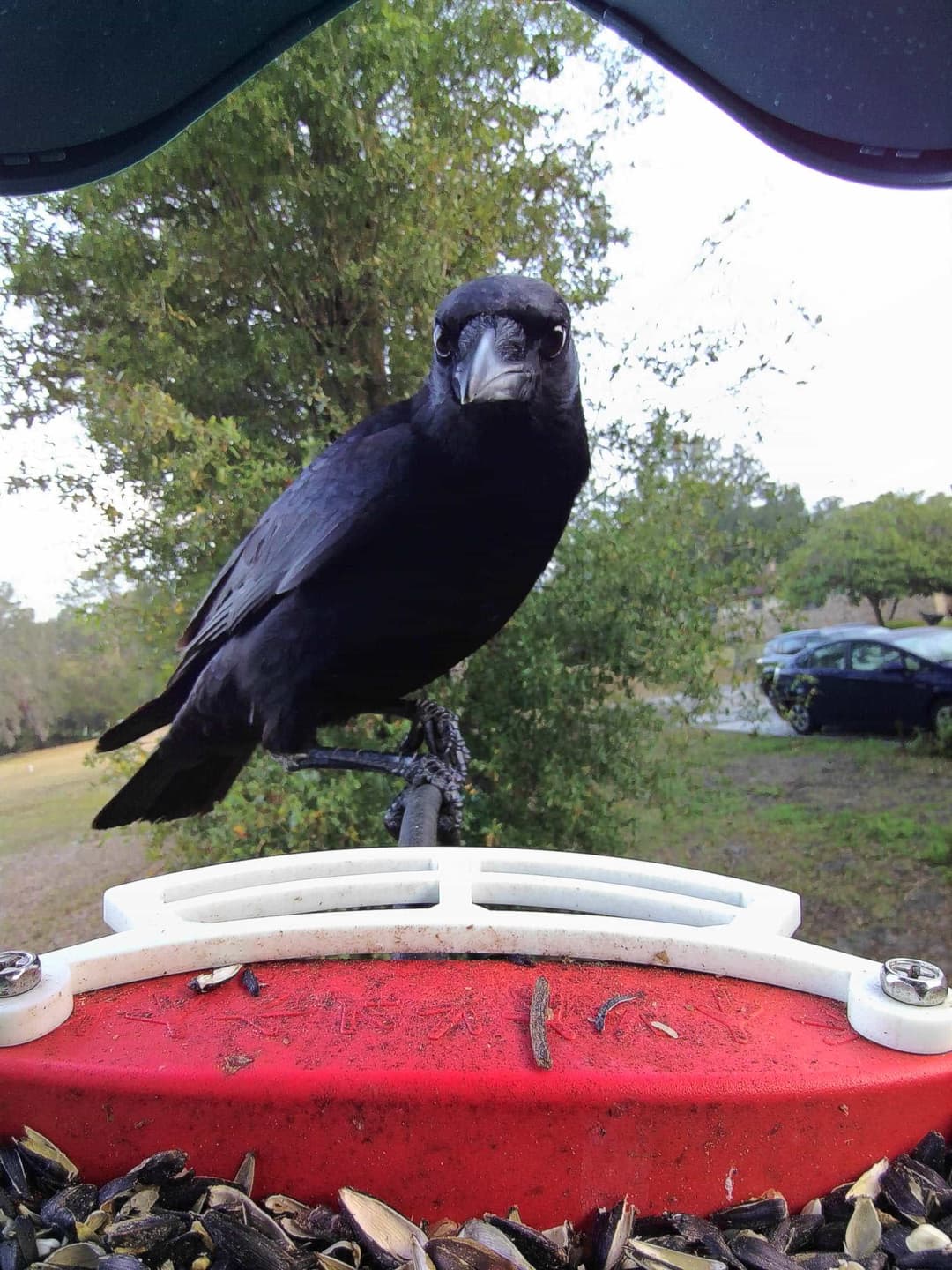
Common Raven vs Chihuahuan Raven
The Chihuahuan Raven appears smaller than the Common Raven with slightly less robust features. Notably, the Chihuahuan has a shorter, less wedge-shaped tail. Listen for the call: a higher, more nasal voice versus the Common Raven's deep, resonant croaks.
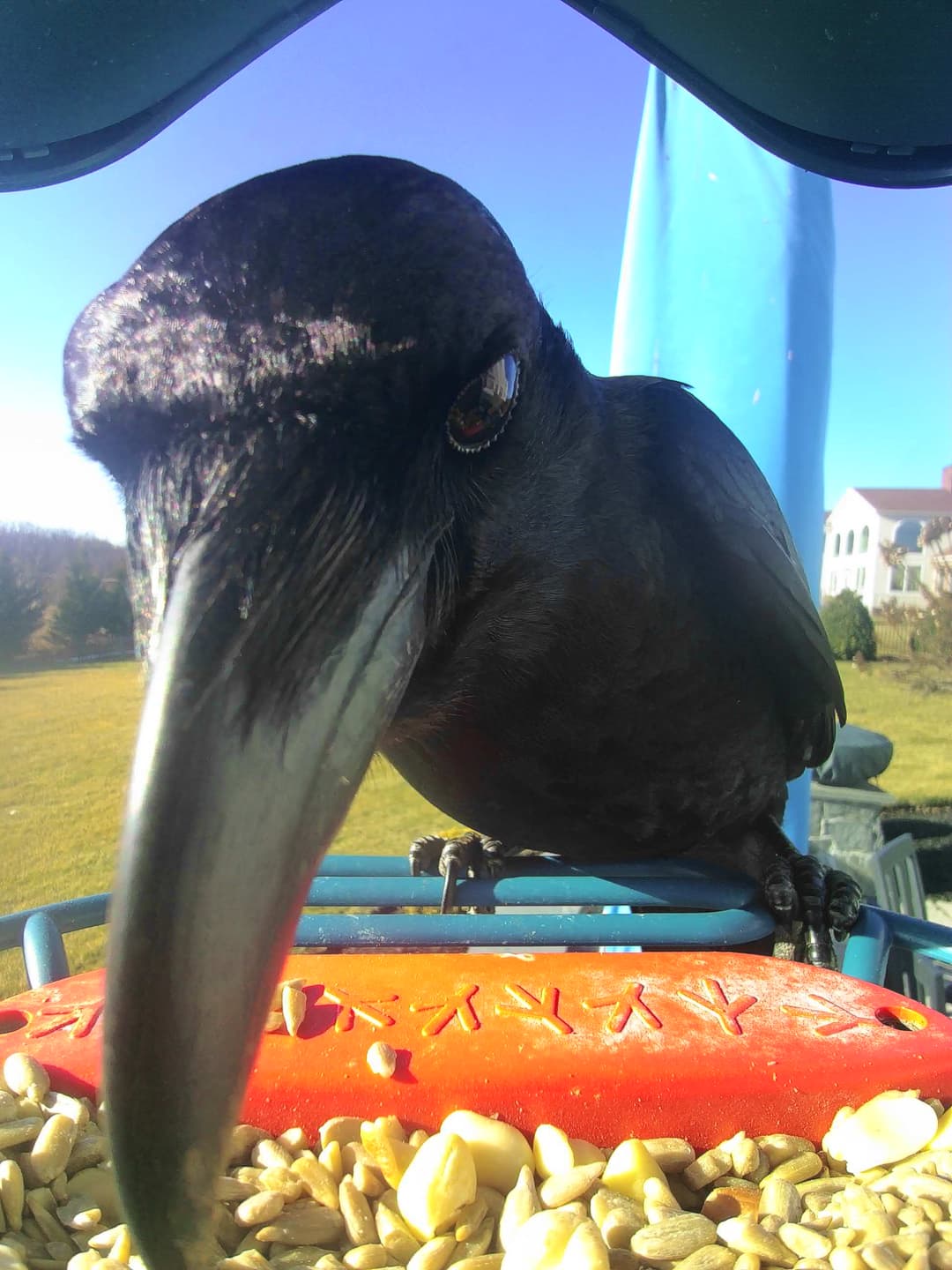
Breeding and nesting habits of the Chihuahuan raven
Mating behaviors
The Chihuahuan raven sometimes nests in loose colonies, particularly in areas with concentrated good nesting sites. This suggests a level of social interaction during the breeding season.
Nesting details
Nests are built in trees, shrubs, large yuccas, and on utility poles, including artificial structures like buildings and towers. Nest heights range from 5 to 40 feet. Nests are bulky, made of sticks and thorny twigs, lined with grass, bark fibers, and animal hair. Occasionally, they incorporate debris such as rags, paper, and barbed wire.
Eggs and chick-rearing
Breeding mostly occurs in summer in some areas, likely to exploit the better food supply following summer rains. Details on egg color or incubation and chick-rearing practices are not specified here.
What does a Chihuahuan raven like to eat?
Aquatic animals
Bird eggs
Birds
Carrion
Fruits
Insects
Scraps
Seeds
Small animals
Natural diet
The Chihuahuan raven is omnivorous, with a diet predominantly consisting of animal matter. It consumes large insects, spiders, earthworms, snails, rodents, lizards, and the eggs and young of other birds. It is also known to eat carrion and garbage. Additionally, the raven feeds on various plant-based foods, including grains, seeds, berries, fruits, and cactus fruit.
Bird feeders
Chihuahuan ravens may occasionally visit bird feeders, particularly those offering seeds, grains, or fruit. However, they primarily rely on their natural food sources in the wild.
Feeding essentials for chihuahuan ravens
Attracting Chihuahuan Ravens to your yard requires the right kind of food. These ravens search for small insects, especially beetles and spiders to munch. To mimic this diet, you can offer Bird Buddy seeds in your feeder. Chosen carefully by experts for the season, these seeds are irresistible to Chihuahuan Ravens. Scatter some on the ground too, as ravens love to forage.
Best feeders for ravens
The choice of feeder can greatly influence which birds visit your yard. Ravens including the Chihuahuan type often prefer platform or tray feeders. These open and easily accessible platforms allow them to eat with ease. Pick a sturdy feeder, as ravens can be larger and heavier than your typical backyard bird.
Fun tricks to attract ravens
To make your yard even more appealing, you can engage these intelligent birds in some fun activities. Try hanging a wind chime or sparkly items; shiny objects intrigue and attract ravens. As social creatures, if one finds your yard interesting, others will follow! Additionally, playing soft bird calls or music can create a welcoming atmosphere for these song-loving ravens.
Where can you find Chihuahuan ravens?

Primary habitat
The Chihuahuan raven primarily inhabits arid and semi-arid grasslands, scrub, and yucca flats, mostly avoiding wooded areas and true deserts.
Additional range
This raven is also found in brushy lowland areas. However, unlike the Common Raven, it is rarely found in grasslands.
Do they migrate?
The Chihuahuan Raven is primarily a permanent resident across most of its range. However, some individuals may exhibit limited migratory behavior, particularly those in the northern parts of their range. The specifics of this migration are not well documented. During the fall, these northern populations might withdraw to more southerly or lower elevation areas, though details such as exact routes, timing, or key locations remain unclear. In winter, Chihuahuan Ravens are known to form flocks that move nomadically in search of abundant feeding areas. These movements are not strictly migratory in the traditional sense but are influenced by food availability during the colder months. This suggests a dynamic adaptation to changing environmental conditions rather than a fixed migratory route. Therefore, while there is some movement, the Chihuahuan Raven largely stays within its general range, adapting locally to seasonal conditions.
What is the role of Chihuahuan ravens in nature and how to protect them?
Conservation status
The Chihuahuan raven's conservation status varies across its range. While it remains very common in the southern parts of its range, its presence has significantly declined at the northern end, particularly in eastern Colorado and western Kansas, compared to the 1800s. The decline in these northern areas suggests local vulnerability. Key threats likely include habitat loss and environmental changes. Currently, there are no widespread conservation efforts specifically targeting this species, but protecting its habitat could aid in its northern recovery, ensuring its populations remain stable across its range.
Ecological role of Chihuahuan ravens
Its role in the ecosystem
The Chihuahuan raven plays a vital role in the ecosystem for several reasons. Its diet consists of pest species such as large insects, spiders, earthworms, snails, and rodents, making it indirectly beneficial for pest control. Therefore, it aids in maintaining the population of these creatures and prevents the overpopulation of certain species. Moreover, the raven's omnivorous eating habits, which include a preference for seeds, berries, and fruits, promote seed dispersal. This contributes to the spread and propagation of various plant species, influencing plant diversity and overall ecosystem health. Equally important, the raven's consumption of carrion and garbage helps in decomposition and nutrient recycling, thus it is involved in waste management in nature. Hence, the Chihuahuan raven has a far-reaching ecological significance in its habitats.
How to help protect Chihuahuan ravens
Preservation tips
Habitat preservation strategies
Promote habitat preservation by protecting native vegetation types and maintaining large, open spaces that Chihuahuan ravens naturally inhabit, such as grasslands and deserts. Implement policies against habitat destruction for agricultural or industrial developments. Encourage landowners to participate in conservation easements to prevent urban development encroachment.
Community science initiatives
Foster citizen science programs to monitor Chihuahuan raven populations and their habitats. Provide training and resources to community members for accurate data collection. Use the data to optimise conservation actions and raise awareness among local communities about the conservation threats these birds face. Frequency of sightings, nesting sites, and behaviour changes are important behavioural parameters to note.