Birds in Thousand Oaks,
California
Thousand Oaks, California offers diverse birdwatching opportunities with its unique Chaparral landscape, oak woodlands, and proximity to the Santa Monica Mountains. The mix of coastal, mountain, and valley habitats supports a variety of bird species. The area serves as a key migratory route, providing birdwatchers a chance to see both resident and migratory birds. Scenic open spaces and favorable climate add to its allure for bird enthusiasts.
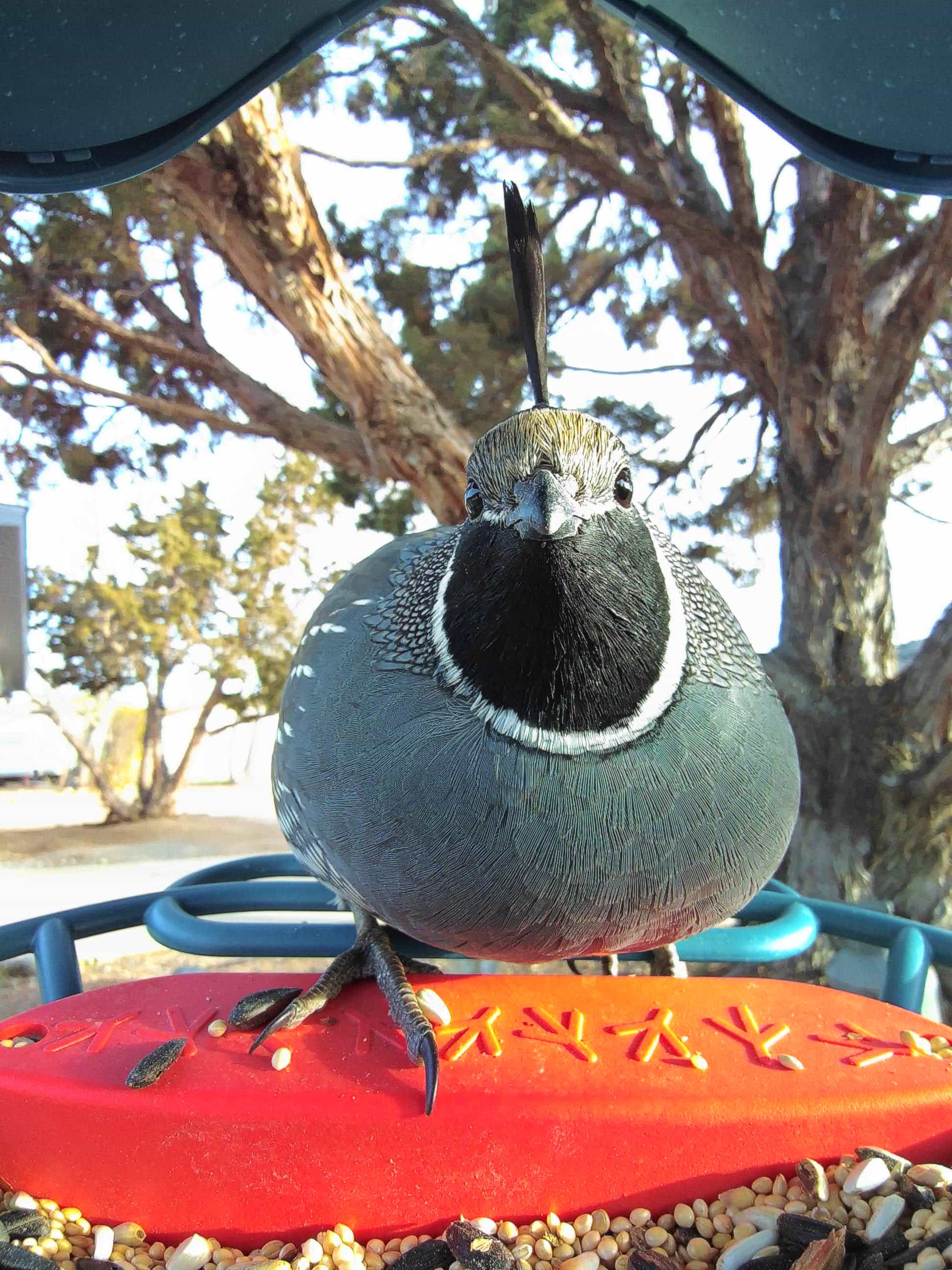
Most iconic Thousand Oaks bird
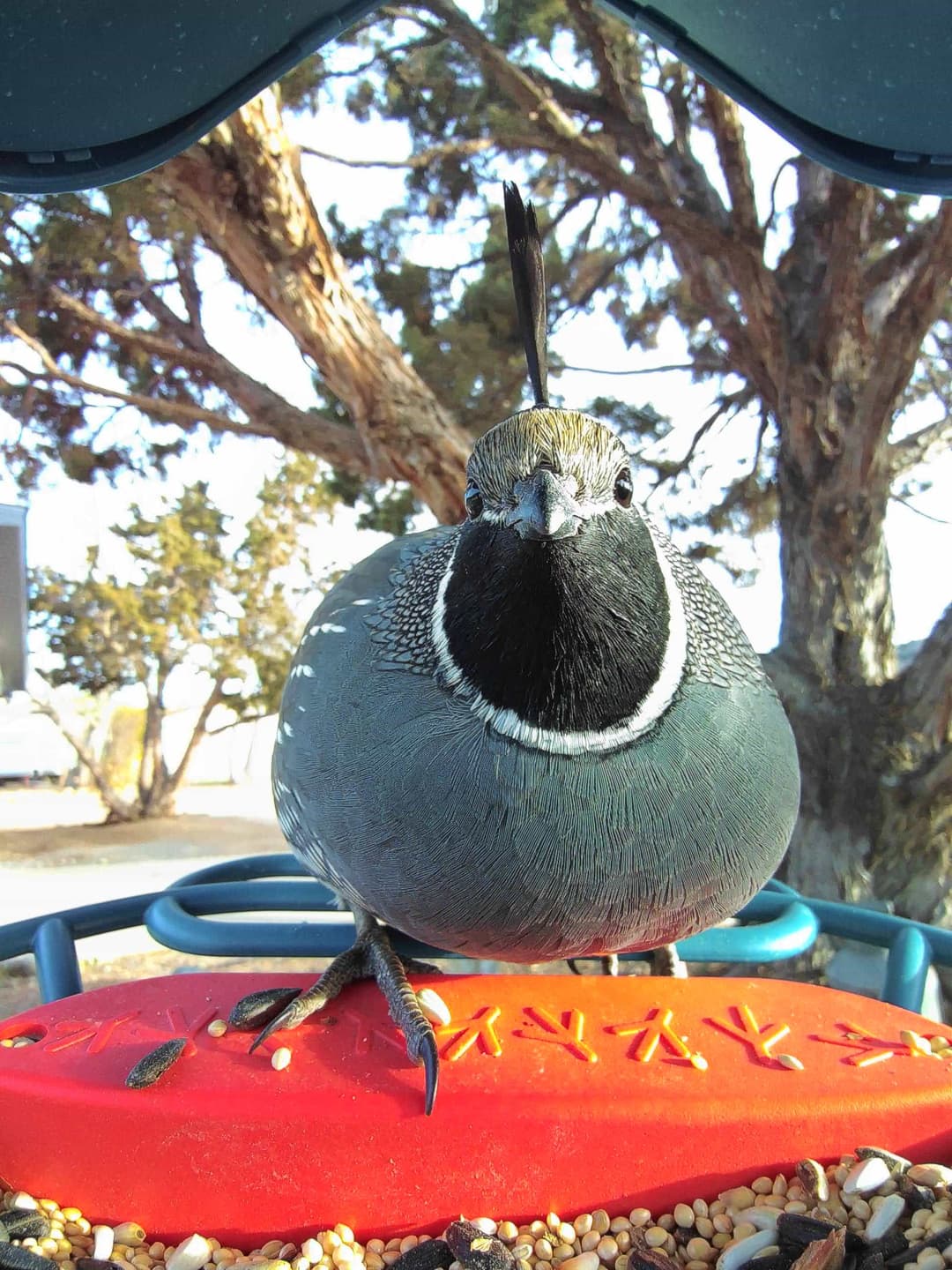
The California quail was chosen as the state bird of California because it is commonly found in the region and represents the state's natural beauty and heritage.
Common bird species in Thousand Oaks
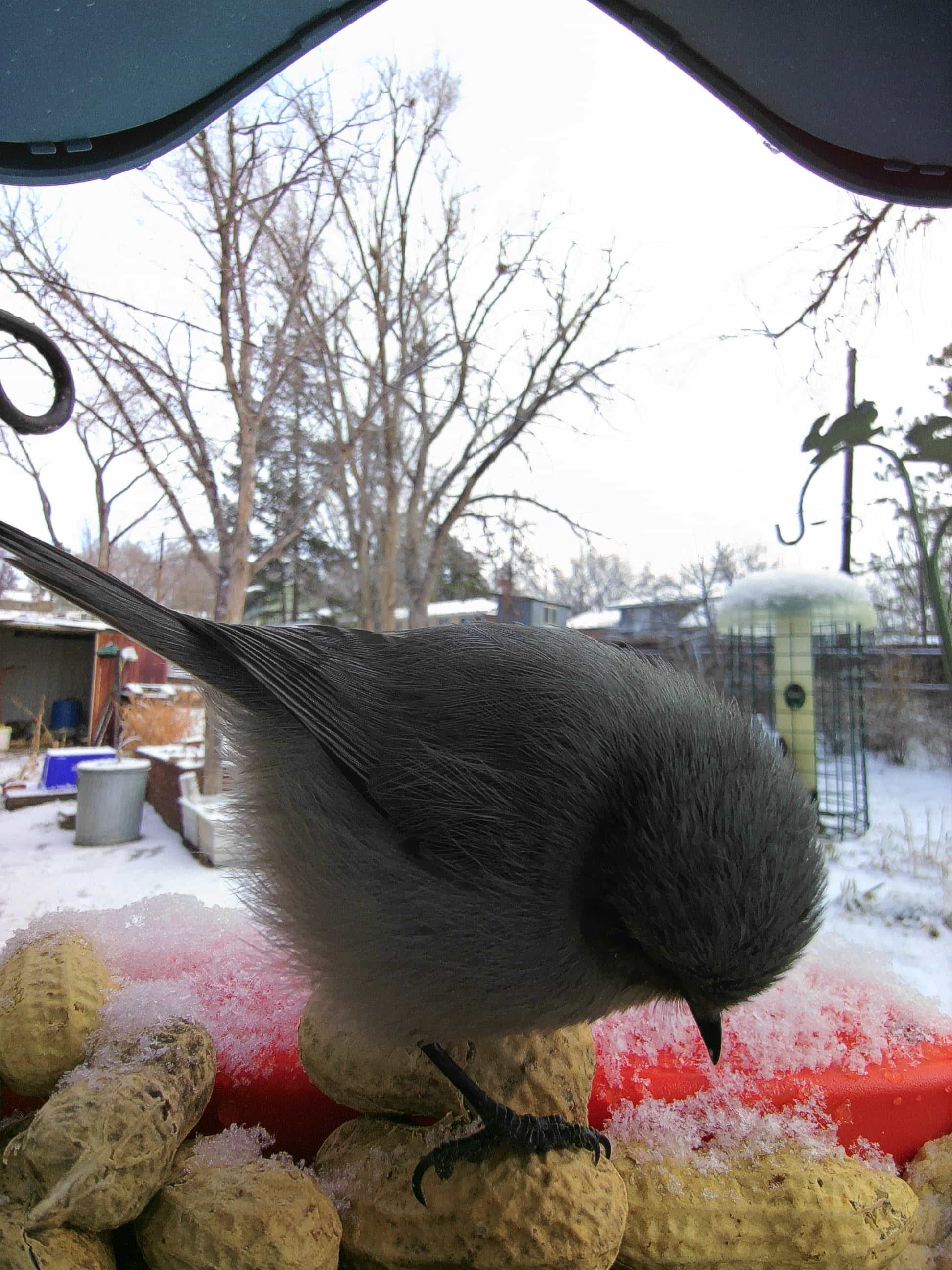
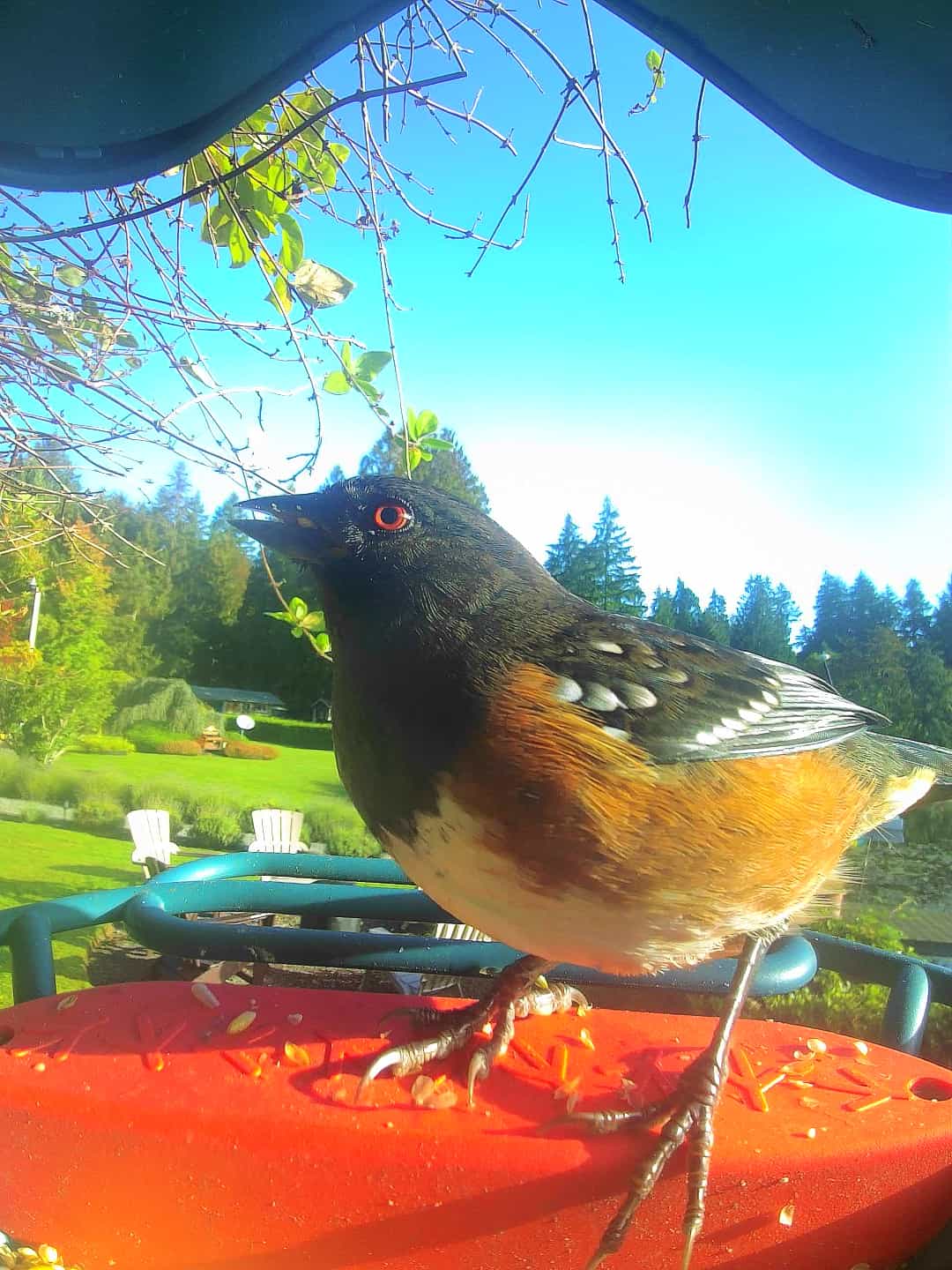
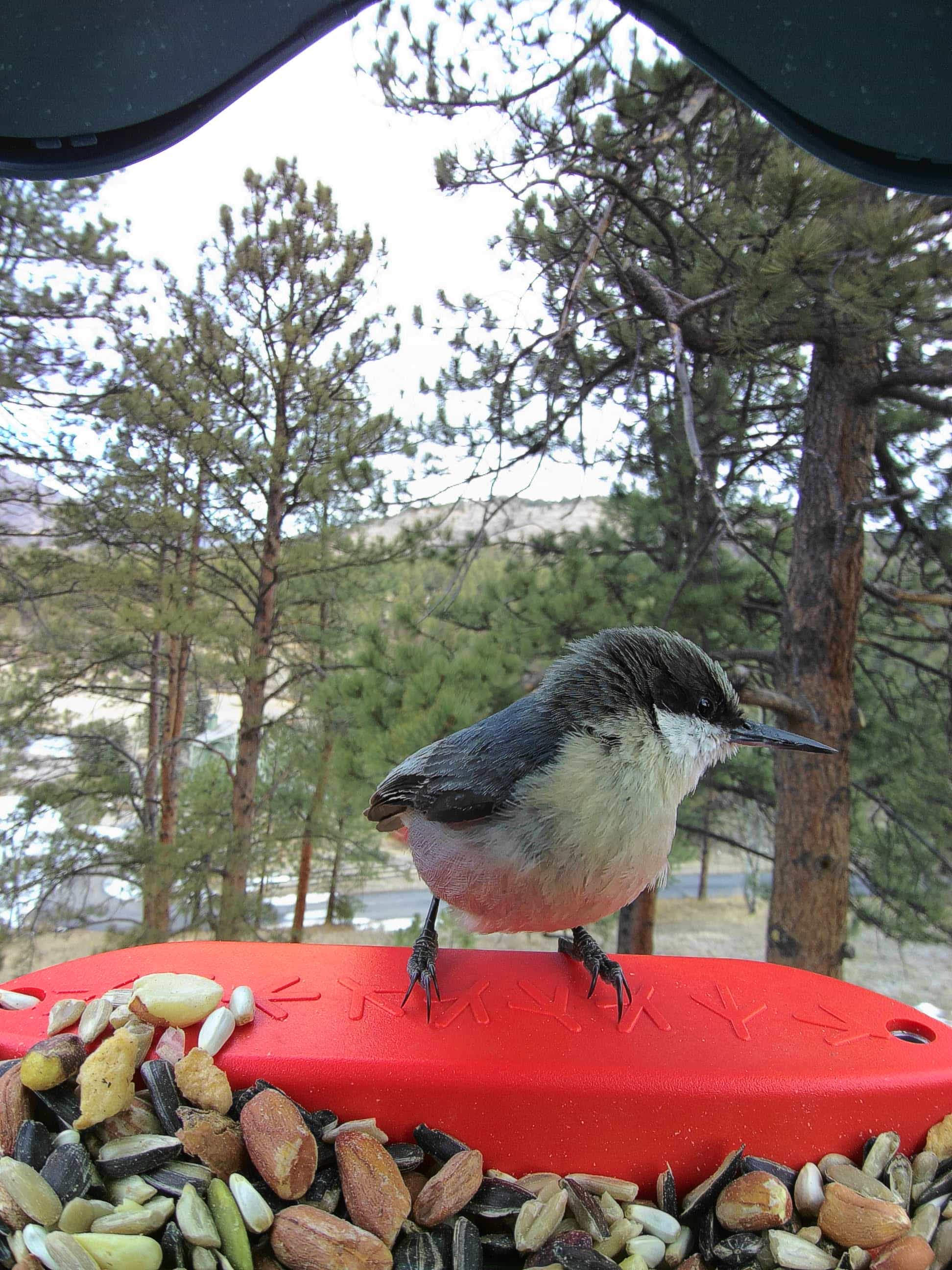
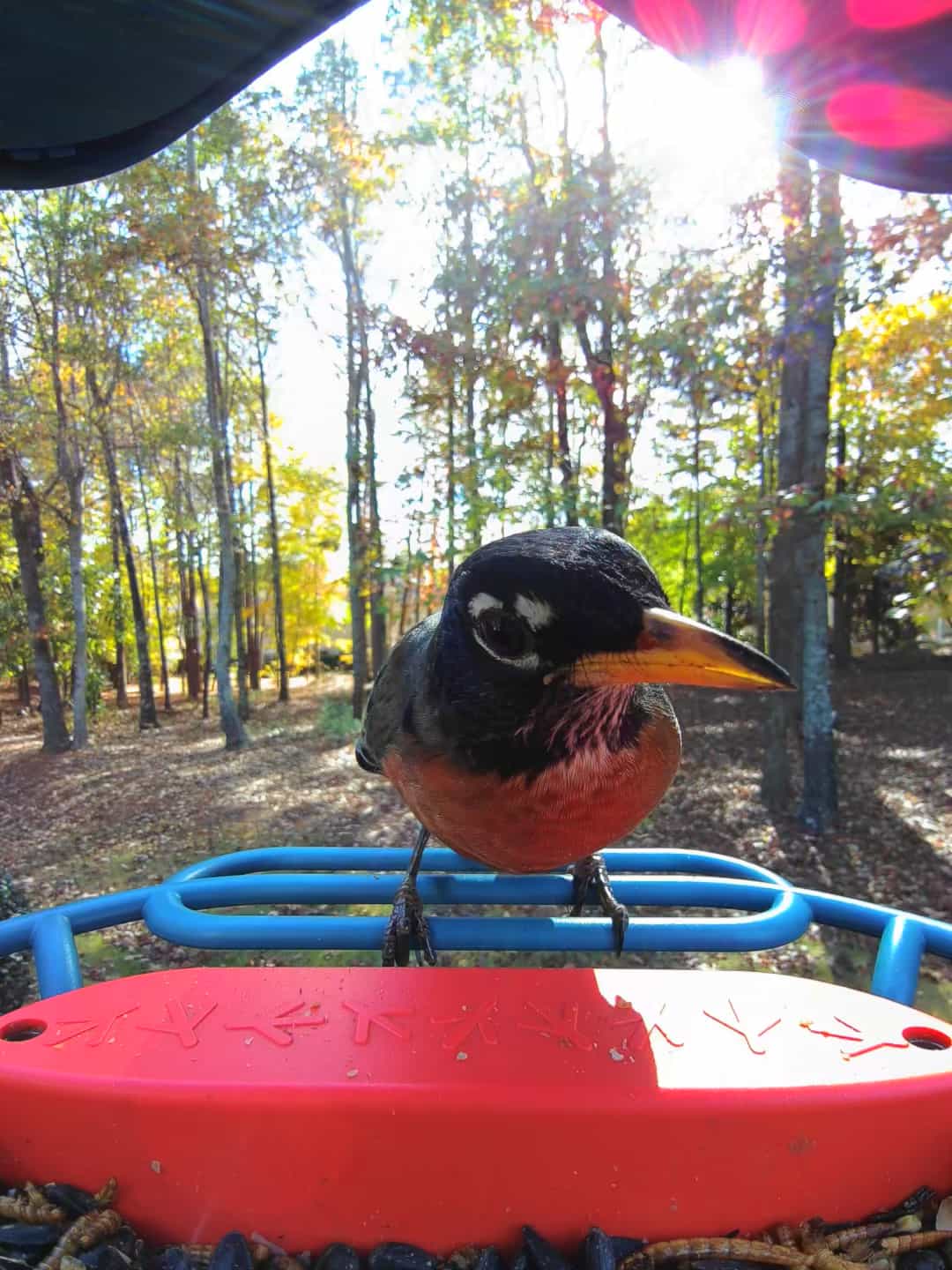
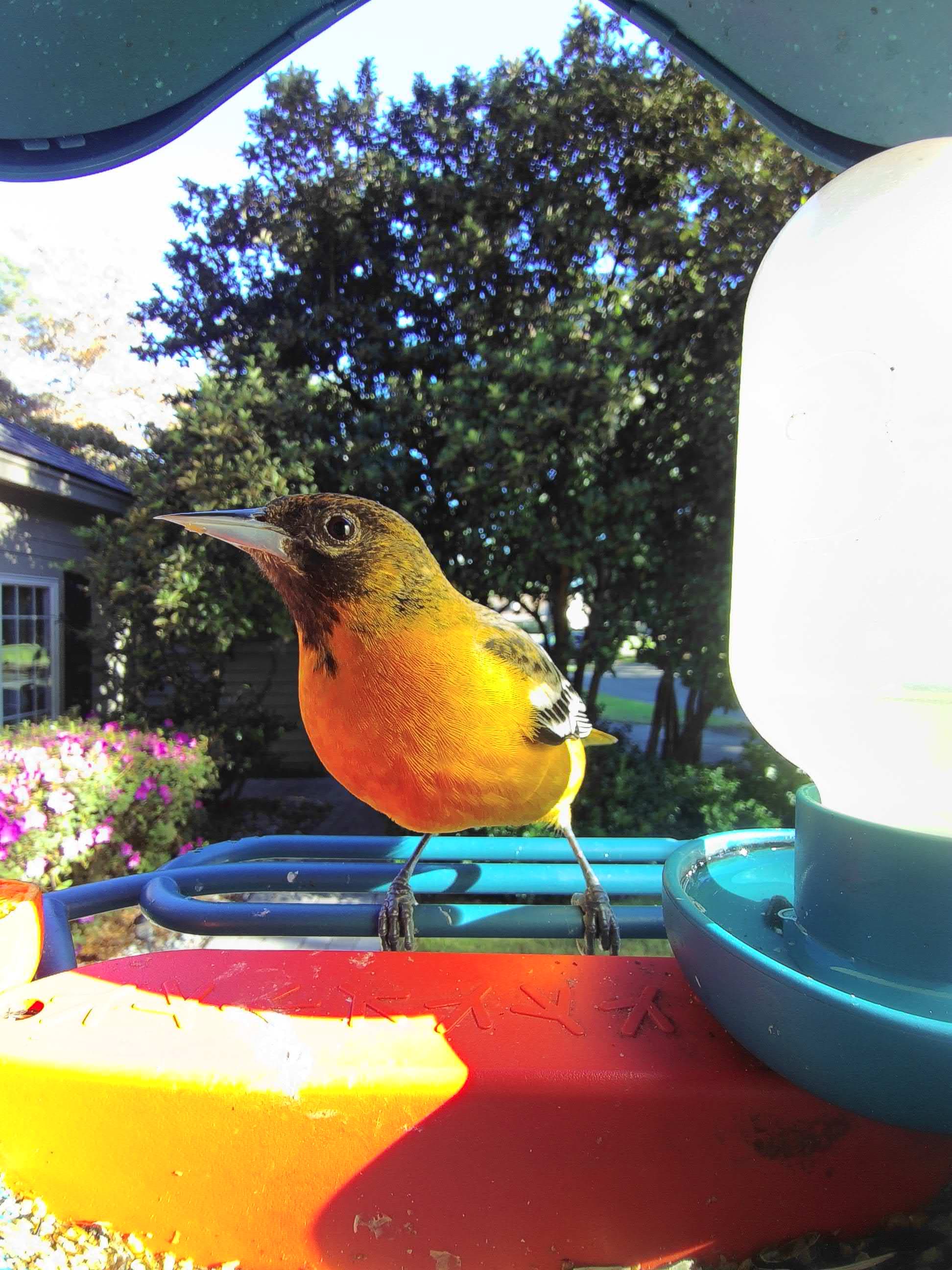
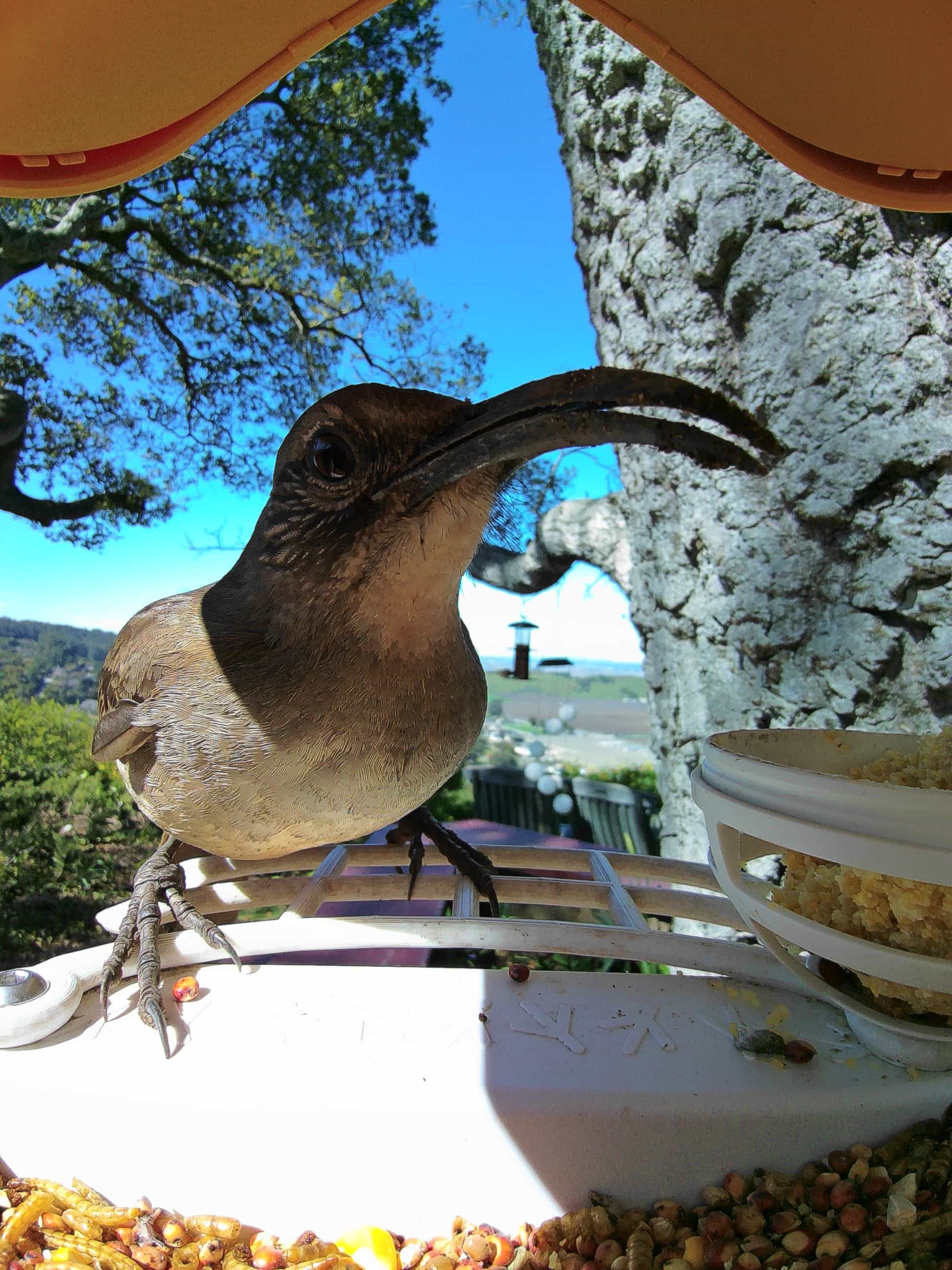
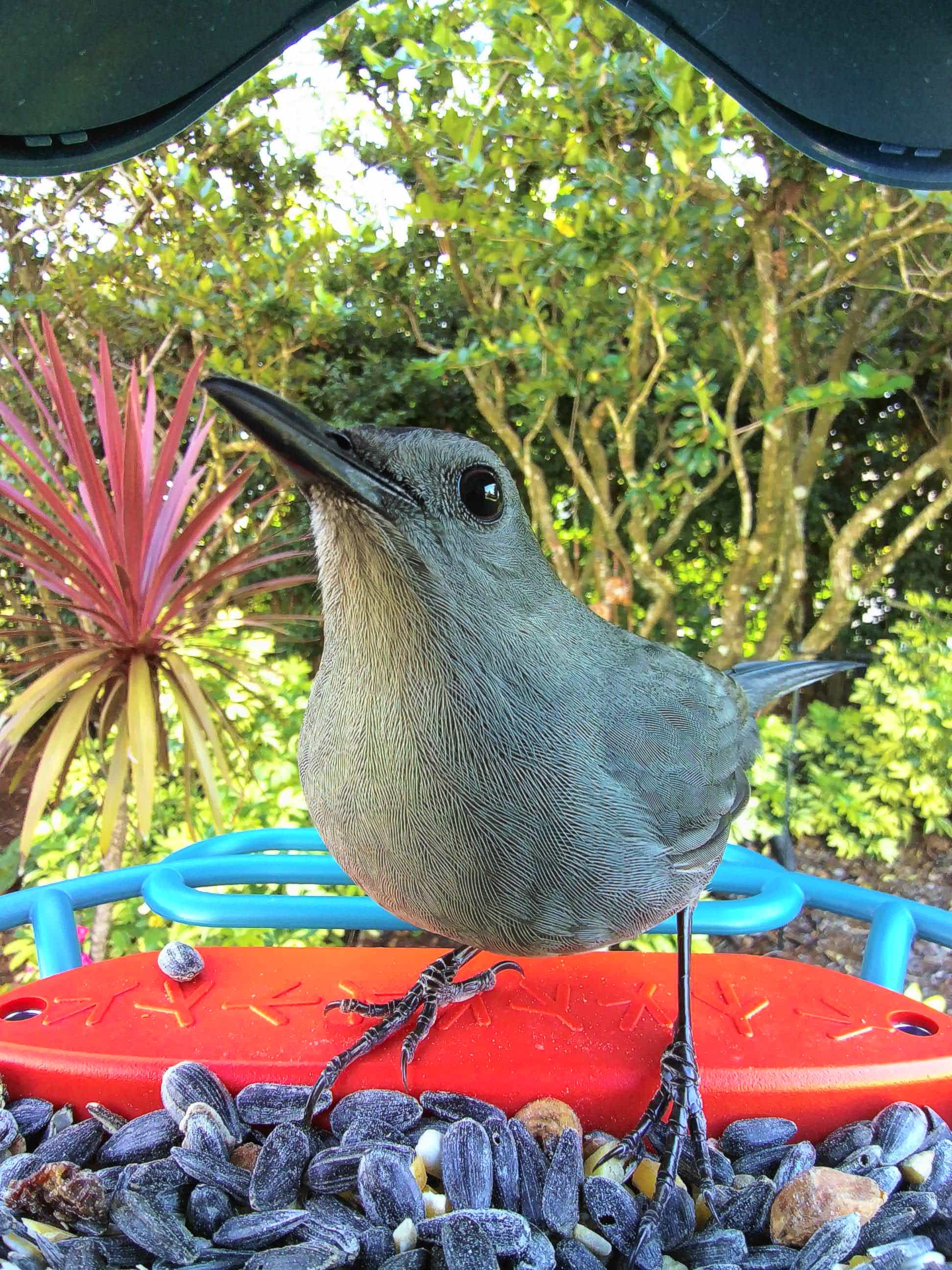
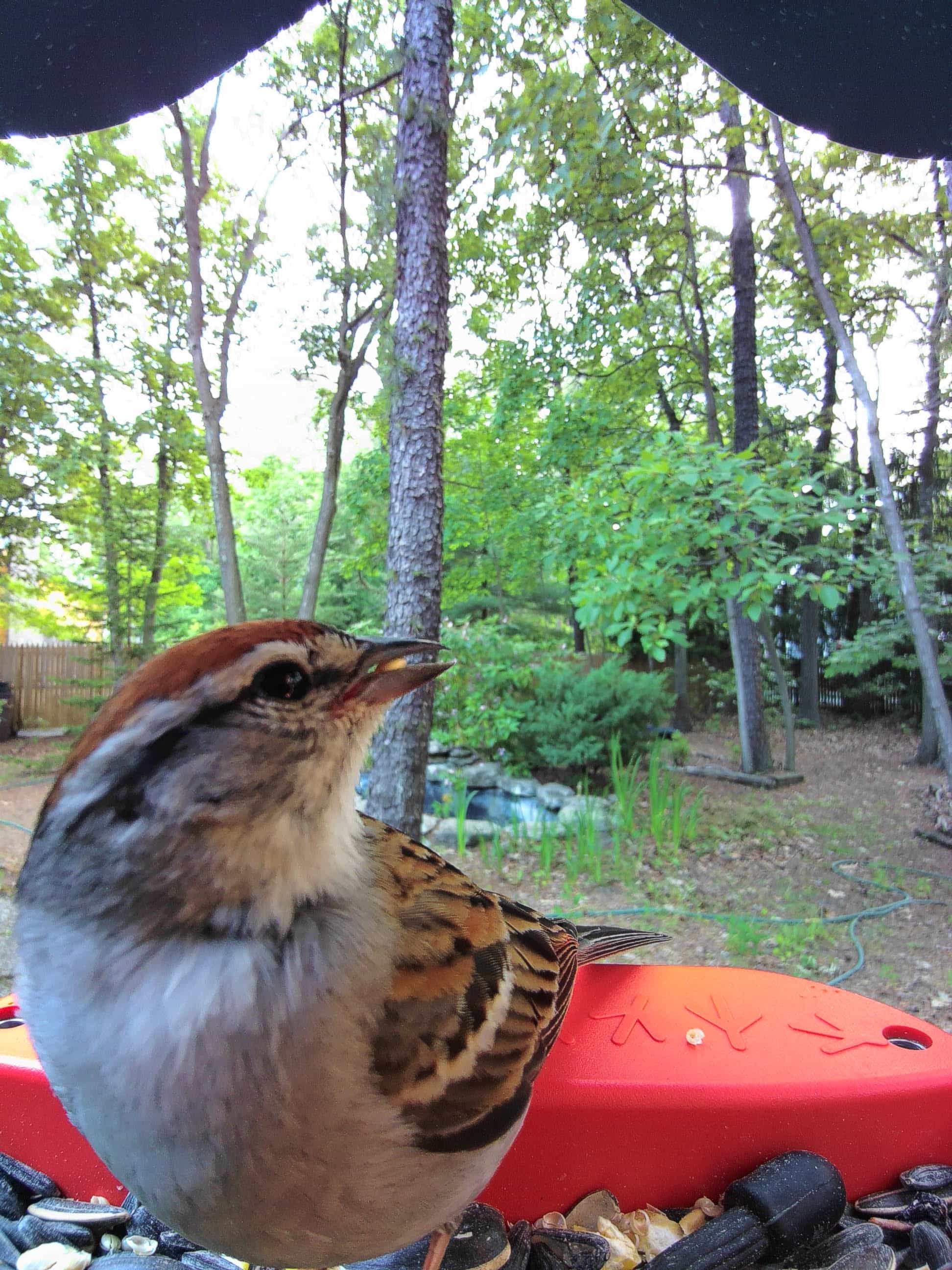
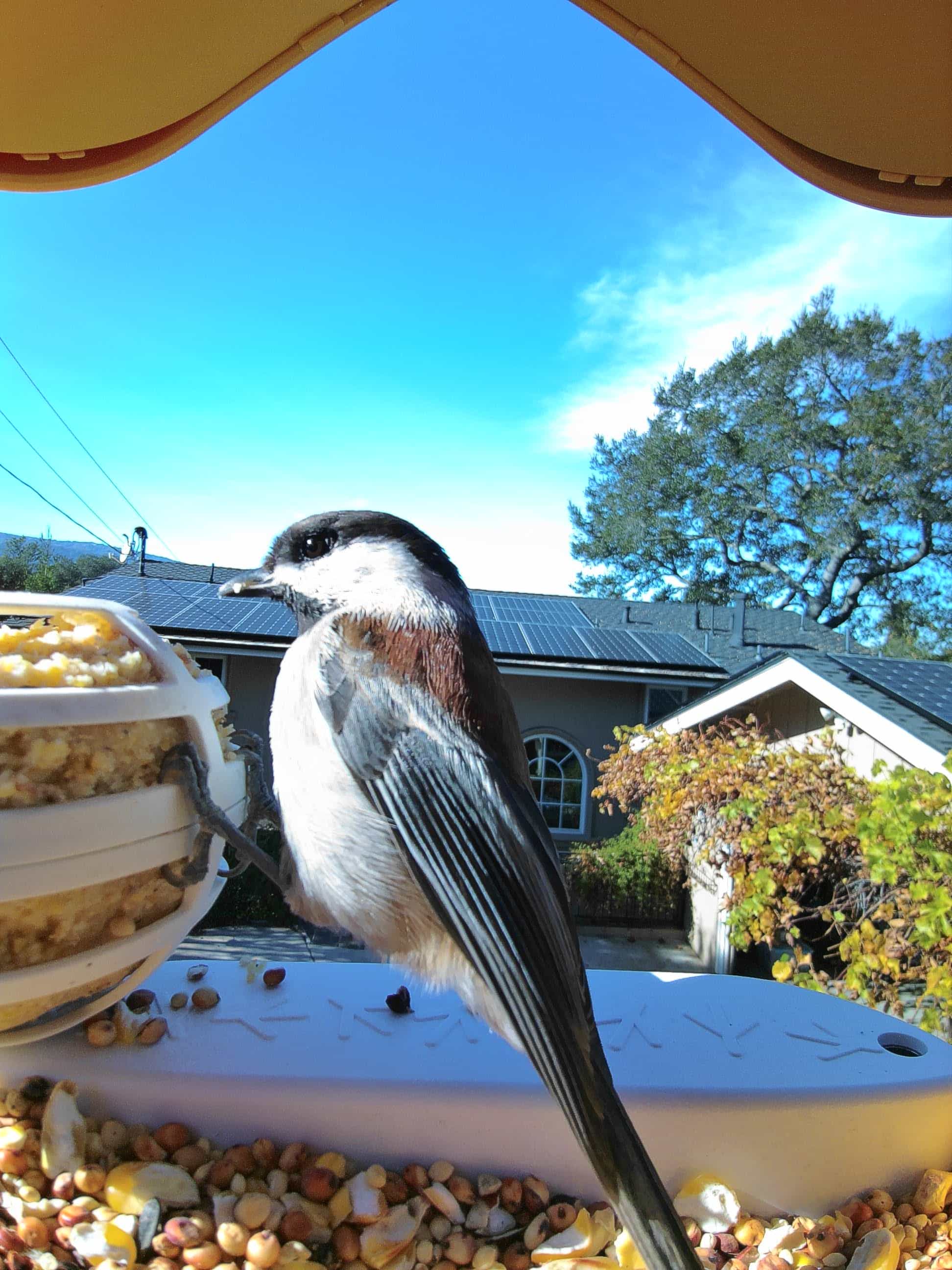
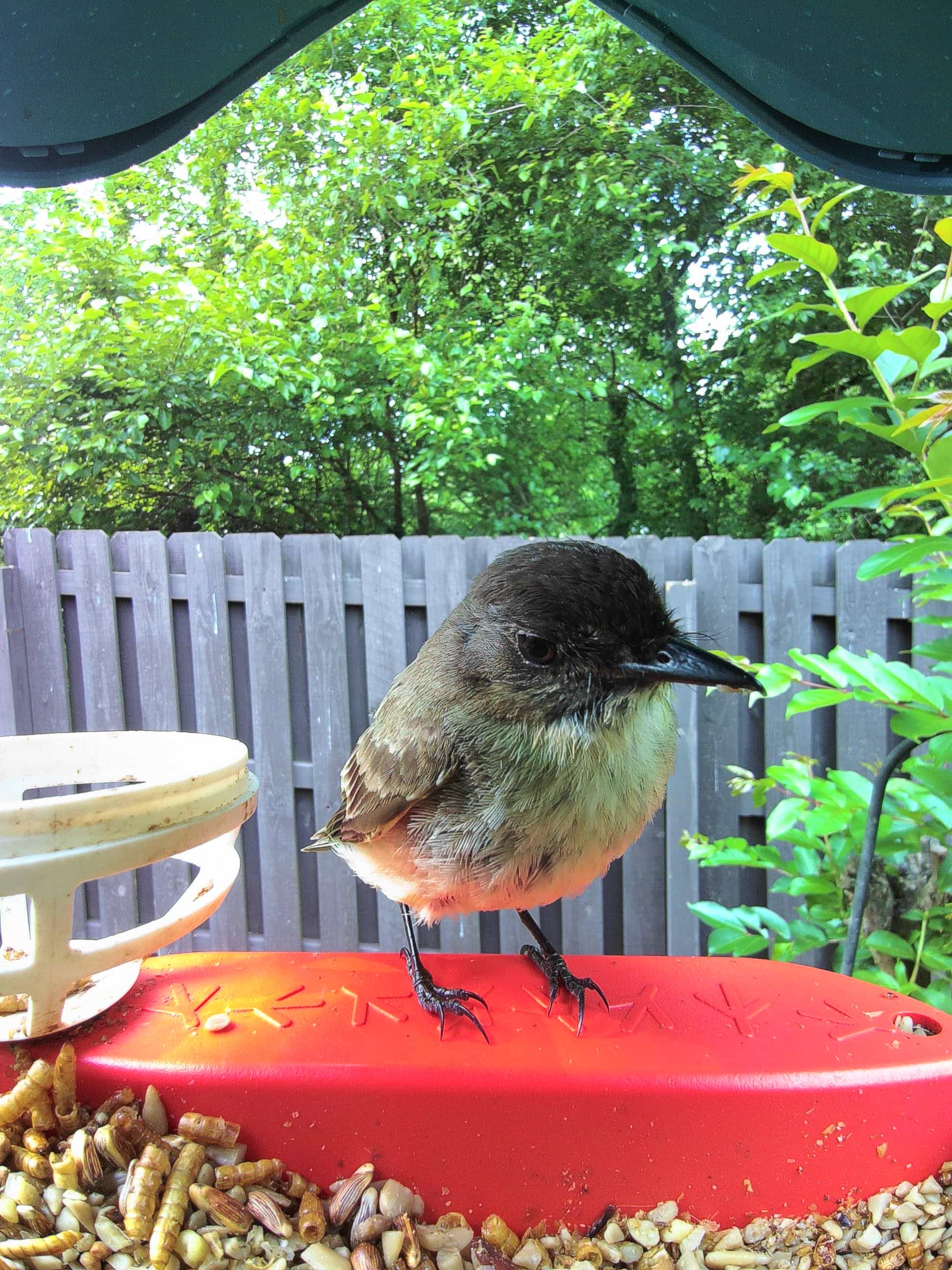
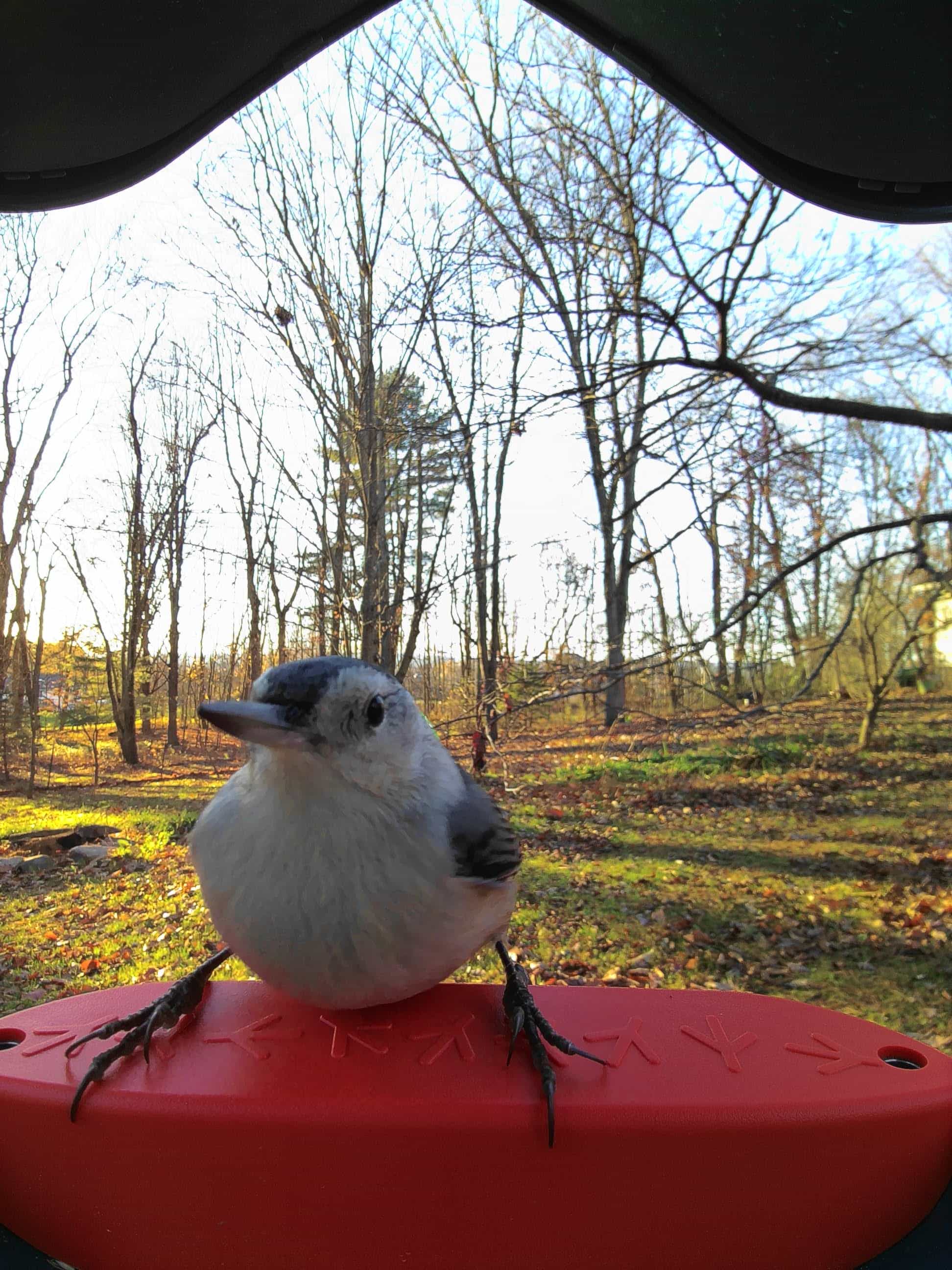
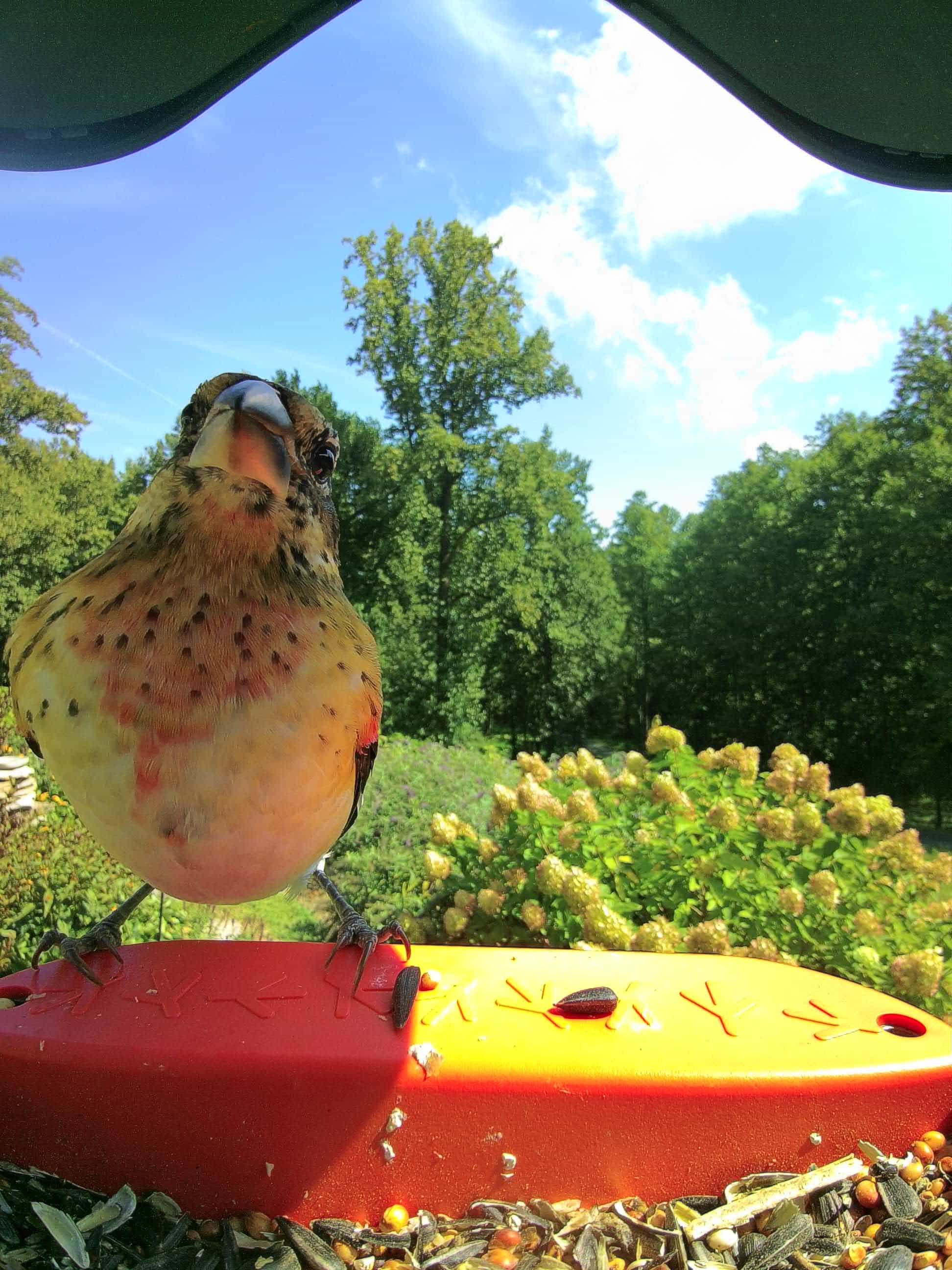
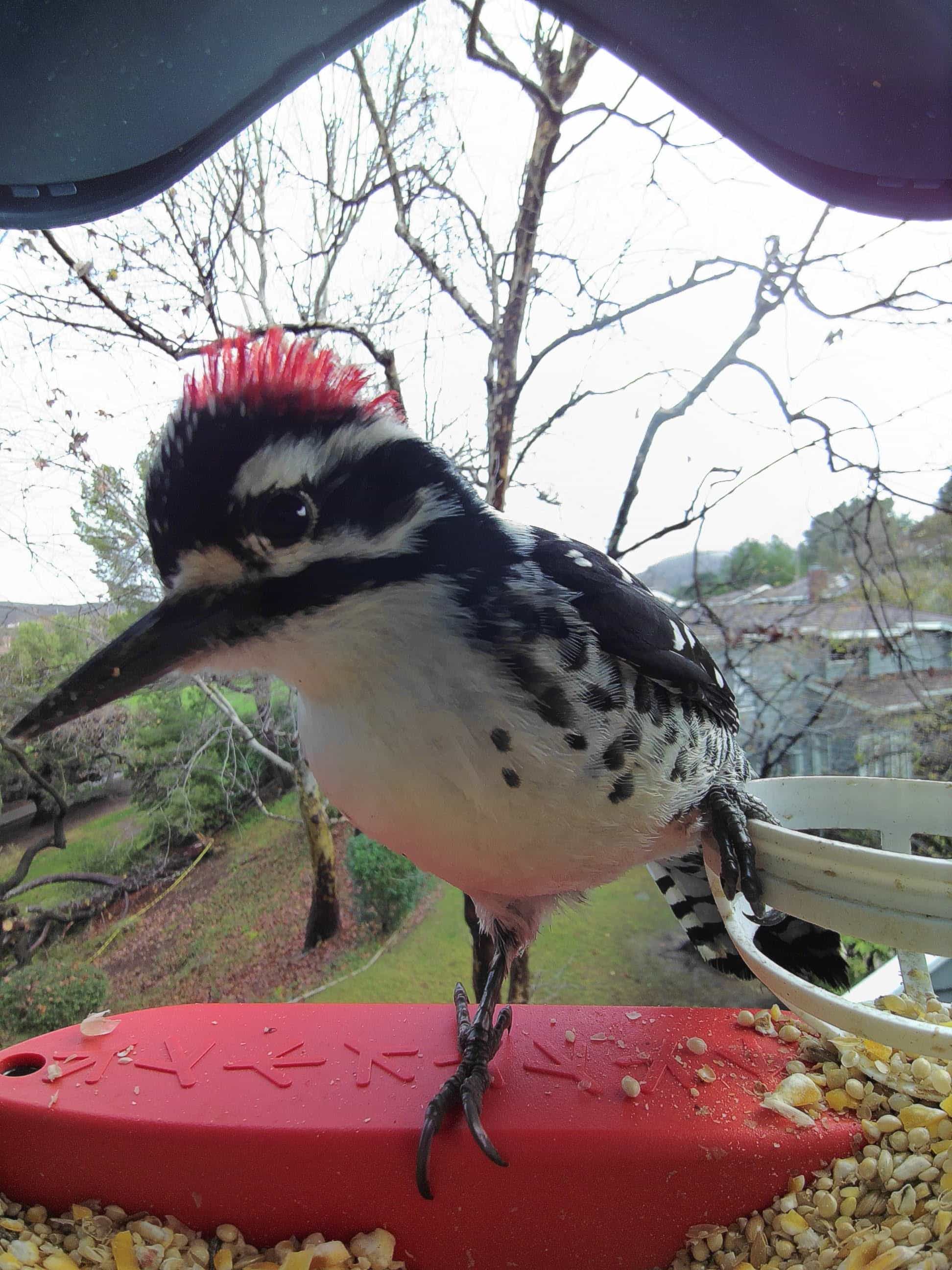
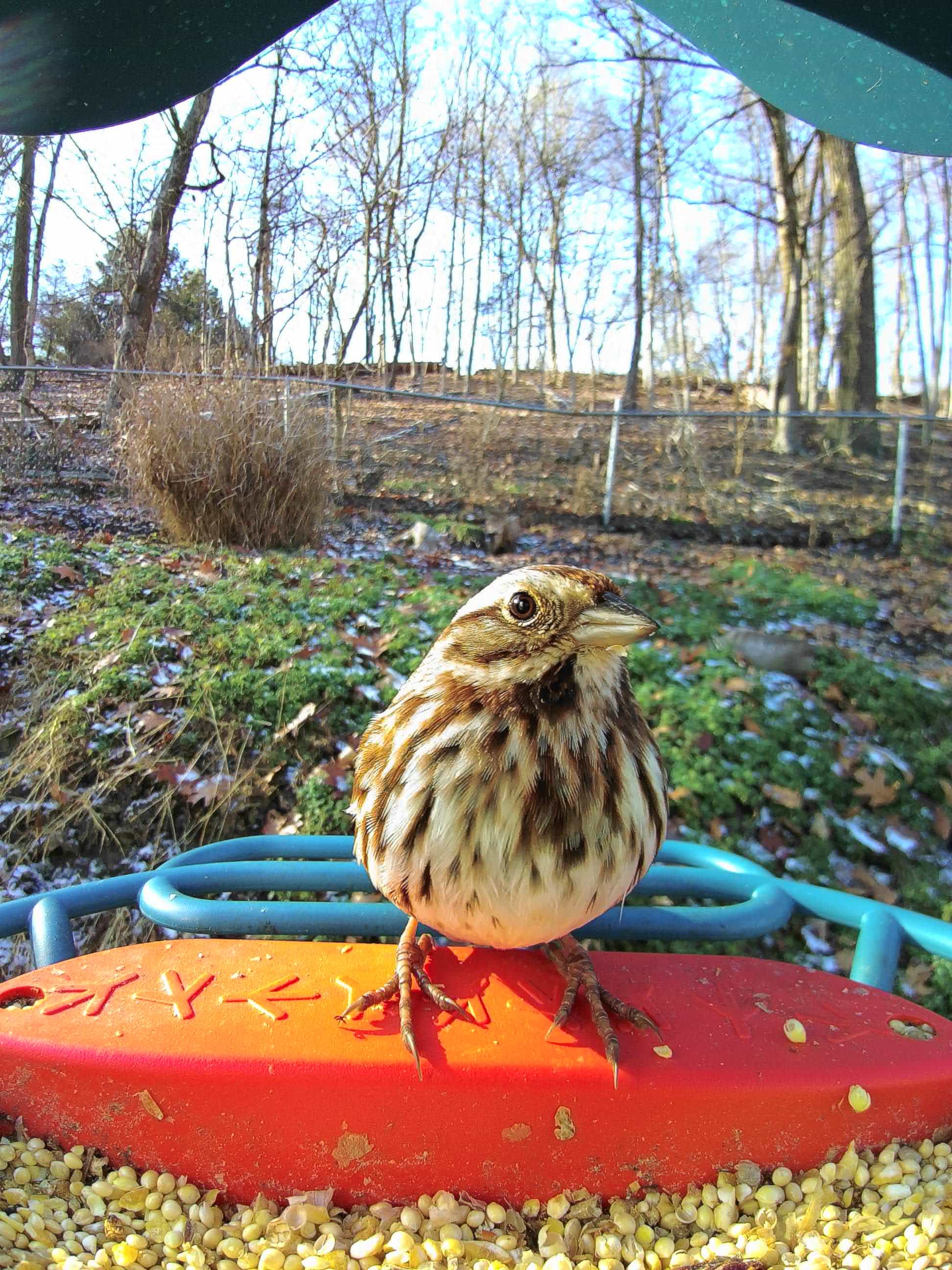
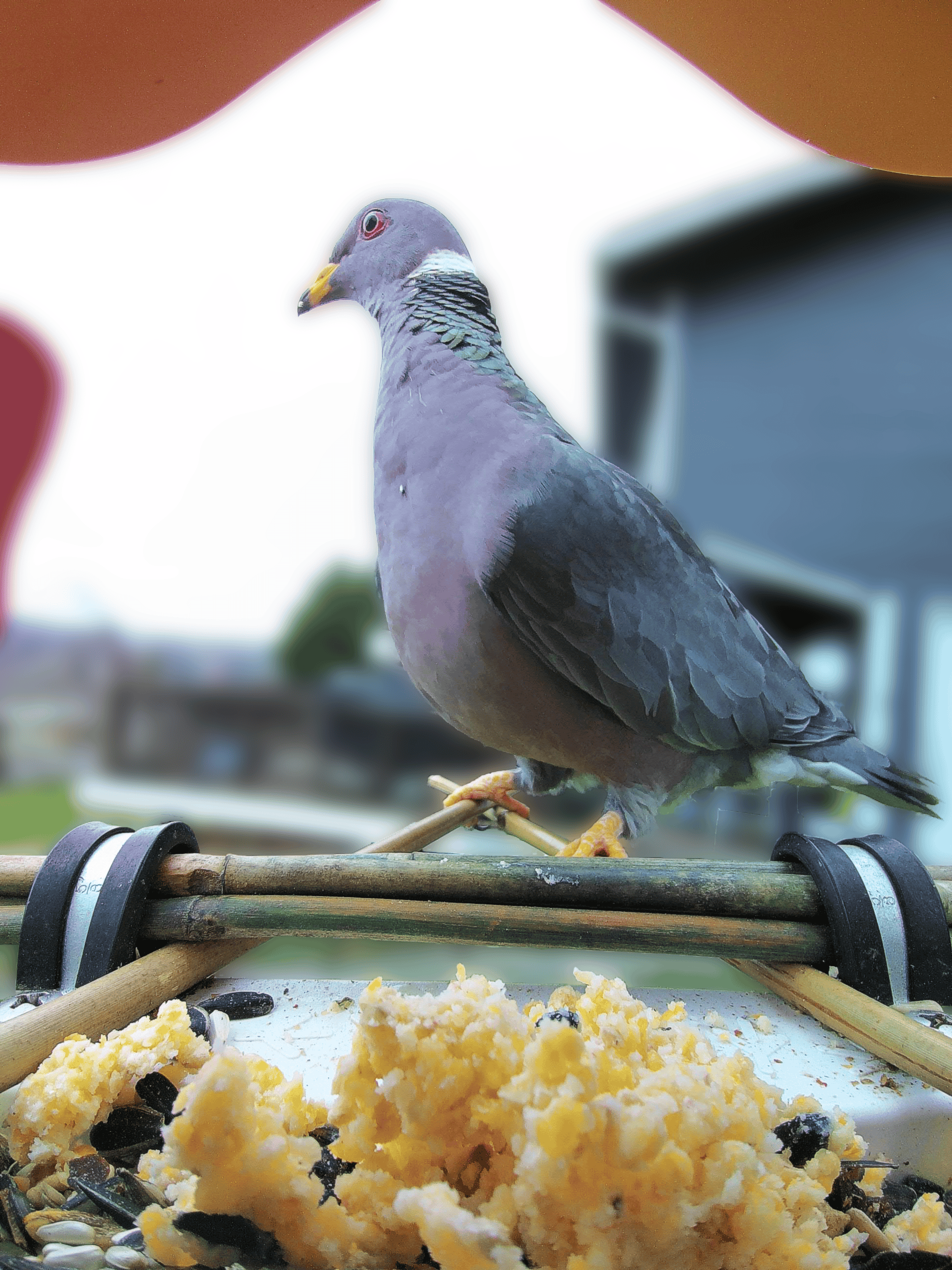
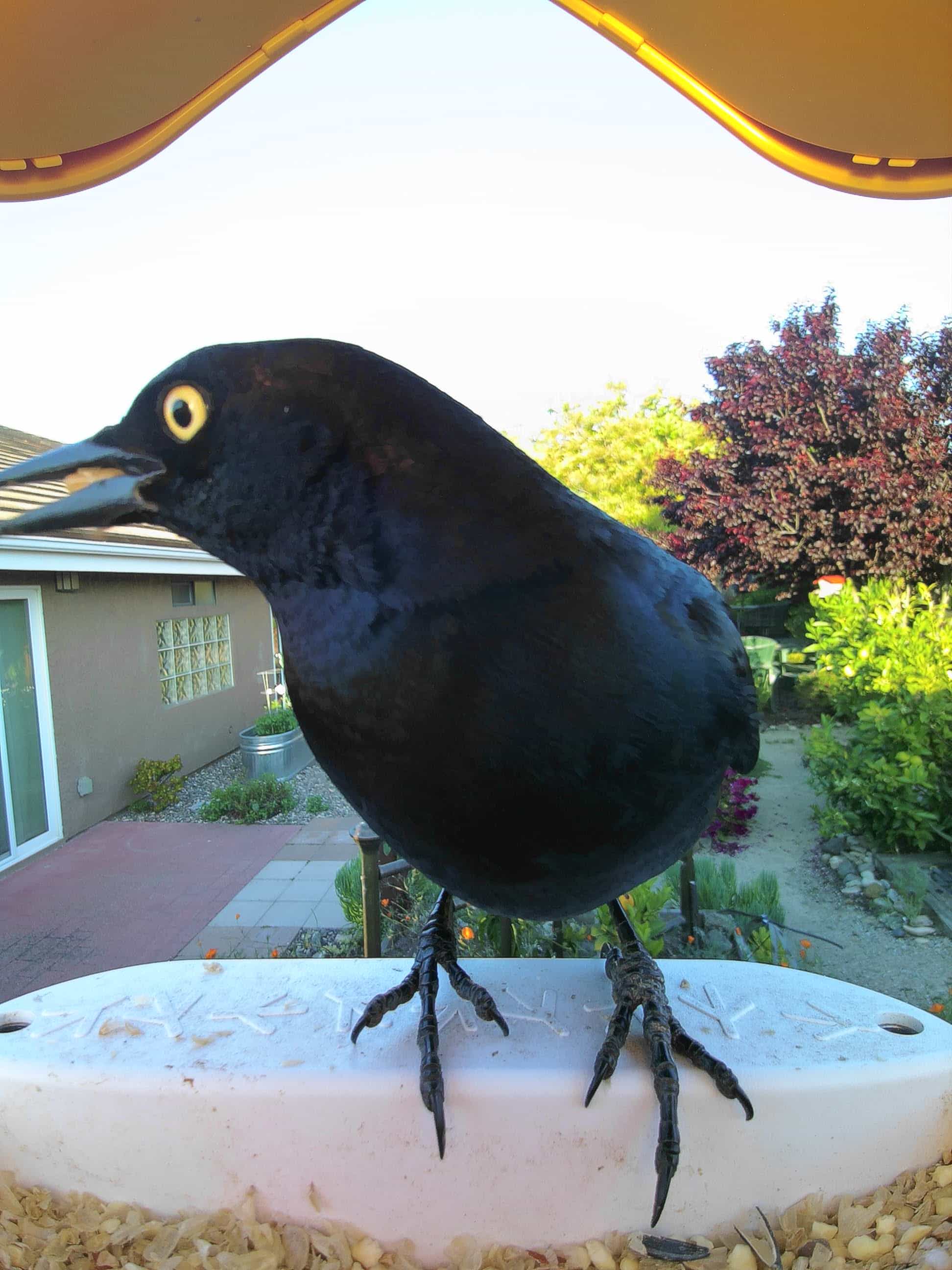
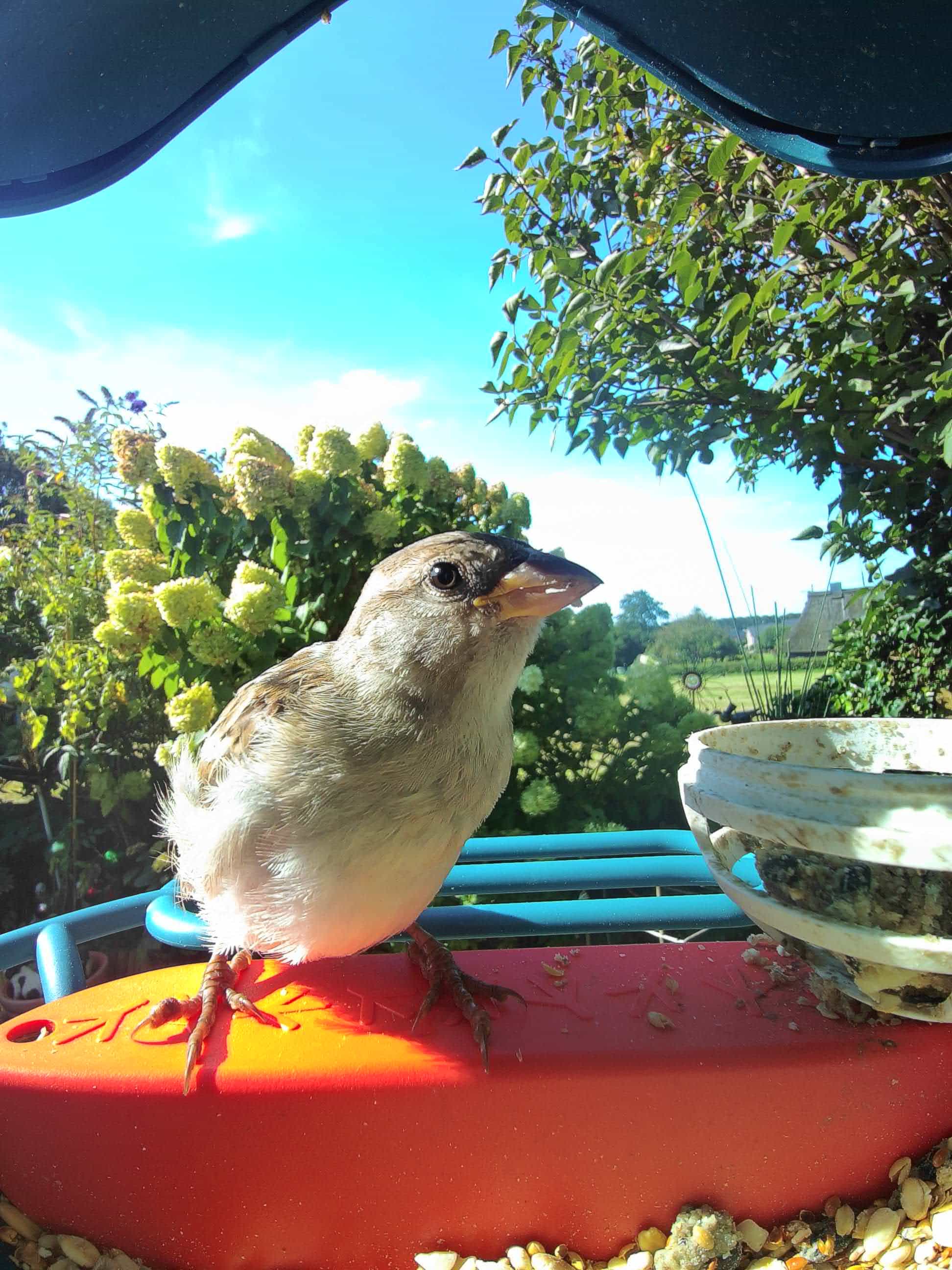
Birds seen on Birdbuddy feeders in Thousand Oaks
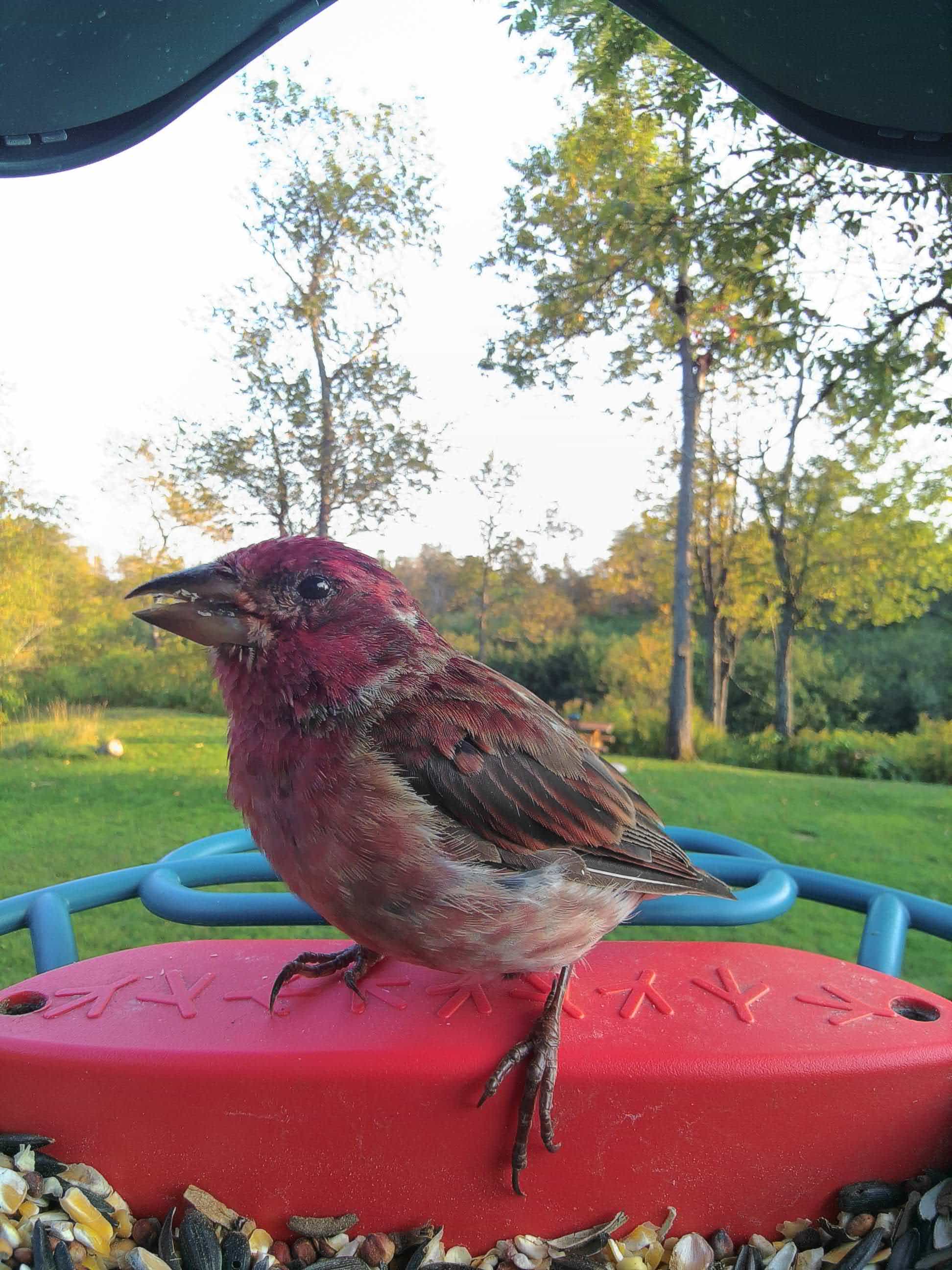
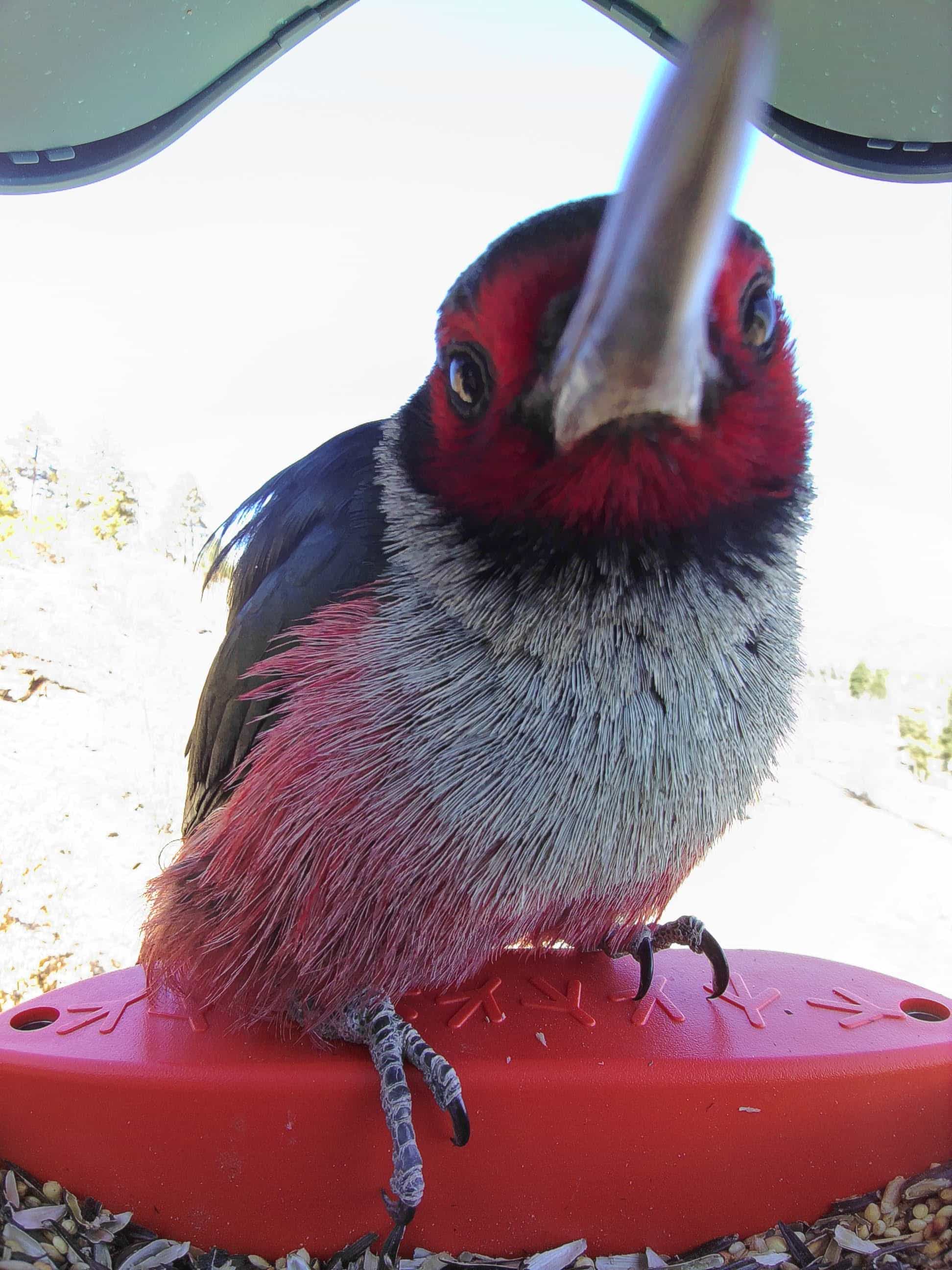
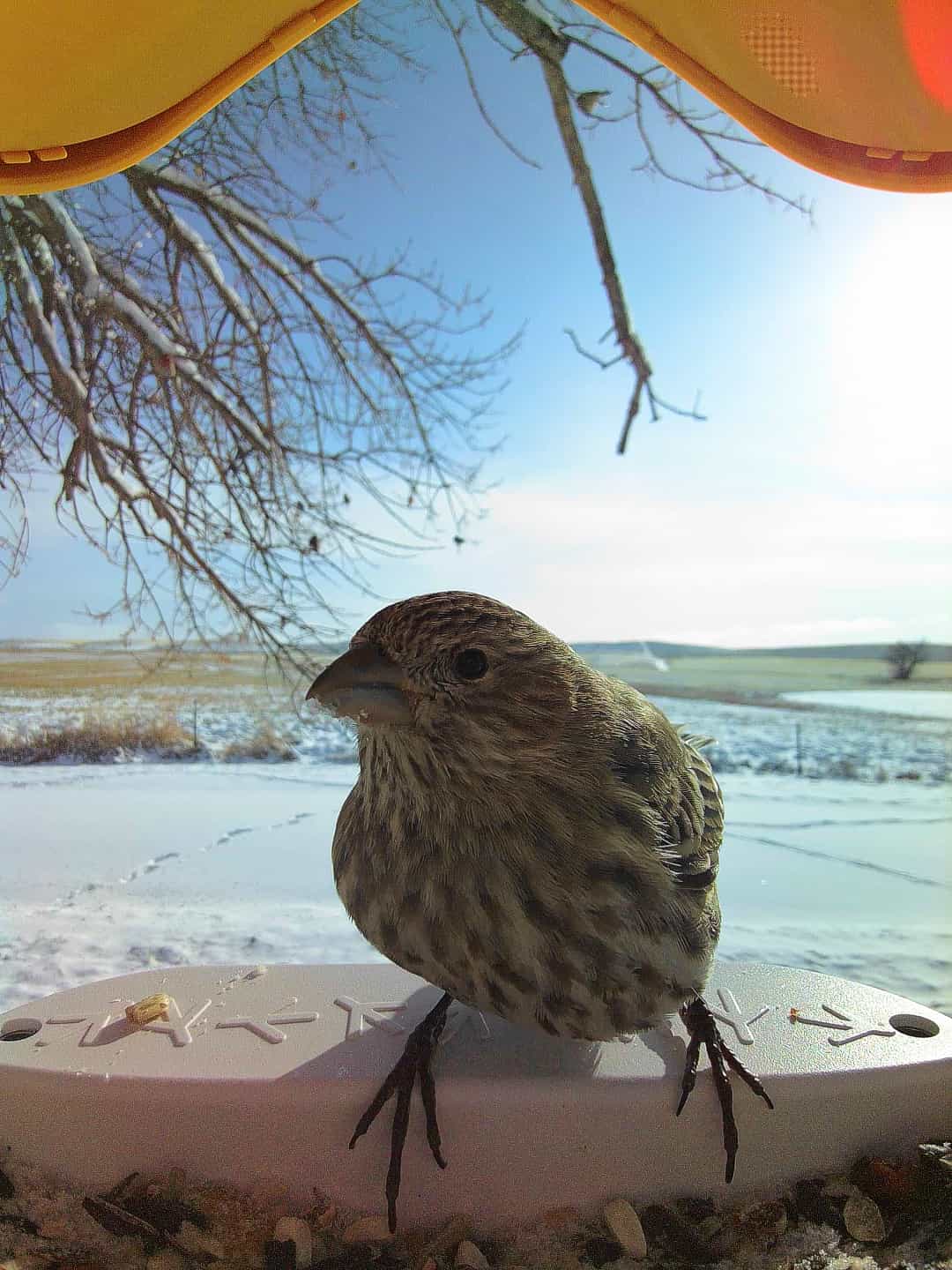
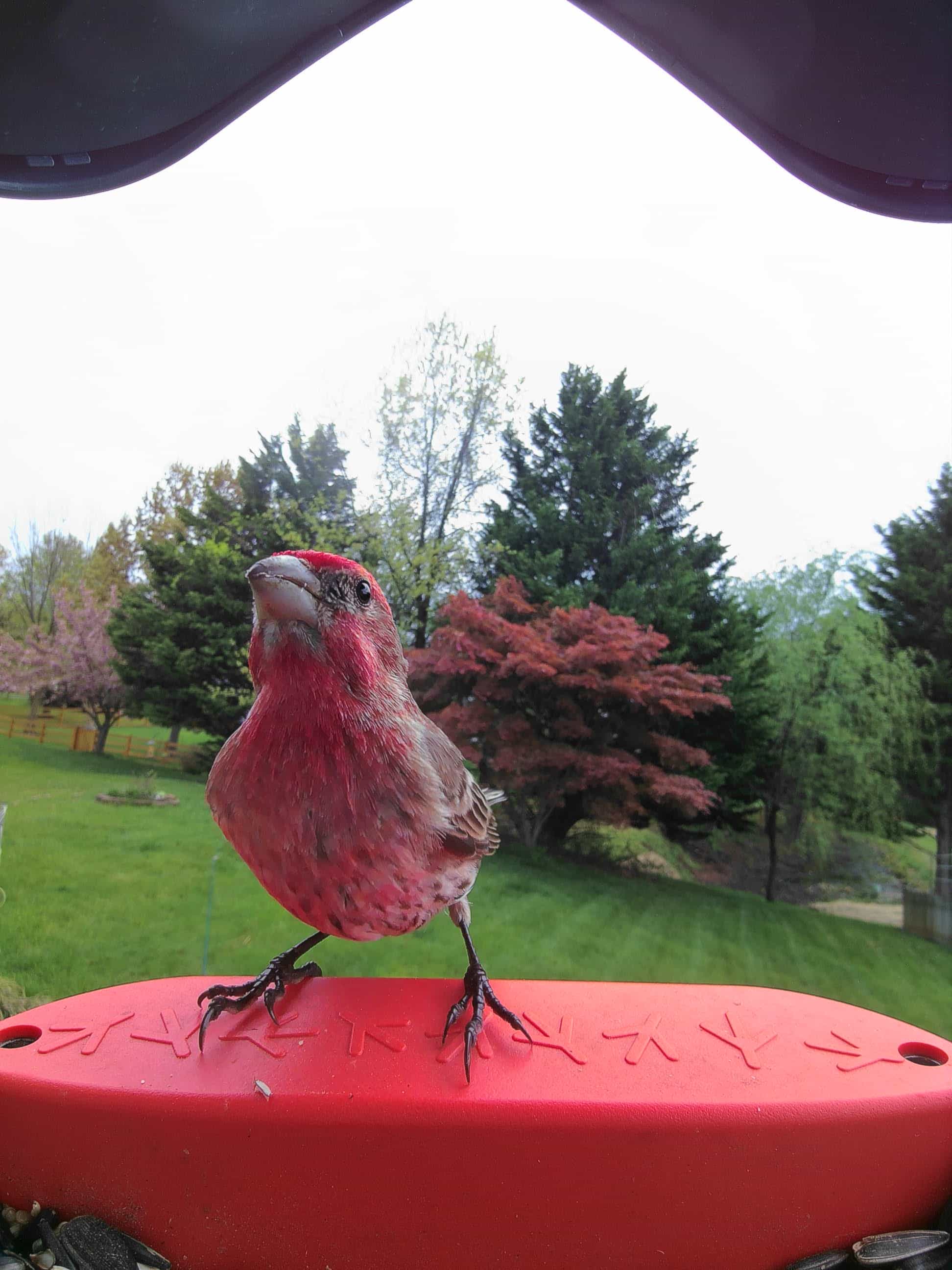
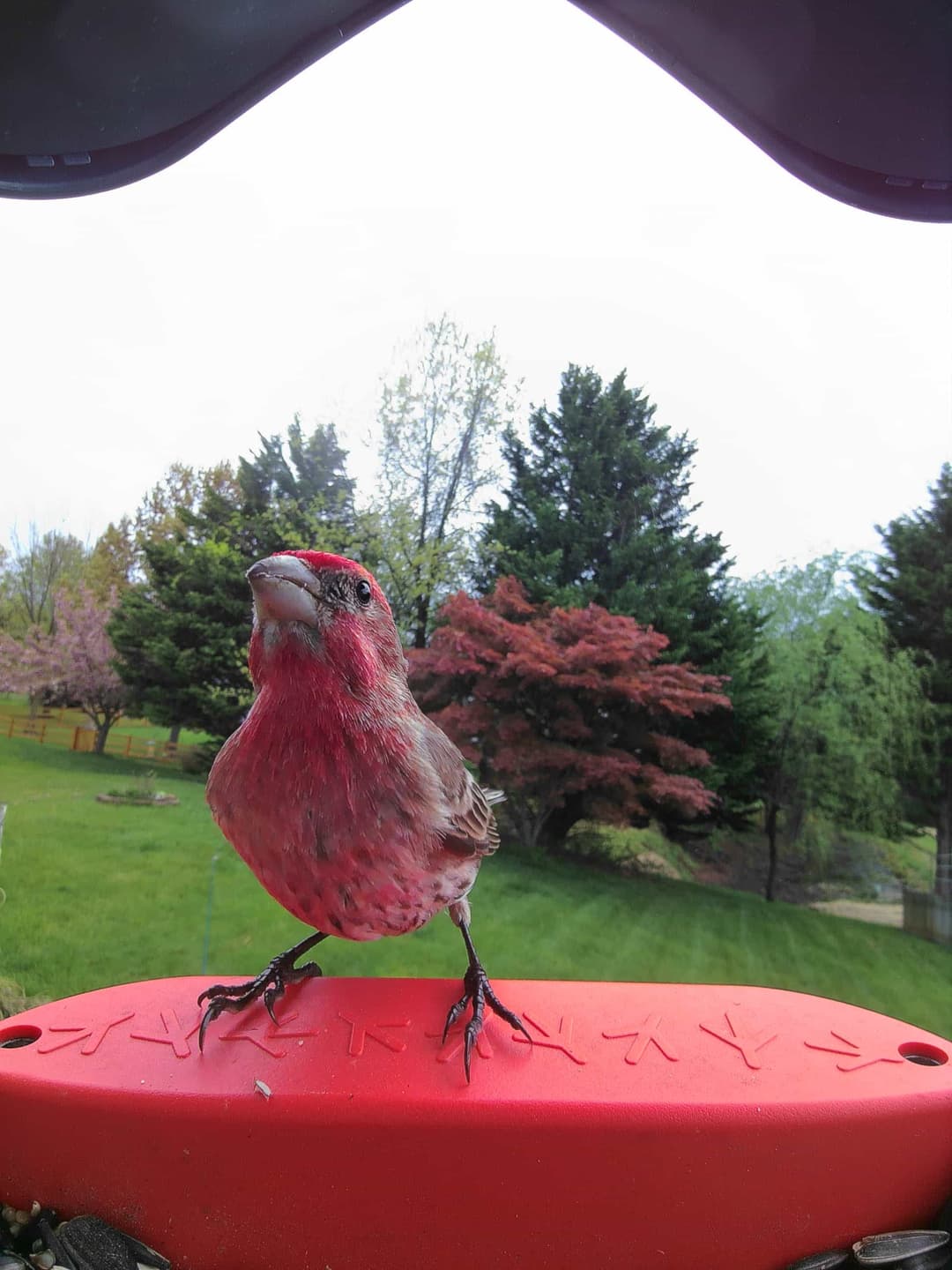
House Finch (Haemorhous mexicanus): A small, adaptable bird native to North America, it has a vibrant red head and breast in males, streaky brown plumage in females, and a cheerful, warbling song often heard in urban and suburban areas.
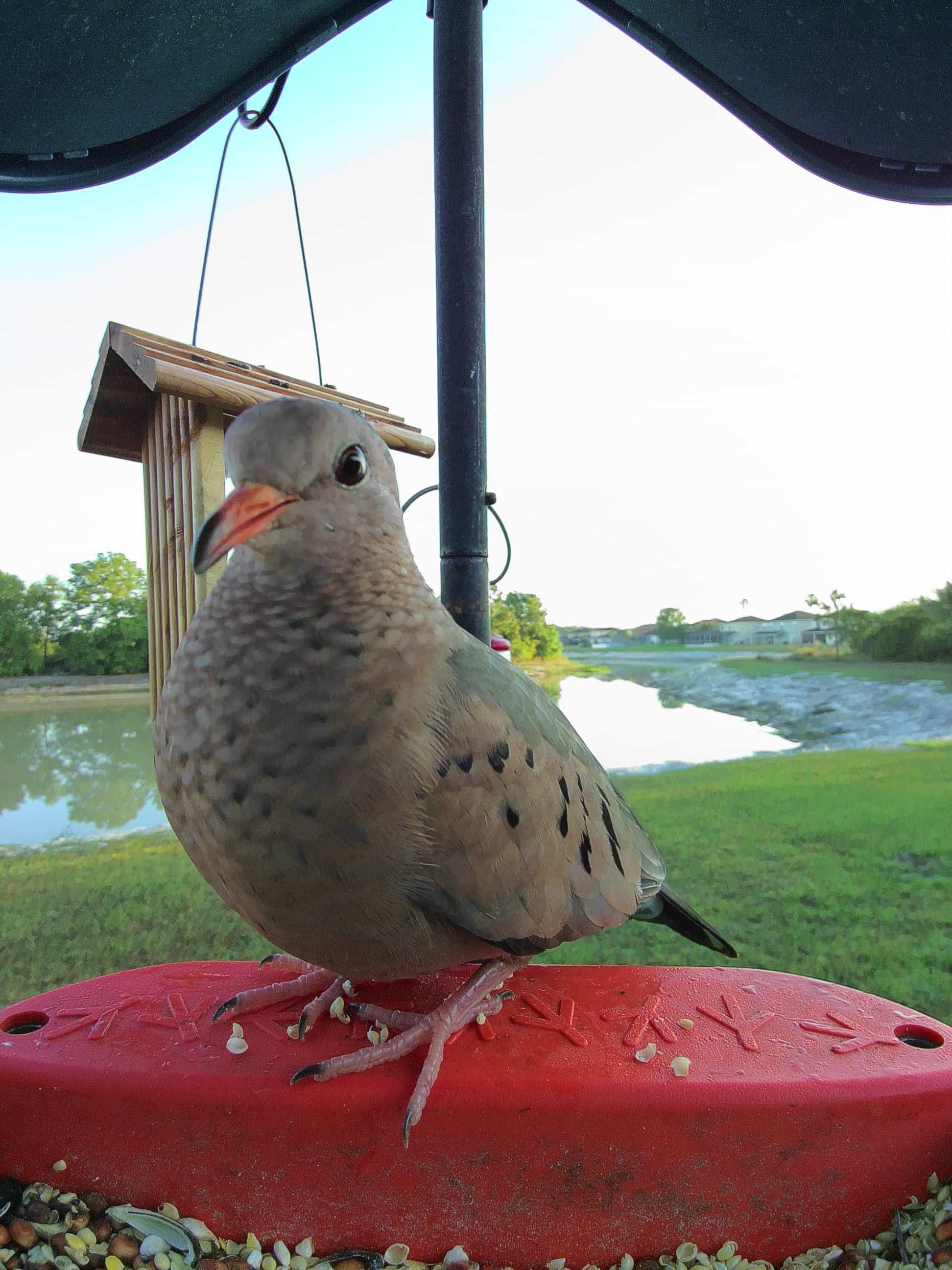
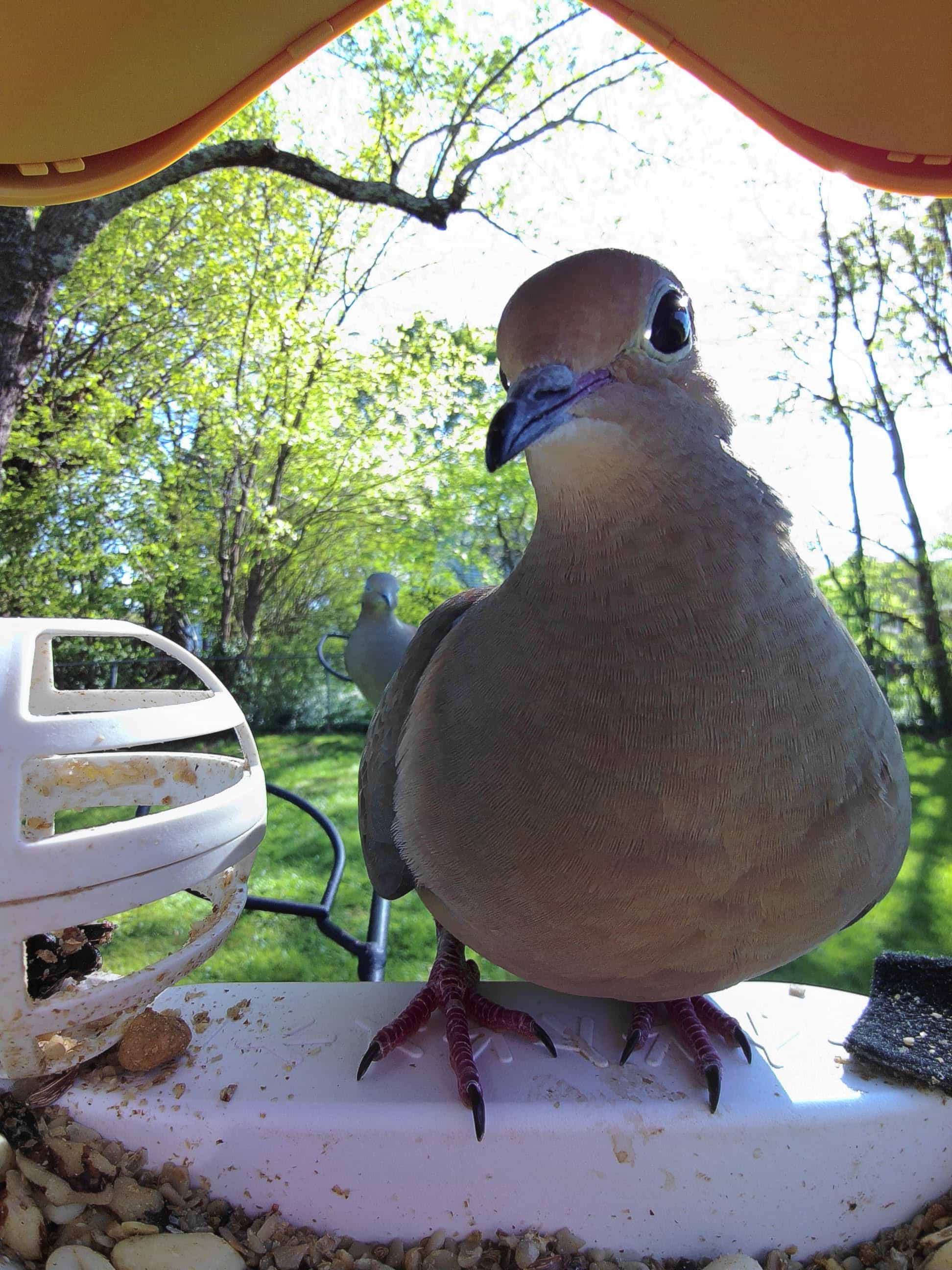
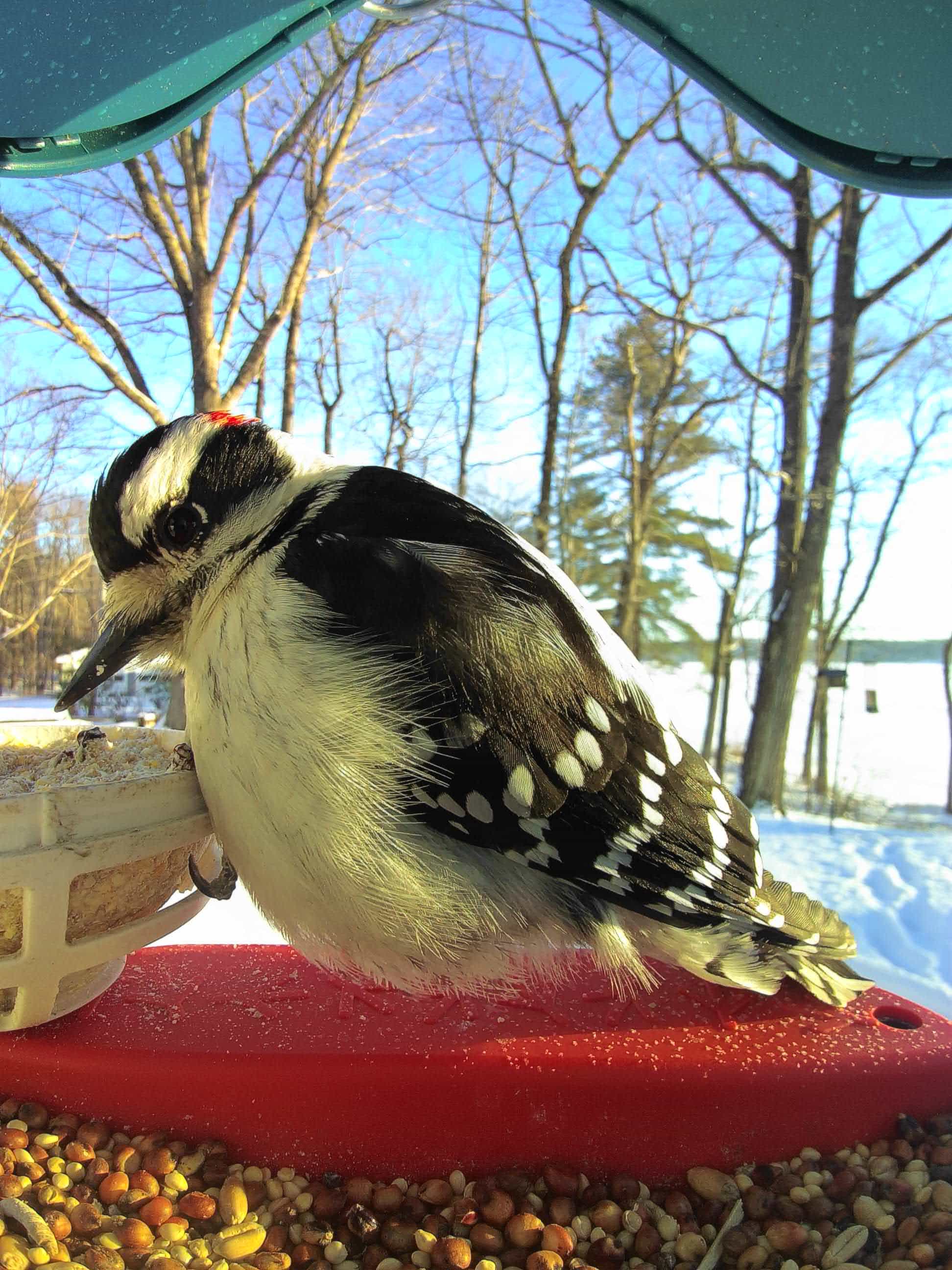
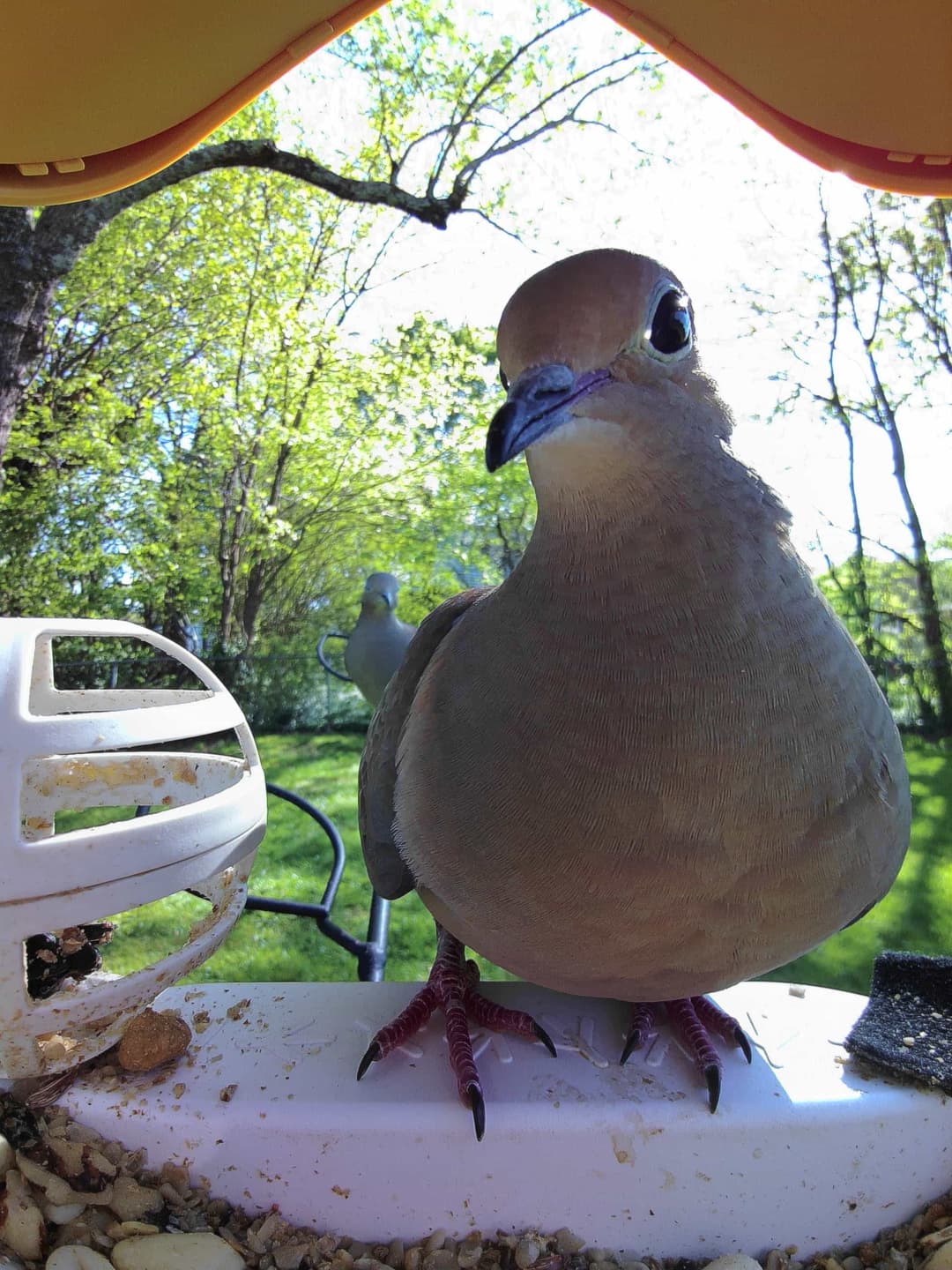
Mourning Dove (Zenaida macroura): This bird is a slender, medium-sized creature with a soft grayish-brown body, long pointed tail with white edges, and distinctive black spots on its wings, often recognized for its gentle, mournful cooing sound.
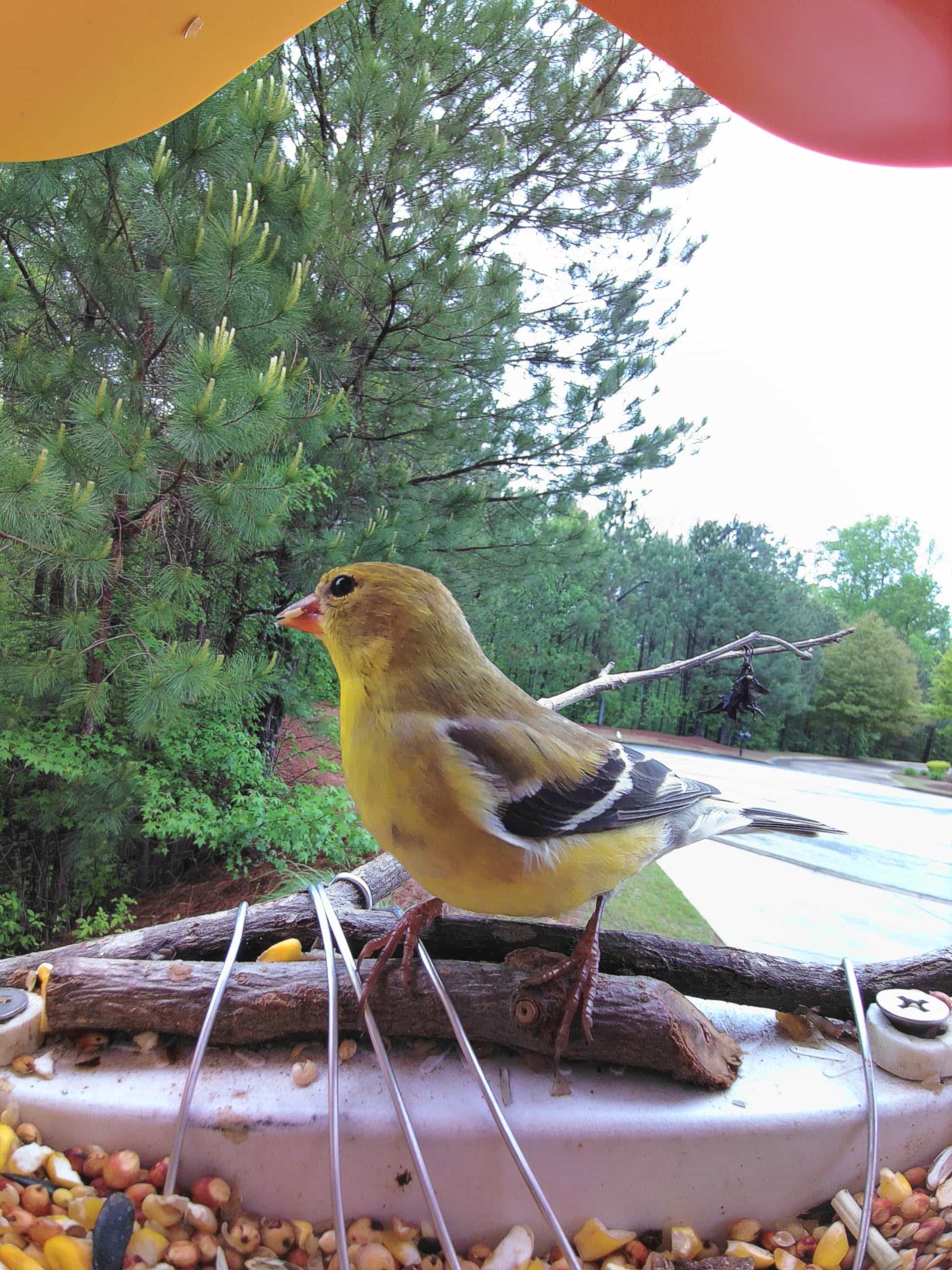
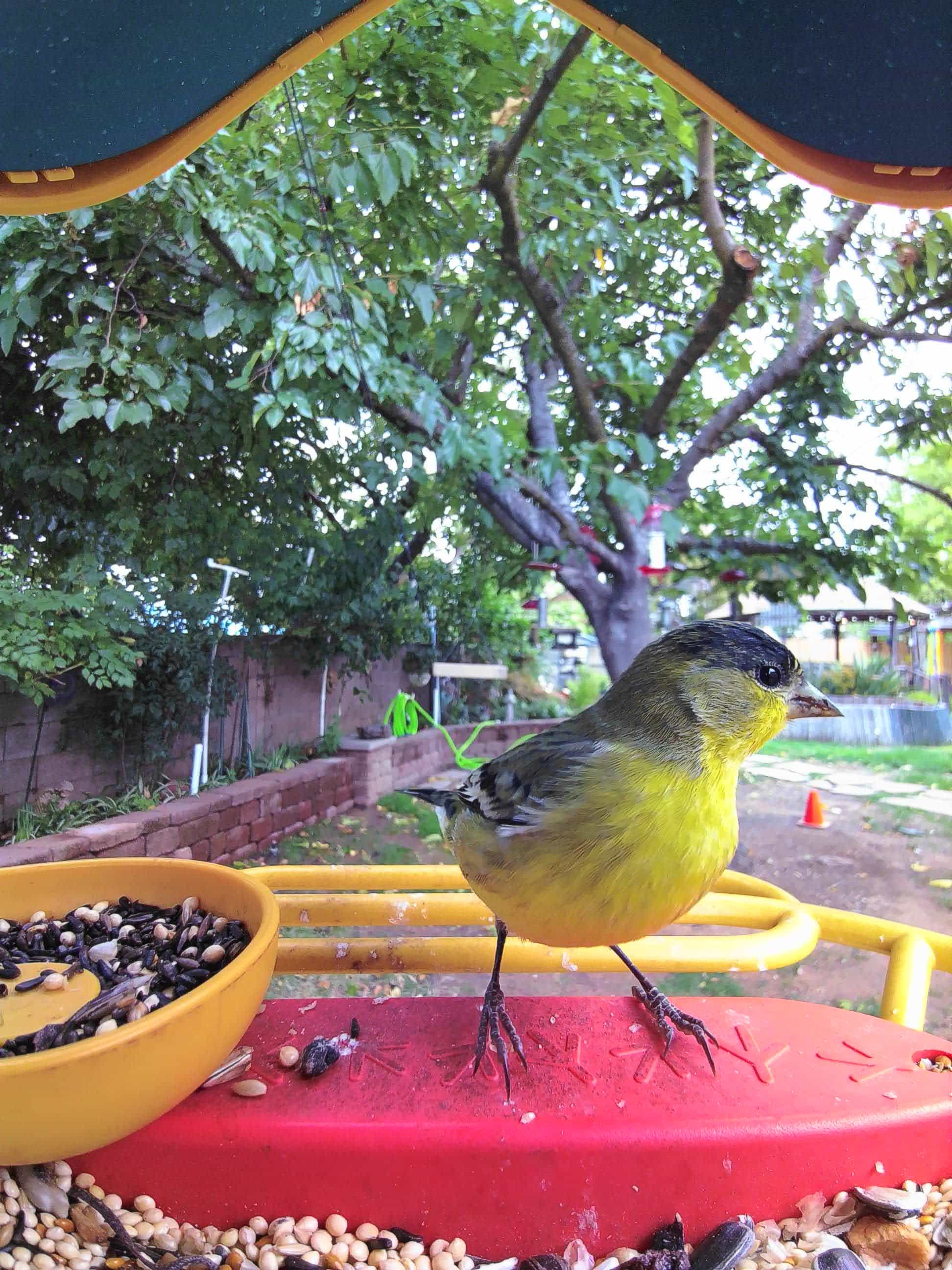
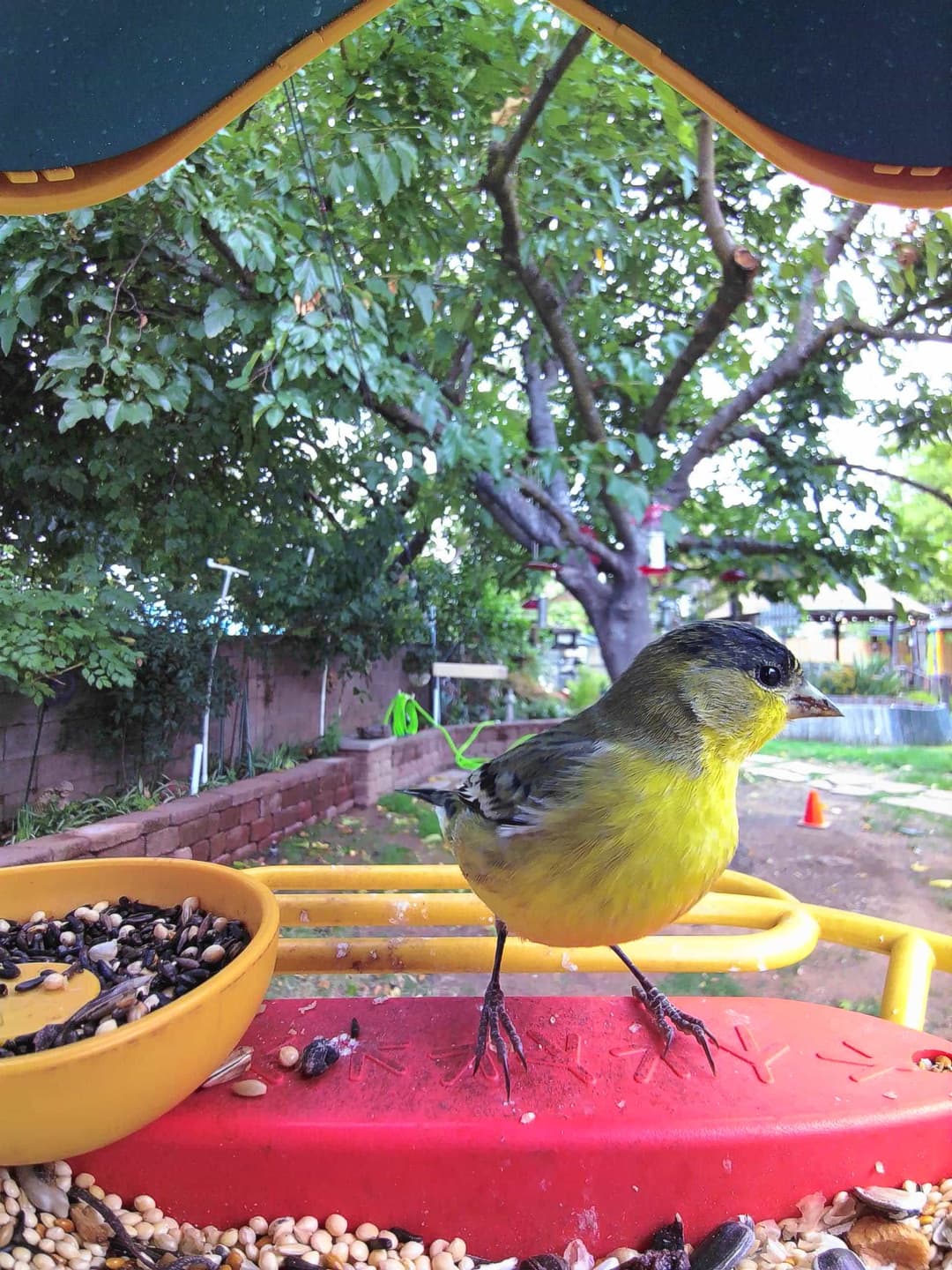
Lesser Goldfinch (Spinus psaltria): This small songbird is easily recognizable by its vibrant yellow underparts, olive to black upperparts, and distinctive white wing patches, often found in open woodlands, gardens, and shrubby areas where it feeds primarily on seeds.
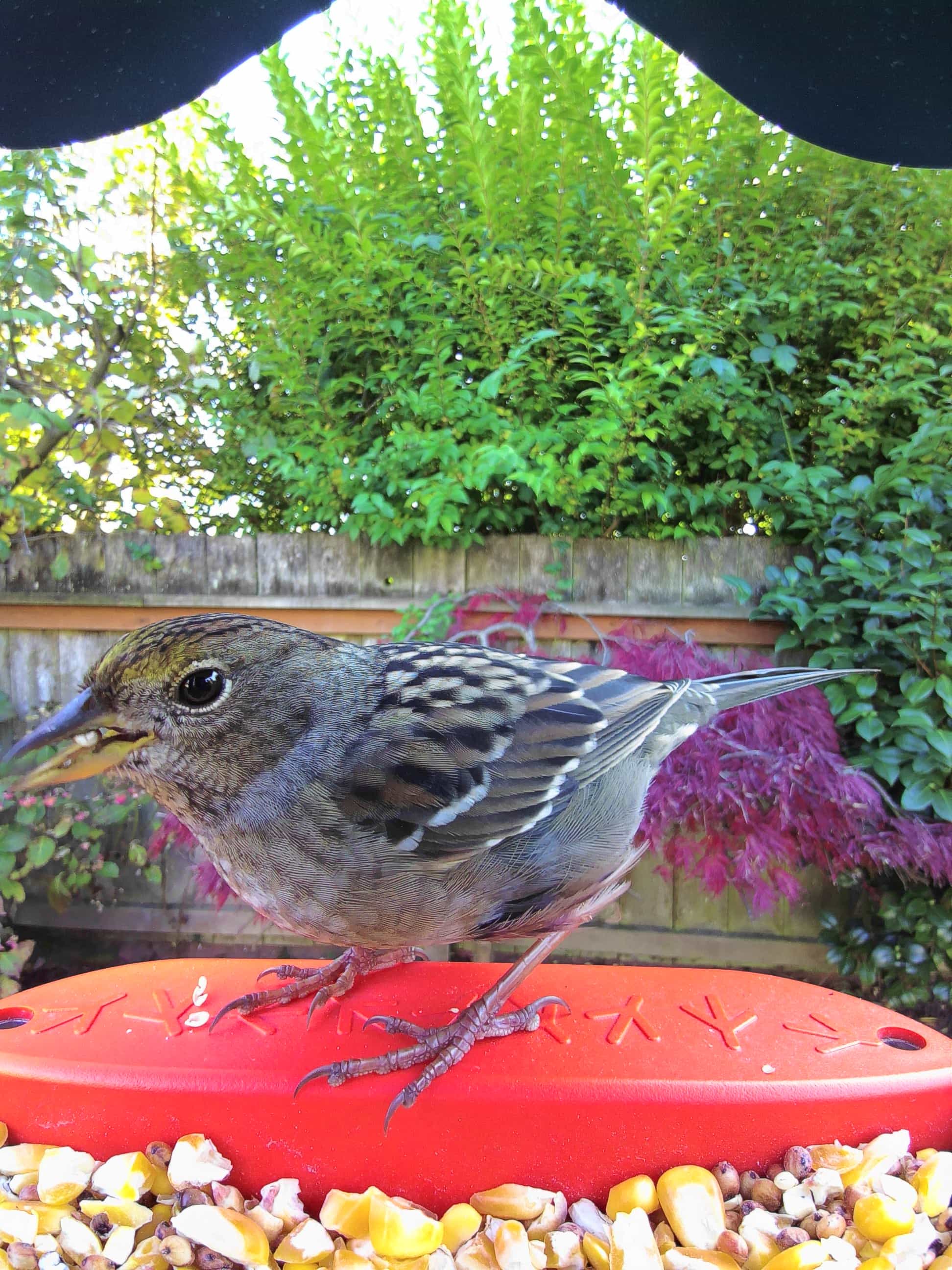
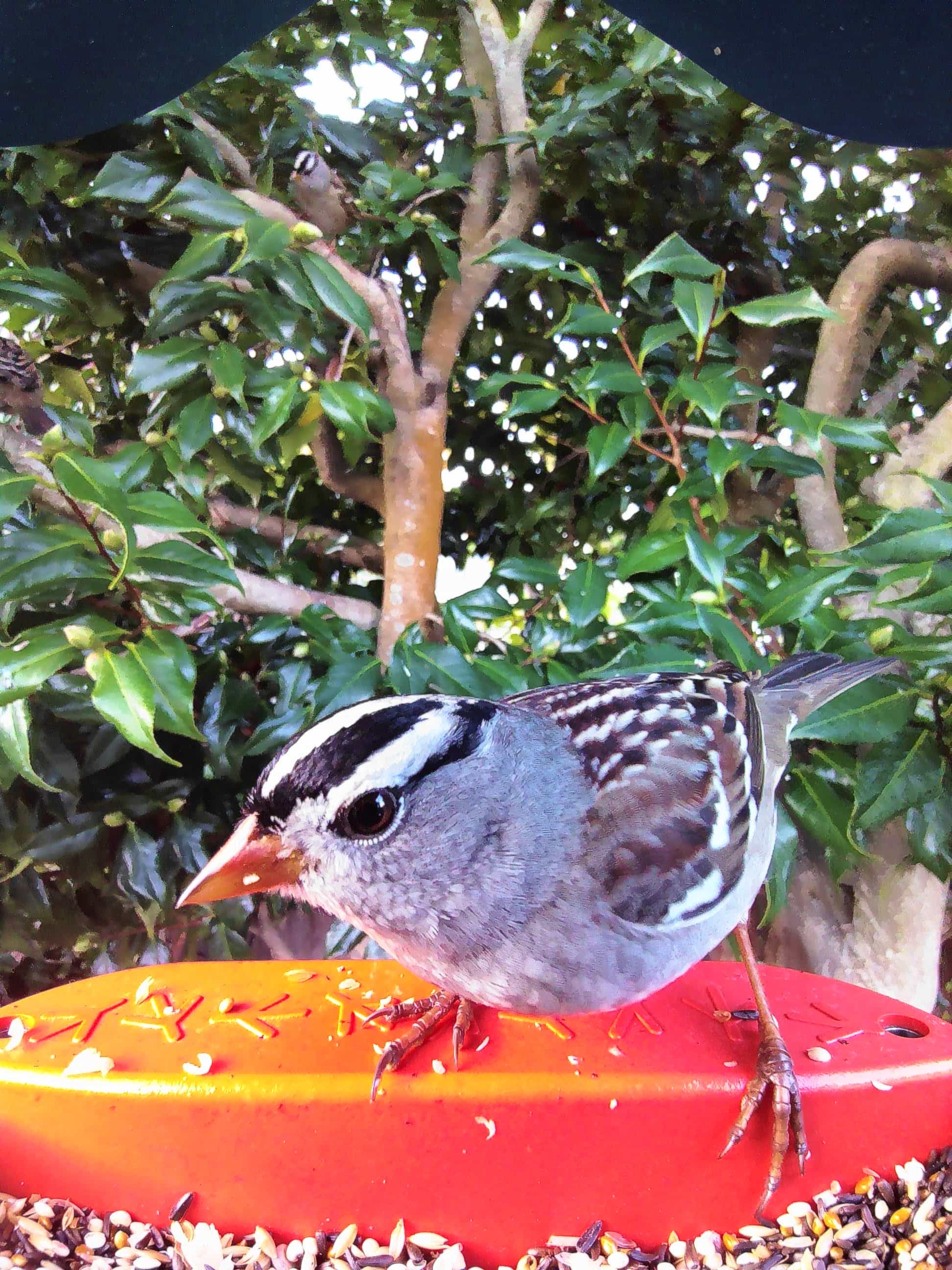
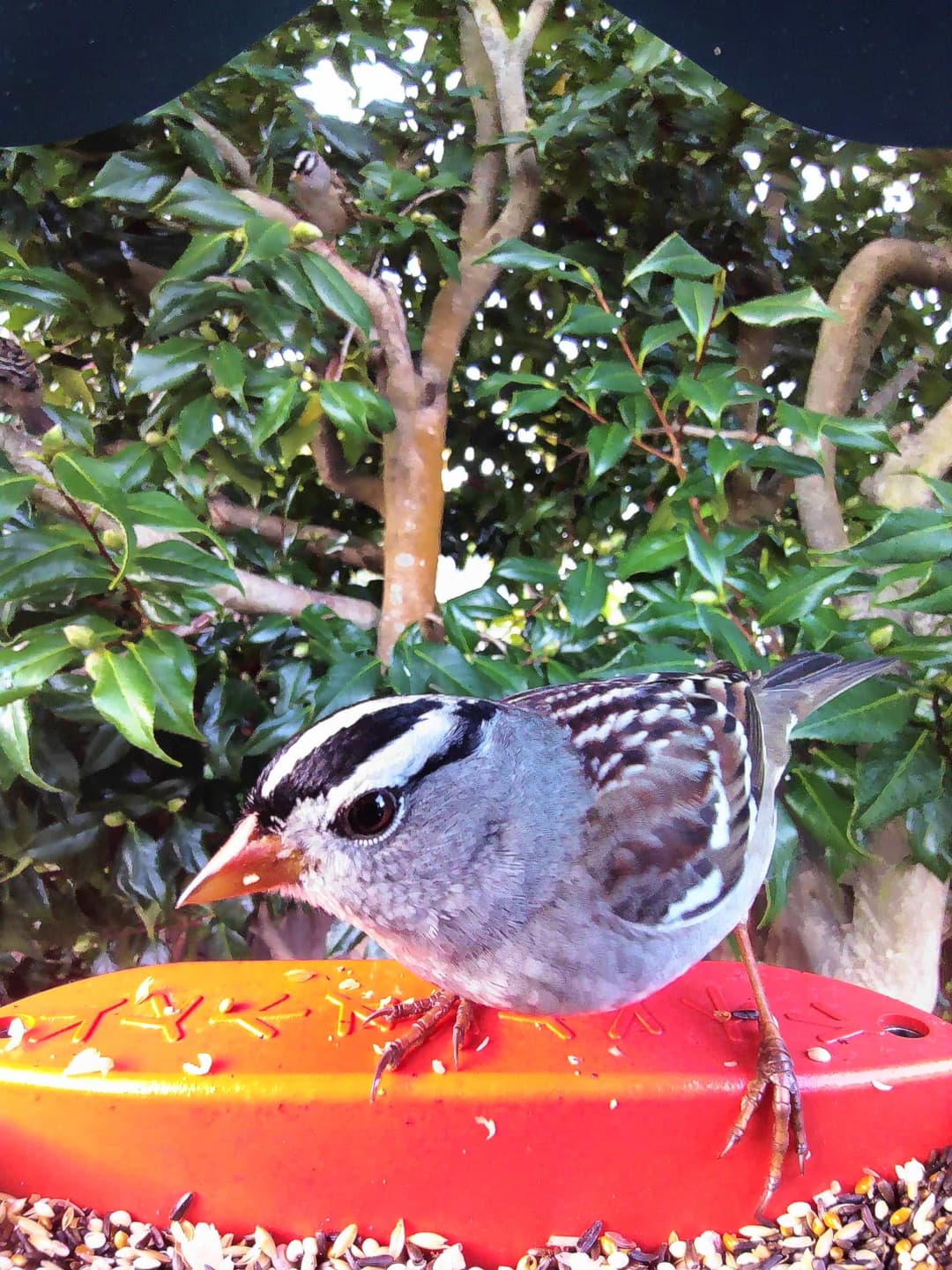
White-Crowned Sparrow (Zonotrichia leucophrys): This small, striking bird is easily recognizable by its bold black and white striped head, grayish face and breast, and brown streaked back, and it is commonly found across North America, particularly in open woodlands, shrubs, and gardens.
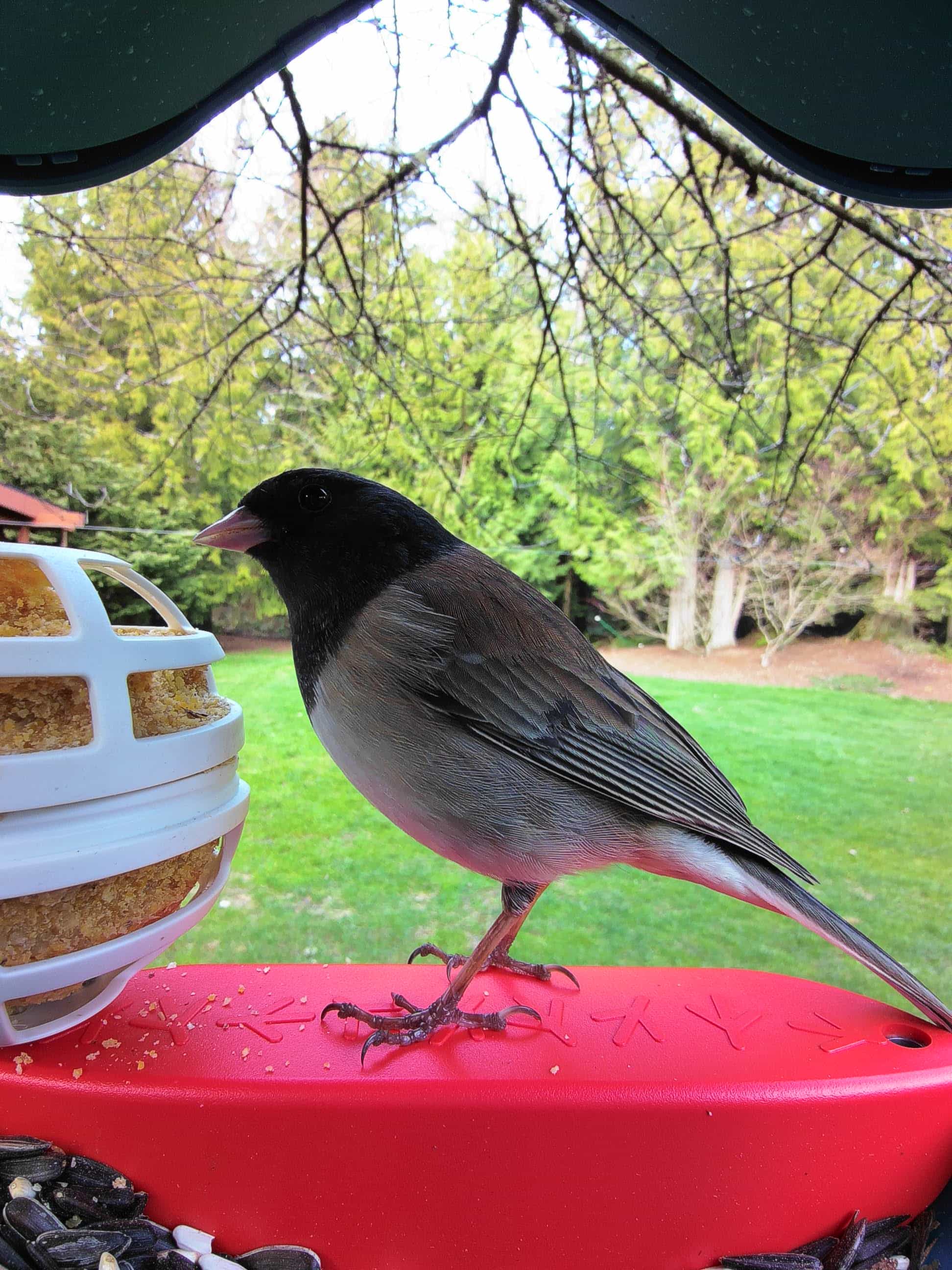
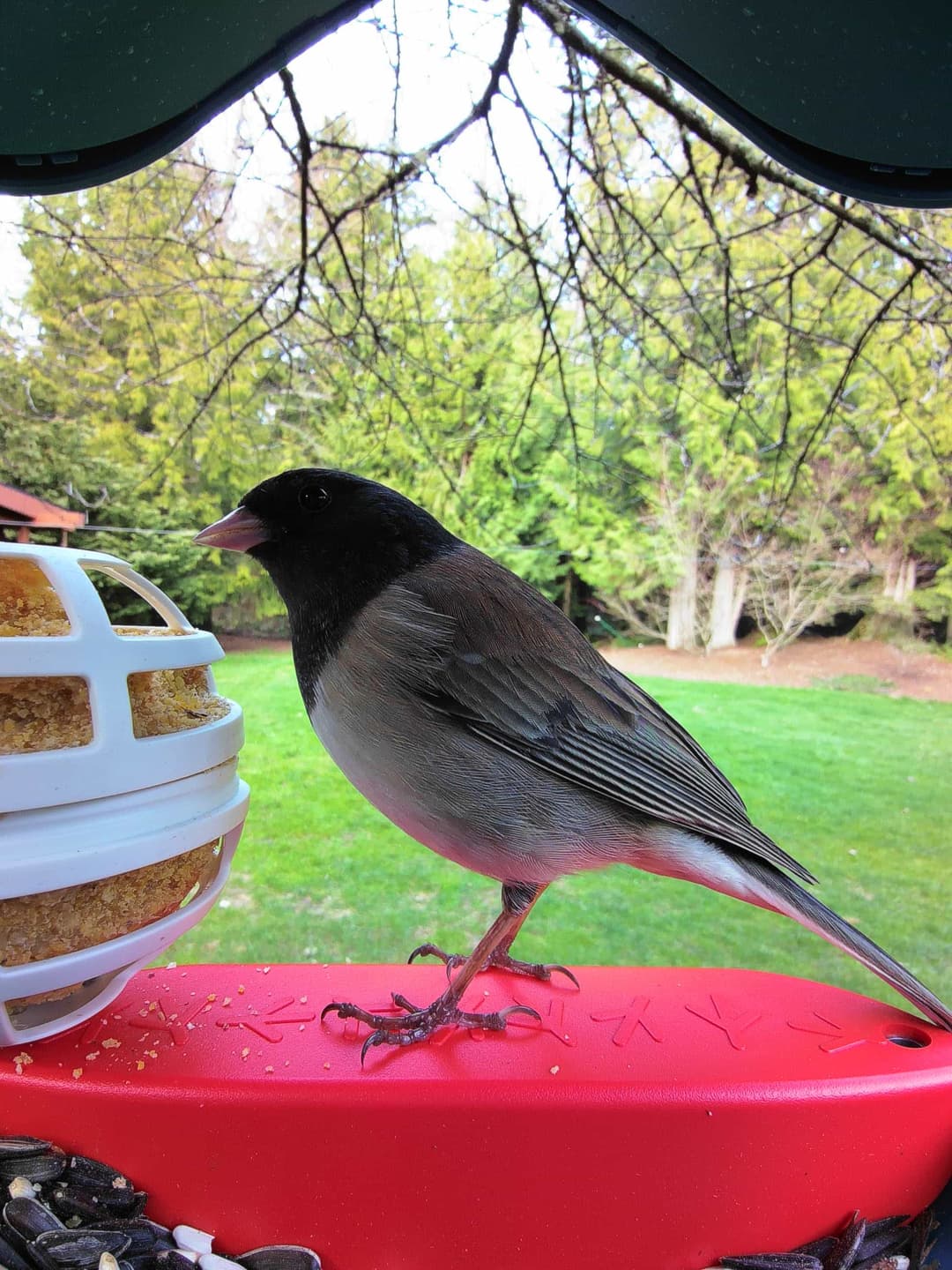
Dark-Eyed Junco (Junco hyemalis): This small, sociable bird is primarily slate gray with a white underside, featuring a distinct pink bill and flashes of white in its tail feathers, often seen foraging on the ground in flocks during winter months across North America.
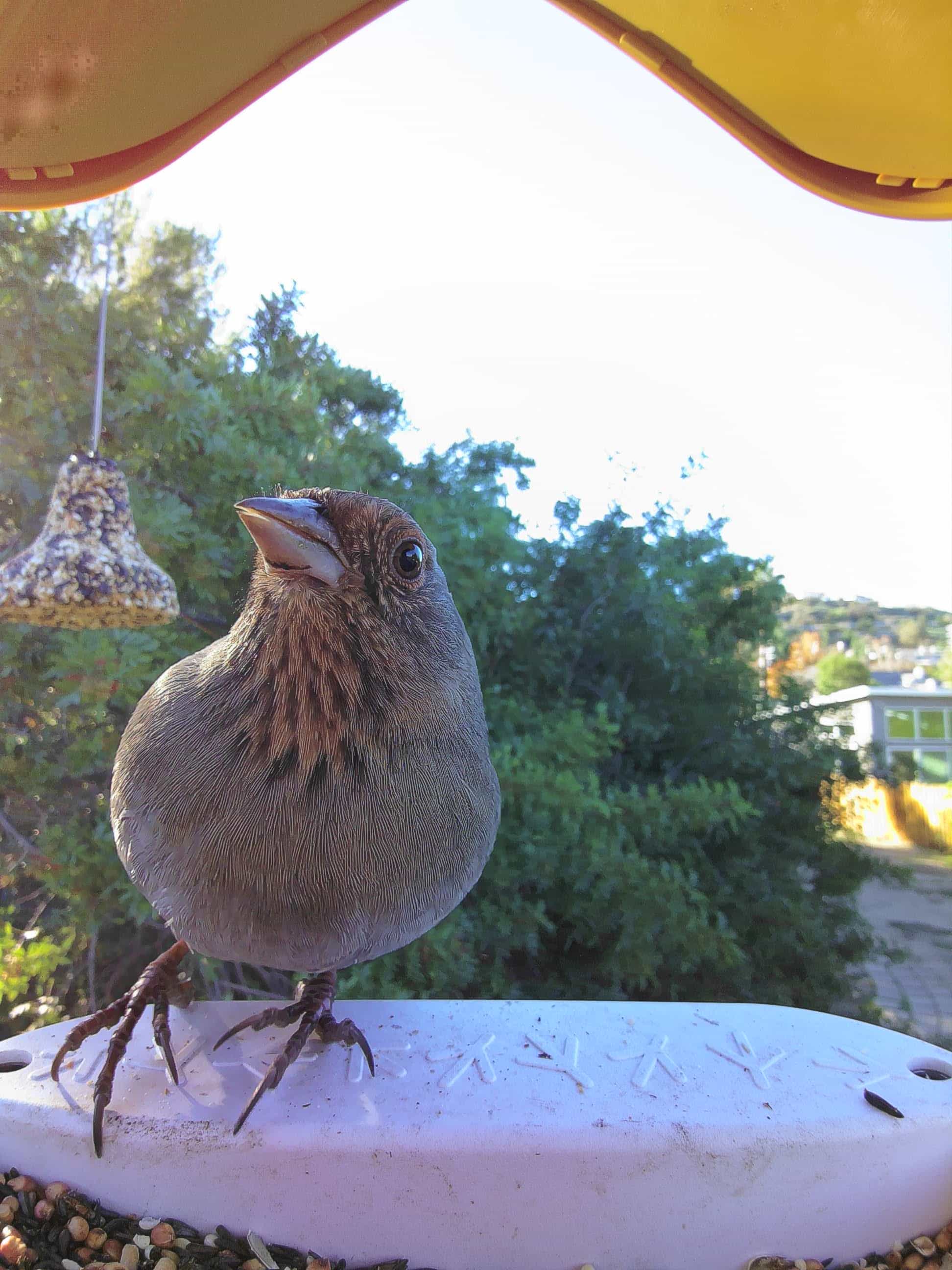
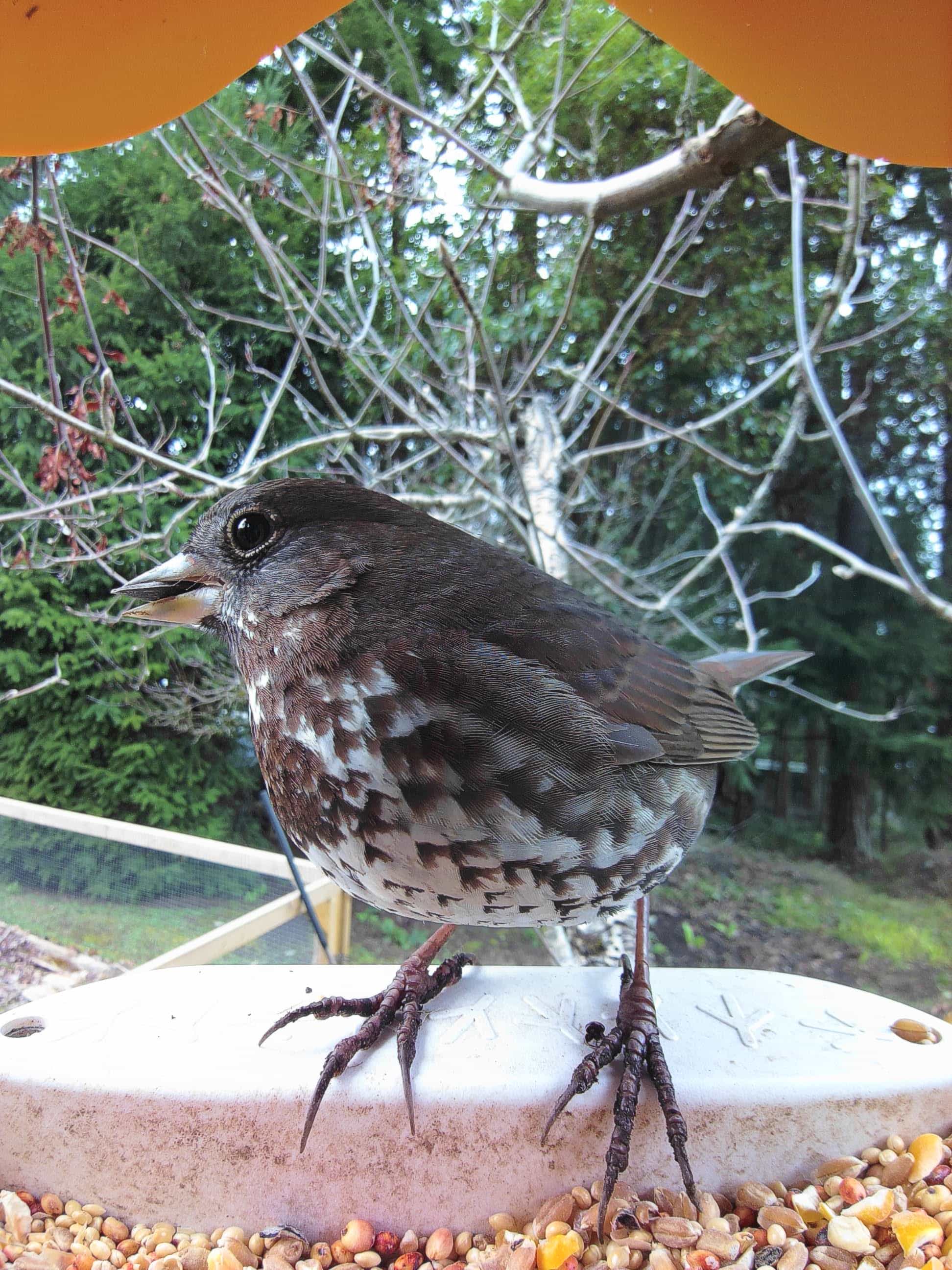
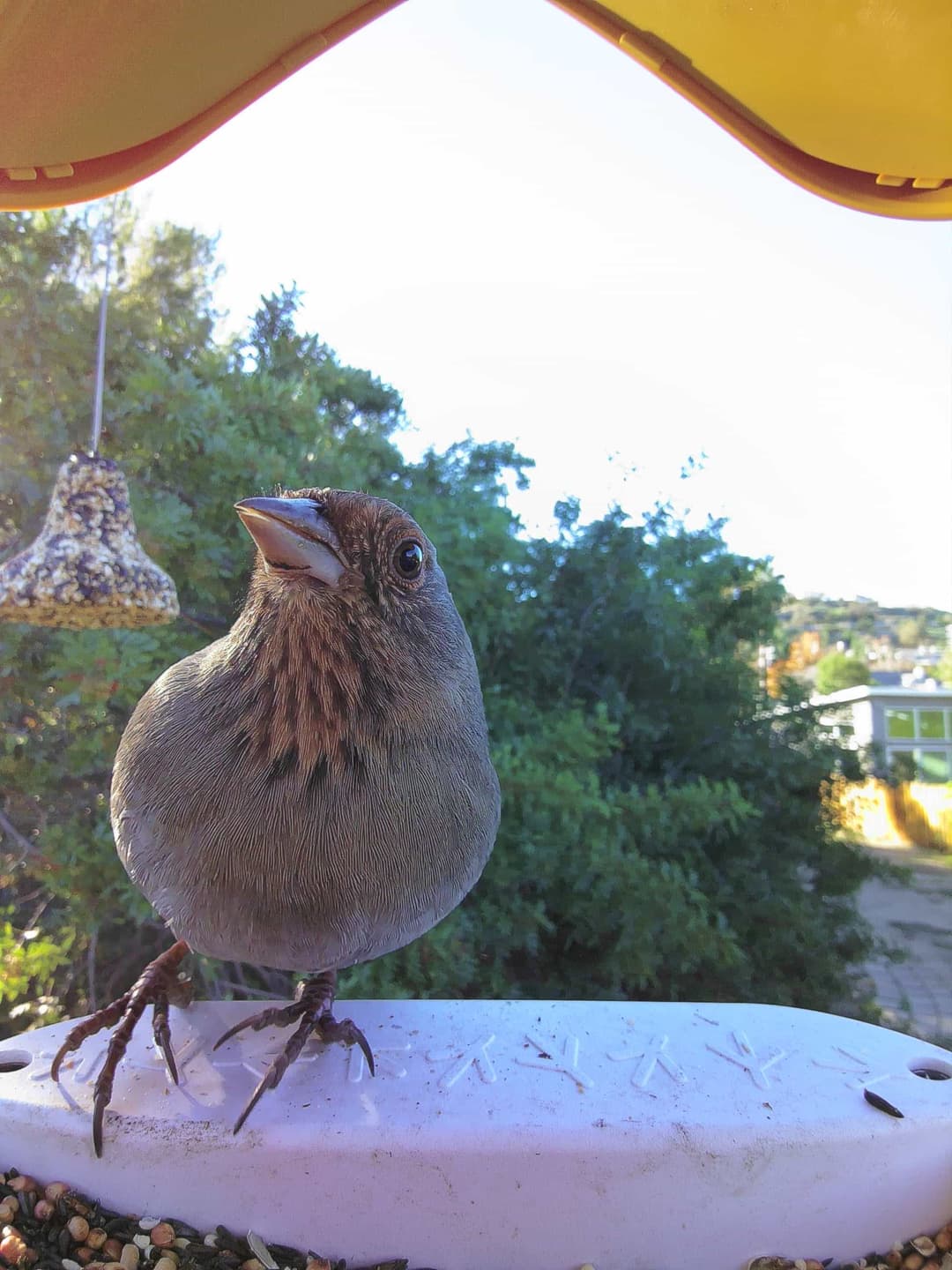
California Towhee (Melozone crissalis): This bird is a medium-sized, sparrow-like species with a noticeable long tail, plain brown plumage, and subtle warm tones on its undertail and around its face, commonly found in California's urban and suburban areas as well as chaparral habitats.
Identifying bird sounds and calls in Thousand Oaks
Bird sounds are a key way to identify different species, even when they're hidden in trees or bushes. Each bird has its own unique vocalizations, from melodic songs to distinctive calls. Learning these sounds can help you identify birds even before you see them.
Migration
Species that pass through during migration seasons
Timing and migration patterns
Spring and fall migrations, often observed in open habitats in Thousand Oaks.
Birdwatching hotspots in Thousand Oaks
Parks, reserves, and observatories
Thousand Oaks, California is rich in diverse habitats offering thriving ecosystems for birdwatching.
Conejo Valley Botanic Garden: A tranquil space with various gardens supporting diverse bird species.
Wildwood Regional Park: Offers expansive trails and natural settings ideal for observing local birds.
Rancho Sierra Vista/Satwiwa: Includes native cultural sites and habitats attracting a variety of birds.
Accessibility and facilities
Most locations have trails with varying levels of difficulty, and some offer facilities like restrooms and picnic areas.
Conservation efforts
Thousand Oaks, California, actively engages in environmental conservation through community initiatives and preservation of natural spaces. Some of the efforts include:
- Protected open spaces and trails for wildlife.
- Local policies to reduce water usage.
- Community programs for native plant restoration.
How Can I Help?
- Volunteer for local habitat restoration projects.
- Participate in water conservation efforts.
- Support or join conservation organizations.
Live bird sightings in the Thousand Oaks area
Discover what birds are currently active in Thousand Oaks through real-time sightings from Birdbuddy users. Explore hotspots and track your favorite species with updates from our community network.
Learn more about Birdbuddy