
Bushtit
Bushtit
Also known as: American Bushtit
Psaltriparus minimus


Quick Identification guide
Quick Identification guide
- •
Small size with a plump, round body and a short neck gives it a distinctive shape
- •
Uniformly soft gray feathers across the head and body with subtle hints of brown
- •
Featuring a tiny, stubby beak that is almost finch-like, aiding in its insect diet
What does a bushtit sound like?
Bushtits have a variety of vocalizations. Their typical contact calls, which they perform consistently, consist of soft tsip and pit notes that are light in tone. When threatened, they emit a distinctive high, trilling alarm call. In terms of call patterns, it is noted to be flat and the type of call can be categorized as chatter or chirp/chip. Overall, the bushtit's vocal expressions are diverse, comprising both rhythmic and sharp notes.


Description
Bushtits are proper little chatterboxes! You can hear them chirping to each other as they flit from bush to bush. They don't actually have a song, it's more a bell-like call. Just don't mess with them! When a predator threatens them, a group will make a loud trilling noise that will ward off even the most persistent assailant. Wonder if it's a male or female? Here's a hint: males have black irises, whereas females' irises are light-coloured!
The bushtit can weigh between 5to6grams and be from11to14centimeters tall.
Bushtits typically live up to 11 years. These small songbirds have a lifespan slightly longer than other similar-sized birds, such as the blue tit and the great tit. However, their lifespan is relatively short compared to larger bird species. Like most birds, the survival rate of bushtits is lower during their first year but increases as they reach maturity.
Did you know?
Most popular questions about bushtit
How to recognise a bushtit?
General appearance
The bushtit is a tiny bird, about the size of a Sparrow, with the length of 3 3/4 - 4 inches. It has a small bill and a long, wedge-shaped tail. The bird's color ranges from black, brown, gray, to tan and white. It has a rounded wing shape and is often found in large flocks in open woods.
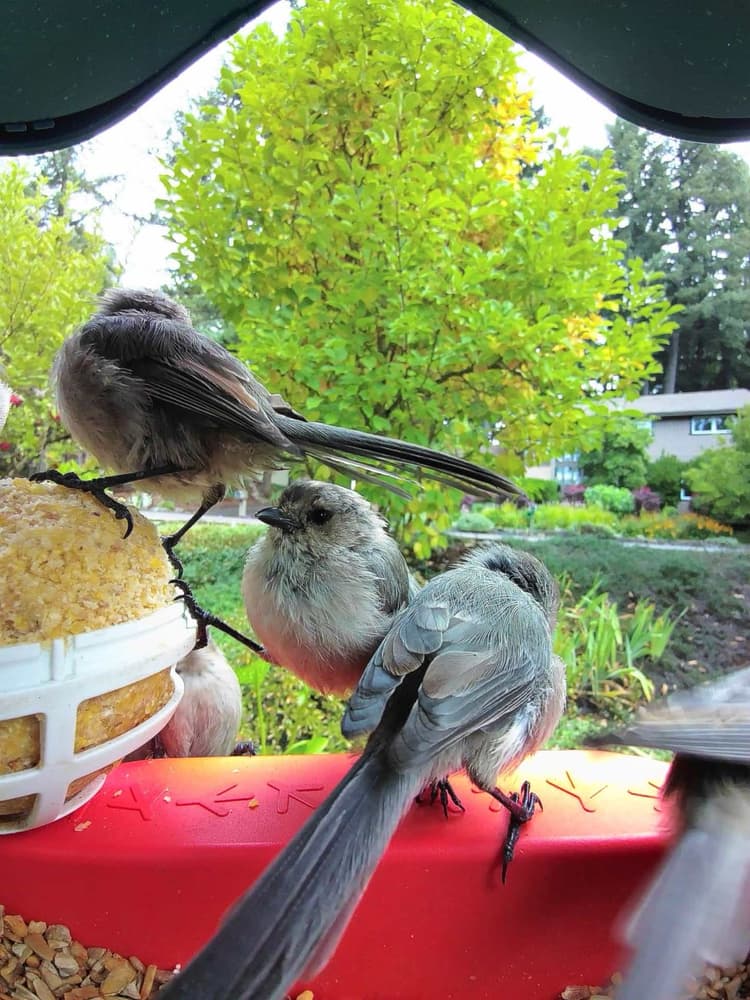
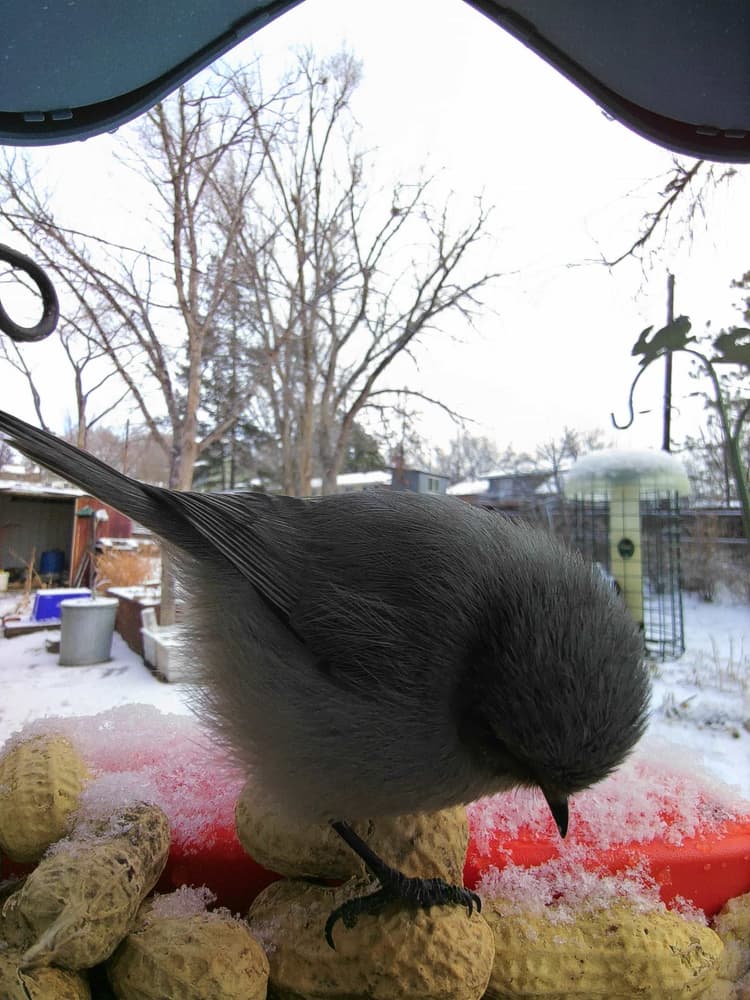
Male vs female
There is a stark difference between male and female bushtits, primarily observed in their eye color. Males have dark eyes, whereas females have pale ones. Coastal birds often have a browner head, setting them apart from others.
Juvenile
Juvenile males, especially in west Texas, may display black ear patches, distinguishing them from adult males. Asides from this, juveniles may hold similar physical traits to adults.
Often mistaken for
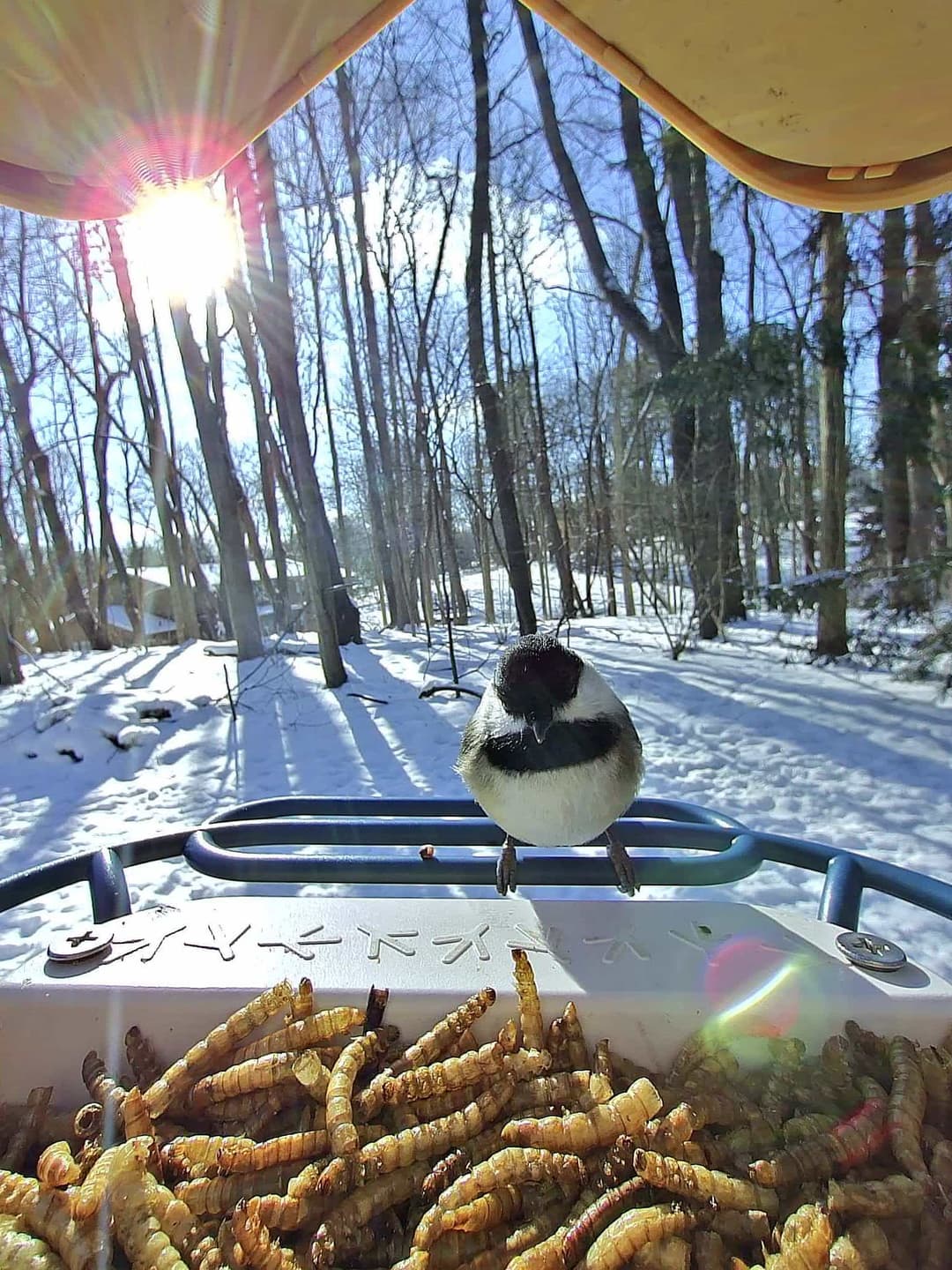
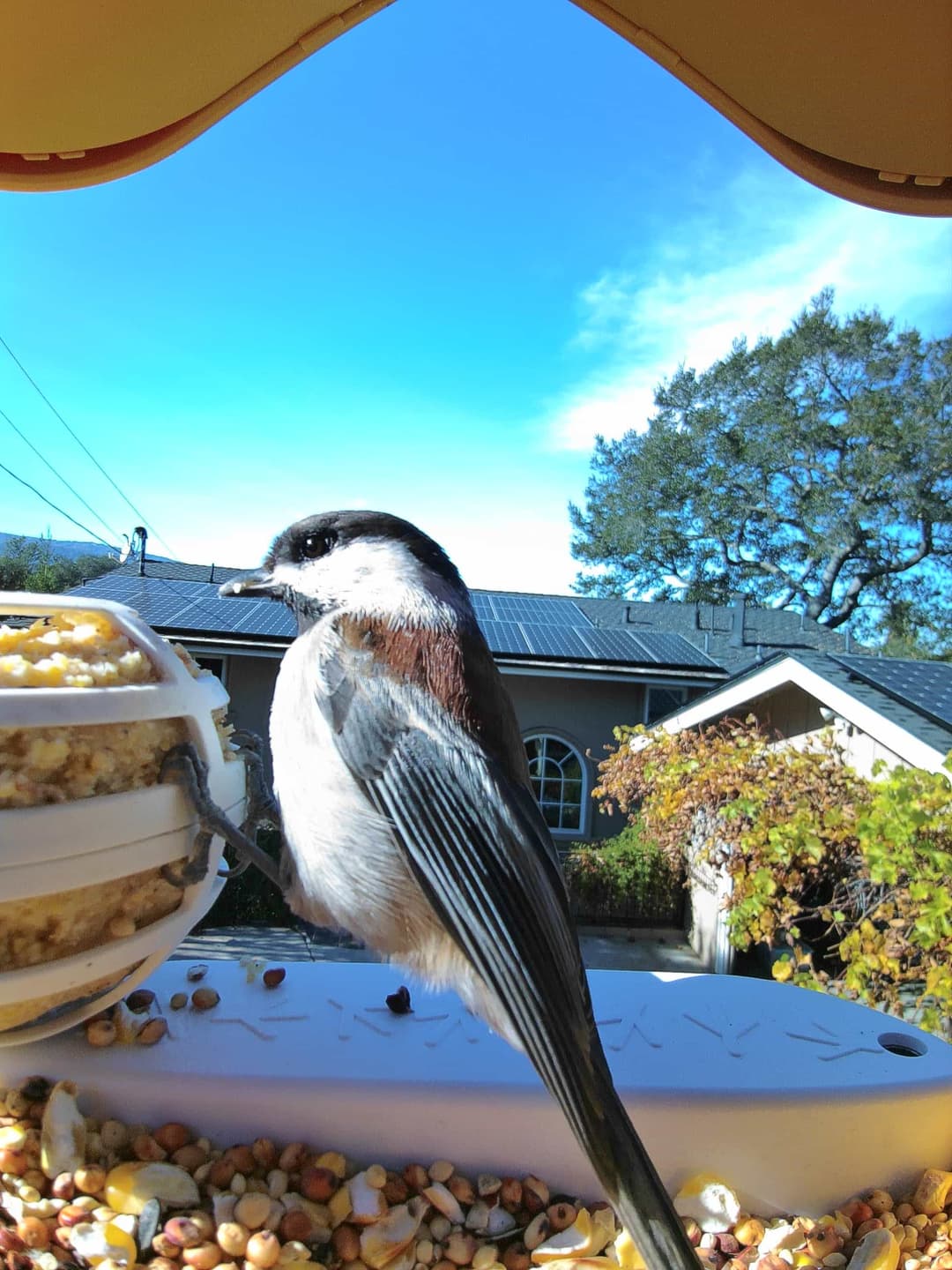
Black-Capped Chickadee vs Bushtit
Bushtits are smaller, with plain gray-brown plumage, whereas Black-Capped Chickadees have a black cap and bib with white cheeks. Bushtits lack the chickadee's distinct contrast.
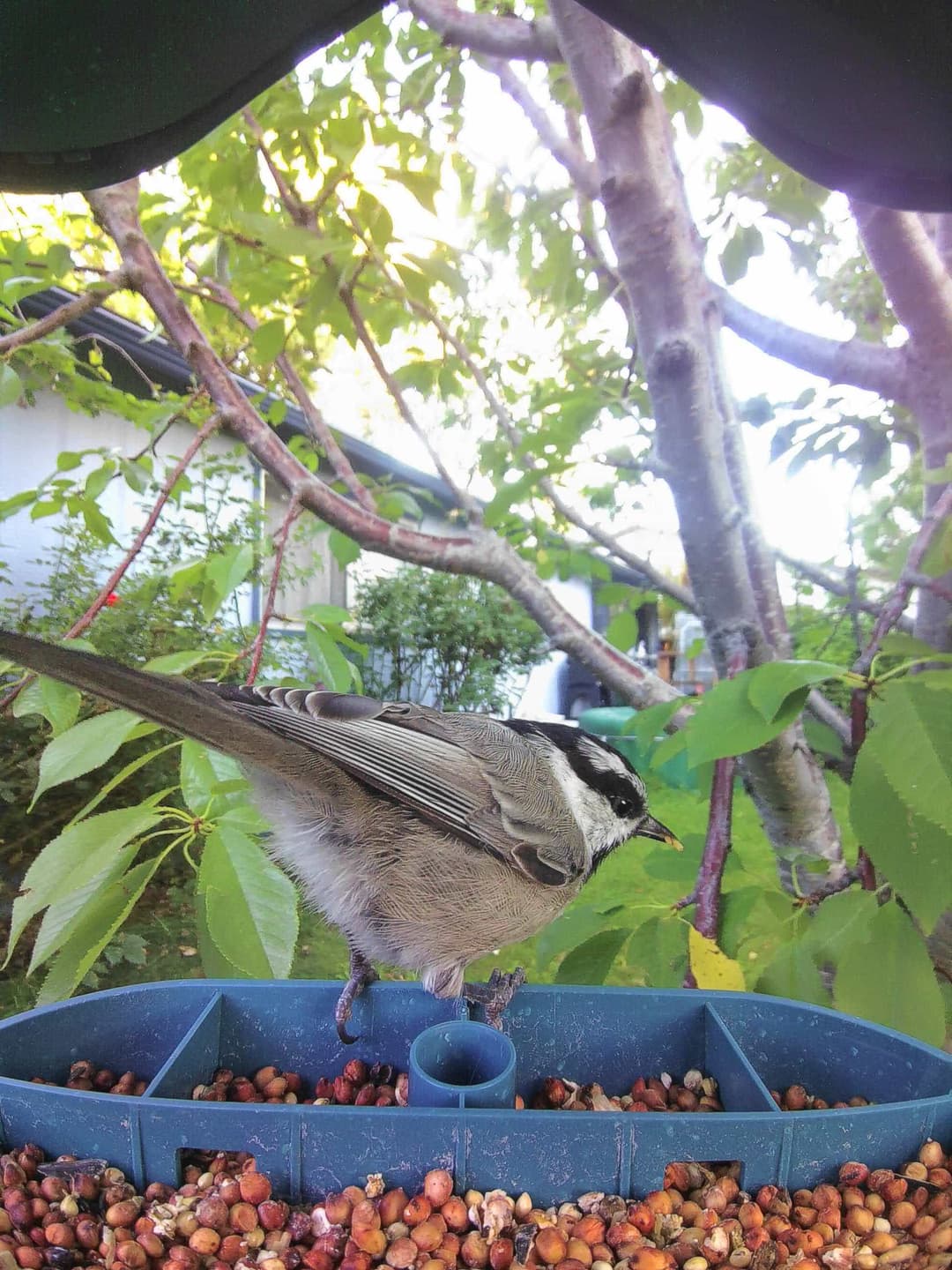
Mountain Chickadee vs Bushtit
The Bushtit is smaller and lacks the Mountain Chickadee's black cap and eye stripe. Bushtits are more uniformly colored without the striking facial pattern.
Chestnut-Backed Chickadee vs Bushtit
Bushtits are uniform gray-brown without the Chestnut-Backed Chickadee's bold chestnut flanks and back. Chickadees also have a black cap and contrasting facial pattern.
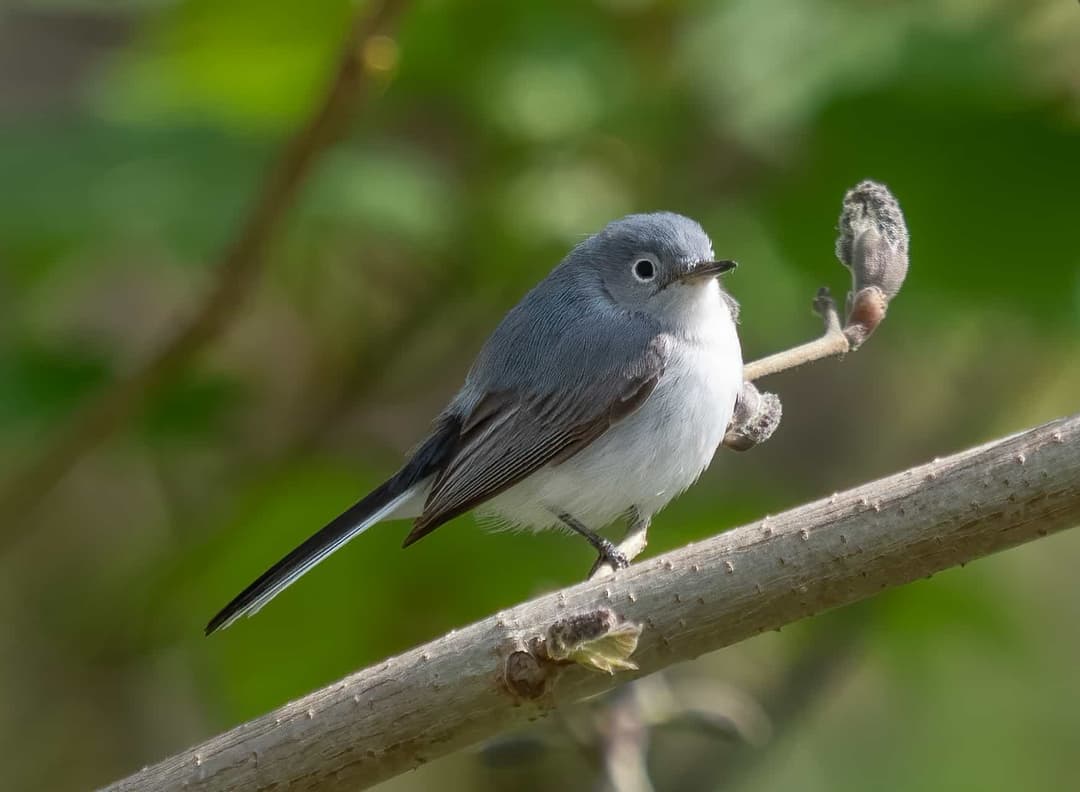
Blue-Gray Gnatcatcher vs Bushtit
The Bushtit is rounder with a stubby bill, while the Blue-Gray Gnatcatcher is slender with a long tail and distinctive white eye ring. Bushtits lack the blue-gray coloration.
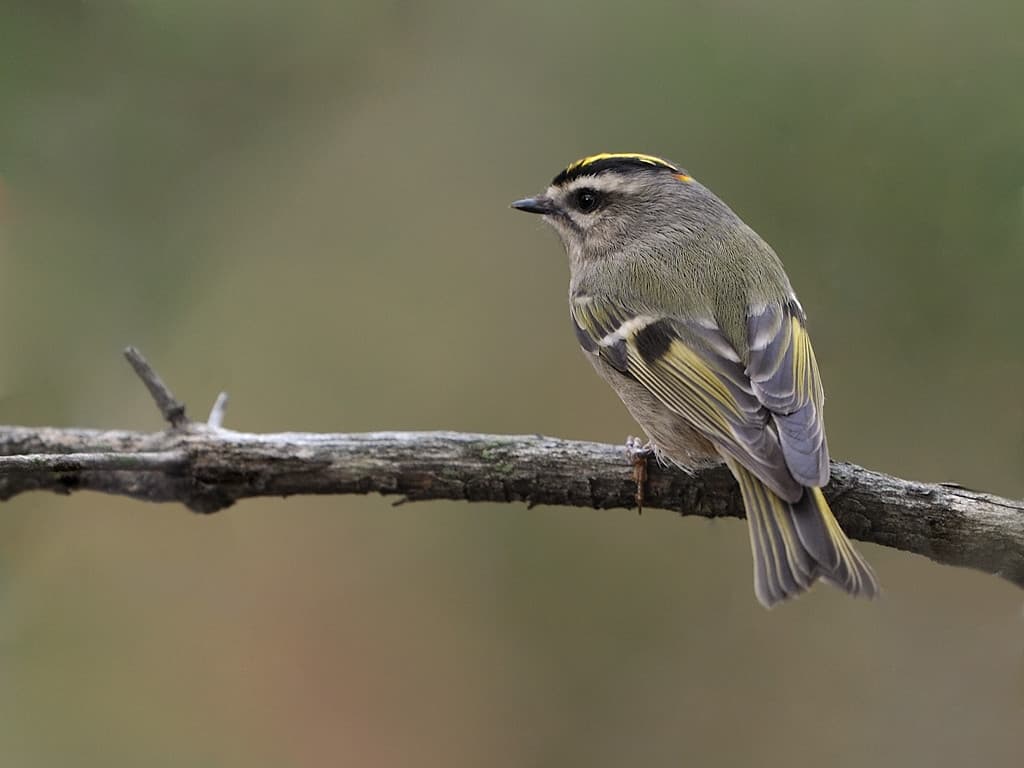
Golden-Crowned Kinglet vs Bushtit
Bushtits are uniformly gray-brown, in contrast to the Golden-Crowned Kinglet's striking yellow crown with black and white face markings.
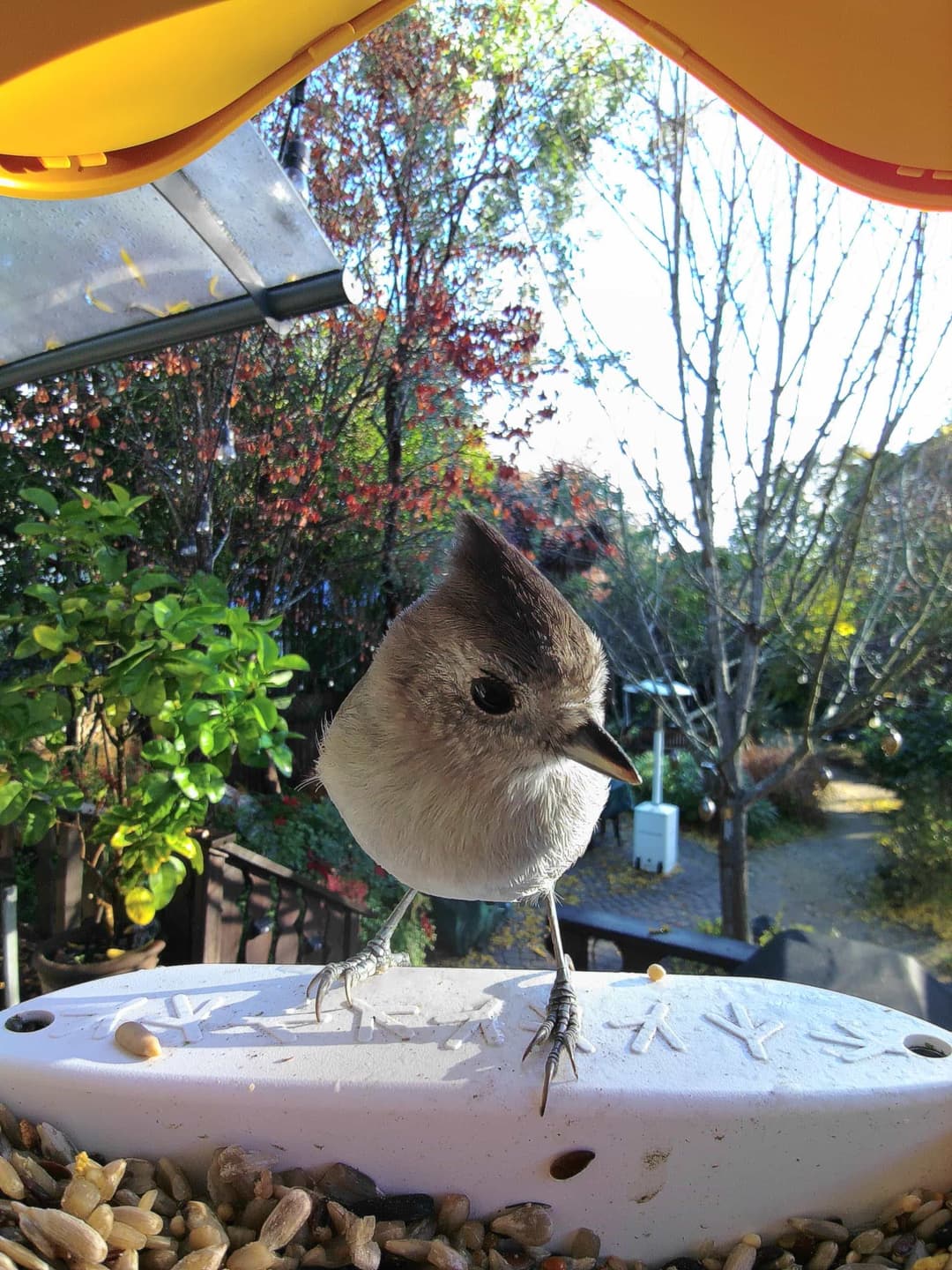
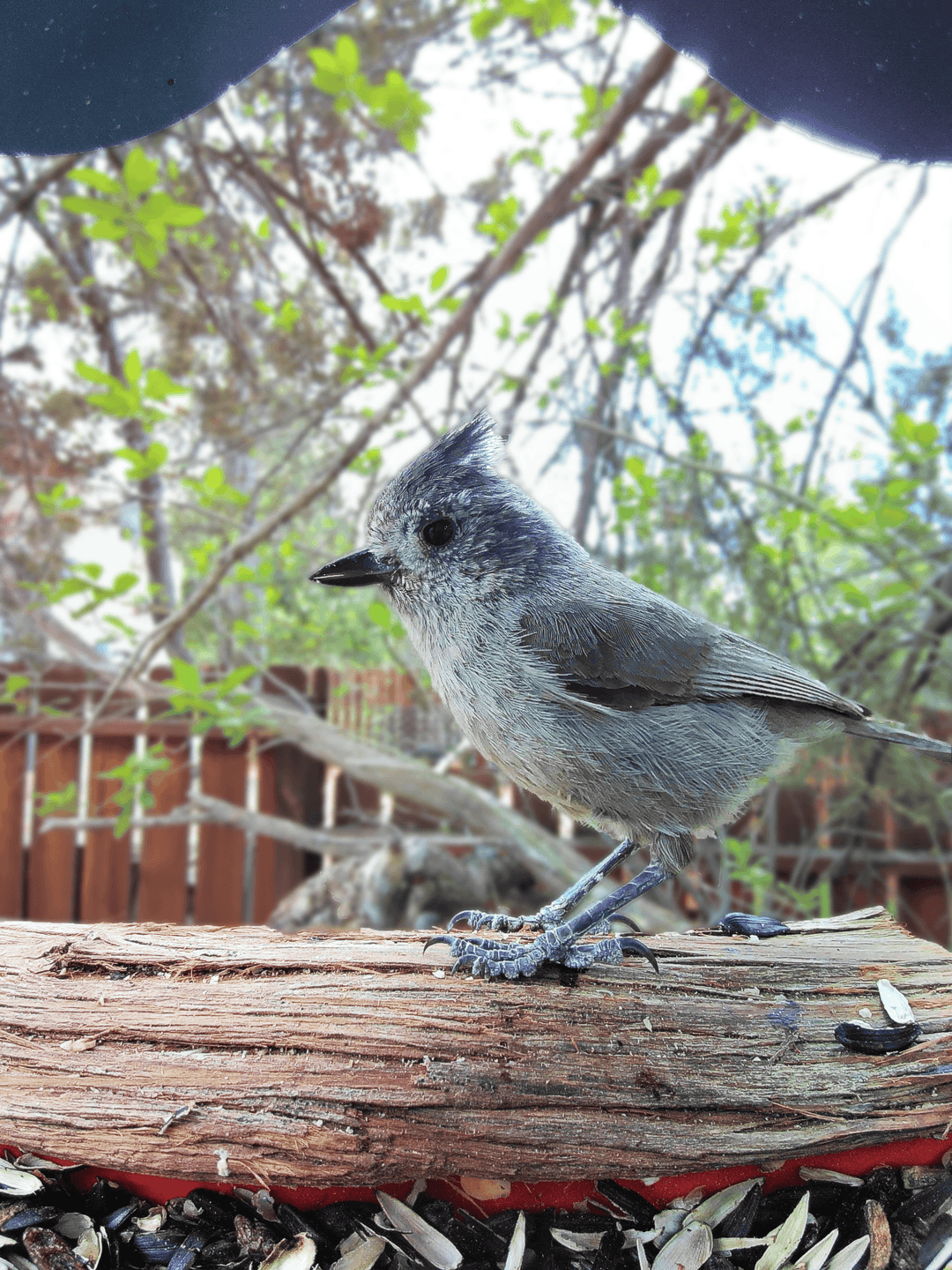
Oak Titmouse vs Bushtit
Bushtits are smaller with a more uniform gray-brown color, while the Oak Titmouse has a tufted crest and slightly larger size.
Juniper Titmouse vs Bushtit
Similar to the Oak Titmouse, the Juniper Titmouse is larger with a crest, whereas Bushtits have plain, uncrested heads.
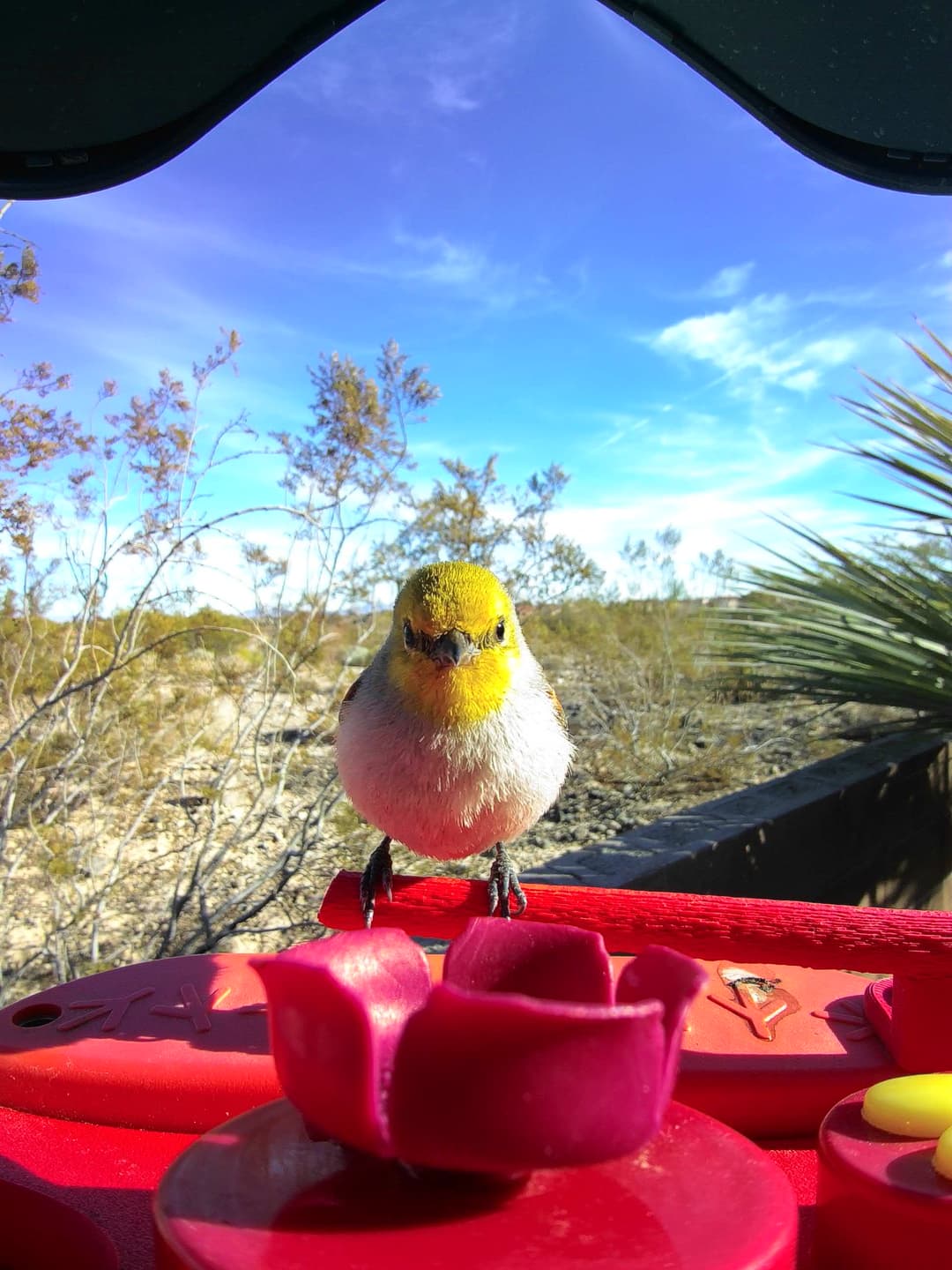
Verdin vs Bushtit
Verdins have a yellow face and chestnut shoulder patches, while Bushtits are plain gray-brown and lack these vibrant markings.
Breeding and nesting habits of the bushtit
Mating behaviors
Bushtits form pairs after winter flocks disperse. They establish territories but do not aggressively defend them, allowing other Bushtits nearby. If disturbed early during nest building, pairs might abandon their nests and possibly re-pair with different mates.
Nesting details
Bushtit nests are found in trees or shrubs, 8-35 feet above ground, sometimes lower or higher. Built by both sexes, the nest is a hanging pocket made from spiderwebs, moss, grass, and other materials, with a small entrance hole near the top. Inside is lined with soft plant and animal materials.
Eggs and chick-rearing
Bushtits lay eggs in these carefully constructed nests, and both parents participate in incubation and feeding the chicks. For gardeners wishing to support Bushtits, providing secluded shrubs or trees and minimizing disturbances during nesting can create a suitable habitat.
What does a bushtit like to eat?
Fruits
Insects
Seeds
Spiders
Natural diet
The bushtit's natural diet consists mostly of insects. It feeds on a diverse array of tiny insects, including leafhoppers, treehoppers, aphids, scale insects, caterpillars, and beetles. It also consumes wasps, ants, and many other insects, as well as the eggs and pupae of various insects. Occasionally, the bushtit eats spiders, berries, and sometimes seeds.
Bird feeders
Bushtits may not frequent bird feeders as much as other birds but they can occasionally be drawn to feeders offering suet or mealworms, which mimic their natural insect diet. While not a primary source of food, these offerings can supplement their diet especially in less abundant seasons.
The perfect snacks for bushtits
Bushtits have a real penchant for small insects and spiders, but also enjoy a variety of seeds and suet. To make your yard particularly irresistible, consider spicing up their menu with Bird Buddy seeds. These are selected by experts and adapt to the changing seasons, keeping your little guests well-fed and content all year round.
The ideal feeders for attracting bushtits
Mesh bag feeders filled with suet or nut pieces are a definite hit with Bushtits. These small birds enjoy hanging upside down as they eat, so dual port mesh socks can be an excellent choice. Make sure to place the feeders under the protection of a tree or a roof to protect them from predatory birds. This safety concern also makes bird feeders with structures that enable hiding preferable.
Fun tricks to keep the bushtits coming
One fun way to attract and keep Bushtits in your yard is to offer nesting materials. Strands of hair, small pieces of string, and thin strips of fabric would do the trick. Drop them around the feeder, and your little guests might decide to remain long-term residents. Additionally, providing a shallow bird bath with clean water will not only keep them hydrated but also offer them a place to clean their feathers and get ready for their impromptu sing-alongs.
Where can you find bushtits?
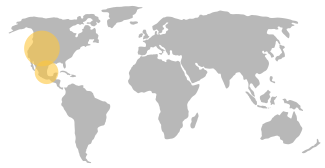
Primary habitat
The bushtit primarily inhabits a variety of wooded or brushy habitats such as oak scrubs, chaparral, mixed woods, pinyons, and junipers. This includes oak forests and pinyon-juniper and pine-oak woods.
Additional range
In addition to its primary habitats, the bushtit can be found in streamside groves and well-wooded suburbs and city parks. The bird avoids high mountain and desert regions, but may occupy cottonwood-willow groves along desert streams in winter.
Do they migrate?
The bushtit is mostly a permanent resident and does not engage in long-distance migration like many other bird species. However, this small songbird exhibits some local movements in response to seasonal changes. In the southwestern interior of its range, the bushtit breeds in foothills and mountainous regions. During winter, small flocks may move into lower elevation areas, often venturing into the lowlands to seek milder conditions and more abundant food sources. These movements are not extensive migrations but rather short-distance shifts to nearby areas, sometimes even many miles away from their breeding habitats. Key locations for these winter movements include the lowland areas adjacent to their summer breeding habitats in the foothills and mountains. The timing of these movements corresponds to the colder winter months when conditions at higher elevations become less hospitable. Essentially, bushtits may be found in slightly different habitats across seasons, but they remain relatively localized throughout the year. These shifts allow bushtit populations to adapt to changing environmental conditions while staying within reach of their breeding territories, ensuring they can return when conditions improve.
What is the role of bushtits in nature and how to protect them?
Conservation status
The bushtit is widespread and commonly found, with its population numbers appearing stable, indicating it is not currently vulnerable or endangered. As a common species, there are no major threats impacting its conservation status significantly. Therefore, specific conservation efforts might not be as crucial for the bushtit compared to more vulnerable species. Nonetheless, maintaining healthy habitats and monitoring environmental changes remain important to ensure its population remains stable.
Ecological role of bushtits
Its role in the ecosystem
Bushtits, small, active birds, have significant ecological roles. Their diet comprises mostly of tiny insects, including leafhoppers, treehoppers, aphids, scale insects, caterpillars, beetles, wasps, ants, and others. Thus, they play a crucial role in pest control, reducing the populations of these insects, which are often considered pests in various ecosystems. Additionally, their diet includes the eggs and pupae of many insects which further aids in regulating insect populations. Bushtits also consume some spiders, berries, and seeds, contributing to seed dispersal, aiding in plant reproduction and the biodiversity of the ecosystem. Their unique nesting habits in trees or shrubs, higher off the ground, and their tendency to create new nests if disturbed early on, show their adaptiveness. Although they do not strongly defend their territories, their presence can influence the distribution of other species. Hence, the bushtit plays a significant role in maintaining the balance and health of their ecosystem.
How to help protect bushtits
Preservation tips
Habitat preservation strategies for bushtits
Mobility is key to bushtit survival, which often requires varied habitat. Supporting national parks and locally protected natural areas is vital, as it helps preserve an environment conducive for bushtits. Plant native shrubs and trees, especially those providing a food source, like berry-producing plants and insect-attracting flora, in your garden or community. Advocate against deforestation and indiscriminate use of pesticides, harming both bushtits and their food source.
Community science initiatives for bushtits conservation
Community participation plays a pivotal role in bushtit conservation. Join local naturalist groups like the Audubon Society and participate in bird count programs to track bushtit populations. By sharing observations through citizen science platforms like iNaturalist or eBird, you can help scientists monitor and study bushtit movements, behaviors, and population trends. Hosting workshops or educational programs that increase awareness on the importance of bushtit conservation can also be influential.