Acorn Woodpecker or Red-Headed Woodpecker?
Here's how to tell the difference
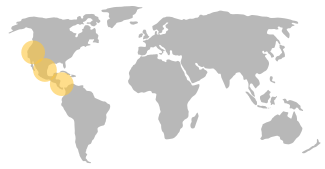
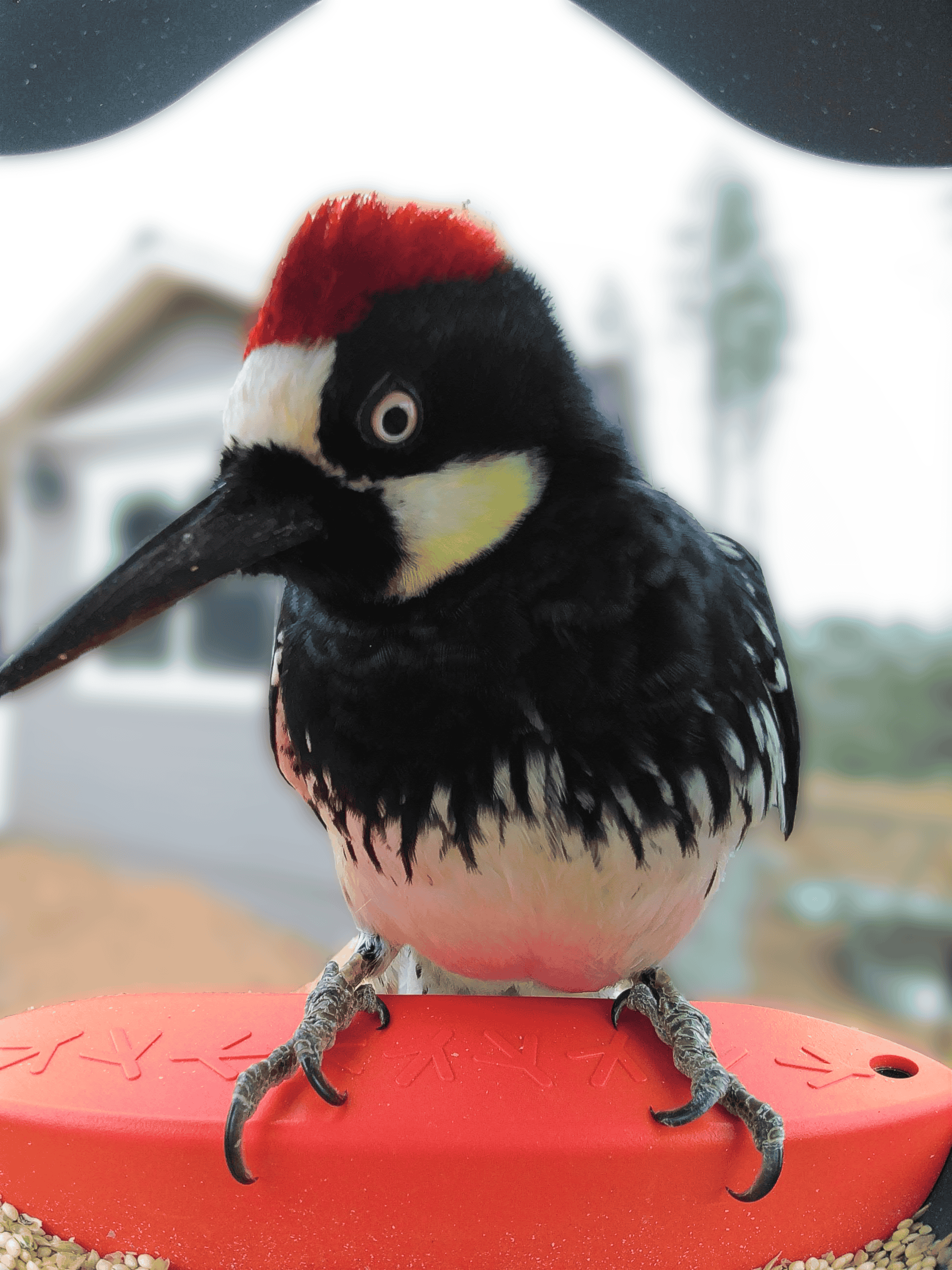


Acorn Woodpecker
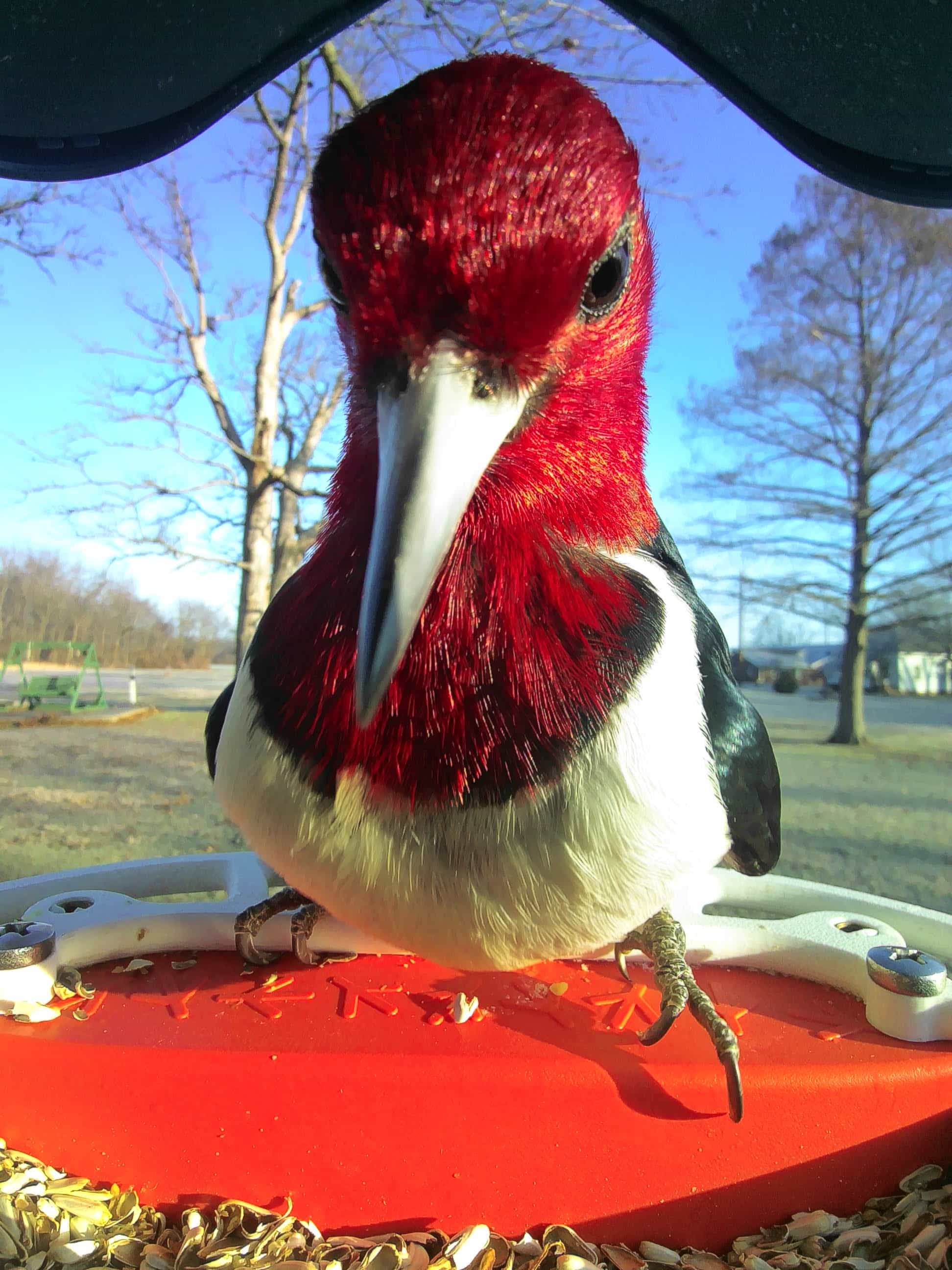


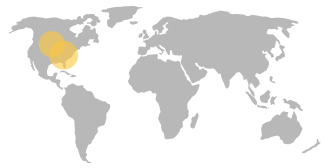
Red-Headed Woodpecker
Acorn Woodpecker
Melanerpes formicivorus
General appearance
The acorn woodpecker has a striking appearance with a black back, white belly, and a distinctive red crown. Its face is mostly white with a black patch around the eye and a strong, pointed bill. The wings are black with white patches visible during flight. The bird is medium-sized, with a length of around 8-9 inches.
Male vs female
Both male and female acorn woodpeckers have a bright red crown, but males have a solid red crown extending from the forehead to the nape, while females have a black band separating the red crown from the white forehead. This subtle difference helps in distinguishing the genders.
Juvenile
Juvenile acorn woodpeckers are similar in appearance to adults but with duller colors. Their red crown is less vibrant, and the black and white facial patterns are less distinct. Juveniles may also have more of a brownish tint compared to the glossy black of adults.
Size
7.5 - 9.1 in/2.3 - 3.2 oz
There's more to learn about Acorn Woodpecker
View full detailsRed-Headed Woodpecker
Melanerpes erythrocephalus
General appearance
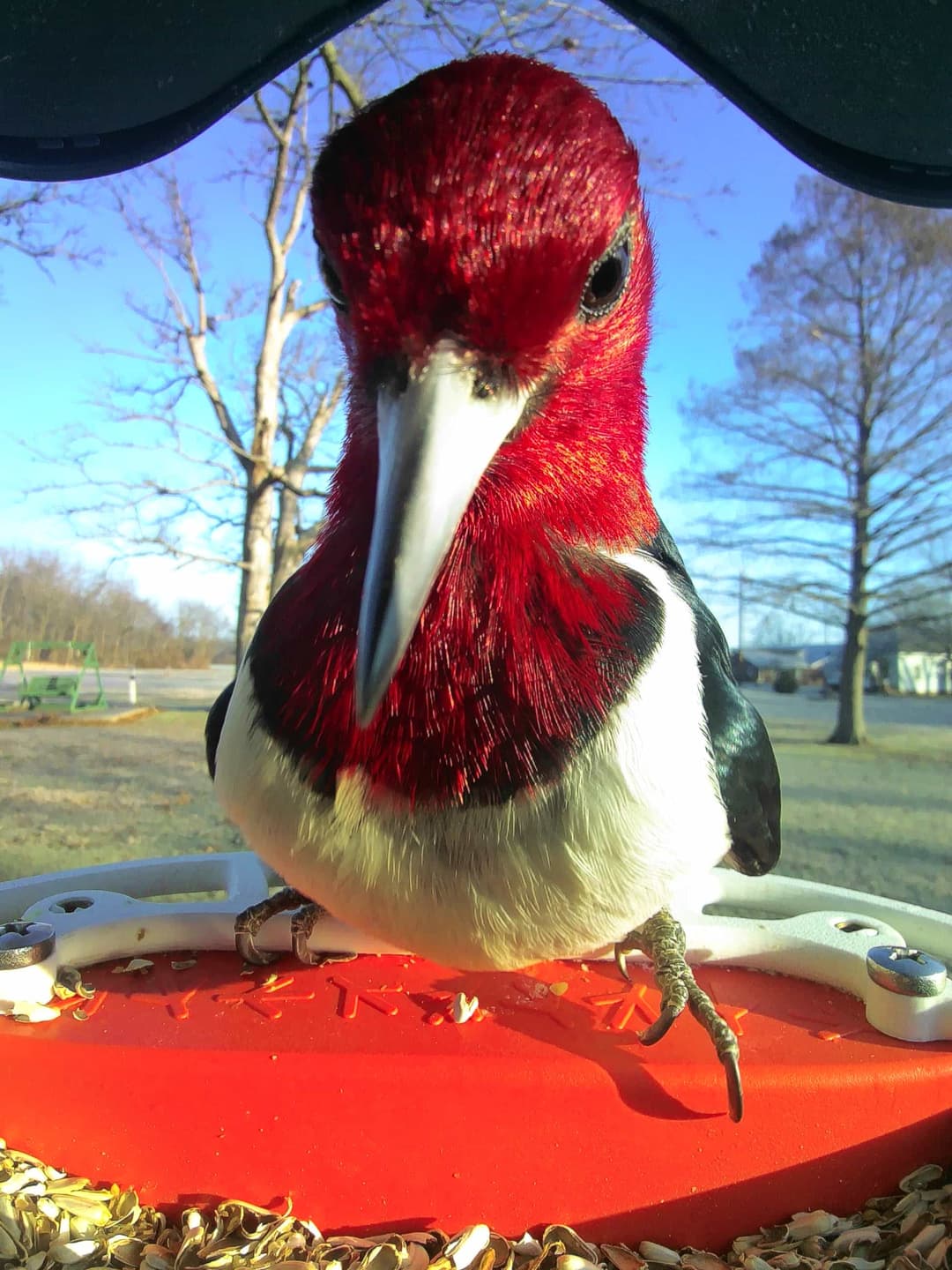
The red-headed woodpecker stands at about 10 inches (25 cm) tall, roughly the size of a Robin. Its coloring is striking, with a solid pattern of black, white, and red. Its wing shape is broad and rounded, and it has a multi-pointed, wedge-shaped tail. Large white patches on the wings are key identifiers.
Male vs female
There is no significant difference in the coloration and physical traits between male and female red-headed woodpeckers. Both genders boast the same pattern of black, red, and white, as well as the noteworthy white wing patches.
Juvenile
Distinguishing juvenile red-headed woodpeckers from adults is fairly manageable. Young birds sport a brown head, in contrast to the vivid red of the adults. Their white wing patches are streaked with dark bars. As they approach their first winter, the brown on their head gradually gives way to red.
Size
7.6 - 9.3 in/2.0 - 3.2 oz
There's more to learn about Red-Headed Woodpecker
View full detailsHow to tell the Acorn Woodpecker from the Red-Headed Woodpecker
Visual differences
The Acorn Woodpecker, at 8-9 inches, has a black back, white belly, red crown (full in males, split by black in females), and black eye patches. The Red-Headed Woodpecker is slightly longer at 10 inches, showcases a vivid red head, and boasts large white wing patches. Juvenile Acorns exhibit duller colors, while juvenile Reds have brown heads and barred wings. Both lack plumage sexual dimorphism. Acorns have pointed bills, while Red-Headed Woodpeckers have a broad, rounded wing shape with a wedge-shaped tail.
Key differences and behavior
Acorn Woodpeckers and Red-Headed Woodpeckers exhibit distinct behaviors. Acorn Woodpeckers are known for their communal lifestyle, forming groups to store acorns in granaries for emergencies. They engage in cooperative breeding, with multiple males and females working together to raise offspring. In contrast, the Red-Headed Woodpecker is highly territorial, defending its space aggressively and preferring isolated nests. While both species are omnivorous, Acorn Woodpeckers rely heavily on acorns, especially in winter, whereas Red-Headed Woodpeckers have a more varied diet, including the occasional small animal. Acorn Woodpeckers inhabit oak-rich environments, while Red-Headed Woodpeckers favor open country and scattered trees, adapting their habitat based on food availability. Both species visit bird feeders for nuts and seeds.
Still not sure? Here are more lookalikes!
Acorn Woodpecker vs White-Headed Woodpecker
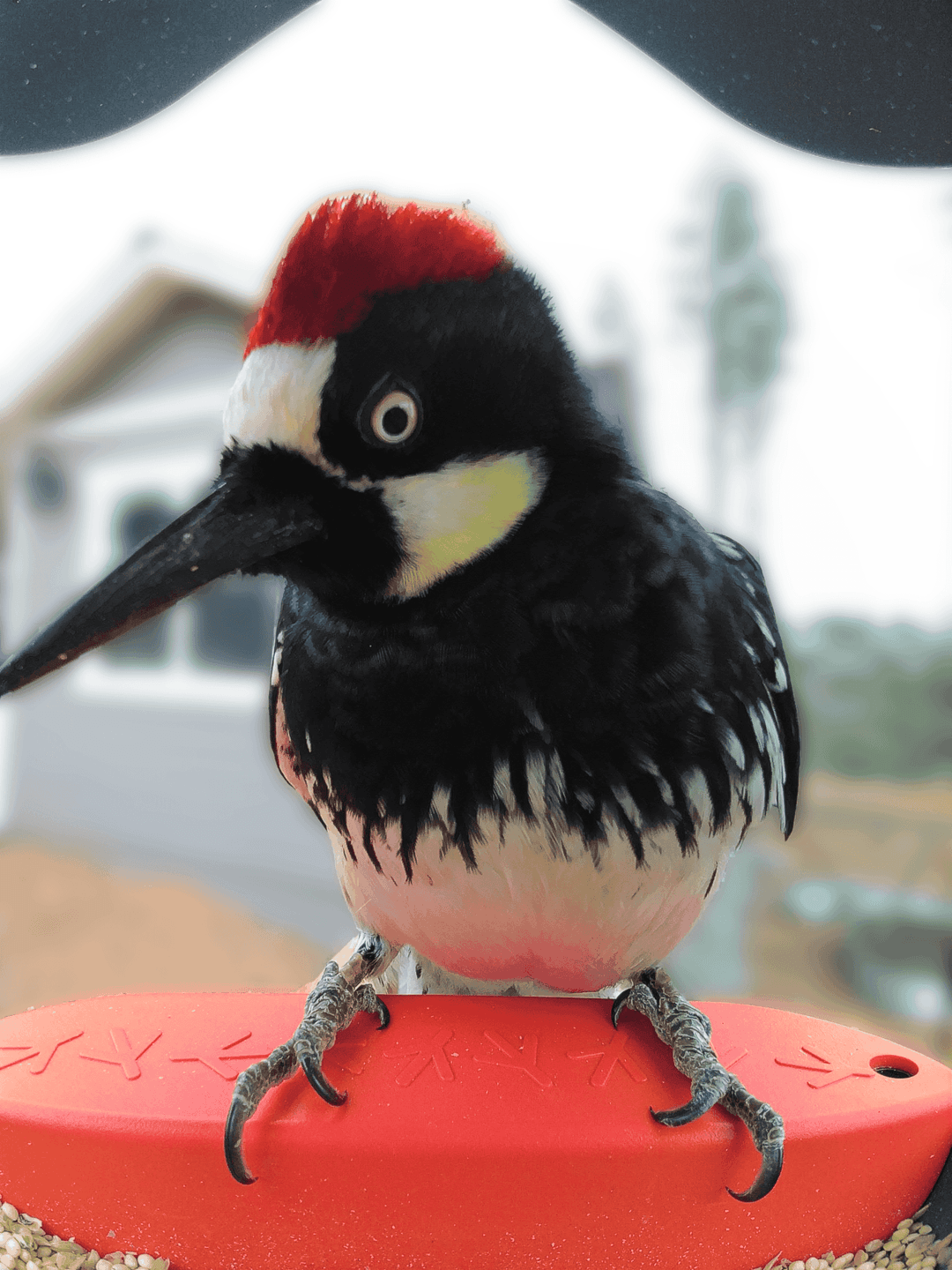
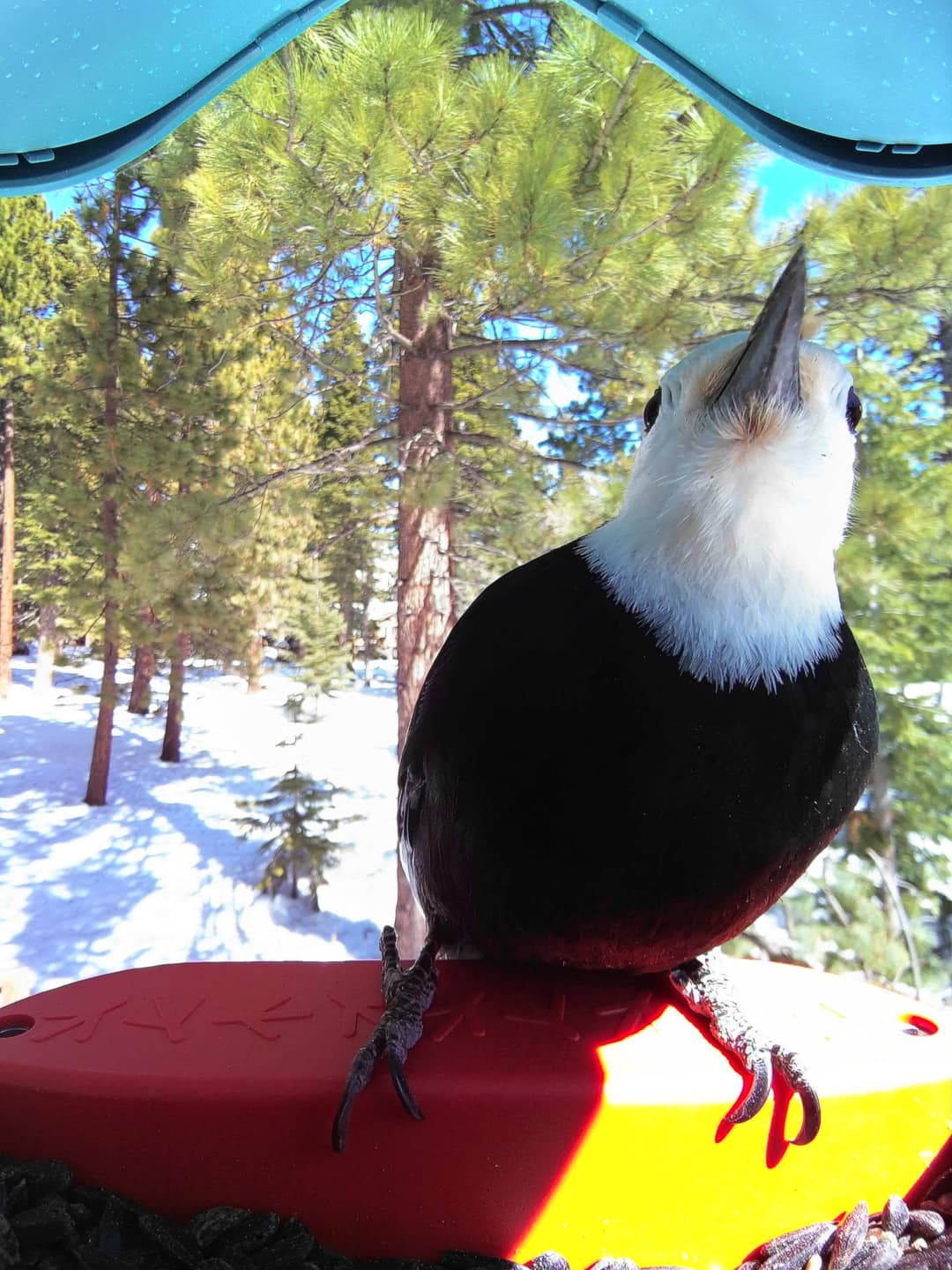
Acorn Woodpecker vs Red-Breasted Sapsucker
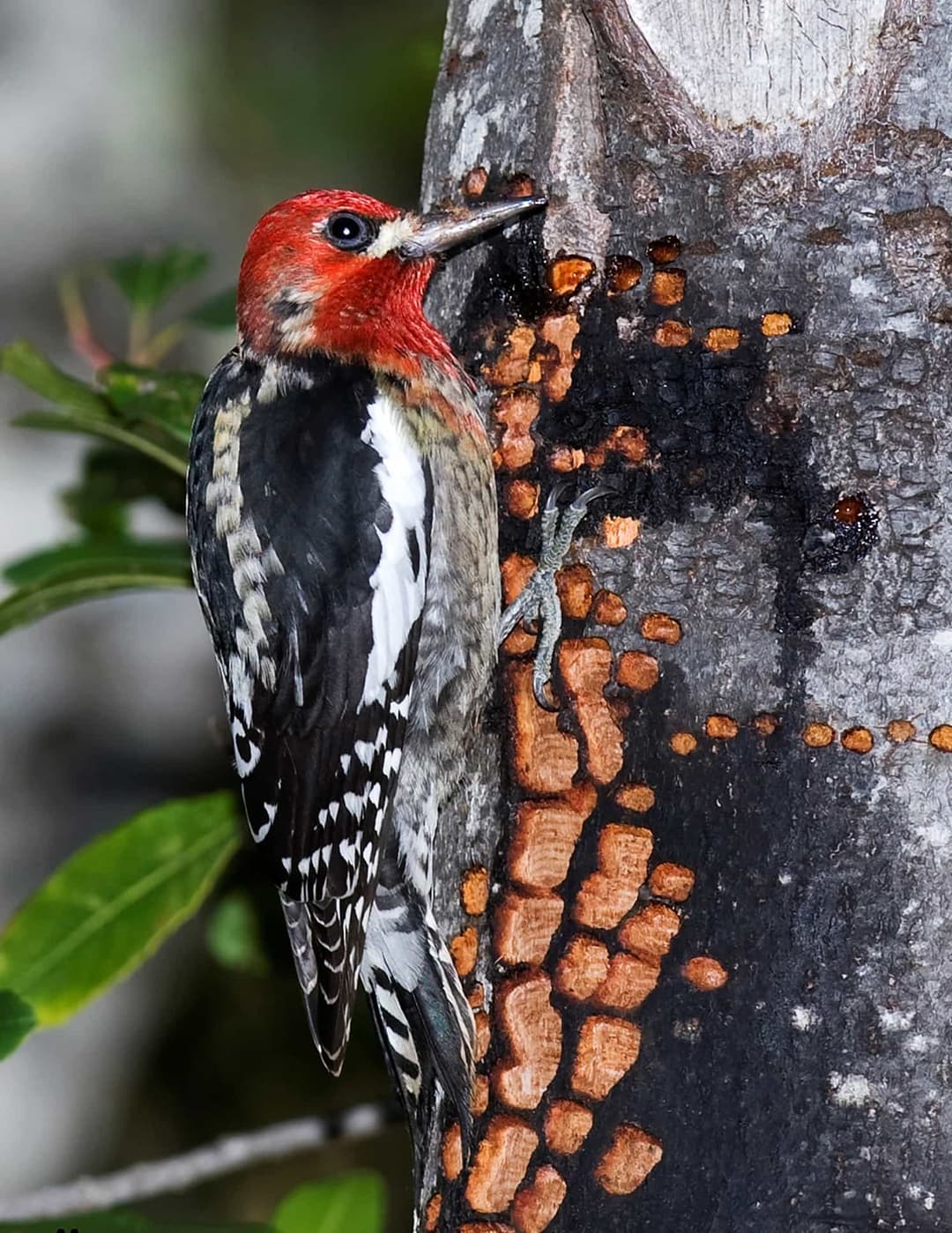
Acorn Woodpecker vs Pileated Woodpecker
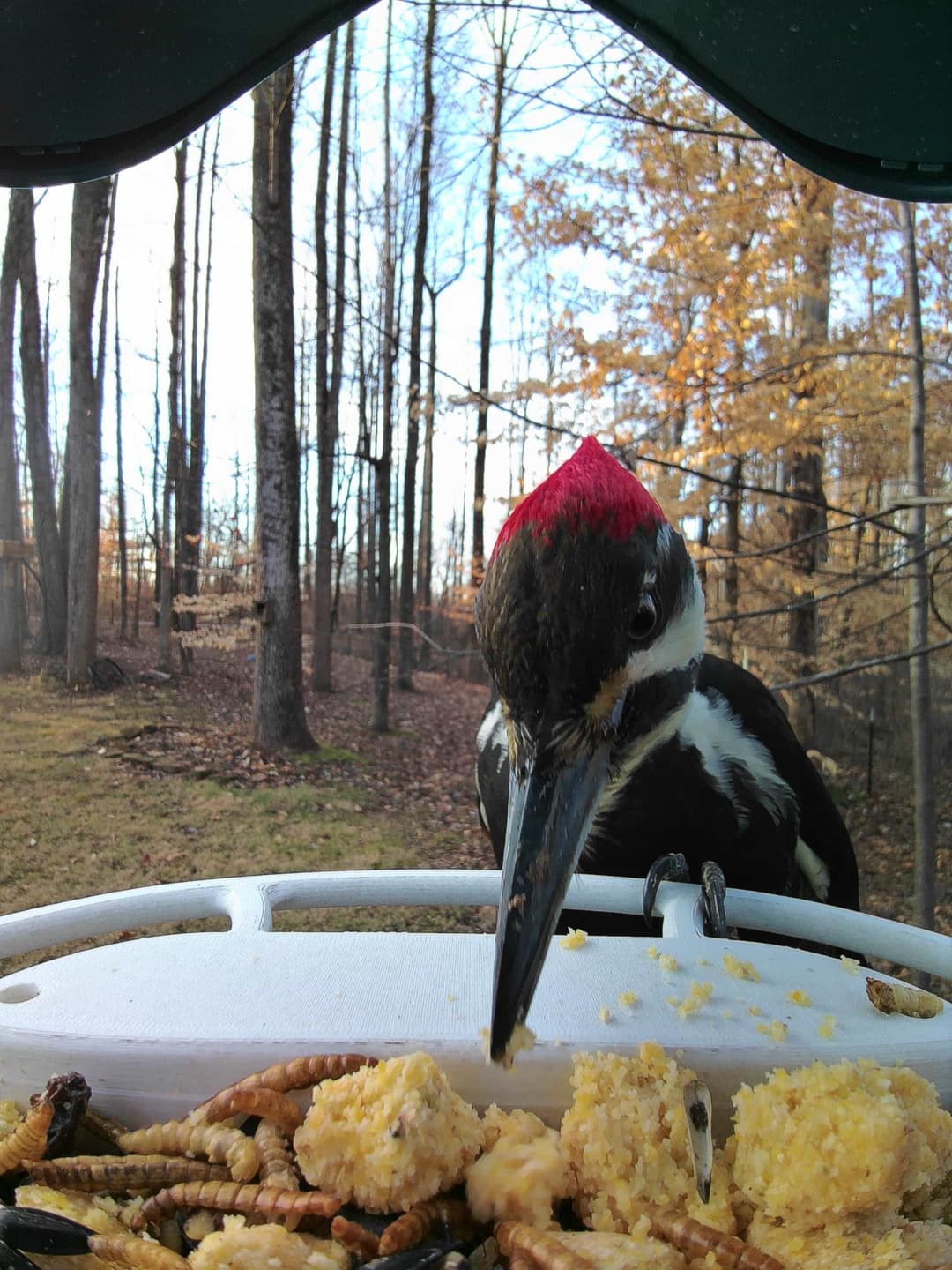
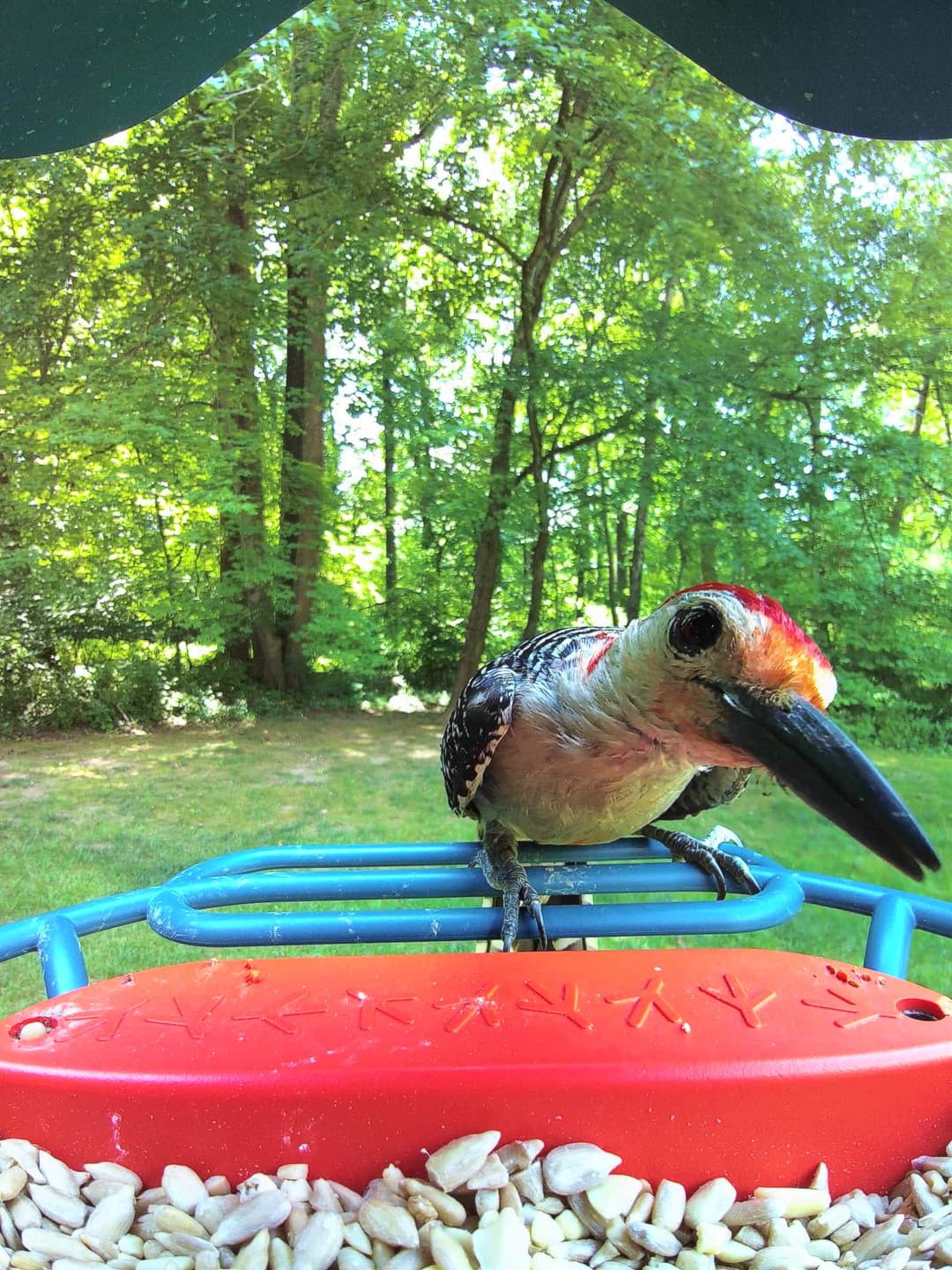
Red-Headed Woodpecker vs Red-Bellied Woodpecker
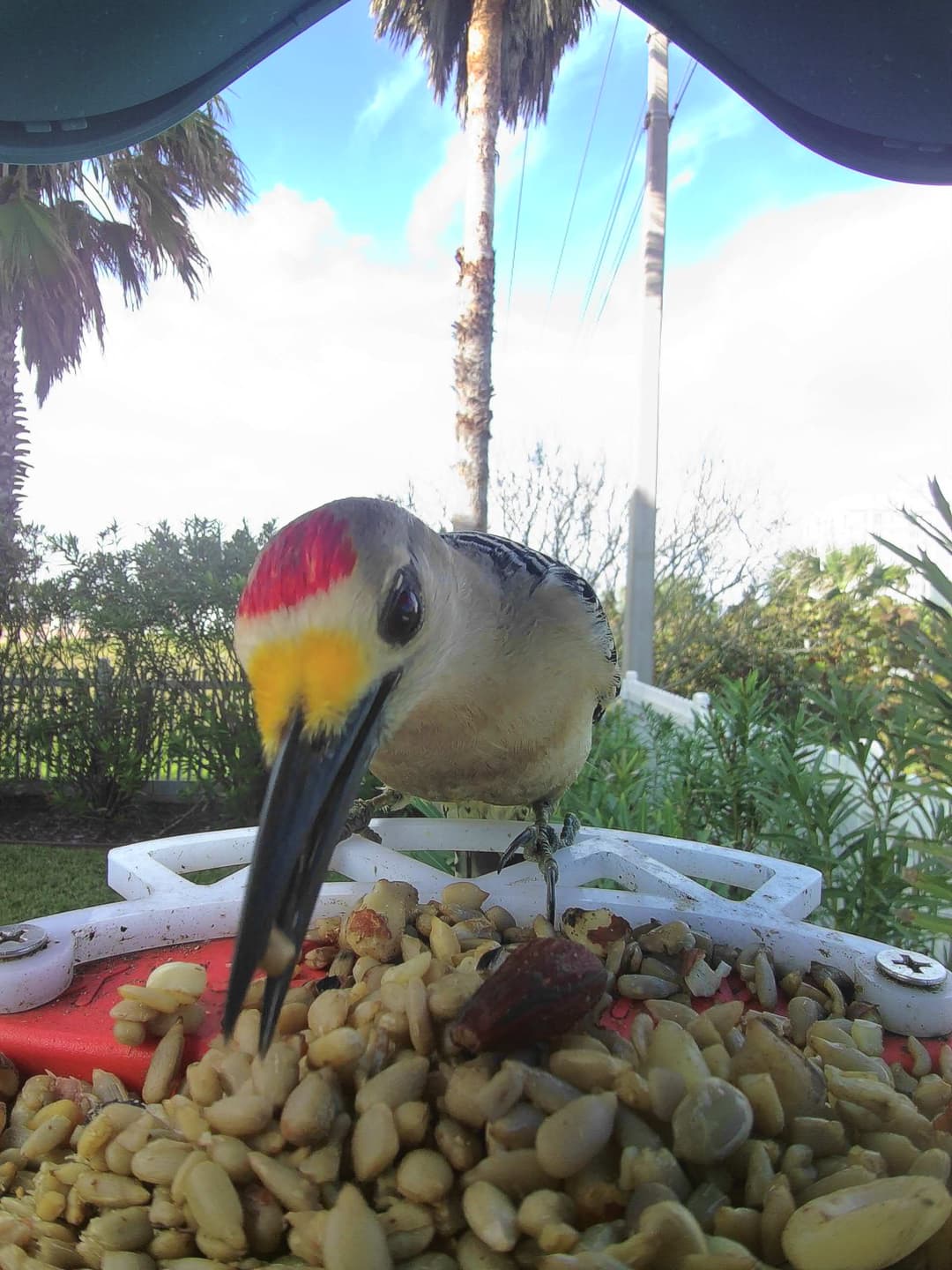
Red-Headed Woodpecker vs Golden-Fronted Woodpecker
Red-Headed Woodpecker vs Pileated Woodpecker
Acorn Woodpecker vs [Select a bird]

[Select a bird]
Pick a bird to compare
Red-Headed Woodpecker vs [Select a bird]
[Select a bird]
Pick a bird to compare