Great-Tailed Grackle or Boat-Tailed Grackle?
Here's how to tell the difference
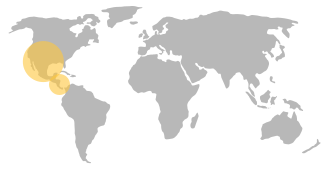


Great-Tailed Grackle


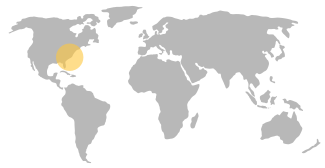
Boat-Tailed Grackle
Great-Tailed Grackle
Quiscalus mexicanus
Also known as: Mexican Grackle
General appearance
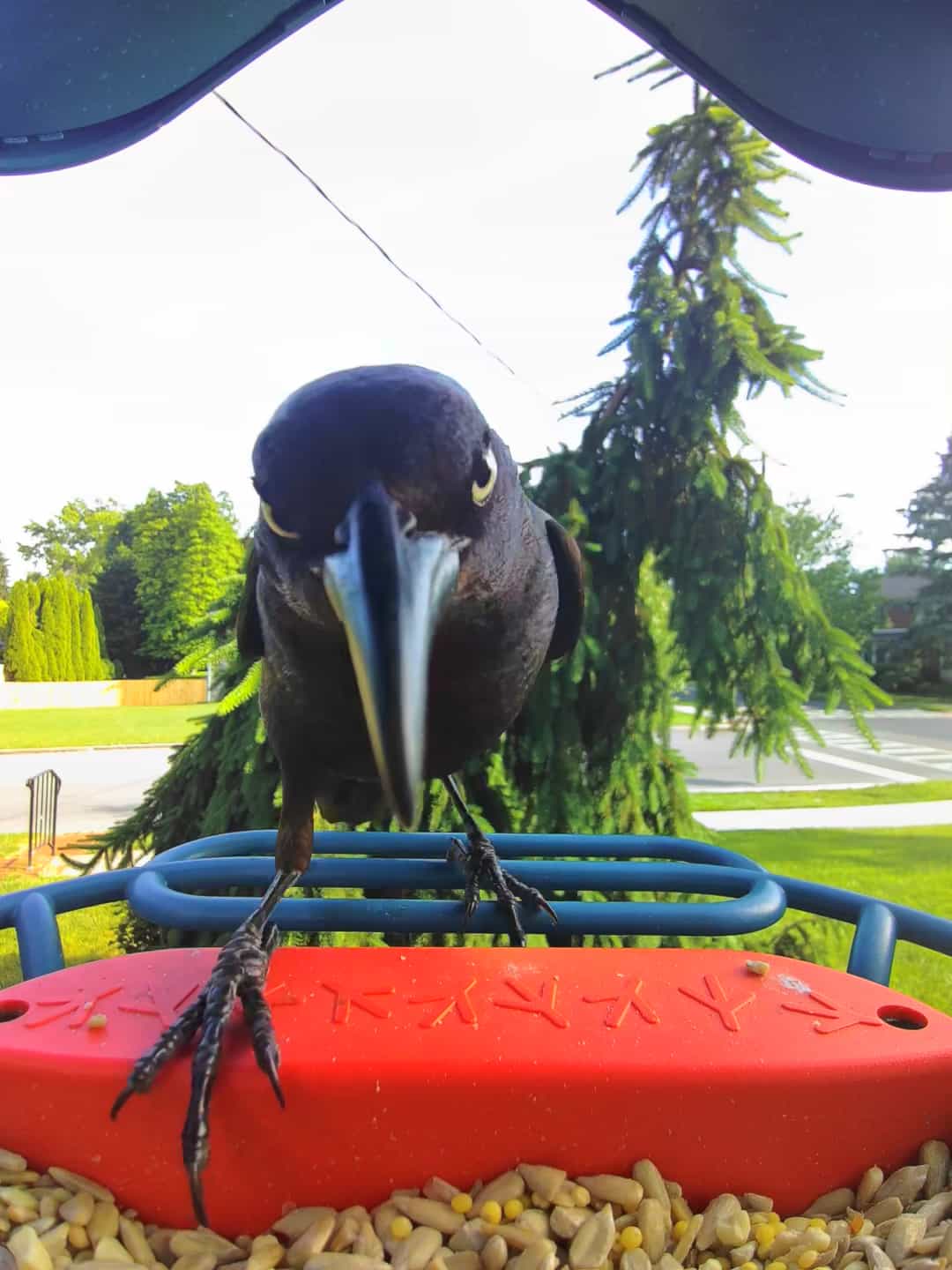
The great-tailed grackle is a large, lanky bird with long legs and an iridescent plumage. It has a distinct wedge-shaped tail and a strong, pointed bill. Its coloration ranges from glossy black to purplish-blue in good light, and it often emits loud, varied calls that echo in open areas.
Male vs female
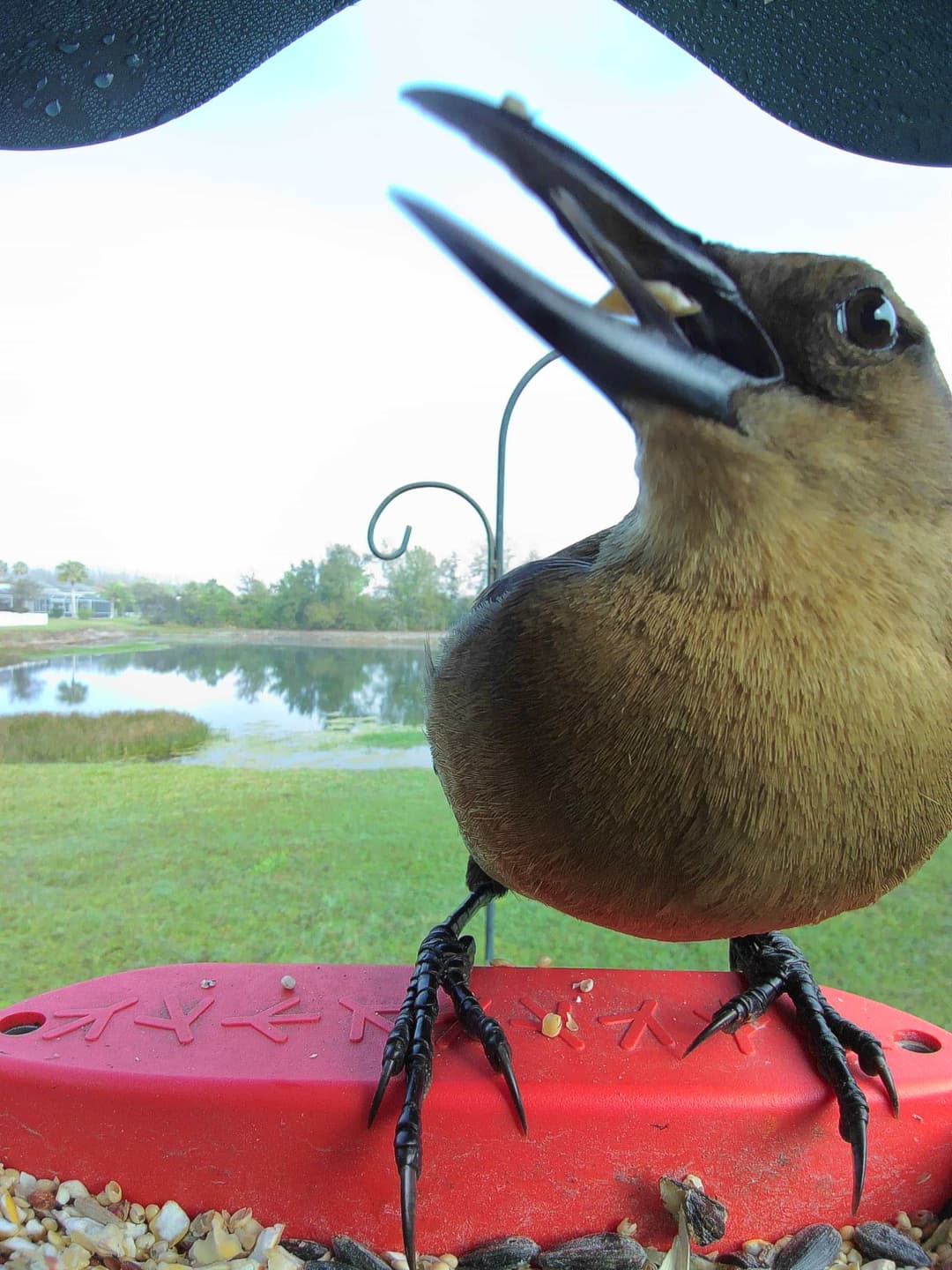
Males are larger with predominantly glossy black feathers and striking iridescence, mainly purplish-blue on the head and body. Females are smaller, predominantly brown, with lighter underparts and less iridescence. Males have longer tails which contribute to their distinctive silhouette.
Juvenile
Juvenile great-tailed grackles resemble adult females but have a more muted coloration and slightly shorter tails. As they mature, their plumage transitions to match their respective adult coloration, either glossy black for males or dark brown for females.
Size
15.0 - 18.1 in/4.1 - 9.3 oz
There's more to learn about Great-Tailed Grackle
View full detailsBoat-Tailed Grackle
Quiscalus major
General appearance
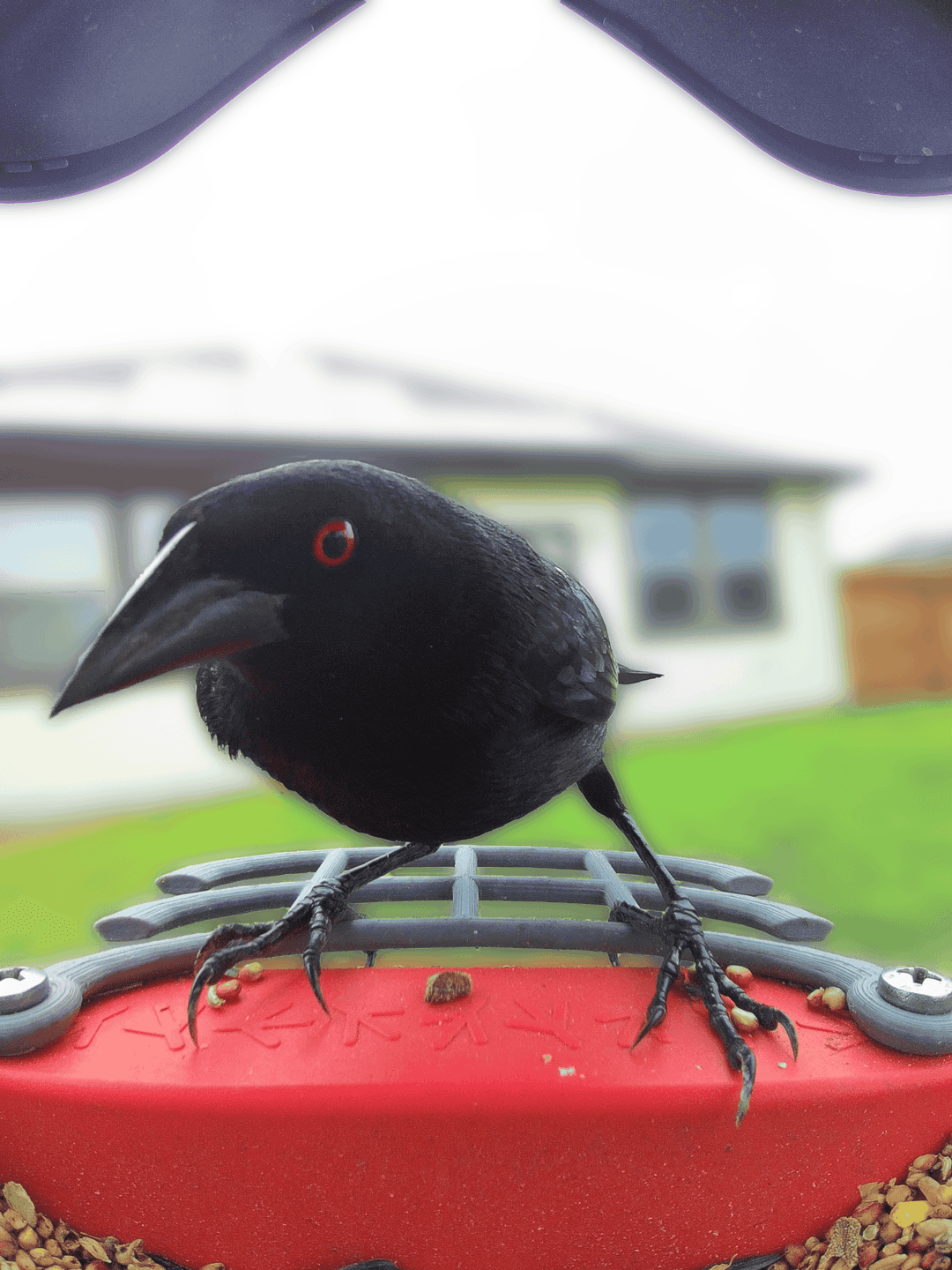
Boat-tailed Grackles are about the size of a crow, possessing a black, brown, and tan color. They feature rounded wings and have a long, rounded, or wedge-shaped tail, resembling a Great-tailed Grackle but with a shorter tail and rounder head. Differences can be noted in their eye color depending on the geographical location. In Texas-Louisiana coast overlap region, Boat-tails have dark eyes.
Male vs female
Size variations exist between male and female boat-tailed grackles. Males measure between 41 and 43 cm, while females are notably smaller, ranging between 33 and 35 cm. As such, males are generally larger than the females.
Juvenile
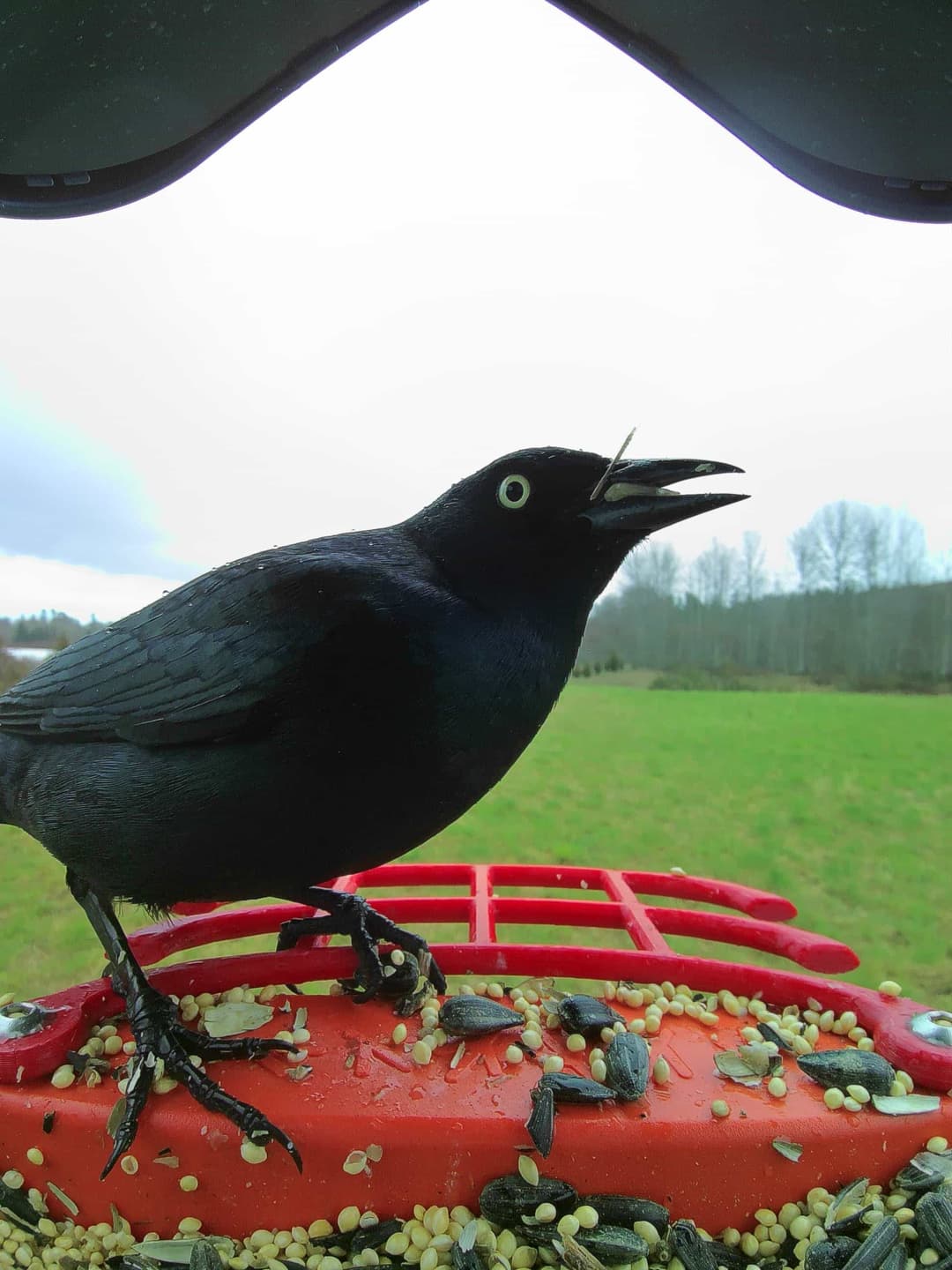
Interestingly, young Boat-tails, much like their Great-tail counterparts, have dark eye color. It's important to note that Boat-tails found north from northeast Florida possess yellow eyes. This characteristic sets them apart and could be useful in identification.
Size
14.6 - 16.9 in/3.5 - 8.5 oz
There's more to learn about Boat-Tailed Grackle
View full detailsHow to tell the Great-Tailed Grackle from the Boat-Tailed Grackle
Visual differences
The Great-Tailed Grackle is larger (15-18 in.) than the Boat-Tailed Grackle (14.5-17 in.). The Great-Tailed's males are iridescent black with a purplish-blue sheen, while females are brown. The Boat-Tailed's males also display glossy black plumage, but have shorter tails and rounder heads. In certain regions, Boat-Tailed Grackles have distinct yellow eyes. Both species have wedge-shaped tails, though shorter in Boat-Tailed, and strong pointed bills. Female Boat-Tails are similarly smaller and brown but feature varying eye colors depending on location.
Key differences and behavior
Great-Tailed Grackles (Quiscalus mexicanus) thrive in diverse environments from cities to farmlands, whereas Boat-Tailed Grackles (Quiscalus major) prefer marshes and coastal areas. Great-tailed grackles demonstrate strong social behaviors, including roosting in huge numbers and recognizing researchers, while Boat-tailed grackles are notable for their swimming fledglings. Both species are polygamous with complex courtship displays, but great-tailed grackles nest in open areas, while boat-tailed grackles choose more concealed sites. Diets overlap, yet great-tailed grackles consume more terrestrial prey and scavenge aggressively, while boat-tailed grackles lean towards aquatic foods. Additionally, great-tailed grackles use alarm calls, a behavior not noted in boat-tailed grackles. These behavioral distinctions aid field identification beyond visual cues.
Still not sure? Here are more lookalikes!
Great-Tailed Grackle vs Common Grackle
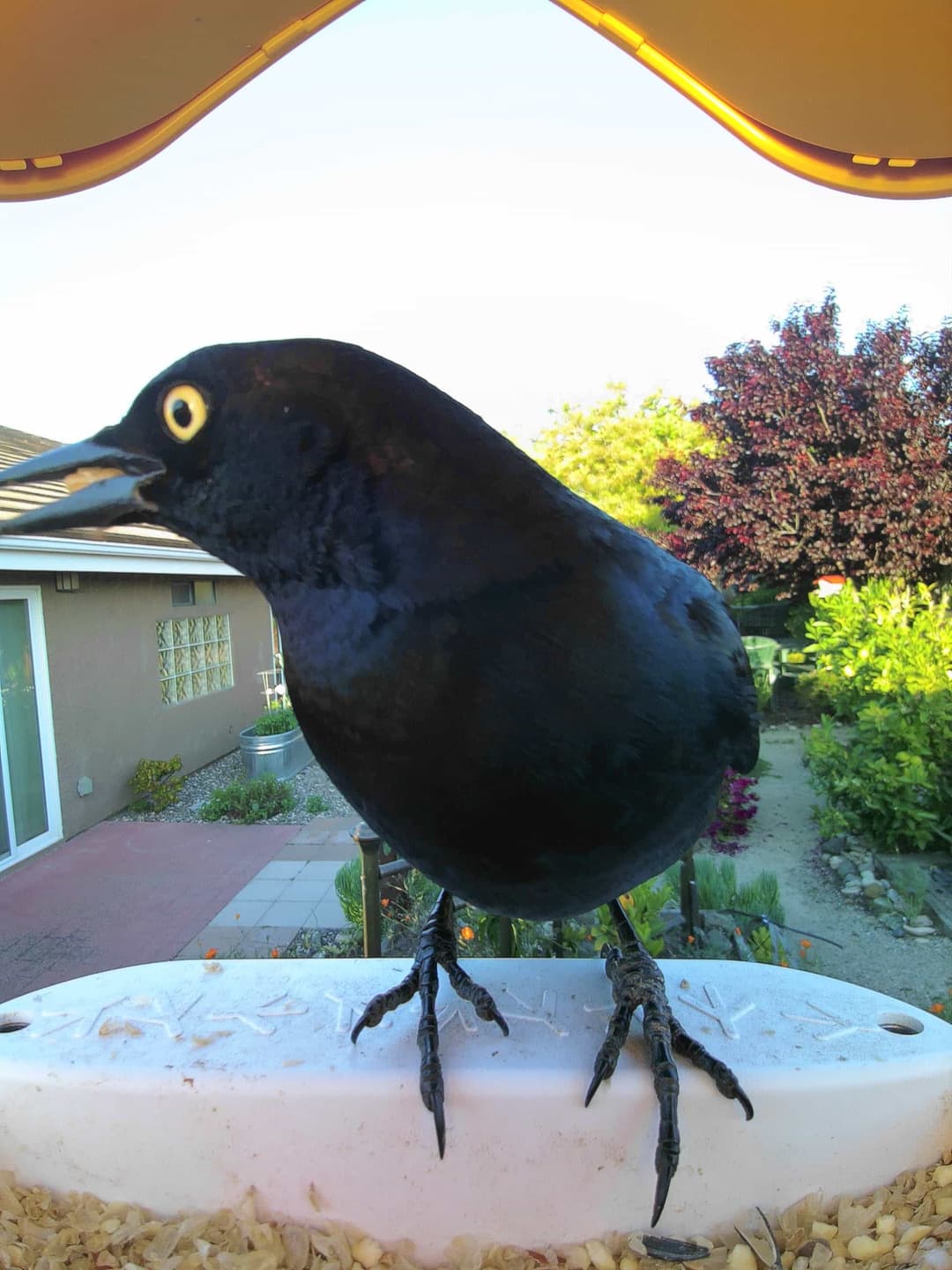
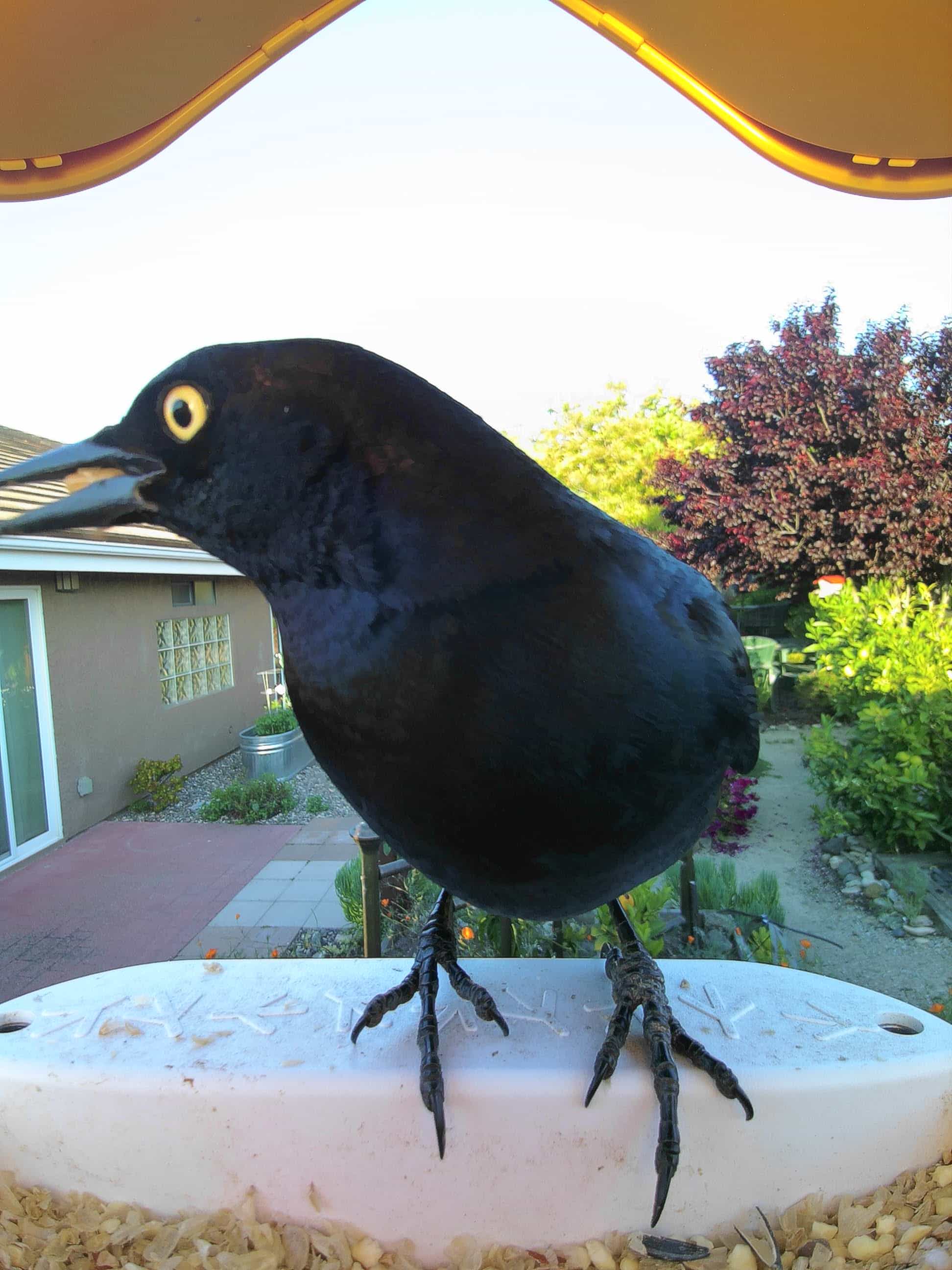
Great-Tailed Grackle vs Brewer’s Blackbird
Boat-Tailed Grackle vs Common Grackle
Great-Tailed Grackle vs [Select a bird]

[Select a bird]
Pick a bird to compare
Boat-Tailed Grackle vs [Select a bird]
[Select a bird]
Pick a bird to compare