Great-Tailed Grackle or Brewer’s Blackbird?
Here's how to tell the difference
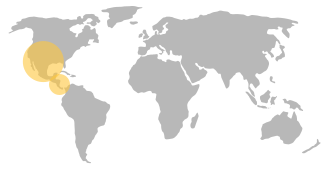
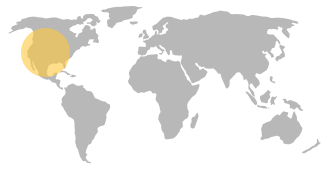
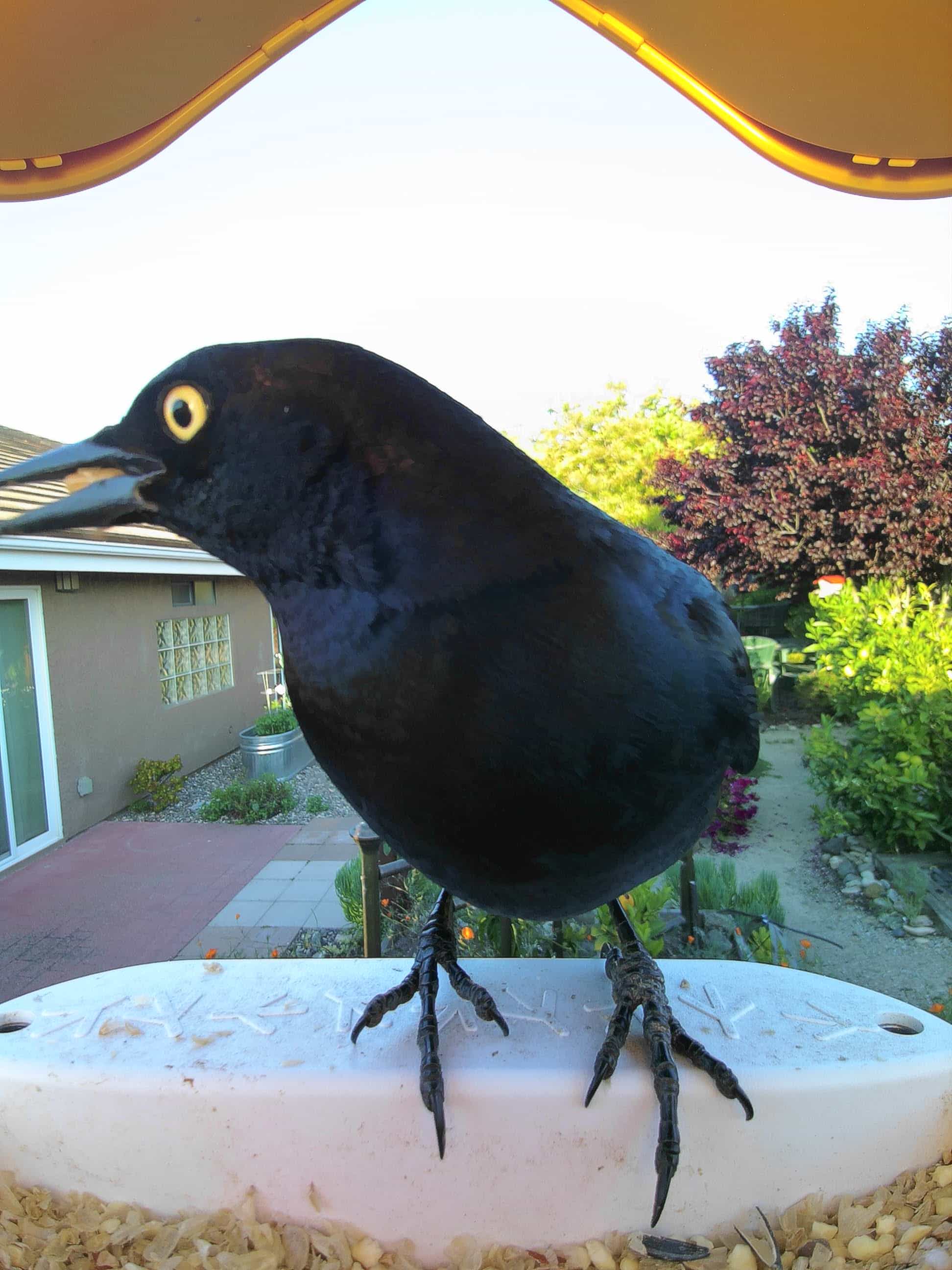


Great-Tailed Grackle
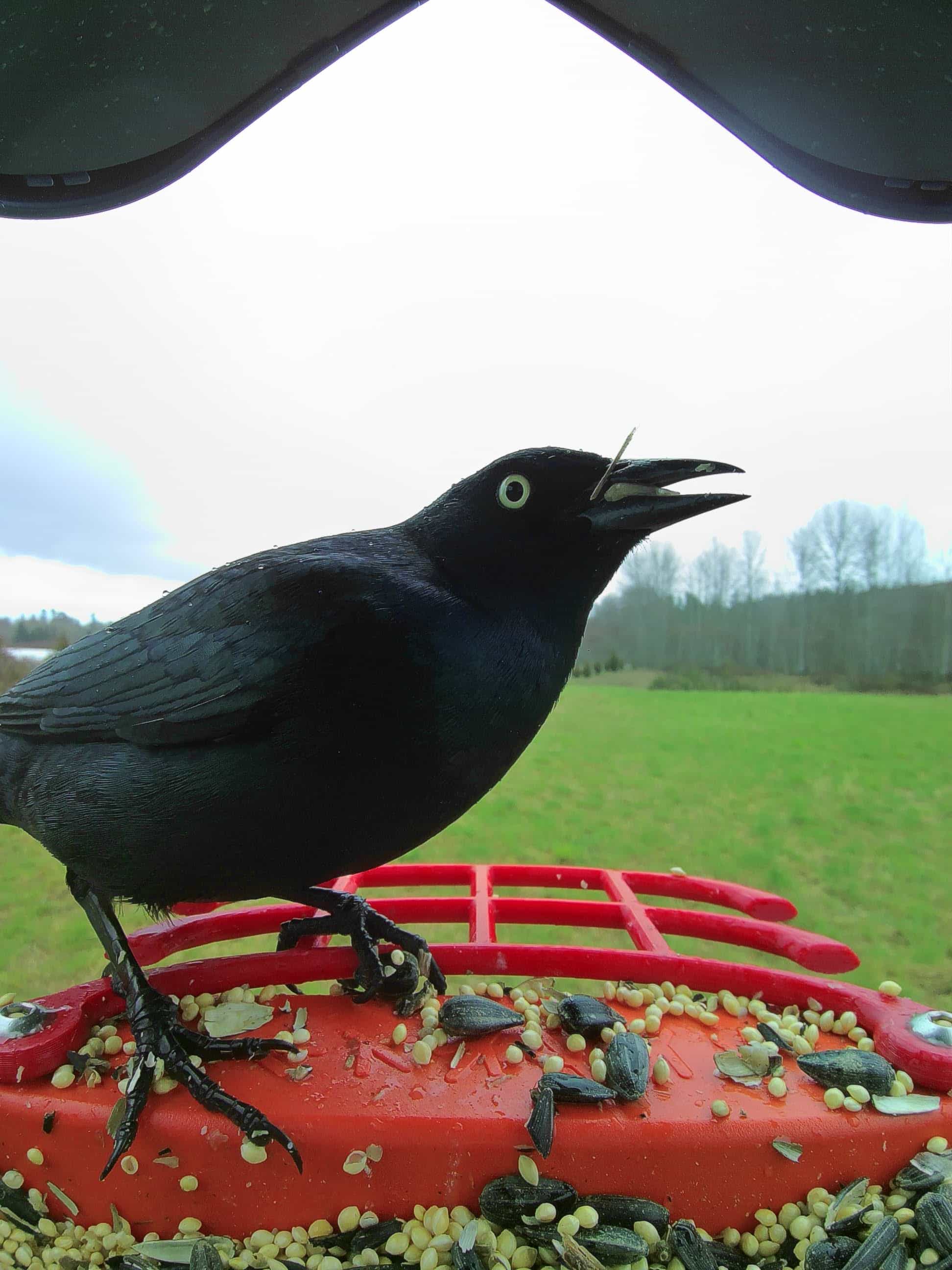


Brewer’s Blackbird
Great-Tailed Grackle
Quiscalus mexicanus
Also known as: Mexican Grackle
General appearance
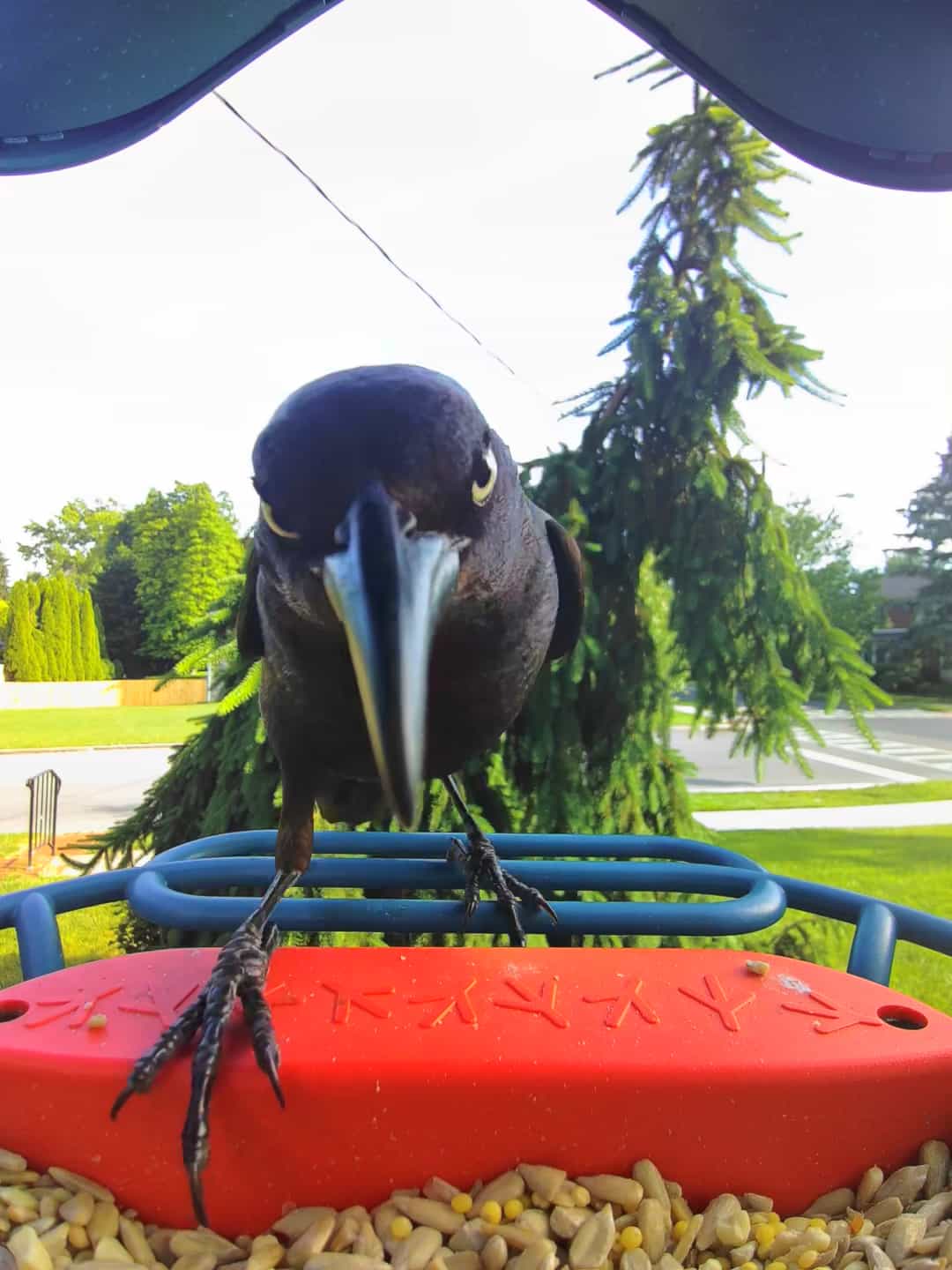
The great-tailed grackle is a large, lanky bird with long legs and an iridescent plumage. It has a distinct wedge-shaped tail and a strong, pointed bill. Its coloration ranges from glossy black to purplish-blue in good light, and it often emits loud, varied calls that echo in open areas.
Male vs female
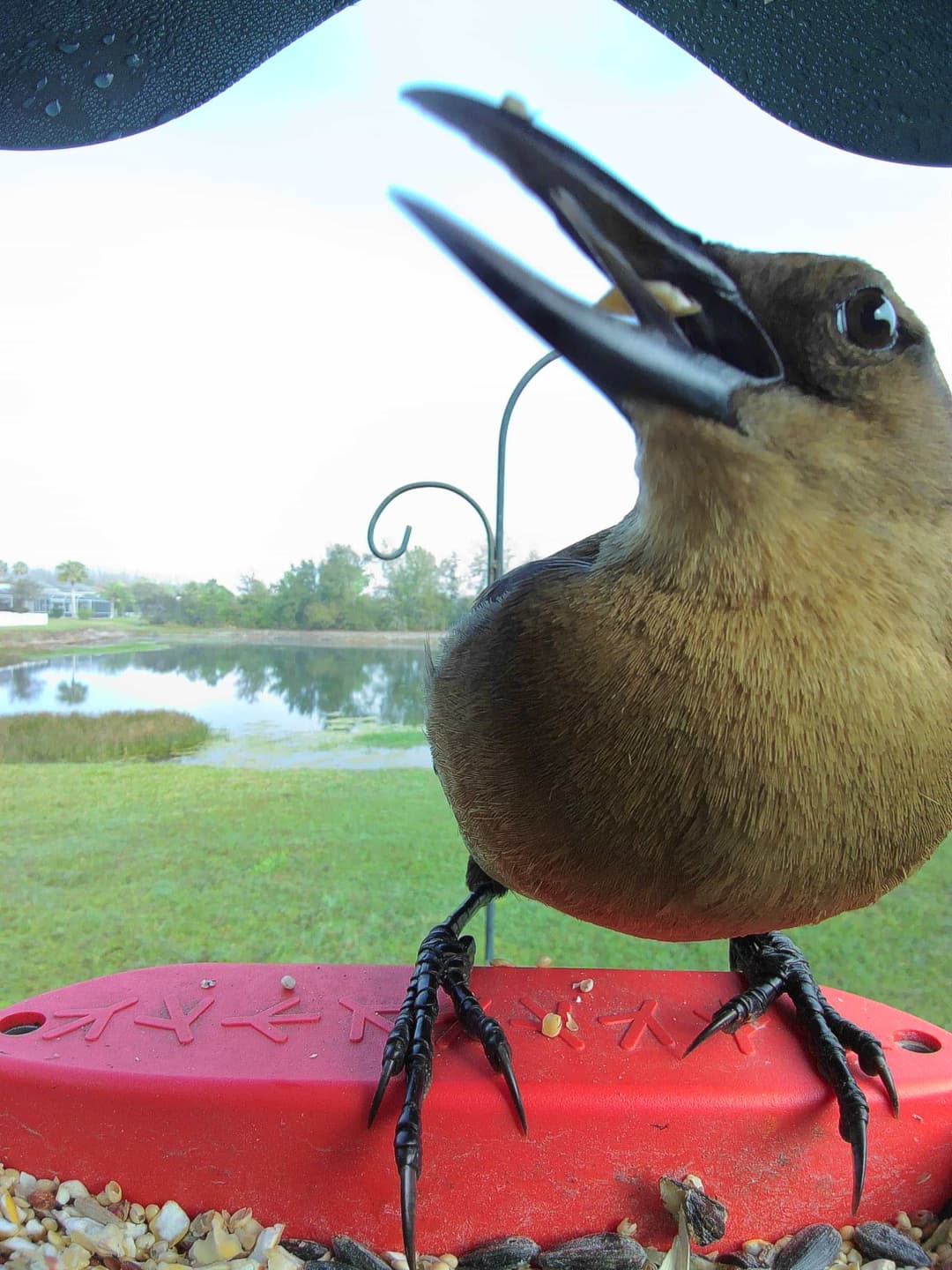
Males are larger with predominantly glossy black feathers and striking iridescence, mainly purplish-blue on the head and body. Females are smaller, predominantly brown, with lighter underparts and less iridescence. Males have longer tails which contribute to their distinctive silhouette.
Juvenile
Juvenile great-tailed grackles resemble adult females but have a more muted coloration and slightly shorter tails. As they mature, their plumage transitions to match their respective adult coloration, either glossy black for males or dark brown for females.
Size
15.0 - 18.1 in/4.1 - 9.3 oz
There's more to learn about Great-Tailed Grackle
View full detailsBrewer’s Blackbird
Euphagus cyanocephalus
General appearance
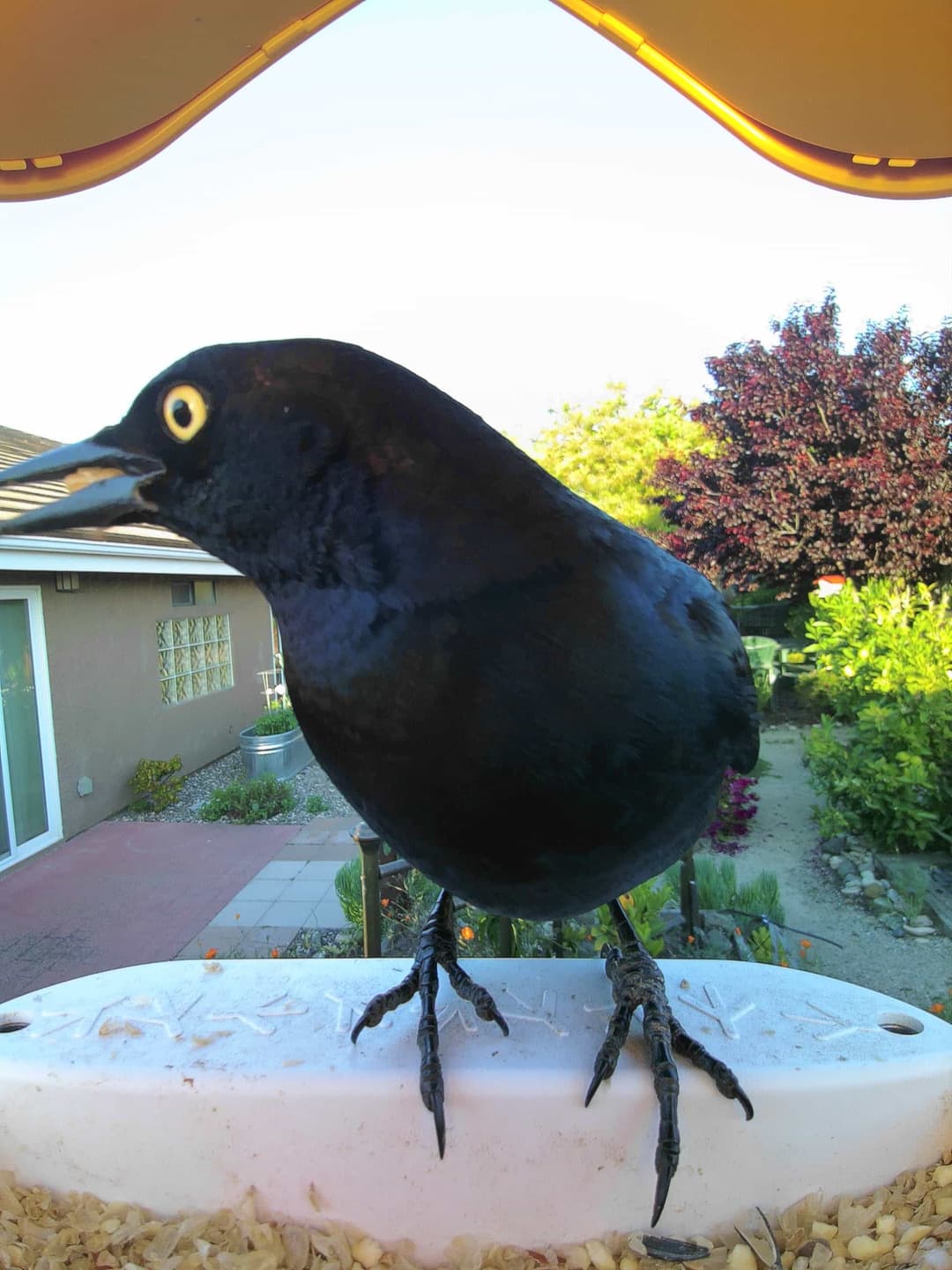
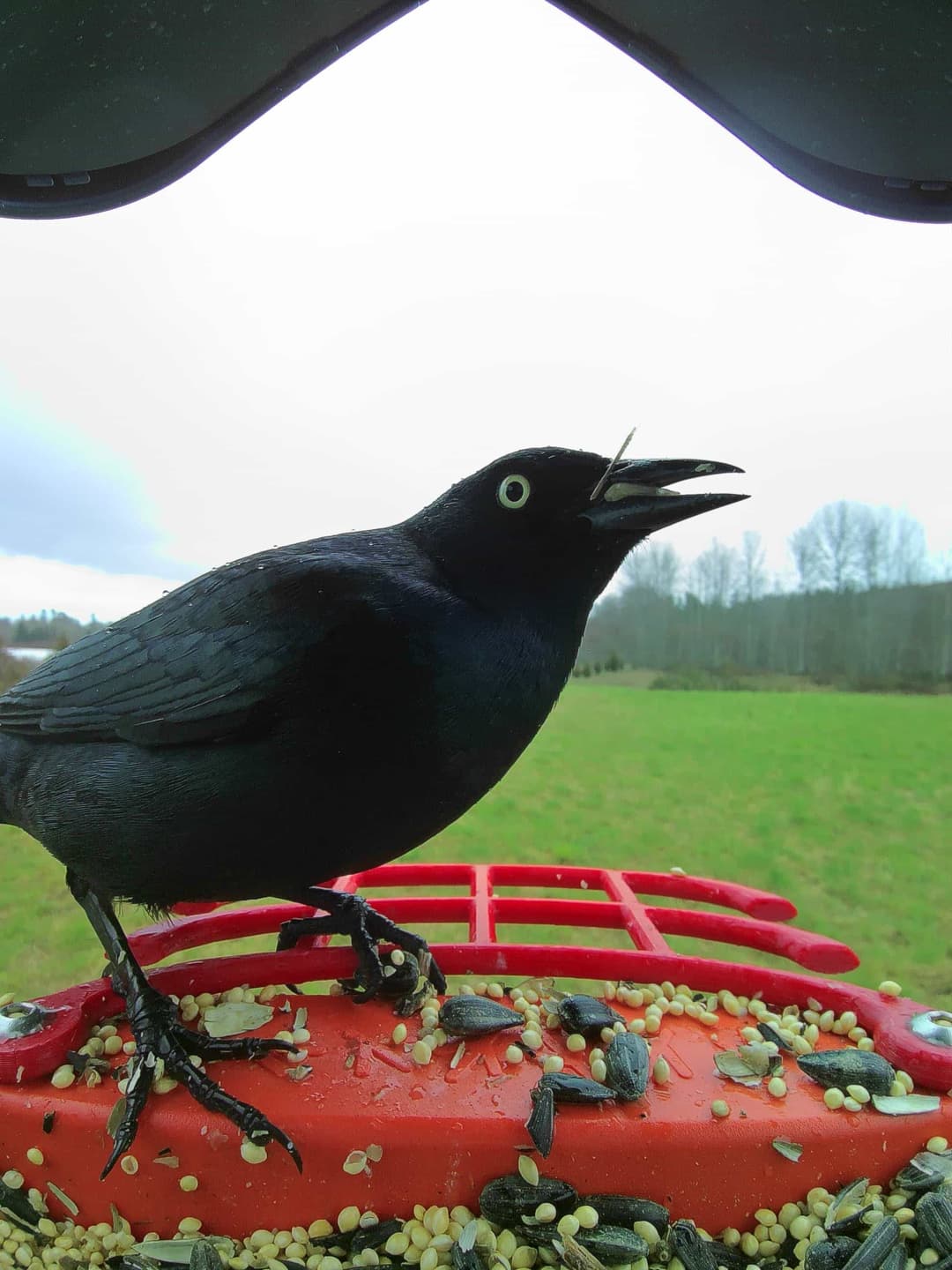
The Brewer’s blackbird is a medium-sized songbird with a slender body and a rounded head. It has a pointed bill and relatively long legs. The overall plumage is glossy with an iridescent sheen under certain lighting conditions, predominantly appearing black from a distance.
Male vs female
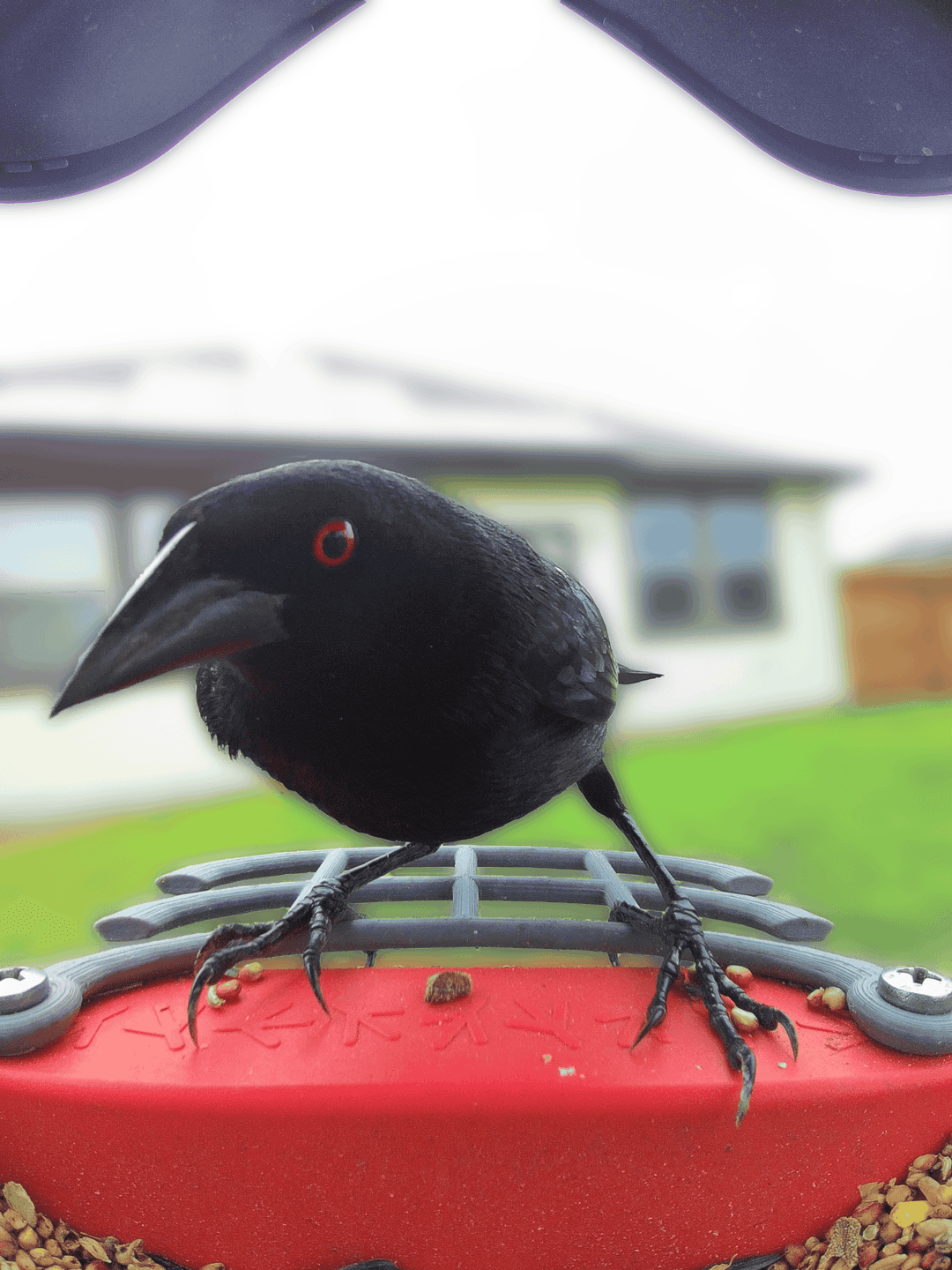
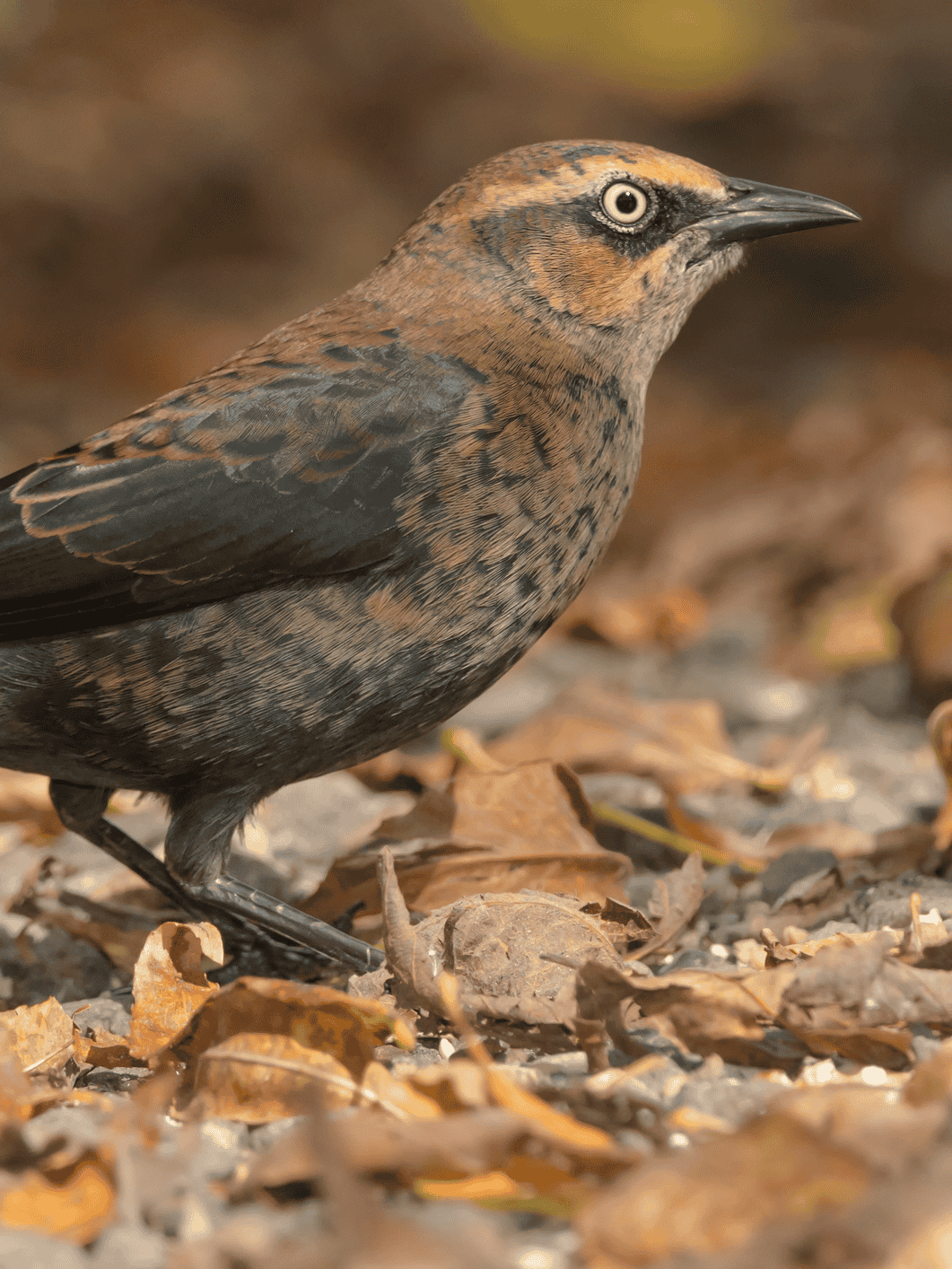
Male Brewer’s blackbirds are characterized by their glossy black overall color, with a purplish sheen on the head and greenish gloss on the body and wings. Females, however, display a more subdued appearance, with brownish-gray plumage, pale throat, and lack the iridescence that males exhibit. Their eyes are darker than those of males.
Juvenile
Juvenile Brewer’s blackbirds resemble females but are generally duller in tone. They have brownish feathers with a streaky appearance and lack the iridescence seen in adults. Unlike adults, their eyes are typically dark brown rather than the yellow seen in mature males.
Size
7.9 - 9.8 in/2.0 - 2.4 oz
There's more to learn about Brewer’s Blackbird
View full detailsHow to tell the Great-Tailed Grackle from the Brewer’s Blackbird
Visual differences
The Great-Tailed Grackle is larger (15-18 inches, 115-265g), with glossy black to purplish-blue iridescent plumage and a long, wedge-shaped tail. Its bill is strong and pointed. Males are larger with extensive iridescence, females brown with lighter underparts. In contrast, the Brewer's Blackbird is smaller (8-10 inches, 58-67g), males glossy black with purplish and greenish sheens, and females brown-gray with pale throats. Brewer's Blackbird has a slender body, rounded head, and lacks the Grackle's distinctive long tail.
Key differences and behavior
The Great-Tailed Grackle and Brewer's Blackbird exhibit distinct behaviors and habitats despite some overlap. Grackles are larger (15-18 inches) and extremely adaptable, thriving in urban, farmlands, and semi-open areas, often forming massive winter roosts. In contrast, Brewer's Blackbirds, smaller at 8-10 inches, prefer open fields and suburban spaces, nesting in smaller colonies. Both birds are omnivorous, but Great-Tailed Grackles show a broader diet including small vertebrates, whereas Brewer’s Blackbirds focus on insect control, beneficial for agriculture. During mating, grackle males are polygamous, displaying prominently, while Brewer's engage in mutual feeding and less showy courtship. They both adapt to human environments, but Great-Tailed Grackles are more aggressive in their nesting and feeding practices, frequently stealing materials and food.
Still not sure? Here are more lookalikes!
Great-Tailed Grackle vs Boat-Tailed Grackle
Great-Tailed Grackle vs Common Grackle
Brewer’s Blackbird vs Common Grackle
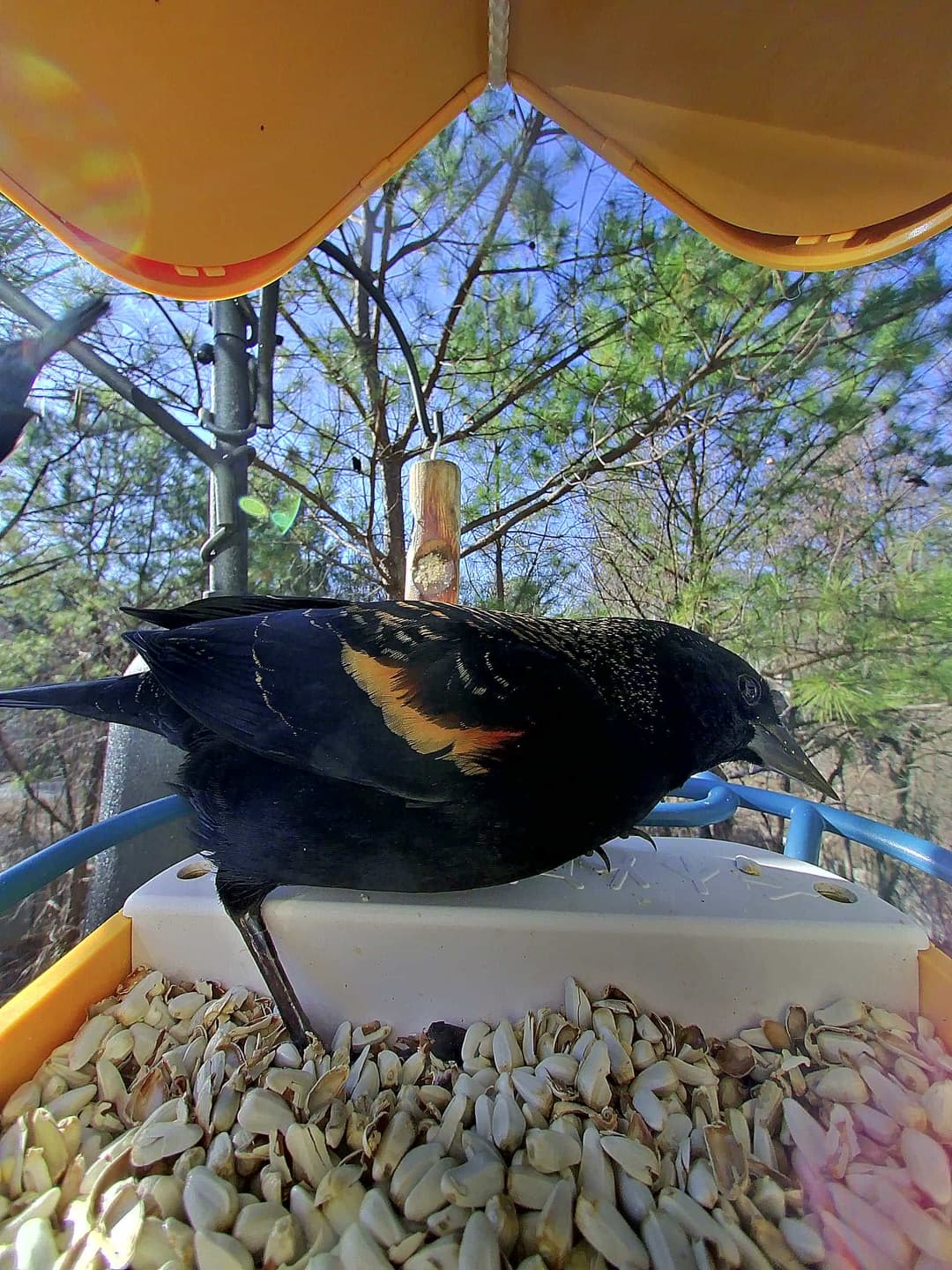
Brewer’s Blackbird vs Red-Winged Blackbird
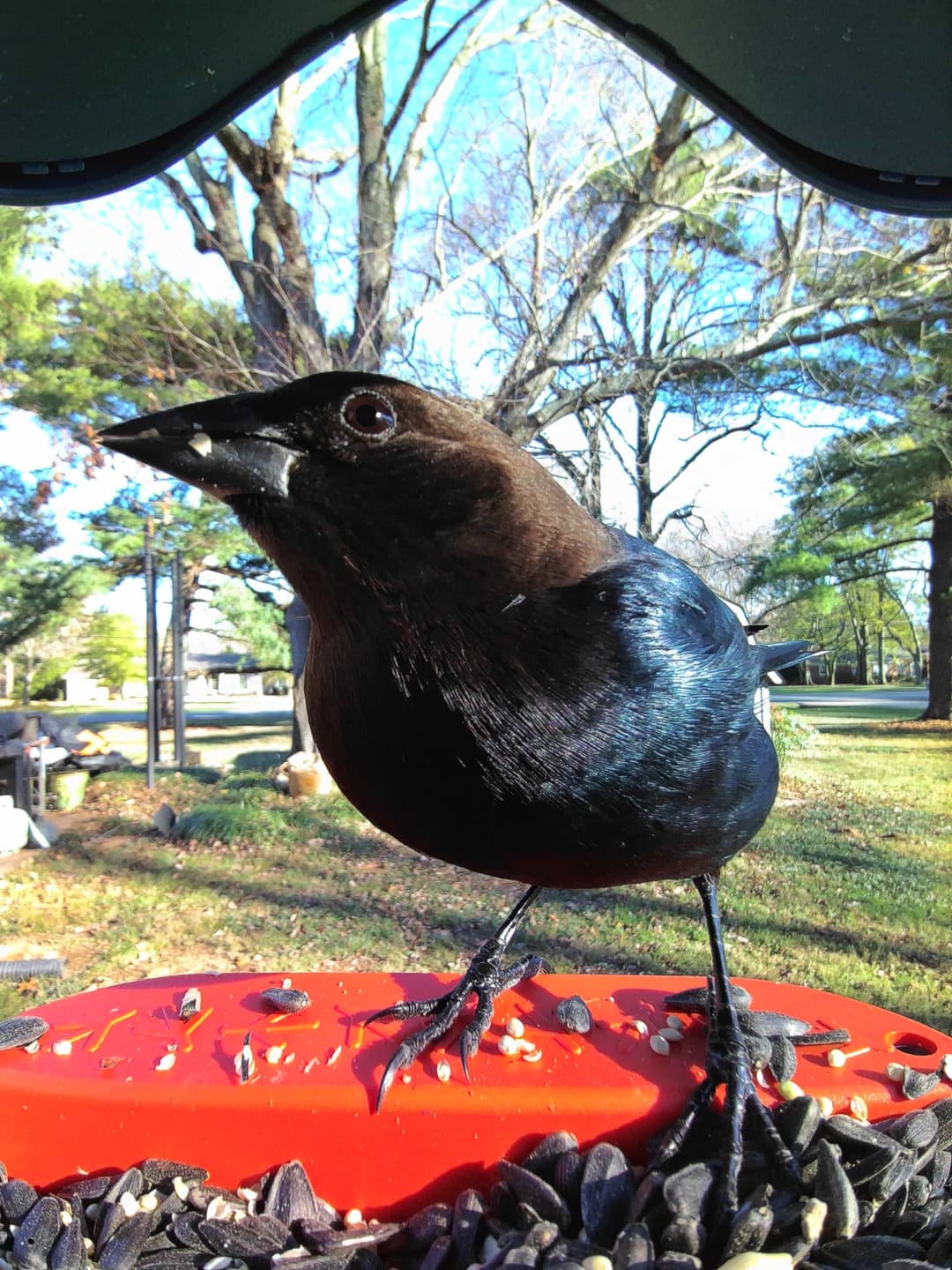
Brewer’s Blackbird vs Brown-Headed Cowbird
Great-Tailed Grackle vs [Select a bird]

[Select a bird]
Pick a bird to compare
Brewer’s Blackbird vs [Select a bird]
[Select a bird]
Pick a bird to compare