Red-Cockaded Woodpecker or Northern Flicker?
Here's how to tell the difference
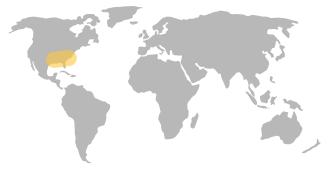
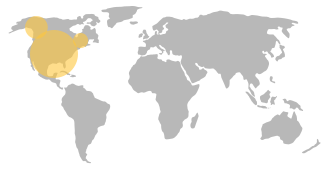
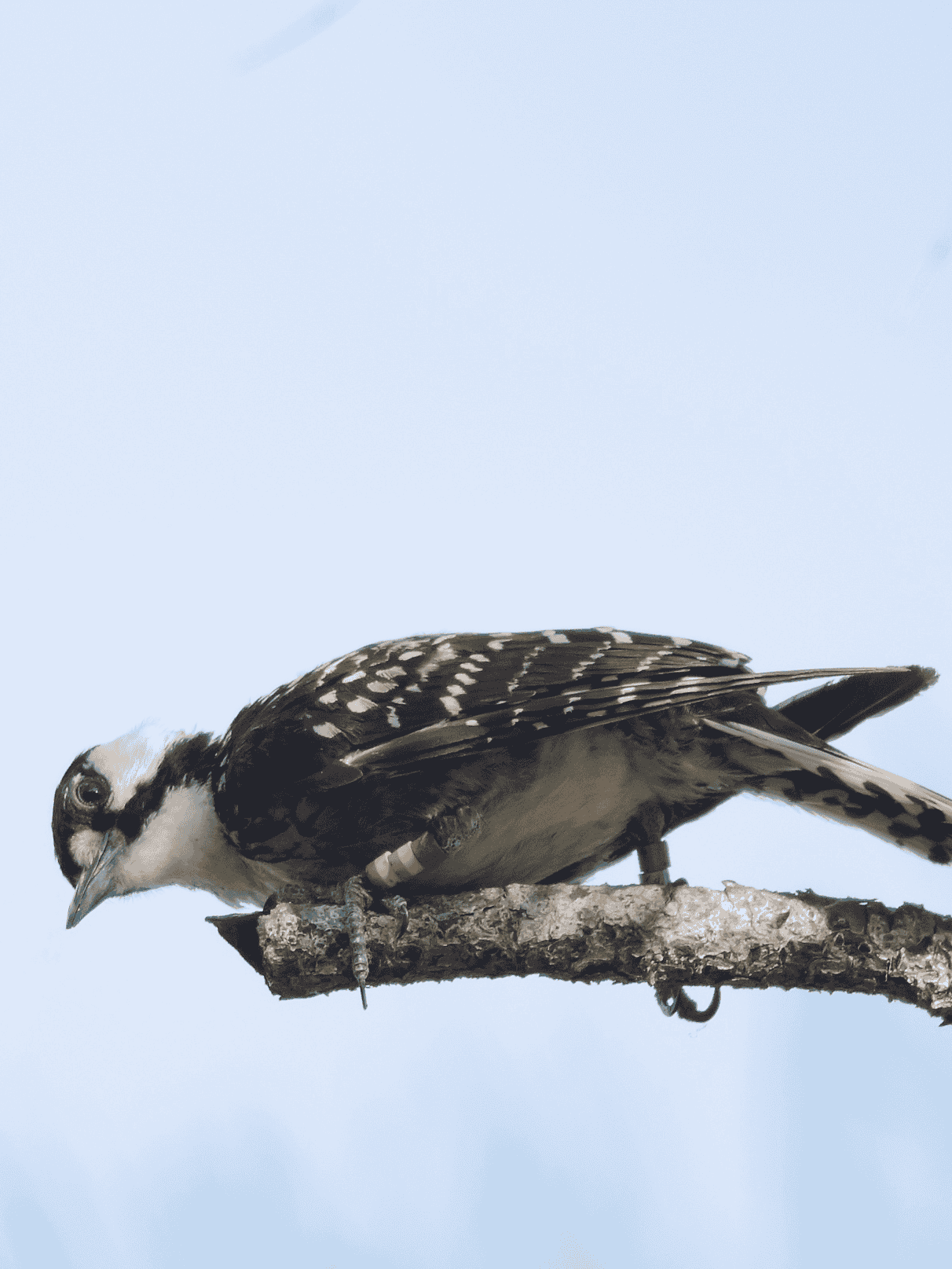
Red-Cockaded Woodpecker
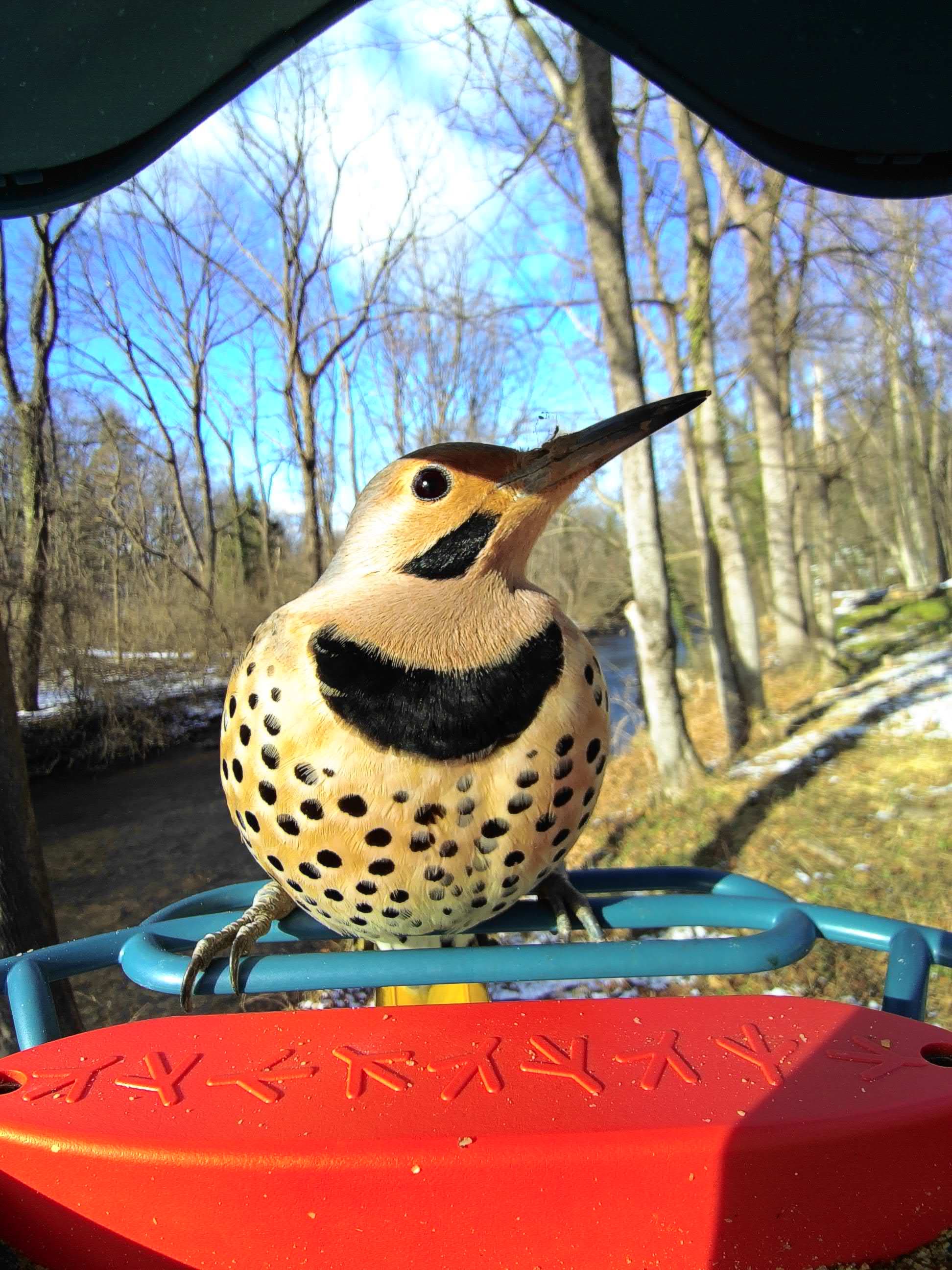


Northern Flicker
Red-Cockaded Woodpecker
Leuconotopicus borealis
General appearance
The red-cockaded woodpecker stands out for its black and white barred back, large white patches on the wings, and black cap. The bird has a unique pecking pattern, creating large, rectangular cavities in pine trees. Though it’s named for the tiny 'cockade' or red stripe found on males, this feature is often difficult to discern.
Male vs female
Both sexes of the red-cockaded woodpecker have similar coloration making them difficult to differentiate. However, mature males exhibit a small red line or 'cockade' on the sides of their black cap. This red streak is often not visible unless the bird is excited or agitated.
Juvenile
Juvenile red-cockaded woodpeckers look similar to adults but have a brownish cap instead of black. Their plumage is duller overall compared to adults' bright markings. Juveniles don't have the distinctive red cockade that males develop as they mature. Their appearance doesn't have seasonal variations.
Size
7.9 - 9.1 in/1.4 - 2.0 oz
There's more to learn about Red-Cockaded Woodpecker
View full detailsNorthern Flicker
Colaptes auratus
Also known as: Common Fllicker, Yellowhammer, Clape, Gaffer Woodpecker, Harry-Wicket, Heigh-Ho, Wake-Up, Walk-Up, Wick-Up, Yarrup, Gawker Bird
General appearance
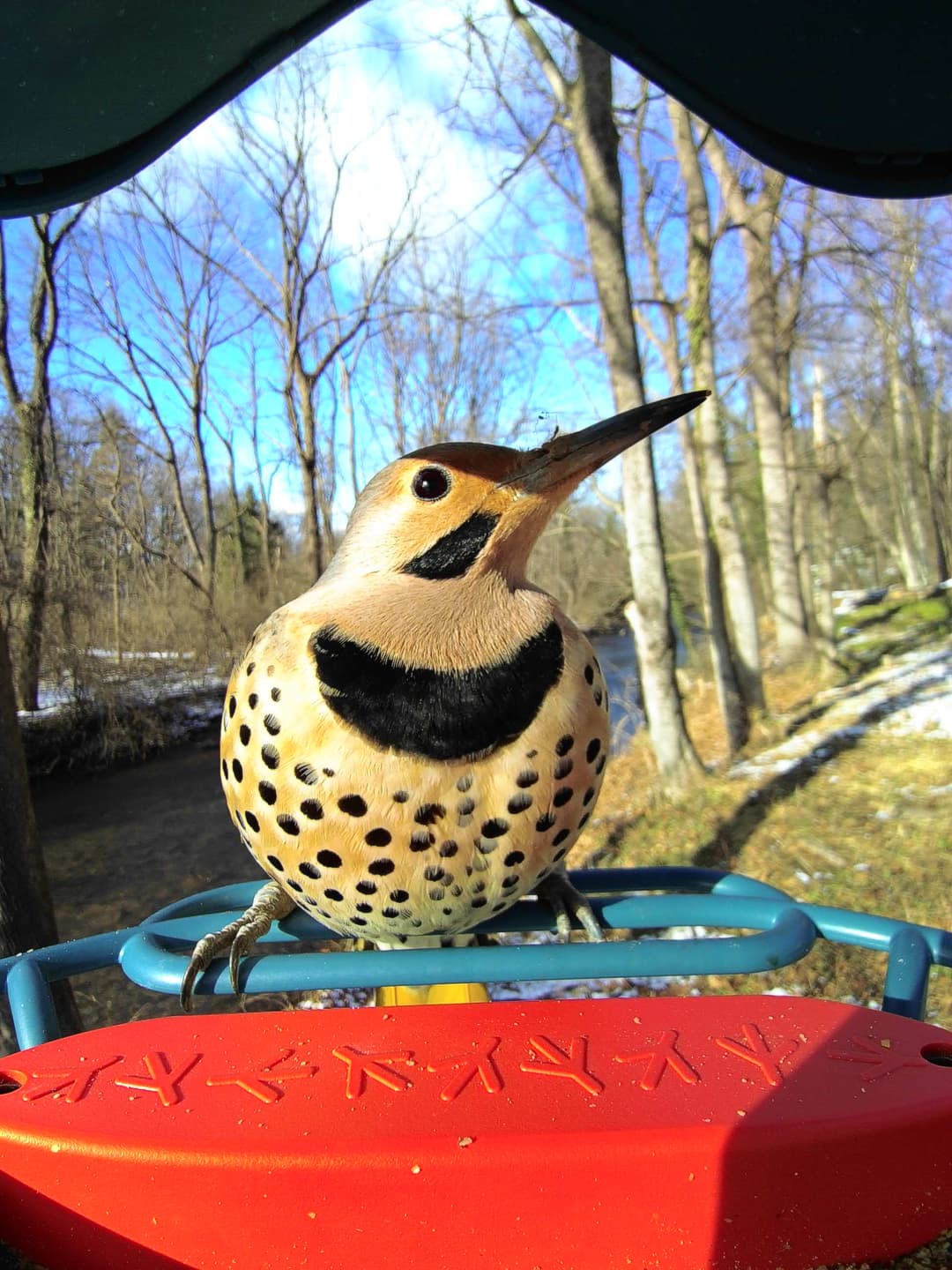
The northern flicker is roughly 12 inches in length with a brown back, black chest patch, and spots on the belly. Its wings are broad and rounded, with the tail shape being multi-pointed and wedge-shaped. One noteworthy characteristic is the difference between the 'Yellow-shafted' and 'Red-shafted' forms. The former, found in the East, has bright yellow under wings, a tail, a red crescent on the back of the head, a tan face, and a gray crown. The latter, found in the West, has salmon-pink under wings, a tail, a brown crown, and a gray face.
Male vs female
In both geographic forms, male northern flickers can be differentiated by their mustache stripe. Males of the Yellow-shafted form have a black mustache stripe, while those of the Red-shafted form have a red one. No specific distinctions for females are mentioned.
Juvenile
No specific information was provided distinguishing appearances between juvenile and adult northern flickers. Further information, perhaps on size, coloration, or any differing markings would be needed.
Size
11.0 - 12.2 in/3.9 - 6.3 oz
There's more to learn about Northern Flicker
View full detailsHow to tell the Red-Cockaded Woodpecker from the Northern Flicker
Visual differences
The Red-Cockaded Woodpecker is smaller, measuring 8-9 inches and weighing 1.4-2 ounces, with a black and white barred back, large white wing patches, and a subtle red cockade on mature males. In contrast, the Northern Flicker is larger at 11-12 inches and weighs 3.9-6.3 ounces, featuring a brown back, black chest patch, spotted belly, and colorful underwings—yellow or red depending on the form. The Flicker has distinct male mustache stripes, while the Red-Cockaded lacks notable sexual dimorphism. Both birds have distinct beak shapes typical of woodpeckers.
Key differences and behavior
The Red-Cockaded Woodpecker (RCW) and Northern Flicker (NF) exhibit distinct behaviors for field identification. RCWs are non-migratory, living in cooperative groups within mature pine forests, where they uniquely excavate living tree cavities for nesting. NFs, however, prefer open forests, woodlots, and semi-open areas, avoiding dense forests, and exhibit migratory behavior. RCWs primarily feed on insects found on pine trees and rarely visit feeders, whereas NFs frequently consume ants and berries, and are more likely to visit feeders for suet and nuts. In breeding, RCWs maintain year-round territories, nesting in clusters, while NFs engage in aggressive territorial displays and nest in tree cavities. Both species feed on insects, but RCWs focus on arthropods in tree bark, whereas NFs primarily consume ants on the ground. These ecological and behavioral distinctions help to differentiate these woodpeckers in their respective habitats.
Still not sure? Here are more lookalikes!
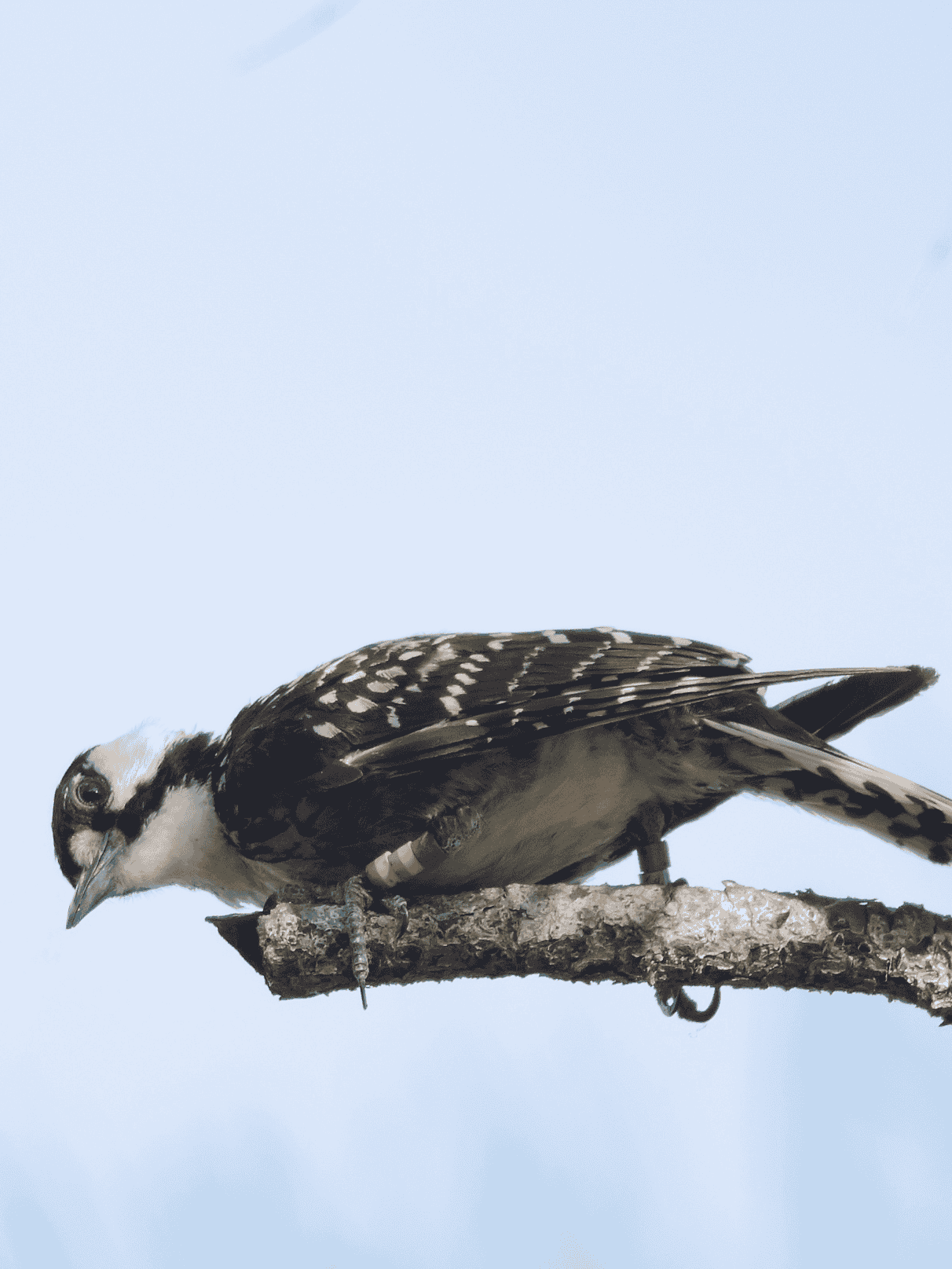
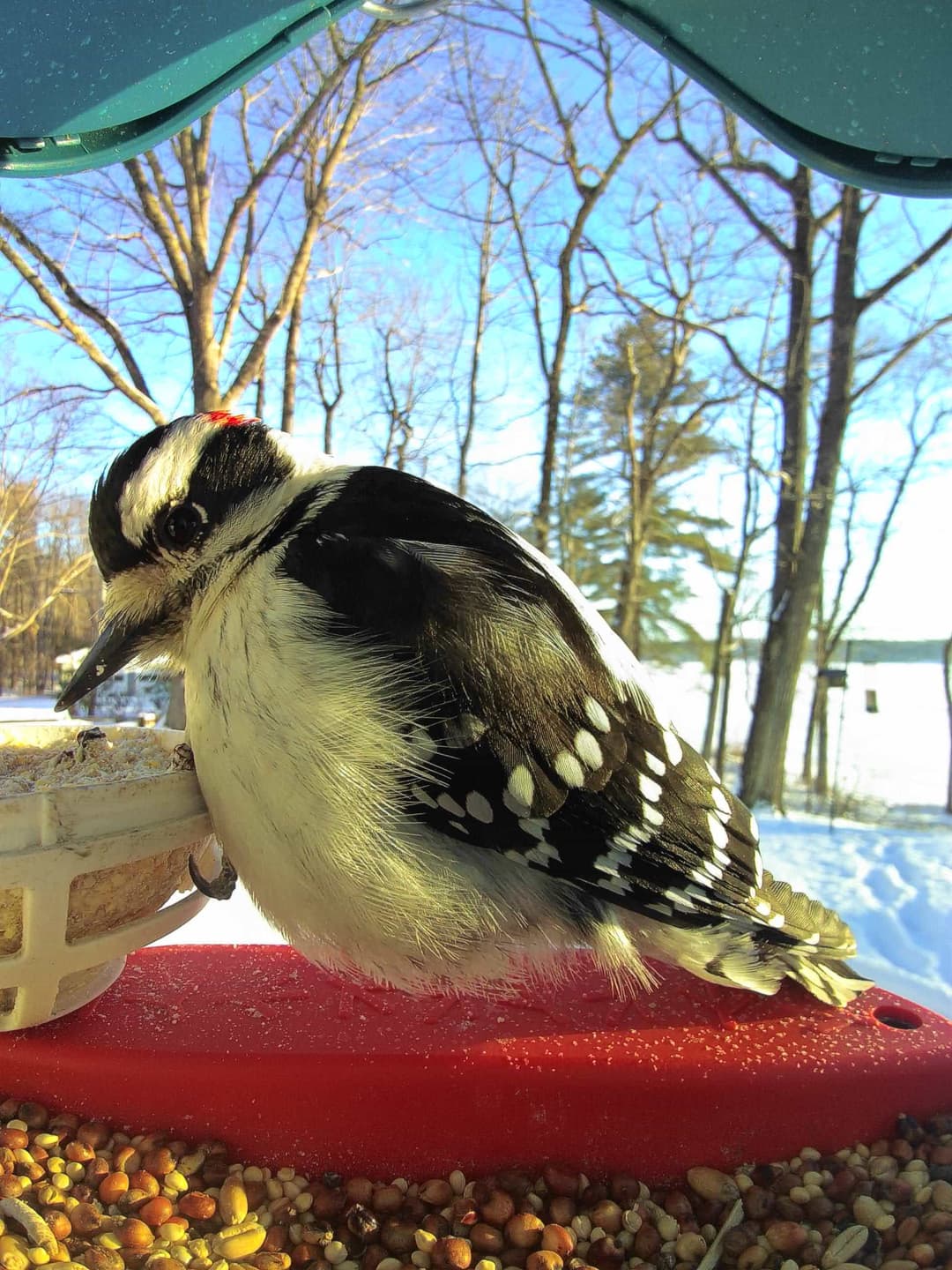
Red-Cockaded Woodpecker vs Downy Woodpecker
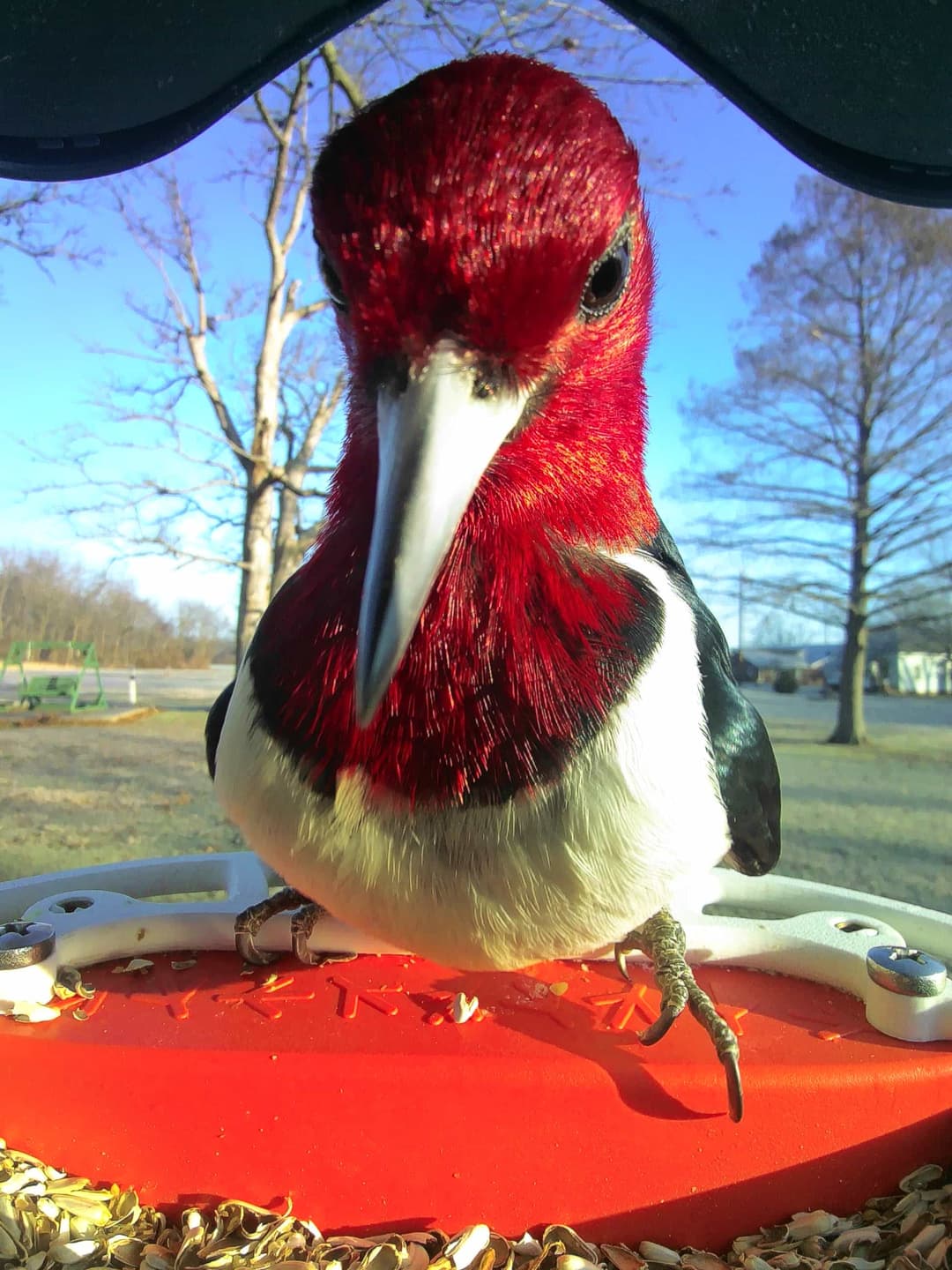
Red-Cockaded Woodpecker vs Red-Headed Woodpecker
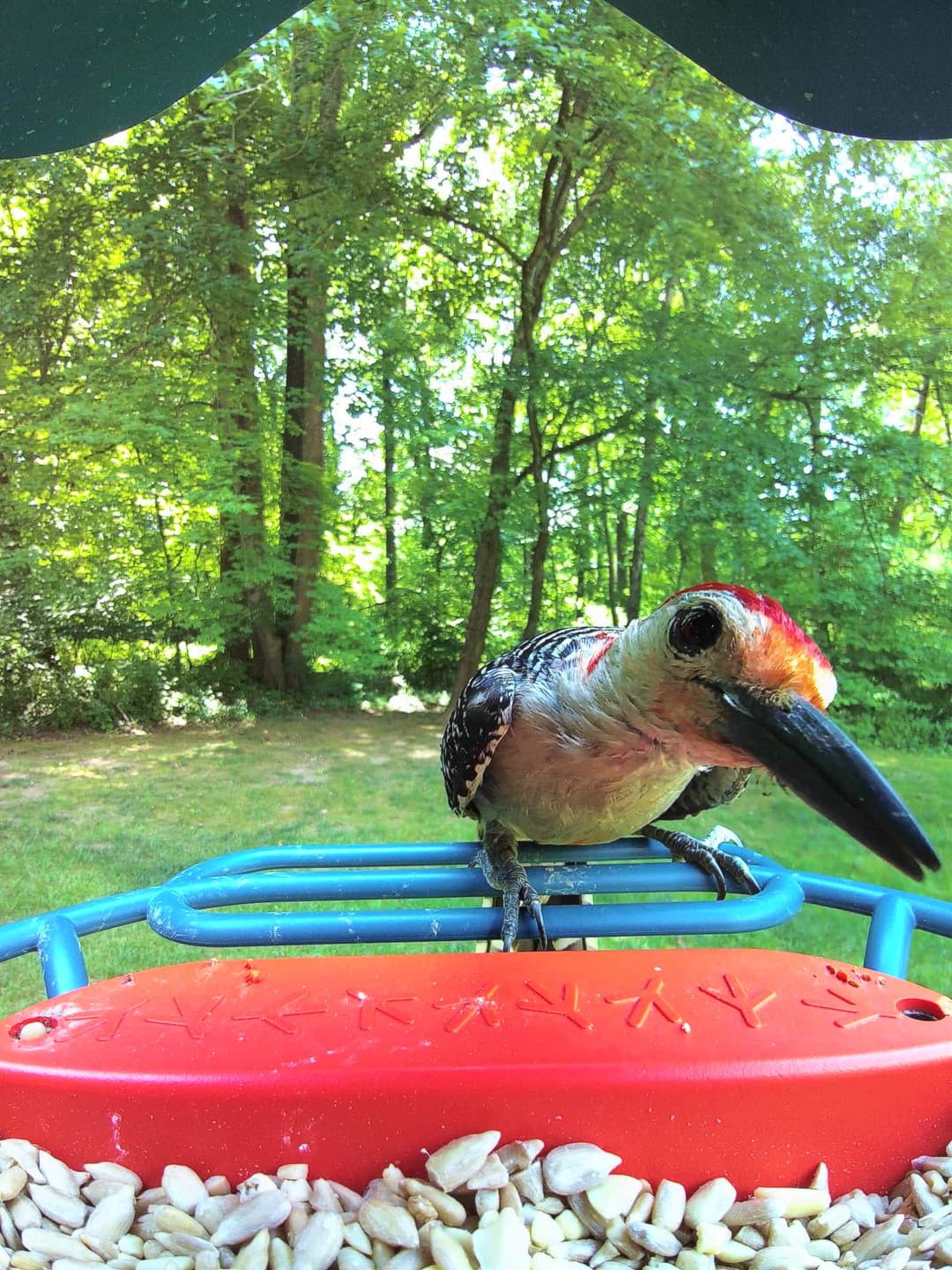
Red-Cockaded Woodpecker vs Red-Bellied Woodpecker
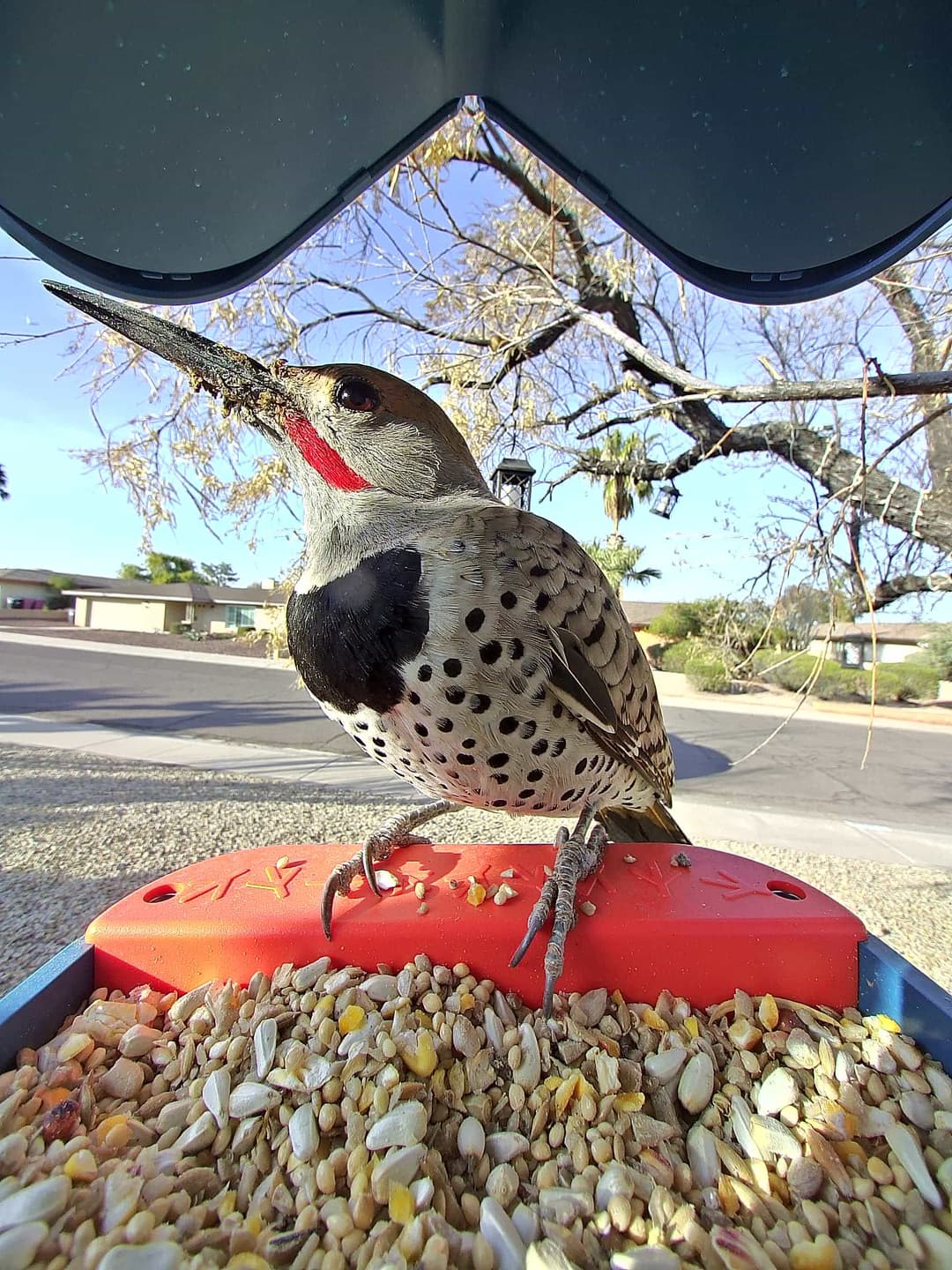
Northern Flicker vs Gilded Flicker
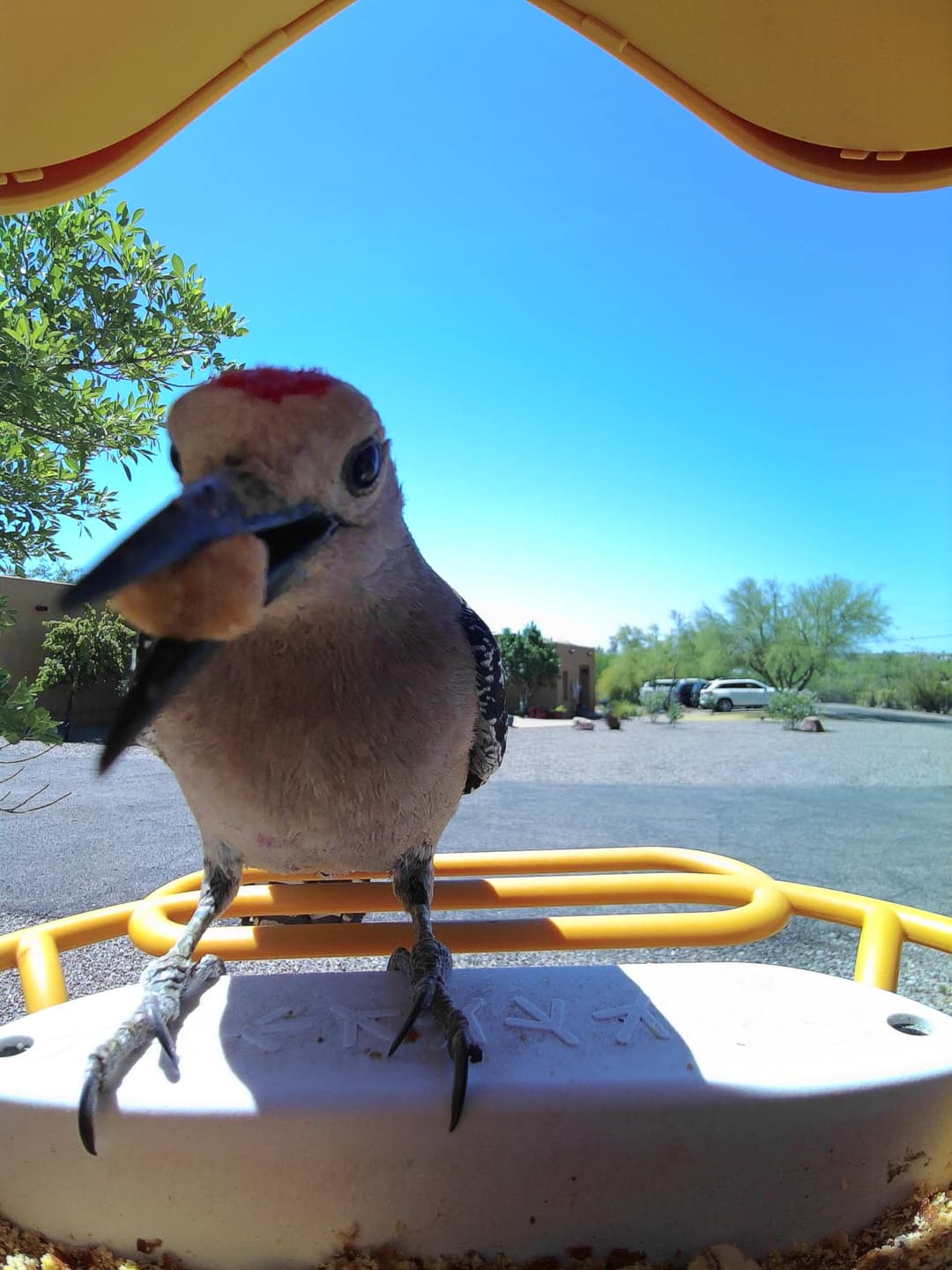
Northern Flicker vs Gila Woodpecker
Northern Flicker vs Red-Bellied Woodpecker
Red-Cockaded Woodpecker vs [Select a bird]

[Select a bird]
Pick a bird to compare
Northern Flicker vs [Select a bird]
[Select a bird]
Pick a bird to compare