Red-Cockaded Woodpecker or Red-Headed Woodpecker?
Here's how to tell the difference
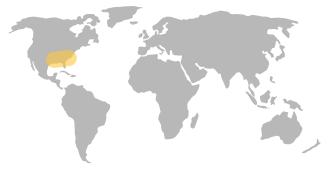
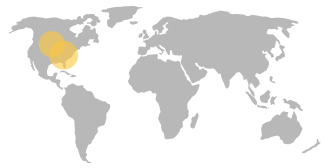
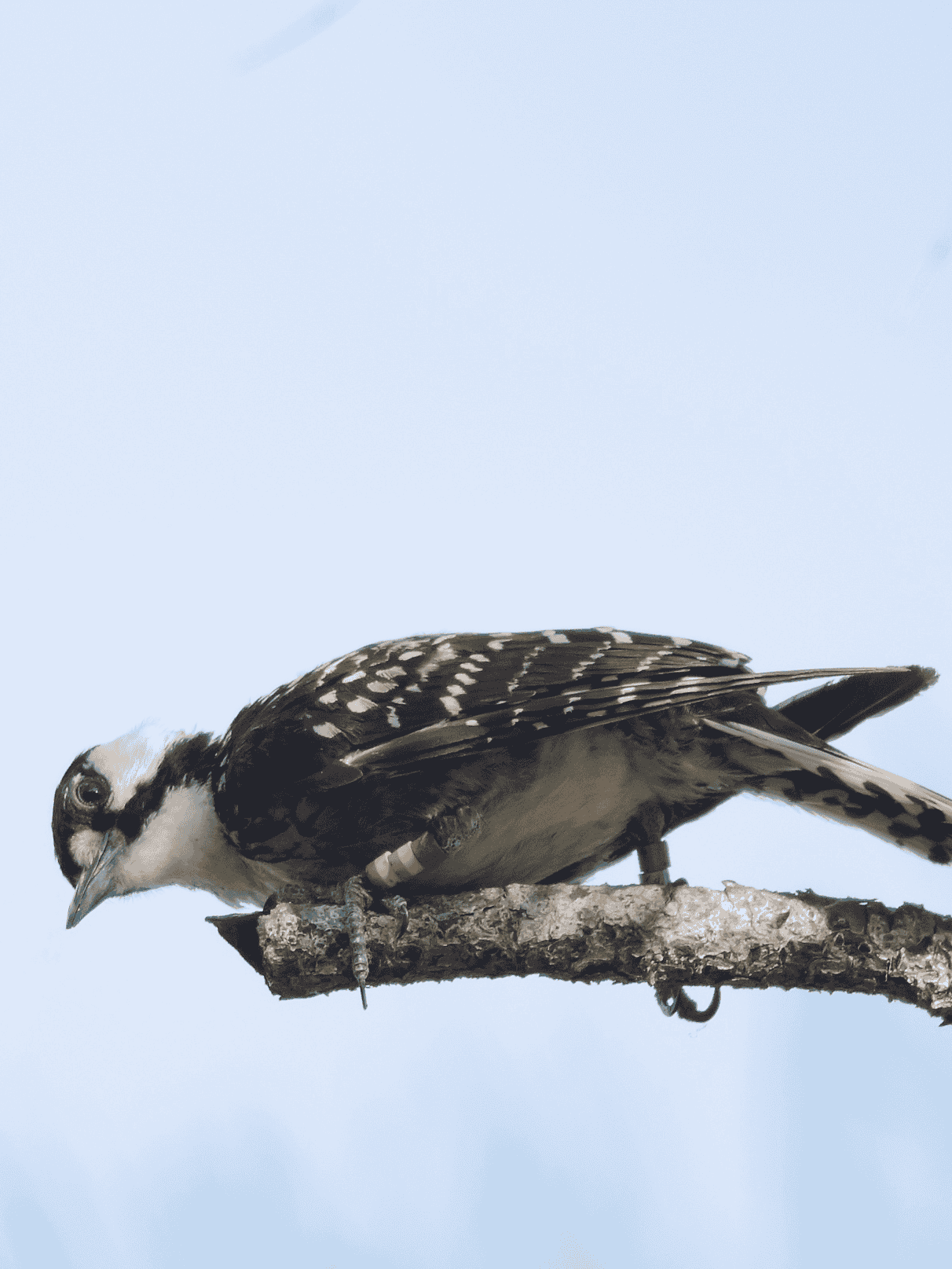
Red-Cockaded Woodpecker
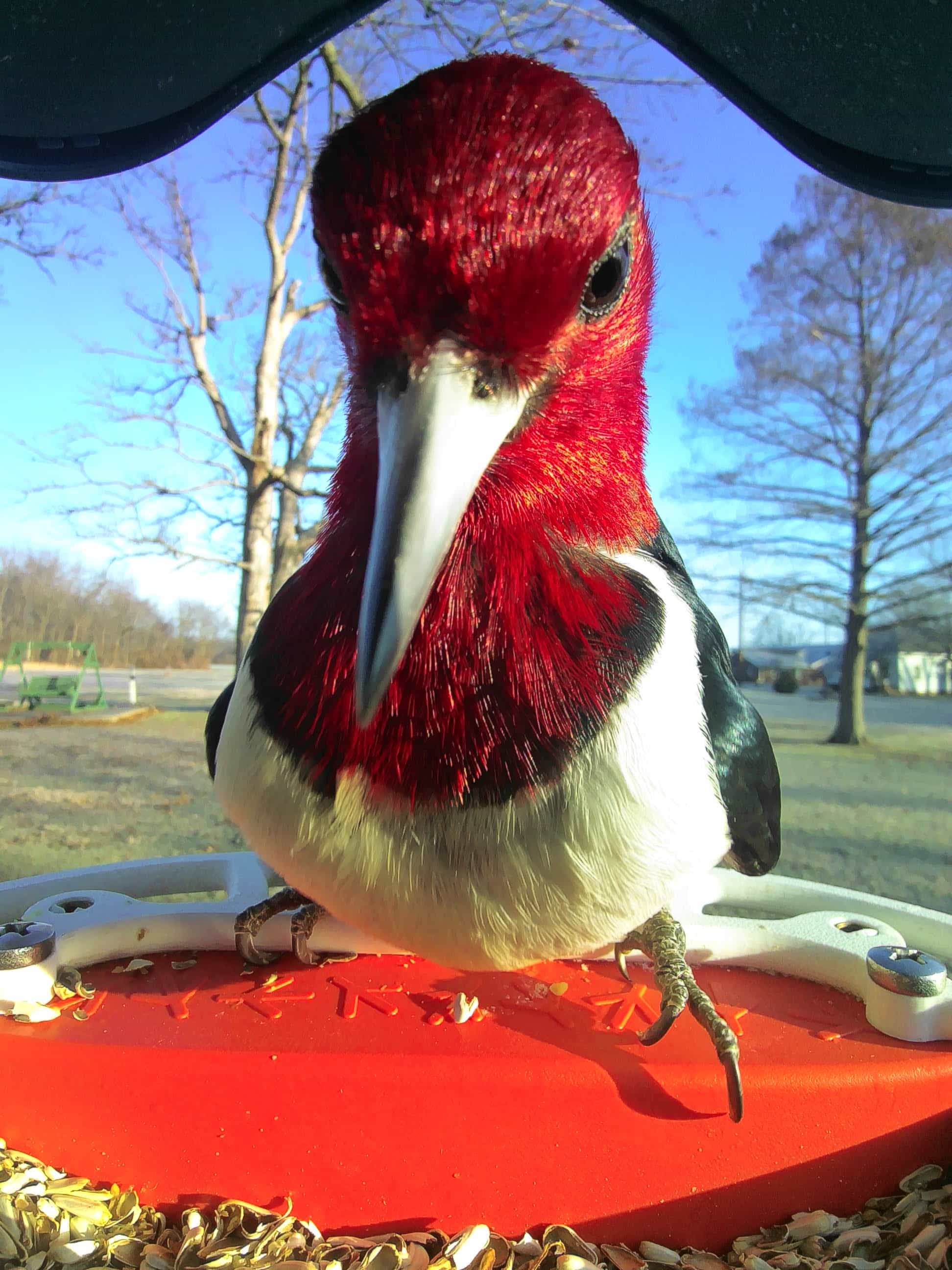


Red-Headed Woodpecker
Red-Cockaded Woodpecker
Leuconotopicus borealis
General appearance
The red-cockaded woodpecker stands out for its black and white barred back, large white patches on the wings, and black cap. The bird has a unique pecking pattern, creating large, rectangular cavities in pine trees. Though it’s named for the tiny 'cockade' or red stripe found on males, this feature is often difficult to discern.
Male vs female
Both sexes of the red-cockaded woodpecker have similar coloration making them difficult to differentiate. However, mature males exhibit a small red line or 'cockade' on the sides of their black cap. This red streak is often not visible unless the bird is excited or agitated.
Juvenile
Juvenile red-cockaded woodpeckers look similar to adults but have a brownish cap instead of black. Their plumage is duller overall compared to adults' bright markings. Juveniles don't have the distinctive red cockade that males develop as they mature. Their appearance doesn't have seasonal variations.
Size
7.9 - 9.1 in/1.4 - 2.0 oz
There's more to learn about Red-Cockaded Woodpecker
View full detailsRed-Headed Woodpecker
Melanerpes erythrocephalus
General appearance
The red-headed woodpecker stands at about 10 inches (25 cm) tall, roughly the size of a Robin. Its coloring is striking, with a solid pattern of black, white, and red. Its wing shape is broad and rounded, and it has a multi-pointed, wedge-shaped tail. Large white patches on the wings are key identifiers.
Male vs female
There is no significant difference in the coloration and physical traits between male and female red-headed woodpeckers. Both genders boast the same pattern of black, red, and white, as well as the noteworthy white wing patches.
Juvenile
Distinguishing juvenile red-headed woodpeckers from adults is fairly manageable. Young birds sport a brown head, in contrast to the vivid red of the adults. Their white wing patches are streaked with dark bars. As they approach their first winter, the brown on their head gradually gives way to red.
Size
7.6 - 9.3 in/2.0 - 3.2 oz
There's more to learn about Red-Headed Woodpecker
View full detailsHow to tell the Red-Cockaded Woodpecker from the Red-Headed Woodpecker
Visual differences
The Red-Cockaded Woodpecker (approx. 8 inches, 1.4-2 oz) features a black and white barred back, a black cap, and large white wing patches. Rarely visible, males have a small red line on the sides of their black cap. The Red-Headed Woodpecker (10 inches, 2-3.2 oz) displays a striking solid red head, black back, large white wing patches, and a wedge-shaped tail. Both sexes are visually similar in each species, though juvenile red-heads have brown heads. The notable difference lies in the Red-Headed's vivid red head and slightly larger size.
Key differences and behavior
The Red-Cockaded Woodpecker (RCW) and the Red-Headed Woodpecker (RHW) exhibit distinct behavioral differences. RCWs are non-migratory and primarily inhabit older pine forests in the Southeast USA, whereas RHWs prefer open areas and can shift habitats based on food availability, especially during winter. RCWs are cooperative breeders, nesting in living pines in groups, while RHWs are solitary nesters in dead tree cavities. Diet-wise, RCWs focus on insects, occasionally consuming fruits, whereas RHWs are highly omnivorous, even storing food and eating small animals and eggs. Both species participate in territorial displays, but RCWs rely more on subtle vocalizations, contrasting with the RHWs' aggressive nest defense. RCWs are generally smaller, weighing 1.4-2 oz, while RHWs weigh 2-3.2 oz.
Still not sure? Here are more lookalikes!
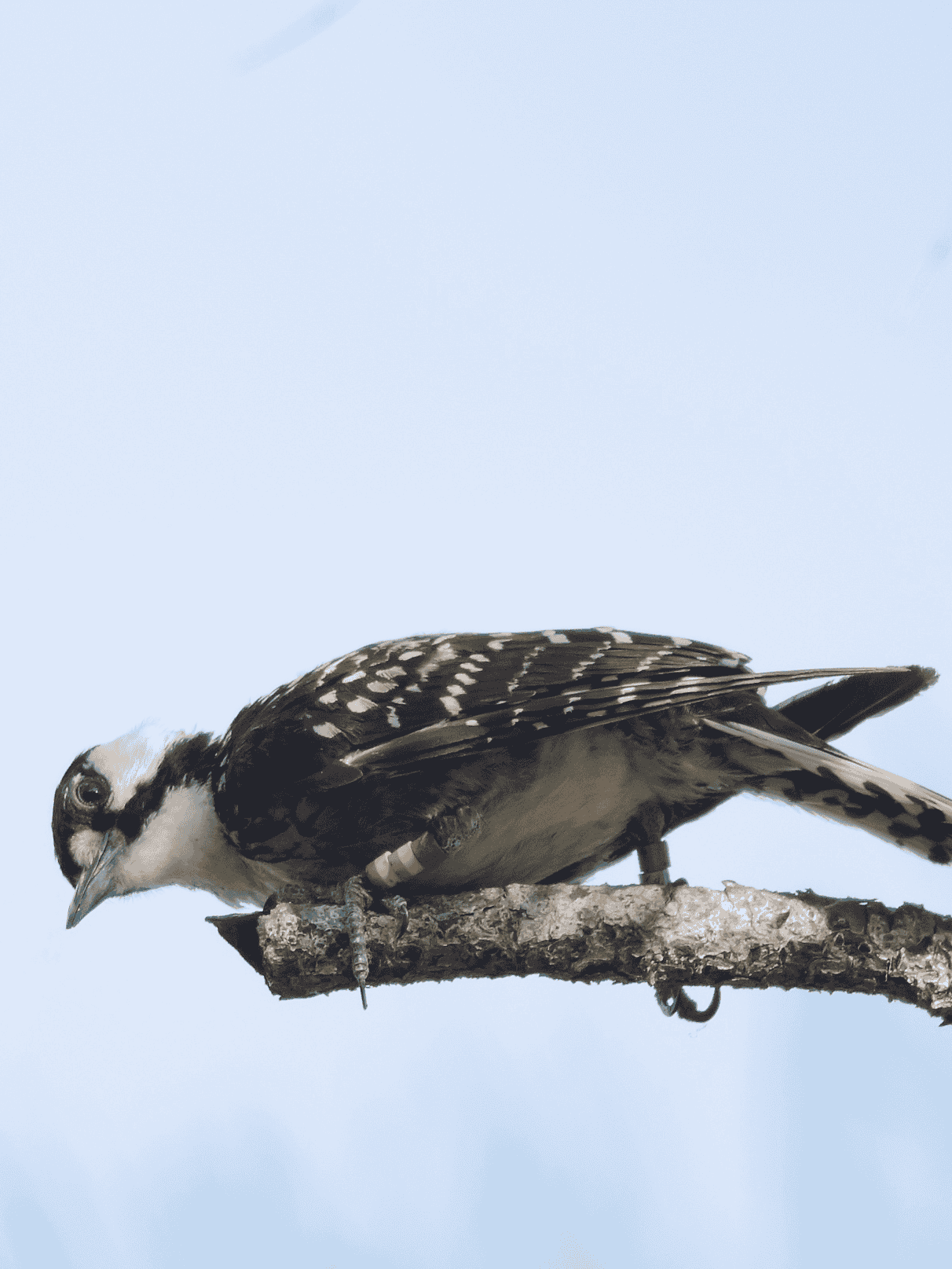
Red-Cockaded Woodpecker vs Downy Woodpecker
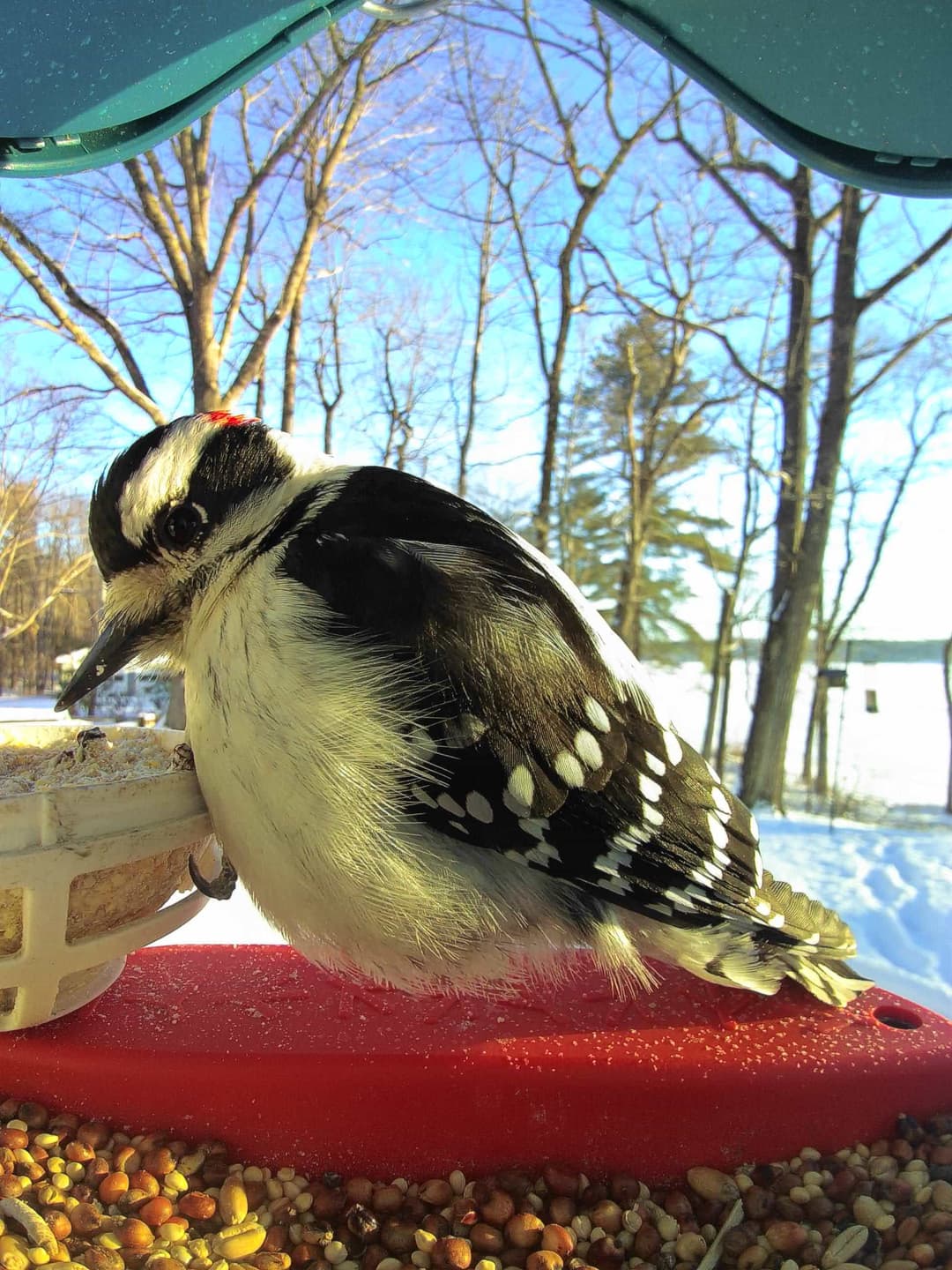
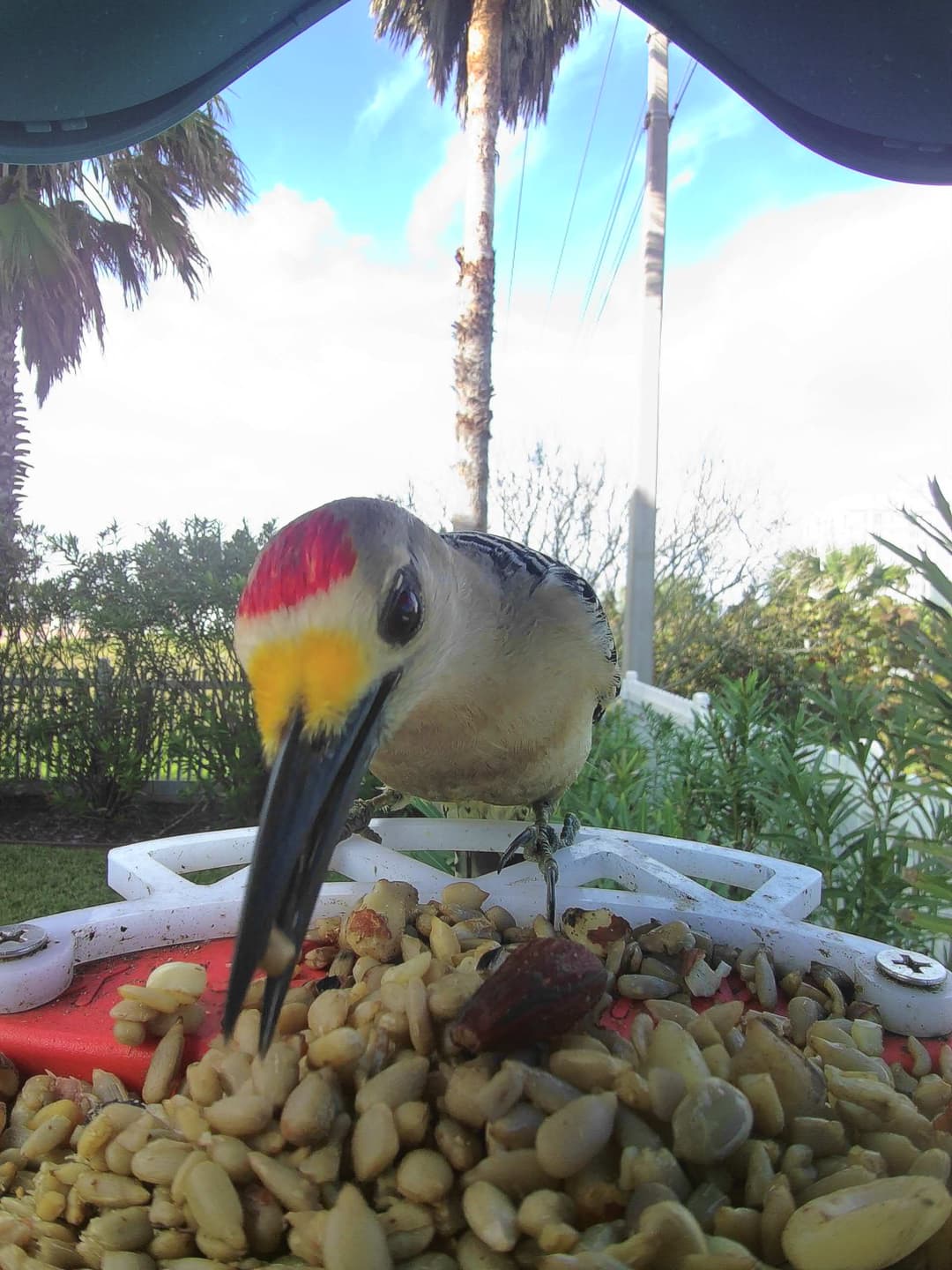
Red-Cockaded Woodpecker vs Red-Bellied Woodpecker
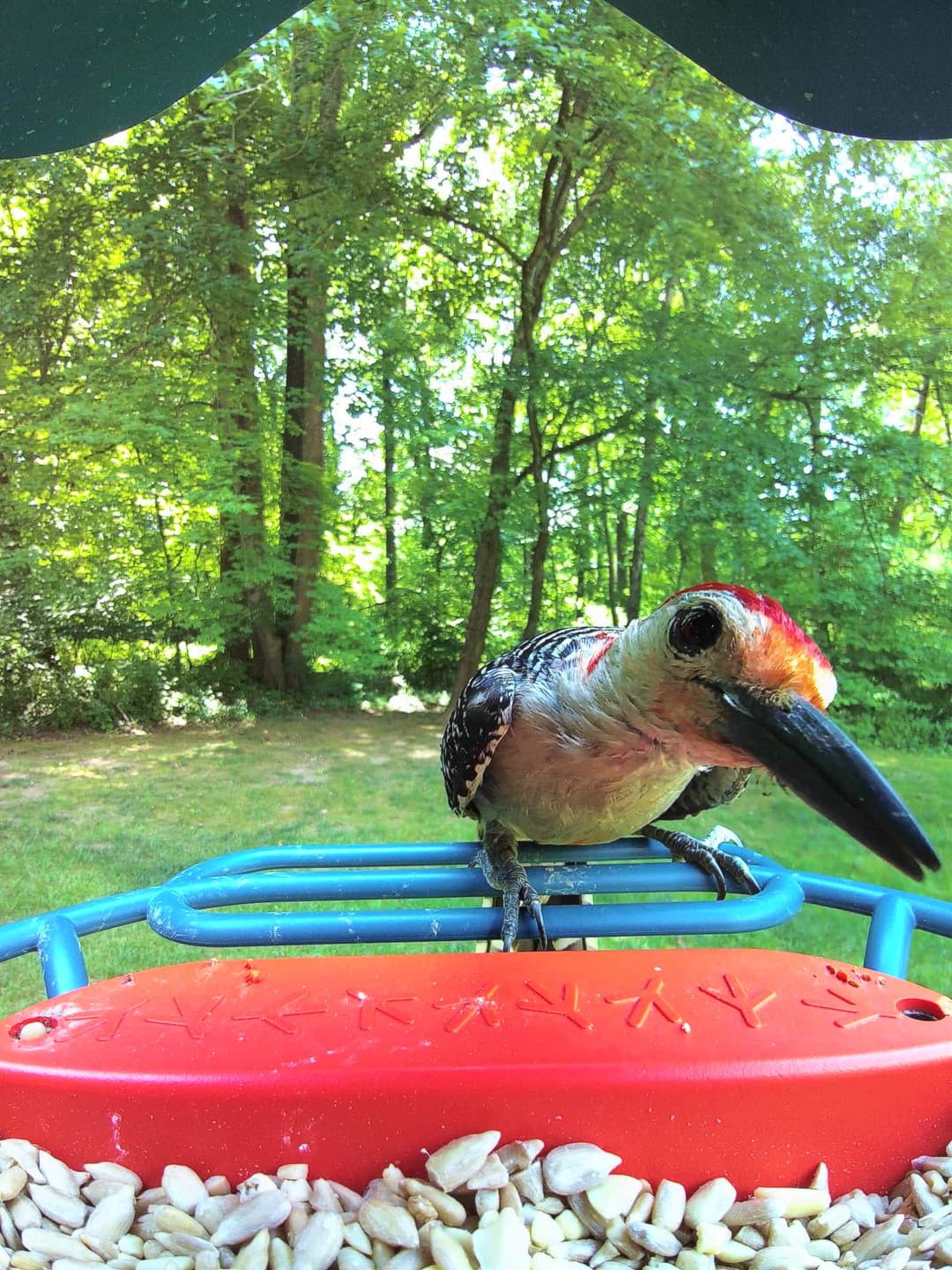
Red-Cockaded Woodpecker vs Northern Flicker
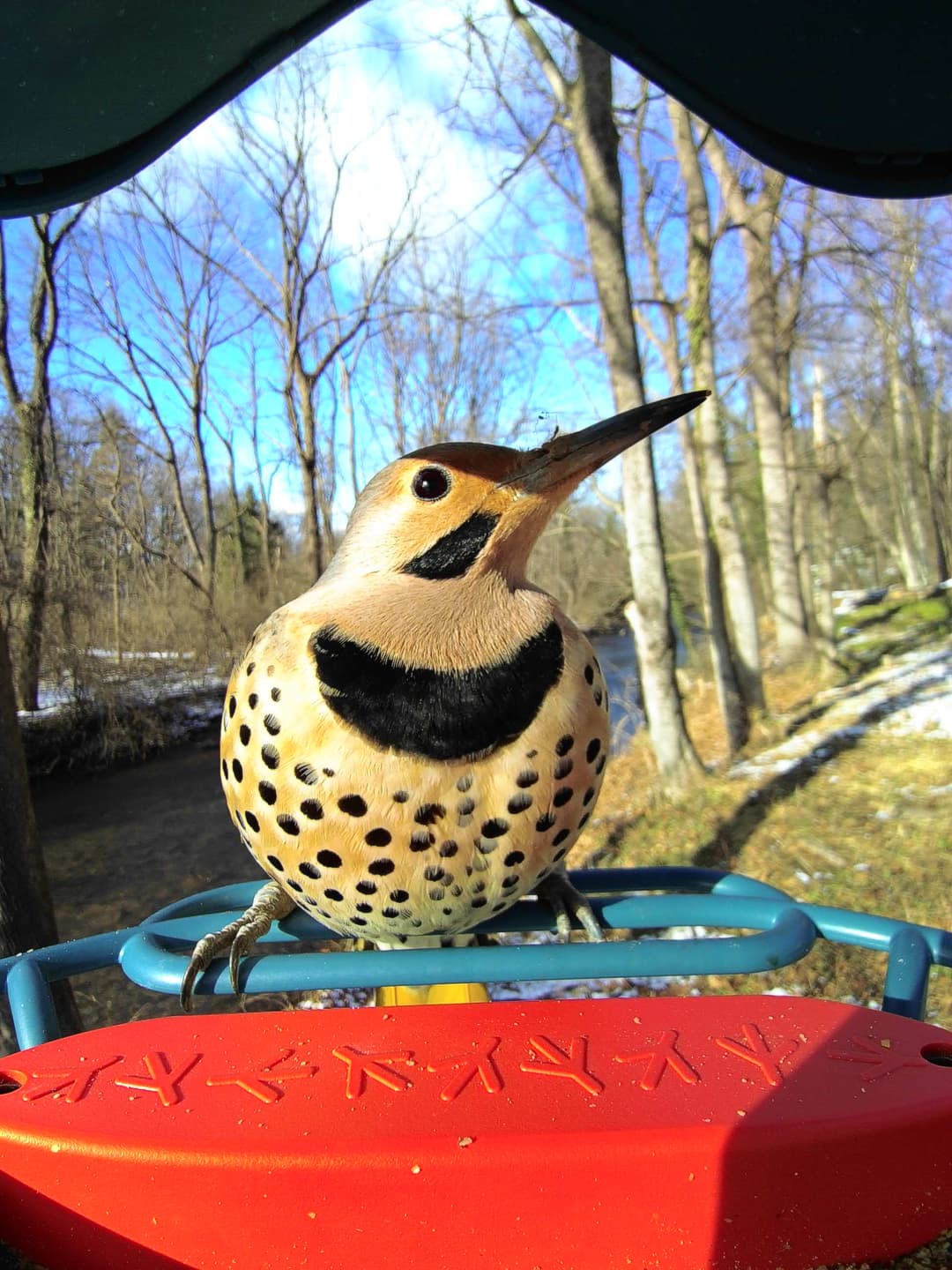
Red-Headed Woodpecker vs Red-Bellied Woodpecker
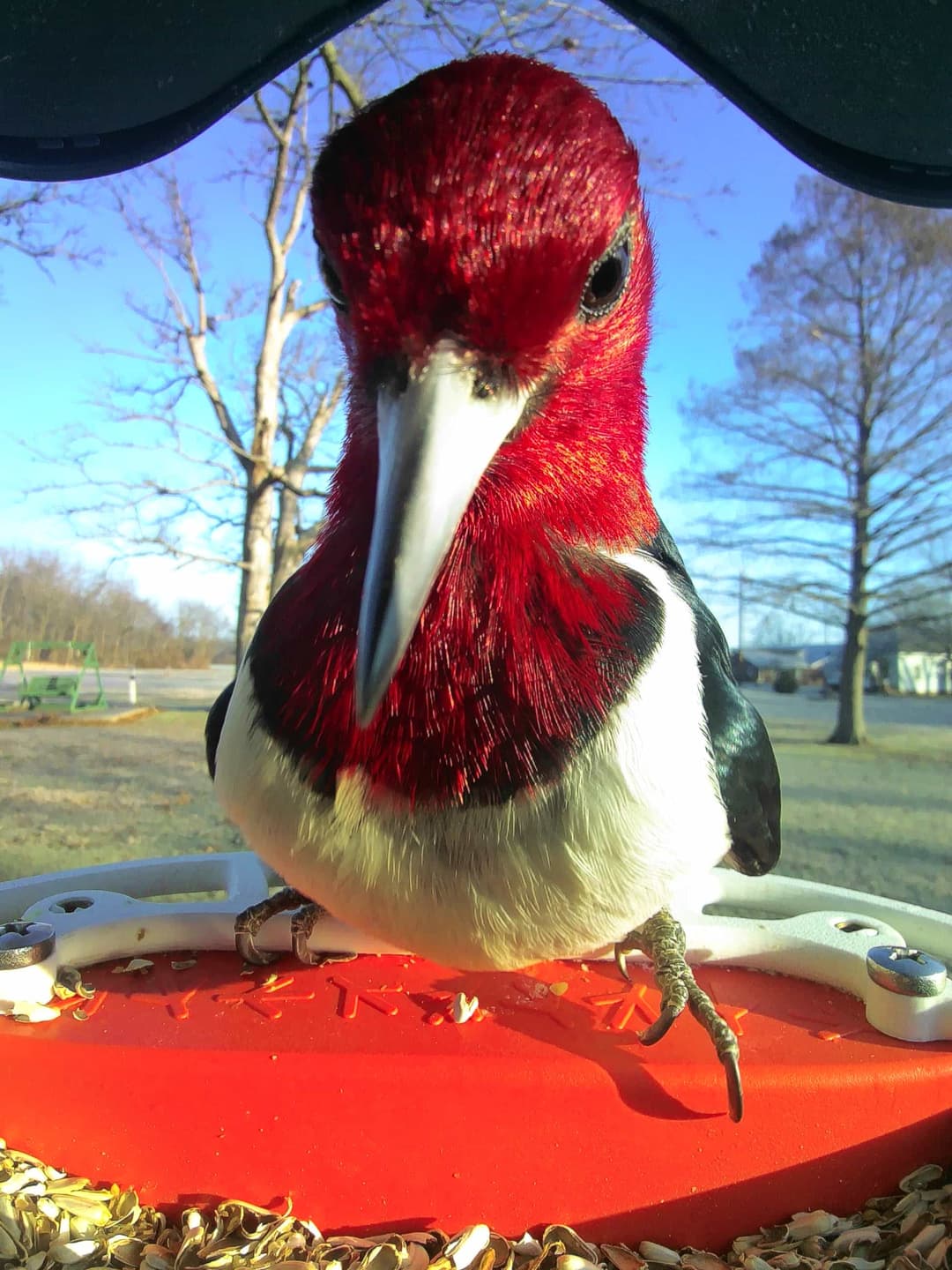
Red-Headed Woodpecker vs Golden-Fronted Woodpecker
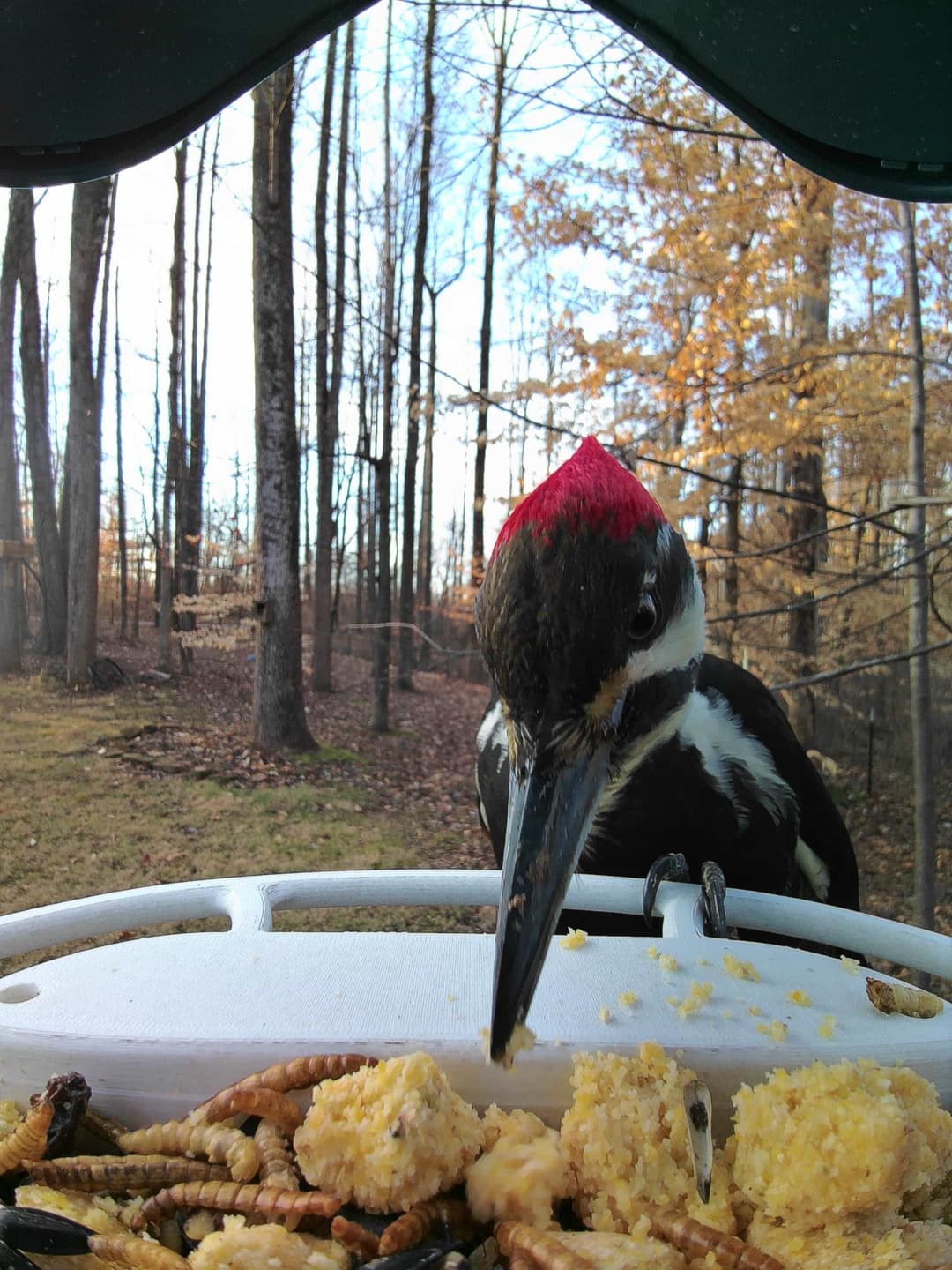
Red-Headed Woodpecker vs Pileated Woodpecker
Red-Cockaded Woodpecker vs [Select a bird]

[Select a bird]
Pick a bird to compare
Red-Headed Woodpecker vs [Select a bird]
[Select a bird]
Pick a bird to compare