White-Winged Dove or White-Tipped Dove?
Here's how to tell the difference
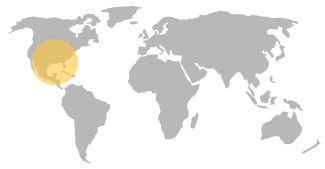
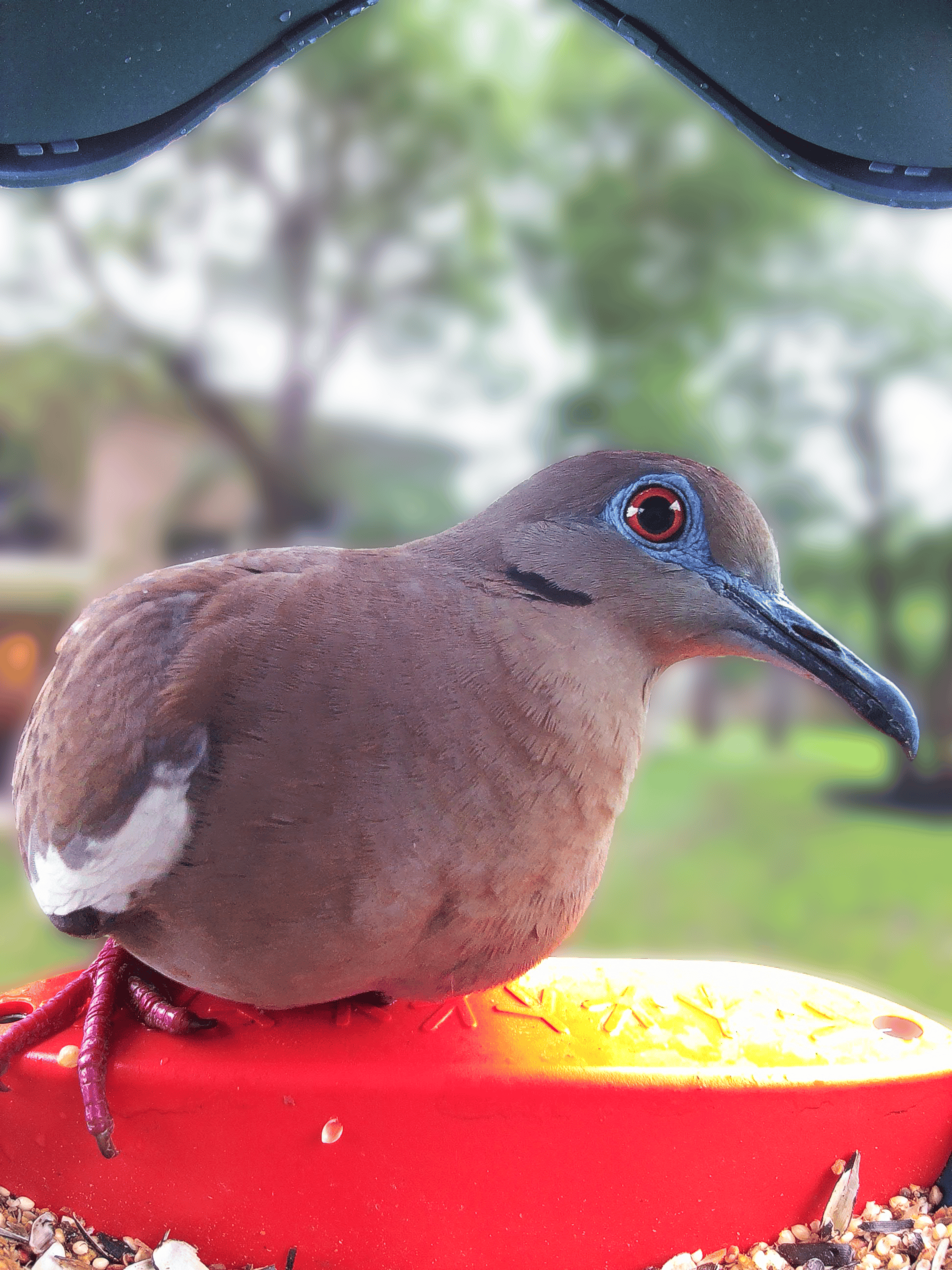


White-Winged Dove


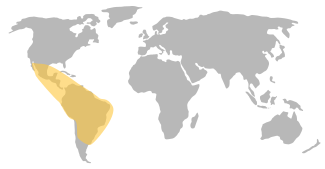
White-Tipped Dove
White-Winged Dove
Zenaida asiatica
General appearance
The White-winged Dove has a bulky body with short tail and measures approximately 12 inches or 30 cm in length, which is about the size of a crow. Its most distinctive characteristics are its big white wing patches and white tips on outer tail feathers. These features are most visible during flight. The dove has a broad, pointed wing shape and a rounded, square-tipped tail. The color varies from black, blue, brown, to gray and white.
Male vs female
Male and female White-winged Doves are similar in appearance. They both share the same unique coloration and physical traits, including the noticeable white markings on the wings and tail. Any differences between the genders are minimal and not easily discernible.
Juvenile
Juvenile White-winged Doves do not possess the vibrant and stark coloration seen in adults. Instead of the wide range of colors observed in adults, they are generally more brown, serving as a form of camouflage. However, as they grow and mature, they'll acquire the full array of adult coloration.
Size
11.0 - 11.8 in/4.4 - 6.6 oz
There's more to learn about White-Winged Dove
View full detailsWhite-Tipped Dove
Leptotila verreauxi
General appearance
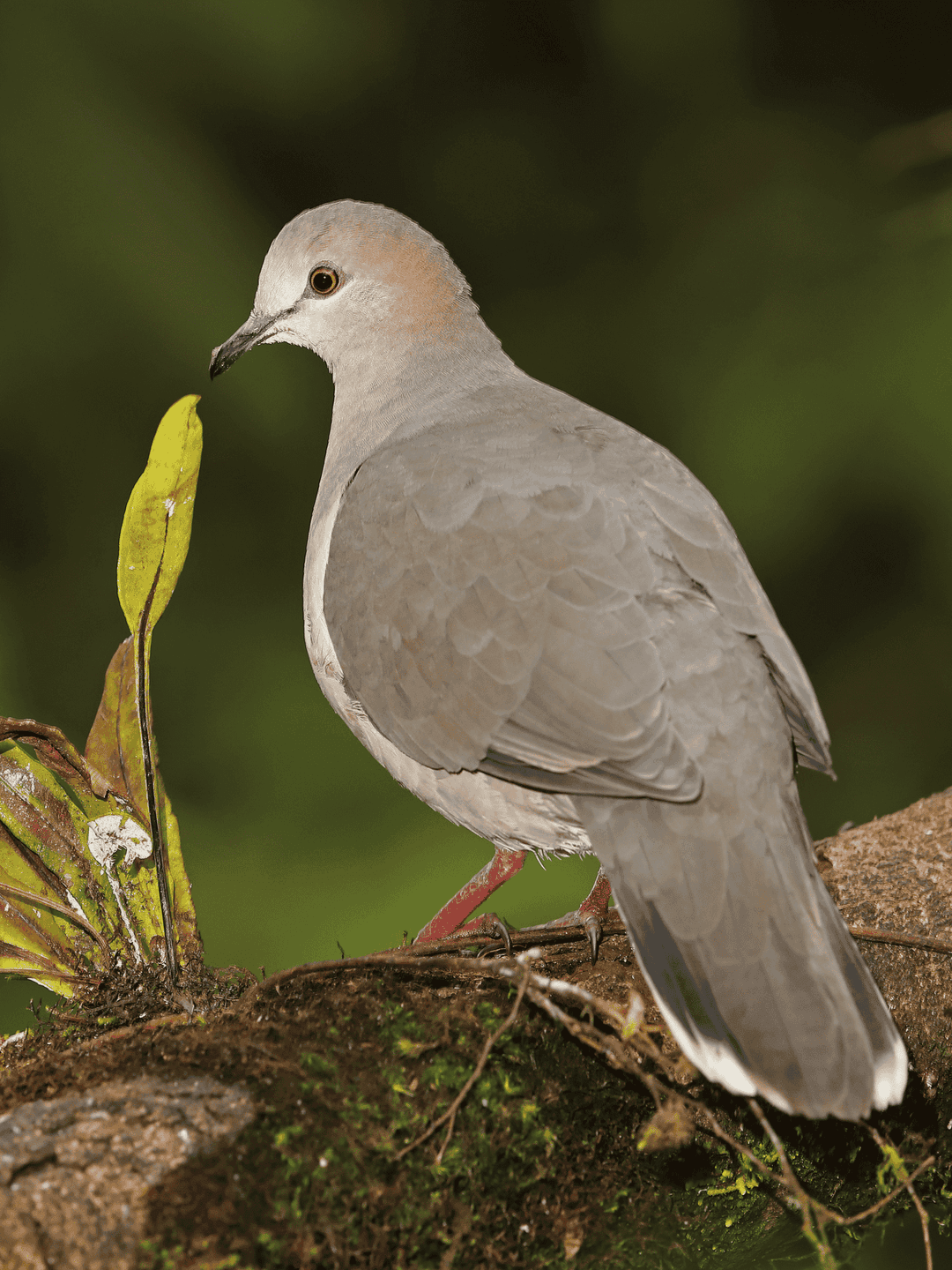
The white-tipped dove has a round body, short tail, and broadly rounded, short wings. Their overall coloration is black, brown, gray, red, and white. The chestnut color under the wings is rich and dark, shown prominently during flight. Their eyes are noticeably pale. The dove lacks the black ear spot and black spots on wings, characteristic of the Mourning Dove. Their size is about that of a crow or a robin.
Male vs female
There is no stark difference in the physical traits between male and female white-tipped doves. They both share similar coloration, body size, and shape. However, males may be slightly larger and have richer, more vibrant coloration during the mating season.
Juvenile
Juvenile white-tipped doves may exhibit more muted colors than adults, ultimately growing into their distinct adult plumage as they mature. Their size and body shape are smaller compared to adults but consistent with general dove characteristics of being round-bodied and shorter-tailed.
Size
9.8 - 12.2 in/5.4 - 8.4 oz
There's more to learn about White-Tipped Dove
View full detailsHow to tell the White-Winged Dove from the White-Tipped Dove
Visual differences
The White-winged Dove is about 12 inches long, with noticeable white wing patches and tail tips, and varies in color from black, blue, brown, to gray and white. In contrast, the White-tipped Dove is slightly shorter, featuring a rounder body, rich chestnut underwings visible in flight, and pale eyes. Both species lack significant gender differences, but juveniles are generally duller. White-winged Doves have a broader wing shape, while White-tipped Doves have broadly rounded, short wings without distinct black markings.
Key differences and behavior
The White-Winged Dove and White-Tipped Dove exhibit distinct behaviors that aid in differentiation. White-Winged Doves are social, often seen in flocks in semi-open habitats like farmlands and suburbs, whereas White-Tipped Doves are solitary and frequent shady woodlands and river thickets. White-Winged Doves participate in elaborate courtship through aerial displays, while White-Tipped Doves engage in simple cooing and display rituals. Both species produce crop milk, but the White-Tipped Dove is noted for its aggressiveness, uncommon among doves. Dietary habits overlap, focusing on seeds and fruits, though White-Winged Doves visit feeders more frequently. Finally, nesting strategies differ, with White-Winged Doves building in dense foliage versus the lower, concealed nests of White-Tipped Doves.
Still not sure? Here are more lookalikes!
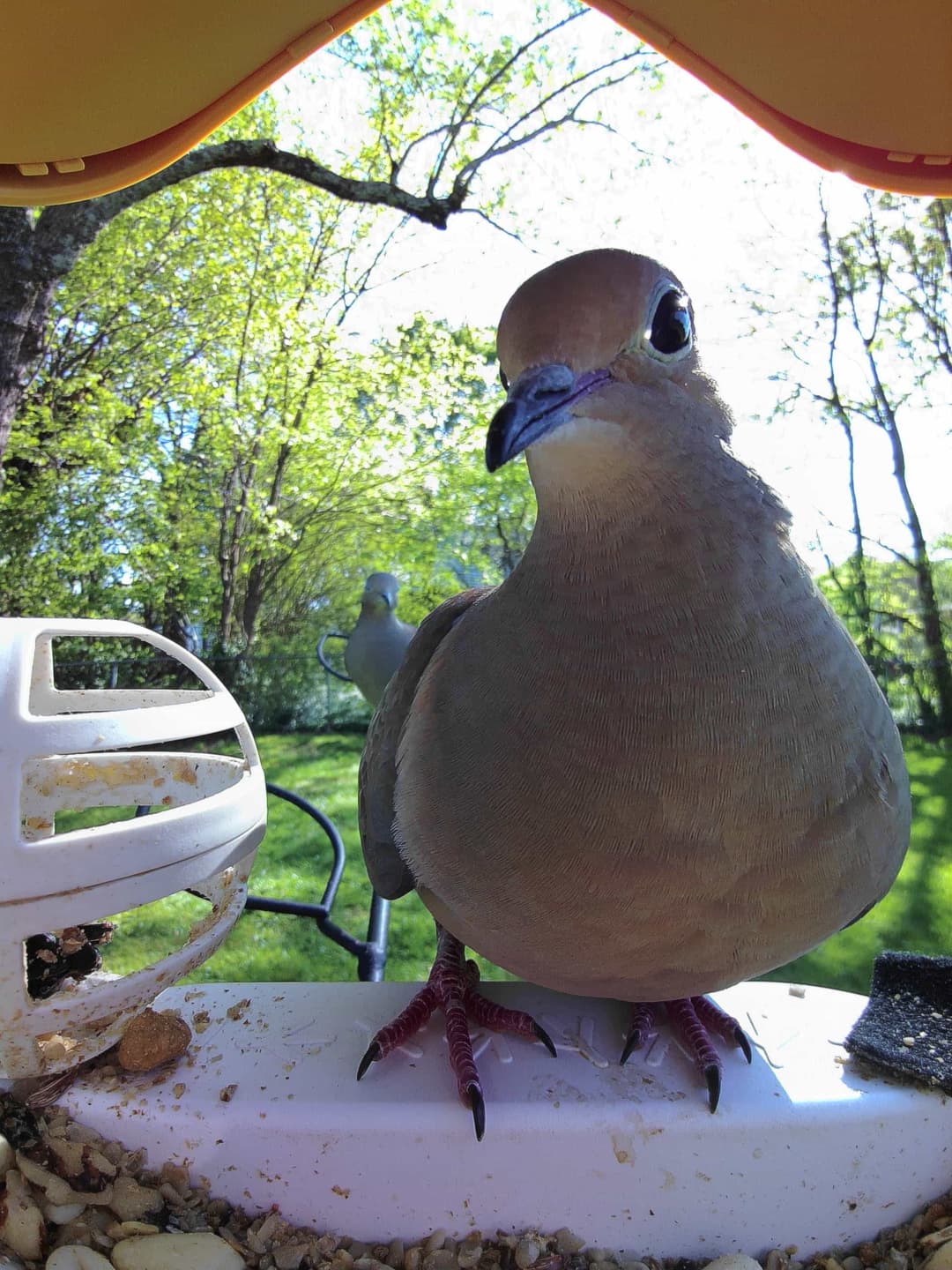
White-Winged Dove vs Mourning Dove
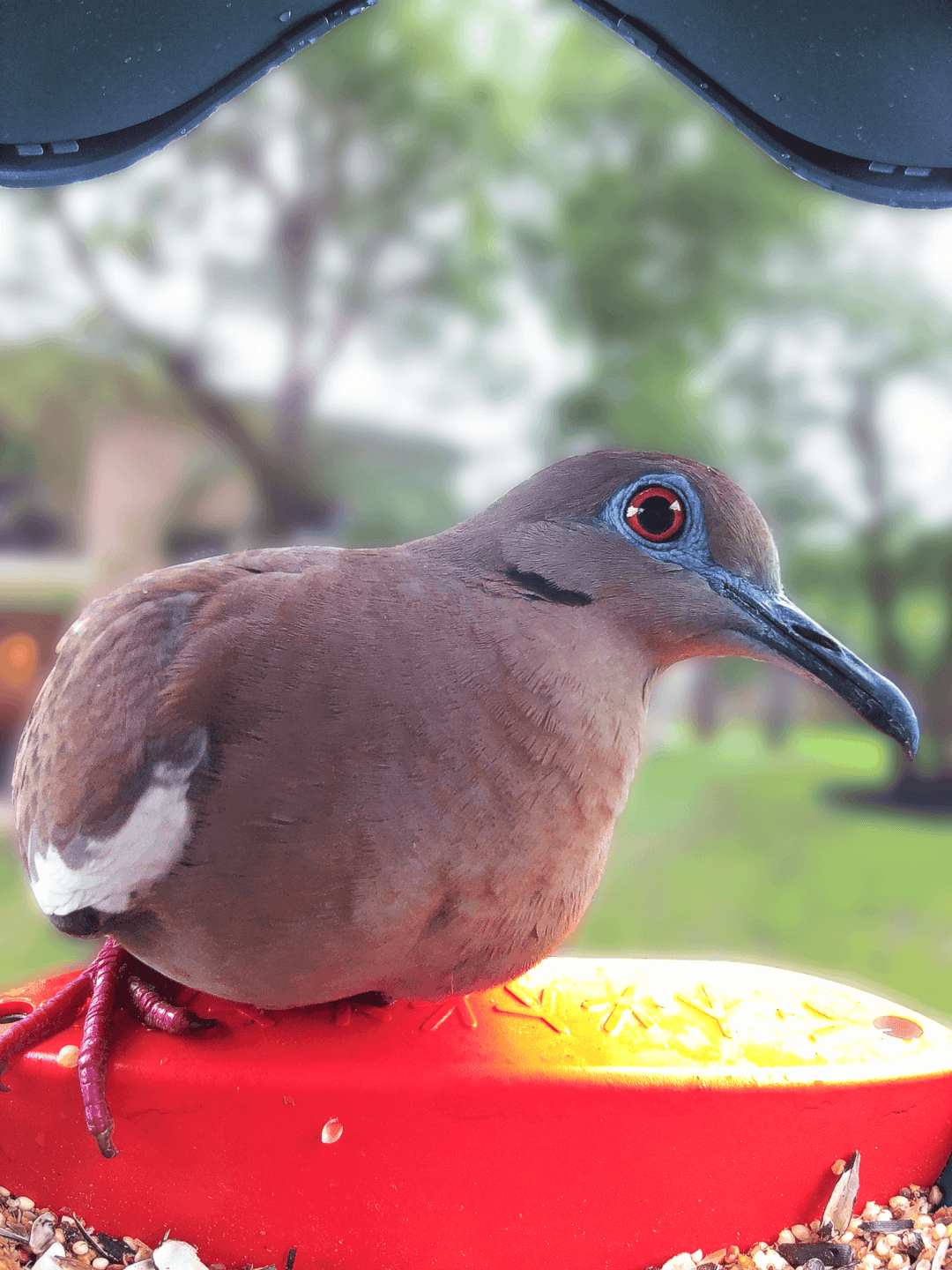
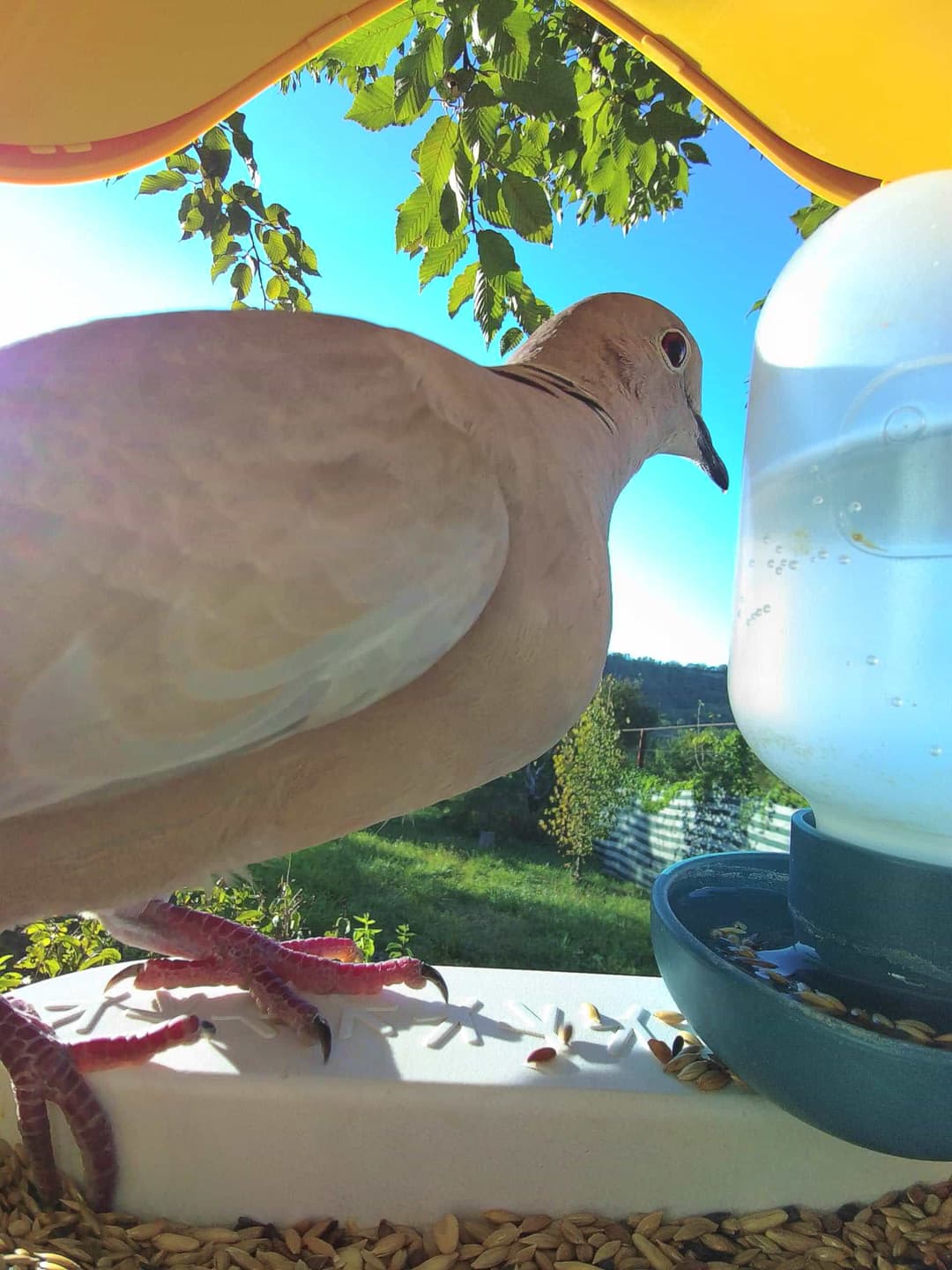
White-Winged Dove vs Eurasian Collared Dove
White-Winged Dove vs [Select a bird]

[Select a bird]
Pick a bird to compare
White-Tipped Dove vs [Select a bird]
[Select a bird]
Pick a bird to compare