White-Winged Dove or Eurasian Collared Dove?
Here's how to tell the difference
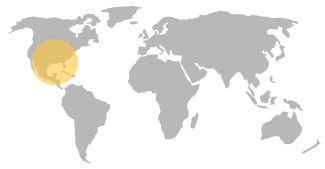
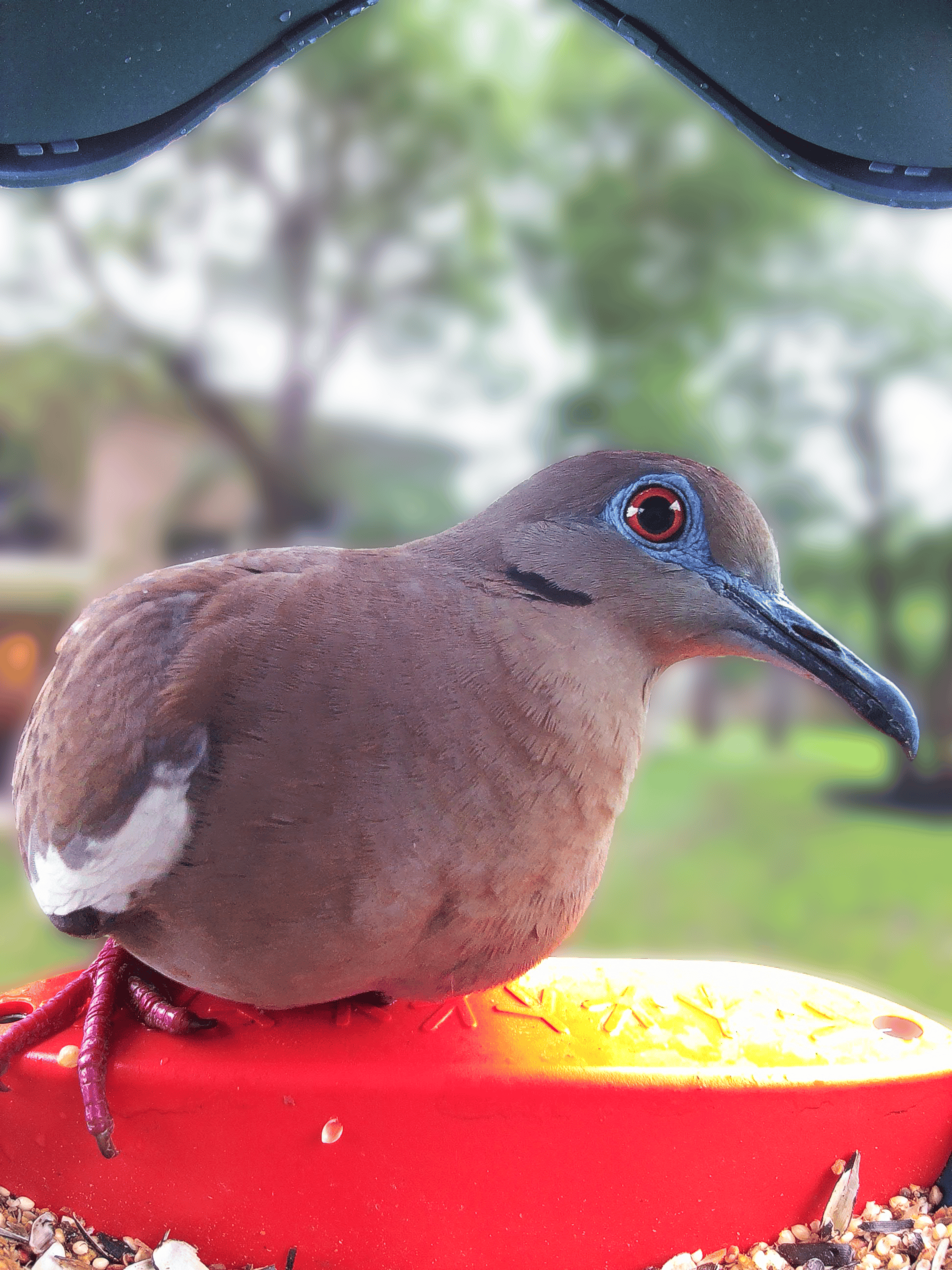


White-Winged Dove
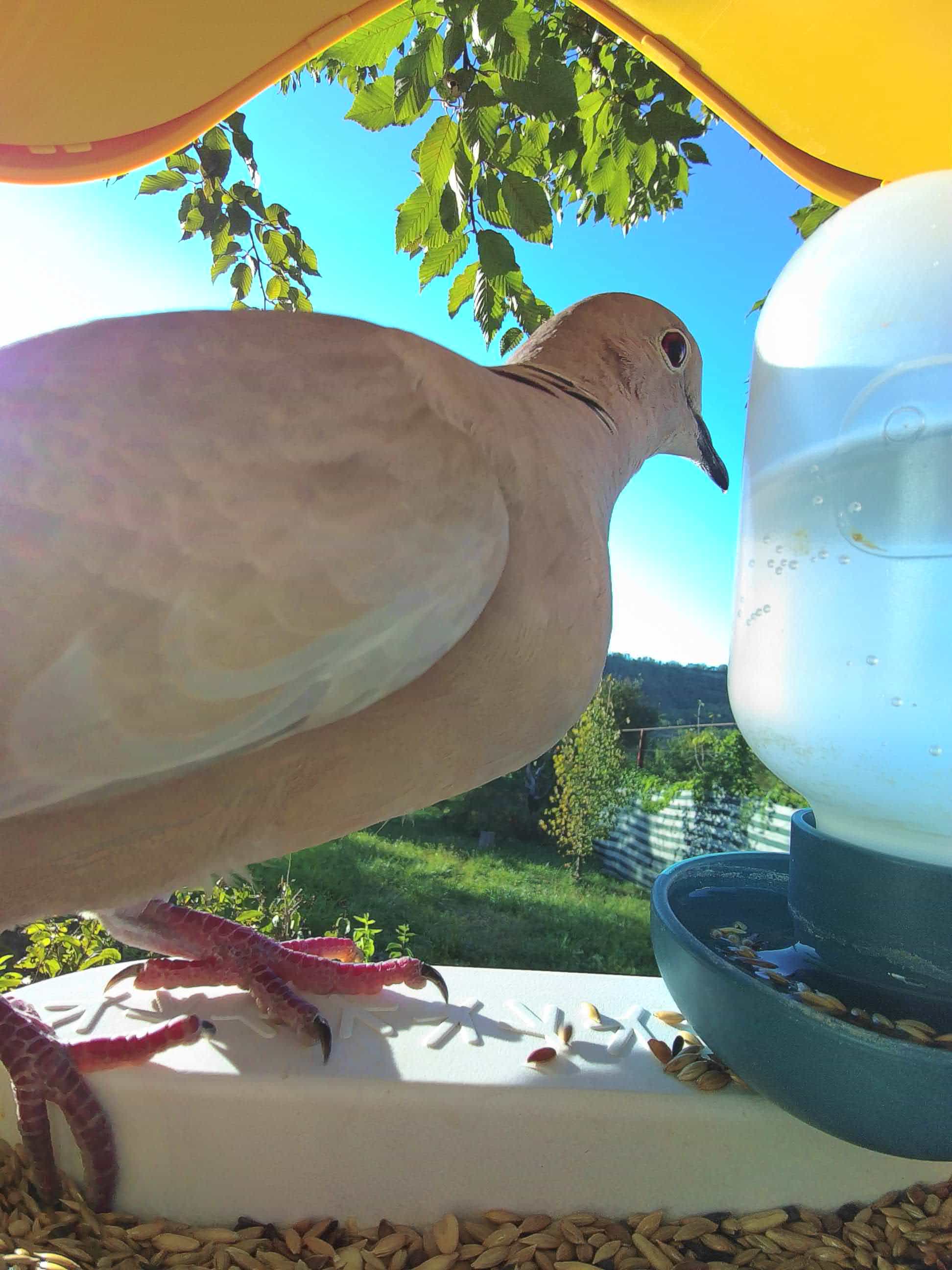


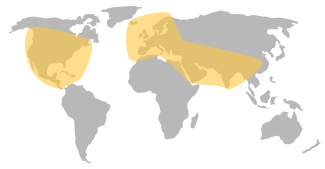
Eurasian Collared Dove
White-Winged Dove
Zenaida asiatica
General appearance
The White-winged Dove has a bulky body with short tail and measures approximately 12 inches or 30 cm in length, which is about the size of a crow. Its most distinctive characteristics are its big white wing patches and white tips on outer tail feathers. These features are most visible during flight. The dove has a broad, pointed wing shape and a rounded, square-tipped tail. The color varies from black, blue, brown, to gray and white.
Male vs female
Male and female White-winged Doves are similar in appearance. They both share the same unique coloration and physical traits, including the noticeable white markings on the wings and tail. Any differences between the genders are minimal and not easily discernible.
Juvenile
Juvenile White-winged Doves do not possess the vibrant and stark coloration seen in adults. Instead of the wide range of colors observed in adults, they are generally more brown, serving as a form of camouflage. However, as they grow and mature, they'll acquire the full array of adult coloration.
Size
11.0 - 11.8 in/4.4 - 6.6 oz
There's more to learn about White-Winged Dove
View full detailsEurasian Collared Dove
Streptopelia decaocto
General appearance
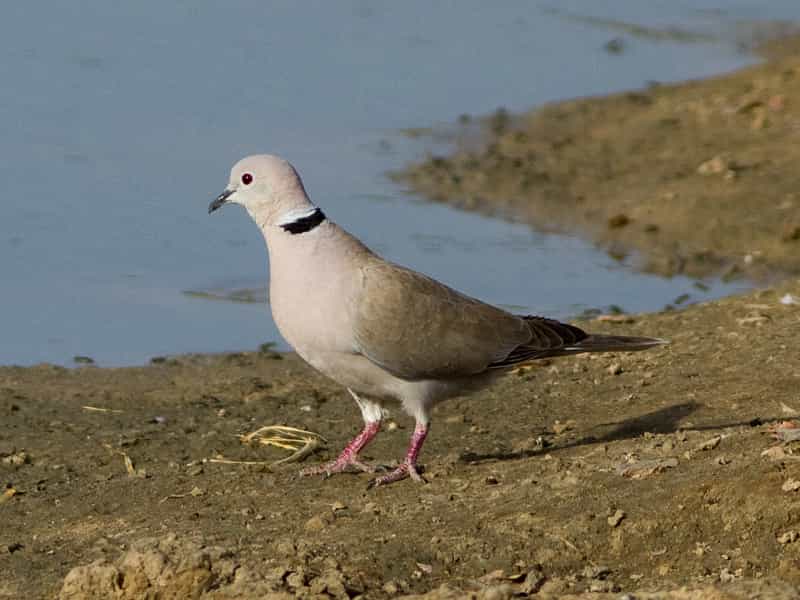
The Eurasian collared dove measures approximately 12 1/2 inches (32 cm) in length. Its predominant color is pale brown, with a distinctive narrow black ring around its neck. It has large white patches on its outer tail feathers. The species is darker than the domesticated Ringed-Turtle-Dove, especially on undertail coverts and wingtips. The size is roughly equivalent to that of a crow. The wings are of a broad and pointed shape, and the tail shape is generally rounded or square-tipped.
Male vs female
There are minimal noticeable differences between the sexes in the Eurasian collared dove. Both males and females exhibit similar features such as the black neck ring, pale brown body color, and white patches on the tail. Any variation is subtle and generally indistinguishable in the wild.
Juvenile
Juvenile Eurasian collared doves are similar in size and color to adults, but they may have slightly duller coloration. Recognizing them may be challenging due to their resemblance to adult birds until they attain their distinctive adult plumage.
Size
11.4 - 11.8 in/4.9 - 6.3 oz
There's more to learn about Eurasian Collared Dove
View full detailsHow to tell the White-Winged Dove from the Eurasian Collared Dove
Visual differences
The White-Winged Dove is roughly 12 inches long, while the Eurasian Collared Dove is slightly longer at about 12.5 inches. The White-Winged Dove showcases notable large white wing patches and white outer tail tips, contrasting with the Eurasian Collared Dove's narrow black neck ring. The Collared Dove also displays a more consistent pale brown color. Both species have broad, pointed wings and rounded, square-tipped tails, although the Collared Dove's tail patterns are generally darker and feature large white patches. Their size and wing shapes are fairly similar.
Key differences and behavior
The White-Winged Dove and Eurasian Collared Dove exhibit distinct behaviors across several dimensions. White-Winged Doves primarily inhabit semi-open southwestern U.S. environments, adapting well to modified habitats, including gardens where they build crude nests. Their courtship involves cooing and aerial displays. Conversely, Eurasian Collared Doves thrive in suburbs and farmlands, often nesting in trees or shrubs, with males displaying by spiraling in flight and emitting calls. Diet-wise, White-Winged Doves focus on seeds, cactus fruits, and nectar, adapting to human feeders by consuming sunflower seeds and milo. Eurasian Collared Doves primarily eat seeds, occasionally berries and insects, diving into human-provided foods like bread crumbs. White-Winged Doves prioritize caring for their young with crop milk, consuming snails and bone fragments, whereas Eurasian Collared Doves are known for multiple broods. Their adaptive nesting and feeding behaviors enable both to integrate well into human environments.
Still not sure? Here are more lookalikes!
White-Winged Dove vs Mourning Dove
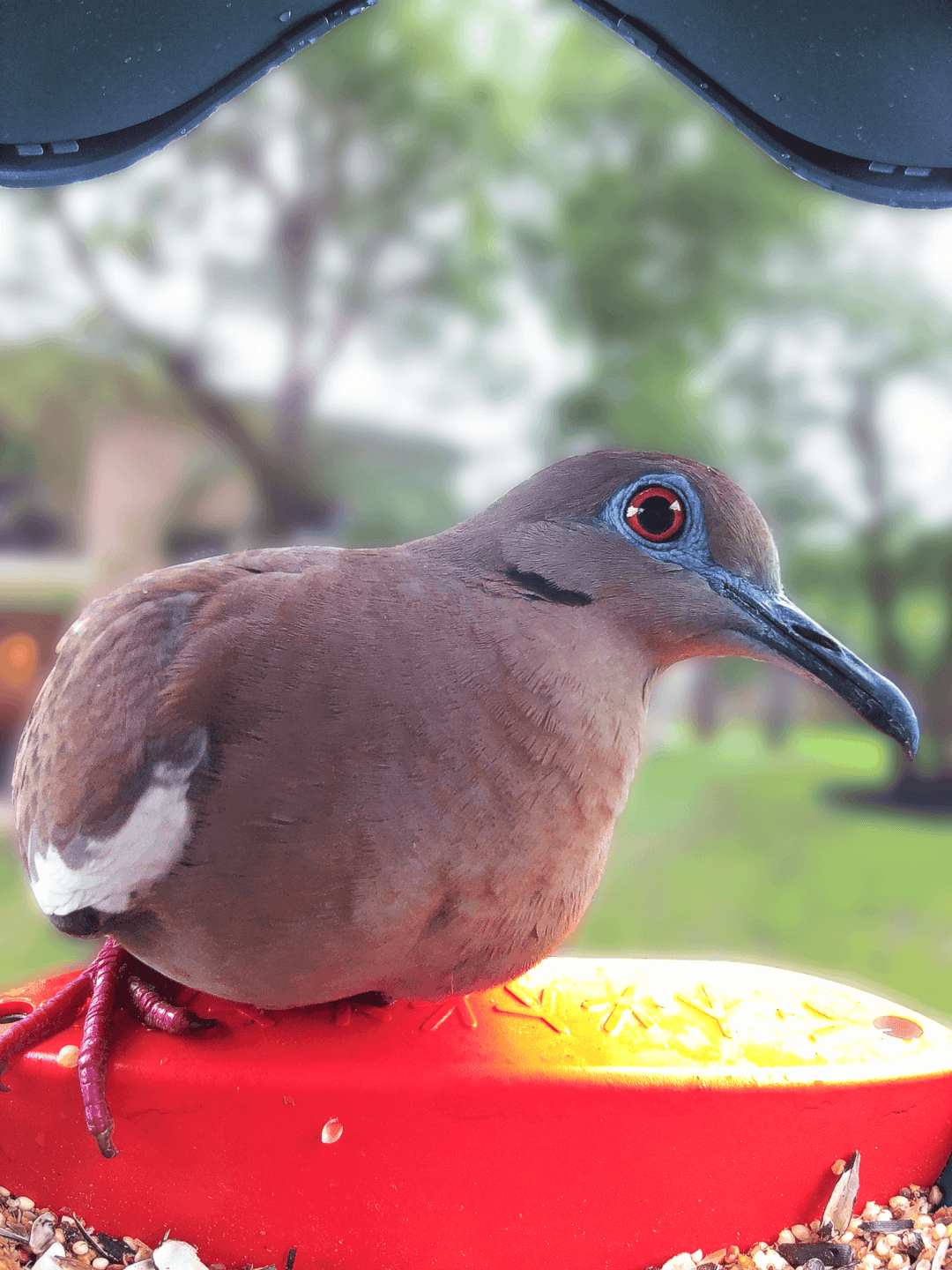
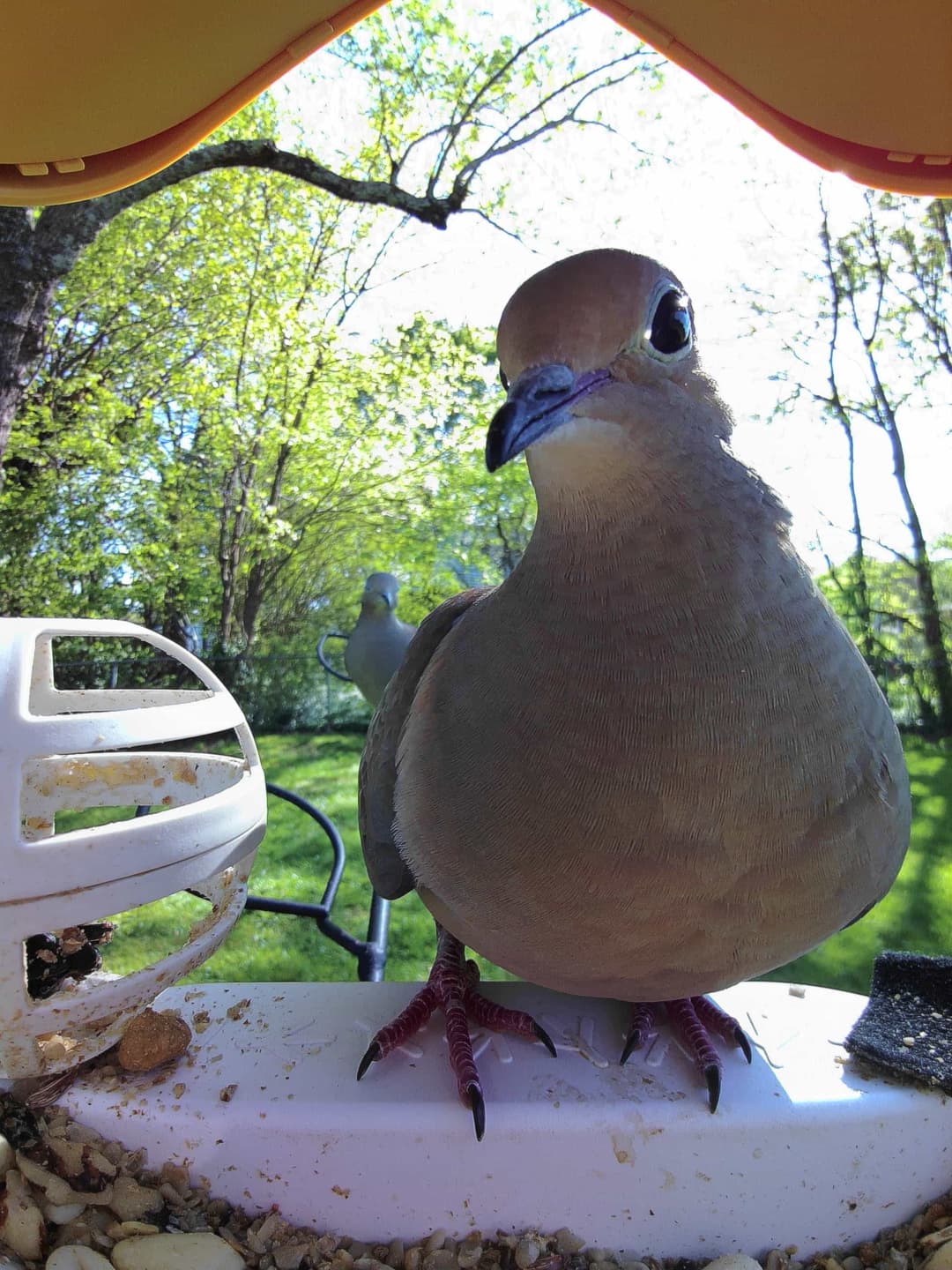
White-Winged Dove vs White-Tipped Dove
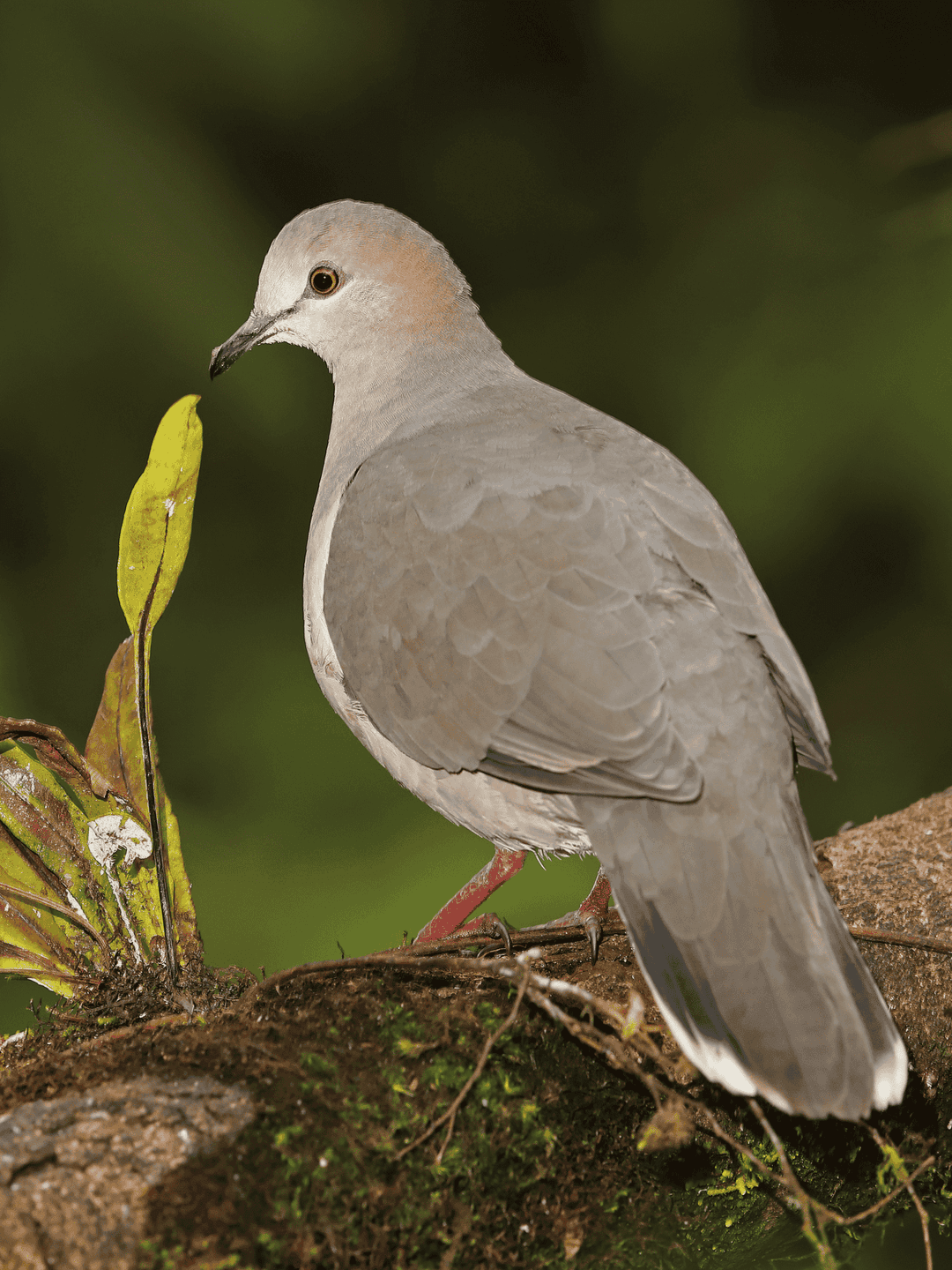
Eurasian Collared Dove vs Mourning Dove
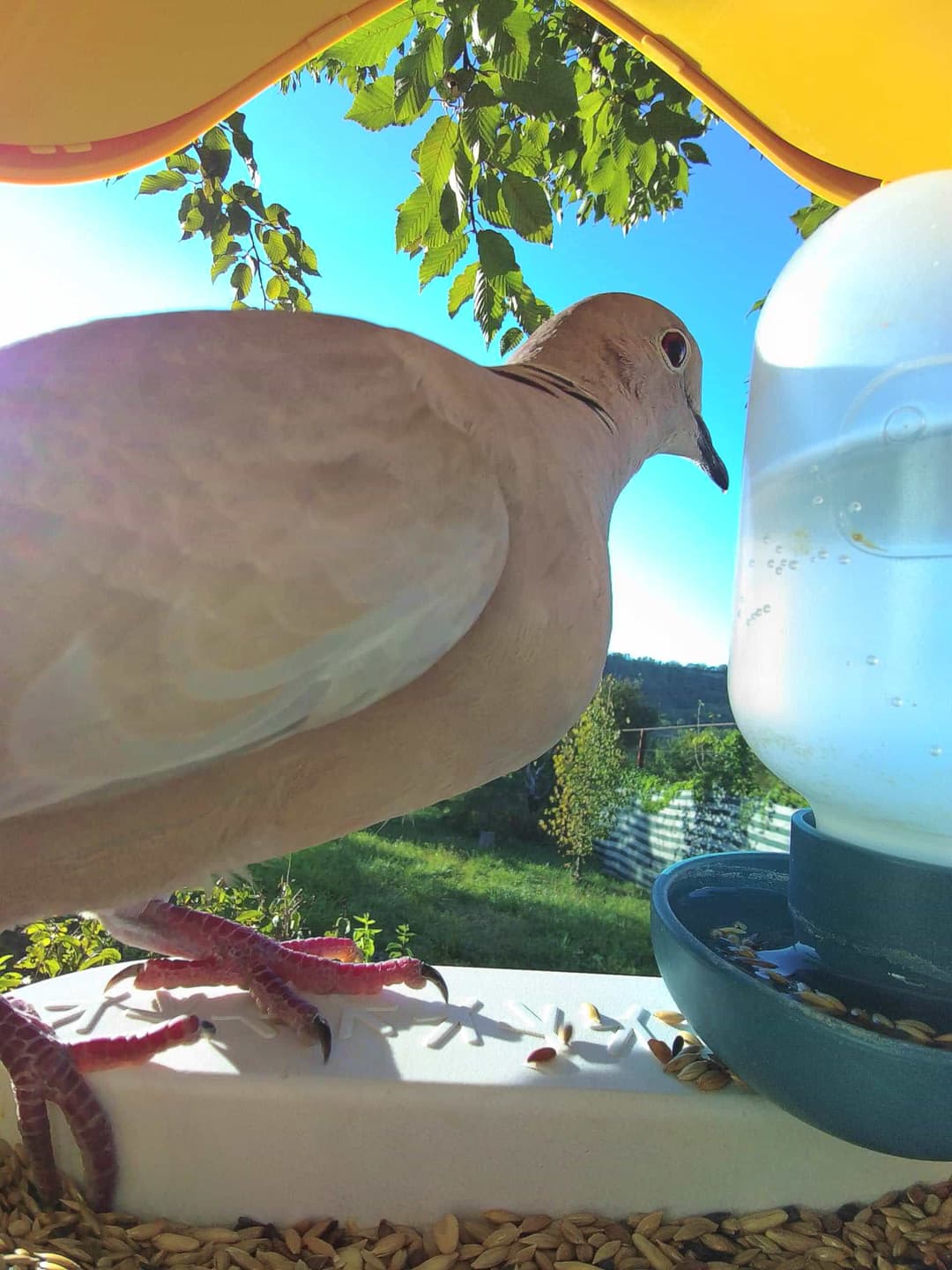
Eurasian Collared Dove vs African Collared Dove
White-Winged Dove vs [Select a bird]

[Select a bird]
Pick a bird to compare
Eurasian Collared Dove vs [Select a bird]
[Select a bird]
Pick a bird to compare