
Brown-Capped Rosy-Finch
Brown-Capped Rosy-Finch
Leucosticte australis
Quick Identification guide
Quick Identification guide
- •
Features a distinctive brown cap atop the head, contrasting with rosy-tinged underparts
- •
Boasts pale wing panels with blackish flight feathers, giving a unique patterned appearance
- •
Displays a thick and conical beak suited for seed eating, with an overall chunky body structure
What does a brown-capped rosy-finch sound like?
The brown-capped rosy-finch produces a series of low cheep notes, primarily used for maintaining flock contact. During the mating season, the male performs an undulating, circular flight, alongside a song similar to its common communication. The call pattern is typically falling and flat, with the type of call resembling a chatter or chirp.
Description
If you manage to spot one of these beauties, you're in luck! They are famously tough to spot because of their penchant for remote, barren places and isolated locations in general. Females build the nest themselves and line it with all kinds of objects; however, both parents pull their weight when it comes to feeding the chicks.
The brown-capped rosy-finch can weigh between 23to33grams and be from14.5to16.5centimeters tall.
The brown-capped rosy-finch typically lives from 3-6 years. Relative to other members of the rosy-finch family, this lifespan is consistent. For example, the black rosy-finch and the gray-crowned rosy-finch also have average lifespans that fall within the same 3-6 years range.
Did you know?
Most popular questions about brown-capped rosy-finch
How to recognise a brown-capped rosy-finch?
General appearance
The brown-capped rosy-finch is a small bird characterized by its distinct brown cap, which gives the species its name. Its body is a blend of rosy-pink and brown hues, with darker, chocolate-brown wings and tail. The rosy coloration is most vivid on the underparts and flanks, and it may appear more subdued outside of the breeding season. The bill is short and conical, typical of finches. The legs and feet are blackish, adapted for their alpine habitats.
Male vs female
Males and females have similar coloration, but males typically exhibit a more pronounced rosy hue, especially on the breast and sides. Females tend to have slightly duller plumage, with less intense rosy coloring, and they may appear more brownish overall. Both sexes feature the distinctive brown cap, though it might be slightly more contrasting in males.
Juvenile
Juvenile brown-capped rosy-finches are less colorful, with more brownish and grayish tones. They lack the vibrant rosy coloration of adults and exhibit a more uniform brown plumage. As they mature, juveniles gradually develop the adult plumage, gaining the characteristic rosy and brown shades.
Often mistaken for
Black Rosy-Finch vs Brown-Capped Rosy-Finch
The Brown-Capped Rosy-Finch has a more uniformly brown cap compared to the Black Rosy-Finch, which features a striking black crown. Additionally, the Brown-Capped's body tends to show more brown and chestnut tones overall, while the Black Rosy-Finch has darker, blackish body plumage. Look for the brownish cap as a key differentiator.
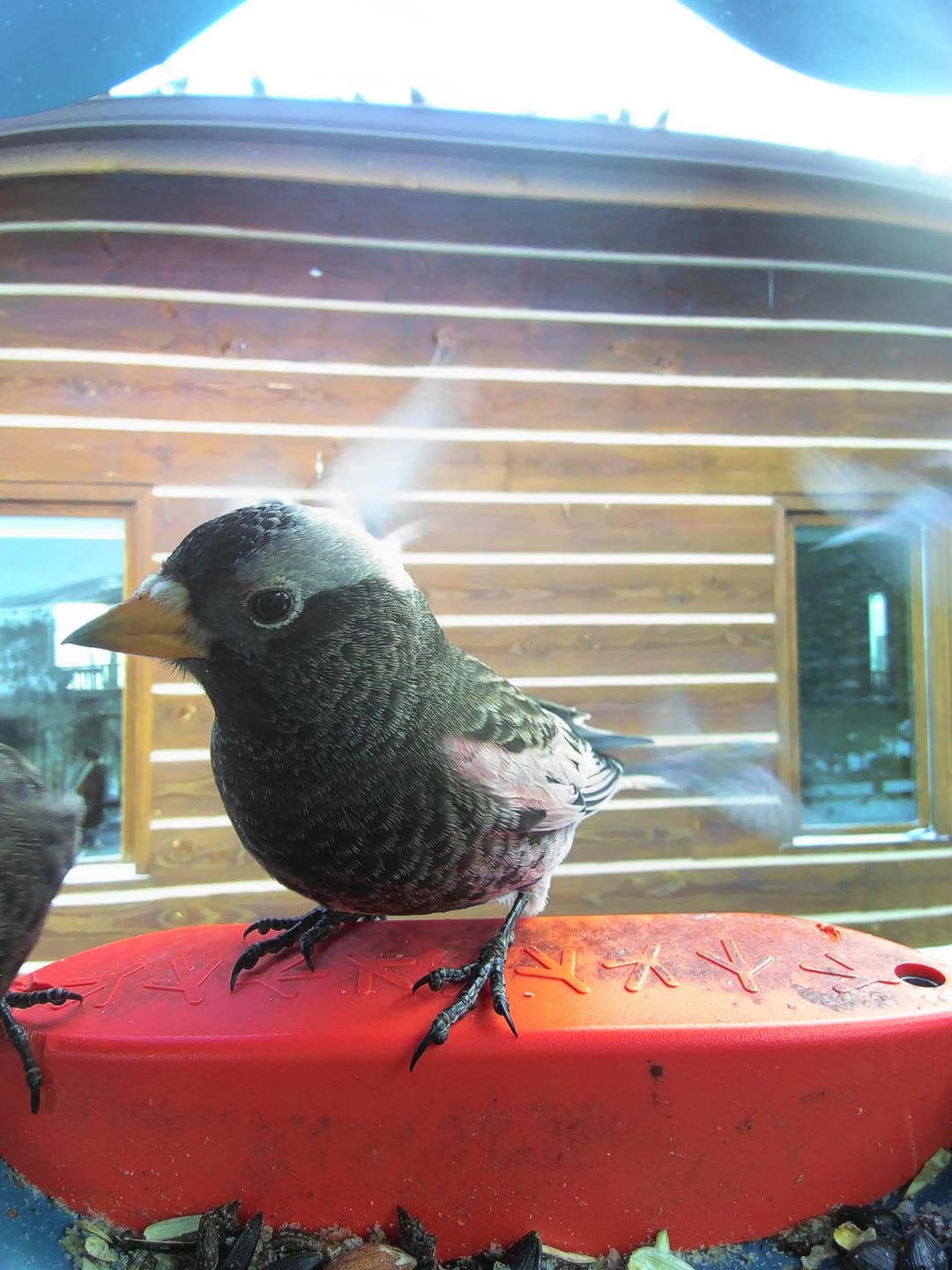
Gray-Crowned Rosy-Finch vs Brown-Capped Rosy-Finch
Gray-Crowned Rosy-Finch is recognized by its gray crown, contrasting with the brown cap of the Brown-Capped. The Gray-Crowned may also display a more pronounced pink wash on the belly and more gray around the face. Spot the cap color and face grays to correctly identify the Brown-Capped Rosy-Finch.
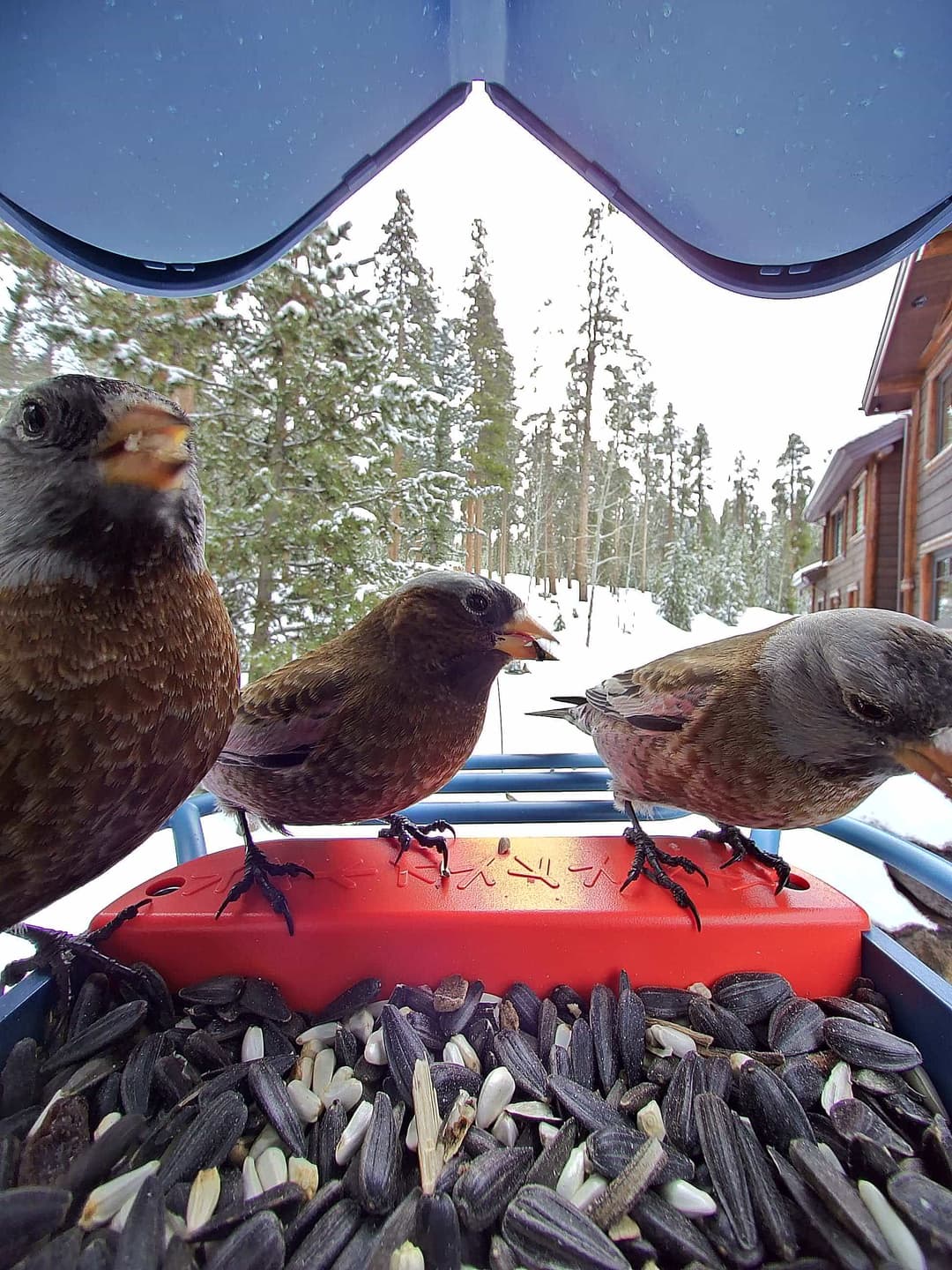
Breeding and nesting habits of the brown-capped rosy-finch
Mating behaviors
Brown-capped rosy-finches engage in elaborate courtship displays, which include males showcasing their plumage through swooping flight patterns and singing to attract females. Pair bonding is often reinforced through mutual preening and feeding, establishing strong partnerships for the breeding season.
Nesting details
Nesting primarily occurs in rocky crevices and cliffs at high elevations to protect from predators. The nests are constructed by both sexes using grasses, moss, and feathers to provide insulation and camouflage. These meticulous structures ensure safety and warmth in harsh alpine conditions.
Eggs and chick-rearing
The female typically lays 4-5 eggs, which are incubated for about two weeks. Both parents partake in feeding the hatchlings, which mainly involves regurgitated seeds and insects. The chicks fledge approximately three weeks after hatching. The species does not commonly nest in gardens due to their specialized mountainous nesting preferences.
What does a brown-capped rosy-finch like to eat?
Insects
Seeds
Spiders
Natural diet
The Brown-capped Rosy-Finch primarily feeds on seeds and insects. During the summer, it consumes a variety of alpine and tundra seeds, including grass seeds and sedges. Insects, such as beetles and ants, supplement its diet, providing essential proteins. The bird often forages on the ground, picking seeds and insects from the soil or plants.
Bird feeders
At bird feeders, the Brown-capped Rosy-Finch is likely to consume small seeds. It shows a preference for sunflower seeds and millet, which are common offerings in backyard feeders. These are readily accessible and provide a valuable energy source, especially during colder months when natural food sources are limited.
Setting up the perfect feeder
Brown-capped rosy-finches prefer feeders that are safe from predators and easy to perch on. Use a tube or hopper style feeder equipped with a large perch, as these birds have a strong foothold. Place the feeder at a moderate height with a clear view, so the birds can watch for danger while they dine.
Attract with their favorite snacks
Brown-capped rosy-finches are particularly partial to seeds, and Bird Buddy seeds are highly recommended by experts due to their seasonal appropriateness. Often, these seeds contain a mix of sunflower seeds, millet, and canary seeds that rosy-finches love. For best results, try to keep your feeder well-stocked.
Encourage frequent visits
Creating a welcoming environment for the Brown-capped Rosy-Finches is a surefire way to attract them and encourage repeat visits. Consider installing a bird bath or a gentle fountain as rosy-finches are attracted to the sound of moving water. Some bird enthusiasts consistently play recorded songs of their species, making them feel more at home.
Where can you find brown-capped rosy-finches?

Primary habitat
The brown-capped rosy-finch thrives in mountainous regions, similar to the Black Rosy-Finch, often found at elevations above 7,500 feet.
Additional range
While it prefers cooler climates, it may unexpectedly be found in lower valley areas during harsher winter conditions.
Do they migrate?
The brown-capped rosy-finch primarily engages in altitudinal migration rather than long-distance or latitudinal migration. During autumn and winter, these birds move to lower elevations within their breeding range, particularly responding to the conditions of heavier snowfall. This means that rather than migrating to distinct, far-off locations outside their breeding territory, they simply move downhill to habitats that are more hospitable during the colder months. Their breeding range is located in the alpine regions of the central Rocky Mountains, particularly in Colorado, USA. As winter approaches, the birds descend to lower elevations in search of more accessible food sources, away from the snow-bound higher altitudes. They do not move south of their breeding range, so they remain within the same geographical latitude year-round. Key locations during winter months include lower mountain valleys and foothills, where conditions are milder and snow cover is less extensive. The exact timing of these movements can vary, largely influenced by the onset of winter weather, but generally aligns with the changing seasons from late autumn through to the onset of spring.
What is the role of brown-capped rosy-finches in nature and how to protect them?
Conservation status
The brown-capped rosy-finch is uncommon and local, primarily inhabiting isolated mountaintop areas. This specialized habitat makes it particularly vulnerable to climate change, posing a significant threat to its survival. Although not explicitly categorized as endangered, its limited range and specific habitat needs highlight its vulnerability. Conservation efforts should focus on monitoring climate impacts and protecting its high-altitude environments to ensure the species' long-term viability. Climate change remains the most critical threat, emphasizing the need for targeted conservation strategies to mitigate its effects on this species.
Ecological role of brown-capped rosy-finches
Its role in the ecosystem
The brown-capped rosy-finch has a unique ecological role in the high altitude ecosystems where it lives. Its diet, similar to the Gray-crowned Rosy-Finch, likely includes seeds and insects. As such, it may play a key part in controlling certain pests in these environments. Also, by consuming seeds and then excreting them in different areas, it helps in the process of seed dispersal, aiding in plant proliferation and diversification. Furthermore, the finch's nesting behavior, in crevices, holes, or abandoned structures, can contribute to the decomposition process by introducing biodegradable materials such as moss, grass, and animal fur into these locations. As a one brood per year bird, the brown-capped rosy-finch could be an important indicator species for changes in the ecosystem, as alterations in breeding times could reflect climatic or ecological shifts.
How to help protect brown-capped rosy-finches
Preservation tips
Habitat preservation strategies
Promote preservation and restoration of alpine habitats where brown-capped rosy-finches breed and forage. Avoid disturbing these areas, especially during breeding season. Support policies that restrict development and commercial activities in these areas. Contribute to organizations dedicated to habitat conservation.
Community science initiatives
Participate in birdwatching initiatives and citizen science projects aimed at monitoring brown-capped rosy-finch populations. Report sightings to eBird, a citizen science project by the Cornell Lab of Ornithology, to help track this species' distribution and abundance. Educate local communities about the importance of this species and the need for its conservation.