
Mottled Duck
Mottled Duck
Also known as: Mottled Mallard
Anas fulvigula


Quick Identification guide
Quick Identification guide
- •
The Mottled Duck has a uniformly mottled brown body that gives it its name, blending seamlessly into its surroundings
- •
It features a yellow to orange beak, distinguishing it from similar species with darker beaks
- •
The head and neck are lightly streaked and lack a distinct eye stripe or contrasting colors, enhancing its mottled appearance
What does a mottled duck sound like?
The mottled duck has a loud vocalization similar to a Mallard, typically emitting a croak or quack. Its call pattern is flat and simple, lacking the complexity found in some other duck species. Despite the lack of variation in its calls, the distinct 'quack' of the mottled duck is easily recognizable and distinctive. There is no reference to specific songs from this species.


Description
Did you know that, compared to other duck species, mottled ducks start to pair up already in August, which is pretty early. They also stay together longer, though the pair bond usually ends by the time the kids come around. Hey, what do you get if you cross a mottled duck with a mallard? A muddled duck!
The mottled duck can weigh between 590to1380grams and be from50to61centimeters tall.
The mottled duck typically lives up to 12 years. Compared to other duck species, this is quite similar – the Mallard, a closely related species, has a lifespan of 5-10 years, while the domestic duck tends to live 10-15 years. It should be noted that these numbers can vary based upon factors such as predation and habitat conditions.
Did you know?
Most popular questions about mottled duck
How to recognise a mottled duck?
General appearance
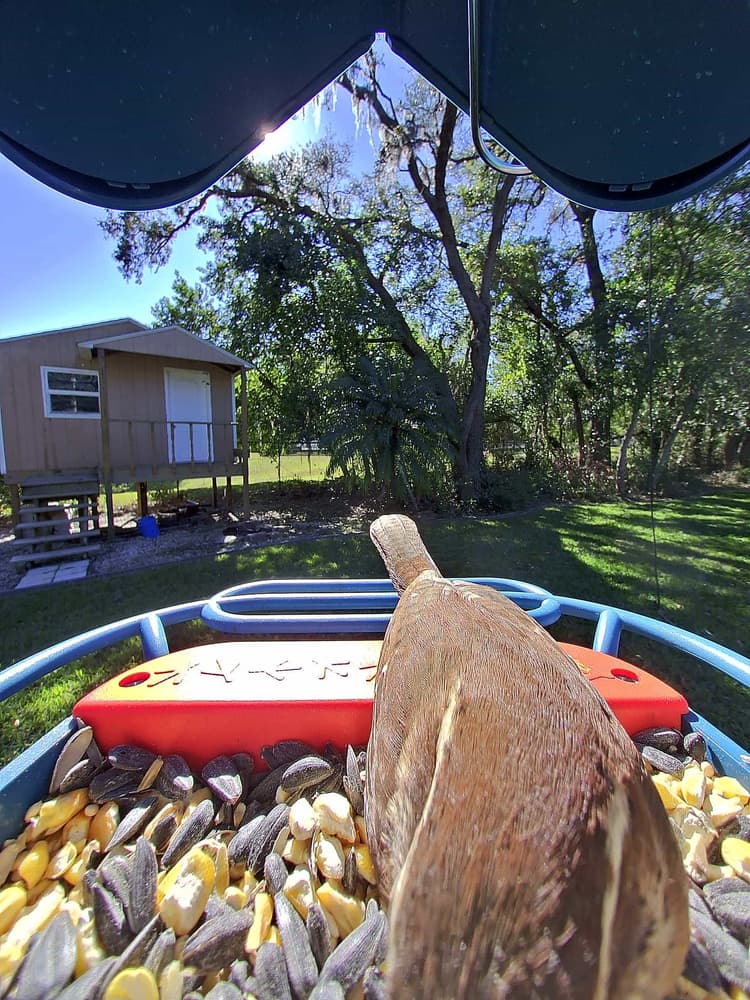
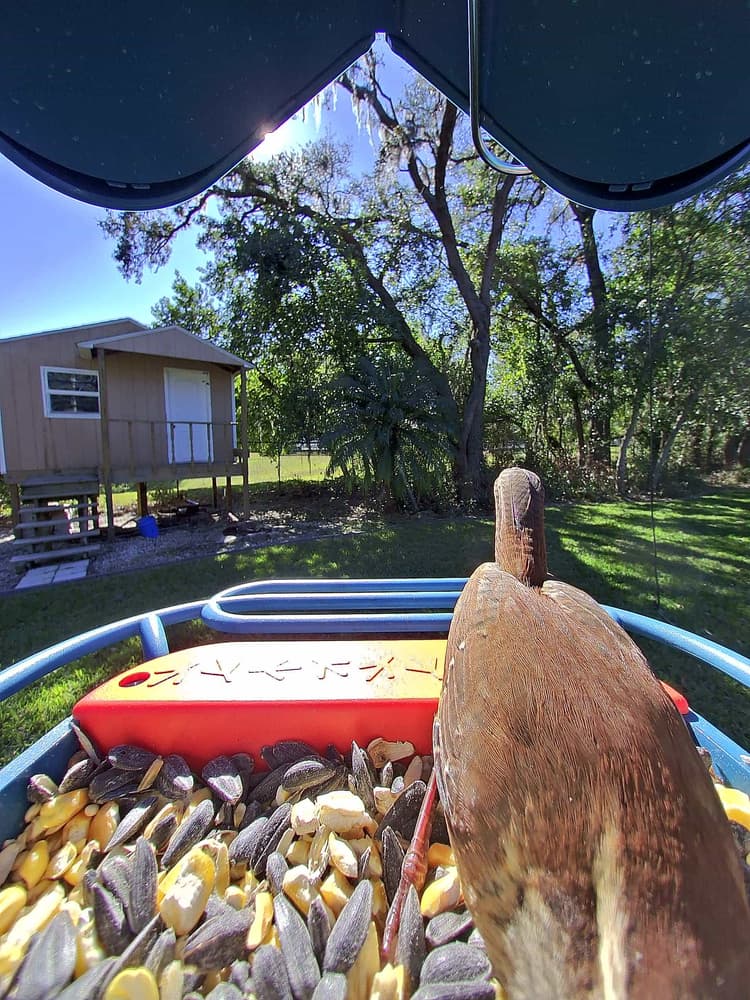
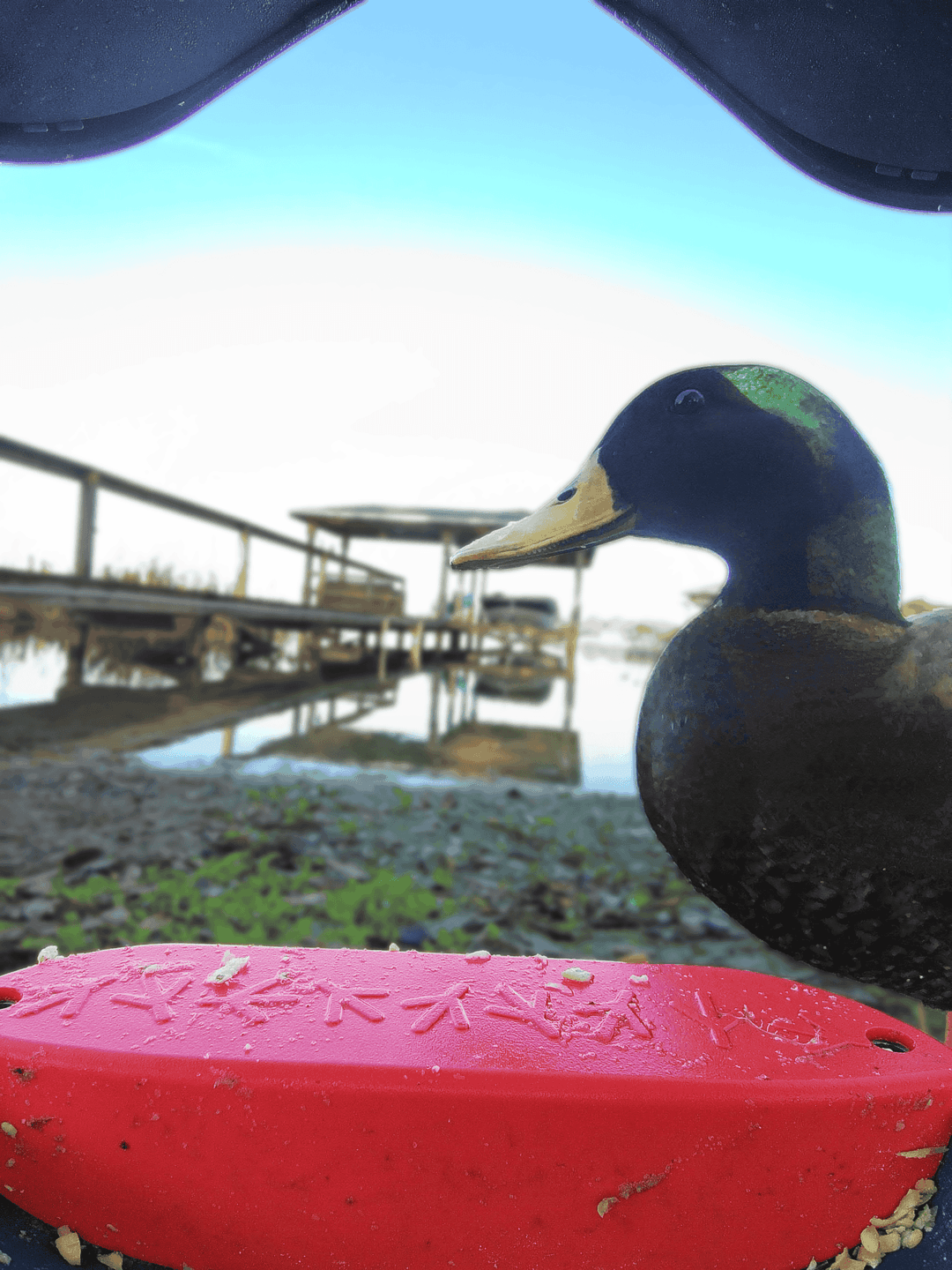
The mottled duck is a medium-sized dabbling duck native to the southeastern United States. It has mottled brown plumage that provides excellent camouflage. Its overall dark appearance is accentuated by lighter, buffy edges on the feathers. The bill is olive green to yellow, and the legs are orange, which helps in distinguishing it from similar species.
Male vs female
Males and females have similar plumage, making them hard to differentiate. However, males typically possess a brighter yellow bill than females. Females tend to have an olive to dull yellow bill with orange at the base. Both sexes exhibit a subtle purple speculum bordered by black, making them unique among dabbling ducks.
Juvenile
Juvenile mottled ducks resemble adults but are typically duller in coloration. Their plumage is more uniform and lacks the distinctive faint pattern seen in adults. Juvenile bills are usually duller and more orange-toned compared to adults. As they mature, the characteristic adult mottling and brighter bill color develop.
Often mistaken for
Mallard vs Mottled Duck
Mottled Ducks are often mistaken for female Mallards because of their similar size and mottled brown appearance. The key difference is that Mottled Ducks lack the white edging on the speculum, which Mallards have. Additionally, Mottled Ducks do not have the distinctive white tail and blue speculum bordered by white found in female Mallards. Mottled Ducks have a more uniform buffy or pale face, whereas female Mallards have a more contrasting face and eyeline. Insider tip: Focus on the bill color too; Mottled Ducks typically have an olive green or yellow bill, unlike the orange bill of the female Mallard.
Breeding and nesting habits of the mottled duck
Mating behaviors
Mottled ducks typically form pairs during the fall. Breeding activities commence in January. During this period, pairs may search for nesting sites together, often flying low over marsh areas to prospect for suitable locations.
Nesting details
Nest sites are typically located in dense growths in marshes or prairies, on canal banks, or in agricultural fields, generally within 600 feet of water sources. The nests are shallow bowls constructed from grasses and reeds, lined with soft down and breast feathers. Occasionally, these nests are supported several inches above the ground by dense grass clumps.
Eggs and chick-rearing
The female lays several eggs, which are incubated in the well-camouflaged nest. After hatching, the chicks are reared near the nest site under the care of their mother. The proximity to water is crucial for providing food resources and shelter for the growing ducklings as they develop.
What does a mottled duck like to eat?
Aquatic animals
Insects
Seeds
Snails
Natural diet
The mottled duck is omnivorous with a diet that includes seeds of aquatic plants and grasses, insects, snails, and occasionally small fish. Young ducklings primarily feed on insects and other invertebrates, which are crucial for their growth and development.
Bird feeders
Mottled ducks are not commonly found at bird feeders, as they prefer foraging in their natural aquatic environments. However, if present, they may consume seeds or grains typically offered to other waterfowl.
Attracting the mottled duck
To attract the mottled duck to visit your yard or feeder, you need to create a suitable habitat. The first step is to place a duck-friendly feeder in your yard. The placement should be near a water source since mottled ducks are 'dabbling' or surface feeding ducks. Avoid placing it near bushes or trees to protect them from predators.
Feeder and food choices
Feeders with a platform design which allows the ducks to land and take off easily are the most suitable. When it comes to their favorite snacks, mottled ducks prefer seeds and grains. Bird Buddy seeds are highly recommended as they are expertly chosen for the season, ensuring the best results.
Fun tricks to encourage ducks visit
A fun way to lure these ducks to your yard is by playing soft, calming bird sounds. Also, creating a shallow water area for them to bathe, drink, and search for food would also be a great idea. Be sure to clean the feeder and change the water regularly to promote healthy visits. With a welcoming environment, you might end up with a lively bird symphony right in your own backyard!
Where can you find mottled ducks?

Primary habitat
The mottled duck primarily populates marshes, wet prairies, and rice fields, particularly in open, treeless country with wide horizons.
Additional range
In coastal areas, this species usually occupies freshwater or brackish ponds situated adjacent to the coast, rather than salt marsh habitats.
Do they migrate?
The mottled duck is primarily a non-migratory species, meaning it tends to stay in one place throughout the year. However, it can make local movements in response to changes in habitat conditions, such as water availability or food resources. This species is mostly resident across its range, which includes the Gulf Coast region of the United States. Some mottled ducks from the western Gulf Coast may exhibit limited migration, moving southward along the Mexican coast during the winter months. This indicates a seasonal shift, likely in response to environmental factors that influence their habitat suitability during colder periods. These movements are not extensive compared to true migratory species, and the overall distances covered are relatively short. Key locations for these local shifts include coastal and wetland habitats where the ducks find adequate resources to sustain them. Timing for these movements is typically aligned with seasonal changes, particularly as temperatures drop and food or water becomes less accessible in their primary habitats. Thus, while the mottled duck does not undergo a traditional migration, it does exhibit localized, seasonal movement patterns in response to environmental cues.
What is the role of mottled ducks in nature and how to protect them?
Conservation status
The mottled duck is considered vulnerable, mainly due to habitat loss from marshland draining and destruction, and interbreeding with feral Mallards, creating hybridization threats. This is especially prevalent in Florida, where released pet Mallards have established large populations that overlap with mottled ducks. Conservation efforts focus on habitat protection and control of feral Mallard populations to preserve the genetic purity of the mottled duck. Without such interventions, the species' long-term survival remains at risk.
Ecological role of mottled ducks
Its role in the ecosystem
The mottled duck plays a vital ecological role due to its omnivorous feeding habits. By consuming both plants and smaller animals, it keeps certain populations in check, preventing overpopulation. As a significant consumer of insects, it acts as a natural pest controller, reducing the need for human intervention. In terms of plant life, the duck contributes to seed dispersal as the seeds of aquatic plants and grasses it consumes can pass through its digestive tract and be deposited in new locations. This promotes biodiversity and aids in the propagation of these plant species. The young ducklings have a diet which mainly includes insects and invertebrates, which can often be harmful pests in aquatic habitats, indicating the mottled duck's importance in maintaining a balanced ecosystem from an early age.
How to help protect mottled ducks
Preservation tips
Habitat preservation strategies
Preserve wetland and grassland habitats that are essential for mottled ducks' nesting and feeding. Implement policies to reduce land development and industrial activities in these areas. Restoration of degraded habitats is vital, by replanting native vegetation and controlling invasive species. Encourage landowners to create 'duck-friendly' environments by providing food plots and maintaining water sources.
Community science initiatives
Raise awareness about mottled ducks' plight and encourage public participation in monitoring programs. Mobilize local communities to report sightings, aiding population tracking. Host educational workshops emphasizing the importance of conservation efforts. Promote responsible hunting practices, like bag limit regulations, to ensure sustainable populations. Encourage citizen participation in clean-up drives to maintain pollutant-free habitats.