
Wrentit
Wrentit
Chamaea fasciata


Quick Identification guide
Quick Identification guide
- •
Compact bird with a rounded body and long tail, often carried upright
- •
Exhibits a uniform brownish-gray plumage with slightly paler underparts
- •
Features a short, stout beak and an unmarked face with bright eyes
What does a wrentit sound like?
The wrentit's vocalizations often include an accelerating series of musical notes that append into a trill, decreasing slightly in pitch towards the end. The sequence typically sounds like: "peep peep peep-pee-pee-peepeepepeprrrr." It also utilizes a long, dry "growling" call. The call pattern is generally flat, with call types involving a chirp/chip or trill. This species is frequently heard rather than seen, making its vocal performance cardinal to its identification.


Description
Wrentits are small, noisy songbirds whose song has been described as sounding like a bouncing ball. It is of no surprise, then, that they are more often heard than seen. In a pair bond, these feisty birds share parental duties; both males and females incubate eggs and both sing to defend territory.
The wrentit can weigh between 12to18grams and be from14to15centimeters tall.
The wrentit typically lives for around 10-12 years. Compared to other species from the family Sylviidae, such as the Blackcap that lives for around 7-8 years, the Wrentit has a longer lifespan. A study found that one individual wrentit lived for nearly 13 years, surpassing usual life expectancy.
Did you know?
Most popular questions about wrentit
How to recognise a wrentit?
General appearance
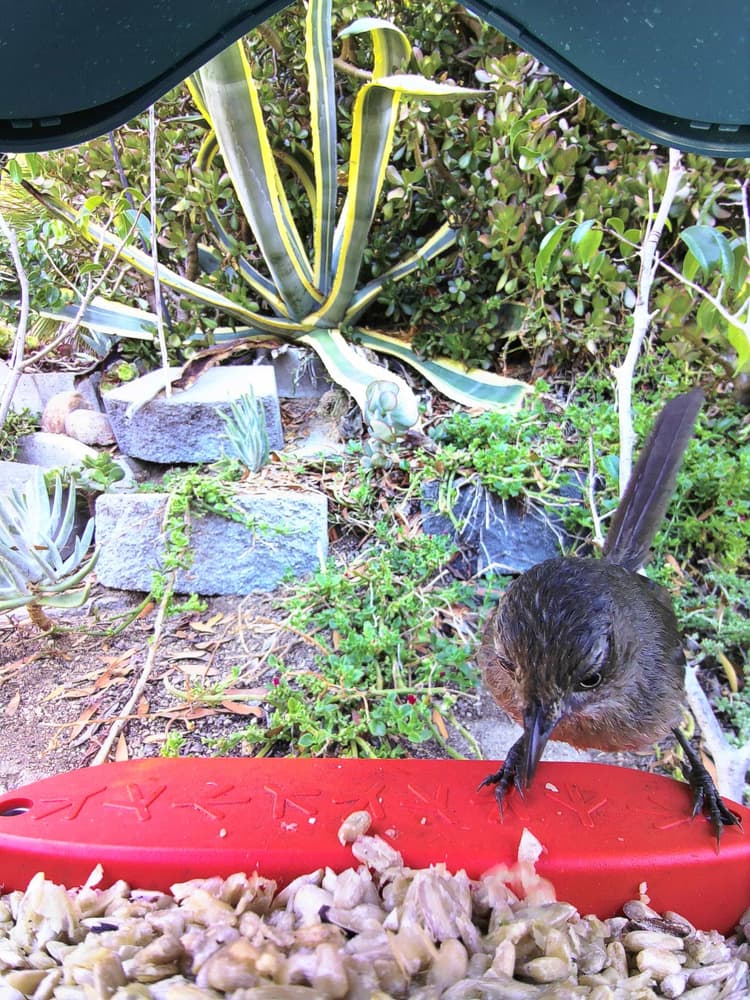
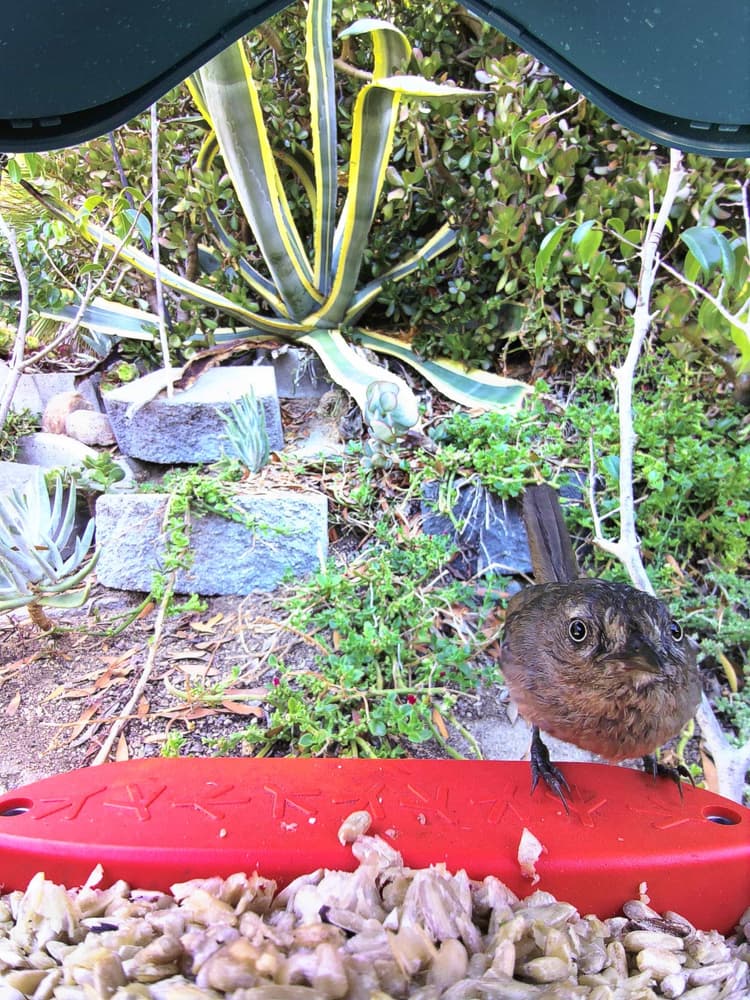
The wrentit is a small bird, measuring between 6-6 1/2 inches (15-17 cm) in length, roughly the size of a robin or a sparrow. Its overall color ranges from gray-brown to reddish brown, featuring a pale eye that stands out. The bird also possesses blurry stripes on its chest, a long tail, and a short, stubby bill. Due to its elusive nature, spotting the wrentit in the wild can be quite challenging.
Male vs female
No significant physical differences have been documented between male and female wrentits. Both genders share similar sizes, colorations, and physical traits making them difficult to differentiate in the wild.
Juvenile
Juvenile wrentits share much of the same characteristics as adults. However, no explicit details are provided about possible variations in size, coloration or differences in physical traits. More detailed information might be necessary to accurately identify juvenile wrentits.
Often mistaken for
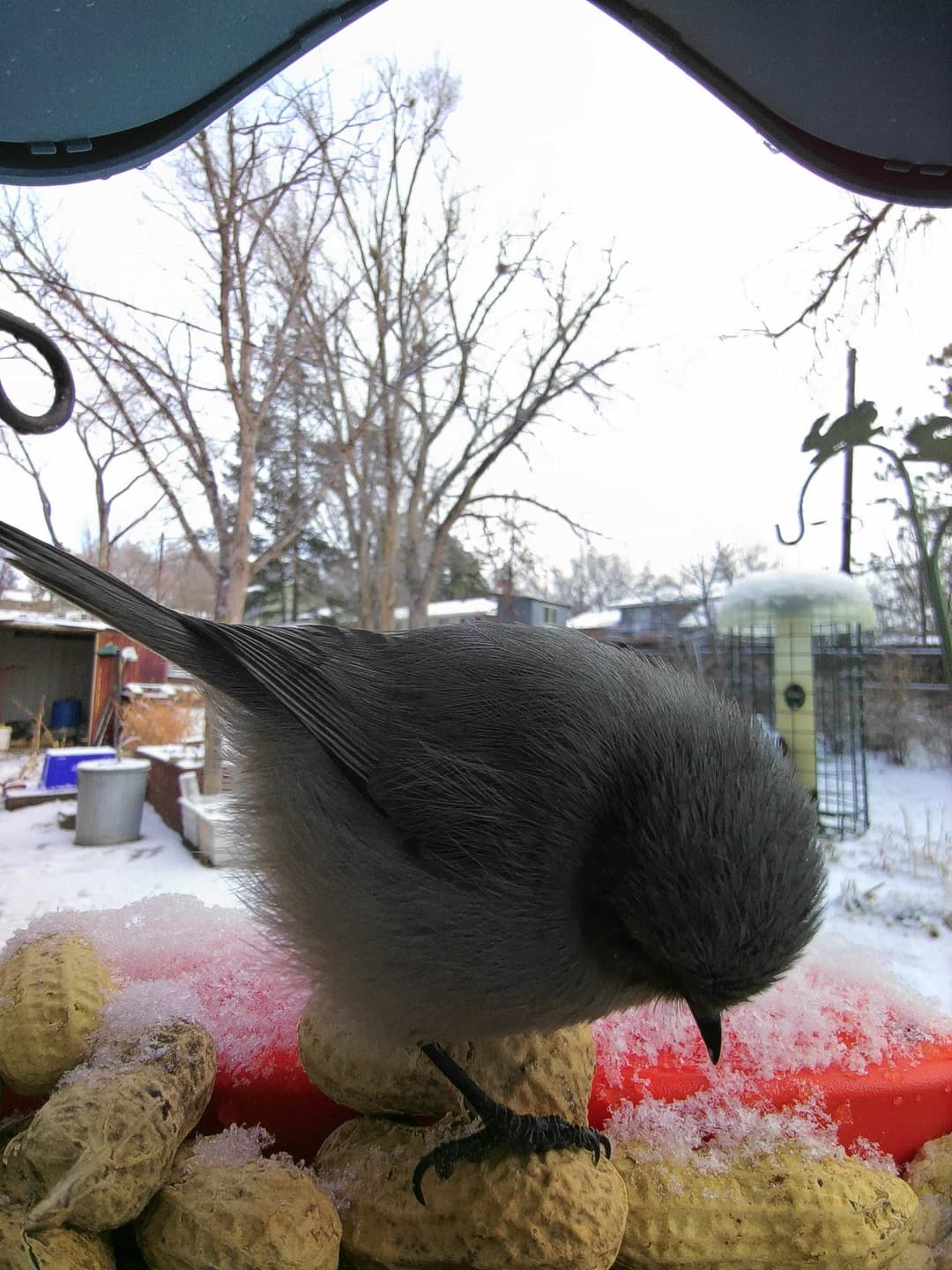
Bushtit vs Wrentit
Wrentits are larger with a long, often cocked tail, and a brownish-gray body tone. Bushtits are smaller, more uniformly gray, and often found in flocks. Notice the distinct, constantly moving tail of a Wrentit as a key identifier.
Oak Titmouse vs Wrentit
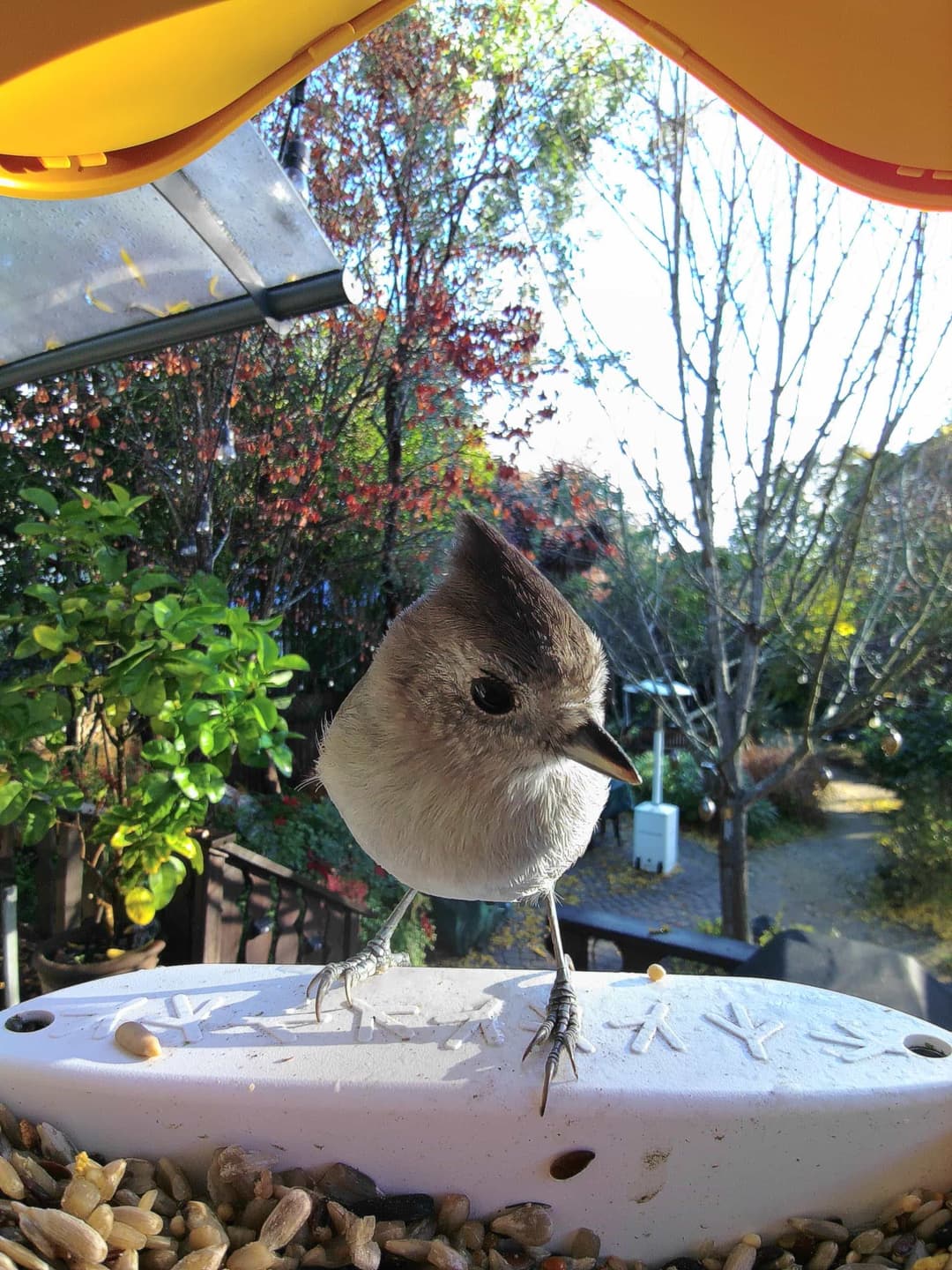
Wrentits have a rounder body and lack the crested appearance of the Oak Titmouse. They are also more brownish-gray compared to the Oak Titmouse's plain gray plumage. Wrentits prefer dense chaparral, whereas Oak Titmice are often found in oak woodlands.
Breeding and nesting habits of the wrentit
Mating behaviors
Wrentits may mate for life and their pairs remain together on nesting territory throughout all seasons. This bond ensures cooperative efforts in building their nests and rearing young.
Nesting details
Wrentits build nests in dense low shrubs, typically 1-4 feet above the ground and rarely above 10 feet in small trees. Nests are well-hidden by foliage and are firmly lashed into place, either attached to clusters of twigs or built in the fork of a branch. Both sexes contribute to building a compact, neat cup-shaped nest from strips of bark and spiderwebs, lined with fine plant fibers and occasionally animal hair. The outside may be adorned with lichen.
Eggs and chick-rearing
Wrentits lay and incubate their eggs in their carefully constructed nests. Both parents likely participate in feeding and nurturing the chicks, ensuring they are well-cared for until they are ready to leave the nest.
What does a wrentit like to eat?
Berries
Insects
Scraps
Seeds
Spiders
Natural diet
The wrentit primarily feeds on a variety of insects and berries. In spring and summer, its diet is heavily insect-based, including ants, small wasps, caterpillars, beetles, scale insects, and leafhoppers, along with spiders. During fall and winter, it consumes many berries, notably those of poison oak.
Bird feeders
At bird feeders, the wrentit may consume bread crumbs or other soft items and can also be found taking sugar-water from hummingbird feeders.
Attracting the wrentit: food preferences
Offer the wrentit a variety of foods to tempt them into your yard. These birds love to feed on insects, fruits, and seeds. Bird Buddy seeds are particularly effective, as they're selected by experts based on the season, making them an enticing food choice for the wrentit.
Feeder types for the wrentit
Wrentits typically forage close to the ground, so platform feeders placed near shrubs or low branches are your best bet. Choose feeders with plenty of space, as wrentits are a bit larger than your average songbird. Carbon steel or iron feeders are sturdy and can withstand the elements.
Fun tricks to keep wrentits around
Add elements to your yard that the wrentit would find in its natural habitat. Try creating small brush piles or planting native shrubs and trees. Wrentits are known for their lovely songs, so play some bird songs in your yard to inspire them for a sing-along. Remember, patience is key. Keep your garden quiet and disturbance-free to make the wrentit feel safe.
Where can you find wrentits?

Primary habitat
The Wrentit typically inhabits dense low growth areas such as chaparral, thickets of poison oak, and coastal sage scrub. These are their most common environments.
Additional range
Unexpectedly, the Wrentit can also be found in suburban and city parks, streamside thickets and shrubby areas. It can very locally extend to the edge of deserts.
Do they migrate?
The wrentit is a permanent resident and very sedentary, meaning it stays in one place all year and does not migrate. It typically remains within its breeding areas and does not engage in significant seasonal movements like many other bird species do. On rare occasions, a few individuals may exhibit limited movement by wandering to higher elevations in late summer. However, these movements are minimal, and the species as a whole is not known to follow any specific migratory route or schedule. The wrentit’s lifestyle is characterized by its attachment to local habitats, which it occupies year-round. This bird primarily inhabits dense shrubs and chaparral environments found in its range, relying on these stable conditions for feeding and nesting throughout the year. Therefore, if you are observing a wrentit, it is likely to be within the same general area across all seasons, illustrating its non-migratory, sedentary nature.
What is the role of wrentits in nature and how to protect them?
Conservation status
The wrentit is fairly widespread and common, though it has experienced declines in some areas due to the increasing development of coastal regions. While it is not classified as vulnerable or endangered, ongoing urbanization poses a significant threat to its habitat. Conservation efforts focus on habitat preservation and mitigating the impact of development in coastal areas to ensure the species remains common.
Ecological role of wrentits
Its role in the ecosystem
The Wrentit plays a considerable role in the ecosystem, contributing to both pest control and seed dispersion. Its feeding behavior and diet heavily consist of insects such as ants, beetles and caterpillars, which are often considered pests, thereby reducing their numbers. This biological control aids in maintaining the balance of species and minimizes the need for chemical insecticides that harm the environment. Furthermore, the Wrentit’s consumption of berries, especially in the fall and winter seasons, plays a significant part in seed dispersal. By eating the berries and excreting the seeds, it helps spread the growth of plants and contributes to biodiversity. In addition to this, by using plant fibers, animal hair, and lichen in their nest construction, the Wrentit promotes ecological recycling and supports the health and growth of its habitat. Thus, the Wrentit proves to be a crucial component in its ecosystem, demonstrating interconnectedness and symbiosis.
How to help protect wrentits
Preservation tips
Habitat preservation strategies
To support Wrentit conservation, initiate habitat preservation strategies. Prevent deforestation and reduce habitat disturbance ensuring availability of shrublands and thickets which these birds prefer. In urban areas, promote the establishment of native plant communities in public and private lands. Use sustainable farming practices to limit pesticide use that may harm these birds.
Community science initiatives
Involve local communities in citizen science initiatives. Train them to monitor Wrentit populations and report sightings. Organize informational sessions to disseminate knowledge about the bird’s importance and conservation need. Create online platforms for data collection and sharing. Encourage people to install birdhouses and feeders to provide additional resources for the Wrentit.