Black-Capped Chickadee or Boreal Chickadee?
Here's how to tell the difference
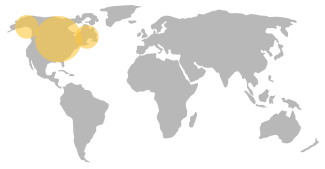
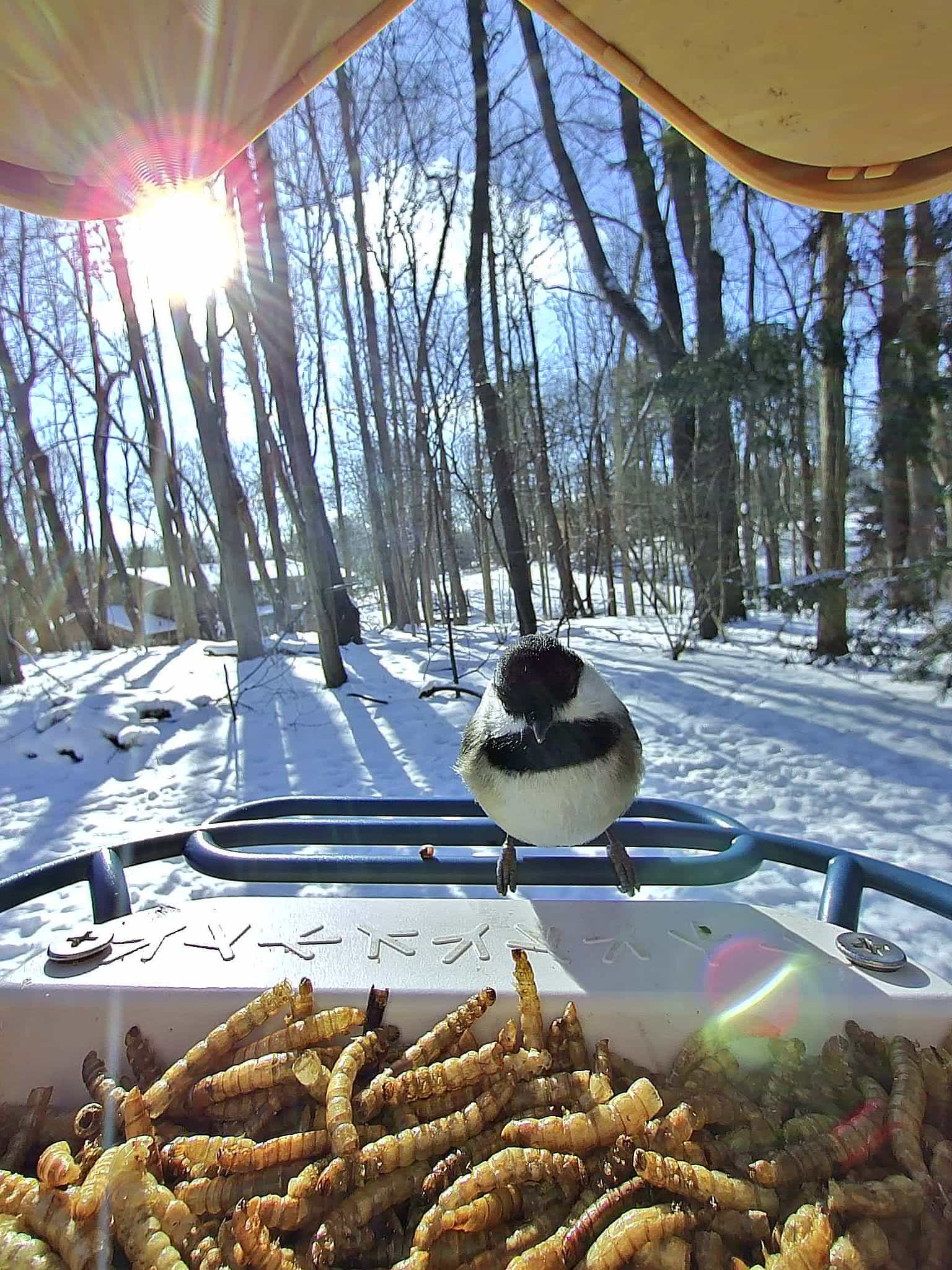


Black-Capped Chickadee


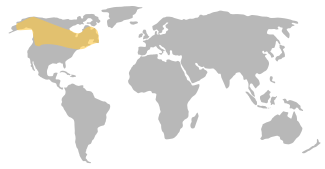
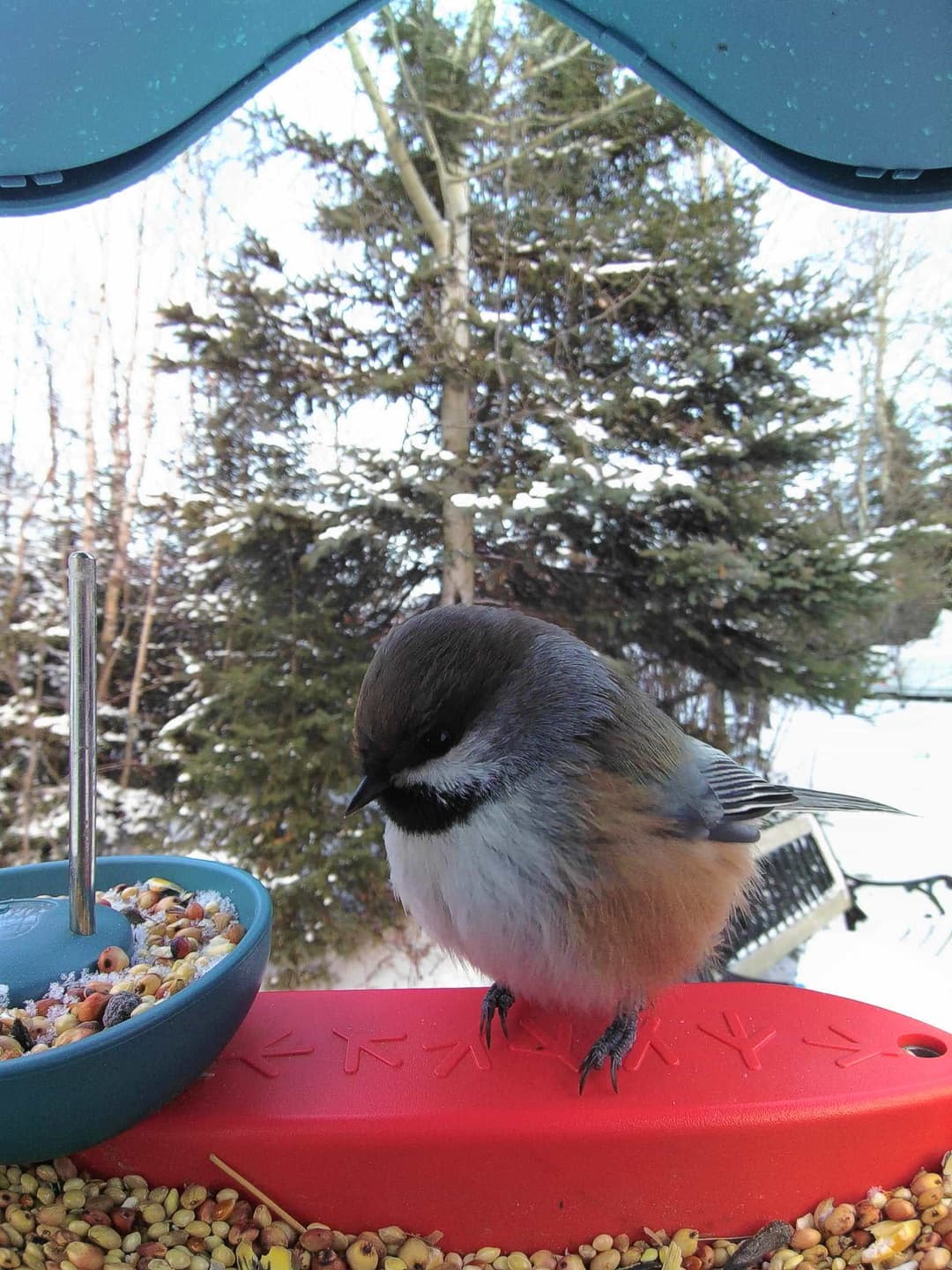
Boreal Chickadee
Black-Capped Chickadee
Poecile atricapillus
General appearance
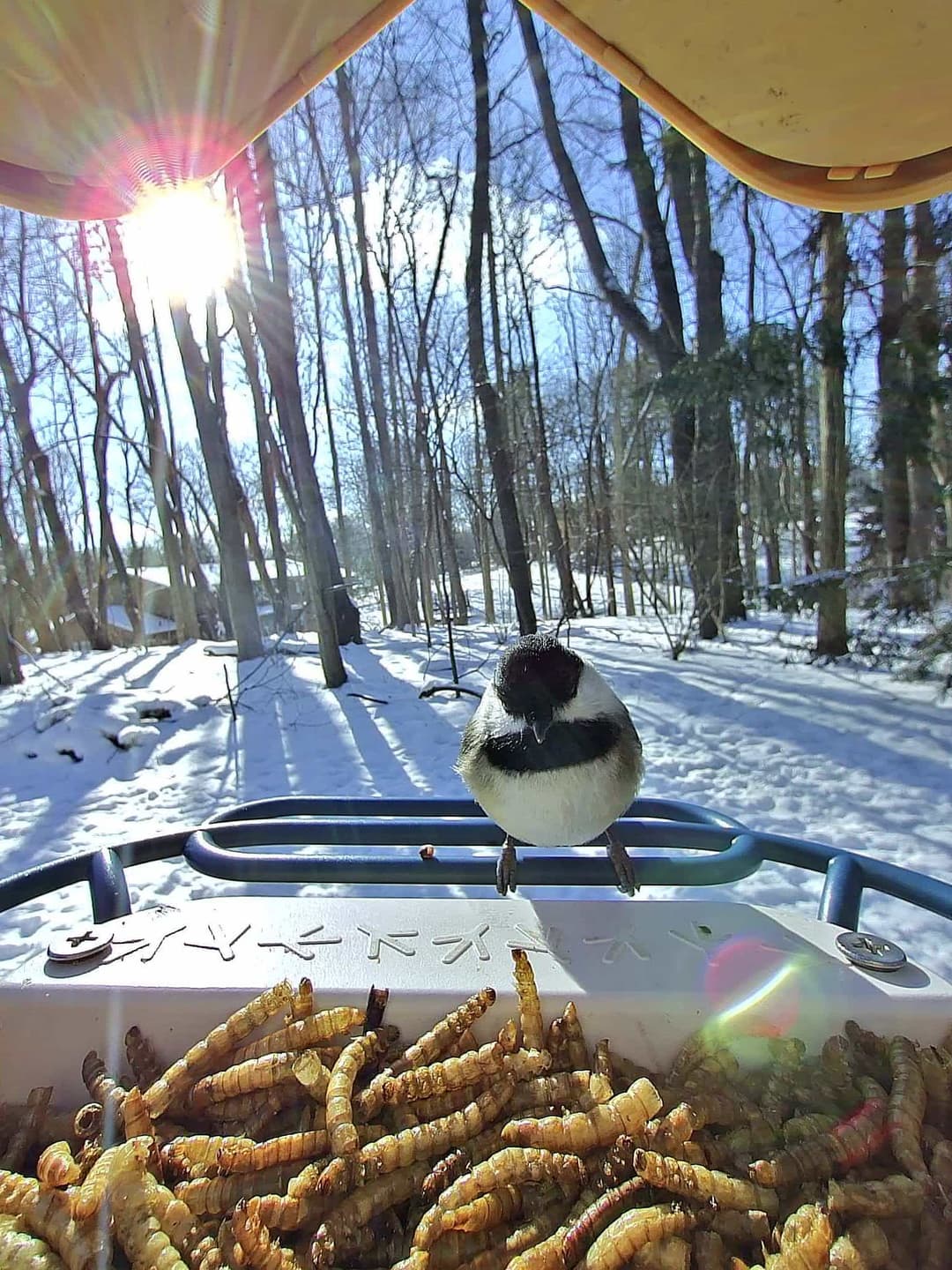
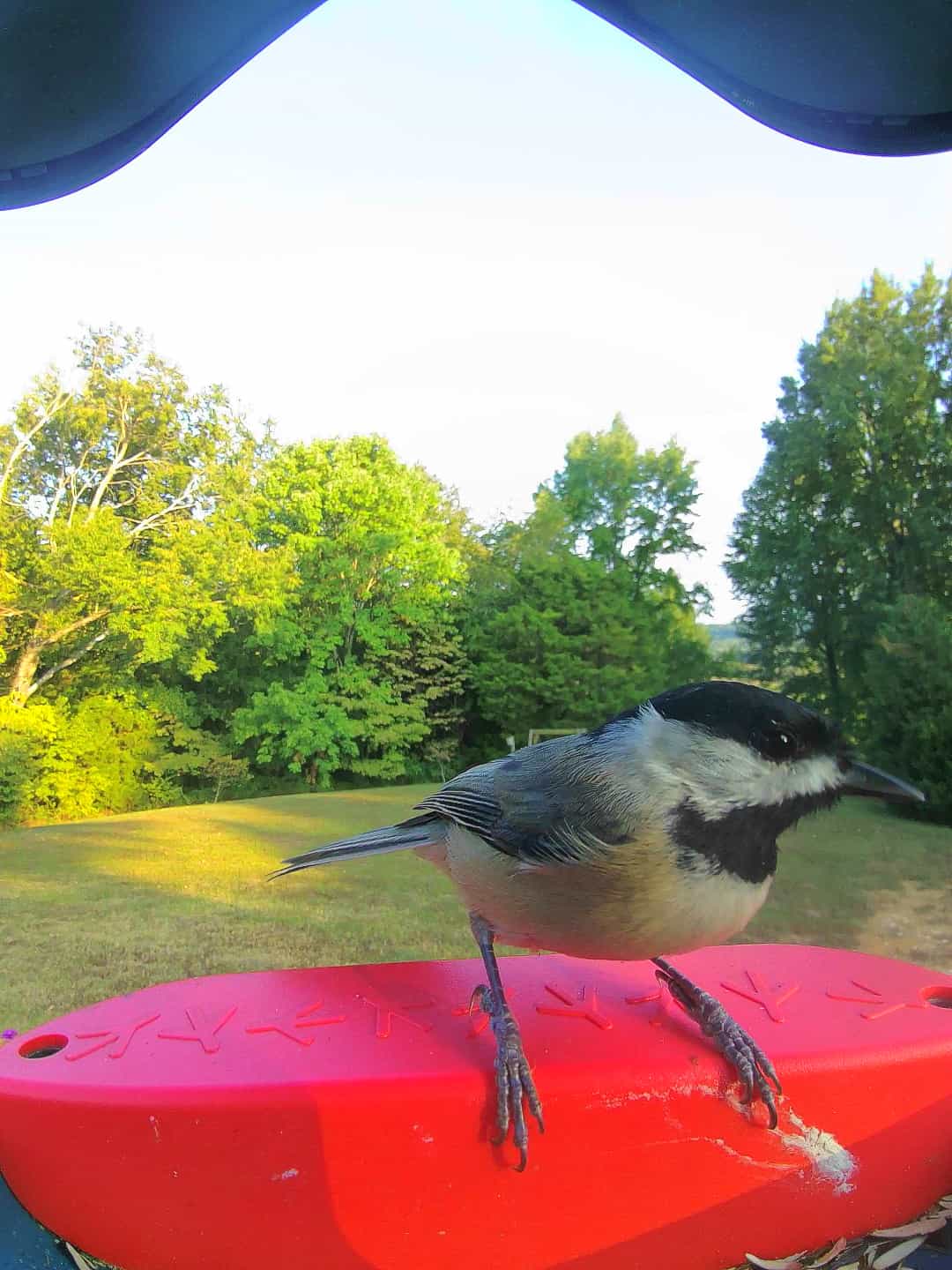
The black-capped chickadee is a small, plump bird with a distinctive black cap and bib, contrasting sharply with its white cheeks. Its back is soft gray, and it has subtle, buffy flanks. Its bill is short and pointed, and its wings and tail have white edges. The bird exhibits an acrobatic flight, often flitting around trees and feeders.
Male vs female
Males and females are visually similar, making it challenging to differentiate based on appearance. Both share the same black cap, bib, and white cheek pattern. However, males may appear slightly larger and have a more vibrant coloration, specifically noted during mating displays, though generally, such differences are subtle.
Juvenile
Juvenile black-capped chickadees resemble adults but with duller plumage. The black cap and bib are less pronounced, and their flanks may appear a lighter shade. As they mature, juveniles attain the crisp black and white patterning typical of adults. In juveniles, the bill base remains slightly flesh-colored before turning fully black.
Size
4.7 - 5.9 in/0.4 - 0.5 oz
There's more to learn about Black-Capped Chickadee
View full detailsBoreal Chickadee
Poecile hudsonicus
General appearance
The boreal chickadee is a small passerine bird characterized by its plump body, long tail, and large head. It has a distinctive appearance with a brown cap that extends to the neck, beige cheeks, and a black bib. Its back is grayish-brown, while its underparts are pale with buff flanks. The wings and tail feathers are dark gray with white edging. This chickadee inhabits boreal forests, making it an essential species to identify in these regions.
Male vs female
There is minimal visible sexual dimorphism between male and female boreal chickadees. Both sexes share similar plumage patterns and coloration, which can make it challenging to distinguish them in the field based solely on appearance. Behavioral observation is often necessary for determining sex.
Juvenile
Juvenile boreal chickadees resemble adults but have more diffuse and duller plumage. Their brown caps and bibs are less distinctly defined, and their overall coloration can appear somewhat washed out. These young birds gradually acquire their adult plumage as they mature. There are no significant seasonal variations in their appearance, although plumage may wear over time.
Size
4.9 - 5.7 in/0.2 - 0.4 oz
There's more to learn about Boreal Chickadee
View full detailsHow to tell the Black-Capped Chickadee from the Boreal Chickadee
Visual differences
The Black-Capped Chickadee (4.7-5.9 inches, 0.35-0.49 ounces) has a black cap and bib with white cheeks and soft gray back, wings, and buffy flanks. The Boreal Chickadee (4.9-5.7 inches, 0.25-0.44 ounces) features a brown cap, beige cheeks, and a black bib with a grayish-brown back and pale underparts with buff flanks. Both have pointed beaks and white-edged wings, but the Black-Capped Chickadee appears bolder due to its distinct black and white contrast, whereas the Boreal Chickadee shows more muted brown tones.
Key differences and behavior
The Black-Capped Chickadee and the Boreal Chickadee, both small passerines, exhibit distinct behavioral and ecological preferences. Black-Capped Chickadees thrive in mixed and deciduous woods and adapt to suburban areas, while Boreal Chickadees prefer coniferous forests, particularly spruce. Socially, Black-Capped Chickadees maintain a pecking order in small groups, whereas Boreal Chickadees form long-term monogamous pairs. Their diets overlap, focusing on insects in summer and seeds in winter, but Boreal Chickadees lean more towards conifer seeds during colder months. Nesting sites for both birds are in tree cavities, but Black-Capped Chickadees often use garden nest boxes. At feeders, both species favor high-energy foods like sunflower seeds and suet. Despite their similar sizes (4.9-5.7 inches), Black-Capped Chickadees are slightly heavier (0.35-0.49 oz) compared to Boreal Chickadees (0.25-0.44 oz).
Still not sure? Here are more lookalikes!
Black-Capped Chickadee vs Carolina Chickadee
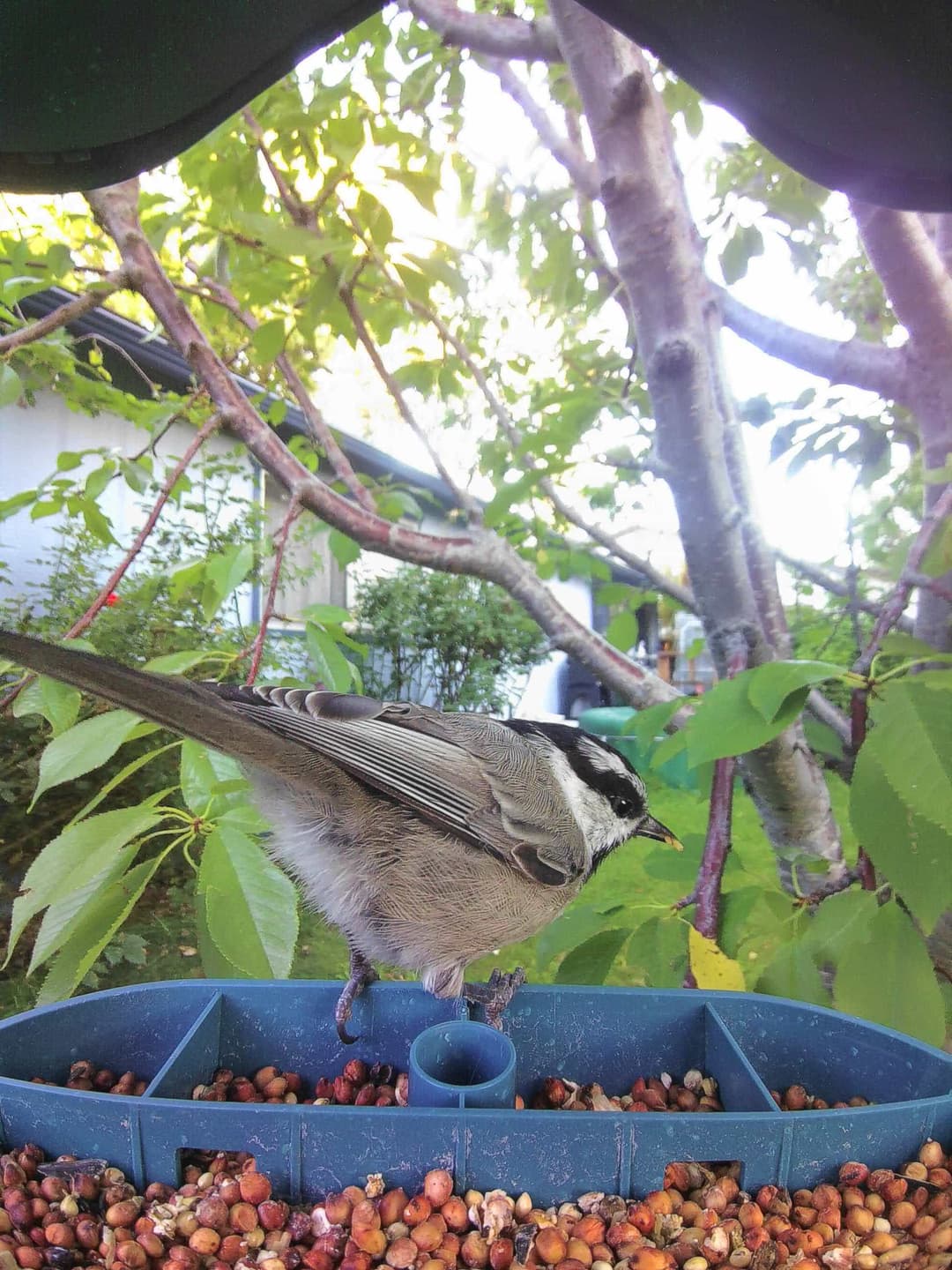
Black-Capped Chickadee vs Mountain Chickadee
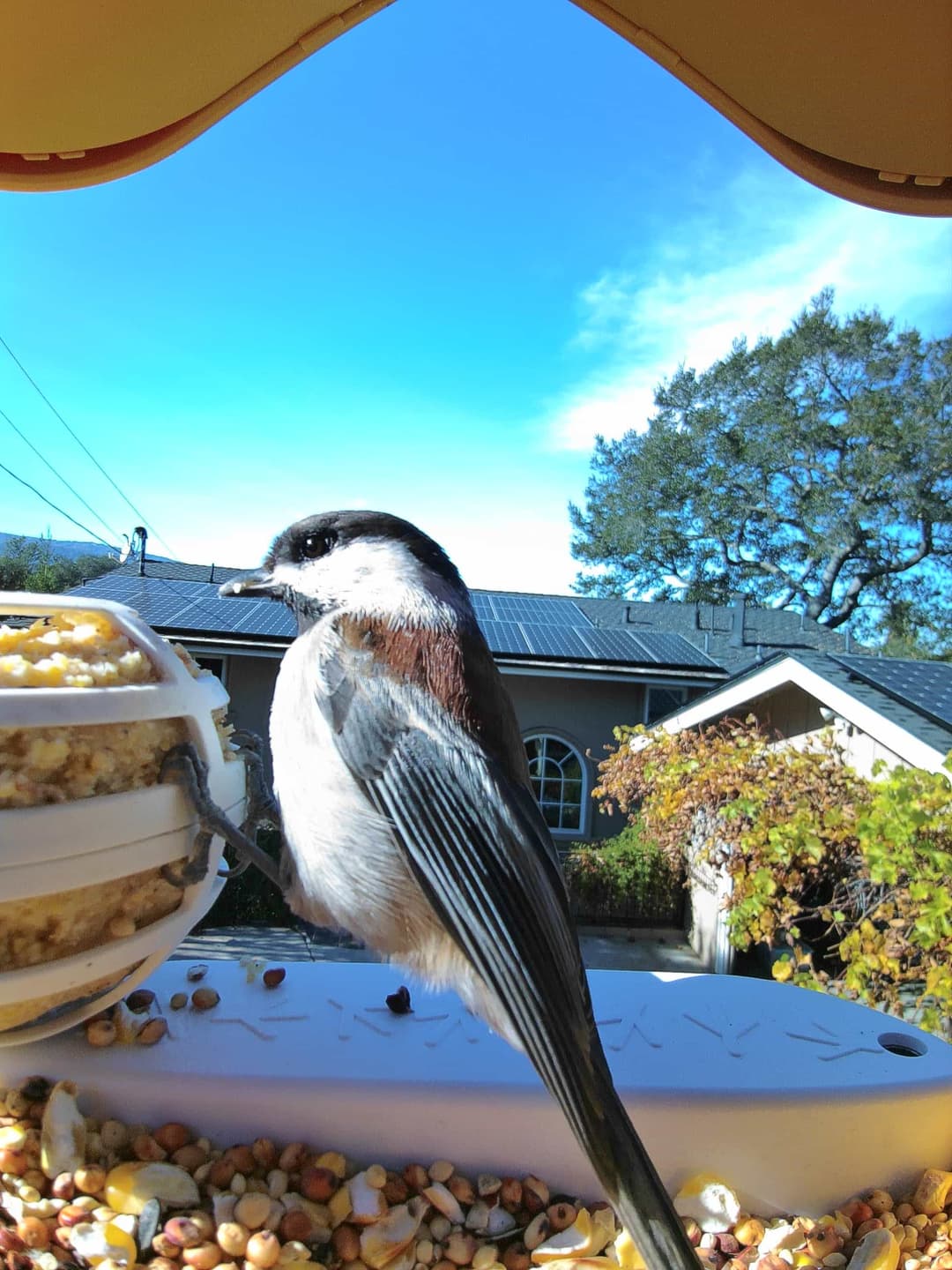
Black-Capped Chickadee vs Chestnut-Backed Chickadee
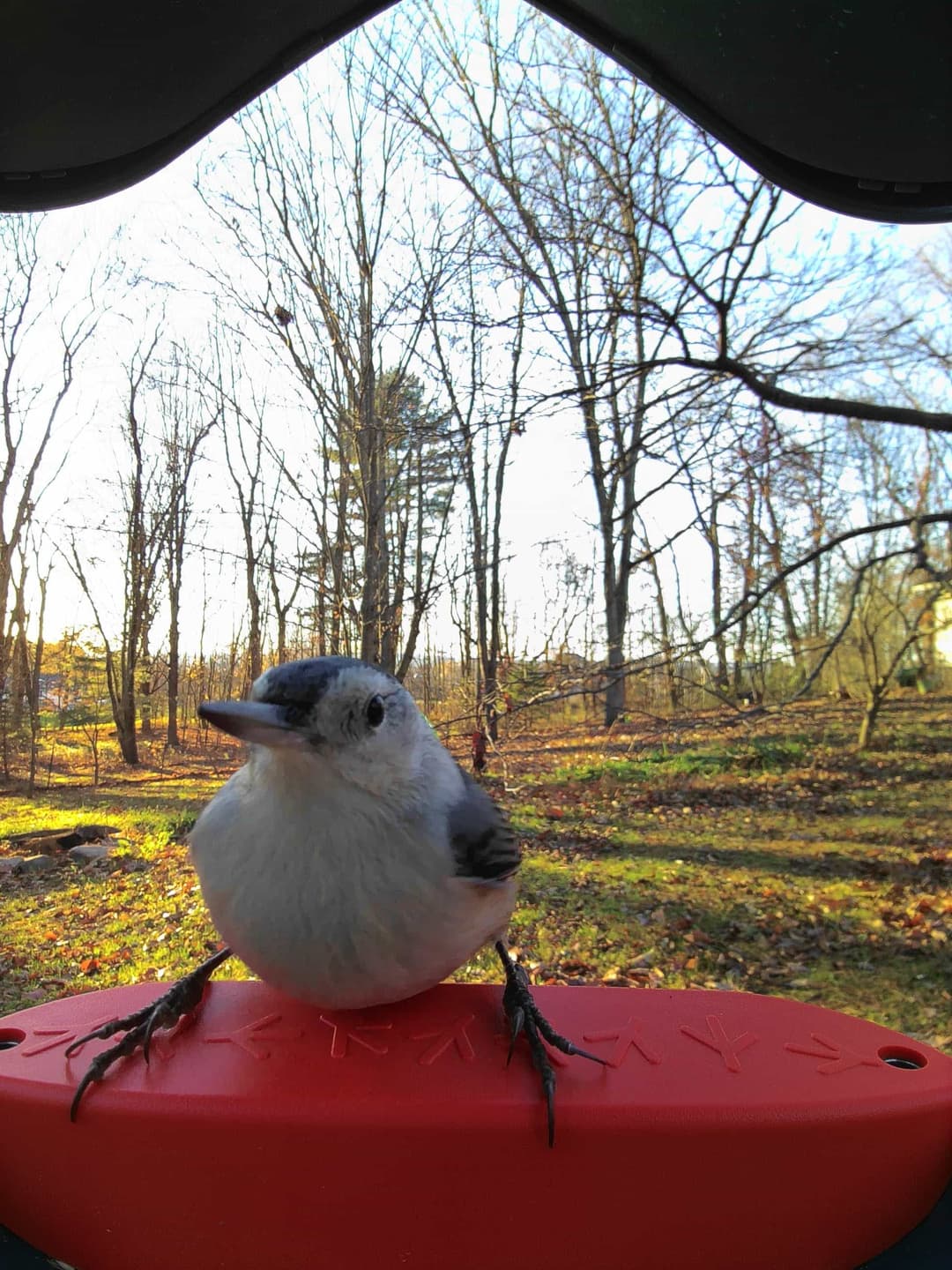
Black-Capped Chickadee vs White-Breasted Nuthatch
Boreal Chickadee vs Mountain Chickadee
Black-Capped Chickadee vs [Select a bird]

[Select a bird]
Pick a bird to compare
Boreal Chickadee vs [Select a bird]
[Select a bird]
Pick a bird to compare