Black-Capped Chickadee or Chestnut-Backed Chickadee?
Here's how to tell the difference


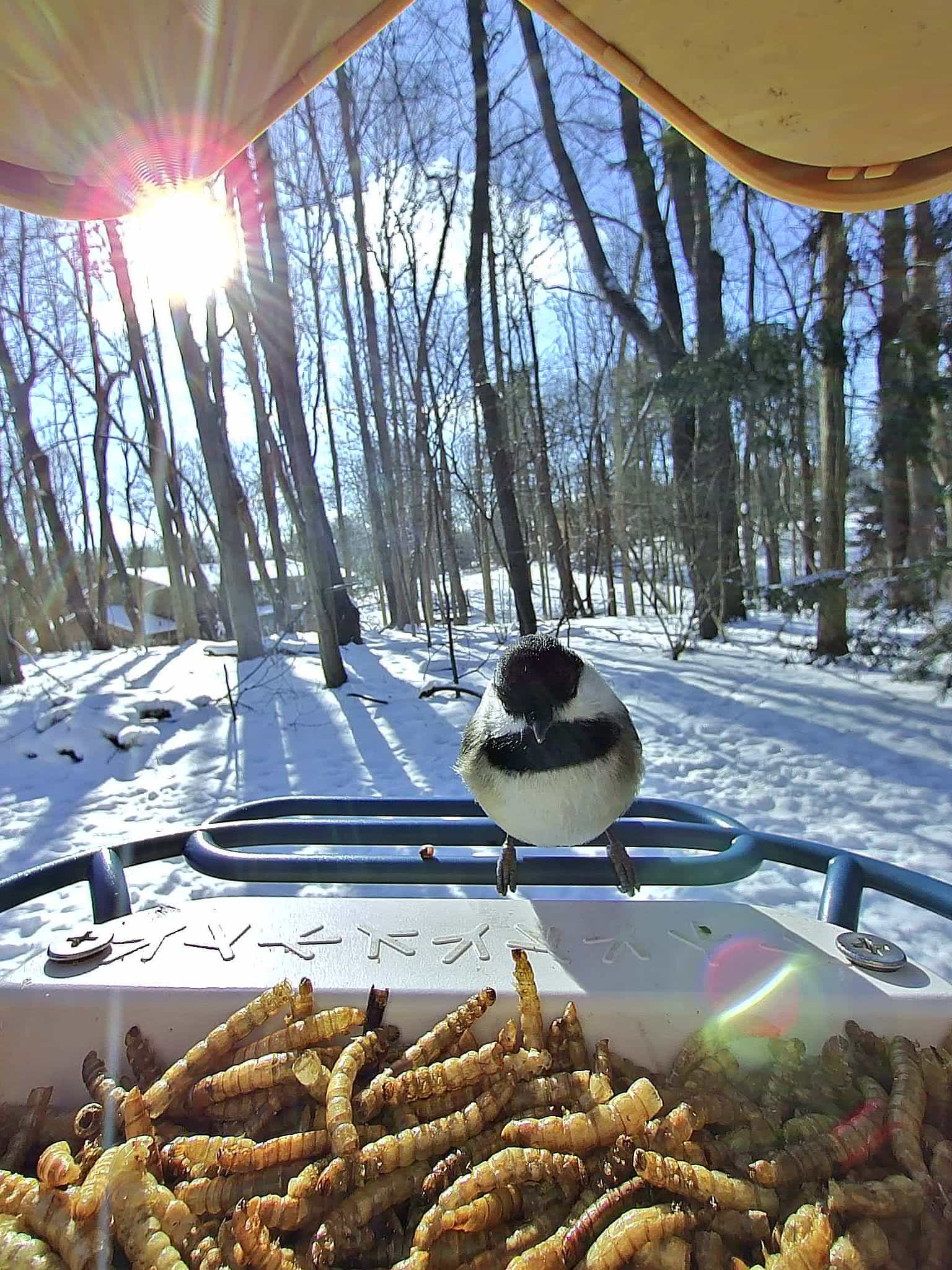


Black-Capped Chickadee
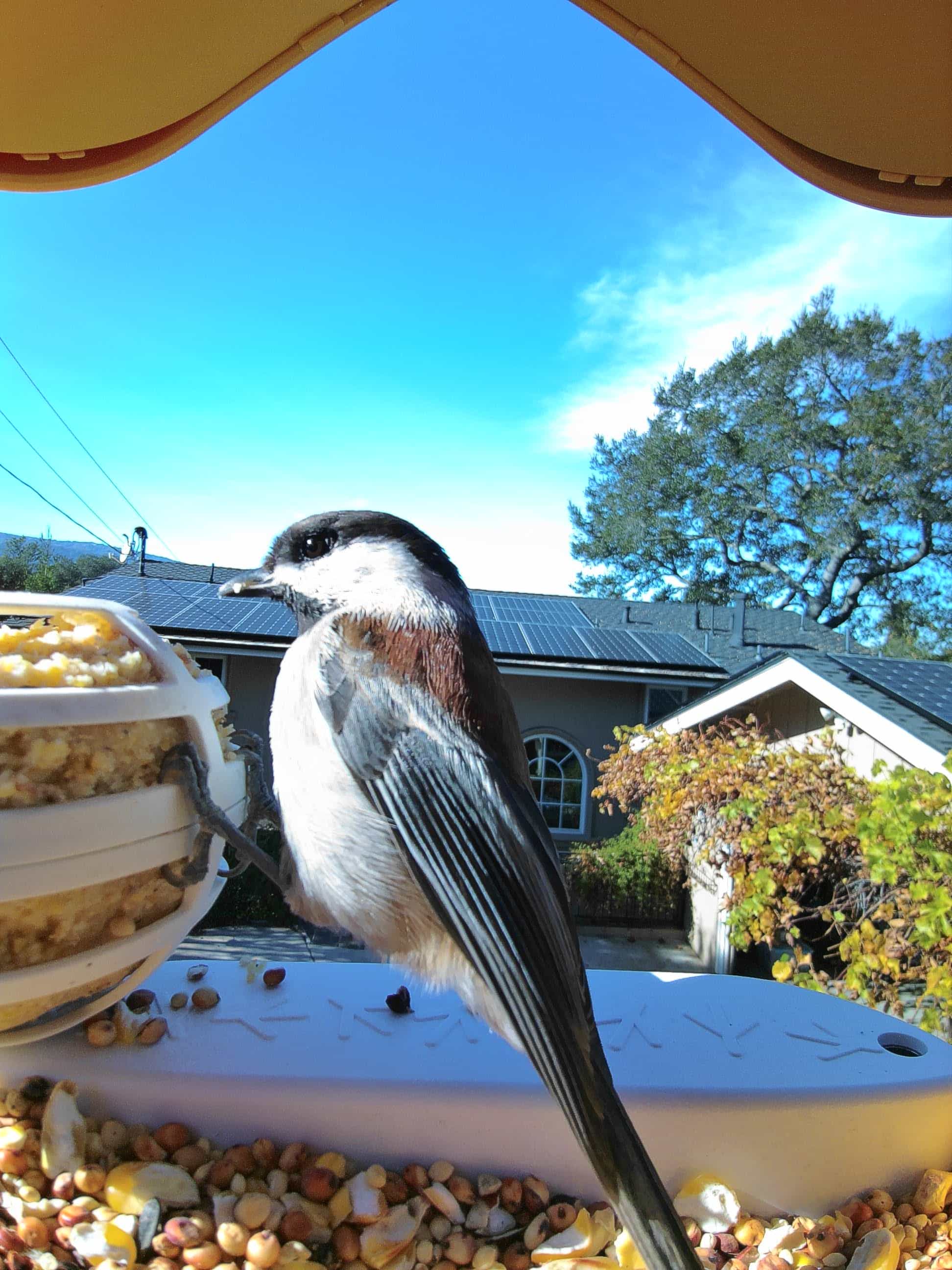


Chestnut-Backed Chickadee
Black-Capped Chickadee
Poecile atricapillus
General appearance
The black-capped chickadee is a small, plump bird with a distinctive black cap and bib, contrasting sharply with its white cheeks. Its back is soft gray, and it has subtle, buffy flanks. Its bill is short and pointed, and its wings and tail have white edges. The bird exhibits an acrobatic flight, often flitting around trees and feeders.
Male vs female
Males and females are visually similar, making it challenging to differentiate based on appearance. Both share the same black cap, bib, and white cheek pattern. However, males may appear slightly larger and have a more vibrant coloration, specifically noted during mating displays, though generally, such differences are subtle.
Juvenile
Juvenile black-capped chickadees resemble adults but with duller plumage. The black cap and bib are less pronounced, and their flanks may appear a lighter shade. As they mature, juveniles attain the crisp black and white patterning typical of adults. In juveniles, the bill base remains slightly flesh-colored before turning fully black.
Size
4.7 - 5.9 in/0.4 - 0.5 oz
There's more to learn about Black-Capped Chickadee
View full detailsChestnut-Backed Chickadee
Poecile rufescens
General appearance
The chestnut-backed chickadee is a small bird, roughly the size of a sparrow. Measuring about 4 1/2 -5 inches from beak to tail, this variety stands out due to its distinctive color scheme. It flaunts a rich chestnut back and sides, contrasting with its sooty brown cap and gray wings. Some variations found on the central California coast have gray sides instead of chestnut but are always more deeply colored in areas overlapping with the Boreal Chickadee.
Male vs female
The chestnut-backed chickadee exhibits little to no sexual dimorphism. This means that males and females of the species are very similar in appearance, making them difficult to distinguish based on physical characteristics alone.
Juvenile
Juvenile chestnut-backed chickadees closely resemble adults, but they may be slightly duller in color. As they mature, the rich chestnut and contrasting gray of their plumage become more pronounced. Notably, they do not undergo any significant seasonal variations in their appearance. Therefore, identification throughout the year remains consistent.
Size
3.9 - 4.9 in/0.3 - 0.4 oz
There's more to learn about Chestnut-Backed Chickadee
View full detailsHow to tell the Black-Capped Chickadee from the Chestnut-Backed Chickadee
Visual differences
The Black-Capped Chickadee (4.7-5.9 inches, 0.35-0.49 oz) has a black cap and bib with white cheeks, gray back, and buffy flanks. The Chestnut-Backed Chickadee (4.5-5 inches, 0.3-0.44 oz) features a sooty brown cap, rich chestnut back and sides, or gray sides in some regions. Both have short, pointed bills and are visually similar between genders and juveniles. The Black-Capped exhibits more white edging on its wings and tail.
Key differences and behavior
The Black-Capped Chickadee (Poecile atricapillus) and Chestnut-Backed Chickadee (Poecile rufescens) exhibit distinct behavioral traits. Black-Capped Chickadees are more adaptable, inhabiting mixed and deciduous woods, and suburban areas, while Chestnut-Backed Chickadees prefer dense coniferous forests. Both species are social, but Black-Capped Chickadees maintain a strict pecking order in winter flocks, whereas Chestnut-Backed Chickadees are more communal but notably loud. Black-Capped Chickadees modify their diet seasonally, with a higher reliance on seeds and berries in winter, while Chestnut-Backed Chickadees consistently include conifer seeds. Black-Capped pairs form in fall and remain monogamous, actively using tree holes for nesting. Chestnut-Backed Chickadees might remain monogamous and creatively use fur in nests. Both utilize bird feeders for high-energy foods, offering opportunities to observe their differing habitat and dietary preferences.
Still not sure? Here are more lookalikes!
Black-Capped Chickadee vs Carolina Chickadee
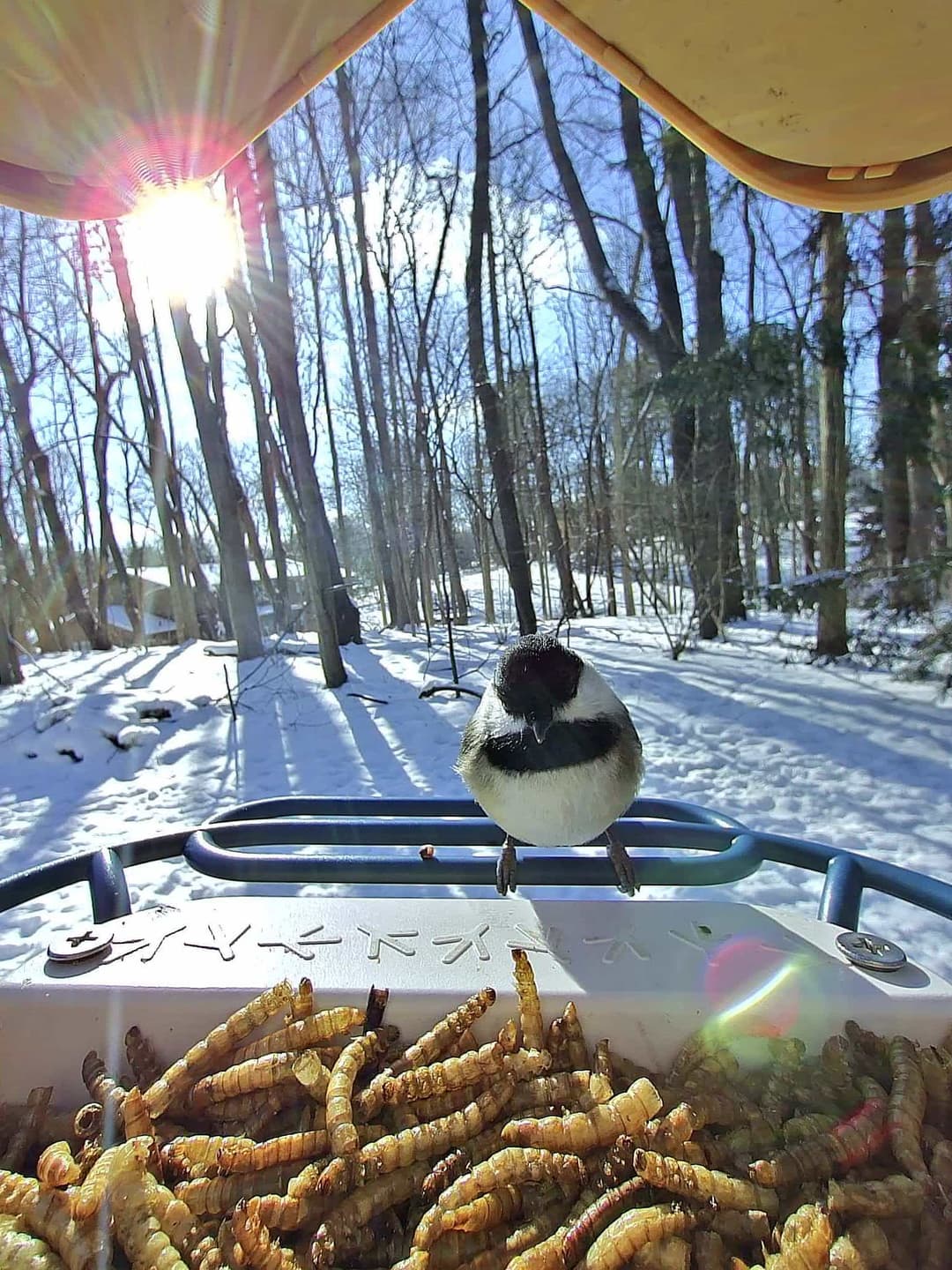
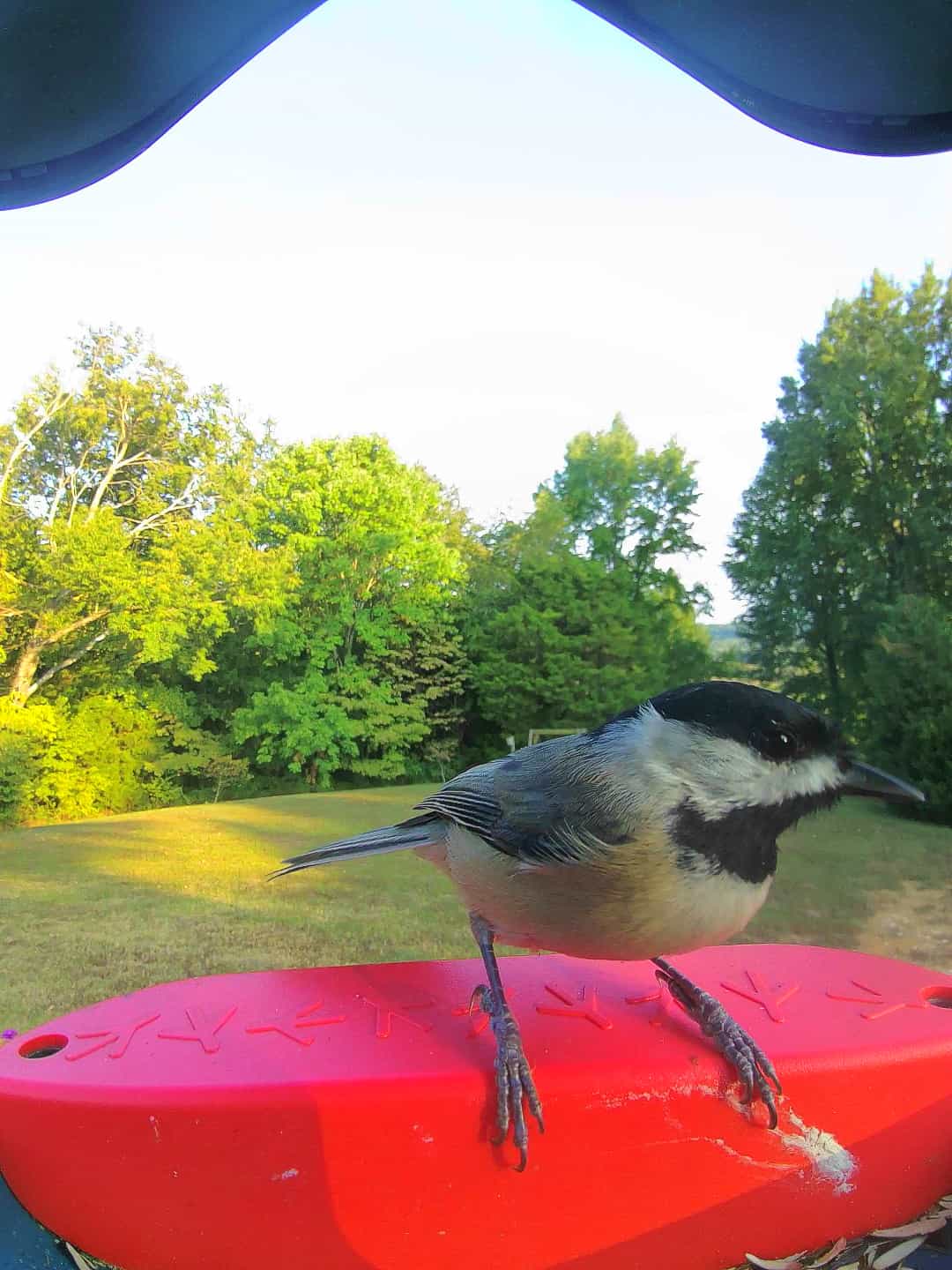
Black-Capped Chickadee vs Mountain Chickadee
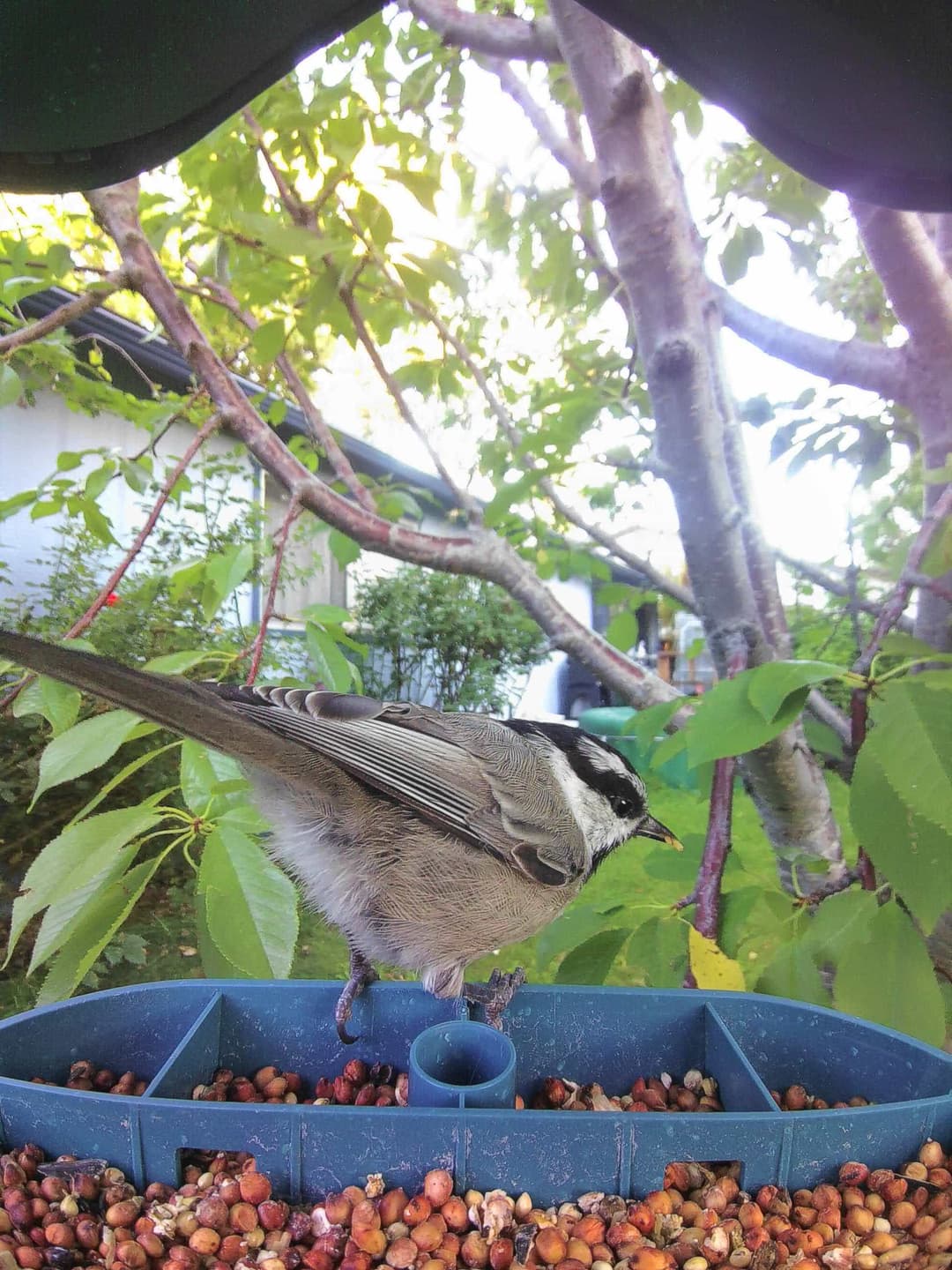
Black-Capped Chickadee vs Boreal Chickadee
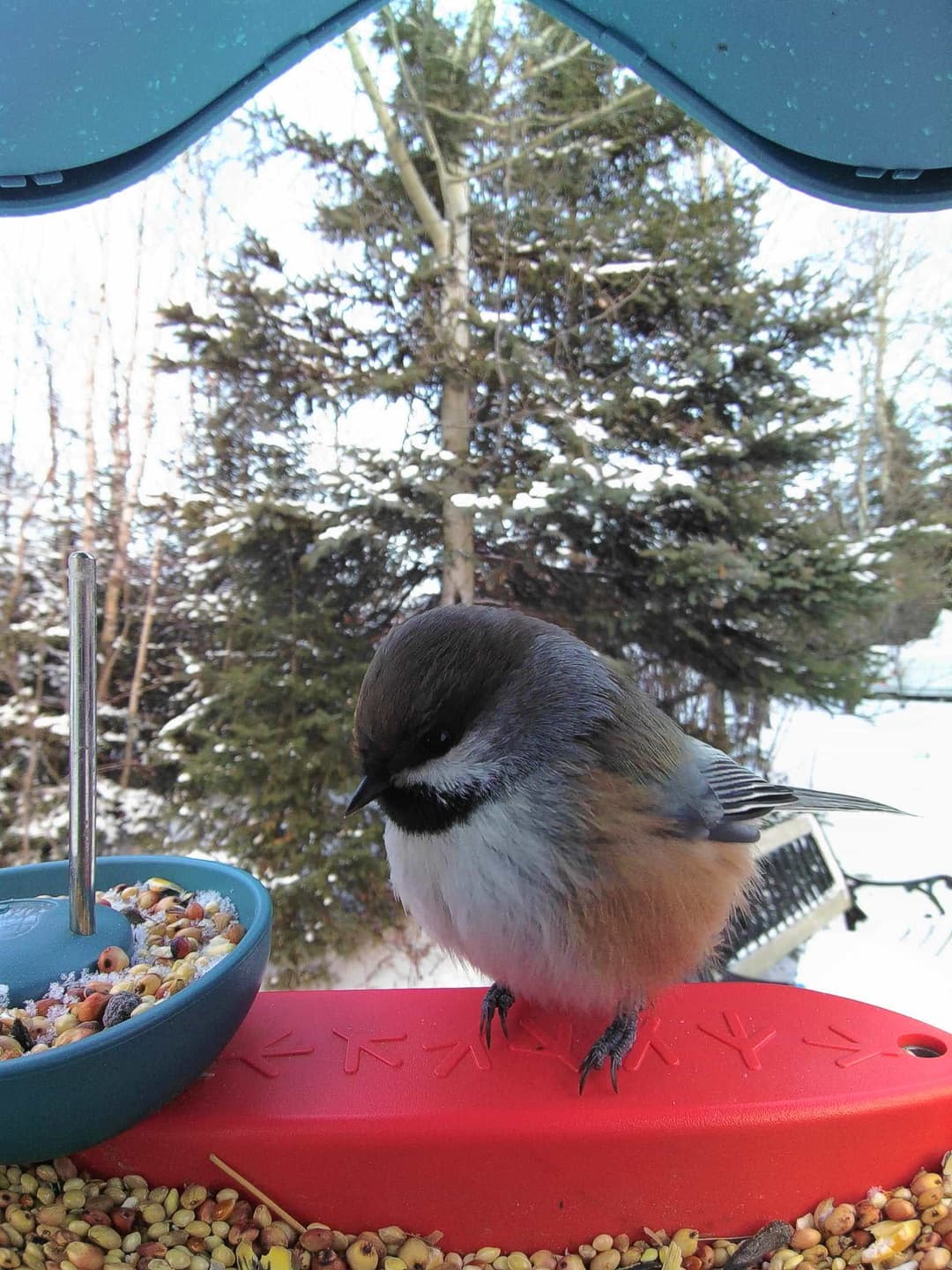
Black-Capped Chickadee vs White-Breasted Nuthatch
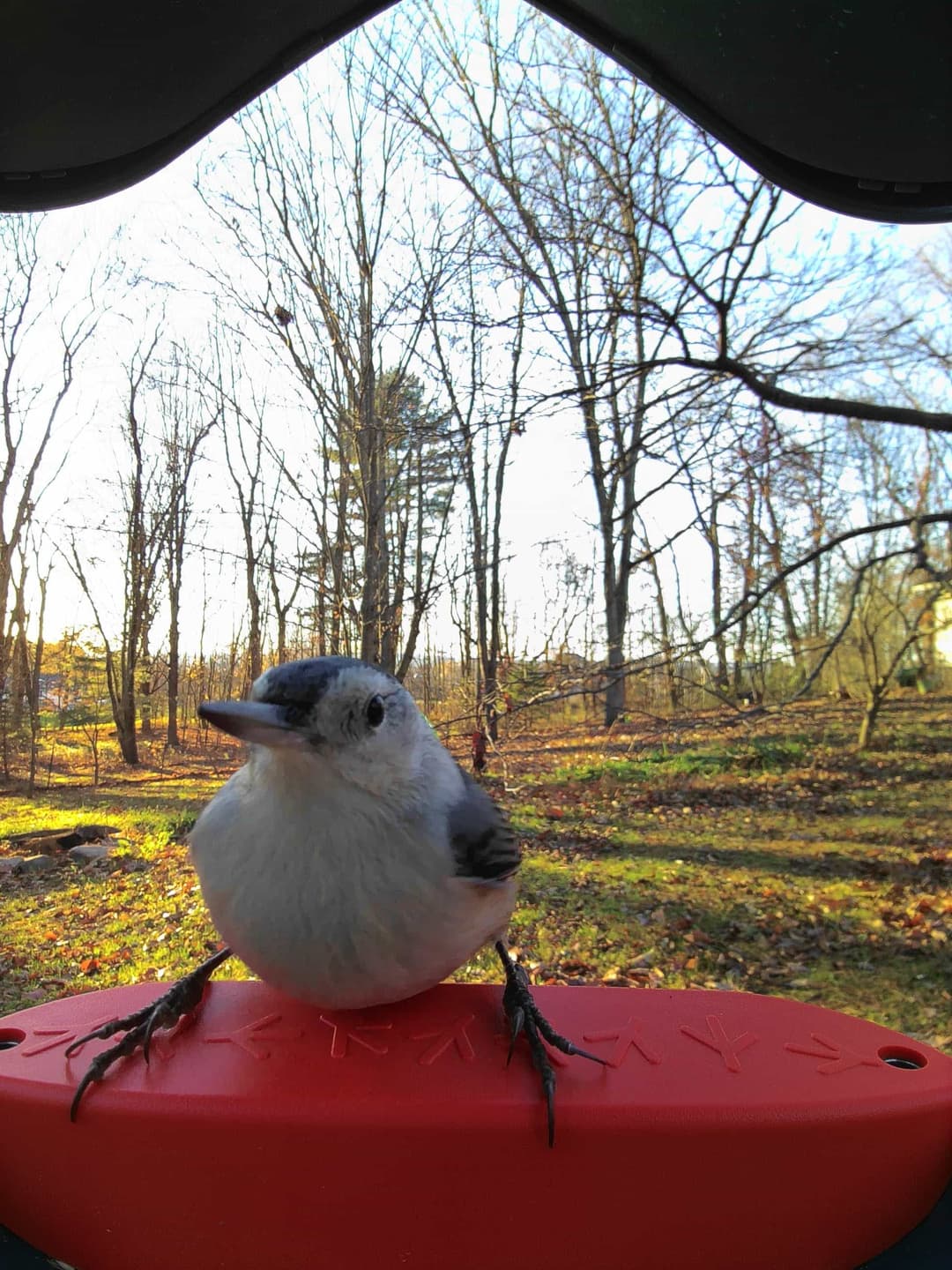
Chestnut-Backed Chickadee vs Mountain Chickadee
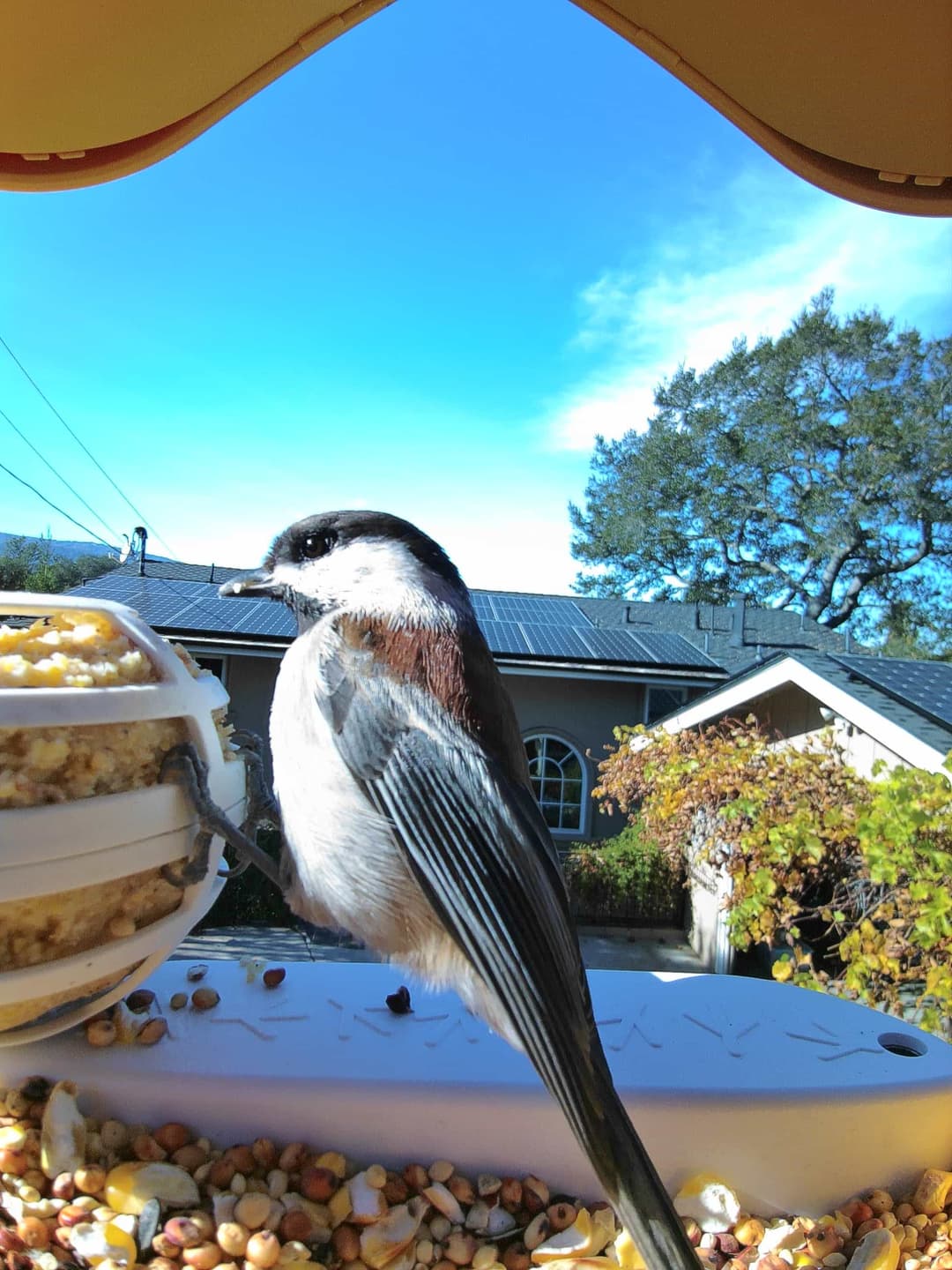
Chestnut-Backed Chickadee vs Boreal Chickadee
Black-Capped Chickadee vs [Select a bird]

[Select a bird]
Pick a bird to compare
Chestnut-Backed Chickadee vs [Select a bird]
[Select a bird]
Pick a bird to compare