Eastern Meadowlark or Bobolink?
Here's how to tell the difference
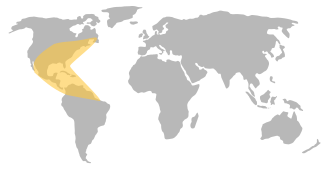
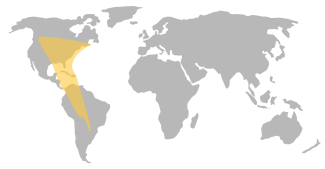
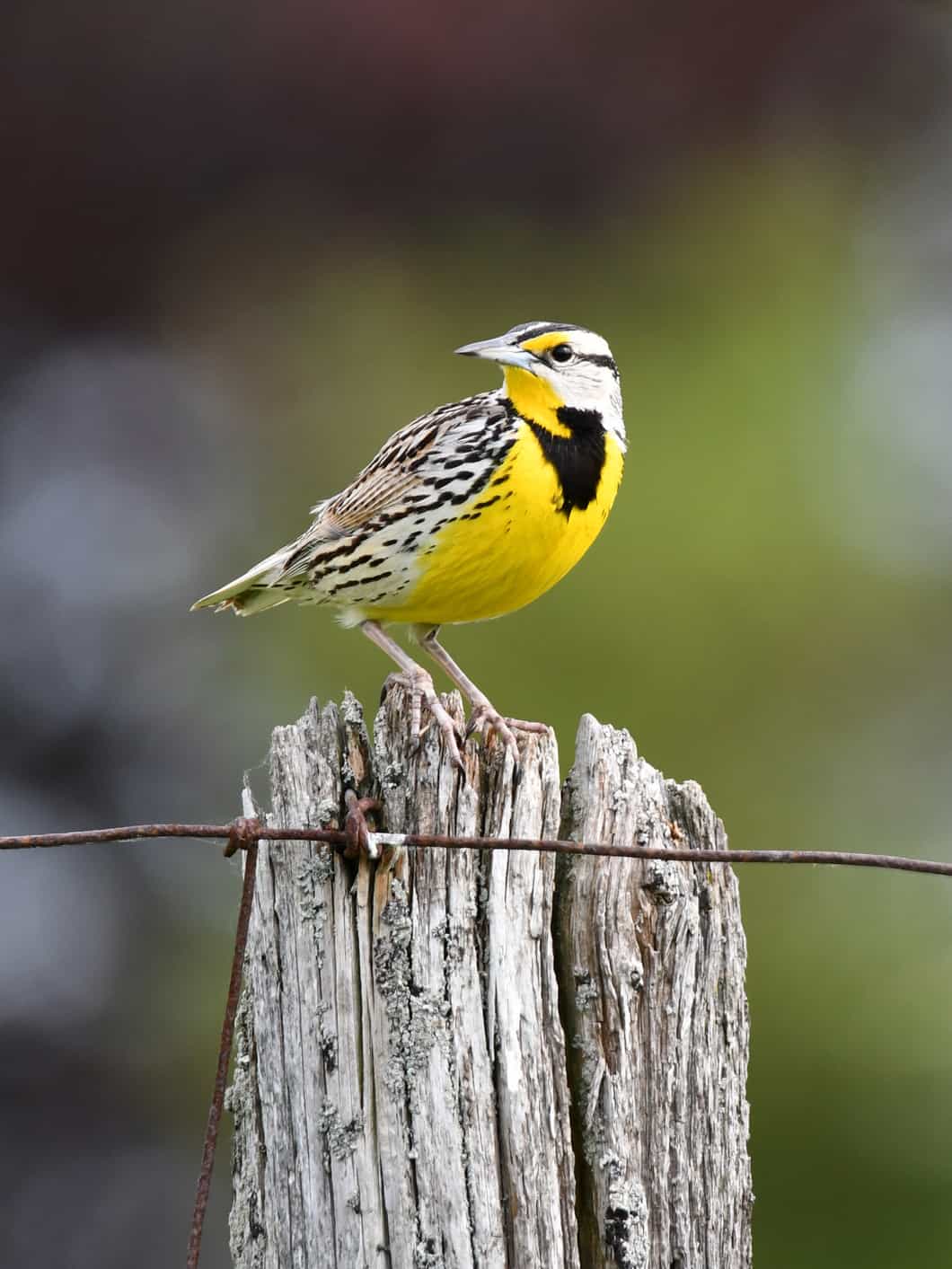
Eastern Meadowlark
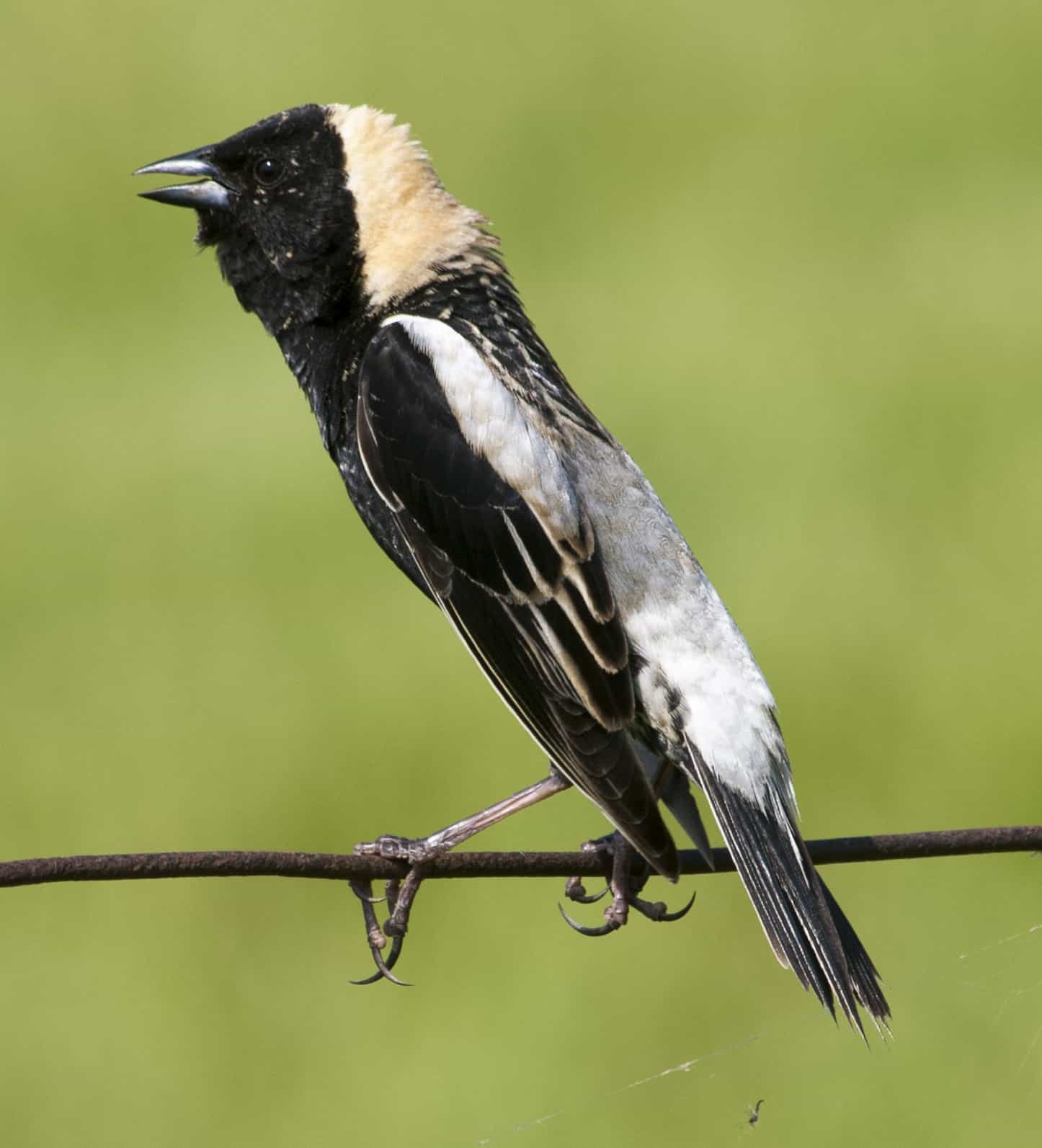
Bobolink
Eastern Meadowlark
Sturnella magna
General appearance
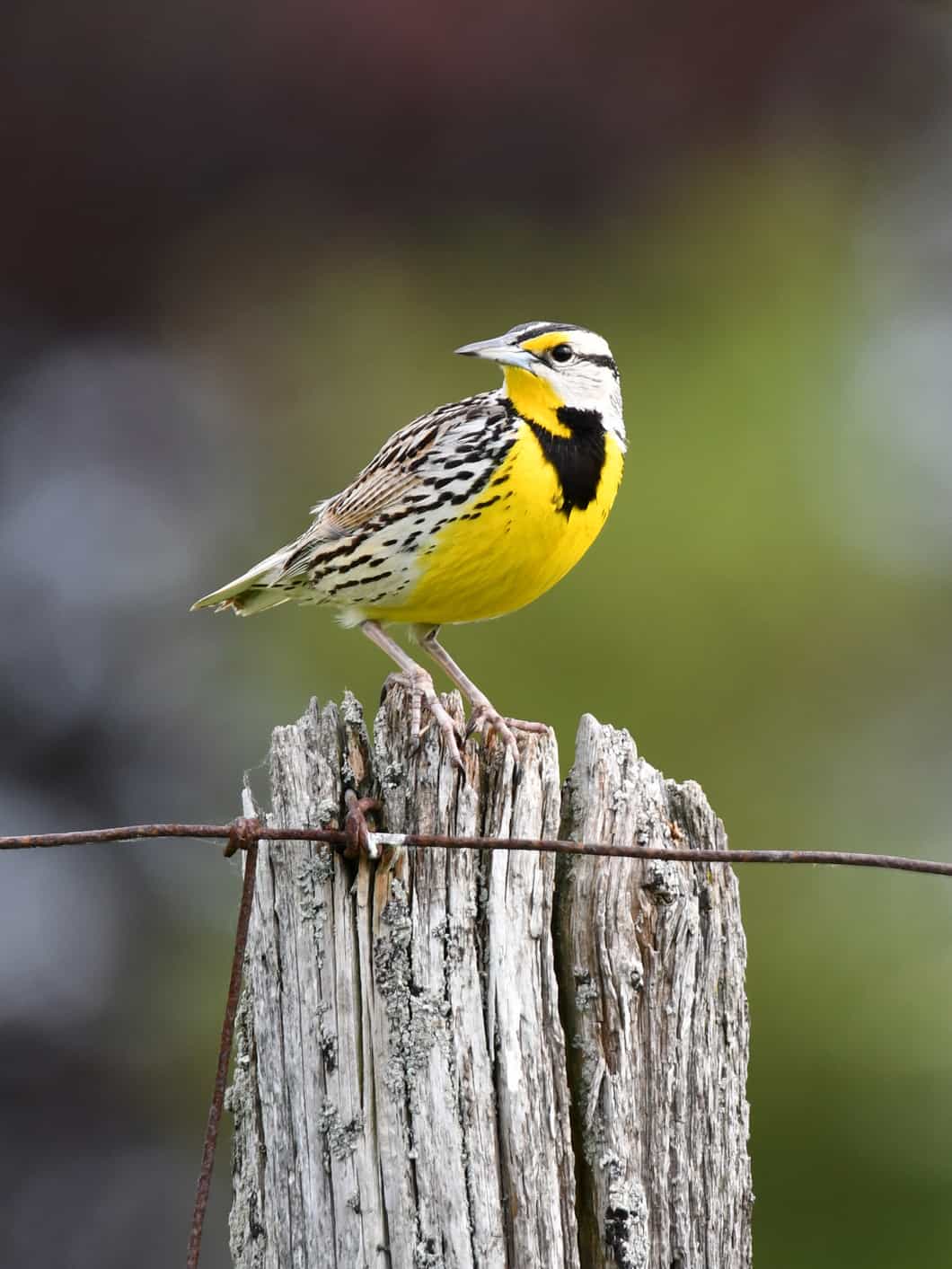
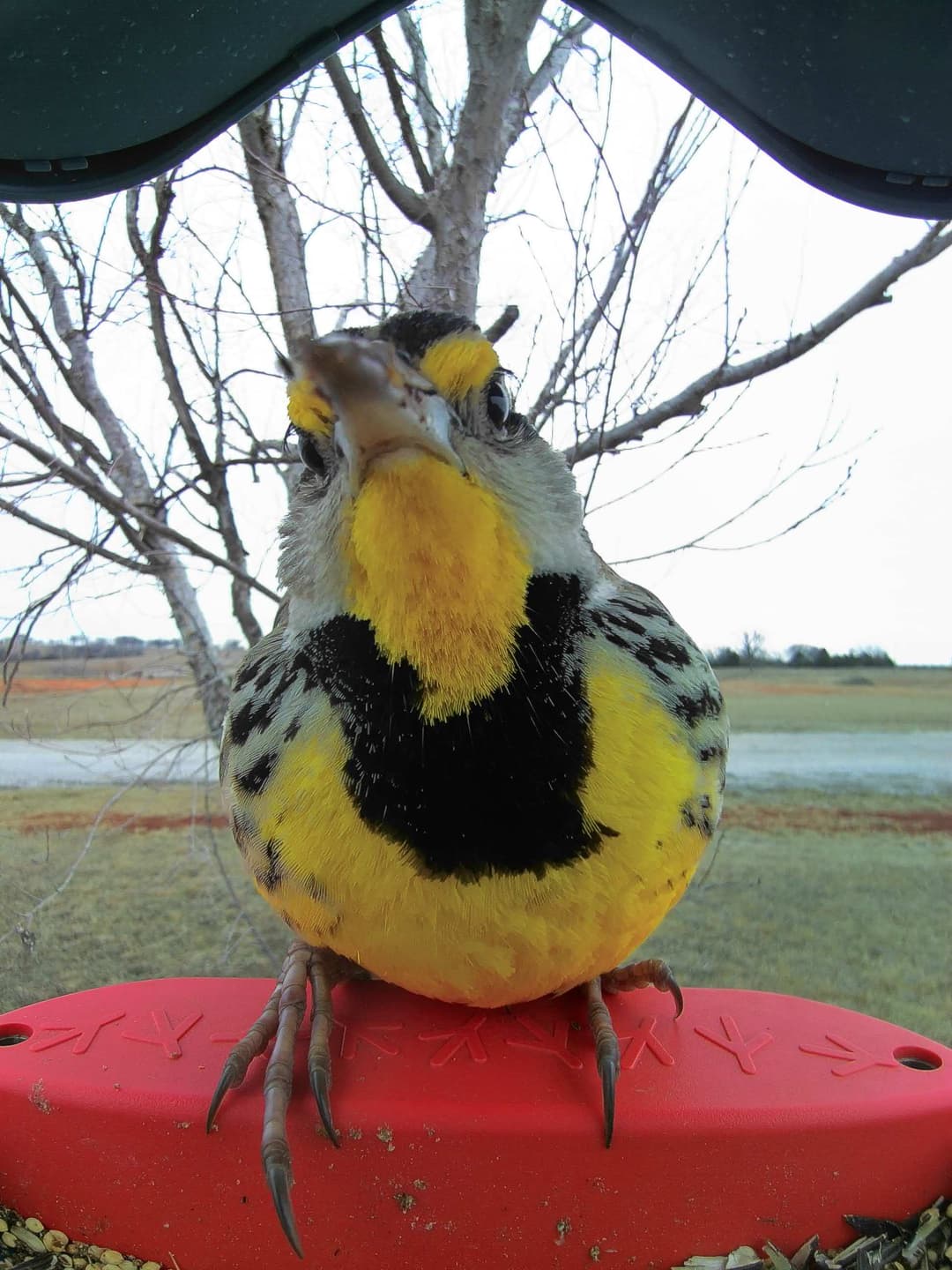
The eastern meadowlark is a medium-sized songbird, characterized by its bright yellow underparts and a distinctive black 'V' necklace on its chest. The upperparts are brown with intricate streaks, providing camouflage in grassy habitats. The face features a sharp contrast with a white or pale yellow stripe above the eye and a dark crown. They possess a long, pointed bill.
Male vs female
Males and females have similar plumage, making them difficult to distinguish by appearance alone in the field. However, males are typically slightly larger and possess more vibrant colors. During the breeding season, males' songs are more pronounced, assisting in identification.
Juvenile
Juvenile eastern meadowlarks resemble adults but have duller and more muted colors. The black 'V' on the chest is less defined, and the overall plumage shows more spotting rather than streaking. Juveniles lack the fully-developed song of adults, with more subdued calls.
Size
7.5 - 10.2 in/2.0 - 5.3 oz
There's more to learn about Eastern Meadowlark
View full detailsBobolink
Dolichonyx oryzivorus
General appearance
The Bobolink is approximately 18 cm long and has a multi-pointed or rounded tail. Its wings are pointed and it is roughly the size of a Sparrow or Robin. It has a distinct color combination of black, brown, tan, white, and yellow.
Male vs female
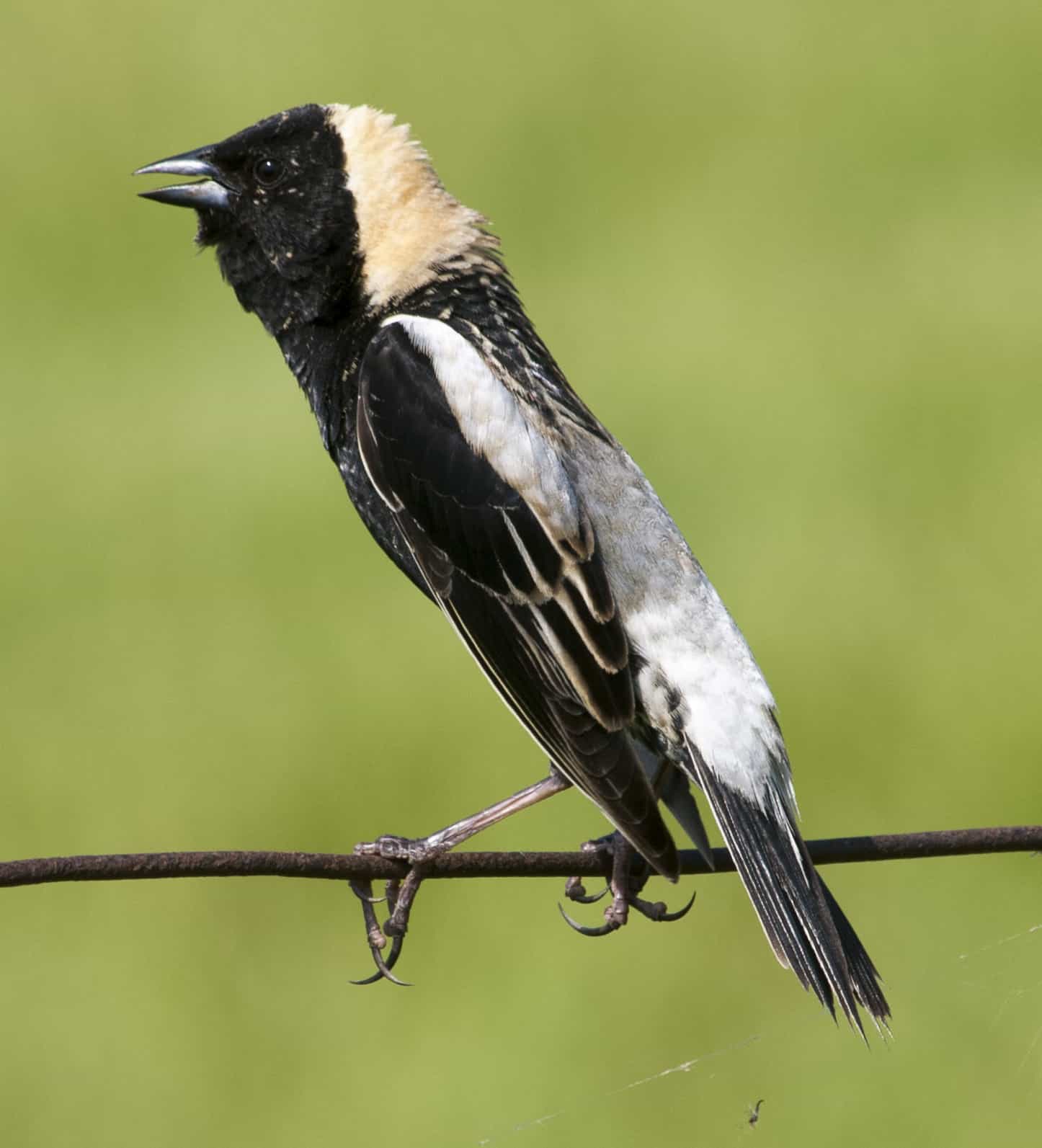
The males are identifiable in spring and summer by their solid black underparts and substantial white patch on the back, coupled with a yellow nape. They molt into the buffy, streaked looks similar to females and juveniles at the end of summer, with black stripes on the crown. Females maintain a buffy, streaky appearance throughout.
Juvenile
Juveniles share a similar appearance to females with their buffy, streaky complexion. They are distinguishable by the black stripes on their crown. It is advised to compare their size and markings to sparrows for an easier identification.
Size
5.9 - 7.9 in/1.0 - 2.0 oz
There's more to learn about Bobolink
View full detailsHow to tell the Eastern Meadowlark from the Bobolink
Visual differences
Eastern Meadowlarks and Bobolinks have distinct visual differences. The Eastern Meadowlark is larger, measuring 7.5-10.2 inches in length with bright yellow underparts and a black 'V' on its chest. It has a long, pointed bill. In contrast, the Bobolink is smaller, about 5.9-7.9 inches long, with males displaying black underparts, a white back patch, and a yellow nape in spring and summer. Females and juveniles are buffy and streaky. Bobolinks have a rounded or multi-pointed tail and pointed wings.
Key differences and behavior
Eastern Meadowlarks and Bobolinks demonstrate distinct behaviors and habitat preferences despite sharing similar diets of insects and seeds. Meadowlarks thrive in natural grasslands and hayfields, favoring dense grass in the Midwest, while Bobolinks prefer damp meadows and prairies, even nesting in hayfields due to habitat loss. Both species nest on the ground with concealed nests, but meadowlarks use elaborate perch singing and plumage displays, often maintaining multiple mates. In contrast, Bobolinks' attract females through dynamic flight displays, selecting mates based on territory quality. Meadowlarks tend to forage on the ground, whereas Bobolinks are highly migratory, flying extensive distances and periodically feeding in rice fields. Despite not visiting bird feeders, both sources rely on natural food availability. Meadowlarks are larger (19-26 in, 58-150 g) compared to Bobolinks (15-20 in, 29-56 g).
Still not sure? Here are more lookalikes!
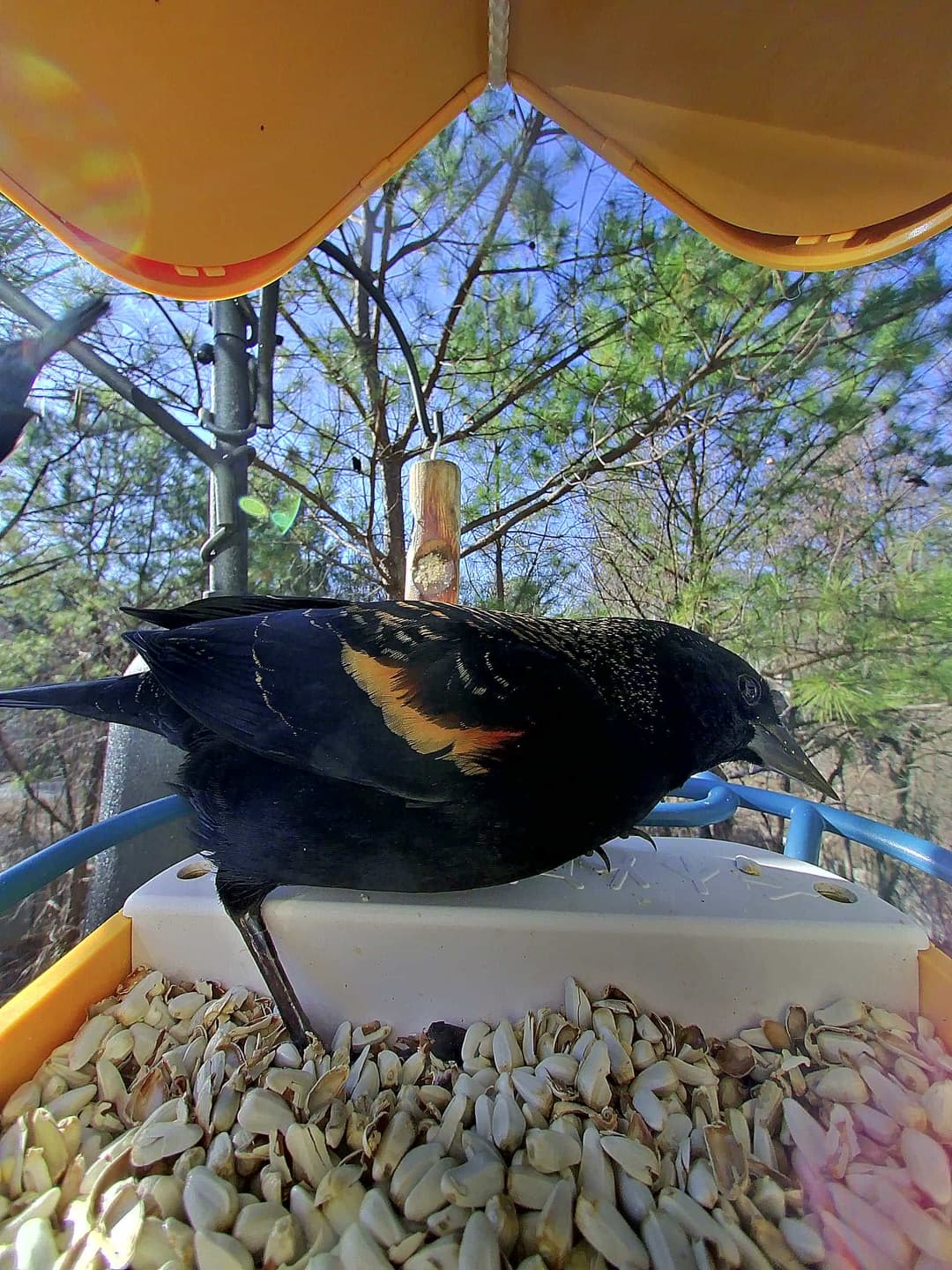
Bobolink vs Red-Winged Blackbird
Eastern Meadowlark vs [Select a bird]

[Select a bird]
Pick a bird to compare
Bobolink vs [Select a bird]
[Select a bird]
Pick a bird to compare