Eastern Meadowlark or Western Meadowlark?
Here's how to tell the difference
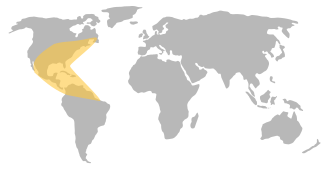
Eastern Meadowlark


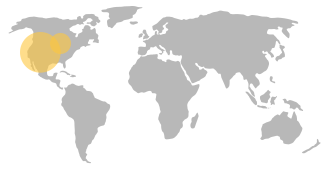
Western Meadowlark
Eastern Meadowlark
Sturnella magna
General appearance
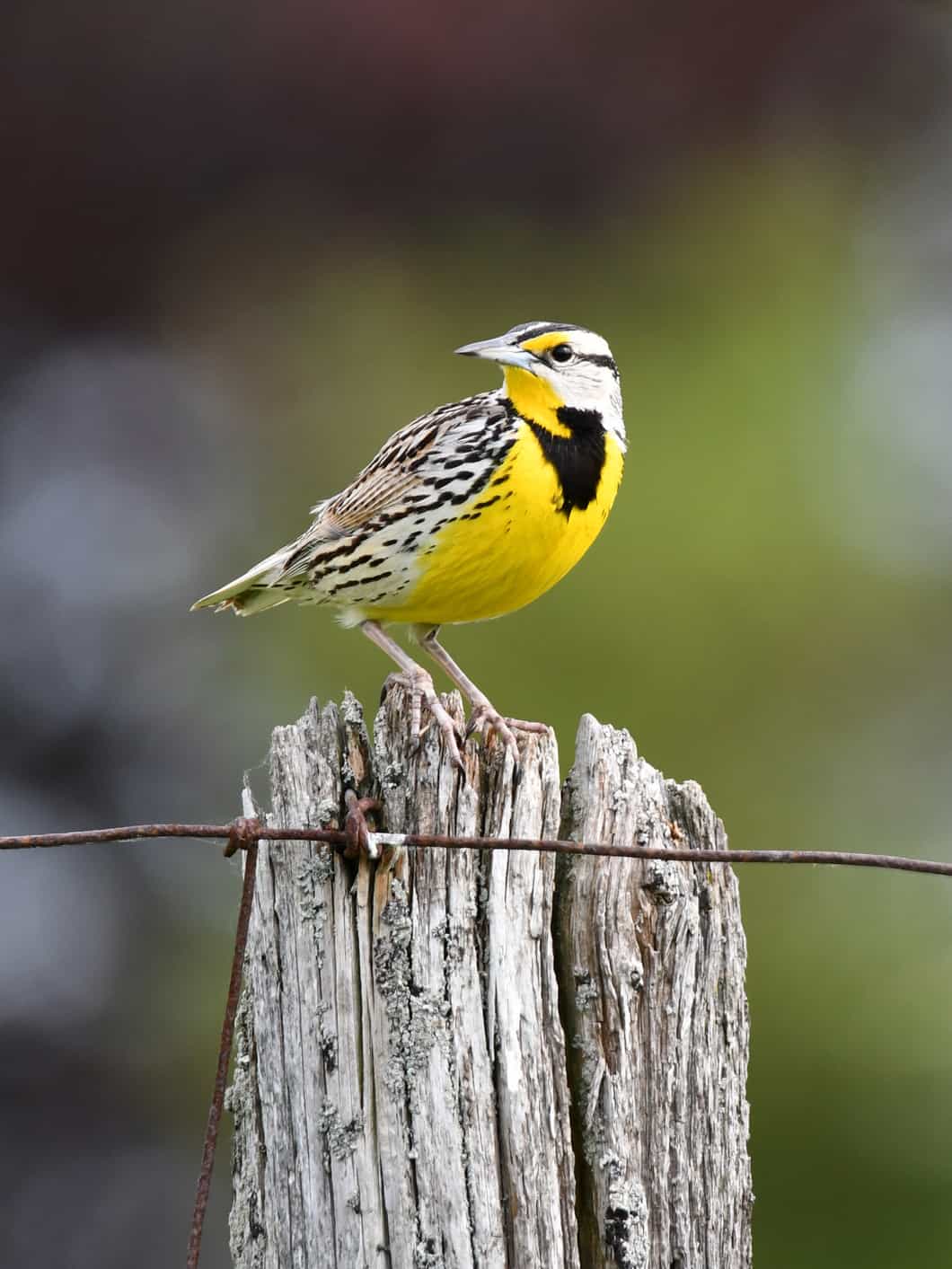
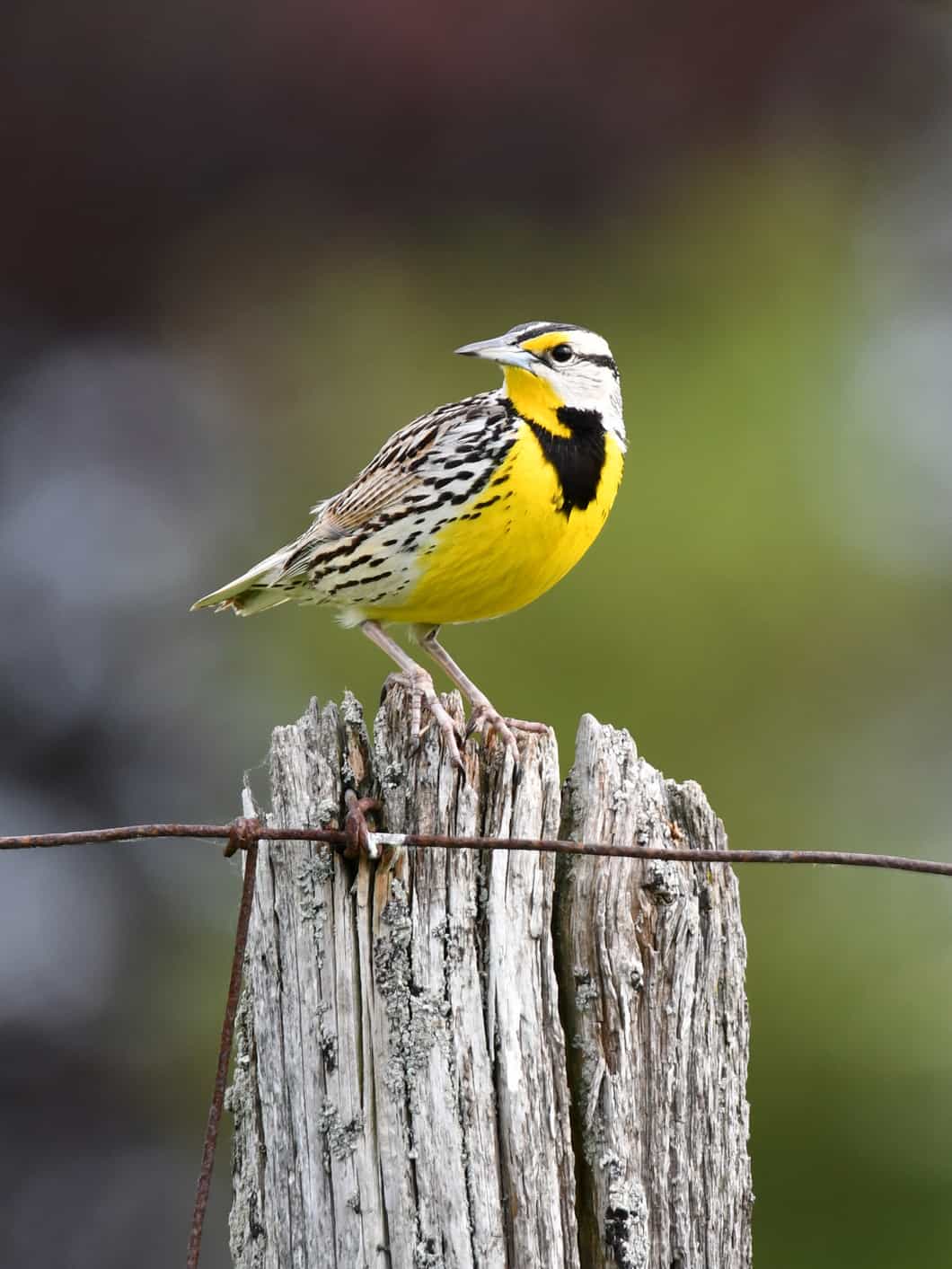
The eastern meadowlark is a medium-sized songbird, characterized by its bright yellow underparts and a distinctive black 'V' necklace on its chest. The upperparts are brown with intricate streaks, providing camouflage in grassy habitats. The face features a sharp contrast with a white or pale yellow stripe above the eye and a dark crown. They possess a long, pointed bill.
Male vs female
Males and females have similar plumage, making them difficult to distinguish by appearance alone in the field. However, males are typically slightly larger and possess more vibrant colors. During the breeding season, males' songs are more pronounced, assisting in identification.
Juvenile
Juvenile eastern meadowlarks resemble adults but have duller and more muted colors. The black 'V' on the chest is less defined, and the overall plumage shows more spotting rather than streaking. Juveniles lack the fully-developed song of adults, with more subdued calls.
Size
7.5 - 10.2 in/2.0 - 5.3 oz
There's more to learn about Eastern Meadowlark
View full detailsWestern Meadowlark
Sturnella neglecta
General appearance
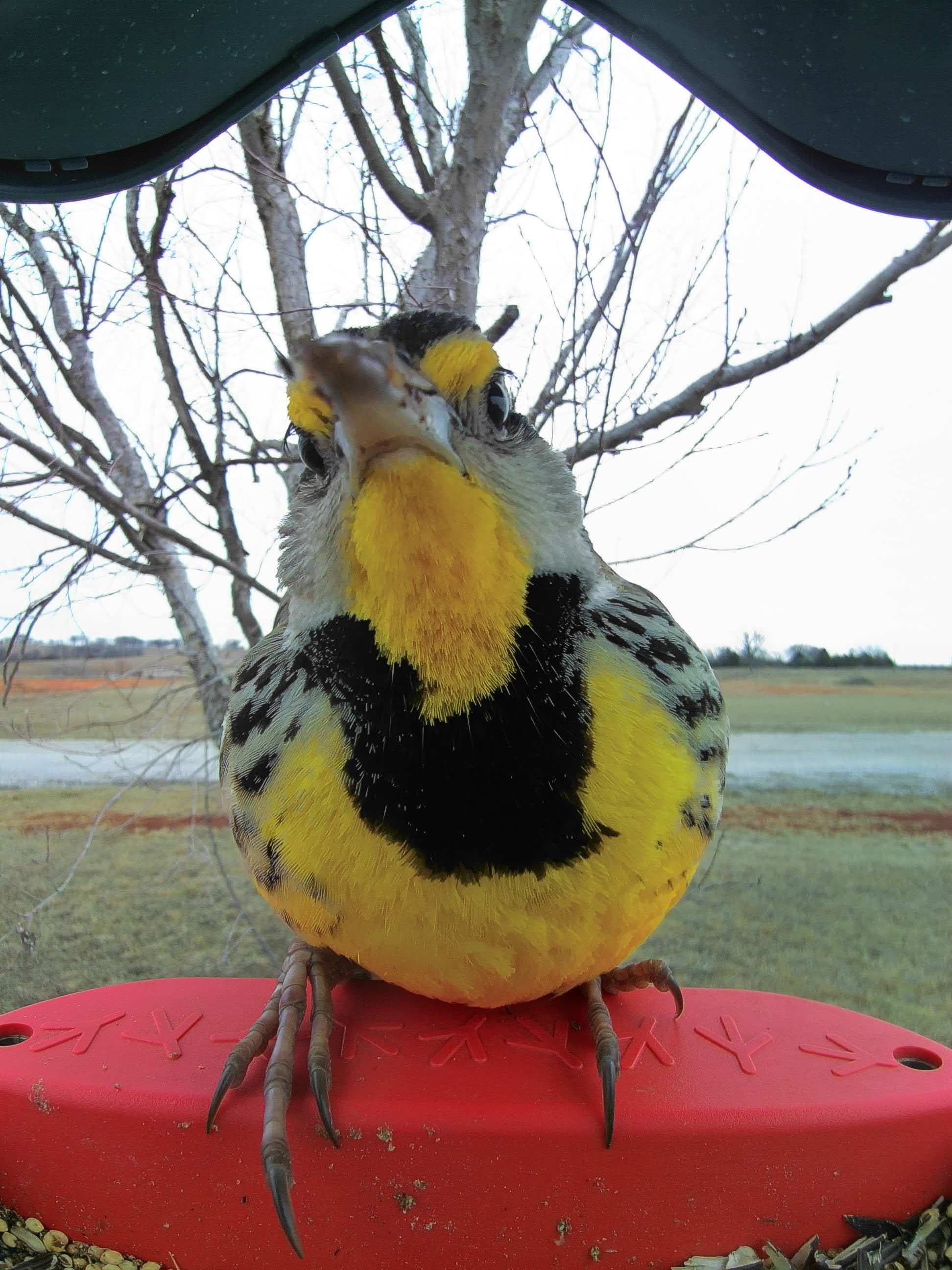
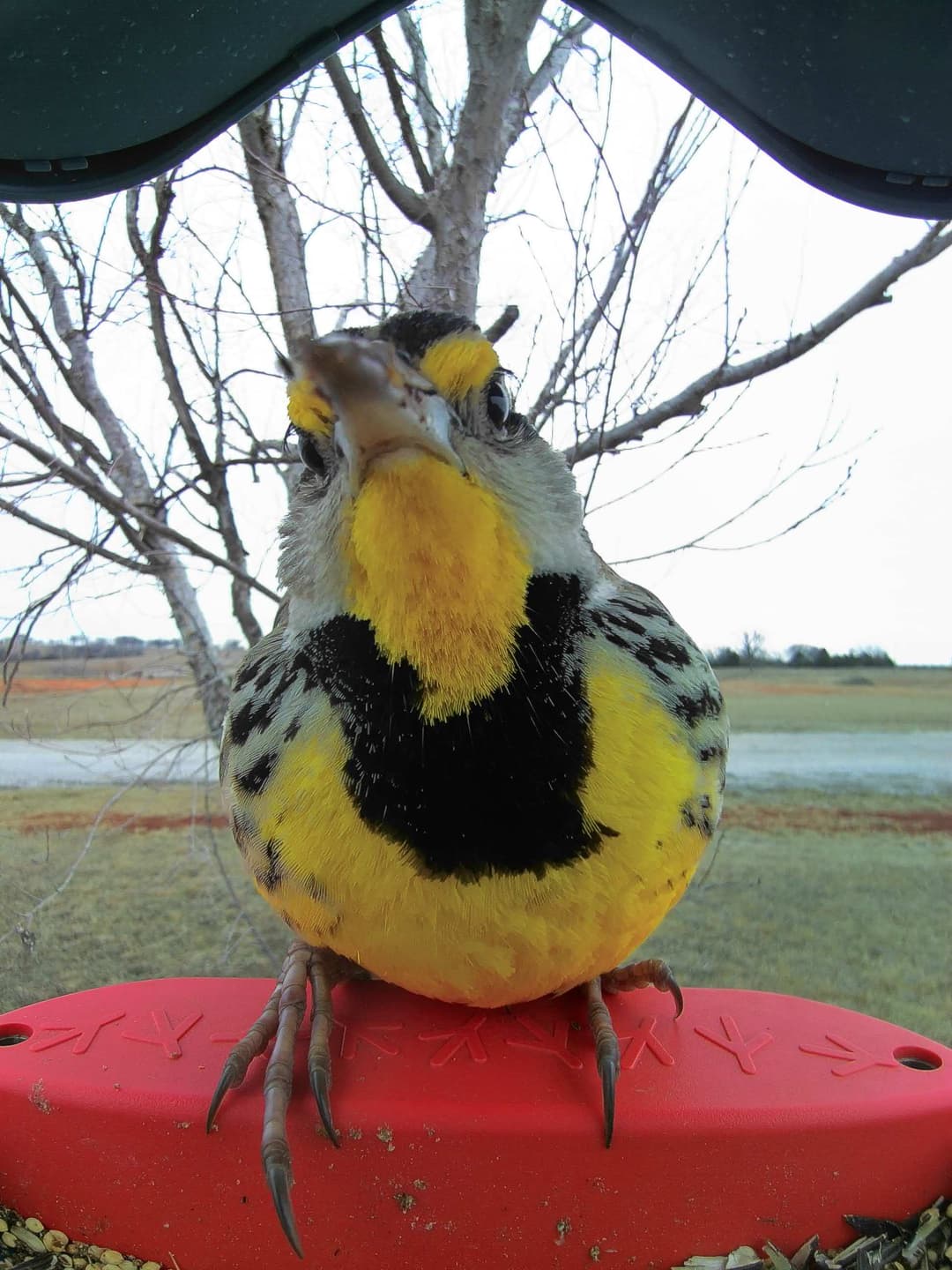
The western meadowlark is approximately 8 1/2-11 inches (22-28 cm) in size. It is the size of a Robin. Its distinctive features include a black pattern forming a 'V' on its yellow breast, which is partly veiled in fall. The bird also has white outer tail feathers, which are particularly visible upon takeoff and landing. Its wings are rounded in shape and it possesses a rounded, short, square-tipped tail.
Male vs female
There is no significant difference in appearance between the male and female western meadowlark, making it difficult to distinguish between the two genders.
Juvenile
Juvenile western meadowlarks resemble the adult birds but their plumage is generally less vibrant. The juveniles' yellow coloration on the breast area might be slightly muted in comparison to the adults.
Size
7.5 - 9.1 in/3.1 - 4.1 oz
There's more to learn about Western Meadowlark
View full detailsHow to tell the Eastern Meadowlark from the Western Meadowlark
Visual differences
The Eastern Meadowlark (7.5-10.2 inches) features bright yellow underparts and a distinctive black 'V' necklace. Its upperparts are streaked brown, with a sharp facial contrast via a pale eye stripe and a long, pointed bill. The Western Meadowlark (8.5-11 inches) has a similar 'V' on the breast and yellow underparts, but its face is less contrasting. It sports visible white outer tail feathers upon flight and a rounded, square-tipped tail. Both sexes appear similar, with juveniles having duller plumage across both species.
Key differences and behavior
Eastern and Western Meadowlarks exhibit distinct behavioral and ecological differences. Eastern Meadowlarks prefer taller, lush grasslands and engage in elaborate song-based courtship, with males having multiple mates (often 2-3). They nest in open fields and females craft simple cup-shaped ground nests. Their diet shifts from insects in summer to seeds in winter. Western Meadowlarks inhabit shorter, drier grasslands and during courtship, perform visual displays, using chest feather puffing and wing flicking. They build more architecturally complex nests, sometimes with roofs and entrance tunnels. Their diet remains consistent with insects and seeds, utilizing "gaping" to feed. While both forgo feeders, Western Meadowlarks occasionally eat cracked corn. Eastern Meadowlarks' winter habitats extend to arid regions, while Western Meadowlarks adapt to farmlands. These differences in habitat preference, courtship behavior, nesting, and feeding strategies provide key identification cues in the field.
Still not sure? Here are more lookalikes!
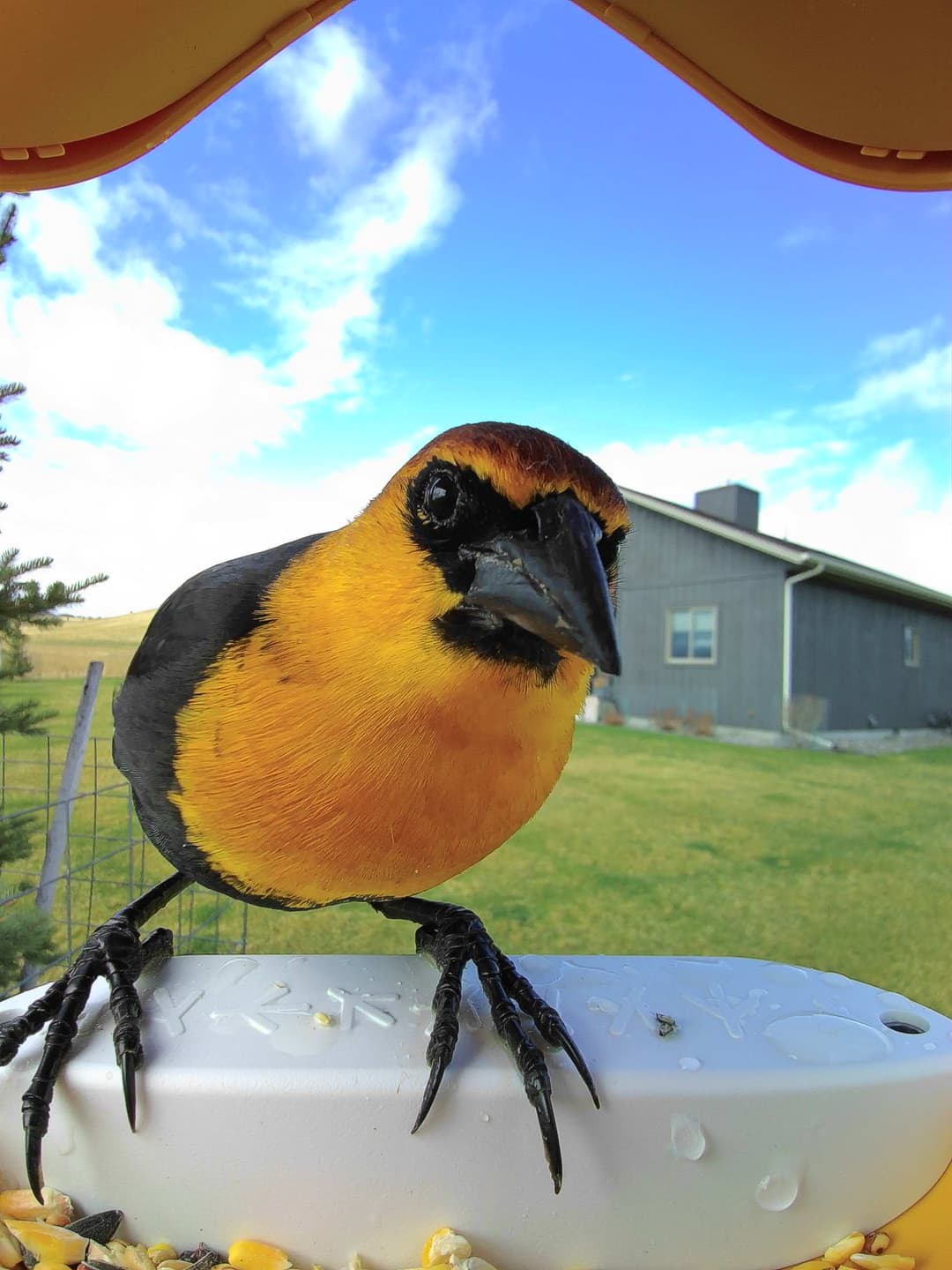
Western Meadowlark vs Yellow-Headed Blackbird
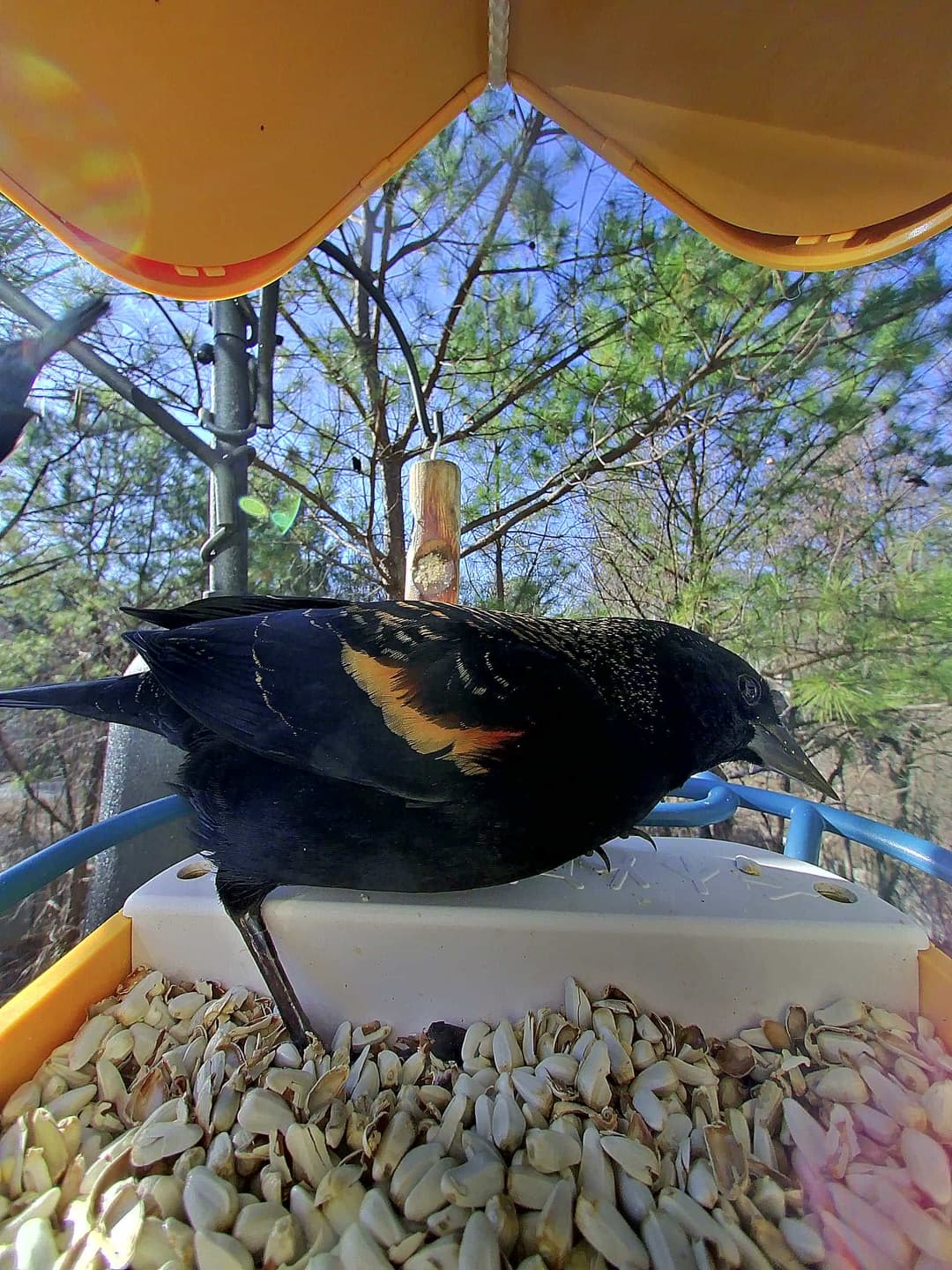
Western Meadowlark vs Red-Winged Blackbird
Eastern Meadowlark vs [Select a bird]

[Select a bird]
Pick a bird to compare
Western Meadowlark vs [Select a bird]
[Select a bird]
Pick a bird to compare