Brown Creeper or Brown-Headed Nuthatch?
Here's how to tell the difference
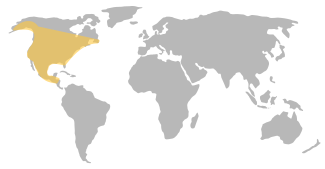

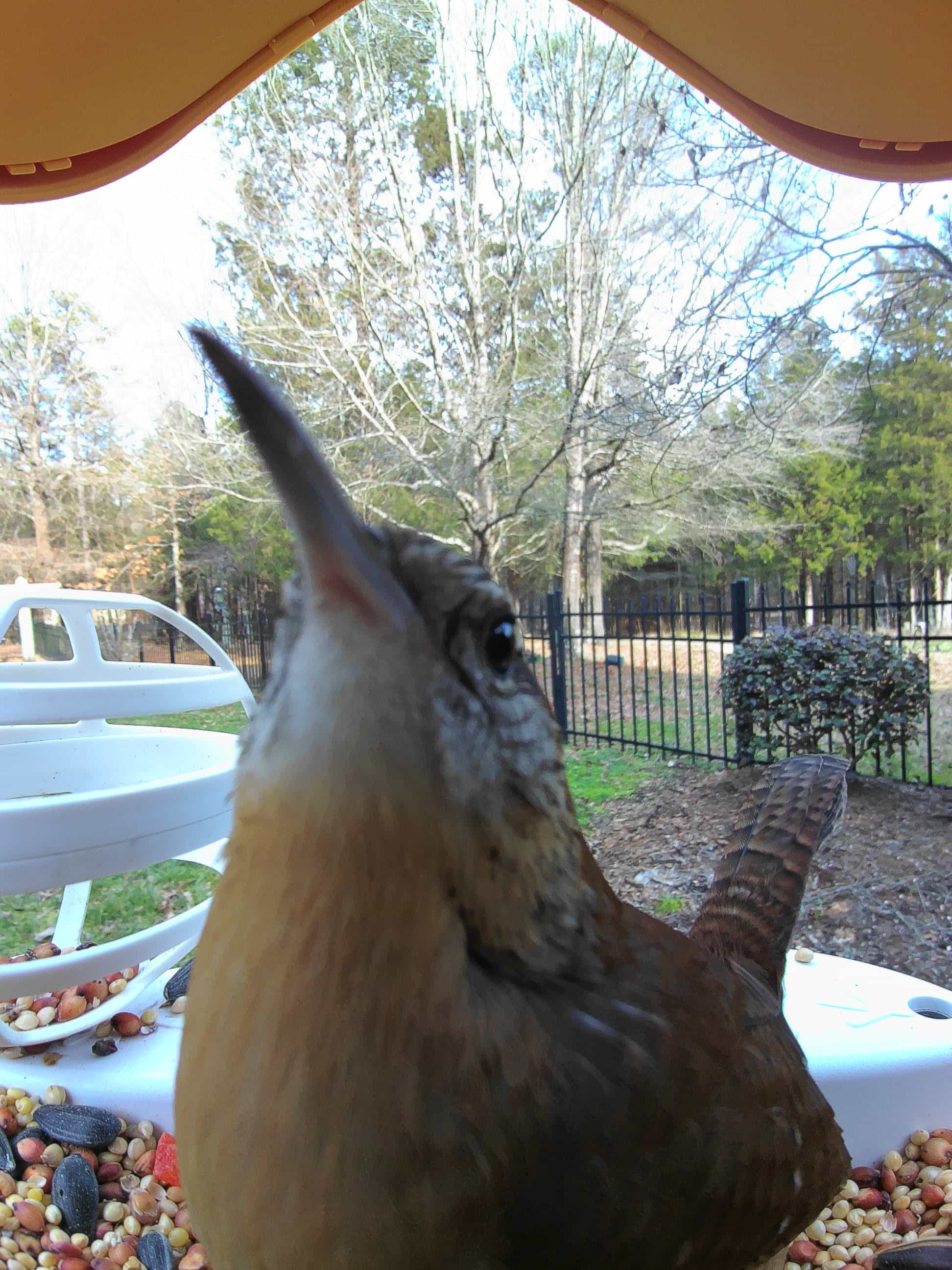


Brown Creeper
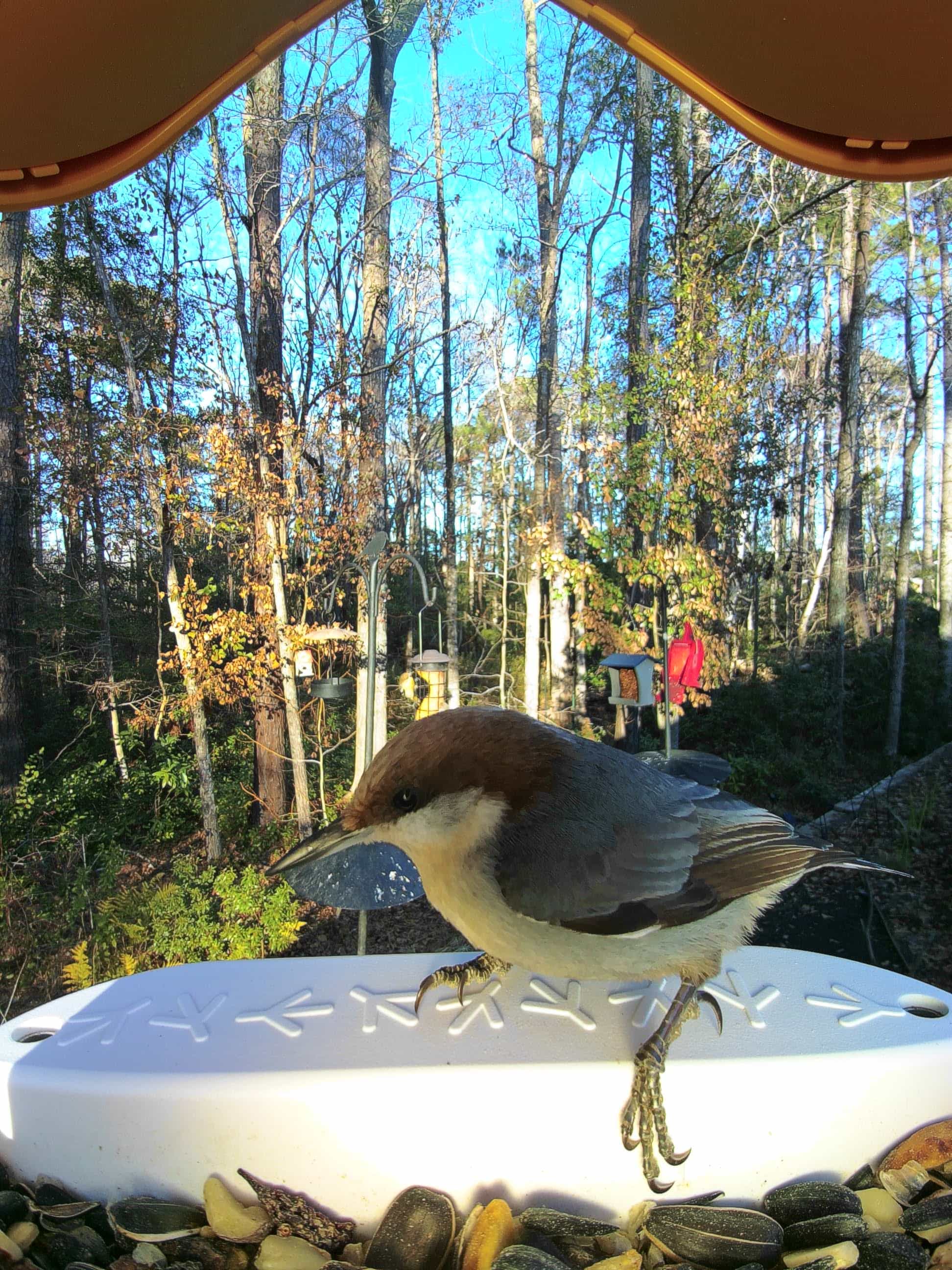


Brown-Headed Nuthatch
Brown Creeper
Certhia americana
Also known as: American Treecreeper
General appearance
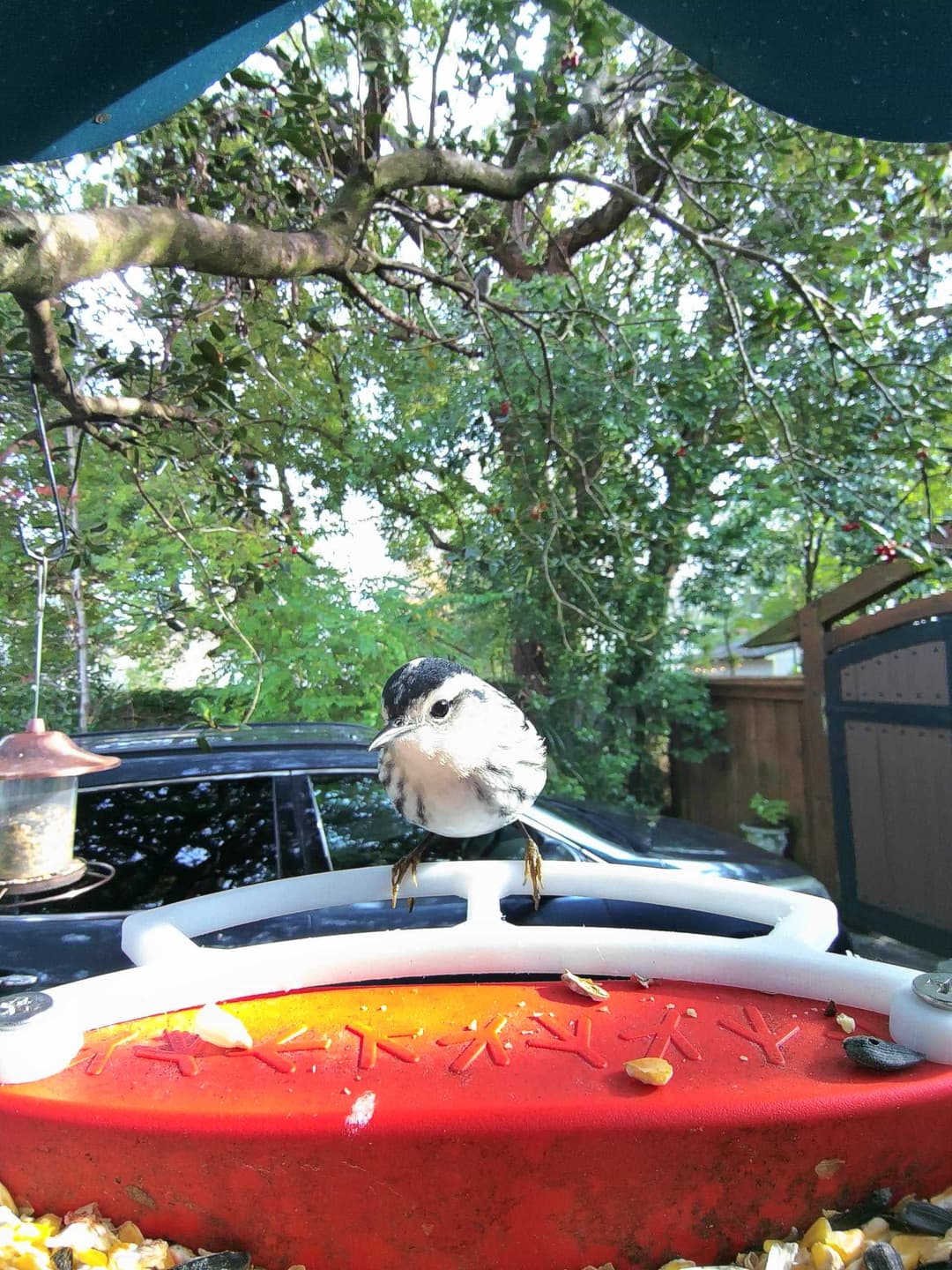
The brown creeper is a small, slender bird with a distinctive brown, streaked back that camouflages against tree bark. Its underparts are white, enhancing its visibility when viewed from below. The bird has a curved, slender bill that assists in extracting insects from bark crevices, and a long, stiff tail that helps it balance as it creeps along trunks.
Male vs female
There is no significant visual difference between male and female brown creepers. Both sexes share similar size, plumage, and coloration, making them difficult to distinguish in the field. Their behavior and vocalizations rather than appearance are often used to tell them apart, especially during mating season.
Juvenile
Juvenile brown creepers resemble adults but can be slightly fluffier with somewhat duller plumage. They lack the full differentiation and crispness of adult feather patterns, and may have slightly shorter bills compared to adults. As they mature, their plumage sharpens and gains the distinct streaking characteristic of adult birds.
Size
4.7 - 5.3 in/0.2 - 0.4 oz
There's more to learn about Brown Creeper
View full detailsBrown-Headed Nuthatch
Sitta pusilla
General appearance
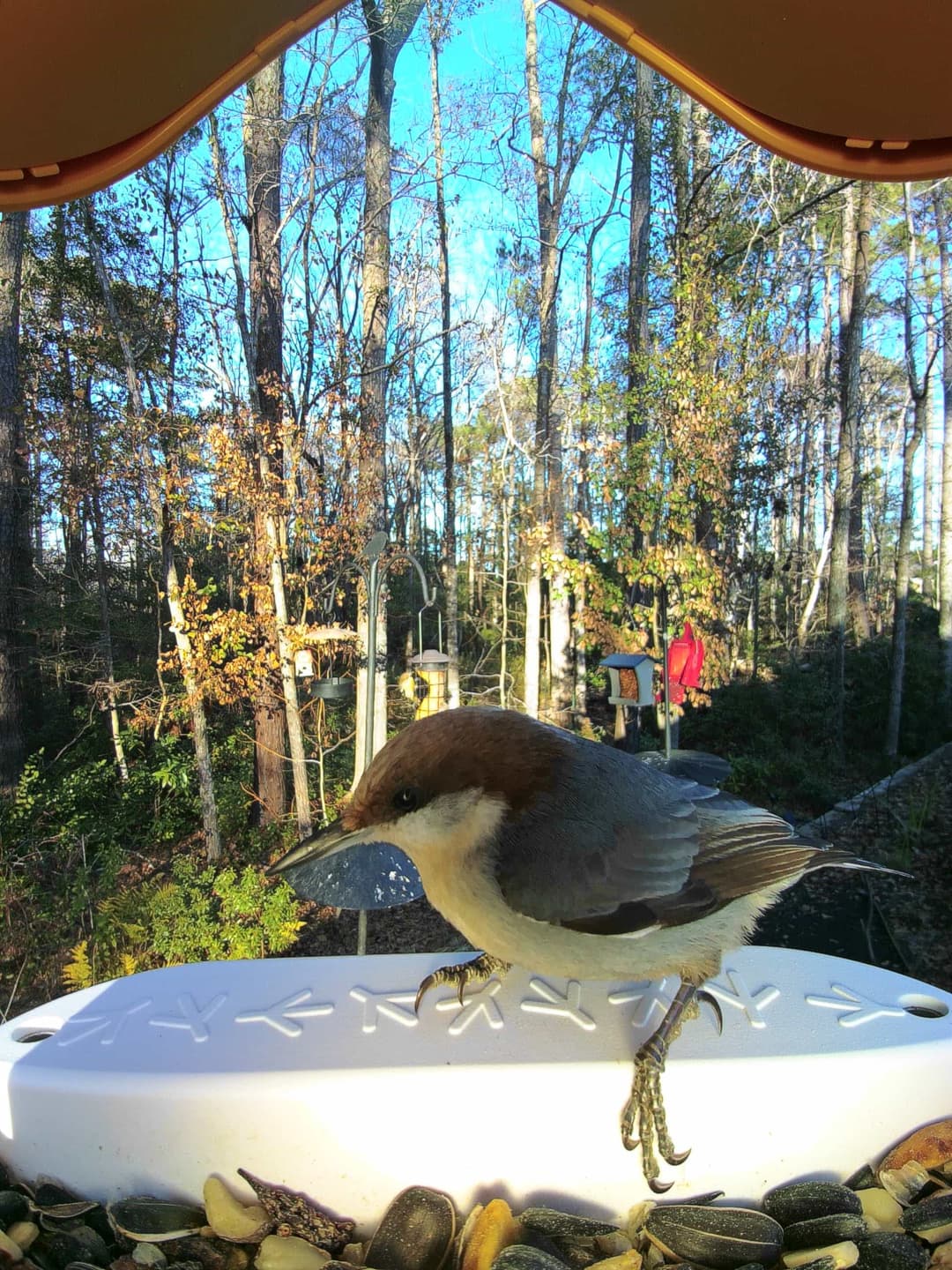
The Brown-headed Nuthatch is about the size of a sparrow, measuring 4 1/4 inches or around 11 cm. It has a brown cap down to the eye, transitioning to pale on the lower head. The bird possesses a gray back and white nape spot. Its wing and tail shapes are rounded, the latter being short and square-tipped. Coloration consists of shades of brown, gray, red, tan and white.
Male vs female
Unfortunately, the Brown-headed Nuthatch exhibits no significant sexual dimorphism. Identifiable traits such as the brown capped head, gray back and white nape spot are consistent across both genders. This makes it very difficult to distinguish between males and females based solely on physical traits.
Juvenile
The juvenile Brown-headed Nuthatch has similar coloration and physical traits as adults, making it difficult to distinguish without the aid of behavioral cues or vocalization. As they mature, they fully develop into their characteristic colors and physical traits discussed previously.
Size
3.9 - 4.3 in/0.3 - 0.4 oz
There's more to learn about Brown-Headed Nuthatch
View full detailsHow to tell the Brown Creeper from the Brown-Headed Nuthatch
Visual differences
The Brown Creeper (4.7-5.3 in., 0.25-0.35 oz) and Brown-Headed Nuthatch (4.3 in., 0.3-0.4 oz) differ in visual traits: the Creeper has a slender, curved bill and streaked brown back with white underparts, aiding in camouflage. Its long, stiff tail assists in climbing. The Nuthatch has a straight bill, a brown cap extending below the eye, gray back, and a white nape spot. Its wings and short, square tail display rounded tips. Both sexes of each species exhibit similar plumage, making gender differentiation challenging.
Key differences and behavior
The Brown Creeper and Brown-Headed Nuthatch exhibit distinct behaviors aiding field identification. Brown Creepers feed by spiraling up tree trunks using their long, curved bills to extract insects from bark, while Brown-Headed Nuthatches use tool-assisted bark prying. Creepers freeze when threatened; Nuthatches, social, form mixed-species flocks. Creepers thrive in mature forests, ascending the tree canopy with nests built behind bark. Nuthatches favor open pine woods, nesting in excavated cavities. Creepers lack social cooperativeness seen in Nuthatches, with male ‘helpers’ aiding in chick rearing. While both species enjoy suet, Creepers focus on insects year-round; Nuthatches transition from insects to seeds seasonally.
Still not sure? Here are more lookalikes!
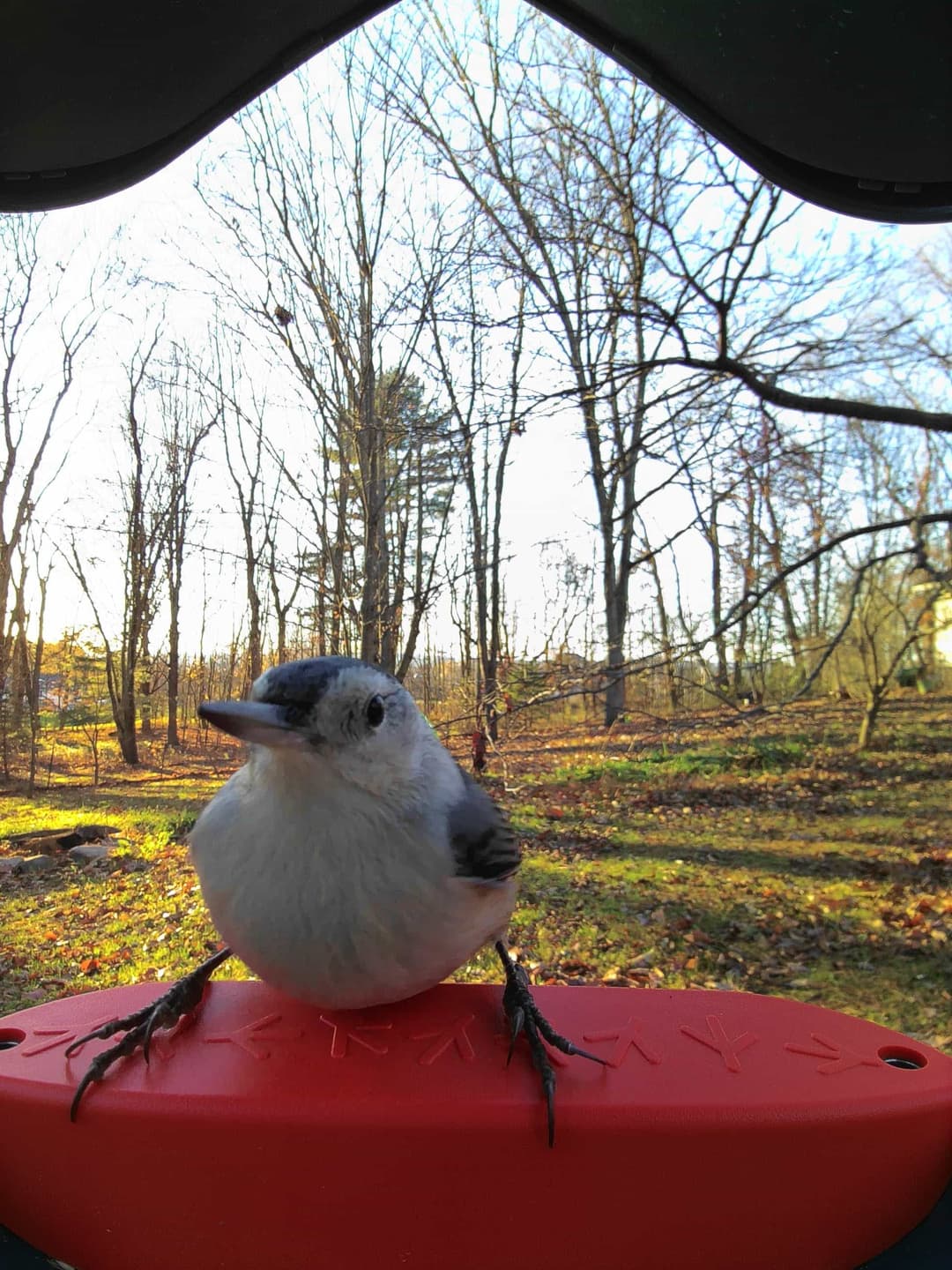
Brown Creeper vs White-Breasted Nuthatch
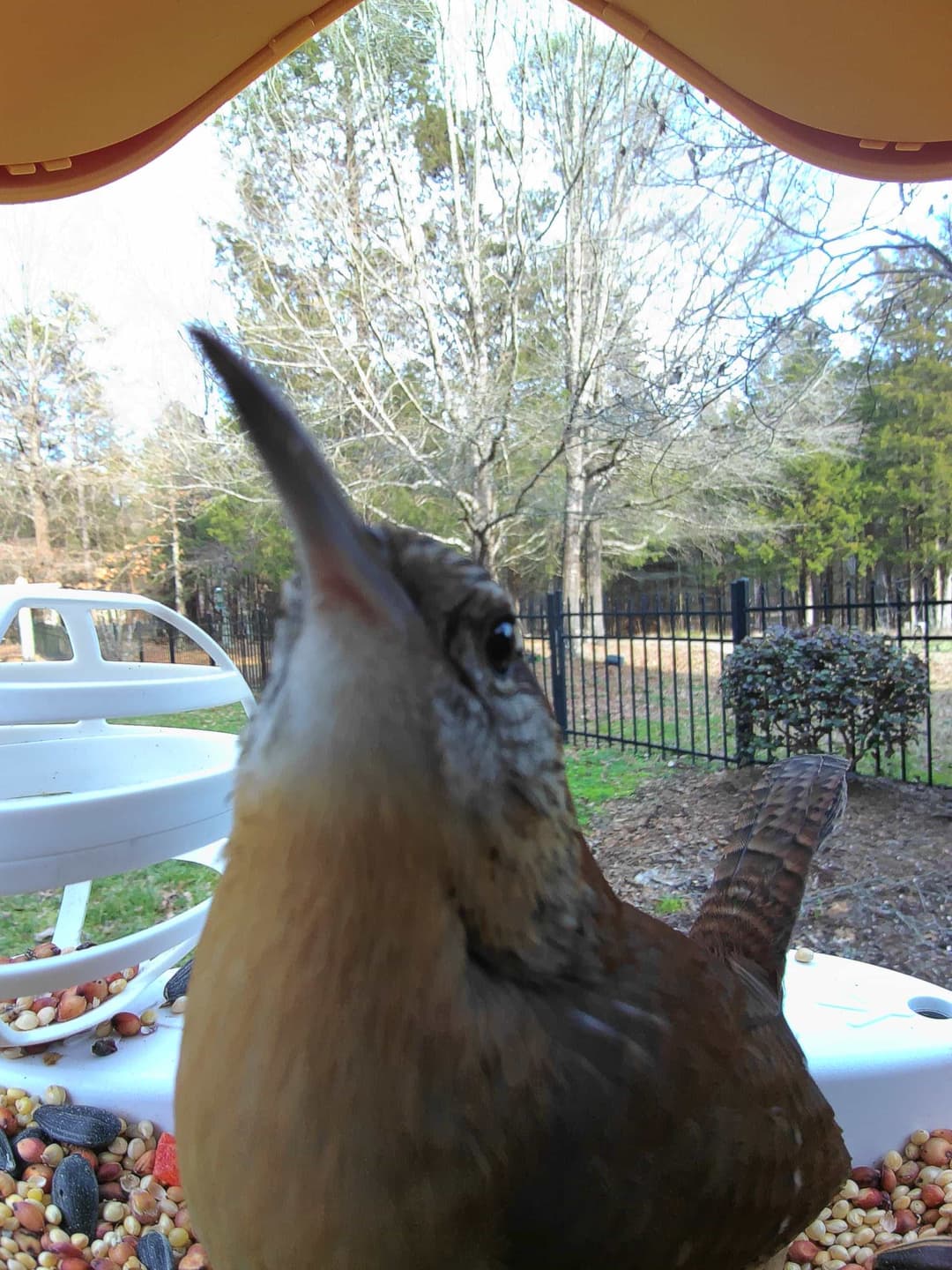
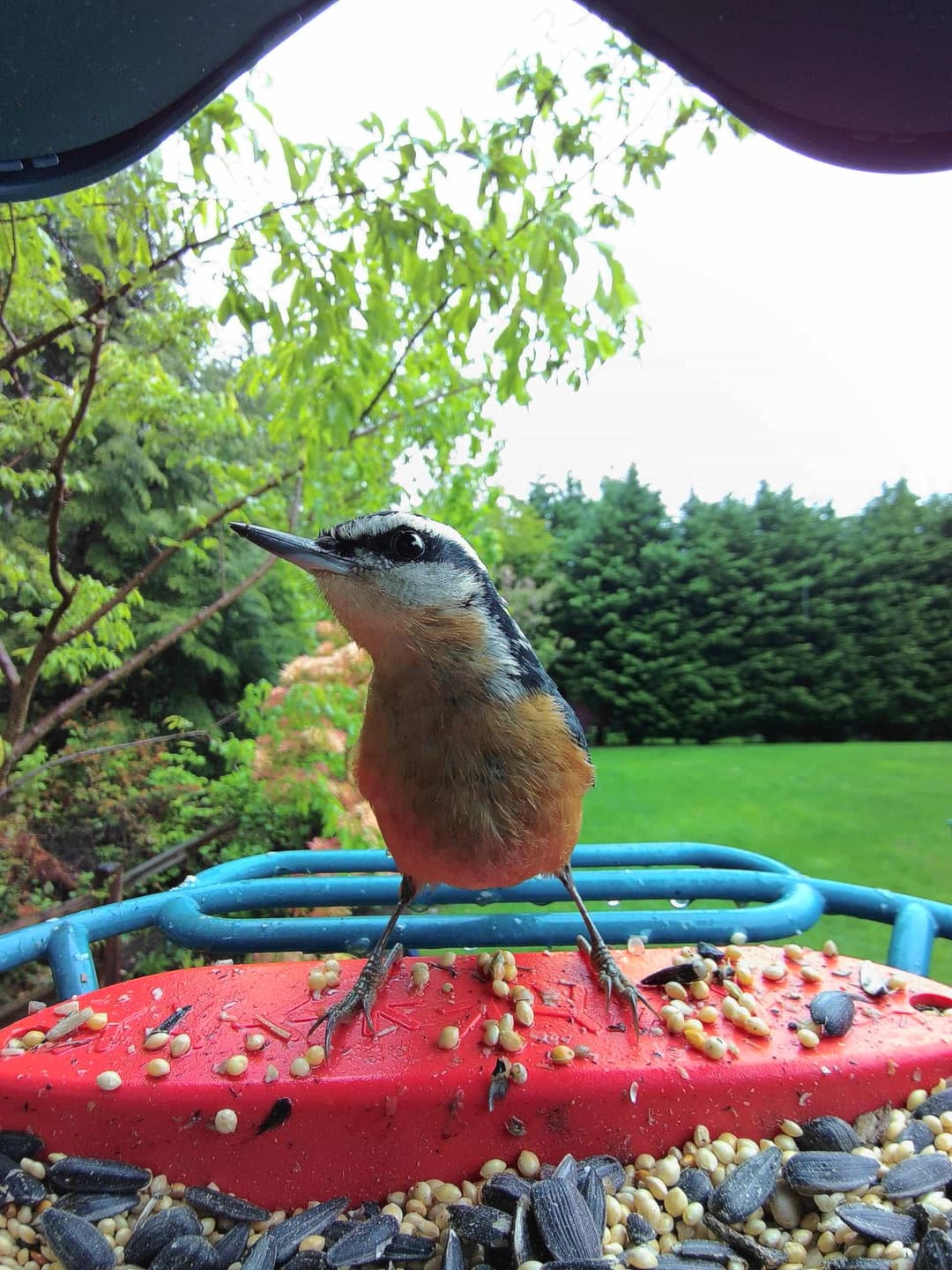
Brown Creeper vs Red-Breasted Nuthatch
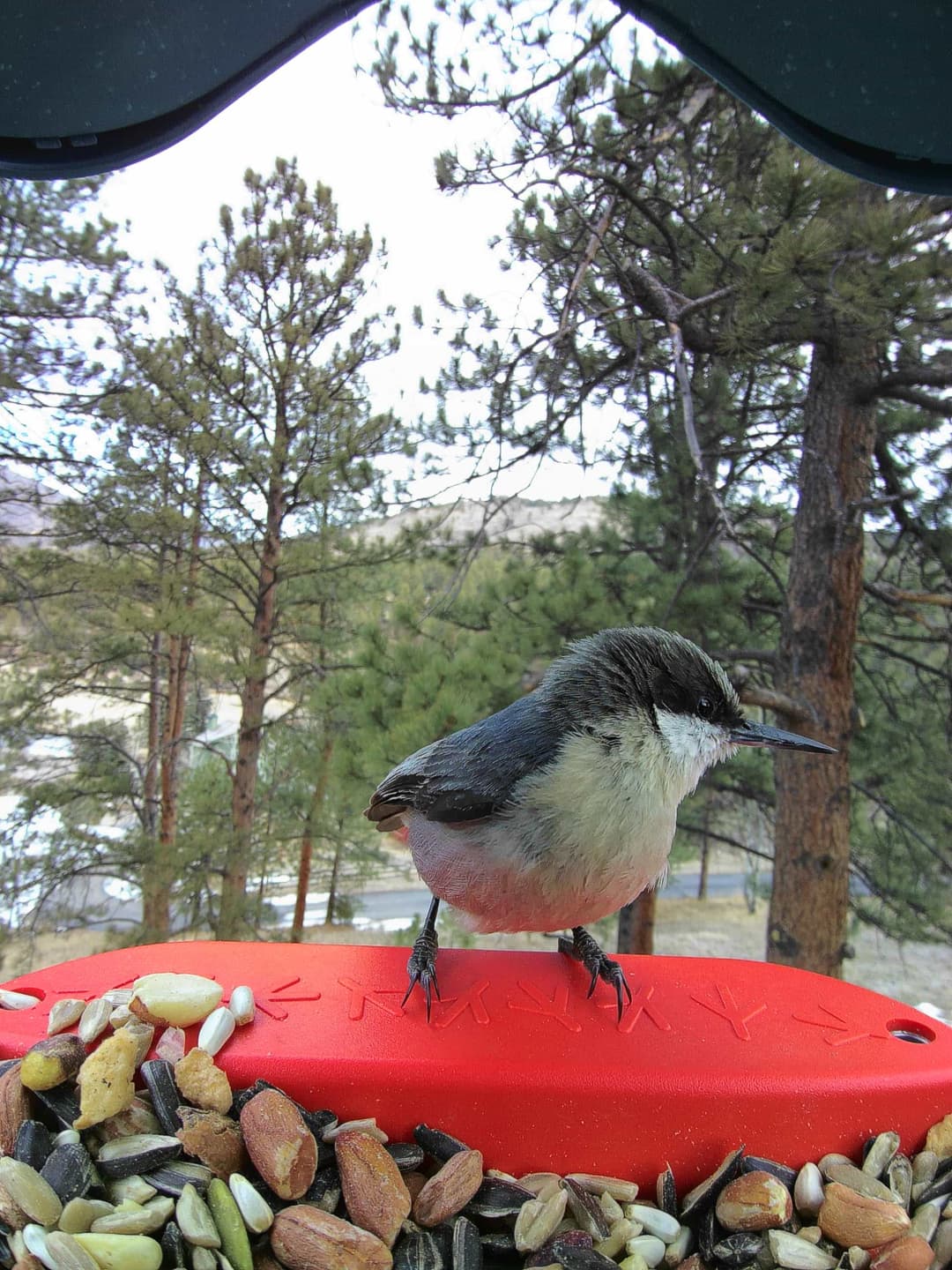
Brown-Headed Nuthatch vs Red-Breasted Nuthatch
Brown-Headed Nuthatch vs White-Breasted Nuthatch
Brown Creeper vs [Select a bird]

[Select a bird]
Pick a bird to compare
Brown-Headed Nuthatch vs [Select a bird]
[Select a bird]
Pick a bird to compare