Brown Creeper or Pygmy Nuthatch?
Here's how to tell the difference
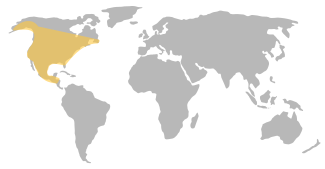

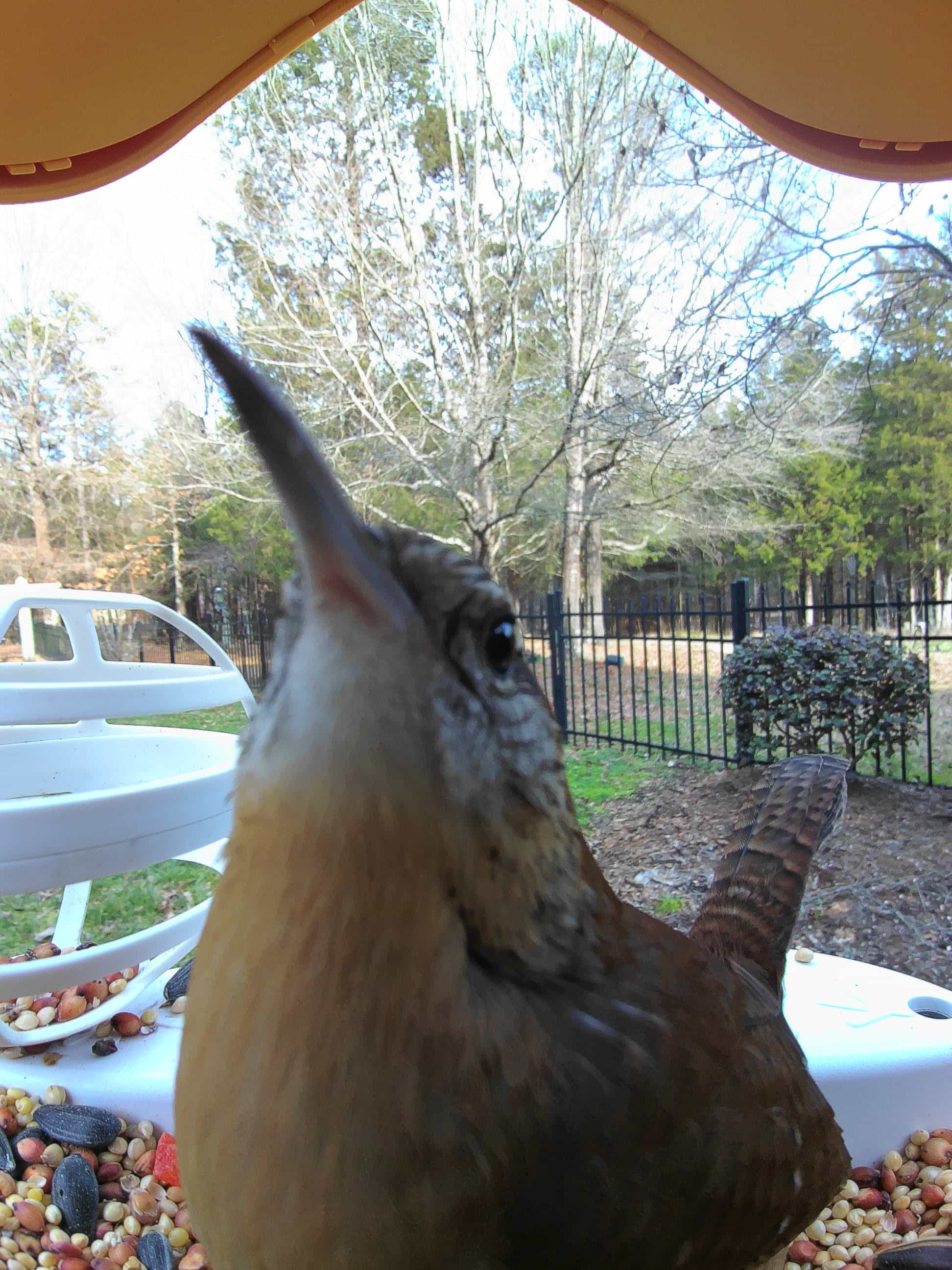


Brown Creeper
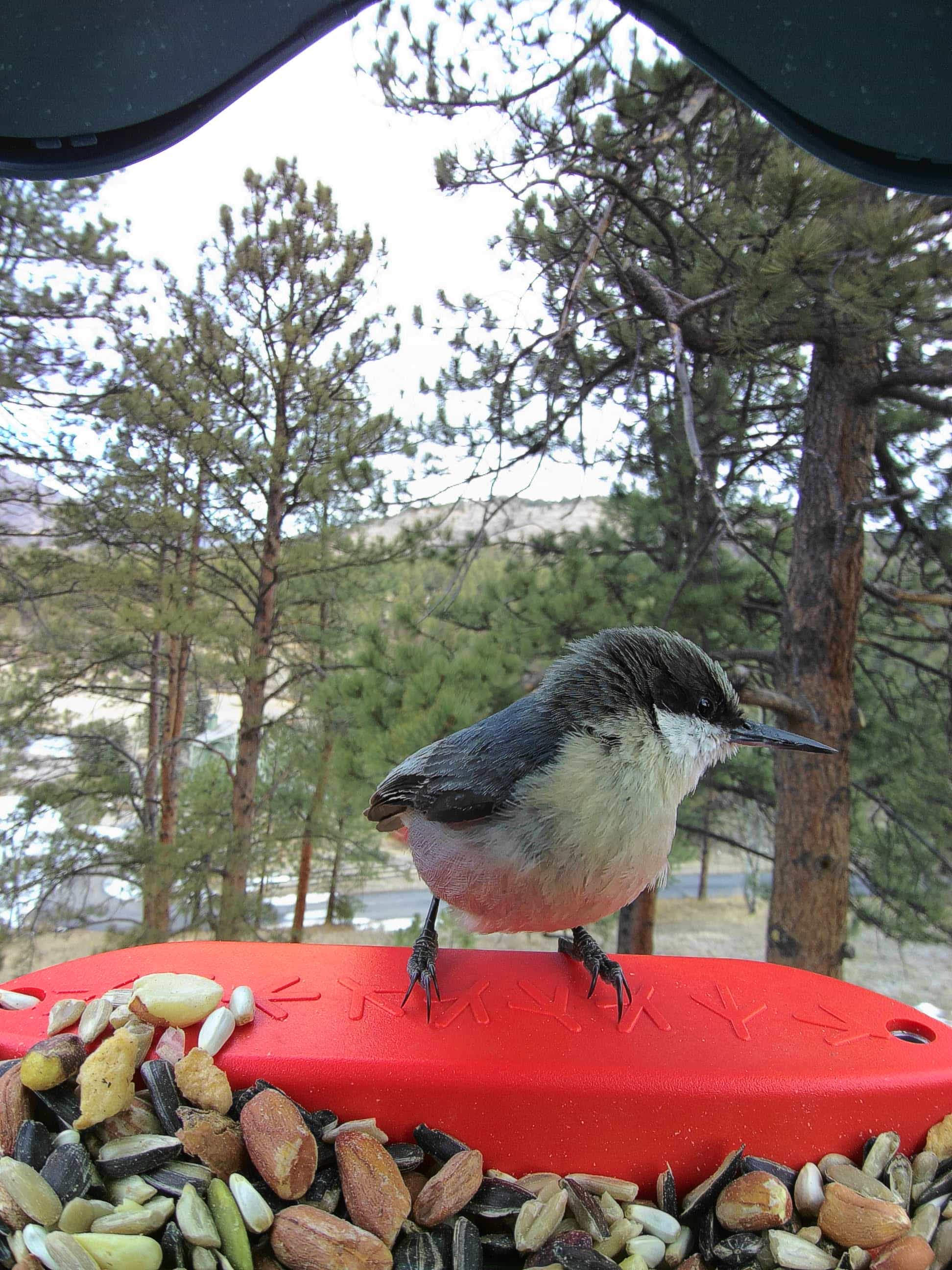


Pygmy Nuthatch
Brown Creeper
Certhia americana
Also known as: American Treecreeper
General appearance
The brown creeper is a small, slender bird with a distinctive brown, streaked back that camouflages against tree bark. Its underparts are white, enhancing its visibility when viewed from below. The bird has a curved, slender bill that assists in extracting insects from bark crevices, and a long, stiff tail that helps it balance as it creeps along trunks.
Male vs female
There is no significant visual difference between male and female brown creepers. Both sexes share similar size, plumage, and coloration, making them difficult to distinguish in the field. Their behavior and vocalizations rather than appearance are often used to tell them apart, especially during mating season.
Juvenile
Juvenile brown creepers resemble adults but can be slightly fluffier with somewhat duller plumage. They lack the full differentiation and crispness of adult feather patterns, and may have slightly shorter bills compared to adults. As they mature, their plumage sharpens and gains the distinct streaking characteristic of adult birds.
Size
4.7 - 5.3 in/0.2 - 0.4 oz
There's more to learn about Brown Creeper
View full detailsPygmy Nuthatch
Sitta pygmaea
General appearance
The pygmy nuthatch is a small, compact bird measuring around 4 inches in length. It features a grayish-blue upper body and a buffy-white underbelly. The most distinctive feature is its cap, which is a contrasting dark gray. Its sharp, pointed beak and short tail add to its characteristic structure. The bird often appears agile, clinging to tree trunks and branches.
Male vs female
There is little to no sexual dimorphism in pygmy nuthatches, making it difficult to distinguish between males and females based solely on appearance. Both sexes share the same plumage coloration and pattern across all seasons.
Juvenile
Juvenile pygmy nuthatches are similar in appearance to adults but may appear slightly duller in coloration. Their underparts can be more muted, with a softer contrast between the gray cap and the rest of the plumage. As they mature, their colors become more distinct, matching those of adult birds.
Size
3.5 - 4.3 in/0.3 - 0.4 oz
There's more to learn about Pygmy Nuthatch
View full detailsHow to tell the Brown Creeper from the Pygmy Nuthatch
Visual differences
The Brown Creeper (4.7-5.3 inches) is slightly larger than the Pygmy Nuthatch (3.5-4.3 inches) and has a slender, curved bill compared to the nuthatch's sharp, pointed one. The creeper's brown, streaked back camouflages with tree bark, while the nuthatch sports a grayish-blue upper body with a distinctive dark gray cap. The creeper's underparts are white, contrasting with the nuthatch's buffy-white belly. The creeper has a long, stiff tail for trunk support, whereas the nuthatch has a short tail, complementing its compact body.
Key differences and behavior
The Brown Creeper (Certhia americana) and Pygmy Nuthatch (Sitta pygmaea) exhibit distinct behaviors despite both being small, agile birds. Brown Creepers are solitary, cryptic, and adept at blending into tree bark, primarily feeding on insects and spiders found in mature forests. They nest behind bark and the male's singing establishes territories, playing no role in nesting beyond material gathering. Pygmy Nuthatches, more social, roost in groups and utilize cooperative breeding with helpers in their nests, typically in pine habitats. Their diet shifts seasonally from insects to seeds. At feeders, both consume suet, but the nuthatches favor sunflower seeds and pine seeds. Creepers rely on male songs for courtship, while nuthatches involve helpers in nesting duties, showcasing different reproductive strategies.
Still not sure? Here are more lookalikes!
Brown Creeper vs White-Breasted Nuthatch
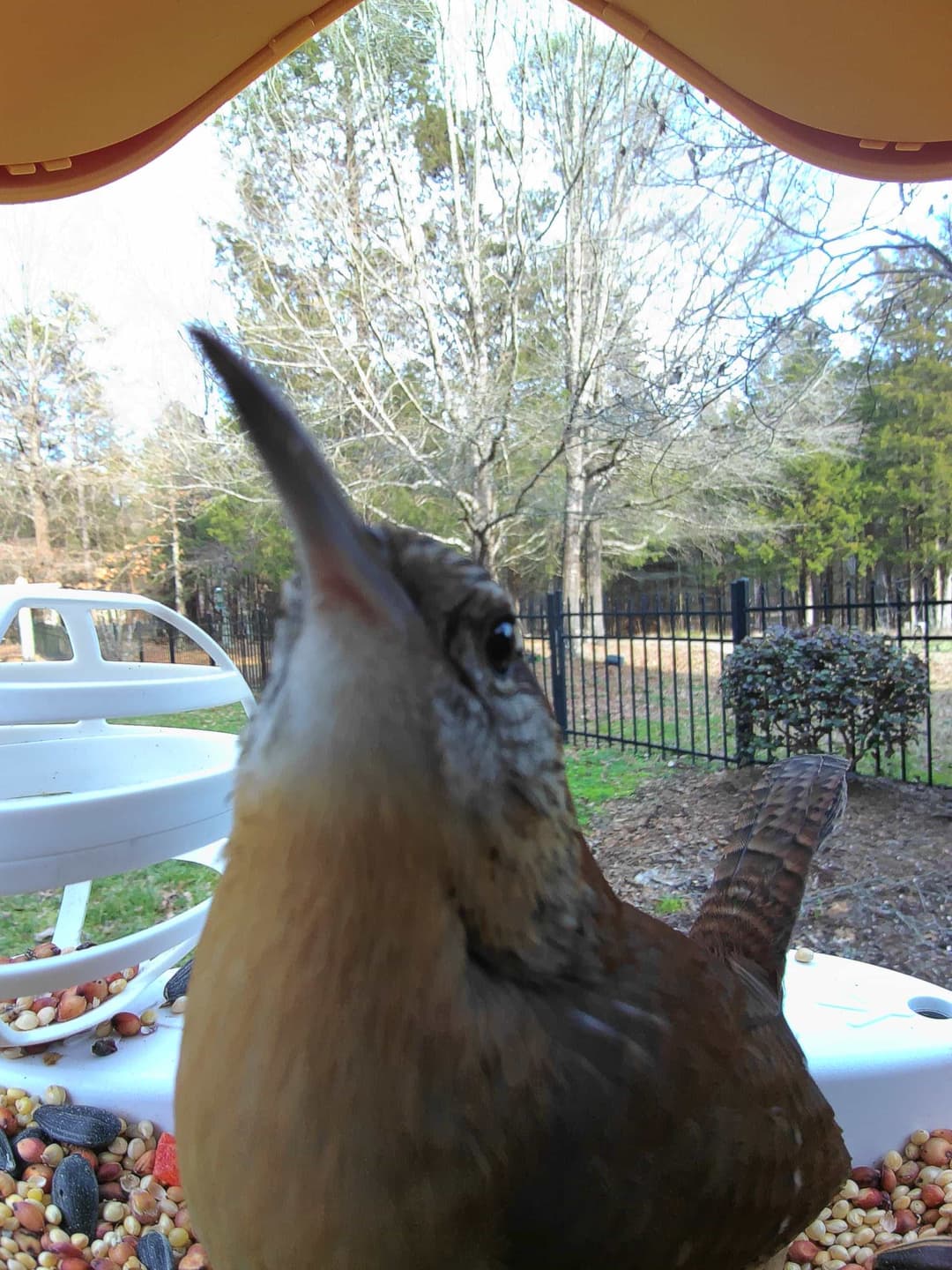
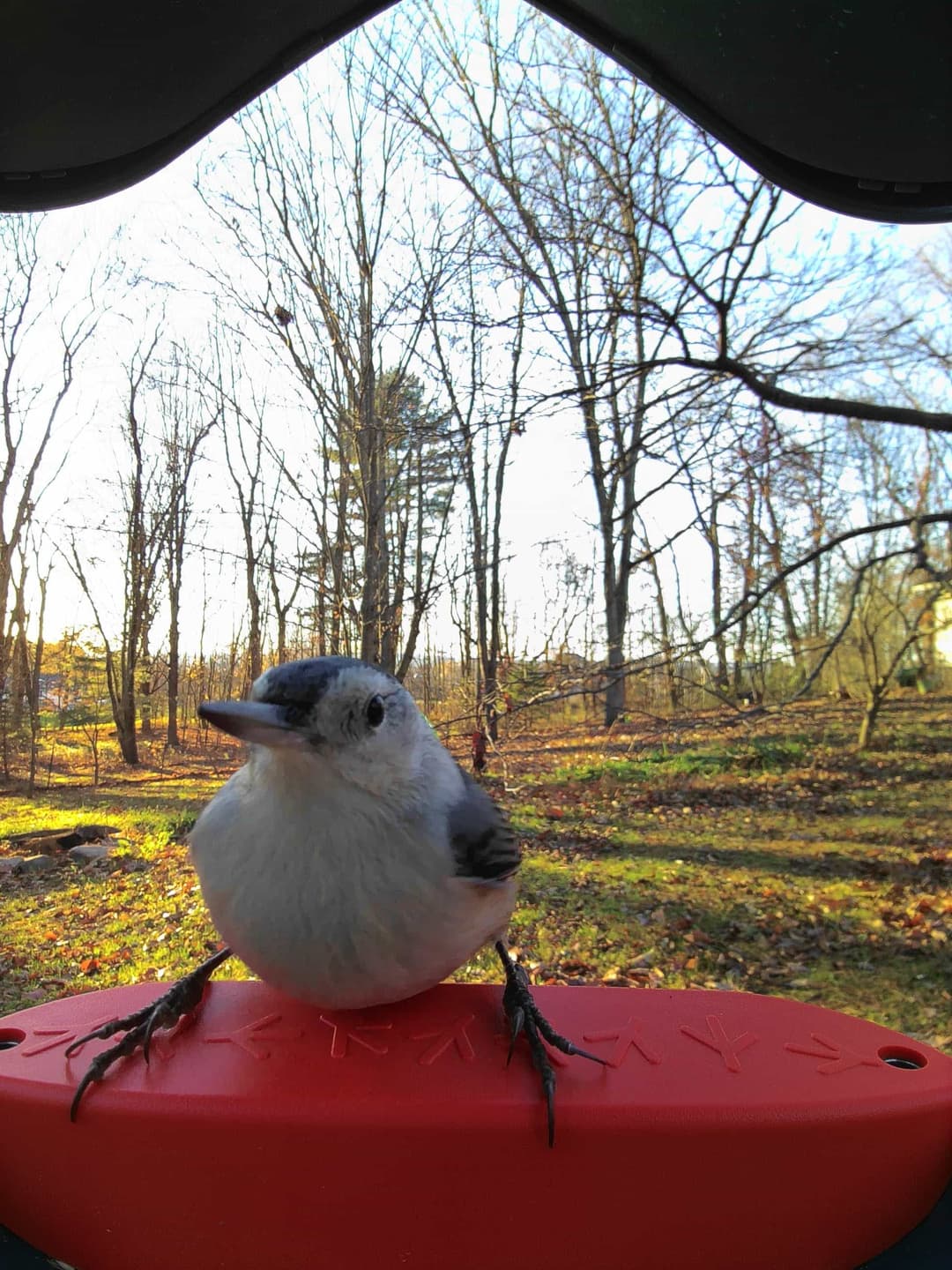
Brown Creeper vs Red-Breasted Nuthatch
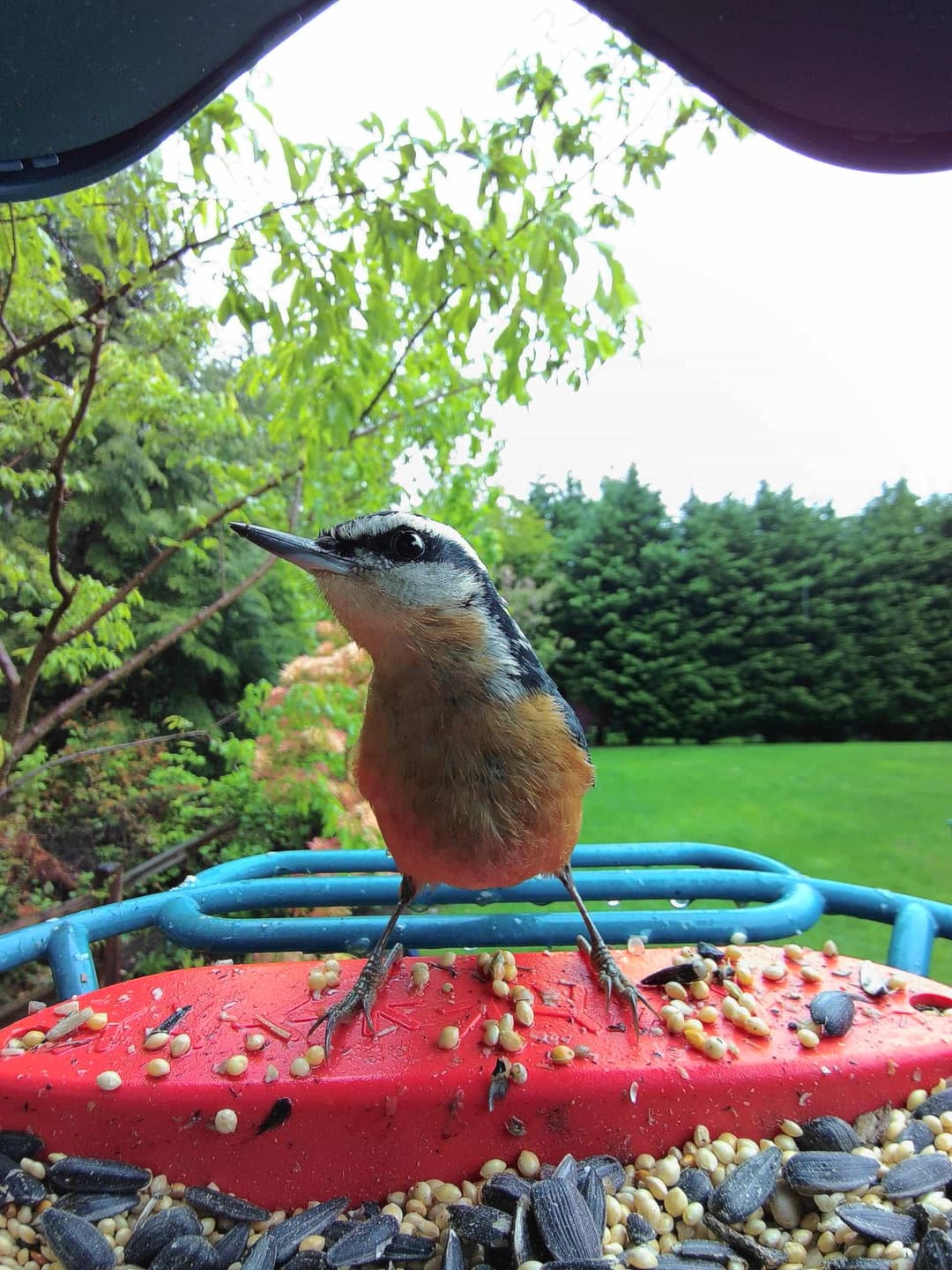
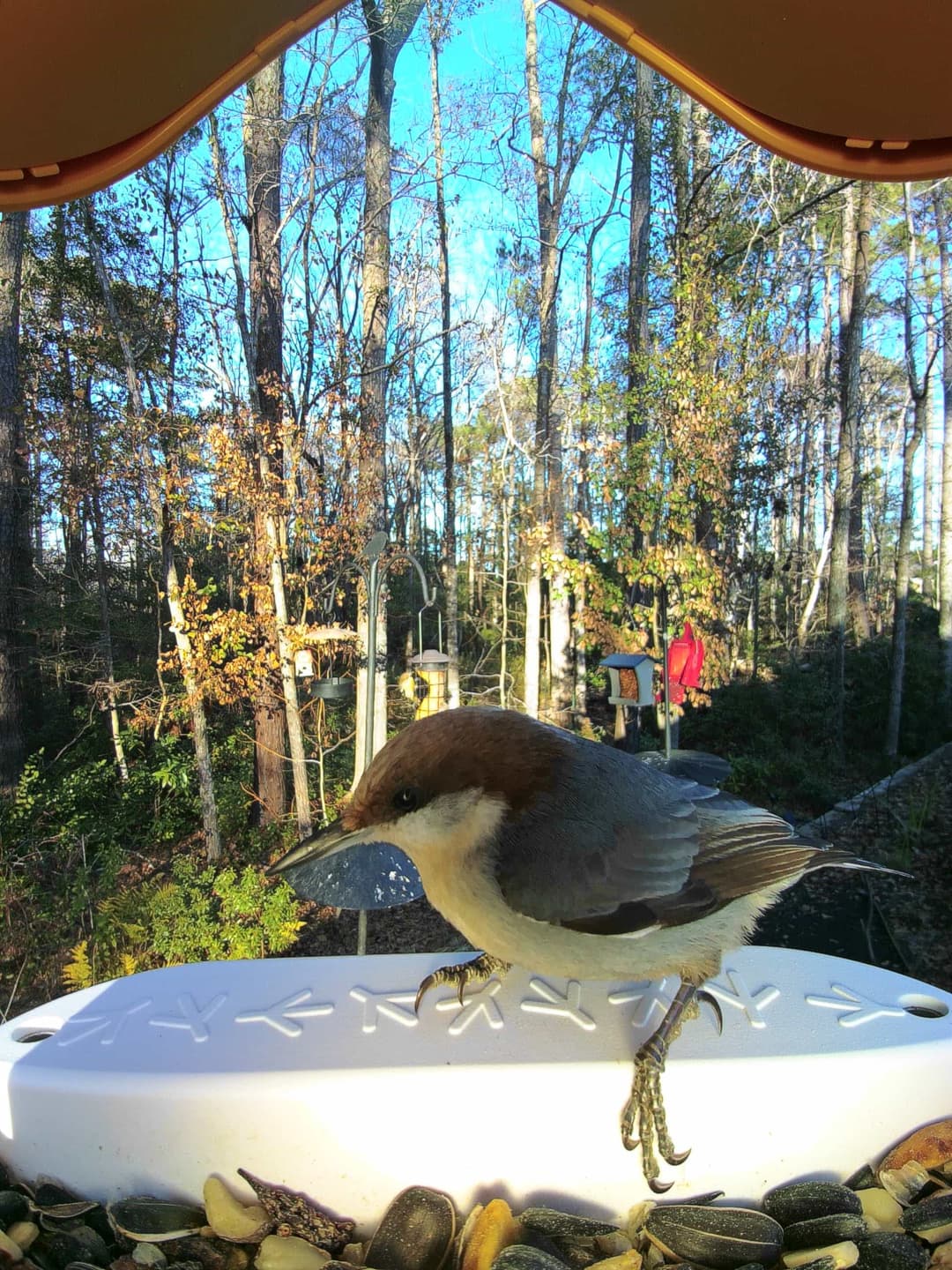
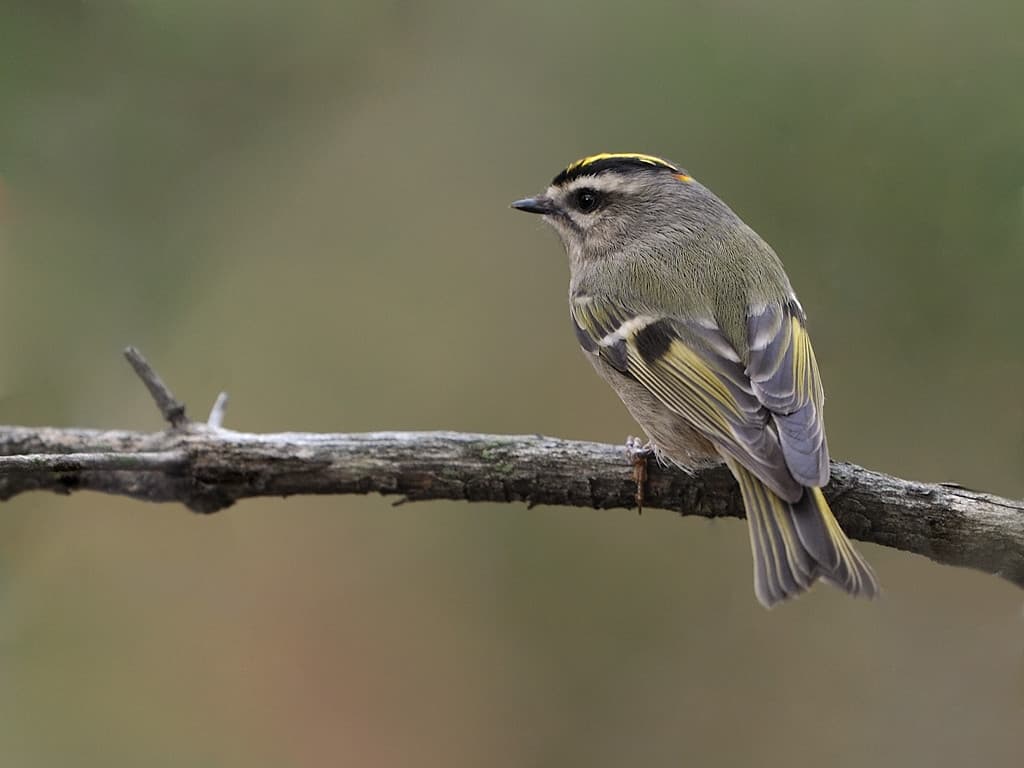
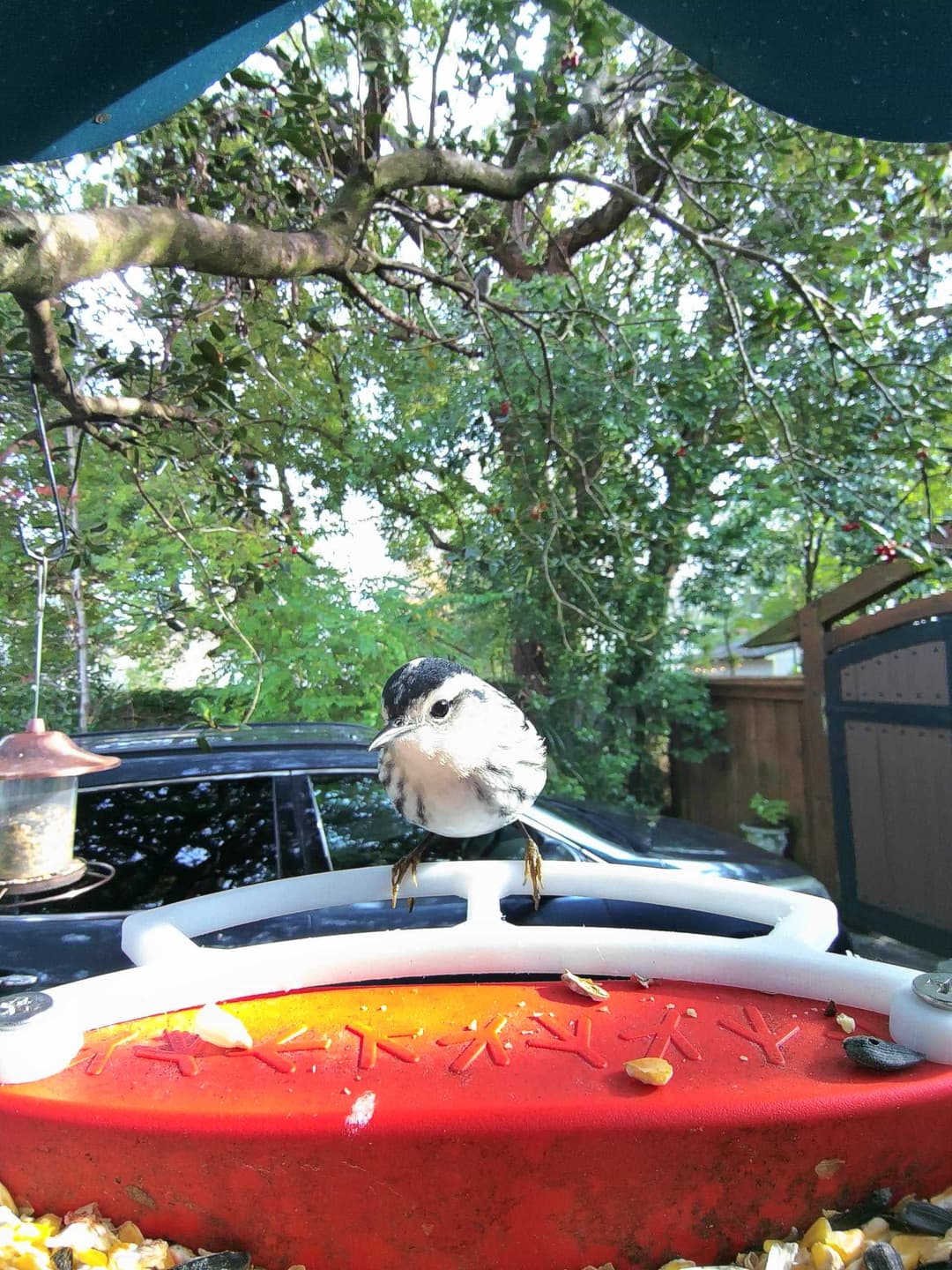
Pygmy Nuthatch vs White-Breasted Nuthatch
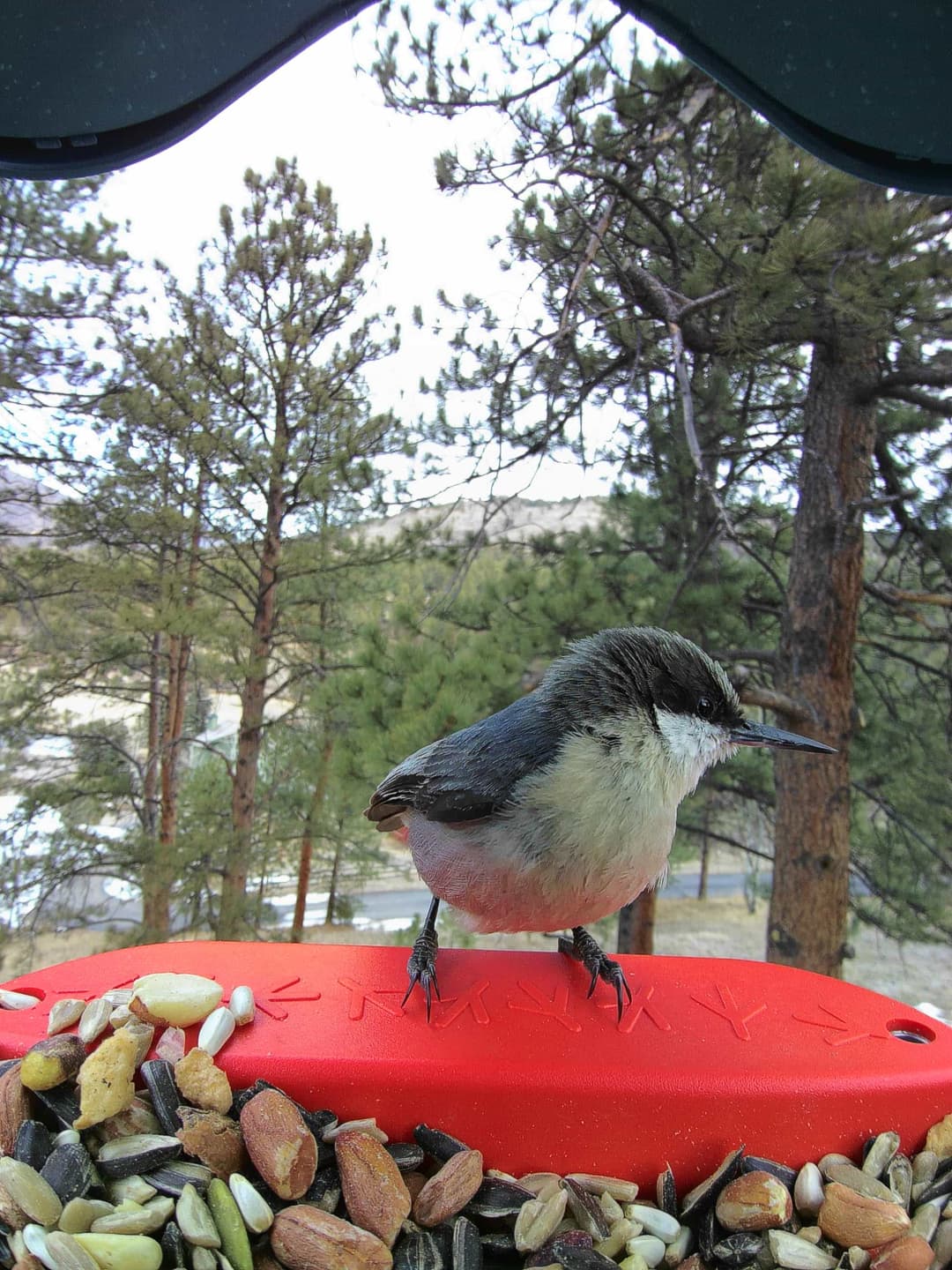
Pygmy Nuthatch vs Red-Breasted Nuthatch
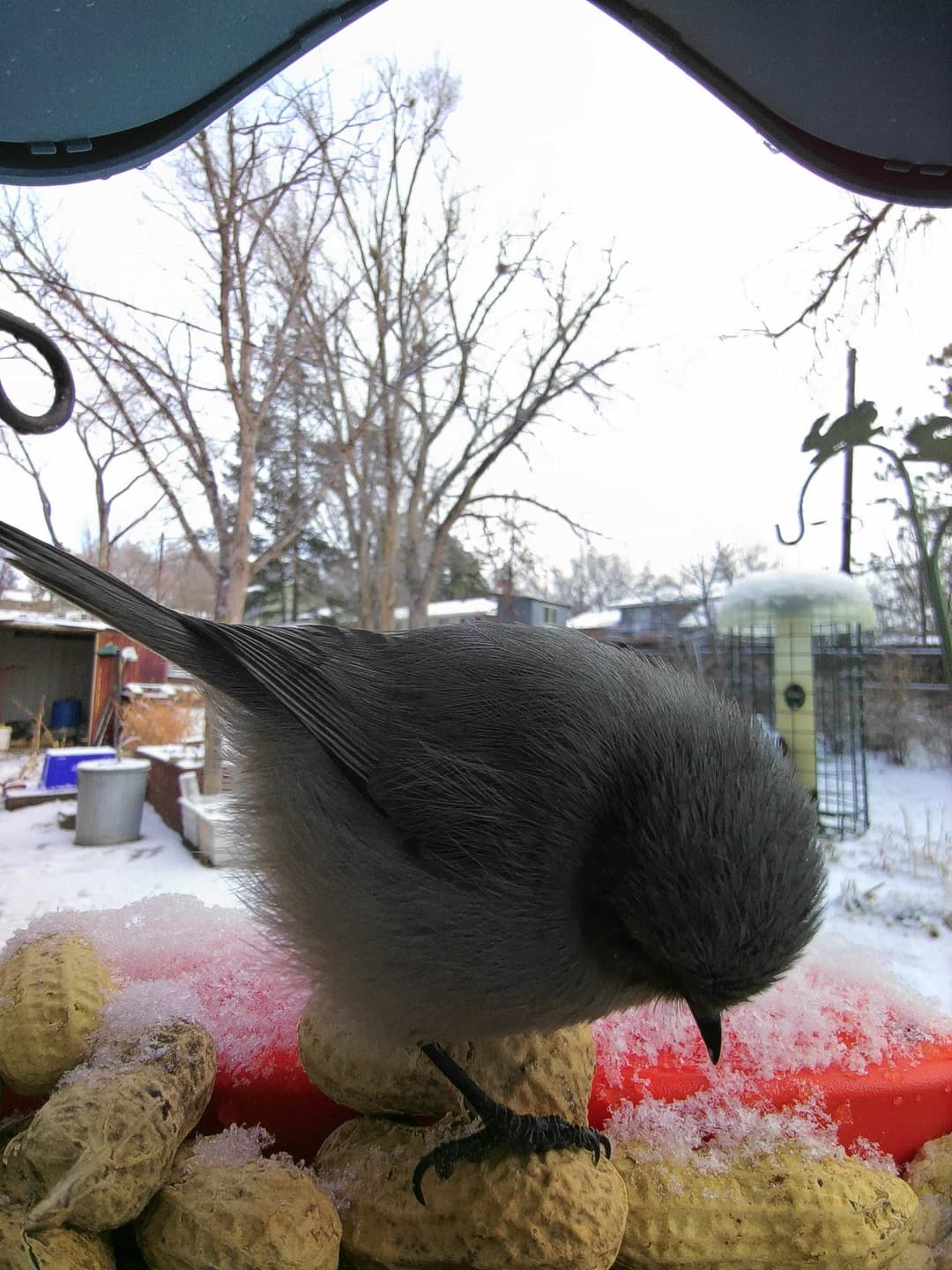
Brown Creeper vs [Select a bird]

[Select a bird]
Pick a bird to compare
Pygmy Nuthatch vs [Select a bird]
[Select a bird]
Pick a bird to compare