House Wren or Chipping Sparrow?
Here's how to tell the difference


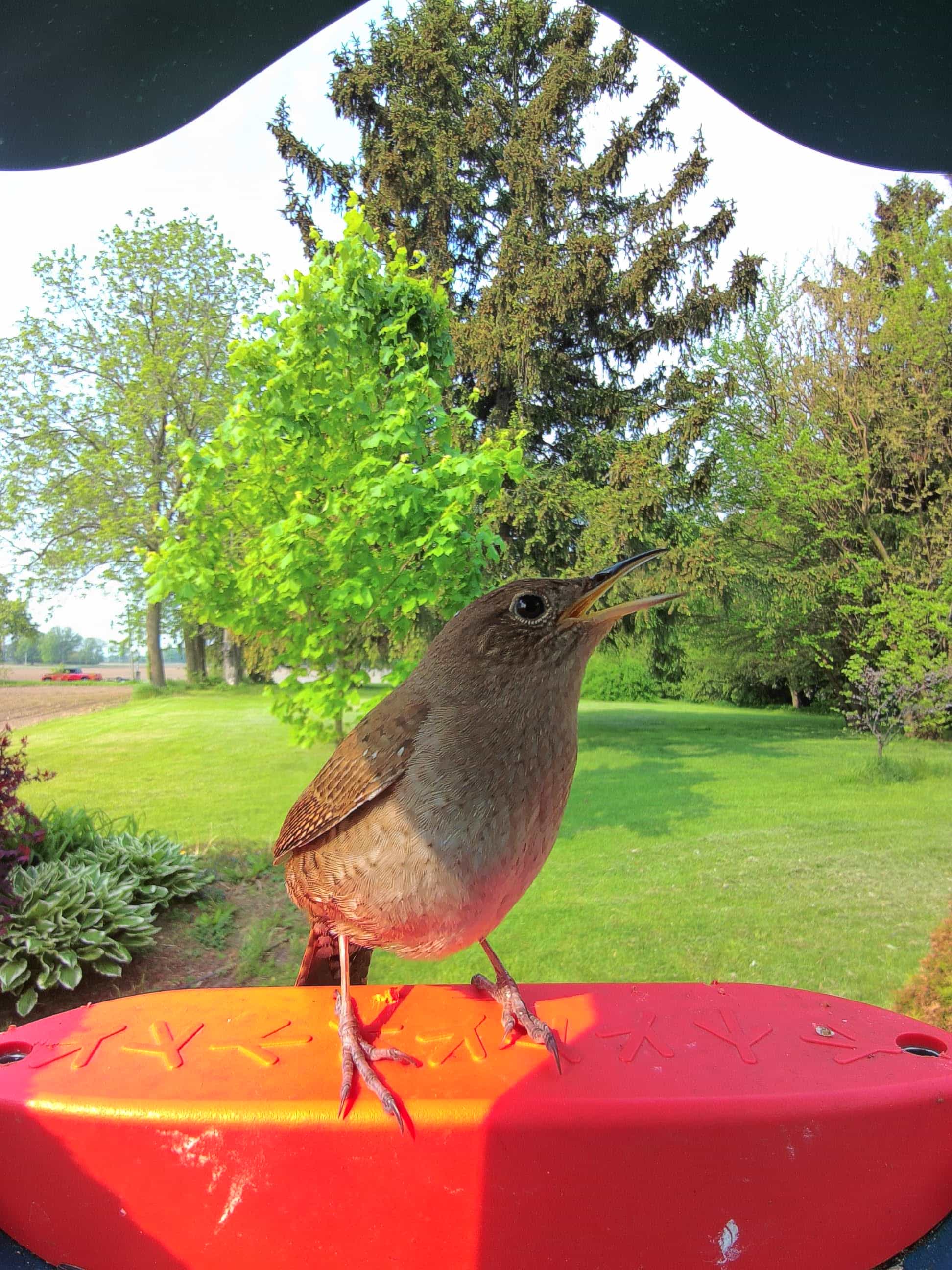


House Wren
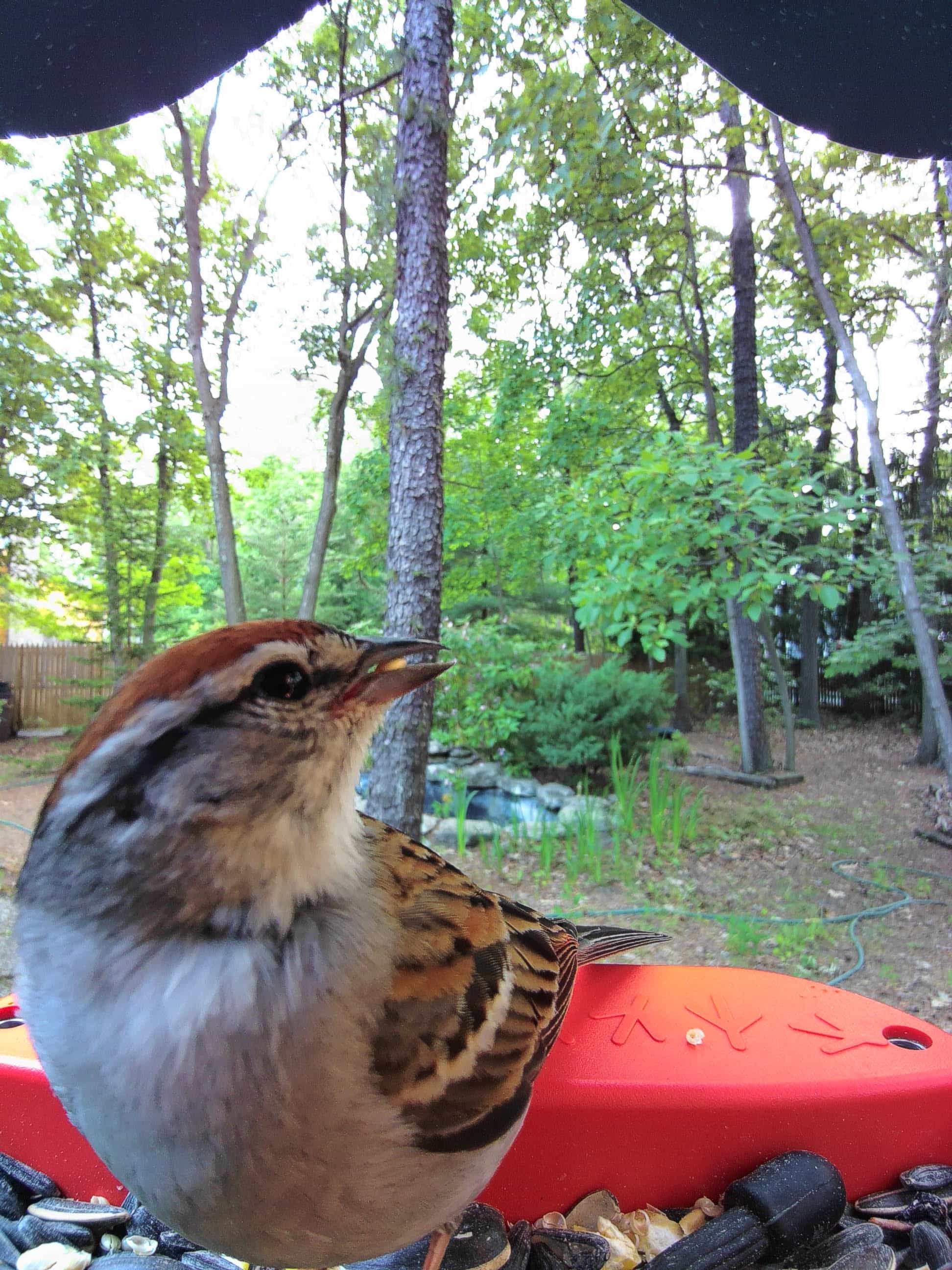


Chipping Sparrow
House Wren
Troglodytes aedon
General appearance
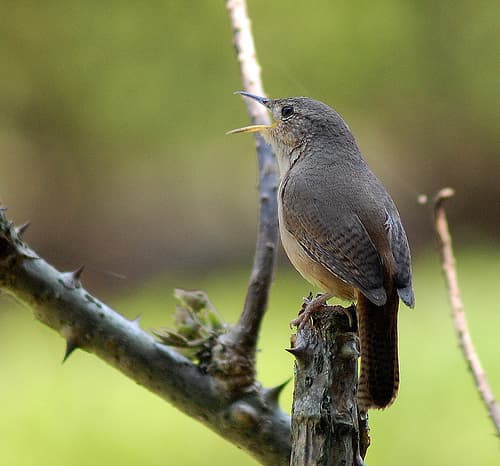
The house wren (Troglodytes aedon) is a small songbird, measuring around 4.3 to 5.1 inches in length. It has a compact body, a relatively long, curved beak, and a short tail often held upright. Its plumage is predominantly brown with subtle barring on the wings and tail. The underparts are a lighter gray-buff. Notable features include the absence of bold facial markings, with only a faint eyebrow stripe over the eye.
Male vs female
Males and females of the house wren species look remarkably similar, making it difficult to distinguish between them purely based on appearance. Both sexes exhibit the same brown and gray coloration, size, and distinctive lack of strong facial markings. Behavioral differences, such as singing by males, during breeding season, are often more reliable identifiers than physical traits.
Juvenile
Juvenile house wrens resemble adults but tend to have slightly duller plumage with less pronounced barring on the wings and tail. They may also exhibit a slightly fluffier appearance due to their fresh feathers. Young birds quickly acquire the adult plumage pattern as they mature, typically by the end of their first summer season.
Size
4.3 - 5.1 in/0.4 oz
There's more to learn about House Wren
View full detailsChipping Sparrow
Spizella passerina
General appearance
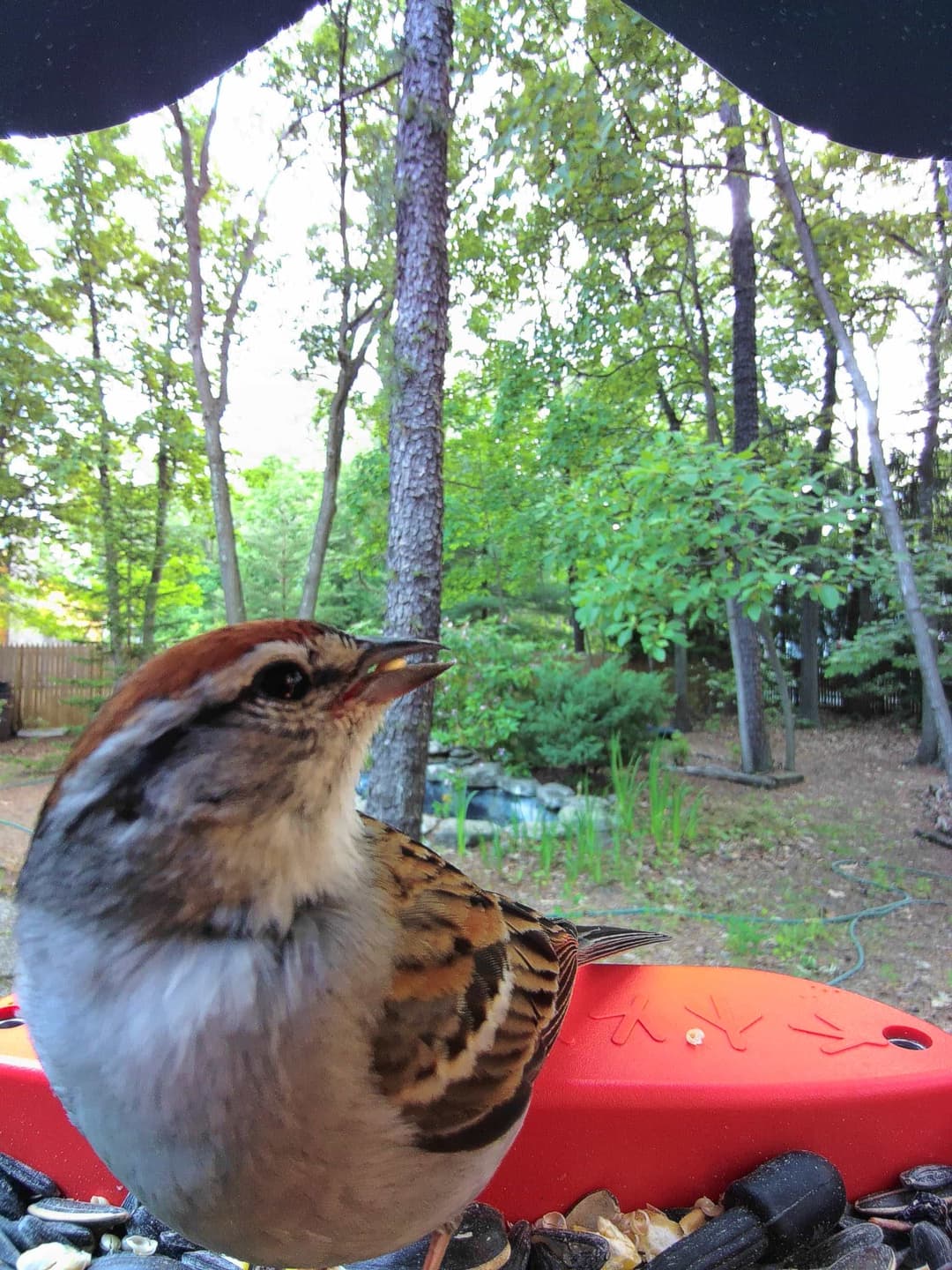
The Chipping Sparrow is a small 5-5 1/2 inch bird, equivalent to 13-14 cm. Sporting a blend of black, brown, gray, red, and white colors, it has a distinctive chestnut cap, white eyebrow, and black eyeline. Its wings are broad and the tail shape varies from notched, rounded to square-tipped. The bird's rump is gray, distinguishing it from Clay-Colored and Brewer's Sparrows that have brown rumps.
Male vs female
The Chipping Sparrow doesn't exhibit significant sexual dimorphism, meaning males and females have similar appearance. They both have less contrast in winter with their chestnut color partly obscured.
Juvenile
Young Chipping Sparrows are initially streaky and retain some of these streaks into fall. Dull fall juveniles can suggest Clay-Colored Sparrow and Brewer's Sparrow, but the gray rump identifies them as Chipping Sparrows. As they age, they acquire the characteristic colors and patterns of adult Chipping Sparrows.
Size
4.7 - 5.9 in/0.4 - 0.6 oz
There's more to learn about Chipping Sparrow
View full detailsHow to tell the House Wren from the Chipping Sparrow
Visual differences
The House Wren (4.3-5.1 inches) is smaller with a compact body, brown plumage, a long curved beak, and a short, upright tail. It lacks bold facial markings, featuring only a faint eyebrow stripe. The Chipping Sparrow (5-5.5 inches) is slightly larger and distinguished by its chestnut cap, white eyebrow, and black eyeline. Its plumage includes black, brown, gray, red, and white colors. The sparrow's tail is variable in shape and its gray rump further sets it apart from the wren’s lighter gray-buff underparts.
Key differences and behavior
House Wrens and Chipping Sparrows, while similar in size, exhibit distinct behaviors and ecological preferences. House Wrens are aggressive during breeding, with males building multiple nests and even interfering with other nests to secure mates. They predominantly inhabit semi-open environments, feeding on insects and remaining elusive at bird feeders. In contrast, Chipping Sparrows, although occasionally polygamous, are less aggressive and commonly adapt to parks and gardens. They show a dietary shift from insects in summer to seeds in winter and are frequent bird feeder visitors. House Wrens often disrupt other birds’ nests while Chipping Sparrows focus on nest building and parental care. These behavioral distinctions in nesting, diet, habitat adaptation, and social interactions make them identifiable in the field beyond visual characteristics.
Still not sure? Here are more lookalikes!
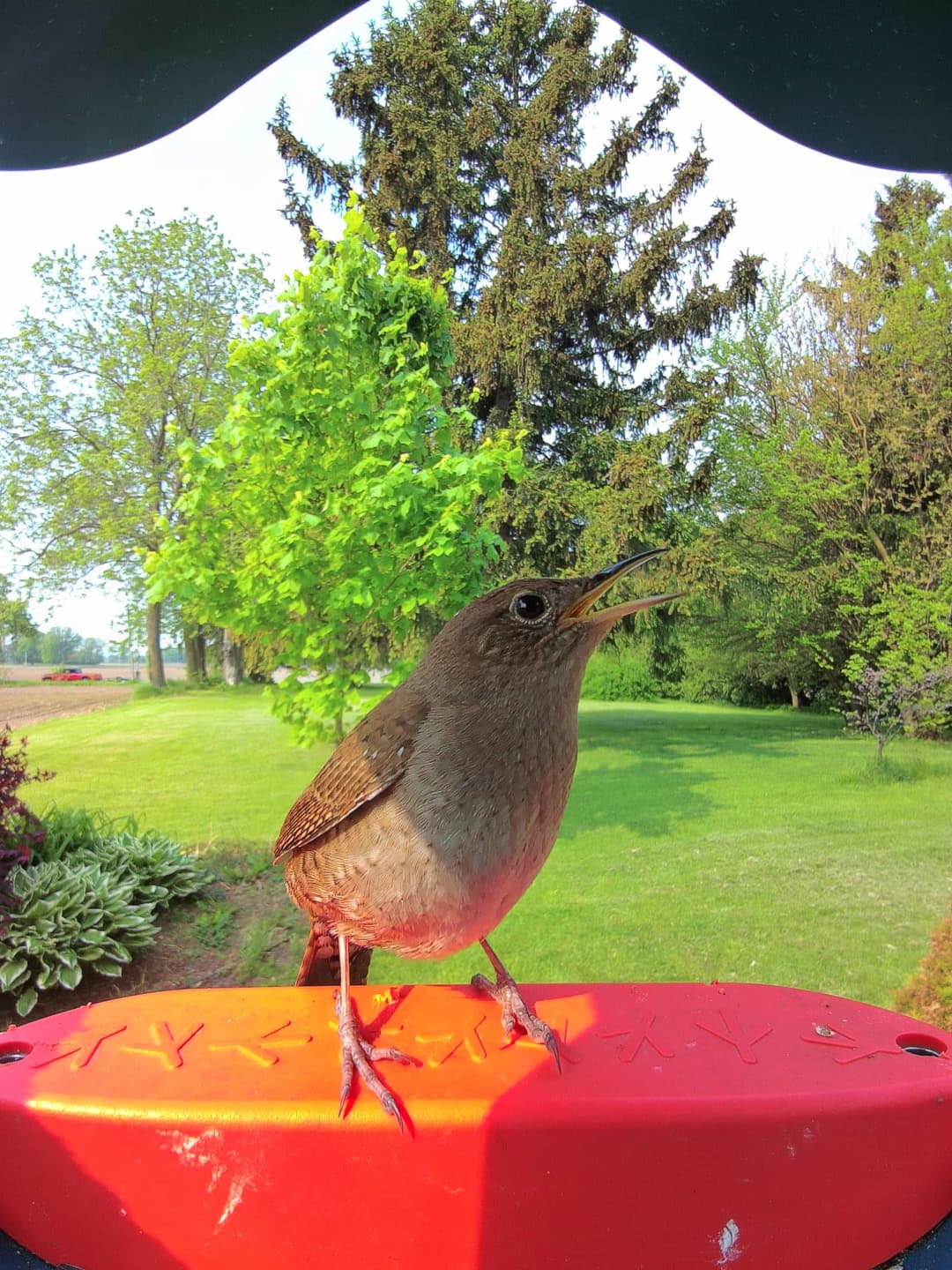
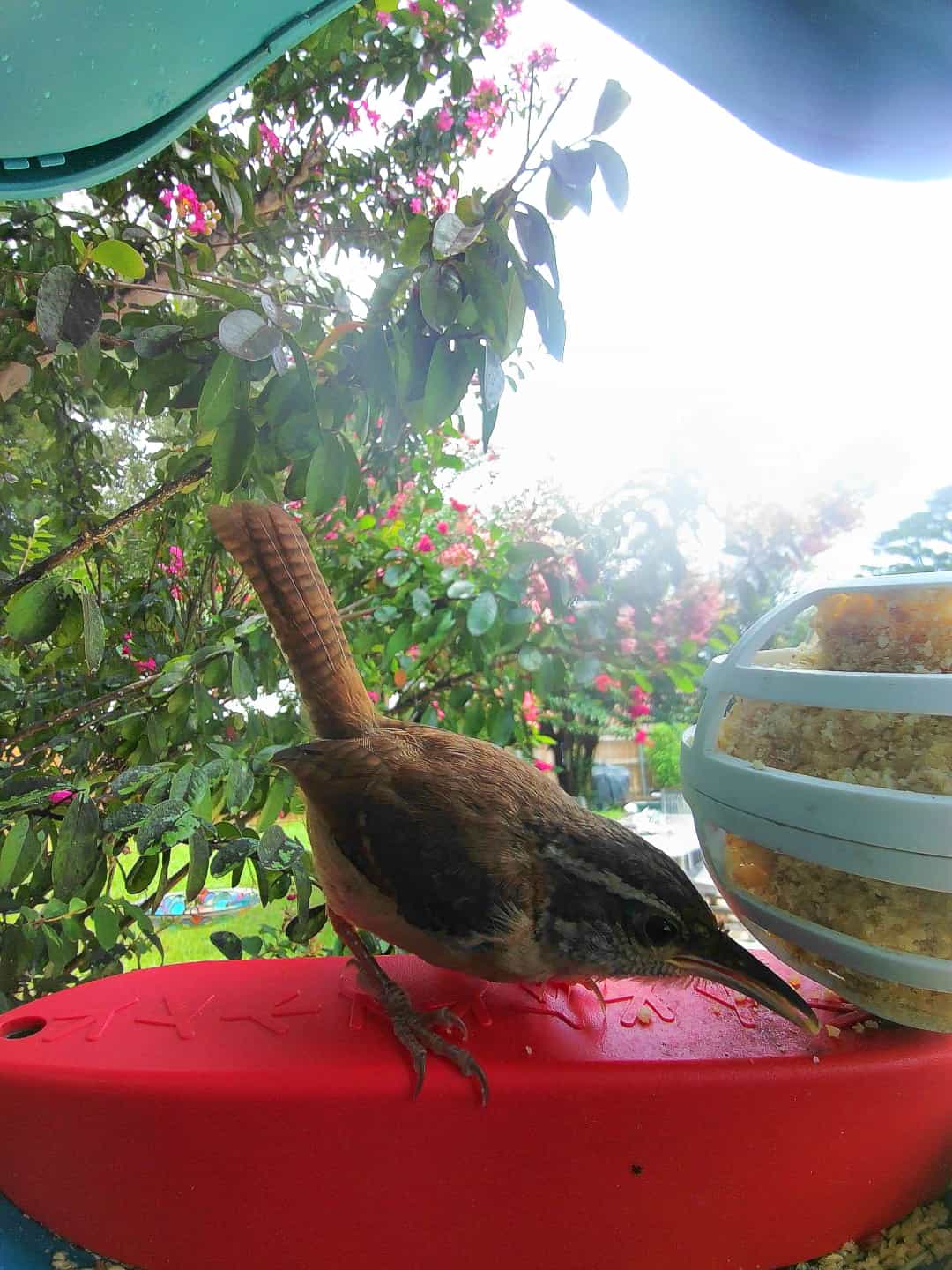
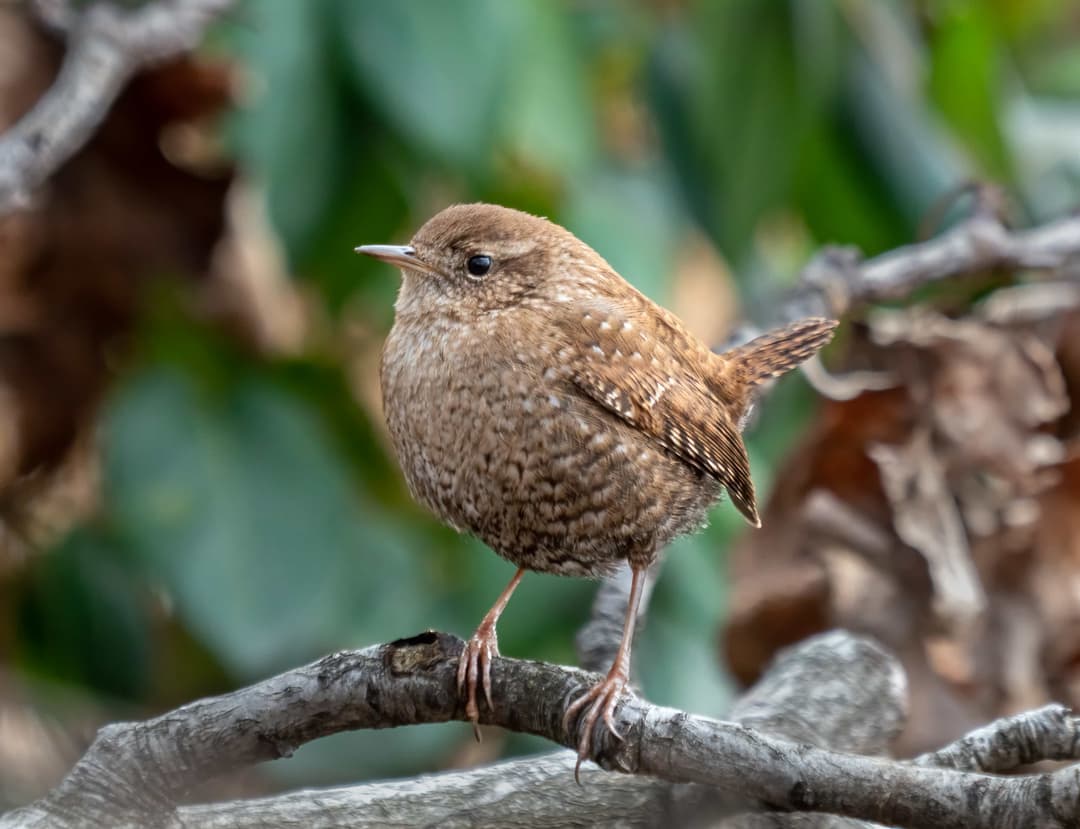
House Wren vs Carolina Wren
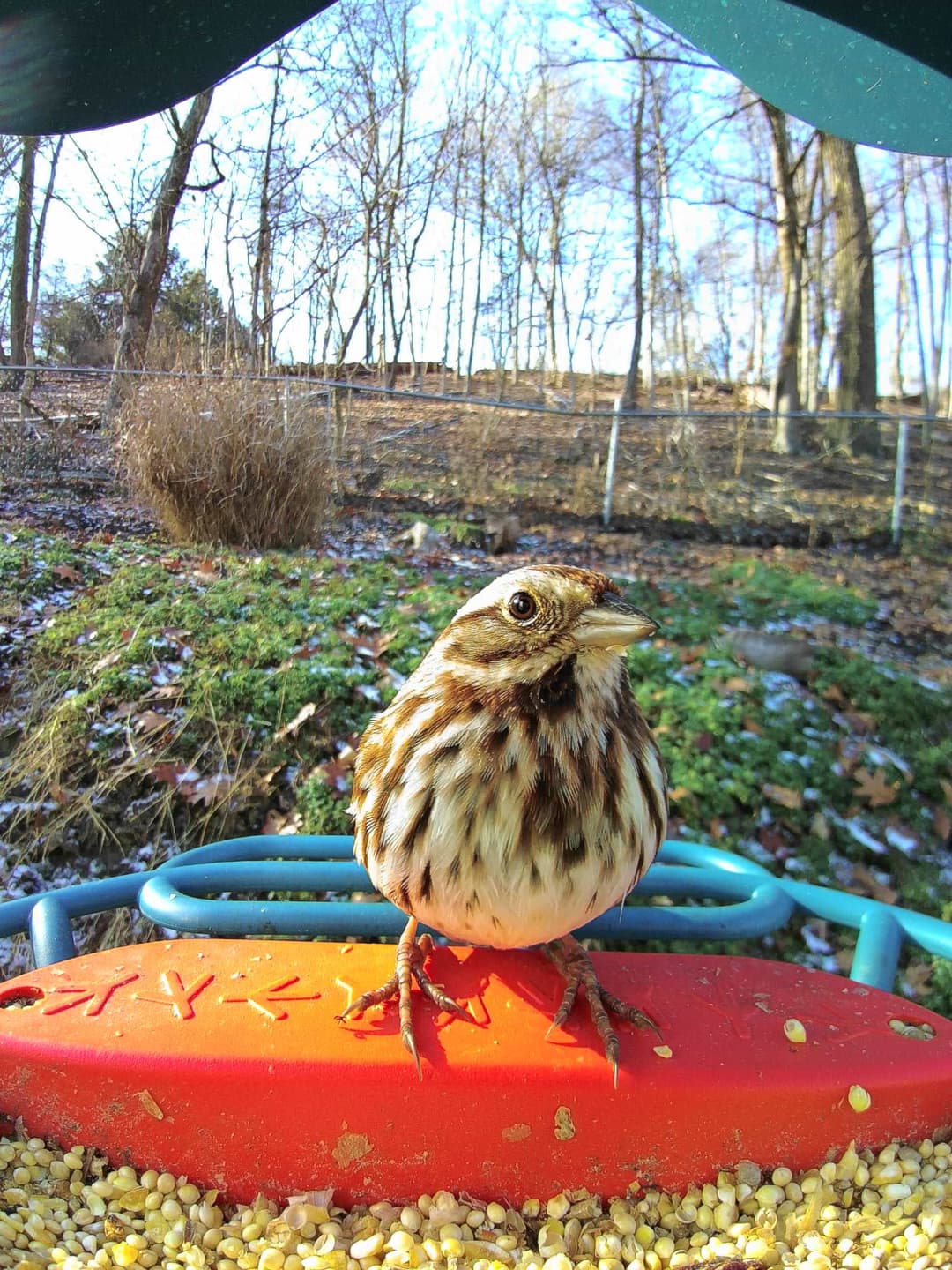
House Wren vs Song Sparrow
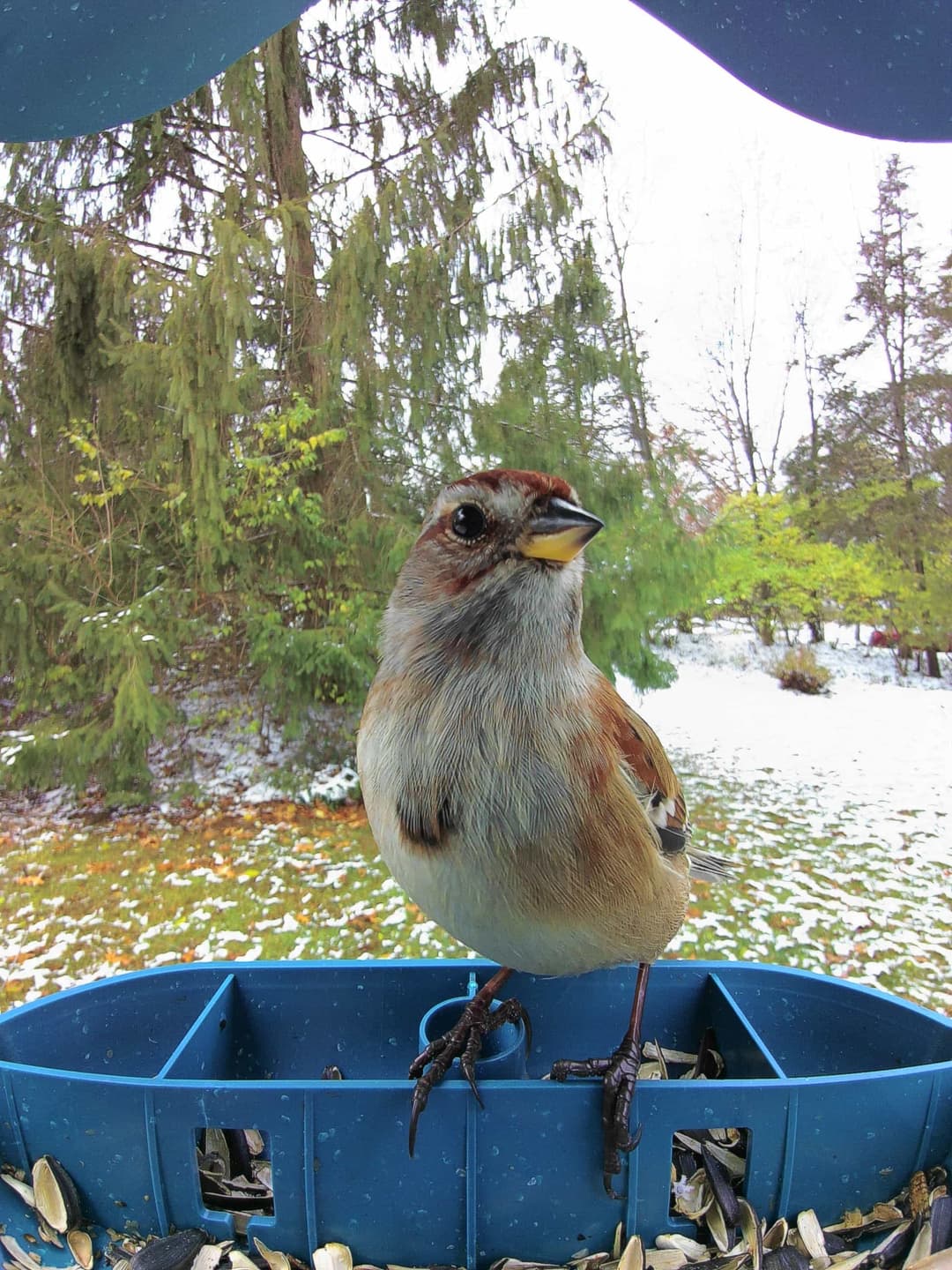
Chipping Sparrow vs American Tree Sparrow
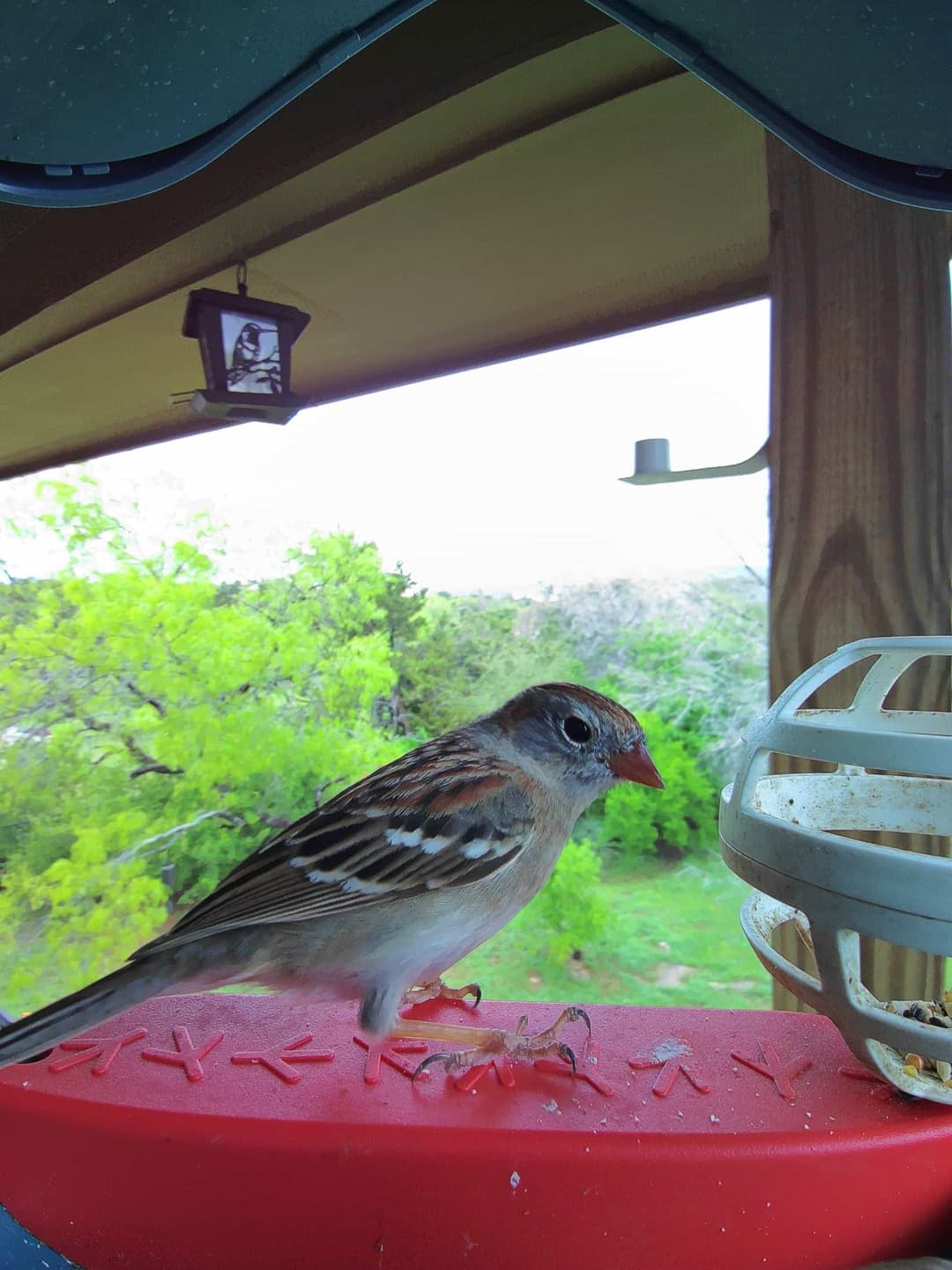
Chipping Sparrow vs Field Sparrow
House Wren vs [Select a bird]

[Select a bird]
Pick a bird to compare
Chipping Sparrow vs [Select a bird]
[Select a bird]
Pick a bird to compare