Mexican Jay or Pinyon Jay?
Here's how to tell the difference
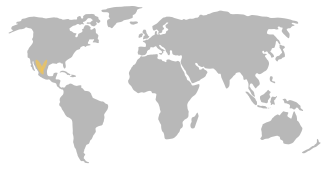

Mexican Jay
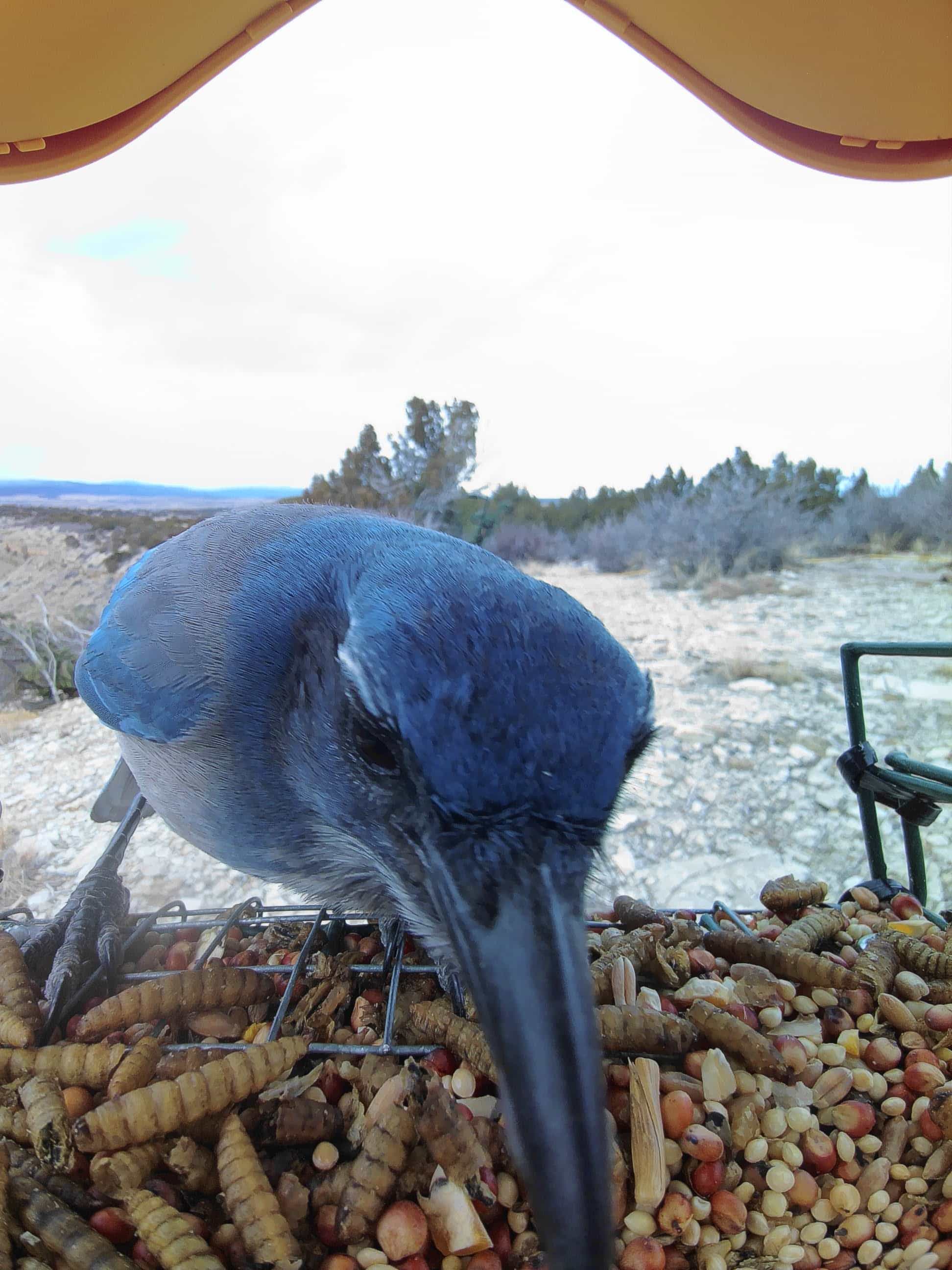


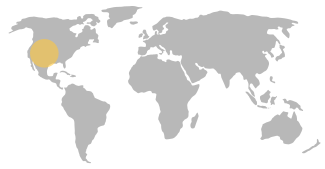
Pinyon Jay
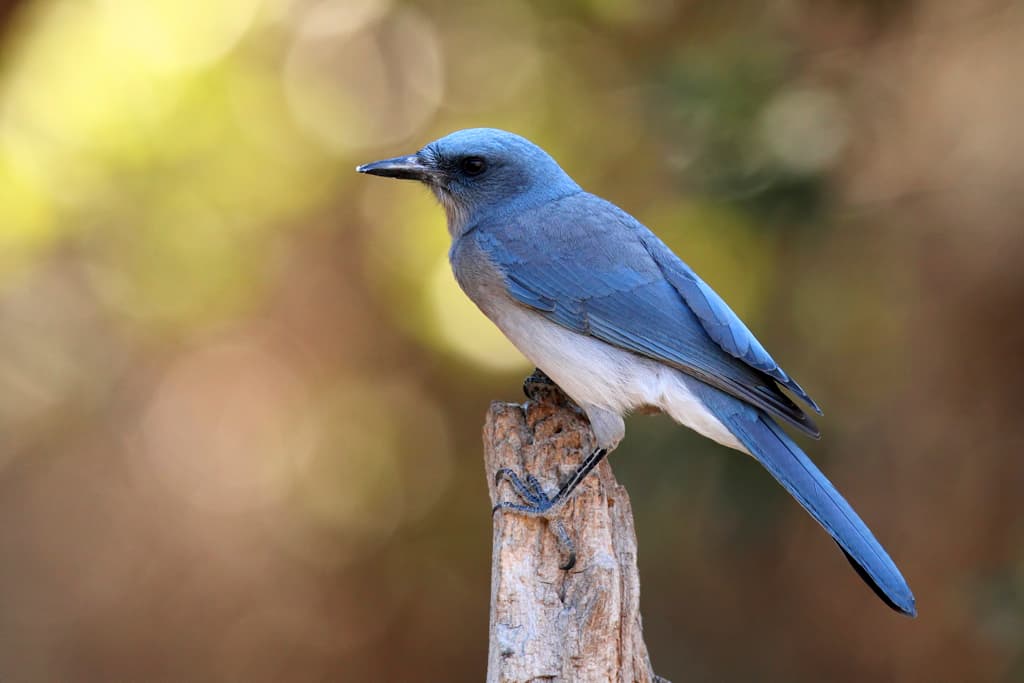
Mexican Jay
Aphelocoma wollweberi
General appearance
The Mexican jay is a medium-sized bird with a long tail and a robust bill. Its plumage is predominantly a striking blue, with lighter shades on its head, nape, and wings. The throat and underparts are pale grayish-white, providing a noticeable contrast to the deeper blue hues of its back and tail.
Male vs female
There is little to no sexual dimorphism in the Mexican jay, meaning males and females appear similar. Both genders exhibit the same vivid blue and gray coloration, making visual differentiation between sexes difficult in the field.
Juvenile
Juvenile Mexican jays are duller in color compared to adults, with more muted blue tones and a slightly browner overall appearance. Their underparts are also grayer rather than the crisp white seen in adults, and their bills and legs appear lighter.
Size
11.0 - 12.6 in/3.5 - 4.8 oz
There's more to learn about Mexican Jay
View full detailsPinyon Jay
Gymnorhinus cyanocephalus
General appearance
The general appearance of the pinyon jay marks a stocky body and short tail. It's most noticeable for its keen spike-like bill. The jay displays a unique coloration that might be characterized as a dull blue hue that covers the entire body. Its feather shape appears fingered and rounded on the wings, while the body can be approximately compared to the size of a crow, or alternatively, a robin.
Male vs female
Male and female pinyon jays share similar appearances, which makes them difficult to distinguish. Both sexes bear the same black, blue, and gray coloration as well as the identical body sizes. Their wing shape can be termed as fingered and rounded. Notably, both males and females share the same tail variations: rounded, short, and square-tipped.
Juvenile
Juvenile pinyon jays exhibit a grayer coloration compared to their adult counterparts. While they maintain the general dull-blue coloration as they age, juveniles are noticeably grayer when they're young. Similar to adults, juveniles almost always flock together with their group, thus making them identifiable in the wild.
Size
10.2 - 11.4 in/3.2 - 4.2 oz
There's more to learn about Pinyon Jay
View full detailsHow to tell the Mexican Jay from the Pinyon Jay
Visual differences
The Mexican Jay is larger (11-12.5 inches) with a robust bill and a striking blue body contrasting with pale grayish-white underparts. In contrast, the Pinyon Jay is slightly smaller (10-11.5 inches), stocky, with a short tail and a spike-like bill. It has a uniform dull blue coloration. Mexican Jays' blue is more vibrant with distinct color variations, while Pinyon Jays display a uniform, muted coloration. The Mexican Jay's tail is longer, contrasting with the Pinyon Jay's short, square-tipped tail.
Key differences and behavior
Mexican Jays and Pinyon Jays showcase distinct behavioral characteristics in their natural habitats. Mexican Jays typically form family groups up to 25, living in oak-pine woodlands, primarily in Arizona and Texas, while Pinyon Jays create larger flocks up to 500, inhabiting pinyon-juniper woodlands. Mexican Jays are cooperative breeders, with flocks contributing to feeding young, and nest in trees like oaks or pines, whereas Pinyon Jays engage in competitive courtship and nest colonially in junipers or pinyons. Diet-wise, Mexican Jays shift seasonally between acorns, pine seeds, and insects, while Pinyon Jays focus on pinyon seeds but also consume other seeds and insects, known for caching large quantities. Both may visit feeders, favoring seeds and nuts. Size-wise, Mexican Jays are slightly larger, 11-13 inches, versus Pinyon Jays' 10-11 inches.
Still not sure? Here are more lookalikes!
Mexican Jay vs Woodhouse’s Scrub-Jay
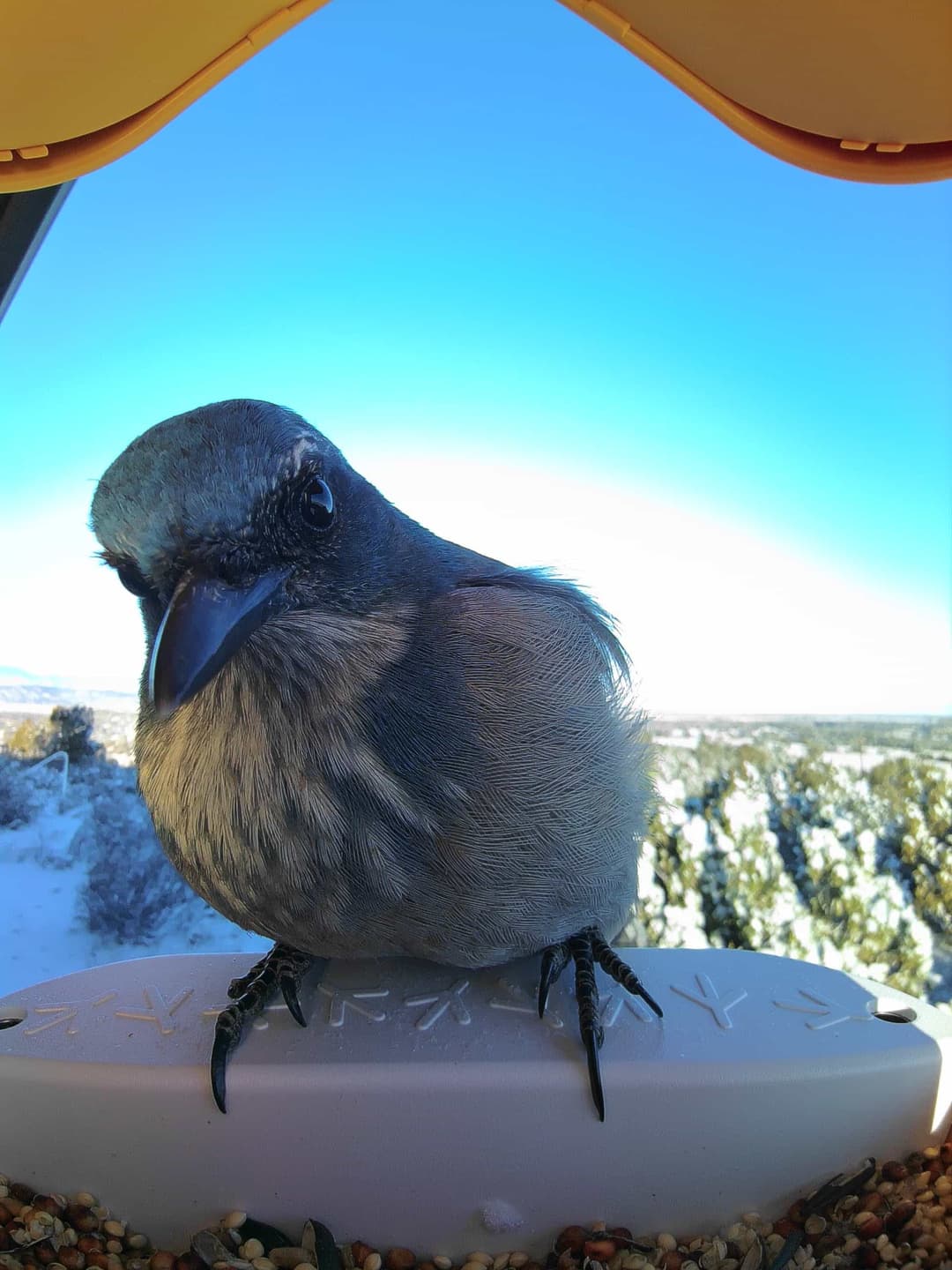
Mexican Jay vs California Scrub-Jay
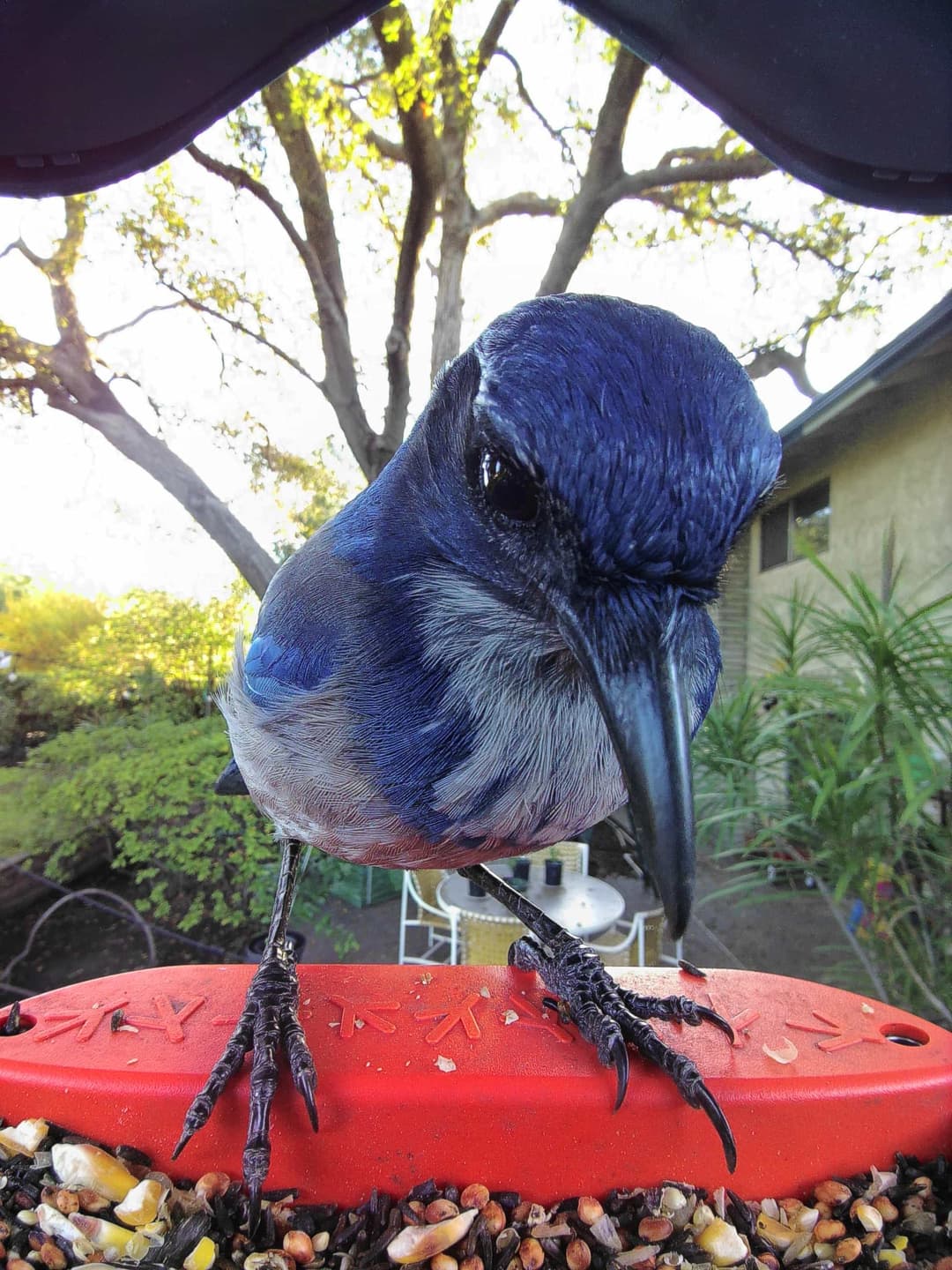
Pinyon Jay vs Woodhouse’s Scrub-Jay
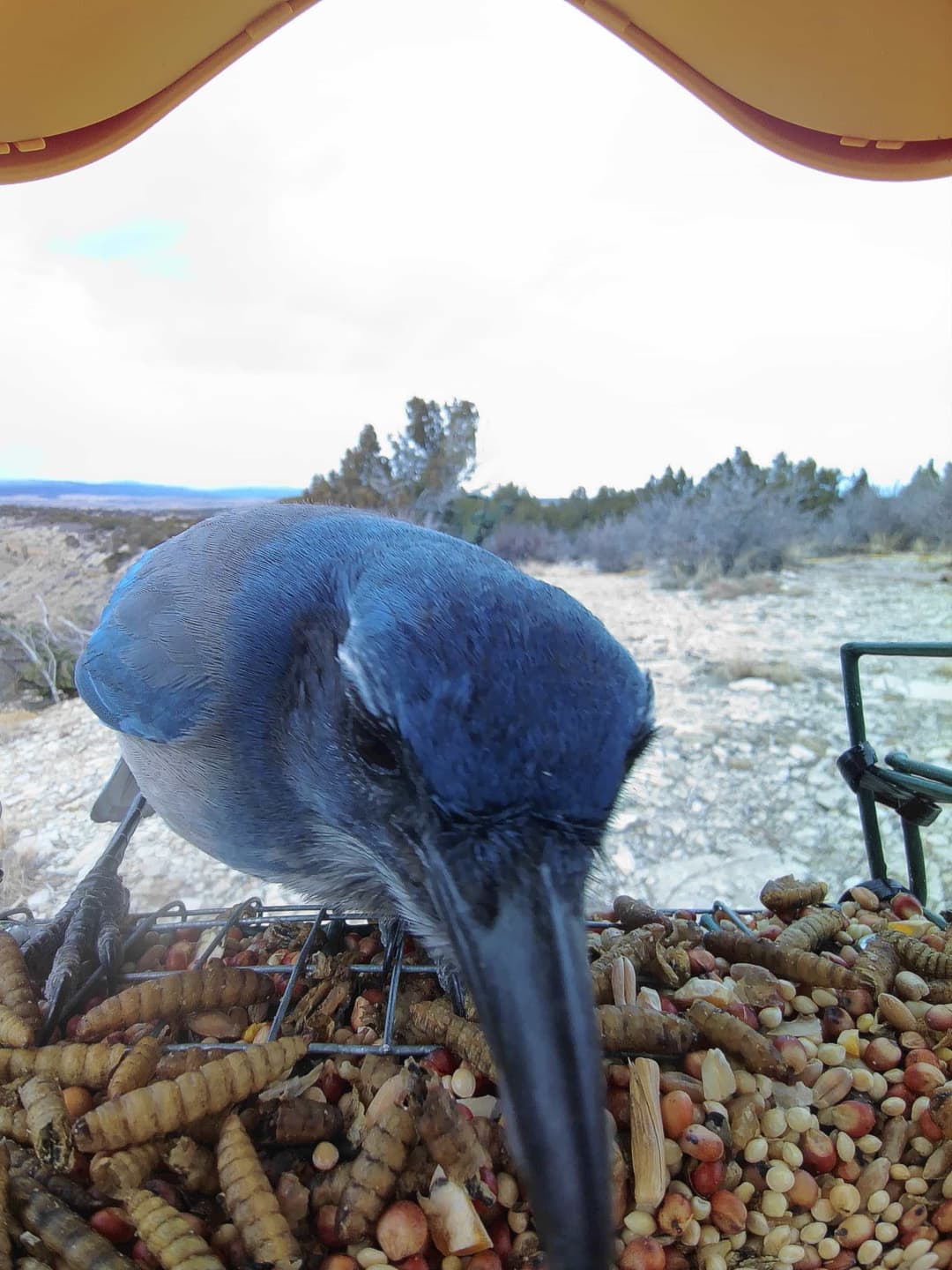
Pinyon Jay vs California Scrub-Jay
Mexican Jay vs [Select a bird]

[Select a bird]
Pick a bird to compare
Pinyon Jay vs [Select a bird]
[Select a bird]
Pick a bird to compare