Swainson's Thrush or Veery?
Here's how to tell the difference
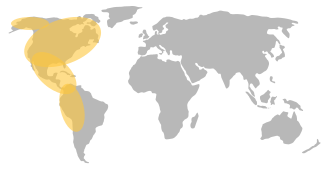


Swainson's Thrush

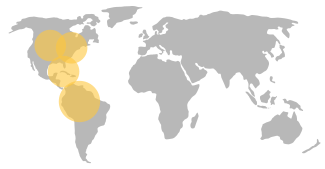
Veery
Swainson's Thrush
Catharus ustulatus
Also known as: Olive-Backed Thrush, Russet-Backed Thrush
General appearance
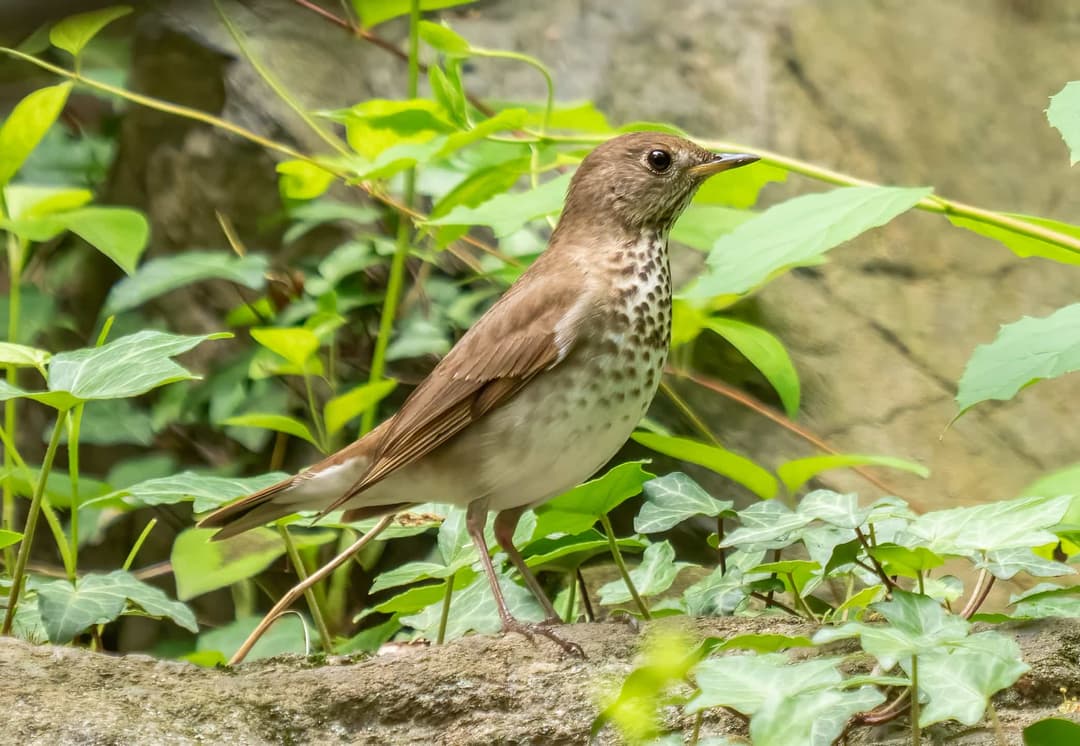
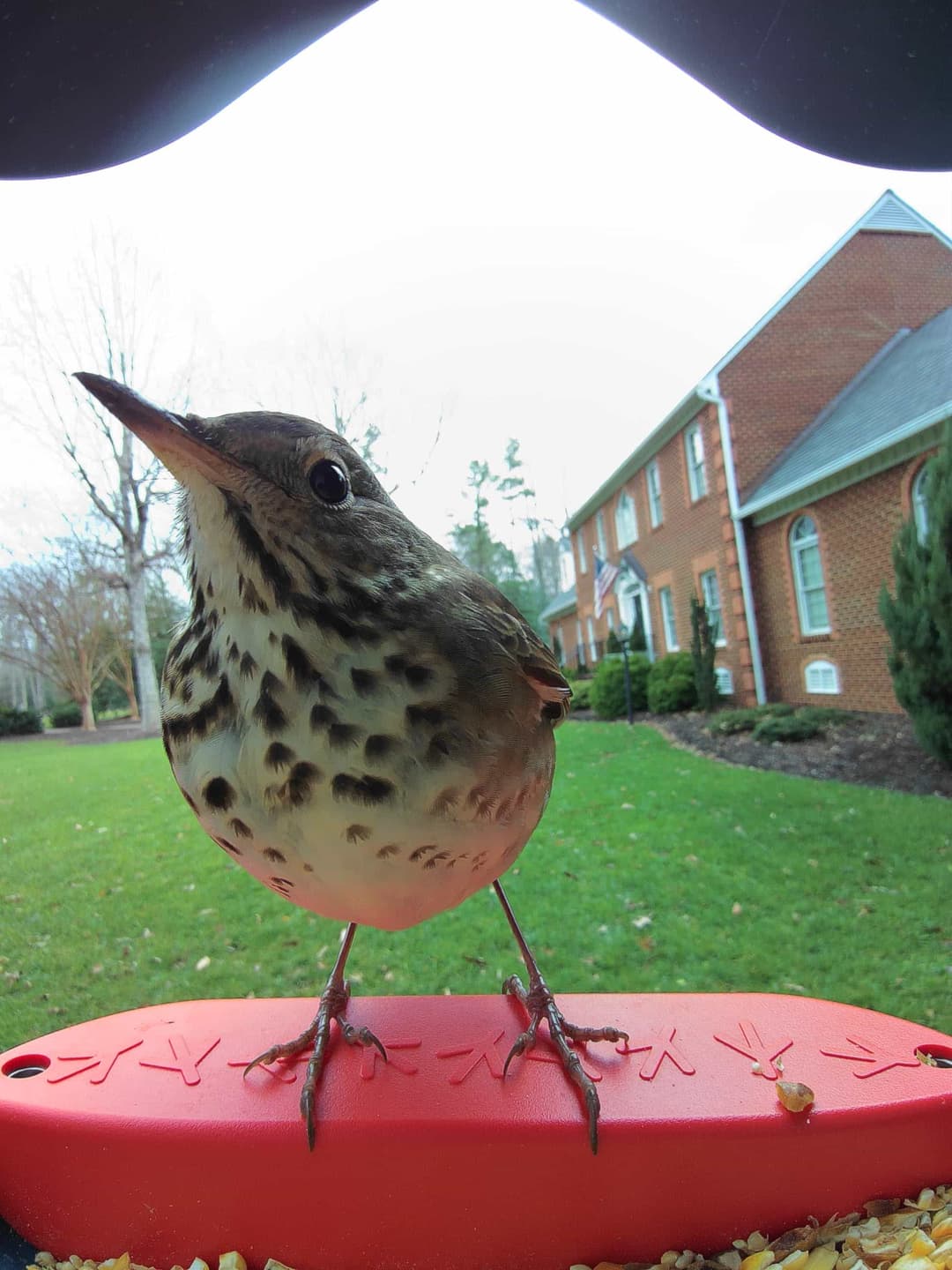
Swainson's thrush is a medium-sized thrush with a length of about 16-20 cm and a wingspan of 30-33 cm. It is characterized by olive-brown upperparts, pale underparts with a buffy wash on the breast, and distinct dark spots on the throat and chest. The bird features a pale, prominent eye-ring, giving it a spectacled appearance. The legs are pink, and the bill is relatively short and straight.
Male vs female
Males and females of Swainson's thrush appear similar, making them difficult to distinguish visually. Both sexes share the same coloration and markings. The slight size differences are not noticeable without direct comparison.
Juvenile
Juvenile Swainson's thrushes resemble adults but tend to have more rufous tones in their plumage. They may exhibit more pronounced spotting across the breast and a slightly duller appearance overall. The eye-ring remains noticeable in juveniles, aiding in identification.
Size
6.3 - 7.5 in/0.8 - 1.6 oz
There's more to learn about Swainson's Thrush
View full detailsVeery
Catharus fuscescens
Also known as: Wilson's Thrush, Tawny Thrush
General appearance
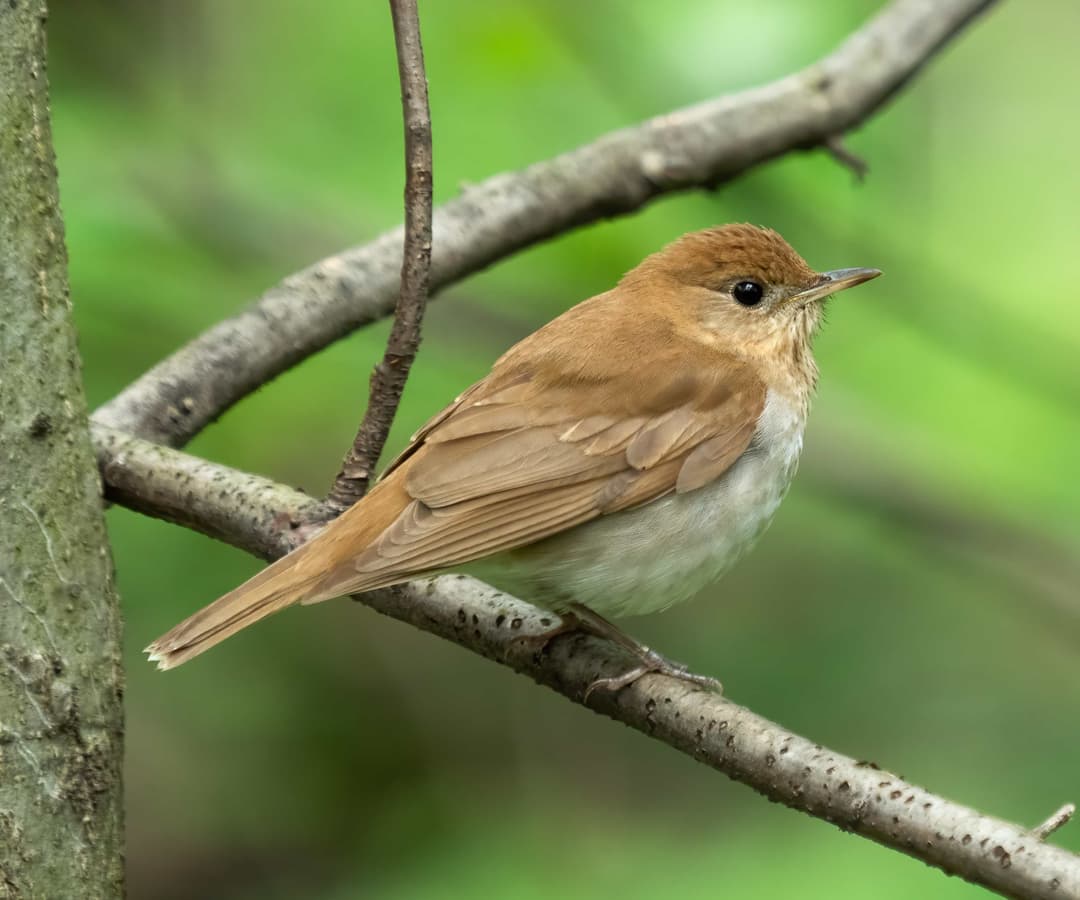
The veery (Catharus fuscescens) is a medium-sized thrush with warm, cinnamon-brown upperparts and a subtly spotted pale tawny breast. It has a white underbelly and distinct buffy eye-ring. Its song is a spiraling, fluty series of notes, distinctive during its breeding season.
Male vs female
The veery shows minimal sexual dimorphism, meaning males and females have very similar appearances. Both sexes share the same coloration and size, usually around 16-18 cm long with a wingspan of about 28 cm. Behavioral cues and song patterns, notable in males, are often used for differentiation.
Juvenile
Juvenile veeries resemble adults but typically exhibit more pronounced spotting on the chest. Their plumage is generally duller, aiding in camouflage. As they mature, they attain smoother, more uniform coloration. They take up the adult's distinctive appearance as they prepare for migration and the upcoming breeding seasons.
Size
6.7 - 7.1 in/0.9 - 1.4 oz
There's more to learn about Veery
View full detailsHow to tell the Swainson's Thrush from the Veery
Visual differences
Swainson's Thrush and Veery can be distinguished visually by their plumage and features. Swainson's Thrush has olive-brown upperparts, a buffy breast, and a prominent pale eye-ring, giving it a spectacled look. Its underparts are pale with dark spots. In contrast, the Veery has warm cinnamon-brown upperparts, a less pronounced spotted pale tawny breast, white underbelly, and a buffy eye-ring. Swainson's is slightly larger, 6.3-7.5 inches long, with a wingspan of 11.8-13 inches, while Veery measures 6.3-7.1 inches with a wingspan of 11 inches.
Key differences and behavior
Swainson's Thrush and Veery exhibit noticeable behavioral differences that facilitate field identification. Swainson's Thrush, known for its elusive and ventriloquial song, thrives in coniferous and deciduous forests, often nesting higher in trees. Its summer diet is diverse, including insects and fruits, which reduces its feeder visits. Meanwhile, the Veery, with its distinct fluty song, prefers damp deciduous woods with dense understory and nests near the ground. It is vocal during both courtship and migration, flying long distances at night while calling to flockmates. Its diet, similar to Swainson’s, includes insects and berries, but with an occasional inclusion of amphibians. Both are monogamous, with males actively defending their territories through song. Swainson's Thrush roams forests broadly during migration, whereas Veerys stick to the understory, which may explain their movement and courtship vocalizations.
Still not sure? Here are more lookalikes!
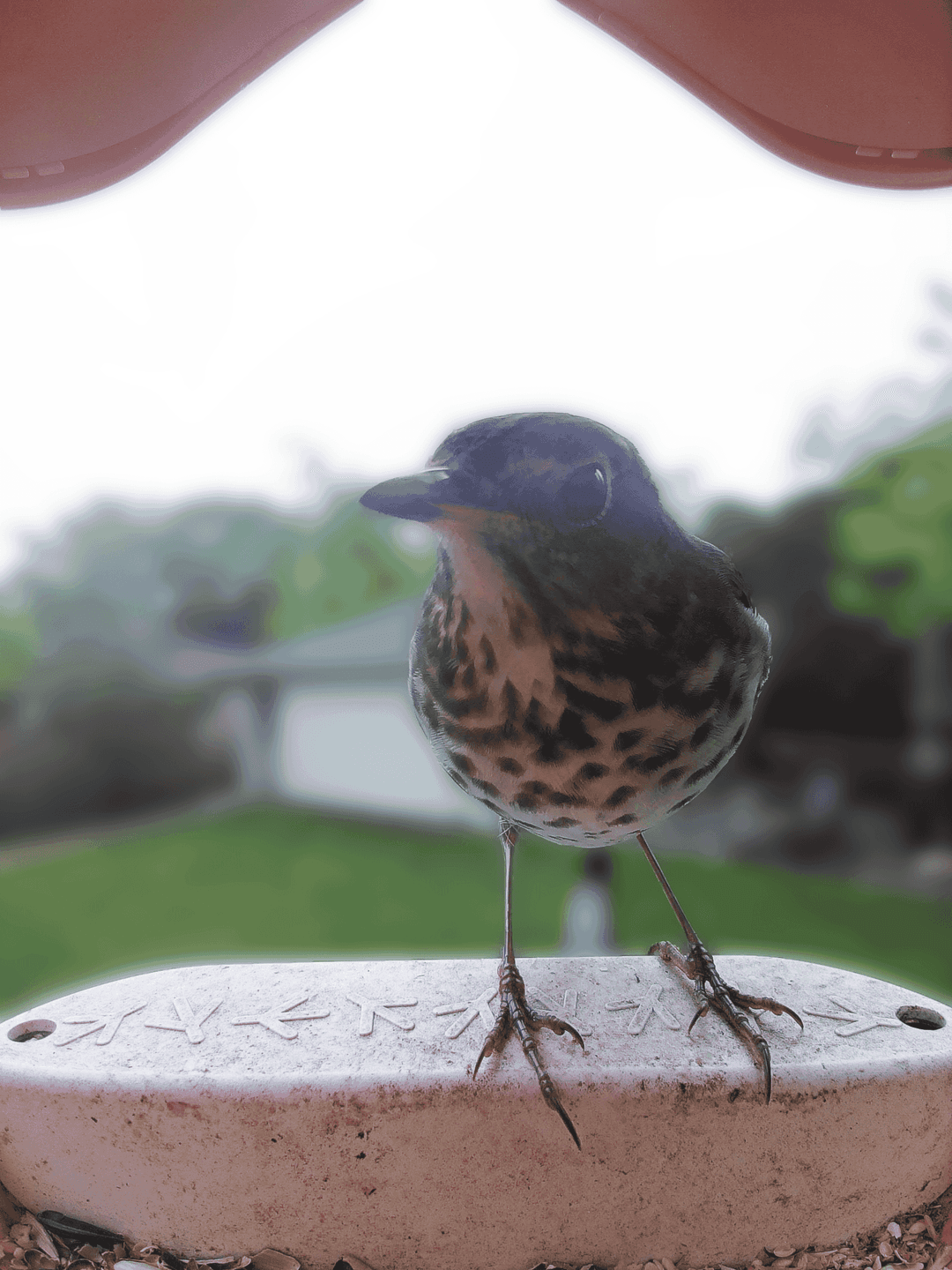
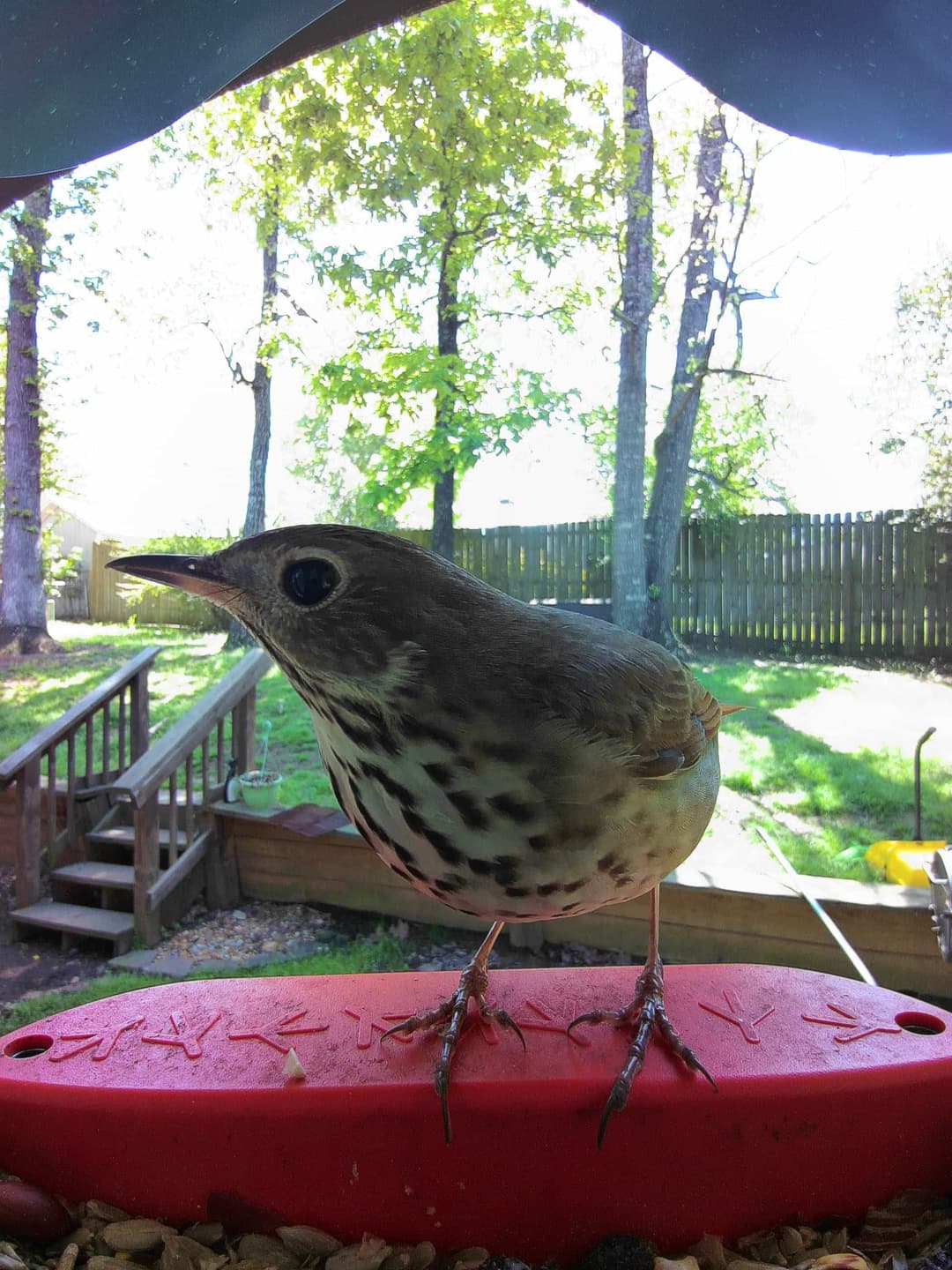
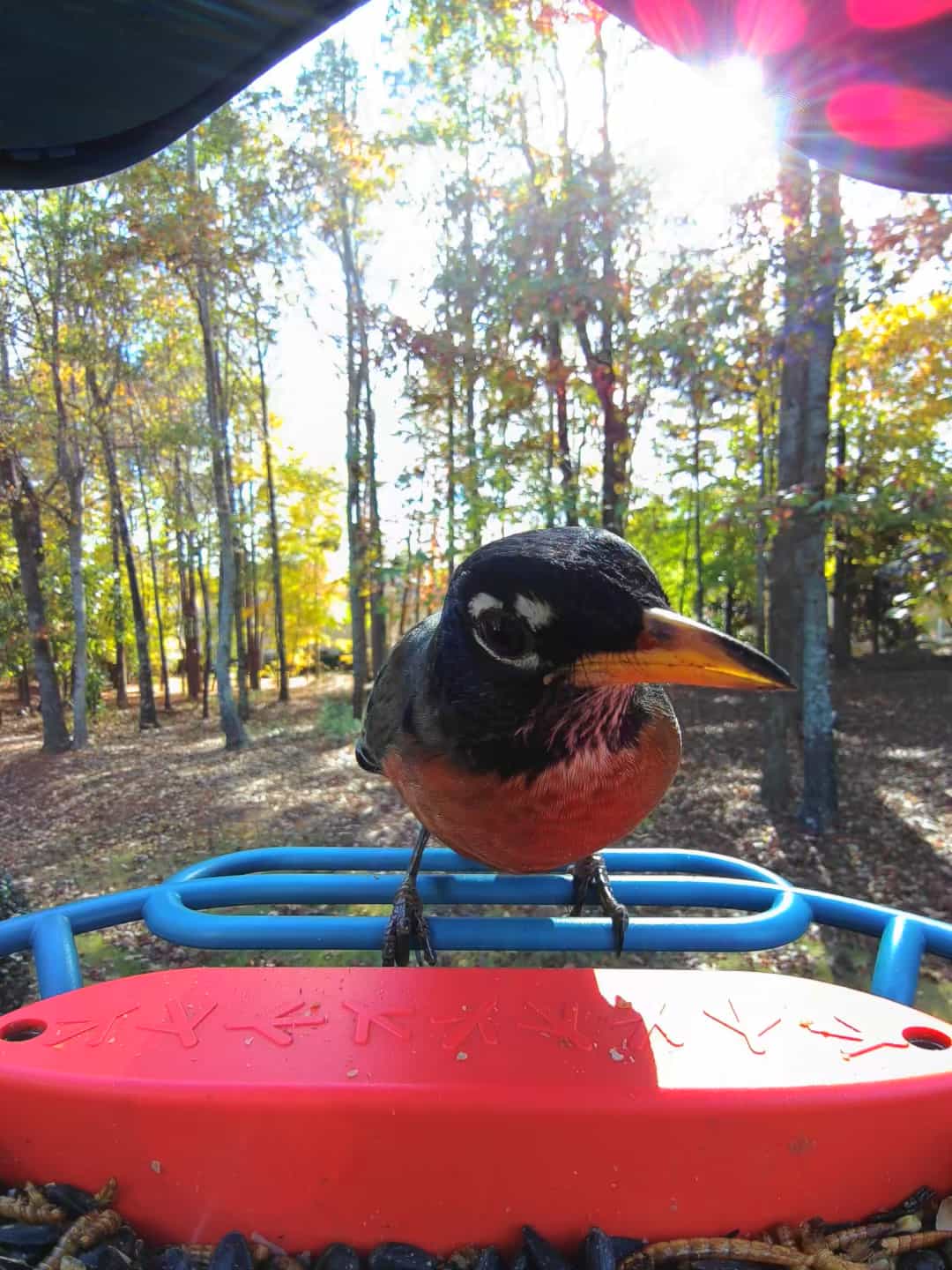
Swainson's Thrush vs American Robin
Swainson's Thrush vs [Select a bird]

[Select a bird]
Pick a bird to compare
Veery vs [Select a bird]
[Select a bird]
Pick a bird to compare