
Black-Billed Magpie
Black-Billed Magpie
Also known as: American Magpie
Pica hudsonia


Quick Identification guide
Quick Identification guide
Male
- •
glossy black head, neck, and chest with iridescent blue-green sheen
- •
long, graduated tail with a metallic blue-green tint
- •
Clear white belly and shoulder patches, contrasting sharply with black upperparts
Female
- •
glossy black head, neck, and chest but often less iridescent than males
- •
long, tapering tail with a bluish-green gloss, like the male
- •
Distinct white underparts and shoulders, providing a striking contrast with black plumage
What does a black-billed magpie sound like?
The vocalizations of the Black-billed Magpie display a diverse range. Its typical calls can be described as rapid, nasal "mag? mag? mag?" or chatter-like "yak yak yak." The calls vary in pitch, characterized by a flat or rising pattern that is quite distinctive. Other vocalizations include chirps or chips, and sometimes raucous screams, indicating the bird's complex and dynamic communication repertoire. Their sound is distinct, engaging, and expressive, making them one of the more vocally varied species.


Description
Did you know that black-billed magpies are one of the few birds that use scent to find food? The collective nouns for a group of magpies are a tribe, a tittering, a gulp, a charm and a mischief. The latter is pretty accurate as they used to be regarded as vermin because of their tendency to steal eggs and fruit from orchards and even grabbed a bite to eat from Lewis and Clark's tents during their expedition to explore America.
The black-billed magpie can weigh between 145to210grams and be from45to60centimeters tall.
The typical lifespan of a black-billed magpie is around 4 to 6 years in the wild, although they can live up to 15 years in captivity. This is comparable to related species such as the common magpie, which lives about 3 to 5 years in the wild. However, the oldest recorded black-billed magpie-lived for almost 22 years.
Did you know?
Most popular questions about black-billed magpie
How to recognise a black-billed magpie?
General appearance
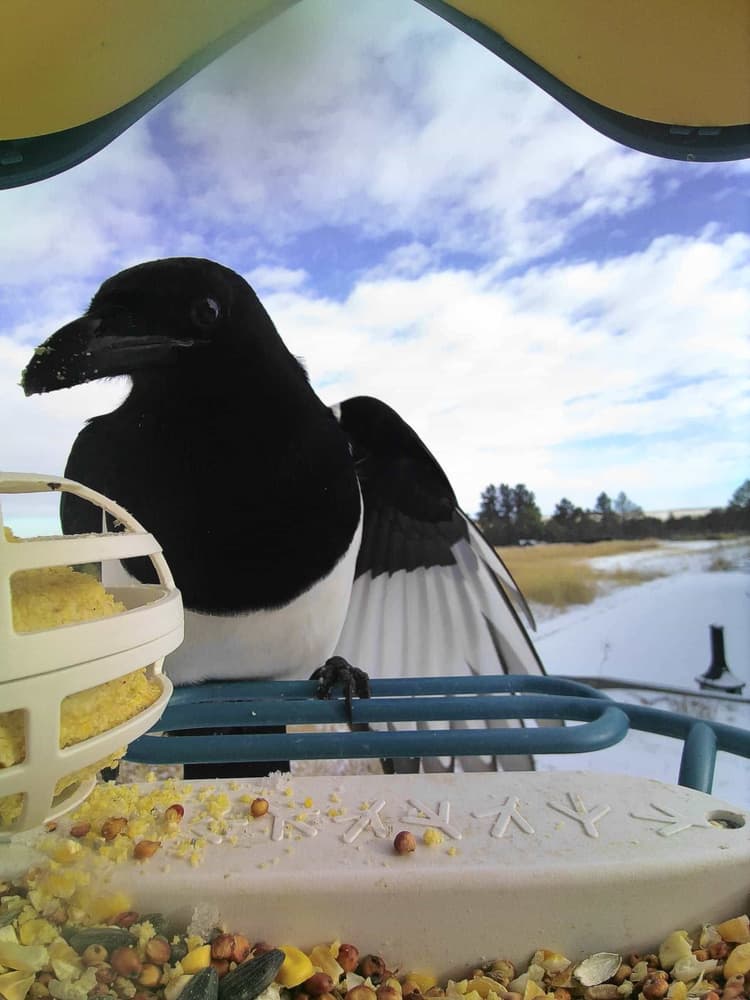
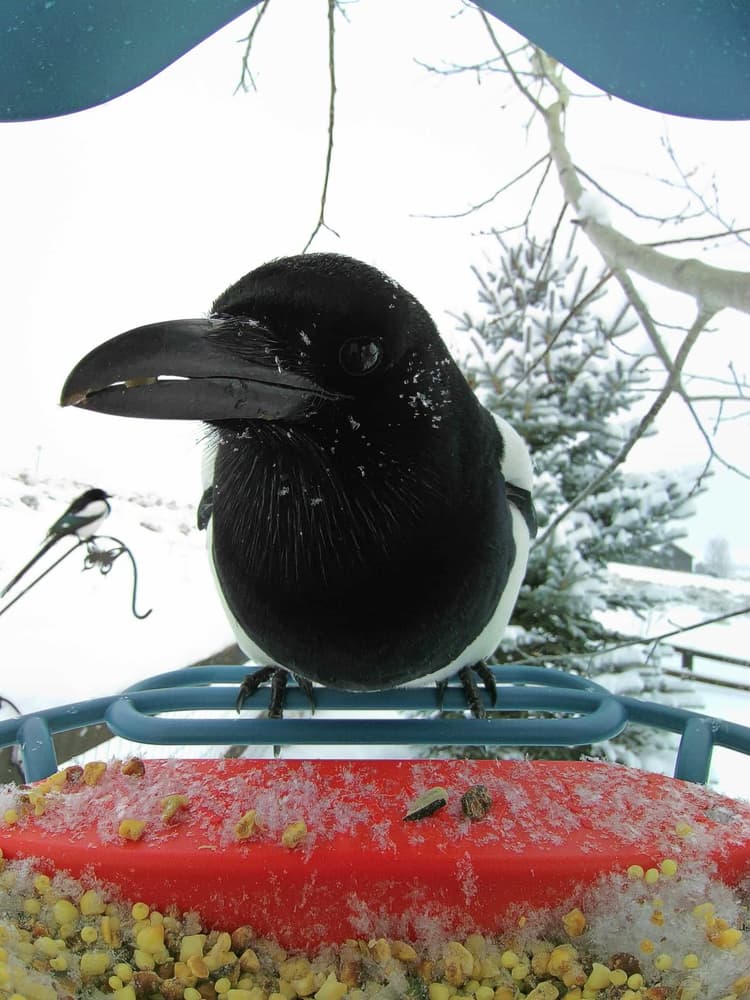
The black-billed magpie is unmistakable with a size about that of a crow, mallard, or herring gull, varies between 17 1/2 -22 inches (44-56 cm). It possesses distinctive coloration, featuring a black body with a green and blue gloss on its wings and long, wedge-shaped tail. Its large white wing patches are particularly noticeable during flight.
Male vs female
There is little sexual dimorphism in black-billed magpies, which means males and females look very similar to one another. Both genders share the black coloration, along with the green-blue glossy wings. The wings are broad, either fingered or rounded, and their tails are long, wedge-shaped.
Juvenile
Juvenile black-billed magpies will have similar coloration to adults, but their colors may initially appear less vibrant with the glossy wing sheen developing as they mature. Similar to adults, the juveniles' wing patches flash white during flight.
Often mistaken for
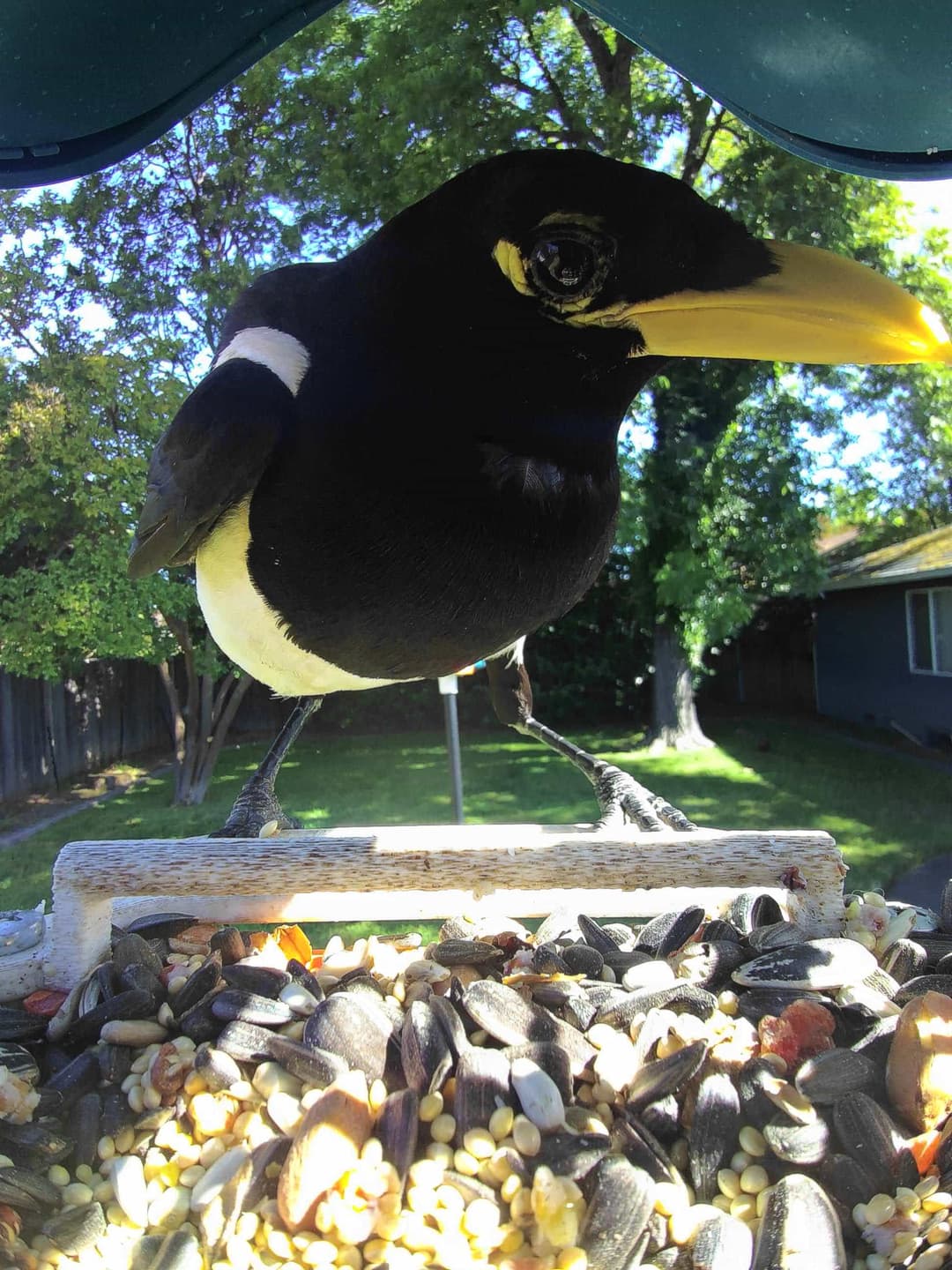
Yellow-Billed Magpie vs Black-Billed Magpie
Black-Billed Magpies have a black bill, while Yellow-Billed Magpies have a yellow bill. Their plumage is similar but Yellow-Billed Magpies are only found in California.
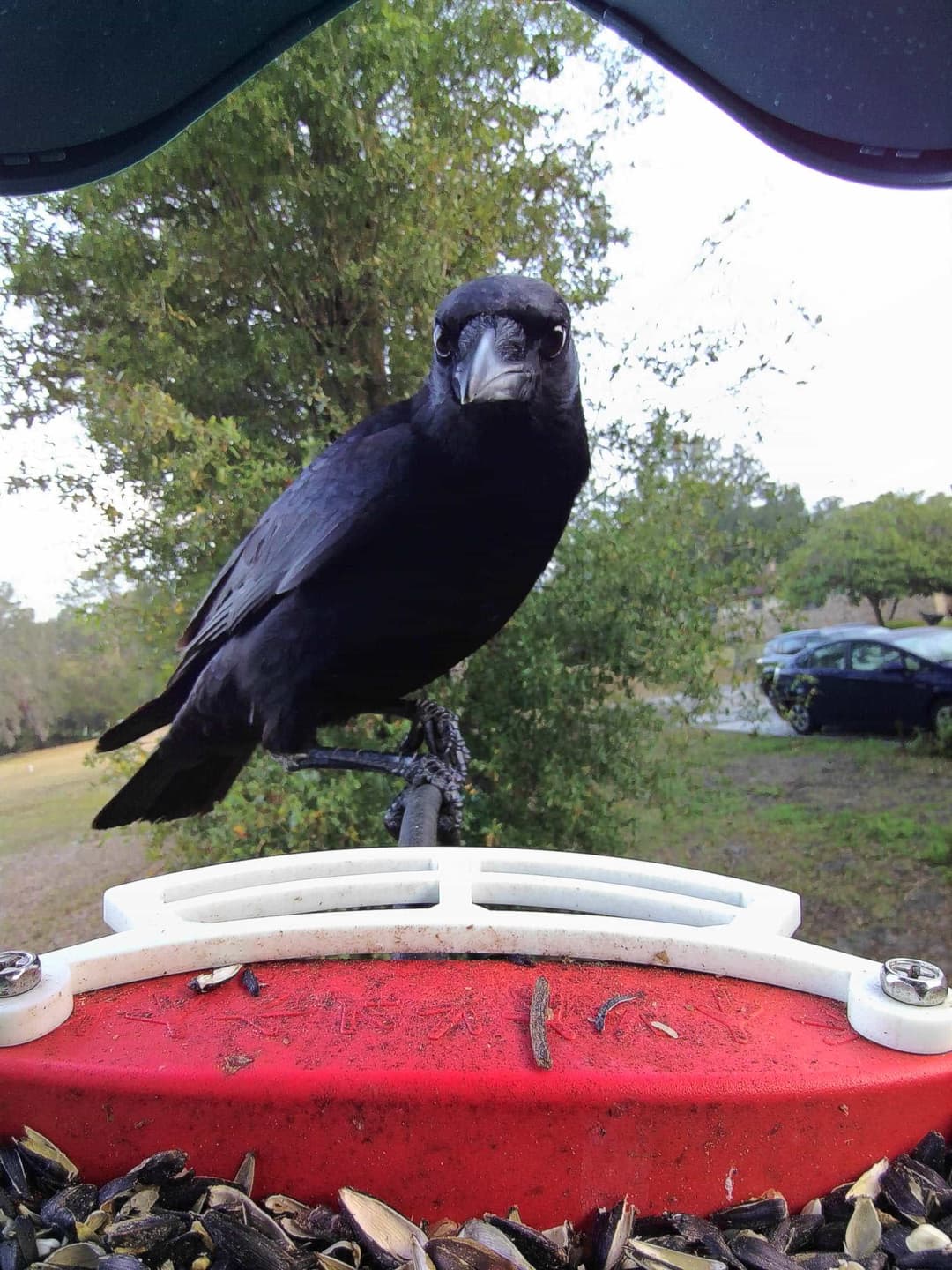
American Crow vs Black-Billed Magpie
American Crows are completely black and lack the iridescent blue and white patterns seen on Black-Billed Magpies. Magpies also have longer tails and fly with more undulating motion.
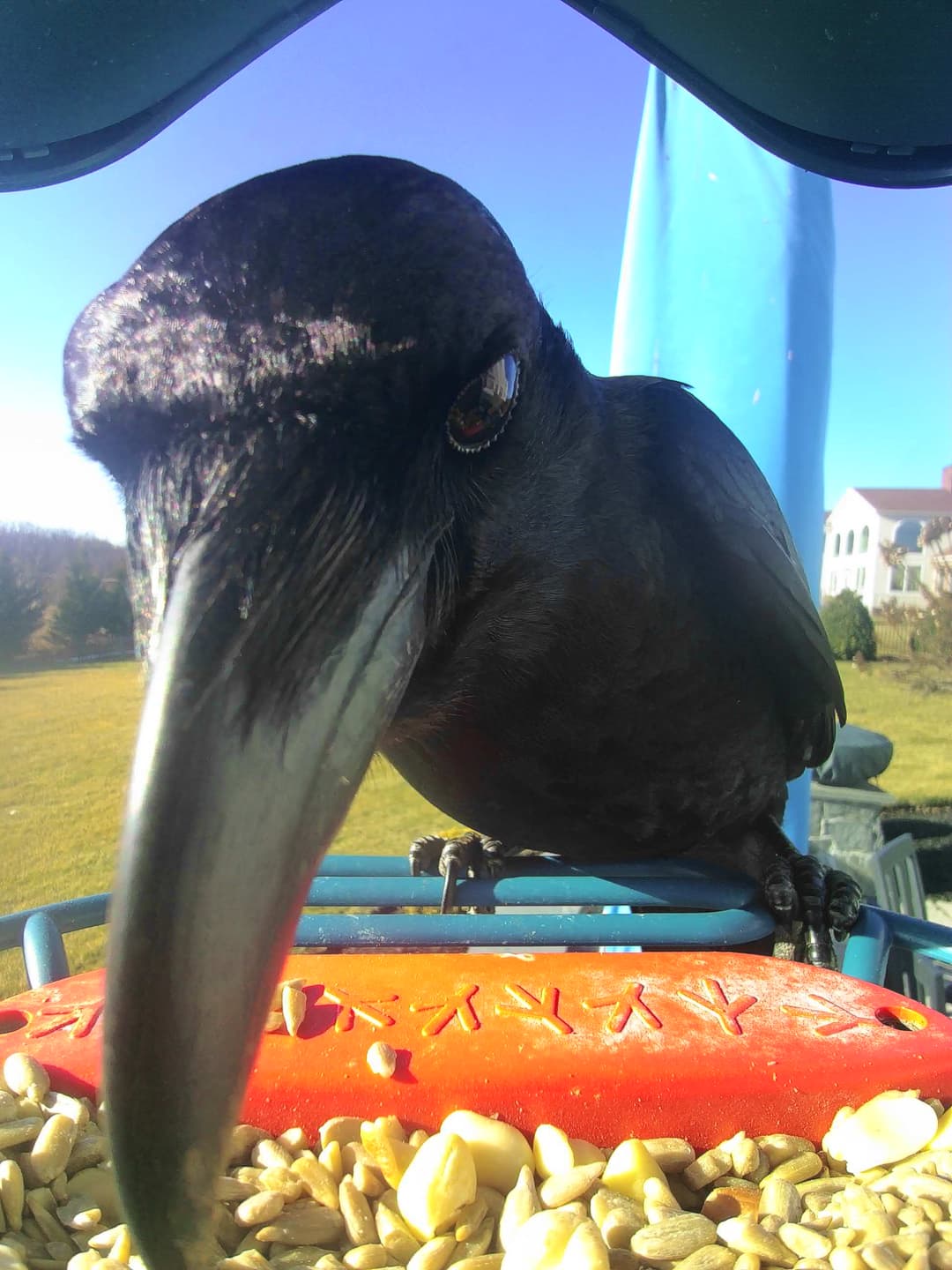
Common Raven vs Black-Billed Magpie
Common Ravens are larger, have a thicker bill, and a wedge-shaped tail, unlike the long, straight tail of Black-Billed Magpies. Ravens are also fully black without the magpie's white markings.
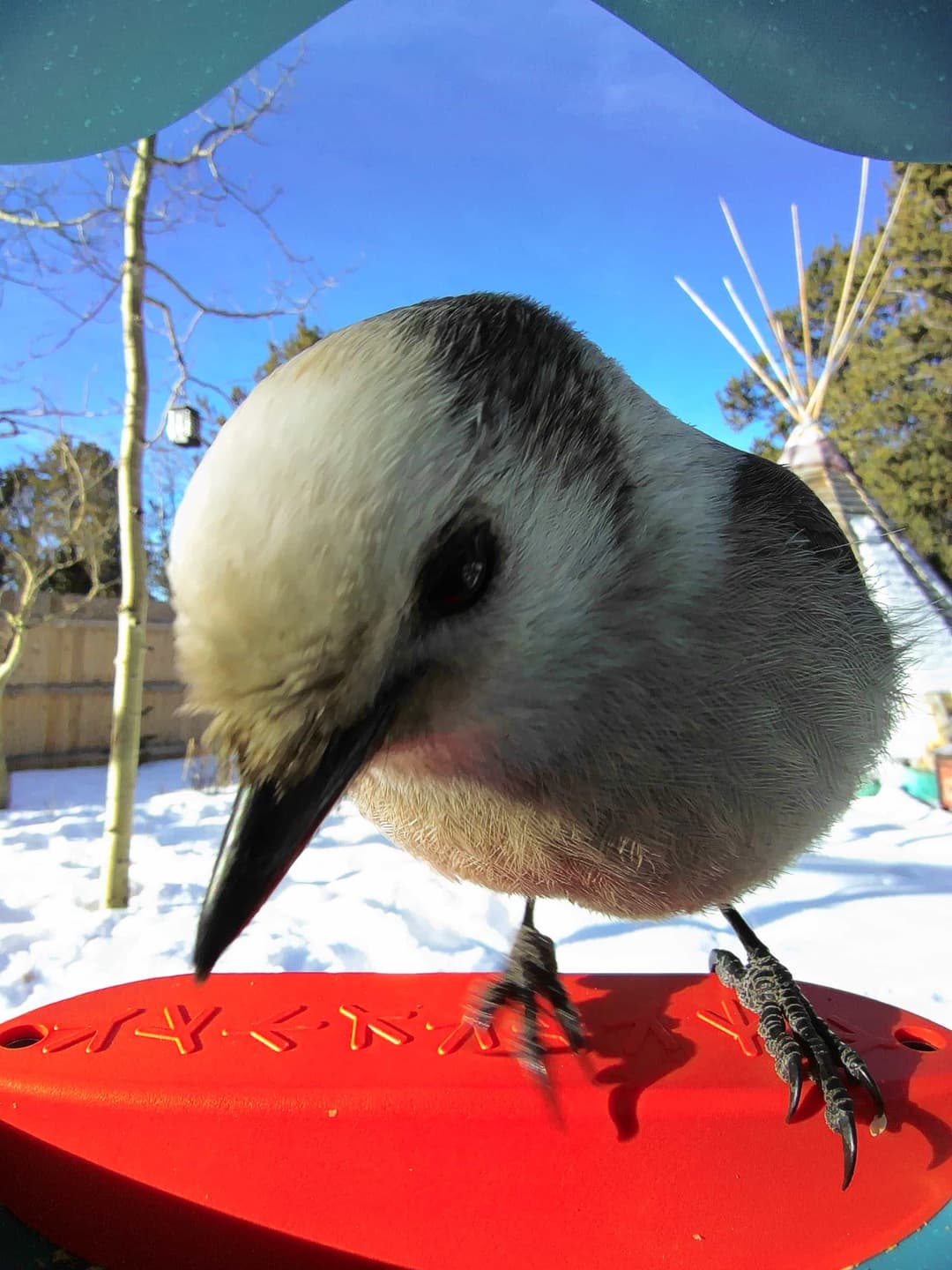
Canada Jay vs Black-Billed Magpie
Canada Jays are smaller, fluffier, and predominantly gray and white, contrasting with the black, white, and iridescent colors of Black-Billed Magpies. They often appear more rounded.
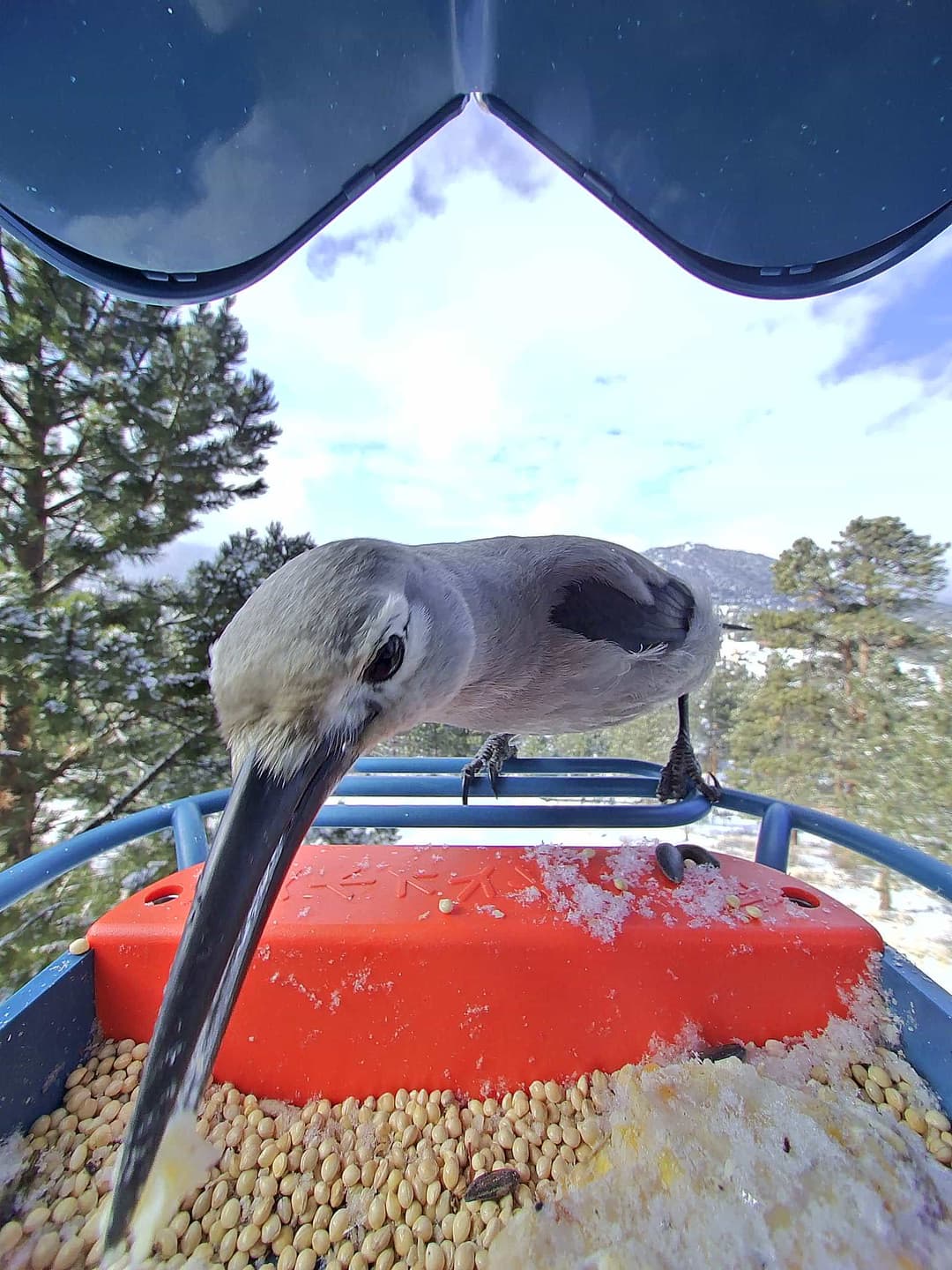
Clark’s Nutcracker vs Black-Billed Magpie
Clark’s Nutcracker is pale gray with black wings, lacking the iridescent, patterned plumage of Black-Billed Magpies. They also have a straight, pointed bill compared to the magpie's more curved one.
Breeding and nesting habits of the black-billed magpie
Mating behaviors
Black-billed magpies often form small loose colonies during the breeding season. Courtship involves males pursuing females and prominently displaying their white wing patches to attract them. This display is an important part of their mating ritual, helping to establish pair bonds.
Nesting details
The nest of the black-billed magpie is a massive, globular structure built in the branches of deciduous trees or large shrubs, between 5 to 60 feet above the ground, though typically 15 to 30 feet. The nest is constructed of sticks and is approximately 3 feet in diameter, featuring entrance holes on each side. Within this canopy is a cup-shaped nest lined with mud or manure as a base, topped with weeds, rootlets, grass, and hair. Both male and female magpies participate in building the nest.
Eggs and chick-rearing
The black-billed magpie lays eggs in the protected interior of its stick nest. After hatching, both parents are involved in feeding and caring for the chicks, ensuring they receive adequate nutrition until they are ready to fledge. Chick-rearing is a collaborative effort between the male and female.
What does a black-billed magpie like to eat?
Bird eggs
Birds
Carrion
Fruits
Insects
Nuts
Scraps
Seeds
Small animals
Natural diet
The black-billed magpie is omnivorous with a varied diet. Insects such as grasshoppers, caterpillars, flies, and beetles are consistently consumed. Other natural food sources include carrion, rodents, eggs, and young of other birds, as well as sometimes small snakes. In winter, their diet includes more vegetable matter like berries, seeds, and nuts.
Bird feeders
At bird feeders, black-billed magpies may be attracted to seed mixes, especially those containing peanuts, sunflower seeds, and suet. They may also take advantage of kitchen scraps and other foods offered to larger birds.
Enticing the black-billed magpie with snacks
Black-billed magpies are omnivorous and will eat almost anything. However, they really love peanuts, sunflower seeds, dog food, and suet. Scatter these treats throughout your yard or place them in a tray feeder, which allows these large bird's easy access. For top results, try Bird Buddy seeds. These are expertly chosen for the season and will attract a variety of birds including the black-billed magpie
Choosing the right feeder and placement
Magpies prefer tray or platform feeders, as they are larger birds and these provide ample room for them. Place your feeder near a tree or bush so they have a place to escape to if they feel threatened. Raising your feeder off the ground can also help deter cats and other predators
Fun tricks to attract black-billed magpies
Black-billed magpies are very intelligent and curious. Adding shiny or colorful objects to your yard or near your feeder may pique their interest and draw them in. They are also known for their lovely singing, so playing soft bird songs can attract them and maybe even encourage a sing-along!
Where can you find black-billed magpies?

Primary habitat
The preferred habitat of the black-billed magpie includes rangeland, conifers, streamsides, forest edges, and farms, often residing in the western semi-open terrain.
Additional range
Unexpectedly, it is also found in some suburban areas. It avoids unbroken forest, treeless grasslands, and extreme deserts. Its most common locations are streamside groves in open terrain and farm country.
Do they migrate?
The black-billed magpie is primarily a permanent resident, meaning it tends to stay in one place throughout the year. However, there are some limited migratory behaviors observed within the species. During the fall, some black-billed magpies engage in upslope movement, which involves traveling to higher altitudes. Conversely, a few birds might move southward or downslope as winter approaches, likely in search of more favorable conditions or food sources. This movement is generally localized, with the species rarely straying far beyond its established breeding range. Therefore, while they do exhibit some shifting in their locations based on seasonal changes, black-billed magpies do not typically undertake long-distance migrations. The routes they take are not well-defined like those of many migratory birds, as their movements tend to be more erratic and reactive to local environmental conditions rather than fixed migrations to specific locations. In summary, although the black-billed magpie exhibits some limited seasonal movements, it largely remains within its breeding range year-round, only shifting altitudinally or slightly southward to adapt to changing conditions.
What is the role of black-billed magpies in nature and how to protect them?
Conservation status
The black-billed magpie remains common and widespread despite facing significant threats in the early 20th century when many were killed as pests or poisoned by baits meant for predators. Currently, the species does not fall under vulnerable or endangered categories. Key conservation efforts have focused on reducing these threats and improving habitat conditions. No significant ongoing threats jeopardize their population, allowing them to maintain a stable conservation status.
Ecological role of black-billed magpies
Its role in the ecosystem
The black-billed magpie is an important part of the ecosystem, providing pest control by consuming insects and small animals such as rodents and snakes, helping to manage their populations. Furthermore, they are known to pick up ticks from the backs of larger animals like elk, thus potentially reducing the risk of tick-borne diseases. In addition, their omnivorous diet ensures that they contribute to seed dispersal, by consuming and subsequently excreting seeds from various fruits and berries. This not only aids the propagation of these plants, but also enriches the soil with organic matter. The magpie's propensity to steal and consume eggs and young of other bird species may also play a role in controlling the populations of these species. Overall, the black-billed magpie plays a significant role in maintaining the balance of their ecosystem.
How to help protect black-billed magpies
Preservation tips
Habitat preservation strategies
Promote conservation programs that protect and restore the black-billed magpie’s natural habitat including grasslands, shrublands, and riparian woodlands. Advocate for responsible land use practices to maintain a variety of ecosystems. Support local laws and initiatives to prevent deforestation and urban sprawl to preserve these critical natural areas.
Community science initiatives
Encourage community involvement in the conservation effort through citizen science programs. These initiatives can include periodic bird counts and nest surveys to monitor population trends. Use social media and educational outreach to raise awareness about the black-billed magpie's ecological importance and current conservation status. Individuals could also support ongoing research through donations or volunteer work.