
Eurasian Wren
Eurasian Wren
Troglodytes troglodytes


Quick Identification guide
Quick Identification guide
Male
- •
compact body with a notably short tail that often points upward
- •
Overall warm brown plumage with fine dark barring across the back
- •
Thin, slightly curved bill suited for picking insects and spiders
Female
- •
compact body with a short, upward-cocked tail similar to the male
- •
Warm, brown plumage with subtler dark barring throughout
- •
Shares the same thin, slightly curved bill as the male for feeding
What does a Eurasian wren sound like?
The Eurasian Wren has a powerful, intricate song often composed of a rapid series of high-pitched notes, trills, and warbles, sung by both males and females. Its typical alarm call is a sharp "tek-tek-tek". The song is captivating, not merely for its musical quality, but also its volume, being exceptionally loud relative to the bird's small size. It's known to have one of the widest vocal ranges of any bird, using multiple song patterns.


Description
This tiny bird sure does have a fine set of pipes! They are remarkably loud for their small size, and if you're lucky enough to find a male singing, you'll notice they really give their all in their performance, literally shaking with the effort. That's what I call dedication!
The Eurasian wren can weigh between 8to13grams and be from9to10centimeters tall.
The typical lifespan of a Eurasian wren is between 2-3 years, although the oldest recorded has lived up to 8 years. This is comparatively longer than their North American counterpart, the house wren, which tends to have a lifespan of 1-2 years. However, these lifespans are relatively short when compared to other birds such as pigeons or parrots which can live up to 20 years or more.
Did you know?
Most popular questions about Eurasian wren
How to recognise a Eurasian wren?
General appearance
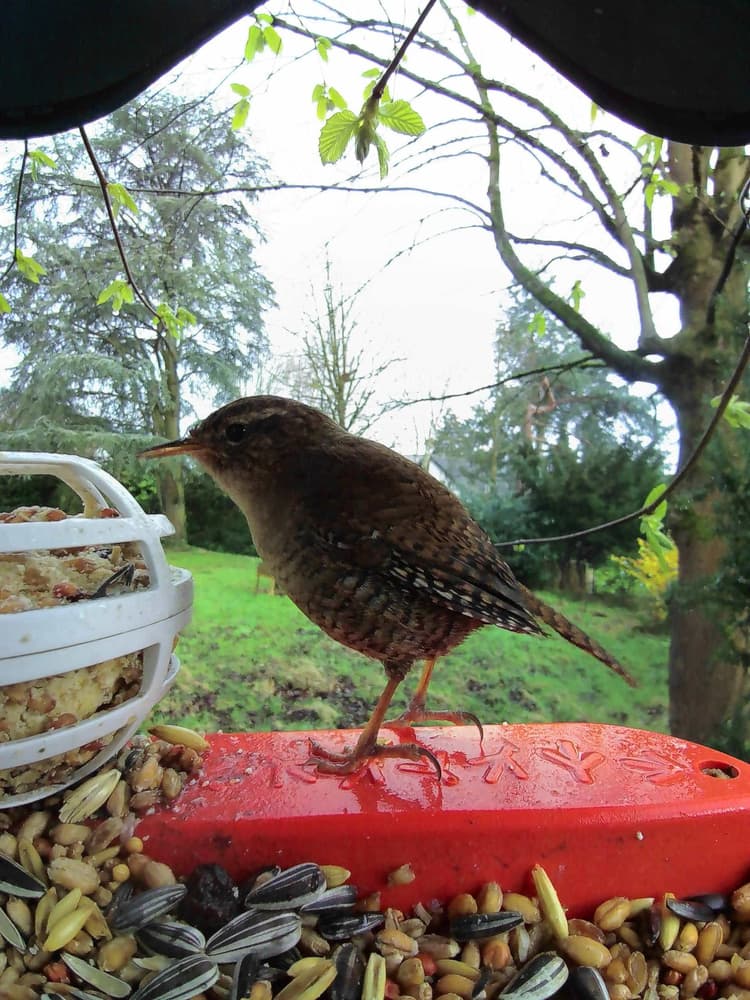
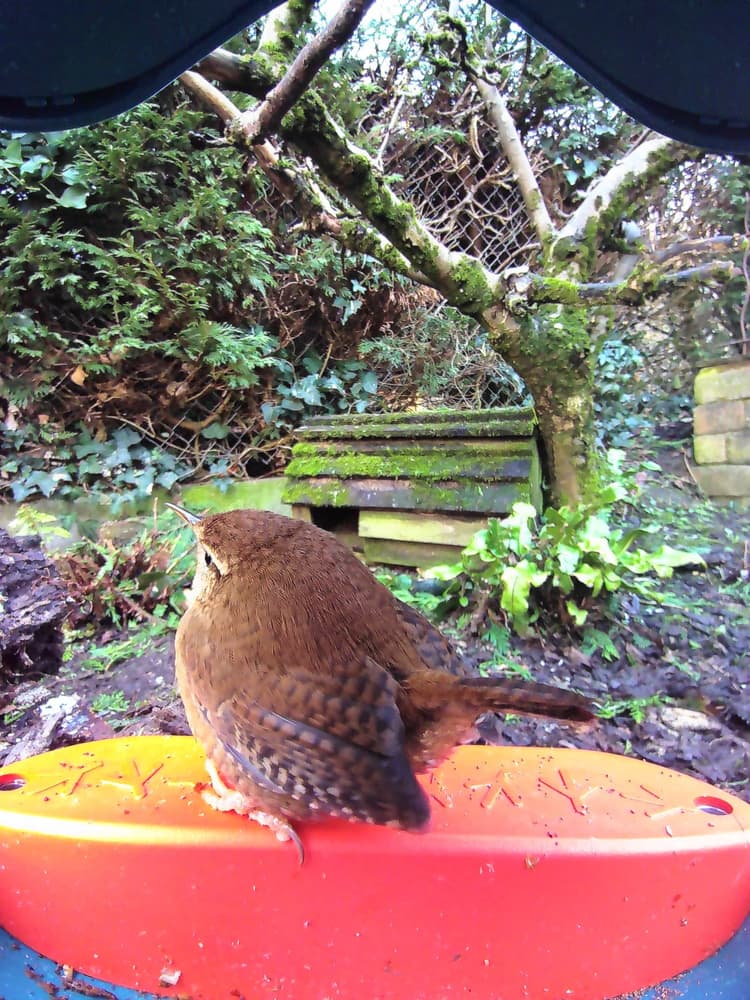
The Eurasian wren is a small, compact bird with a rounded body and short tail often held upright. Its plumage is predominantly brown with darker barring and a pale underbelly. The bird has a fine, pointed bill and a distinctive supercilium stripe above the eyes.
Male vs female
Males and females of the Eurasian wren are similar in appearance, with no significant differences in size or coloration. Both sexes share the same brown plumage and markings.
Juvenile
Juvenile Eurasian wrens resemble adults but are slightly duller with less distinct barring. They may also have a less pronounced supercilium stripe. Juveniles develop the adult plumage as they mature.
Often mistaken for
Dunnock vs Eurasian Wren
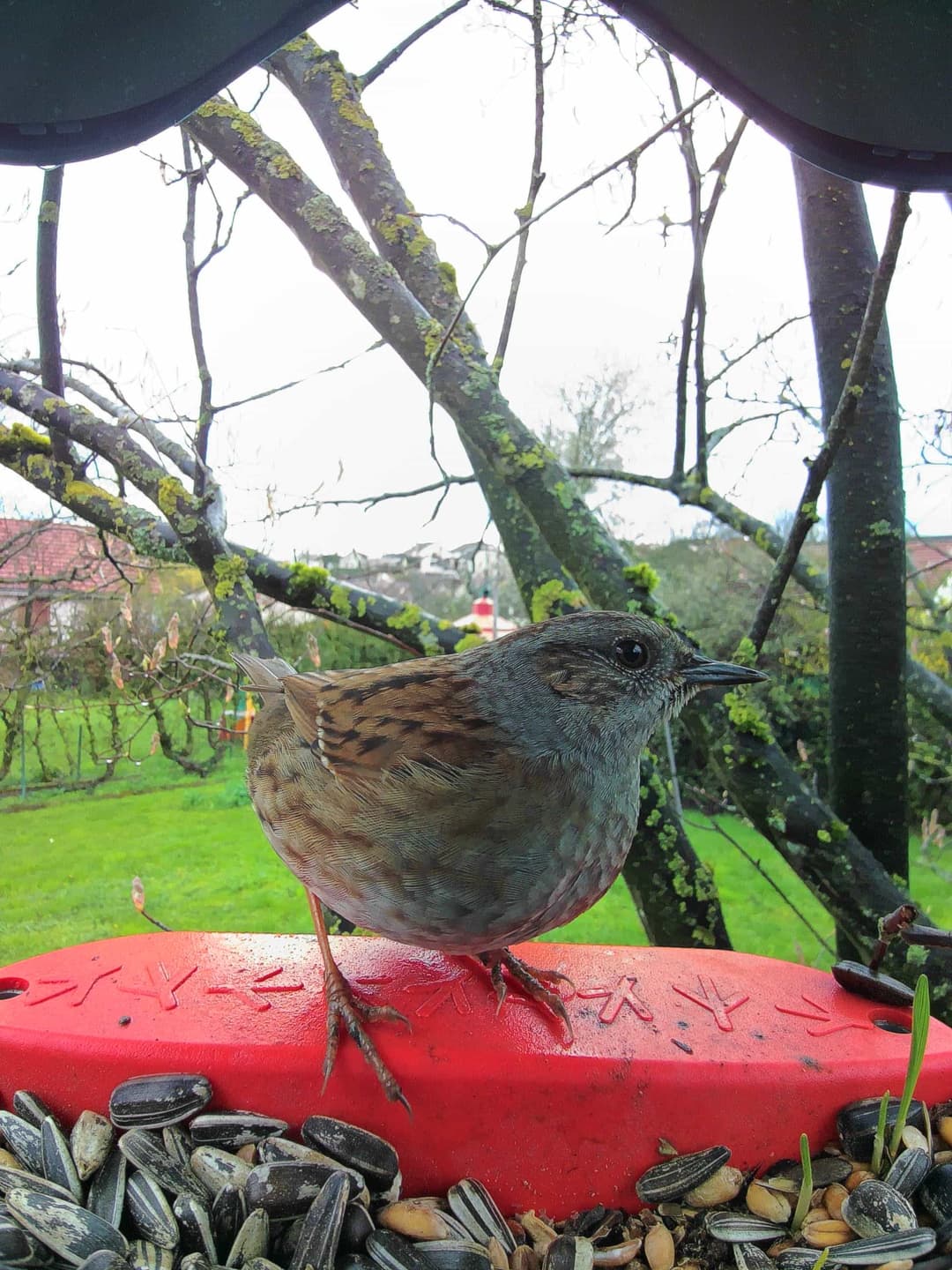
The Eurasian Wren is smaller and more compact than the Dunnock, with a rounder body and a noticeably shorter tail. The Wren's plumage is more uniformly brown with a distinctive barred pattern, while the Dunnock has grayish-brown coloration with less barring. The Wren also has a more upturned tail, often held erect, compared to the Dunnock's longer, straighter tail. Vocal distinction: the Wren's song is a rapid, repetitive trill, whereas the Dunnock has a simpler, musical song.
Winter Wren vs Eurasian Wren
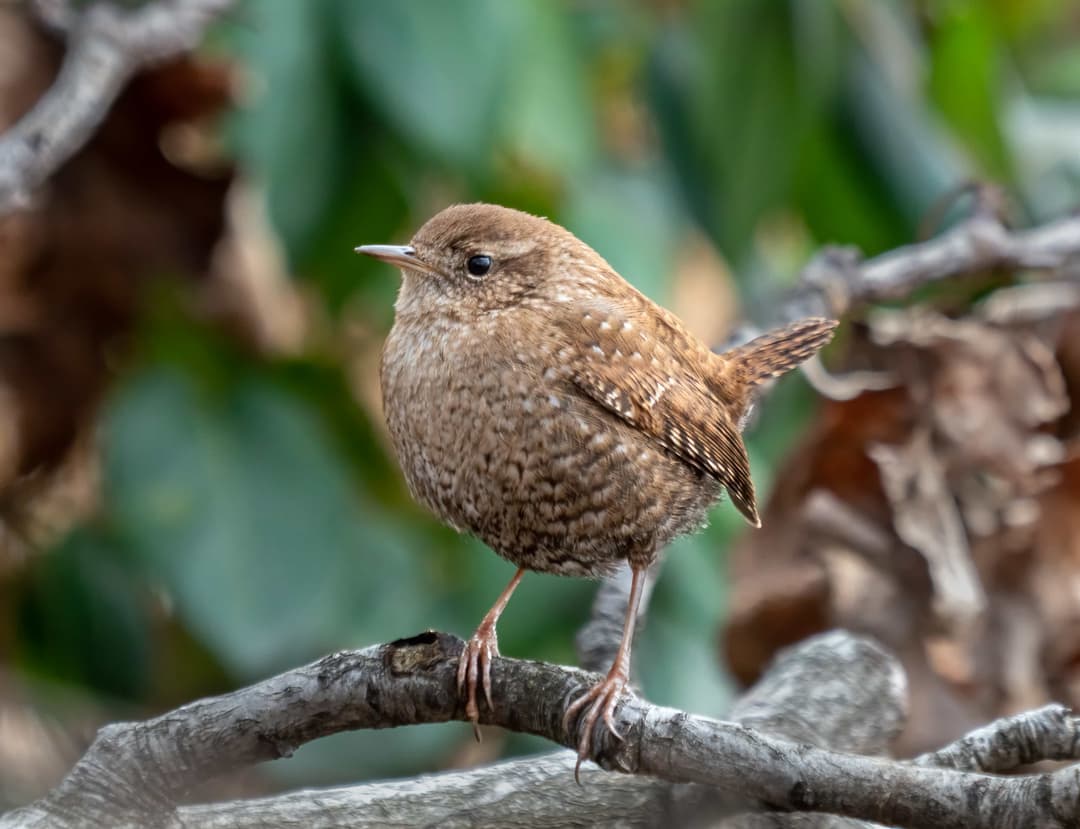
Eurasian Wren and Winter Wren look similar but differ geographically. The Eurasian Wren is found throughout Europe and parts of Asia, while the Winter Wren resides in North America. The Winter Wren is slightly paler and can exhibit more varied plumage. Audibly, Eurasian Wren's song is slightly faster and more melodious than the Winter Wren's more complex and longer song. In a mixed environment, geographic location and song are key identifiers.
Breeding and nesting habits of the Eurasian wren
Mating behaviors
The male Eurasian wren initiates courtship by building multiple nests to attract a mate. After assessing the nests, the female selects one to line and use for breeding.
Nesting details
Eurasian wrens build domed nests with side entrances in brambles, trees, crevices, holes, and sometimes buildings. The male uses leaves, grass, and moss, while the female lines the nest with feathers and hair.
Eggs and chick-rearing
After nesting, the female lays eggs and incubates them. Both parents participate in feeding and caring for the chicks until they fledge. In gardens, providing dense shrubbery and nesting boxes can encourage nesting.
What does a Eurasian wren like to eat?
Aquatic animals
Insects
Seeds
Spiders
Natural diet
Eurasian Wrens primarily feed on a variety of insects, spiders, and invertebrates such as snails. Their diet mainly consists of common insects like beetles, bugs, butterflies, and moths, including both adult forms and larvae. Additionally, they may consume small fish and young frogs. Typically, Eurasian Wrens forage on or near the ground. They glean their prey from leaves, twigs, crevices, and leaf litter, demonstrating their adaptability and resourcefulness in finding food.
Bird feeders
While Eurasian Wrens are primarily insectivorous, they may visit bird feeders occasionally. However, their visits are less common compared to other garden birds, as they prefer to forage in their natural habitat for insects and invertebrates. When they do visit feeders, they might be attracted to small seeds or suet, especially during the winter months when their natural food sources are scarce.
Attracting eurasian wrens: essential tips
Attracting a Eurasian wren to your backyard or feeder can be a rewarding experience. First, consider the layout of your yard. These birds prefer spaces with dense foliage or undergrowth, so consider planting some shrubs or leaving an area of your garden wild. Additionally, a water source like a birdbath or small pond can also attract these birds.
Feeder types and snacks for eurasian wren
Eurasian wrens are not typically feeder birds but can be lured with the right treats. They mostly eat insects and spiders, but during winter, they appreciate fat balls or suet cakes. You can hang these in mesh feeders from a tree or provide them on a bird table. For best results, we recommend using Bird Buddy seeds, expertly chosen for the season.
Fun tricks to encourage eurasian wrens to visit
Consider installing roosting pockets or nest boxes to provide safe spots for wrens to sleep or nest in. Bird 'hotels' with lots of compartments can also be appealing. Remember, wrens are often more likely to visit if there are other birds around, so attract a range of species to your yard. Lastly, mimic their song! Eurasian wrens are known for their powerful voices, and a little bird song can help lure them to your garden.
Where can you find Eurasian wrens?
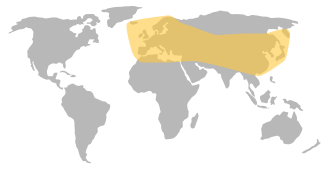
Primary habitat
The Eurasian wren prefers deciduous, mixed, and coniferous forests across Europe and Asia. It also occupies rocky areas and urban gardens.
Additional range
This bird has a broad range extending into North Africa. Though it prefers temperate and subarctic climates, it can be found in mountainous regions as well.
Do they migrate?
The Eurasian wren generally does not migrate over long distances and is considered a resident bird across much of its range, particularly in Western Europe. In these regions, it tends to stay in the same area throughout the year, often remaining within its established territory. However, some movement does occur, especially in northern and eastern parts of its range. In colder regions, such as Scandinavia or northern parts of Russia, populations may undertake short-distance migrations to more temperate areas during autumn. These movements usually occur in response to harsh winter conditions and limited food availability. Migration for these northern populations usually starts in September, heading southward toward milder areas in Britain, Western Europe, or southern parts of the range. Key locations for wintering include lowland forests, dense shrubs, and gardens that provide necessary shelter and food. Spring migration back to breeding areas occurs typically in March and April. These movements are less defined and are influenced by local weather conditions and resource availability. Overall, while the Eurasian wren can exhibit some limited migratory behavior, most populations are sedentary or undertake only minor seasonal movements.
What is the role of Eurasian wrens in nature and how to protect them?
Conservation status
The Eurasian wren is listed as "Least Concern" by the International Union for Conservation of Nature, indicating it is not currently at risk. This status is due to its extremely large range, increasing population trend, and significant population size, estimated at 215–380 million individuals. The species is common and faces no major threats significant enough to impact its status. Consequently, there are no urgent conservation efforts in place, as the species thrives across its natural habitats.
Ecological role of Eurasian wrens
Its role in the ecosystem
The Eurasian Wren plays a significant role in the ecosystem. As avid foragers, these small birds contribute greatly to pest control by feeding on a variety of insects and spiders. With their energetic probing for food, they can help lower the population of these small invertebrates, balancing the ecosystem. The wren's movement through vegetation in search of food and cover also assists in seed dispersal, indirectly aiding in plant propagation. Their varying mating strategies also ensure genetic diversity within their species and enhance their adaptability to diverse environmental conditions. Furthermore, the fledglings' post-nest care by the male wren can mitigate rates of juvenile mortality, supporting population stability. Driven by their powerful songs, they contribute to the maintenance of acoustic biodiversity, a key aspect of a healthy ecosystems that's generally overlooked.
How to help protect Eurasian wrens
Preservation tips
Habitat preservation strategies
To support the conservation of the Eurasian wren, preserve its habitat consisting of thick hedges, scrub, mature gardens, and forested areas. Implement careful woodland management to maintain adequate undergrowth. Avoid harsh trimming of vegetation during the breeding season. Financial incentives for farmers and landowners could promote sustainable land use practices that favor the species.
Community science initiatives
Encourage community members to participate in citizen science initiatives. Bird monitoring projects, like the Breeding Bird Survey, can provide valuable data on Eurasian wren populations. Habitat enhancement projects such as planting native shrubs and reducing pesticide use can also be undertaken at the local level. Education programs can raise awareness about the species and the importance of its conservation.