
Marsh Warbler
Marsh Warbler
Acrocephalus palustris
Quick Identification guide
Quick Identification guide
- •
Exhibits a slender body with a relatively long, pointed beak suited for picking insects
- •
Upperparts are a dull brownish-green, contrasting with paler, creamy-white underparts
- •
Features a subtle eye stripe above the eyes, adding to its distinctive appearance
What does a marsh warbler sound like?
The Marsh Warbler's vocalizations are complex and varied, known for their mimicry of other birds and sounds. Its song is a continuous, rapid sequence of imitations interspersed with original notes, often lasting several minutes. The repertoire can include calls from European and African bird species, reflecting its migratory routes. Typical calls include a soft, short "peep" and a harsher "chet" or "churk." The song is delivered from a concealed perch among dense vegetation, usually near water, and is most prominent during the breeding season from late May through July. The complexity and variety make it a challenging species to identify by sound alone.
Description
The marsh warbler might not look like much, but it is an awesome mimic. In fact, each individual male incorporates the song of 75 other birds into its song! That's quite the repertoire. You know what they say, variety is the spice of life, and that holds true for their love life as well; these dynamic birds choose a new lady friend and breeding ground each year.
The marsh warbler can weigh between 10to15grams and be from13to15centimeters tall.
The typical lifespan of the Marsh Warbler is around 2-3 years, although some individuals can live longer. This is similar to related species, such as the Reed Warbler, which also has a typical lifespan of 2-3 years. However, some warbler species, like the Willow Warbler, can live slightly longer, up to 5 years or more in some cases. The short lifespan of warblers is generally due to threats such as predation, environmental changes, and the challenges of long migratory journeys. Despite their short lives, warblers play a crucial role in controlling insect populations.
Did you know?
Most popular questions about marsh warbler
How to recognise a marsh warbler?
Characteristic description of marsh warbler
Marsh Warblers are small, plain-looking birds with a body length of approximately 13 cm and a wingspan between 18cm and 21cm. Their overall coloration is a dull greenish-brown on the upperparts and off-white to pale yellow on the underparts. Their rounded wings and pointed tails give them an unremarkable, though functional appearance in flight. The differences between male and female Marsh Warblers are limited, as both sexes display similar color patterns. They share the same tones of brown and cream across their plumage, making them challenging to differentiate in the field without closer inspection. During the breeding season, however, males might exhibit slightly brighter hues due to hormonal changes. Juvenile Marsh Warblers can be distinguished from adults by their somewhat darker and duller plumage. Their feathers tend to look more ruffled and worn compared to the sleeker appearance of adults. Juveniles generally lack the subtle sheen that indicates maturity and may also exhibit more prominent light streaking on their throats which fades with age.
Often mistaken for
Sedge Warbler vs Marsh Warbler
Sedge Warblers and Marsh Warblers are similar in size, and both exhibit streaked backs. The Marsh Warbler is generally paler with less streaking and a more olive hue. It has a whiter belly, whereas the Sedge Warbler shows a more buff belly and pronounced eyebrow.

Blyth's Reed Warbler vs Marsh Warbler
Blyth's Reed Warblers share a brownish coloration with Marsh Warblers but can be distinguished by a more rounded tail and a deeper cup-shaped song. Marsh Warblers have a more melodic and varied song.

Eurasian Reed Warbler vs Marsh Warbler
Both species are similar in plumage, with greyish brown upperparts and pale underparts. The Marsh Warbler's song is more melodious and imitative often confused with nearest neighbors belonging to the reed warbler family.

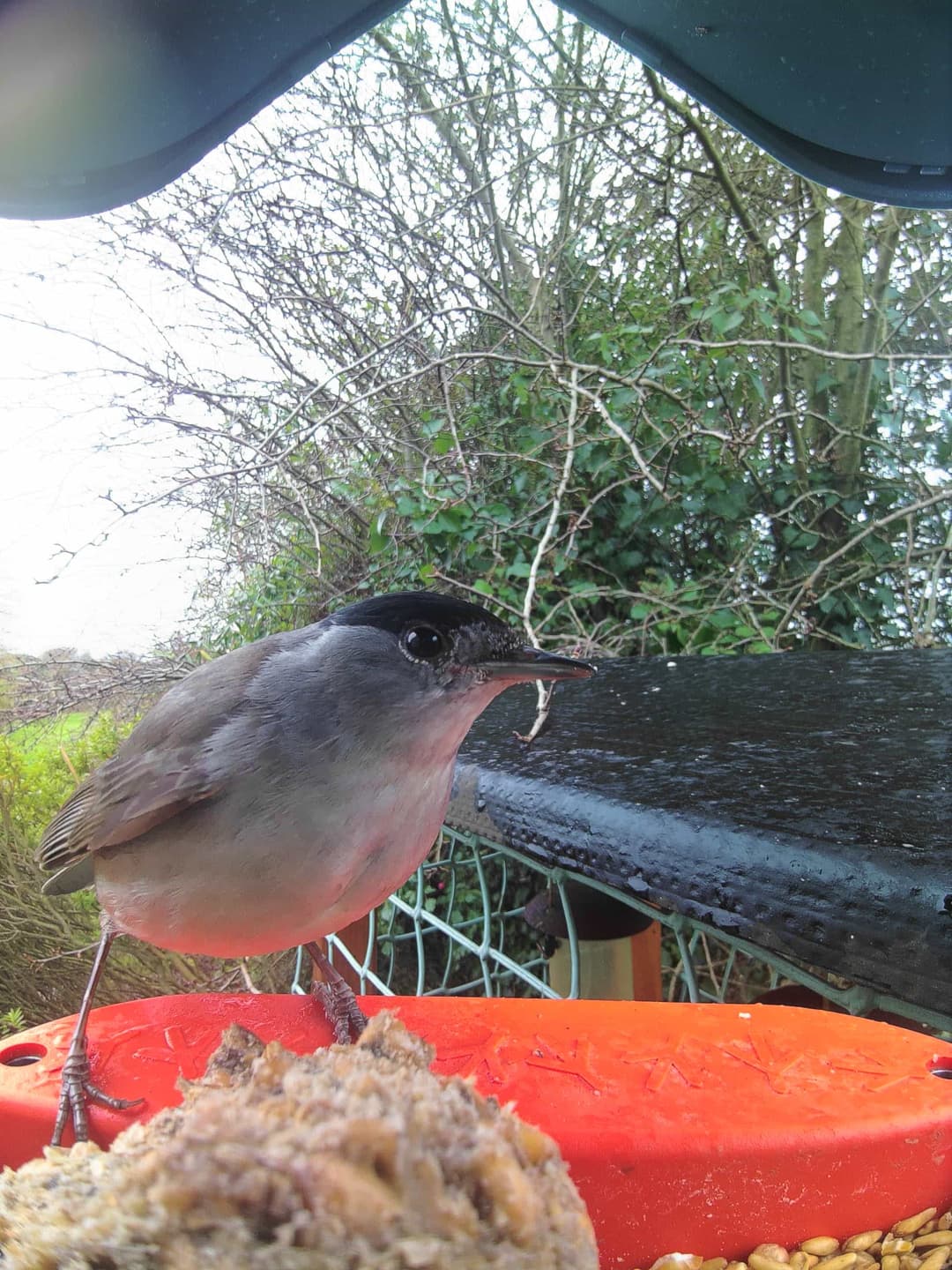
Eurasian Blackcap vs Marsh Warbler
Although the Blackcap has a more distinct black or brown cap on its head, its greyish brown body and white underparts can resemble a Marsh Warbler. The Blackcap has a melodious fluted song distinct from the Marsh Warbler's imitation-filled tune.
Breeding and nesting habits of the marsh warbler
Mating behaviors
Marsh Warblers engage in a lively courtship that includes song displays by males to attract females. The males sing complex and varied tunes, often imitating other bird species to showcase their vocal abilities. Socially, Marsh Warblers are generally solitary outside of the breeding season, but during this time, they become more social, focusing on mate attraction. The species is monogamous during a breeding season, ensuring both parents contribute to raising the young.
Nesting details
Nesting occurs in dense vegetation such as reeds, thickets, or shrubs, with nests primarily constructed using grass and plant fibers. Marsh Warblers prefer habitats with abundant water sources, often near wetlands or riversides. The nest is typically a compact cup structure, woven intricately to withstand strong winds. While wild environments are ideal, gardeners can attract Marsh Warblers by planting dense native shrubs and creating a small pond or wetland area to mimic their natural habitat.
Eggs and chick-rearing
A typical clutch consists of 4 to 5 eggs, which are incubated by both parents over approximately 14 days. Parental care is meticulous, with both male and female participating in feeding and protecting the chicks. The nestlings grow rapidly and are usually ready to fledge around two weeks after hatching. Parents continue to support their young until they are fully independent.
What does a marsh warbler like to eat?
Fruits
Insects
Snails
Spiders
Natural diet
The Marsh Warbler primarily feeds on insects and other small invertebrates in their natural habitat. During the breeding season, these birds actively hunt for caterpillars, beetles, spiders, and flies, which provide essential proteins for the growing chicks. As summer transitions to autumn, their diet shifts slightly to include a variety of fruits and berries, such as elderberries and blackberries, which are abundant in their environment. This seasonal variation ensures a balanced nutritional intake necessary for energy and sustenance during migration.
Bird feeders
While the Marsh Warbler is more commonly associated with natural food sources, they may occasionally visit bird feeders if readily available. They are more attracted to softer foods like suet mixed with insects and fruit-based offerings. These birds typically avoid hard seeds, as their diet mainly relies on softer textures. Providing a water source is also beneficial in attracting them to gardens, as they will utilize it for drinking and bathing. However, it is essential to note that incorporating more native plants and maintaining a natural environment is the best way to attract and support their dietary needs.
Choose the perfect marsh warbler feeder
To attract the Marsh Warbler, select a bird feeder with a shallow dish design that allows them to perch comfortably. Platform feeders or small hanging designs are ideal, as they closely mimic the bird's natural foraging behavior among shrubs and tall herbs.
Provide their preferred snacks
Marsh Warblers adore insects and small berries in the wild. While they might visit feeders less frequently, offering protein-rich goods like mealworms alongside sunflower seeds and Bird Buddy seeds can entice them, especially during their migration. The blend mimics the nutritional variety they naturally seek.
Strategic feeder placement matters
Place feeders in quiet, secluded areas of your yard, ideally near shrubs or trees that provide cover. The Marsh Warbler prefers being close to natural protection while feeding. A height of around five feet is suitable to keep them safe from predators while ensuring easy landing and departure.
Seasonal strategies to boost visits
Marsh Warblers are more prevalent during migration seasons in spring and autumn. Prepare your feeders with their favorite foods during these periods when they're seeking energy-rich sustenance for their long journey. Maintain open feeder access throughout these transitional months for maximum effectiveness.
Enhance your habitat with water features
Incorporating a small water feature such as a birdbath or shallow fountain in your garden can make your space irresistible. The gentle sound of flowing water attracts the Marsh Warbler and provides them with vital hydration and a bathing spot, enhancing your garden's allure.
Where can you find marsh warblers?

Primary habitat
The Marsh Warbler, Acrocephalus palustris, primarily inhabits wetland areas, including marshes, reed beds, and damp grasslands. It is found across Europe and into western Asia, typically in regions with temperate climates that provide dense vegetation and access to insects.
Additional range
Beyond its primary wetlands habitat, the Marsh Warbler can be found in unexpected dry habitats such as open fields, hedgerows, and gardens during migration periods. Its adaptability allows it to survive in altitudes up to 1,500 meters, demonstrating significant habitat flexibility.
Do they migrate?
The Marsh Warbler (Acrocephalus palustris) is a migratory bird. During the breeding season, it is found in parts of Europe and western Asia, favoring damp environments like wetlands and dense vegetation. As autumn approaches, typically from late August to September, it undertakes a long migratory journey to its wintering grounds in sub-Saharan Africa. The migration route of the Marsh Warbler varies but generally includes a southward movement from its breeding grounds. The birds travel across Europe and the Mediterranean region, often crossing the Sahara Desert before reaching their wintering areas in East and Southern Africa. Key stopover locations during this journey include wetlands and vegetated landscapes across southern Europe and northern Africa, where they can rest and refuel. In Africa, these warblers settle in a diverse range of habitats, from forest edges to grasslands, depending on the local availability of waterside vegetation, until their return journey begins in April or May, when they migrate back to Europe for the breeding season. This intricate and extensive migration highlights the Marsh Warbler's reliance on both European and African ecosystems.
What is the role of marsh warblers in nature and how to protect them?
Conservation status
The Marsh Warbler is considered of least concern due to its wide distribution and stable population. It is fairly common in its breeding range across Europe and parts of Asia. Key conservation efforts focus on habitat protection, as the wetland areas it inhabits are often threatened by drainage, agricultural intensification, and urbanization. Despite these pressures, the species has shown adaptability to modified habitats. Migratory pathways also pose challenges, as climate change and habitat loss in Africa can affect its wintering grounds. Overall, the Marsh Warbler's current status is stable, benefiting from ongoing habitat conservation initiatives.
Ecological role of marsh warblers
Its role in the ecosystem
The Marsh Warbler (Acrocephalus palustris) plays a crucial role in maintaining ecosystem balance. This bird primarily feeds on insects, including various agricultural pests, thereby assisting in natural pest control. Its diet includes small beetles, flies, spiders, and caterpillars, which helps regulate the population of these species, preventing potential outbreaks that can harm crops. Additionally, while the Marsh Warbler primarily consumes insects, it occasionally feeds on berries. By doing so, it contributes marginally to seed dispersal across its habitat. When warblers digest these berries, the seeds are excreted in different locations, facilitating the propagation of certain plants. Although not directly involved in pollination, the Marsh Warbler influences pollinator populations by controlling insect populations, indirectly affecting pollinator-plant dynamics. Moreover, as the Marsh Warbler interacts with various species within its environment, it actively participates in nutrient cycling. By feeding on insects and being prey to larger birds and mammals, it connects different trophic levels, aiding the flow of energy and nutrients. The species also serves as an indicator of environmental health. Changes in Marsh Warbler populations often reflect shifts in habitat quality, signaling broader ecological changes that may warrant attention.
How to help protect marsh warblers
Preservation tips
Habitat preservation strategies
Preserving the habitat of the Marsh Warbler involves several strategic actions. Supporting conservation organizations focused on wetland protection can significantly aid in maintaining the environments critical to their survival. Engaging in lobbying efforts to influence policy-making can ensure wetlands are recognized as protected areas, preventing further degradation. Additionally, participating in community efforts to restore wetlands by volunteering for clean-up projects and replanting native vegetation can create safe breeding grounds for these birds. Land protection measures, like purchasing conservation easements, can also maintain the natural landscapes vital to their lifecycle.
Community science initiatives
Community science initiatives play a crucial role in the conservation of the Marsh Warbler. Individuals can participate in programs designed to gather data on bird populations by conducting regular surveys and submitting findings to broader databases. Joining or organizing local birdwatching groups can help raise awareness and encourage community involvement. Schools and local organizations can hold educational workshops to share knowledge about the Marsh Warbler and its ecological significance, thereby fostering a conservation-minded community. By participating in awareness campaigns and contributing observations to scientific studies, individuals can directly support efforts to monitor and protect this species.