African Collared Dove or White-Winged Dove?
Here's how to tell the difference
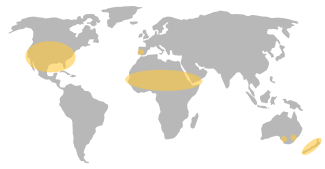

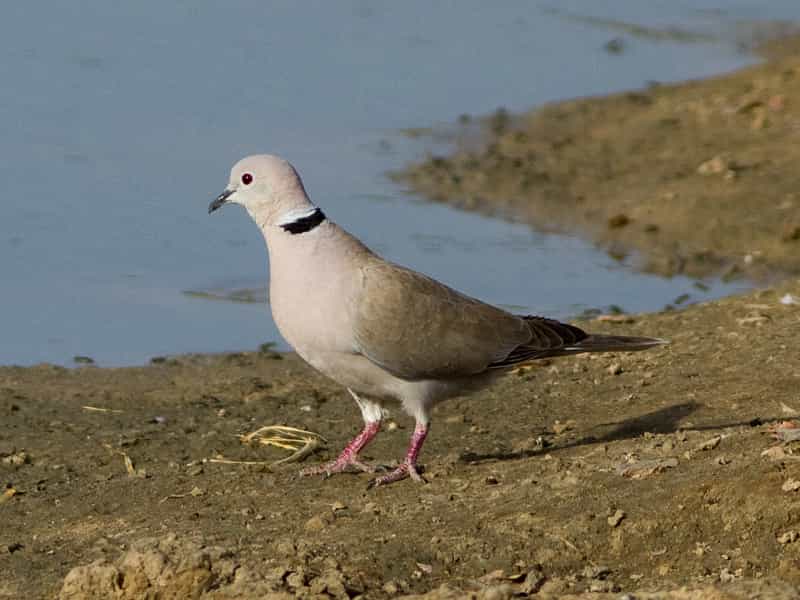
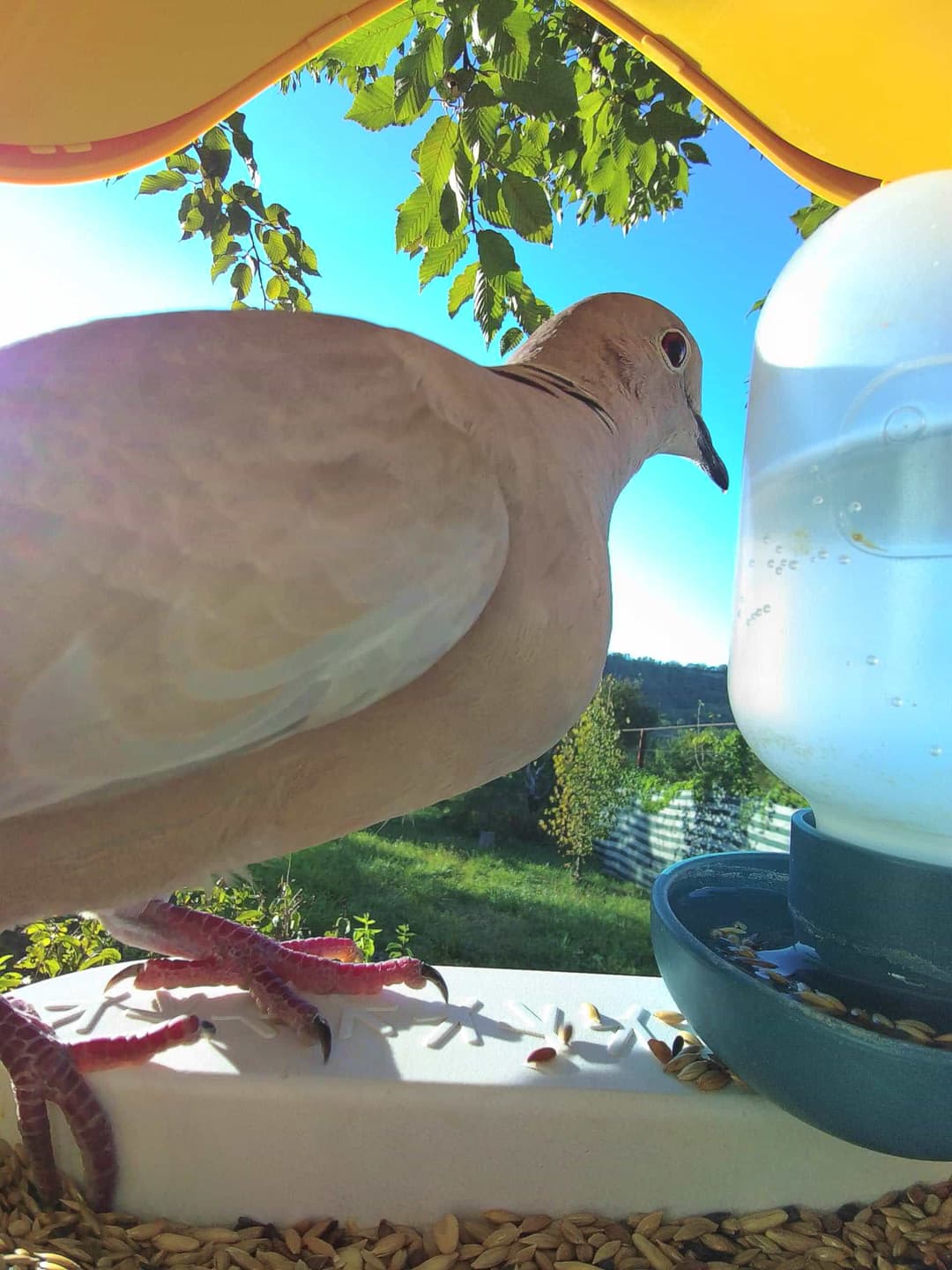
African Collared Dove
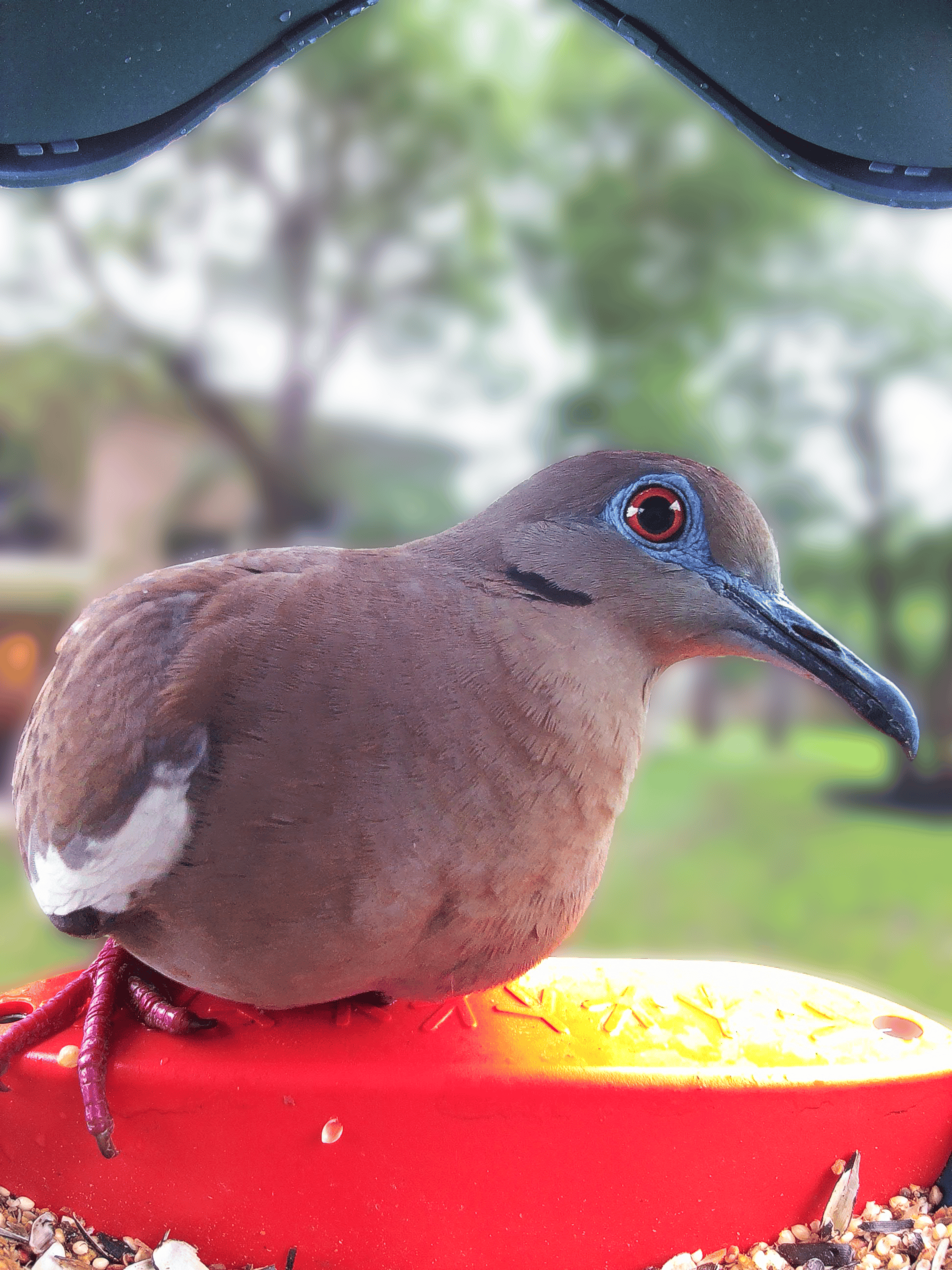


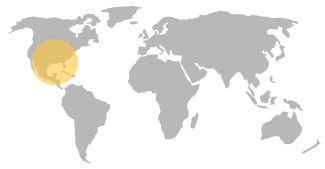
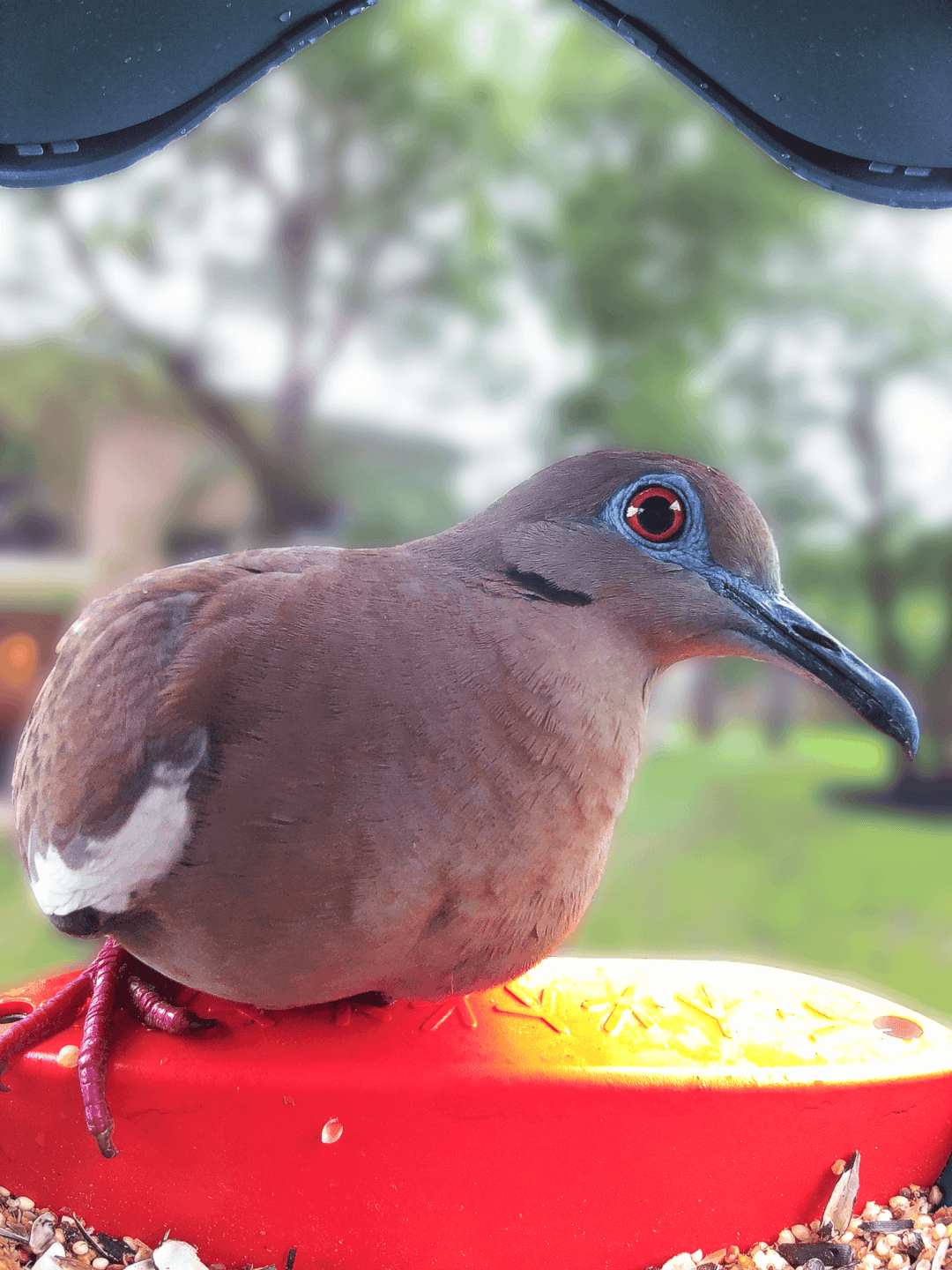
White-Winged Dove
African Collared Dove
Streptopelia roseogrisea
General appearance
The African Collared-Dove is slightly smaller than the Eurasian Collared-Dove. They generally possess a light grey feather coat with distinctive black semi-circular line on the back of their neck, giving them their collared name. It is difficult to distinguish them from the Eurasian variety as their appearance in the wild is rare.
Male vs female
Males and females are similar in appearance, making it difficult to differentiate between sexes based on visual features. Both genders strut the same light grey coloration with contrasting black neck collars. Size and behavior patterns may sometimes provide clues, but visual identification remains challenging.
Juvenile
Juvenile African Collared-Doves resemble adults but lack the characteristic black collar. Their plumage is slightly duller than adults and they feature less distinct markings. With age, they develop the collar and their feather coloring shifts towards the grey hue distinctive of the species.
Size
9.8 - 10.6 in/4.6 - 5.9 oz
There's more to learn about African Collared Dove
View full detailsWhite-Winged Dove
Zenaida asiatica
General appearance
The White-winged Dove has a bulky body with short tail and measures approximately 12 inches or 30 cm in length, which is about the size of a crow. Its most distinctive characteristics are its big white wing patches and white tips on outer tail feathers. These features are most visible during flight. The dove has a broad, pointed wing shape and a rounded, square-tipped tail. The color varies from black, blue, brown, to gray and white.
Male vs female
Male and female White-winged Doves are similar in appearance. They both share the same unique coloration and physical traits, including the noticeable white markings on the wings and tail. Any differences between the genders are minimal and not easily discernible.
Juvenile
Juvenile White-winged Doves do not possess the vibrant and stark coloration seen in adults. Instead of the wide range of colors observed in adults, they are generally more brown, serving as a form of camouflage. However, as they grow and mature, they'll acquire the full array of adult coloration.
Size
11.0 - 11.8 in/4.4 - 6.6 oz
There's more to learn about White-Winged Dove
View full detailsHow to tell the African Collared Dove from the White-Winged Dove
Visual differences
The African Collared Dove is slightly smaller, weighing 4.6-5.9 oz and measuring 10-11 inches long, with a light gray plumage and a distinctive black collar on its neck. In contrast, the White-Winged Dove is larger, weighing 4.4-6.6 oz and measuring about 12 inches, featuring prominent white wing patches and white tail tips, visible in flight. Its plumage varies in color, from gray to brown, with a stockier build and a rounded, square-tipped tail. Both species are hard to differentiate by sex visually.
Key differences and behavior
The African Collared Dove and White-Winged Dove differ significantly in behavior and habitat preferences. African Collared Doves are highly sociable, often found in groups near water sources in semi-arid regions across Sub-Saharan Africa, and can adapt to urban environments. They mainly feed on ground seeds but will visit feeders for seeds. White-Winged Doves, found in the southwestern U.S., prefer semi-open habitats and adapt to modified environments, including urban areas. Both species engage in cooing and aerial displays during courtship. Nesting habits are similar, focusing on dense foliage for concealment, and both parents share incubation duties. White-Winged Doves have a varied diet, consuming seeds, grains, fruits, and occasionally nectar, reflecting their adaptability. While both consume seeds at feeders, White-Winged Doves also favor cactus fruits and larger berries in the wild. Their distinct adaptability and sociability differentiate their foraging and habitat preferences.
Still not sure? Here are more lookalikes!
African Collared Dove vs Eurasian Collared Dove
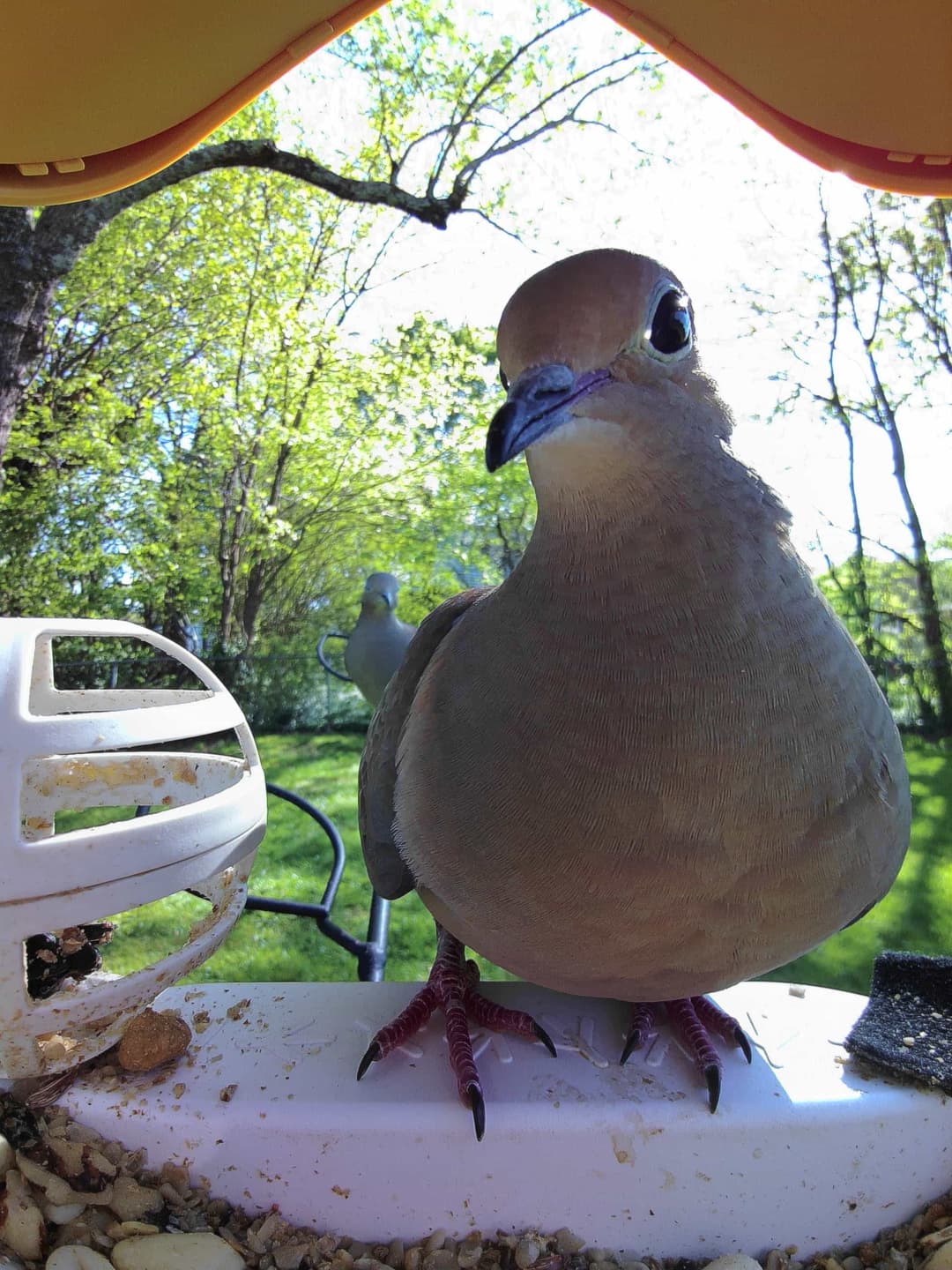
African Collared Dove vs Mourning Dove
White-Winged Dove vs Mourning Dove
White-Winged Dove vs Eurasian Collared Dove
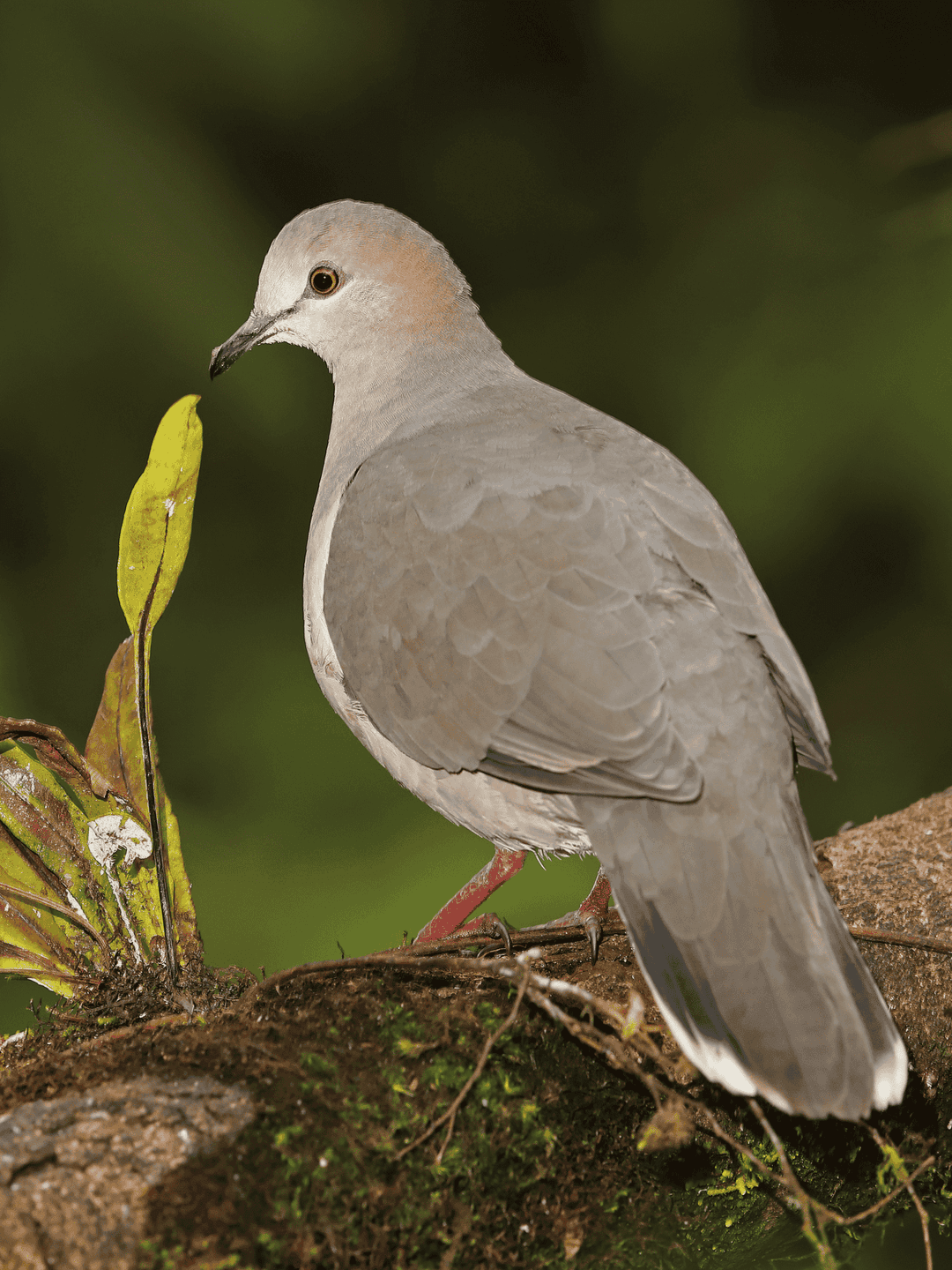
White-Winged Dove vs White-Tipped Dove
African Collared Dove vs [Select a bird]

[Select a bird]
Pick a bird to compare
White-Winged Dove vs [Select a bird]
[Select a bird]
Pick a bird to compare