Mountain Chickadee or Chestnut-Backed Chickadee?
Here's how to tell the difference


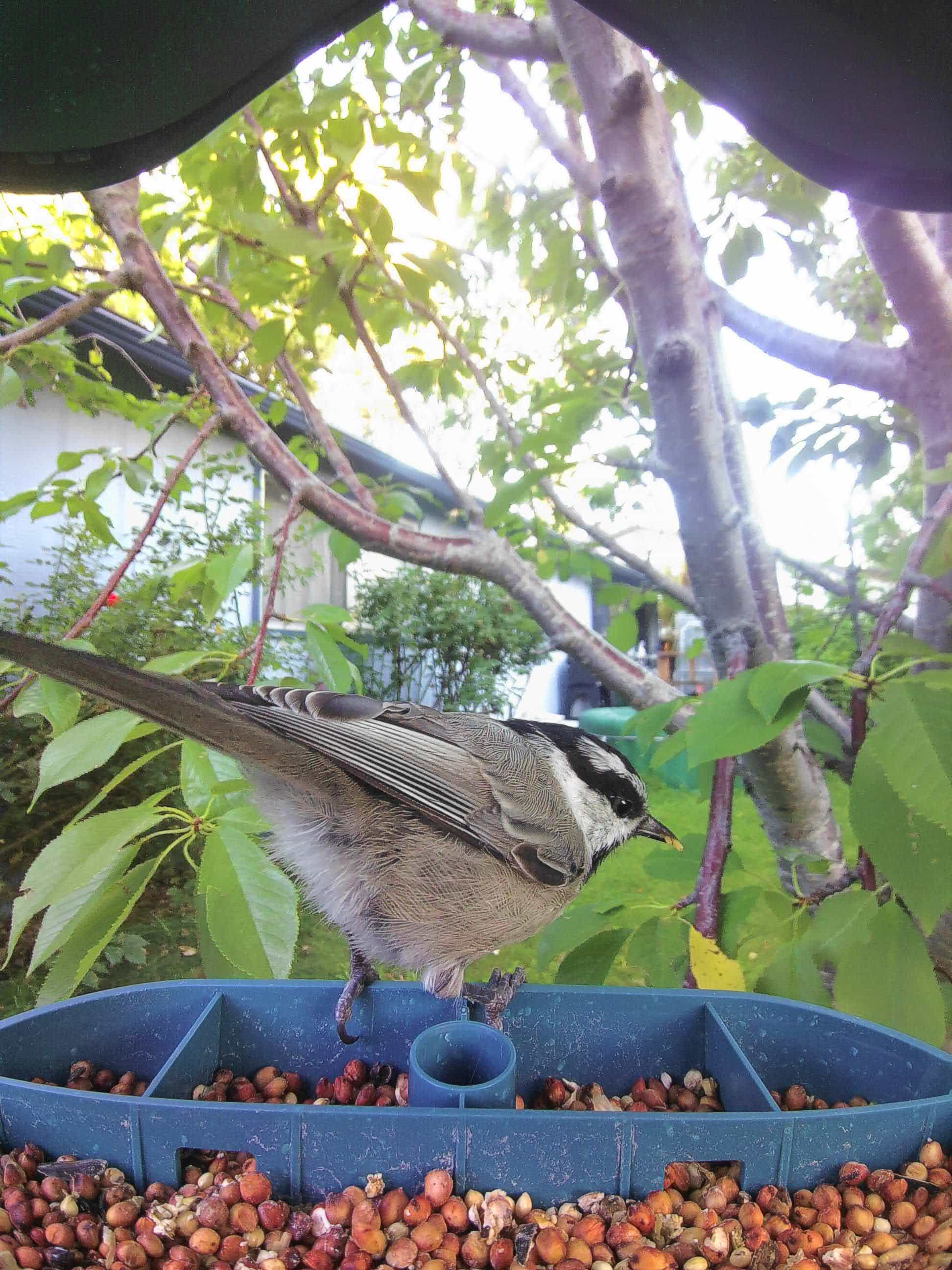


Mountain Chickadee
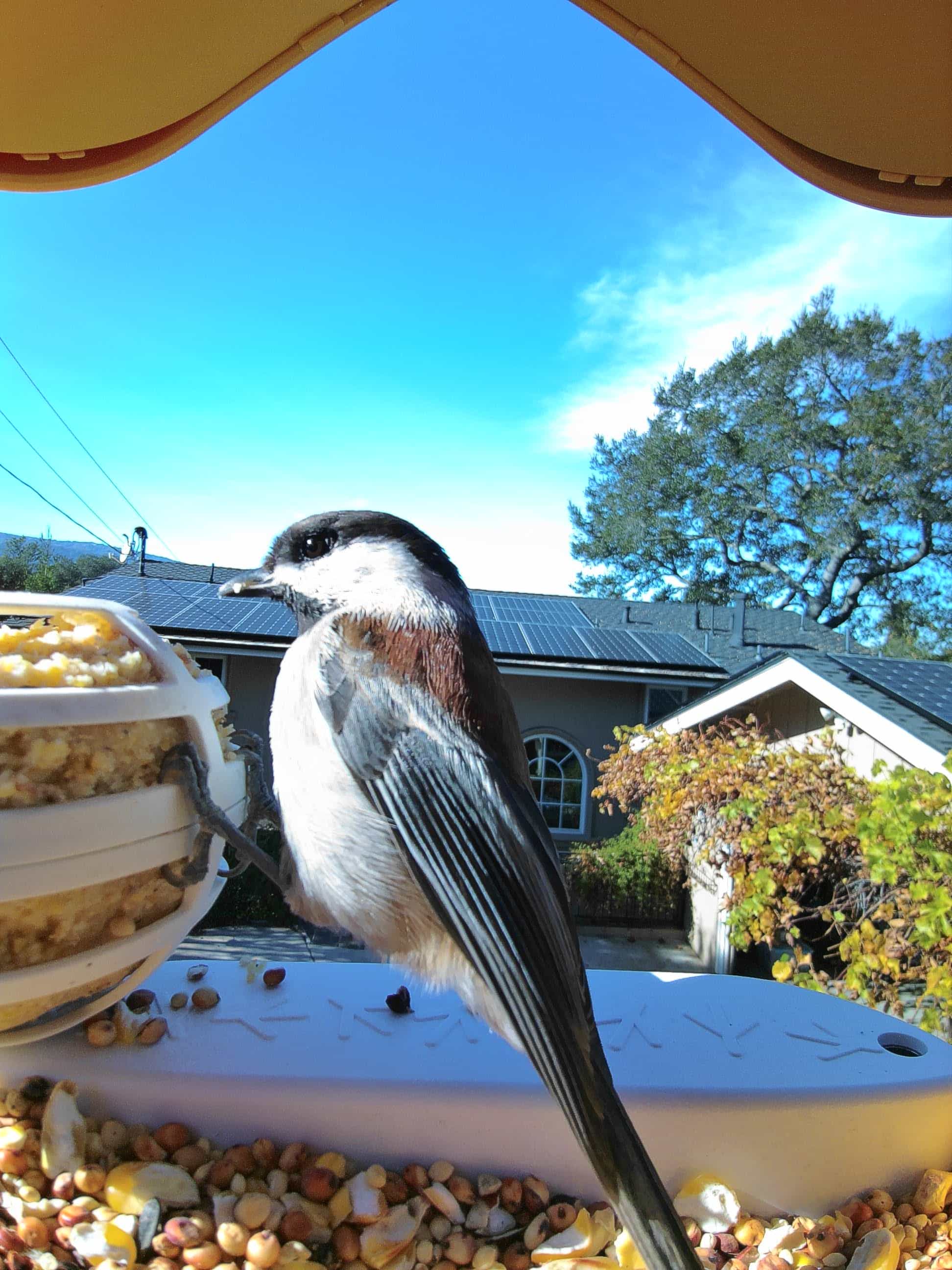


Chestnut-Backed Chickadee
Mountain Chickadee
Poecile gambeli
General appearance
The mountain chickadee is approximately 5-5 3/4 inches (13-15 cm) long, roughly the size of a sparrow. Its characteristic features include a black cap and bib. A distinctive white eyebrow, which may be broad or narrow, breaks the black cap. Their wings are rounded while the tail shape varies from notched to rounded or square-tipped. They sport the colors of nature: black, gray, and white.
Male vs female
Males and females of the mountain chickadee species are identical in their physical appearance and there are no significant size or color variations between the two. They both sport the same black cap, whites eyebrow, and gray body coloration.
Juvenile
Young mountain chickadees resemble adults, but their plumages may be less vibrant and the distinct white eyebrow may be difficult to make out. Depending on the season, the plumage of all mountain chickadees, including juveniles, may be in worn condition, making the white eyebrow particularly difficult to see.
Size
4.7 - 5.9 in/0.3 - 0.5 oz
There's more to learn about Mountain Chickadee
View full detailsChestnut-Backed Chickadee
Poecile rufescens
General appearance
The chestnut-backed chickadee is a small bird, roughly the size of a sparrow. Measuring about 4 1/2 -5 inches from beak to tail, this variety stands out due to its distinctive color scheme. It flaunts a rich chestnut back and sides, contrasting with its sooty brown cap and gray wings. Some variations found on the central California coast have gray sides instead of chestnut but are always more deeply colored in areas overlapping with the Boreal Chickadee.
Male vs female
The chestnut-backed chickadee exhibits little to no sexual dimorphism. This means that males and females of the species are very similar in appearance, making them difficult to distinguish based on physical characteristics alone.
Juvenile
Juvenile chestnut-backed chickadees closely resemble adults, but they may be slightly duller in color. As they mature, the rich chestnut and contrasting gray of their plumage become more pronounced. Notably, they do not undergo any significant seasonal variations in their appearance. Therefore, identification throughout the year remains consistent.
Size
3.9 - 4.9 in/0.3 - 0.4 oz
There's more to learn about Chestnut-Backed Chickadee
View full detailsHow to tell the Mountain Chickadee from the Chestnut-Backed Chickadee
Visual differences
The Mountain Chickadee (5-5¾ inches) has a black cap and bib, distinctive white eyebrow, and gray body. In contrast, the Chestnut-Backed Chickadee (4½-5 inches) features a sooty brown cap, rich chestnut back, and gray wings. Both species show no significant sexual dimorphism. The Mountain Chickadee is slightly larger and has a more monochromatic color scheme, while the Chestnut-Backed variety is known for its striking chestnut coloration. Both have similar beak shapes but differ primarily in plumage color and pattern.
Key differences and behavior
Mountain Chickadees (Poecile gambeli) and Chestnut-Backed Chickadees (Poecile rufescens) differ behaviorally and ecologically, facilitating field identification. Mountain Chickadees, thriving in high-altitude coniferous forests, exhibit acrobatic feeding behaviors like hanging upside down. In contrast, Chestnut-Backed Chickadees prefer dense, moist forests and are known for their loud, sociable nature. While both species consume insects, seeds, and berries, Chestnut-Backed Chickadees have a broader insect palate, including moths and wasps. In terms of nesting, Mountain Chickadees engage in mutual preening and are known for reusing nesting sites. Meanwhile, Chestnut-Backed Chickadees uniquely incorporate fur into their nests and might cover eggs with fur when leaving. Both species visit bird feeders but differ in material choice for nest lining—Mountain Chickadees favor bark fibers and moss, while Chestnut-Backed Chickadees opt for animal hair and feathers. Despite their similarities, these unique behaviors and habitat preferences set them apart.
Still not sure? Here are more lookalikes!
Mountain Chickadee vs Black-Capped Chickadee
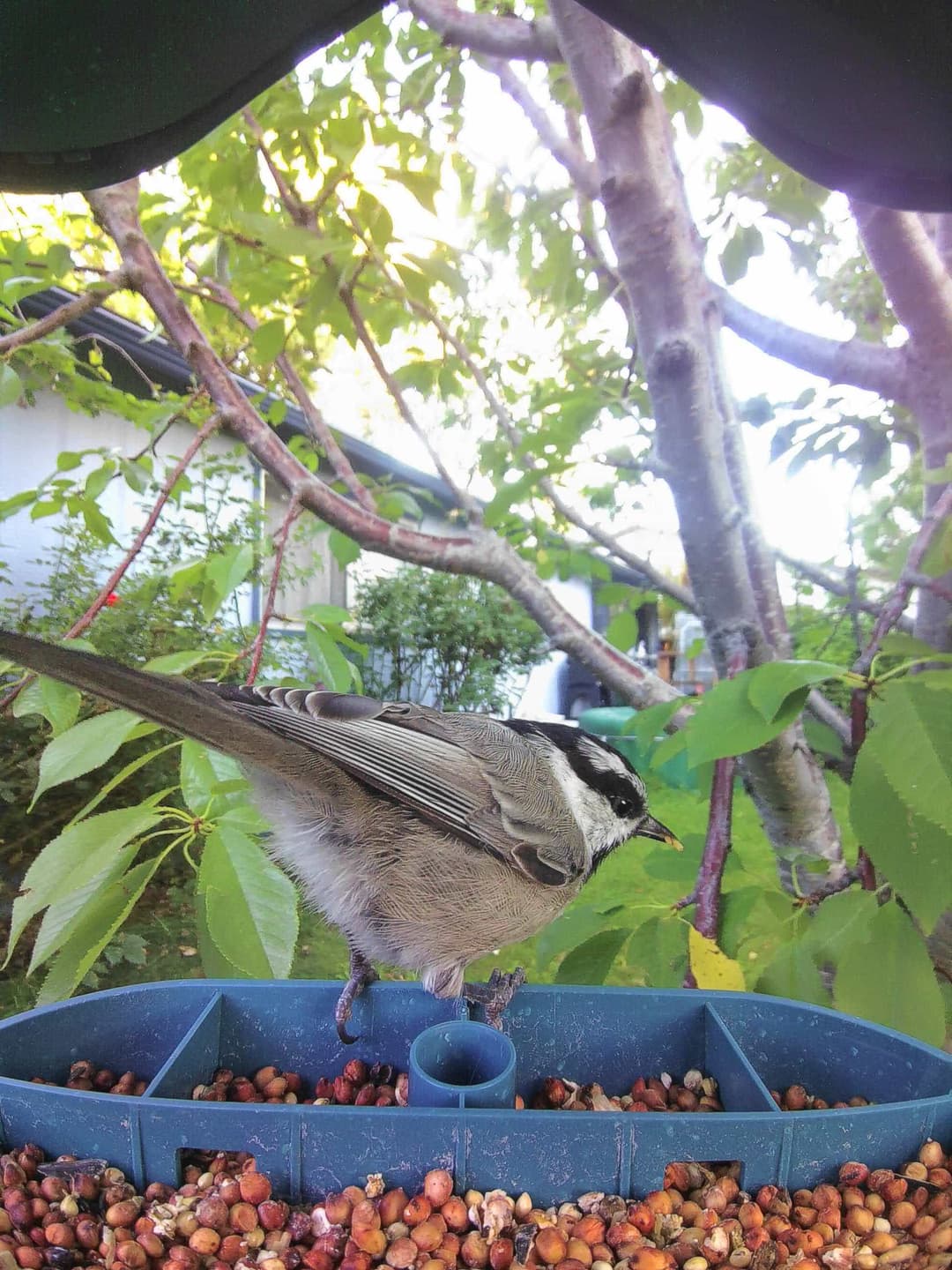
Mountain Chickadee vs Bridled Titmouse

Mountain Chickadee vs Boreal Chickadee
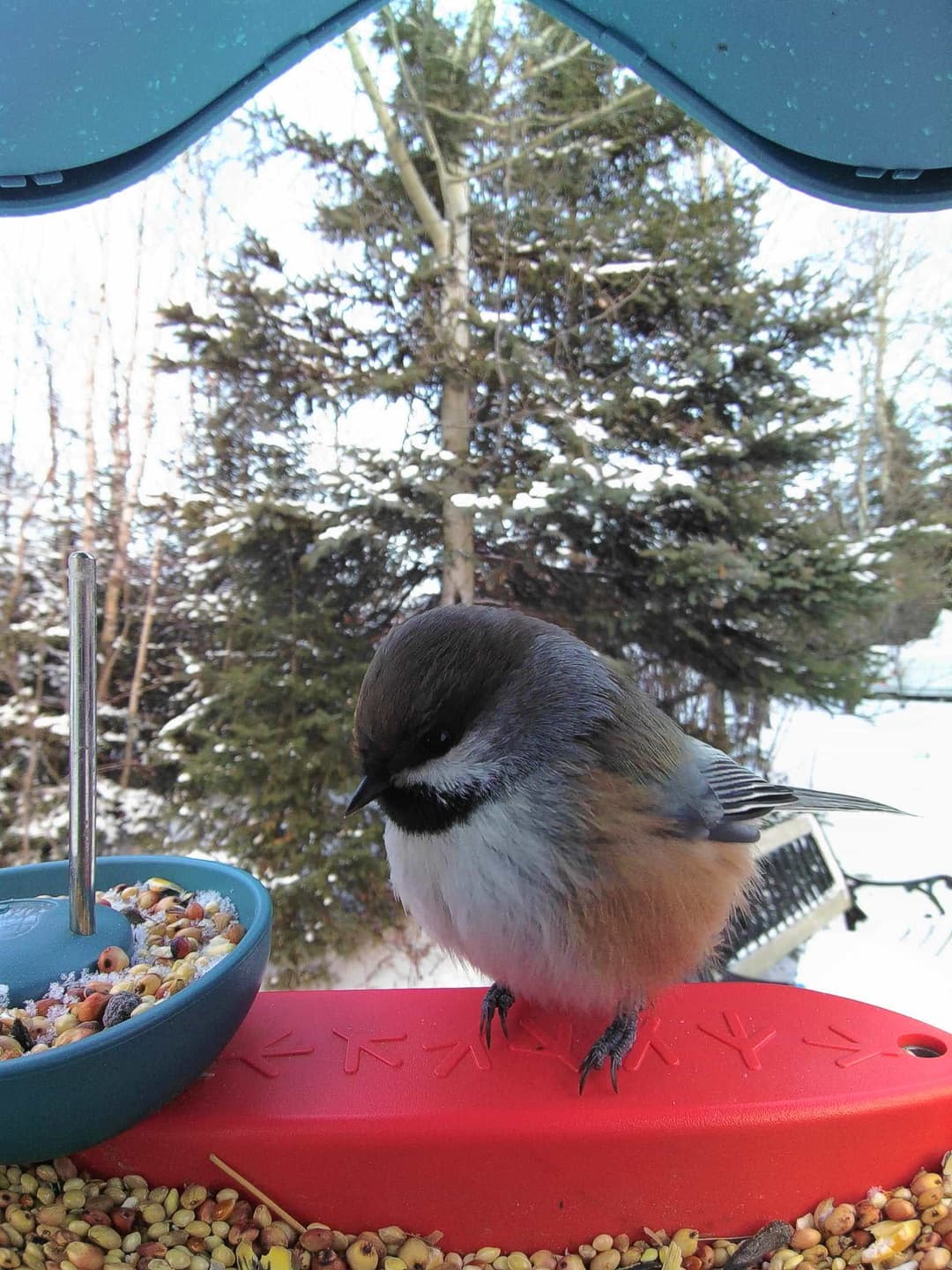
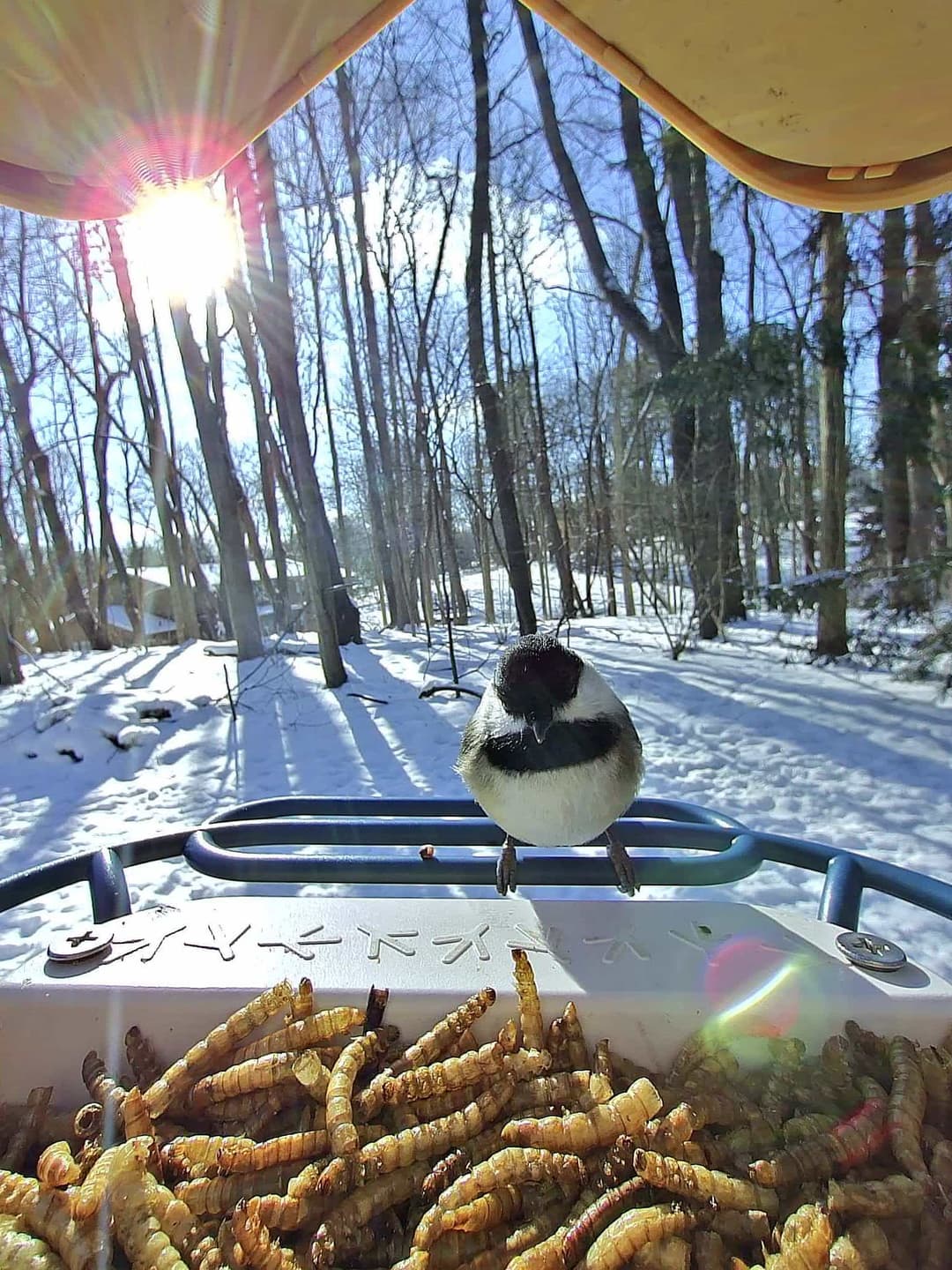
Mountain Chickadee vs Carolina Chickadee
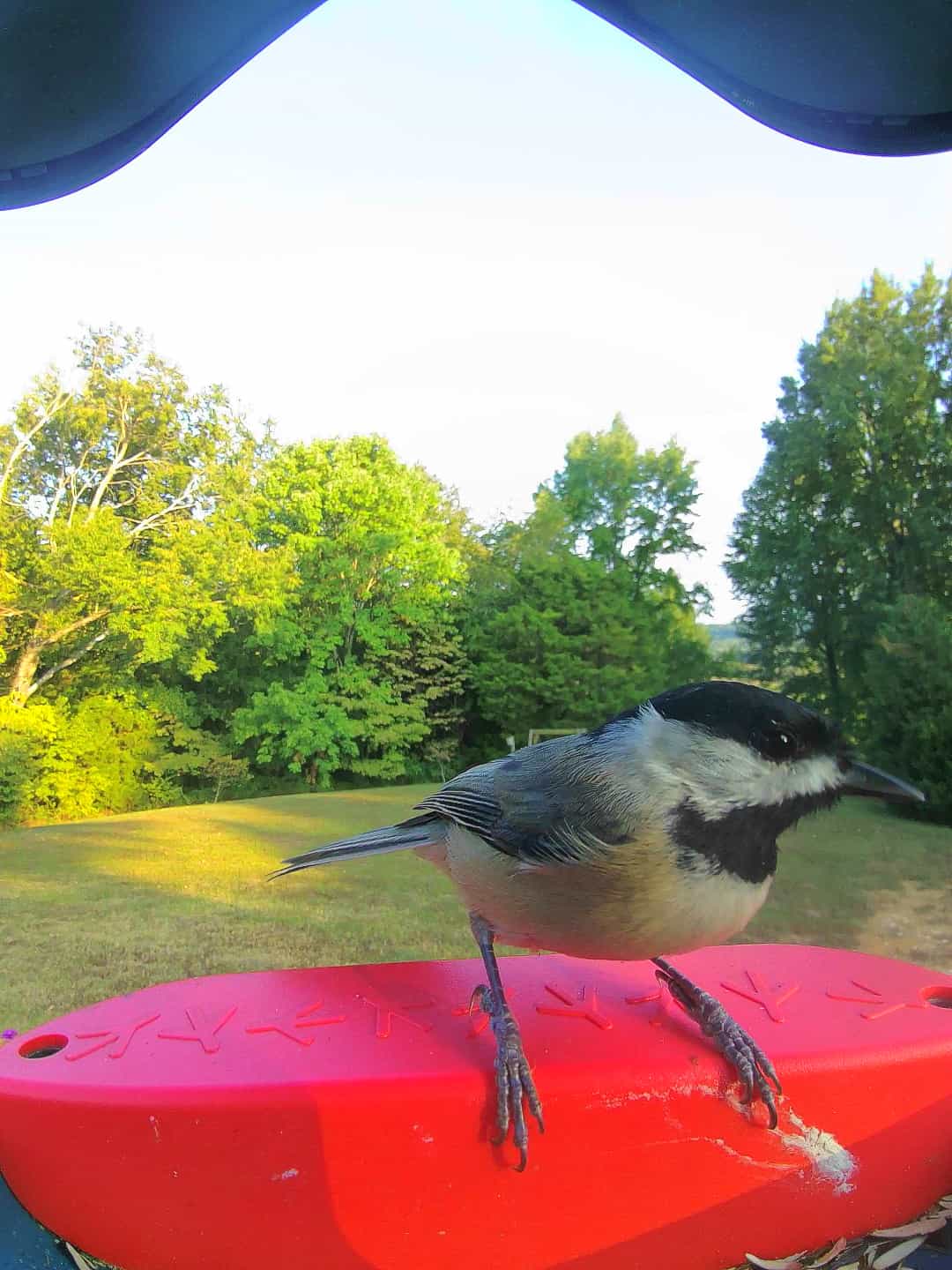
Chestnut-Backed Chickadee vs Black-Capped Chickadee
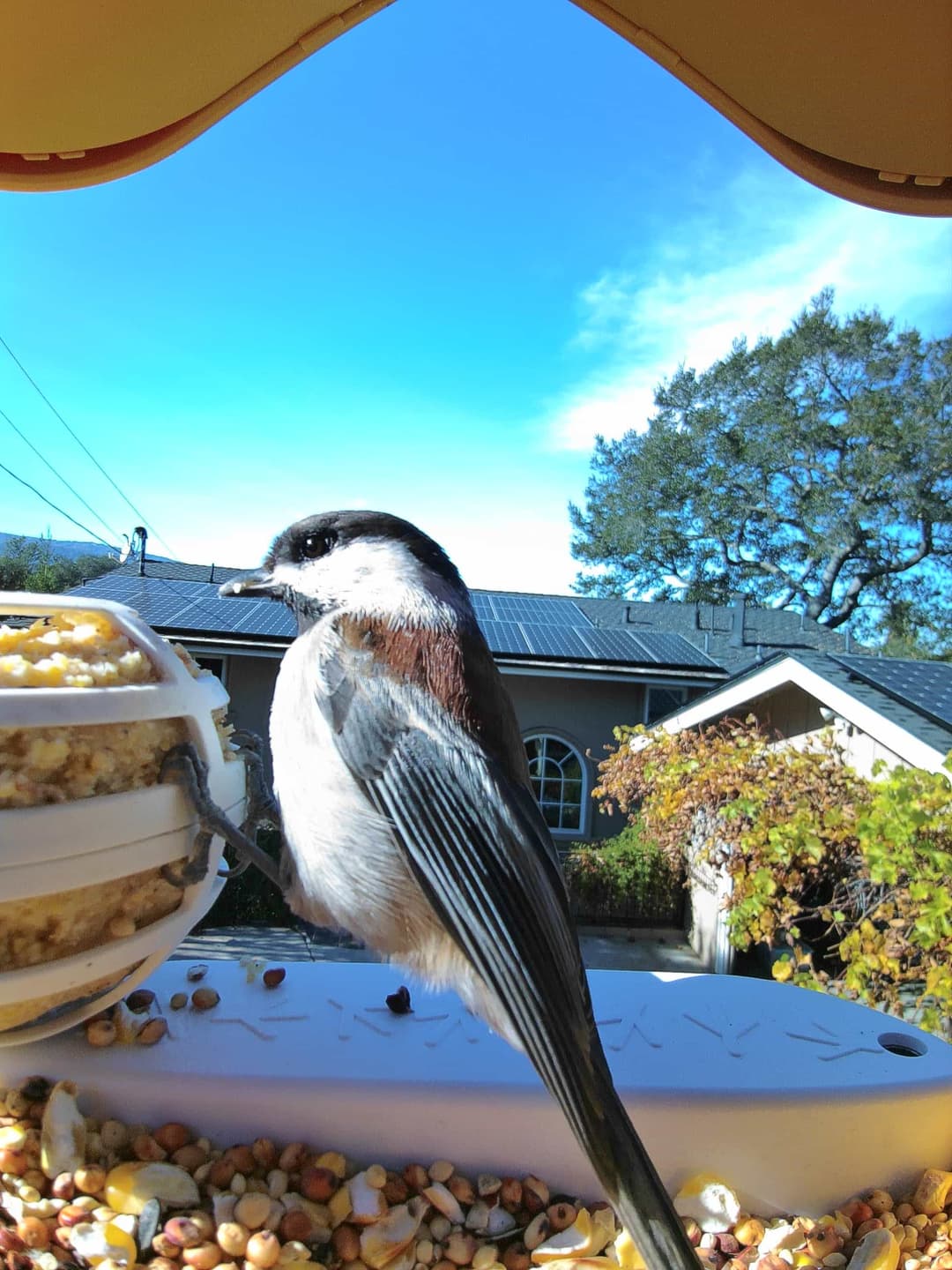
Chestnut-Backed Chickadee vs Boreal Chickadee
Mountain Chickadee vs [Select a bird]

[Select a bird]
Pick a bird to compare
Chestnut-Backed Chickadee vs [Select a bird]
[Select a bird]
Pick a bird to compare