Black-Headed Grosbeak or Cassin’s Finch?
Here's how to tell the difference
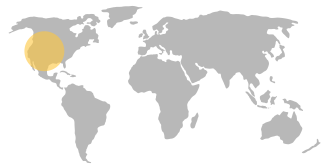
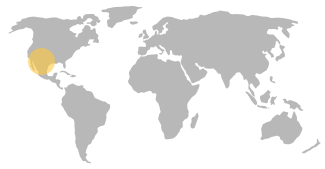
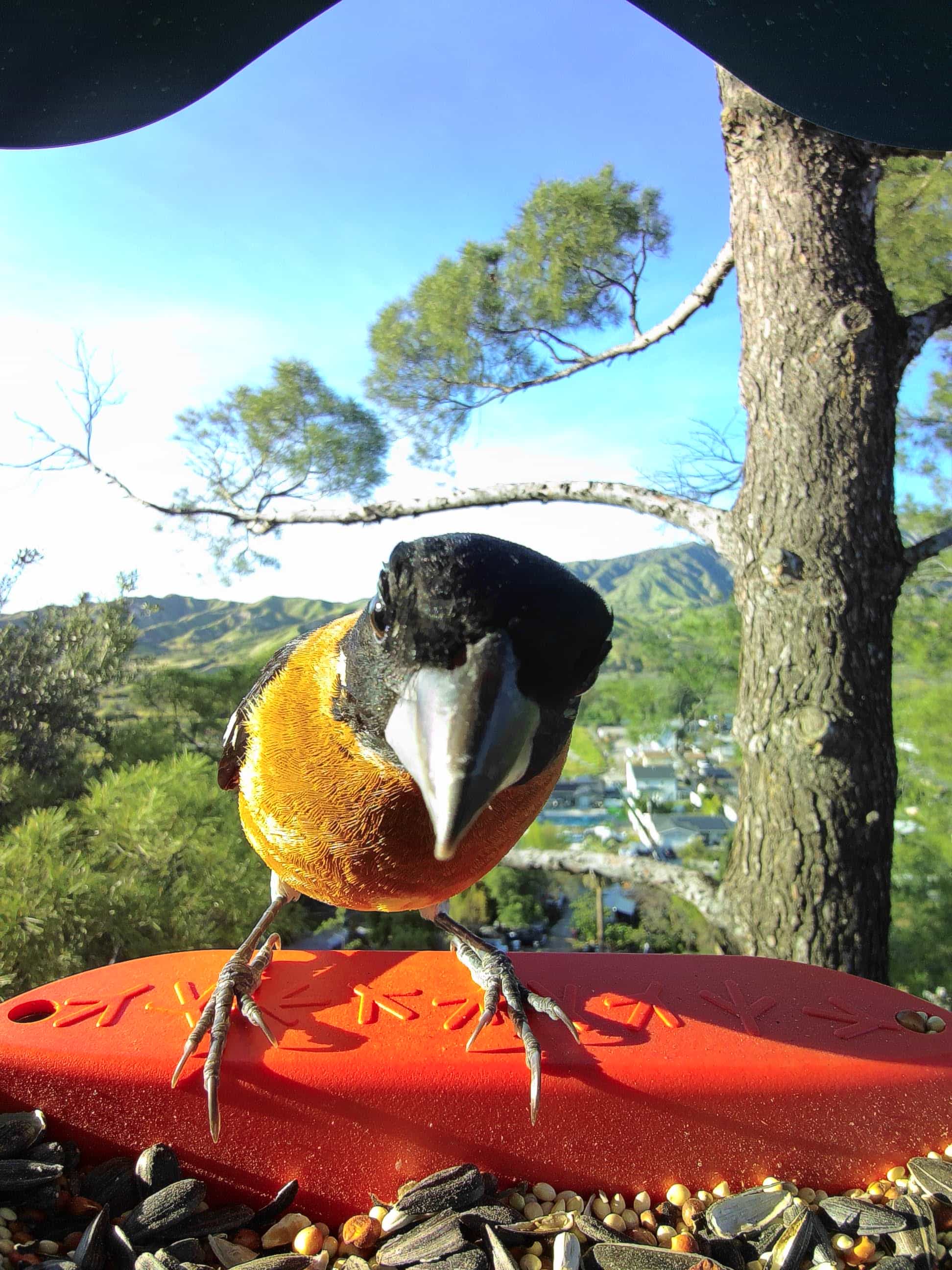


Black-Headed Grosbeak
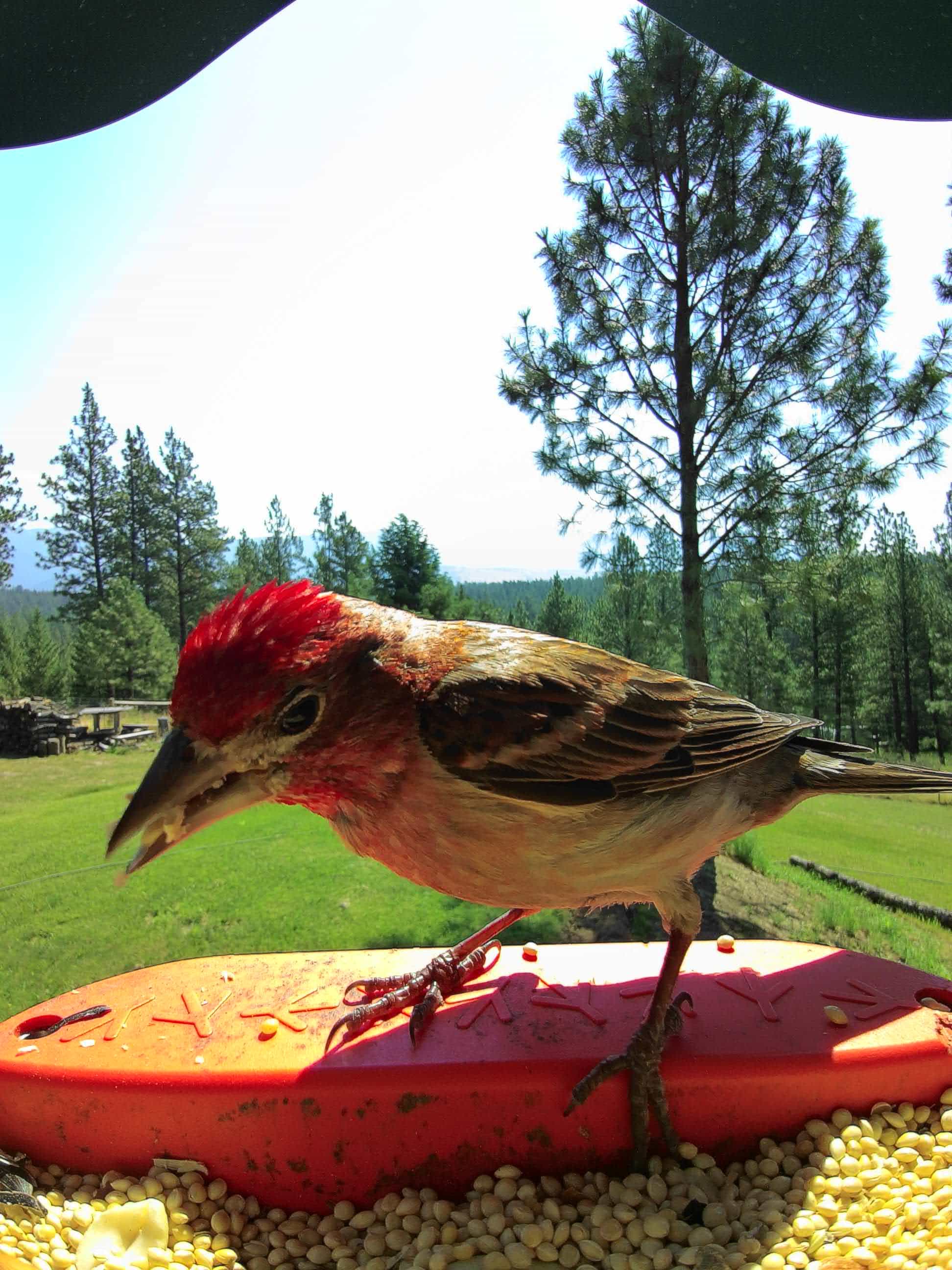


Cassin’s Finch
Black-Headed Grosbeak
Pheucticus melanocephalus
General appearance
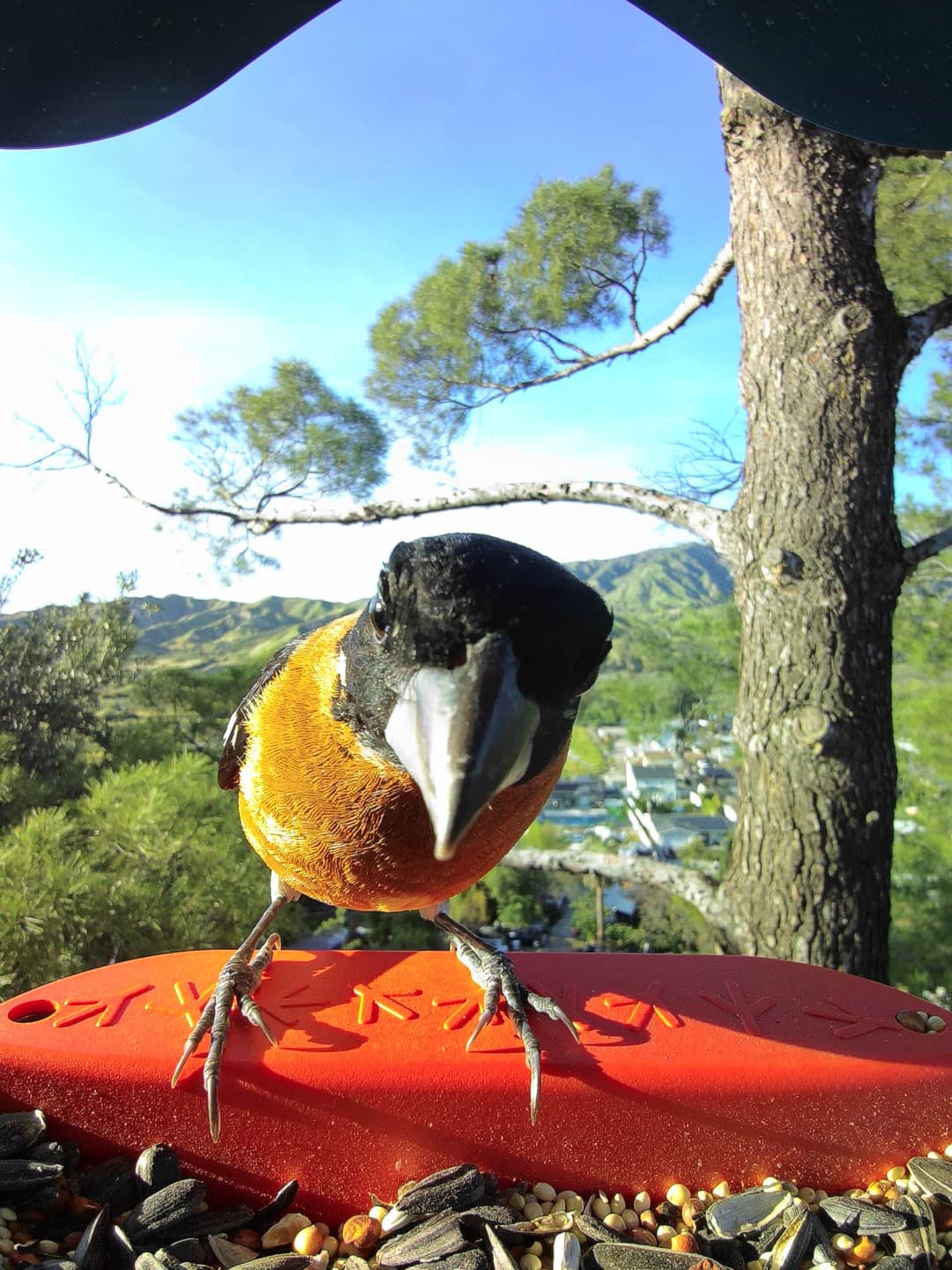
The black-headed grosbeak is a roughly robin-sized bird, measuring around 7 1/2 inches (19 cm). It displays characteristic colors such as black, brown, orange, tan, and white. Its wings are rounded, while its tail can be shaped, notched, squared, or rounded. The bird's notable features include markedly vibrant coloration and size.
Male vs female
For the black-headed grosbeak, the males tend to be dull orange-brown in color with a black head and black-and-white wings. On the other hand, females feature colors and patterns similar to the Rose-breasted Grosbeak but have more pronounced orange undertones beneath and less streaking. In addition, the females often have a darker bill.
Juvenile
Juvenile black-headed grosbeaks resemble the female but are tinged orange below, showing less streaking than their adult counterparts. They also have a bill that is often darker than the adults. Juveniles may experience a change in coloration during the season's transition.
Size
7.1 - 7.5 in/1.4 - 1.8 oz
There's more to learn about Black-Headed Grosbeak
View full detailsCassin’s Finch
Haemorhous cassinii
General appearance
Cassin’s Finch is a medium-sized finch with a distinctive appearance characterized by its sturdy build and conical bill. Its plumage is predominantly brown, with streaked back and wings, and a light belly. Observers can identify it by its split short tail and pointed wings when in flight.
Male vs female
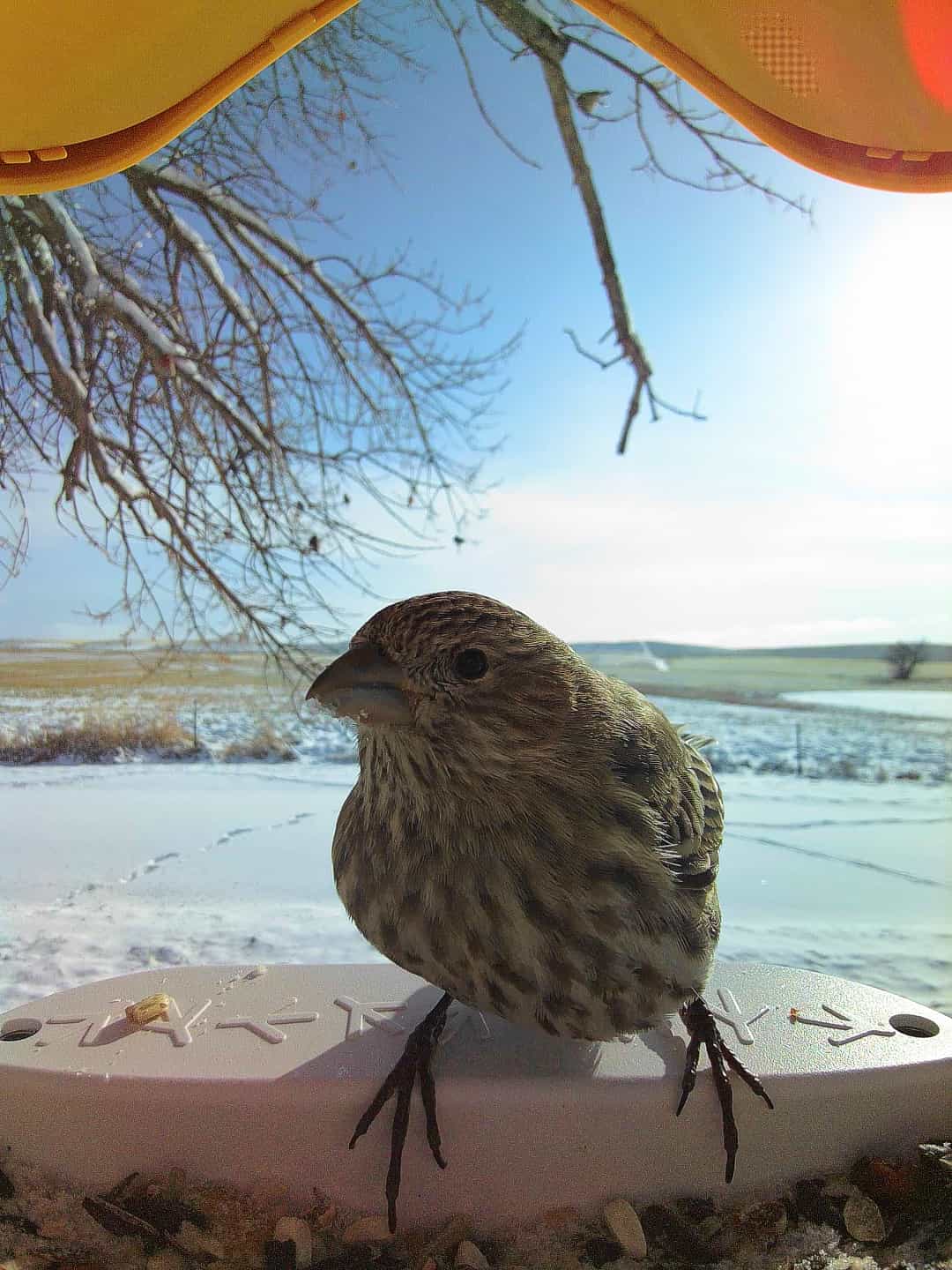
Male Cassin’s Finches are striking with their bright raspberry-red crown which blends into pinkish-red on the throat and breast. This coloration is more vibrant during the breeding season. Females, in contrast, lack the red hues, displaying streaked gray-brown plumage overall with distinctive facial markings, such as a pale eyebrow line and streaked underparts.
Juvenile
Juvenile Cassin’s Finches resemble females but are paler and have a more buffy appearance. They are heavily streaked with brown both above and below. As they mature, juvenile males begin to develop their characteristic red coloration. Seasonal variations include paler tones during the non-breeding season. They can be identified by their habitat in highland coniferous forests and their distinctive, warbling song.
Size
6.3 - 6.7 in/0.8 - 1.2 oz
There's more to learn about Cassin’s Finch
View full detailsHow to tell the Black-Headed Grosbeak from the Cassin’s Finch
Visual differences
The Black-Headed Grosbeak (7.5 inches, 1.4-1.8 ounces) is larger than the Cassin's Finch (6.3-6.7 inches, 0.8-1.2 ounces). The Grosbeak exhibits vibrant orange, black, and white plumage with a robust bill. Males have a black head, while females have tan with orange undertones. The Cassin's Finch is brown with a raspberry-red crown for males, with gray-brown streaking for females and juveniles. It has a conical bill, pointed wings, and a split tail. The differences in size, coloration, and bill shape are key identifiers.
Key differences and behavior
Black-Headed Grosbeaks and Cassin's Finches exhibit distinct behaviors and habitats. Grosbeaks, found in oak woodland and mixed forests, are active parents with both sexes sharing incubation and feeding. Their diet includes insects and seeds, and they enjoy sunflower seeds at feeders. Cassin's Finches inhabit high mountain coniferous forests and show flocking behavior, often around mineral deposits. These finches nest in conifers and adjust breeding locations based on food availability. They primarily consume seeds and buds, occasionally supplemented by insects in summer, and are less insect-dependent compared to Grosbeaks. While both species nest in trees, Grosbeaks prefer deciduous trees at lower heights (10-12 ft), while Cassin's Finches use conifers, often higher (30-40 ft). Grosbeaks display territorial singing during mating, unlike Cassin's Finches, which form colonies.
Still not sure? Here are more lookalikes!
Black-Headed Grosbeak vs Rose-Breasted Grosbeak
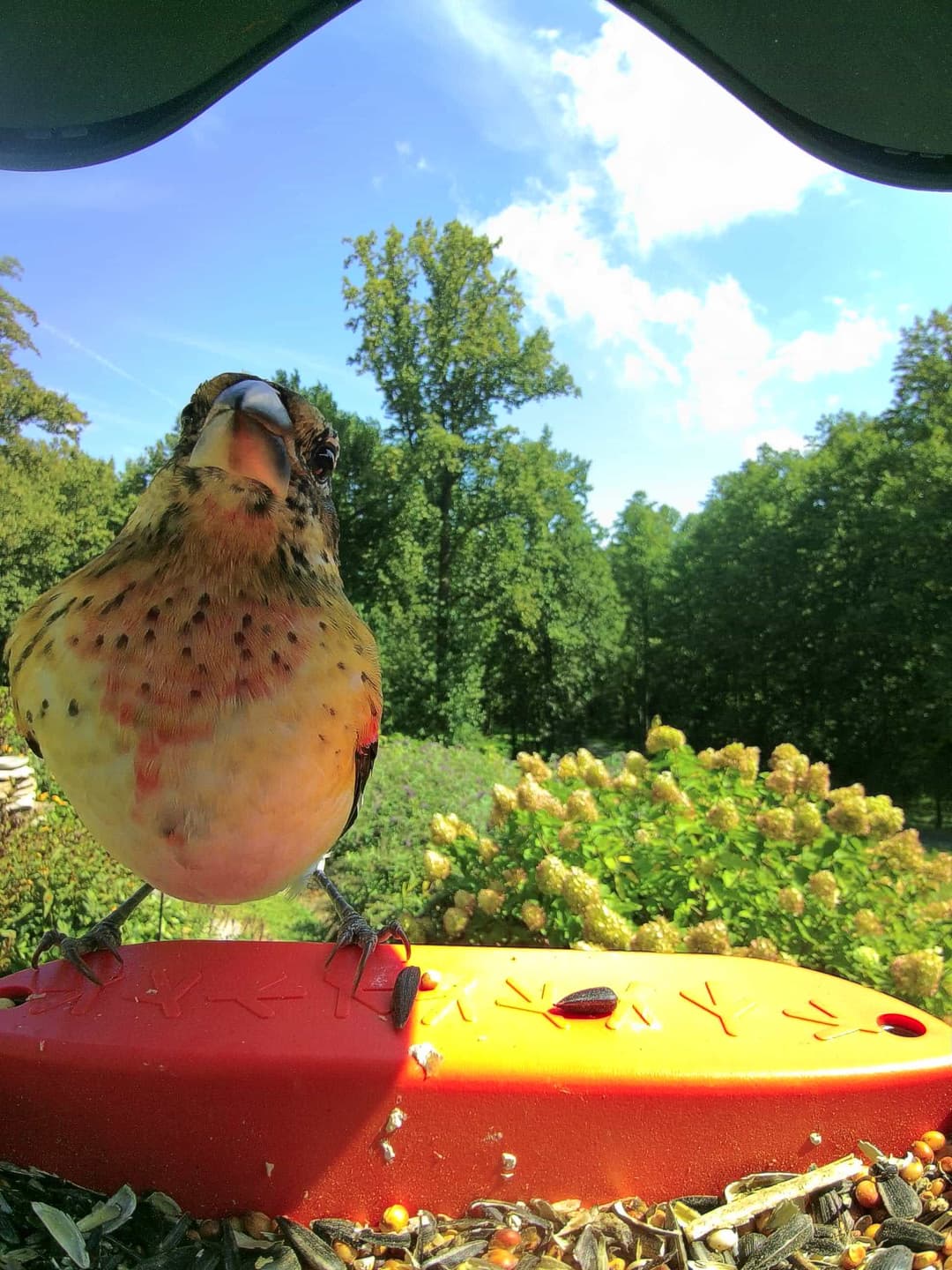
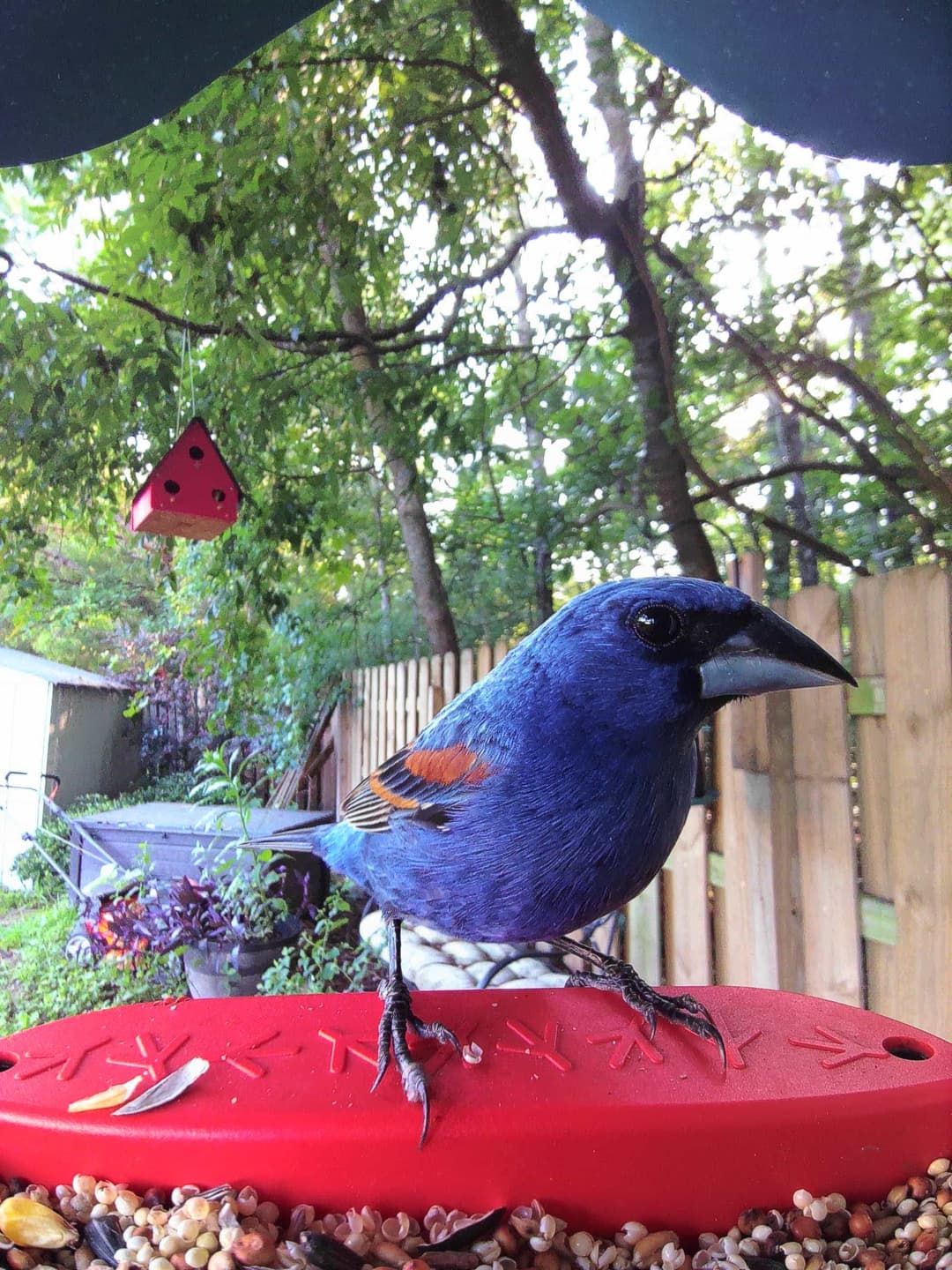
Black-Headed Grosbeak vs Blue Grosbeak
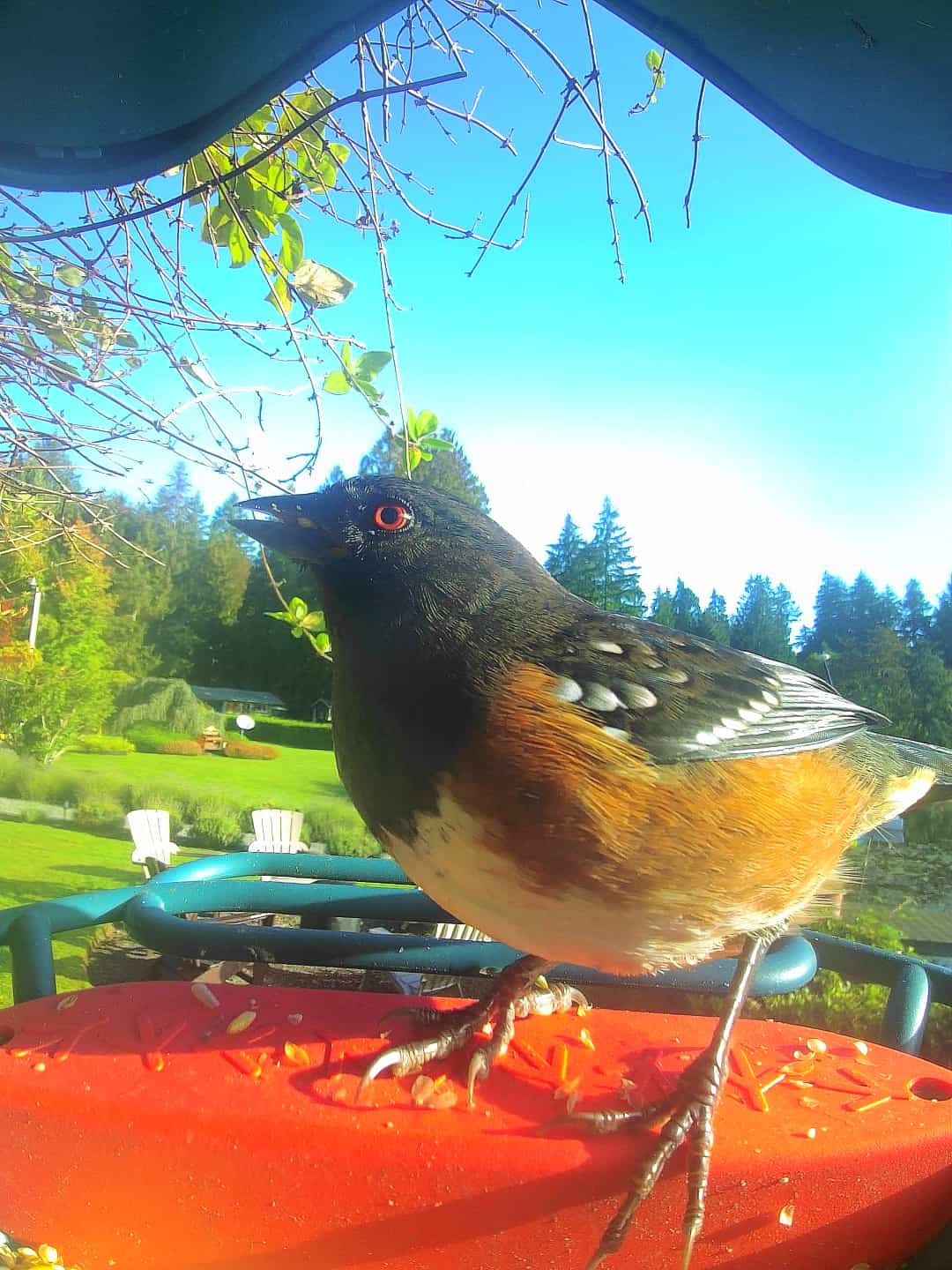
Black-Headed Grosbeak vs Spotted Towhee
Black-Headed Grosbeak vs Red-Winged Blackbird
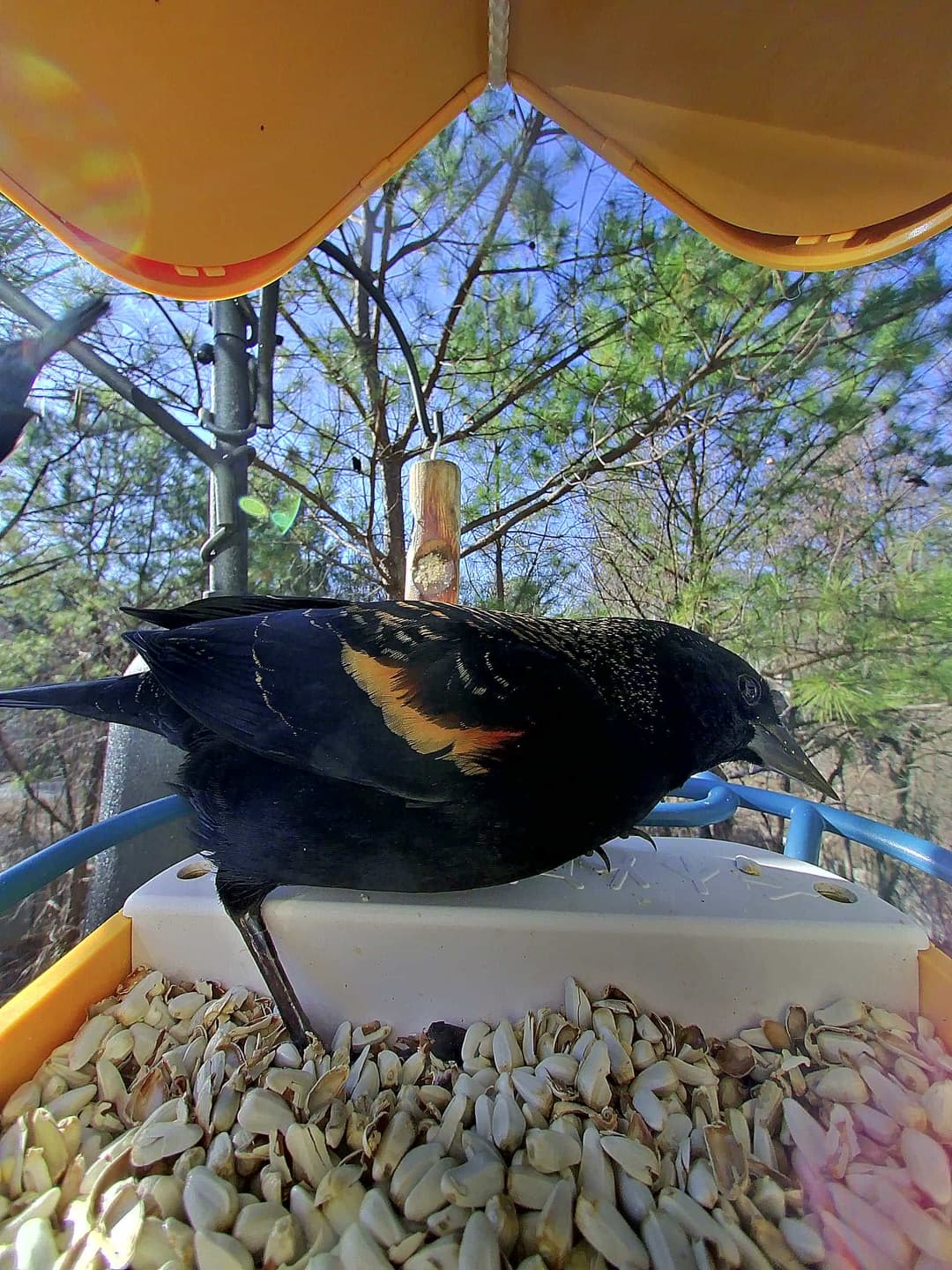
Black-Headed Grosbeak vs Bullock’s Oriole
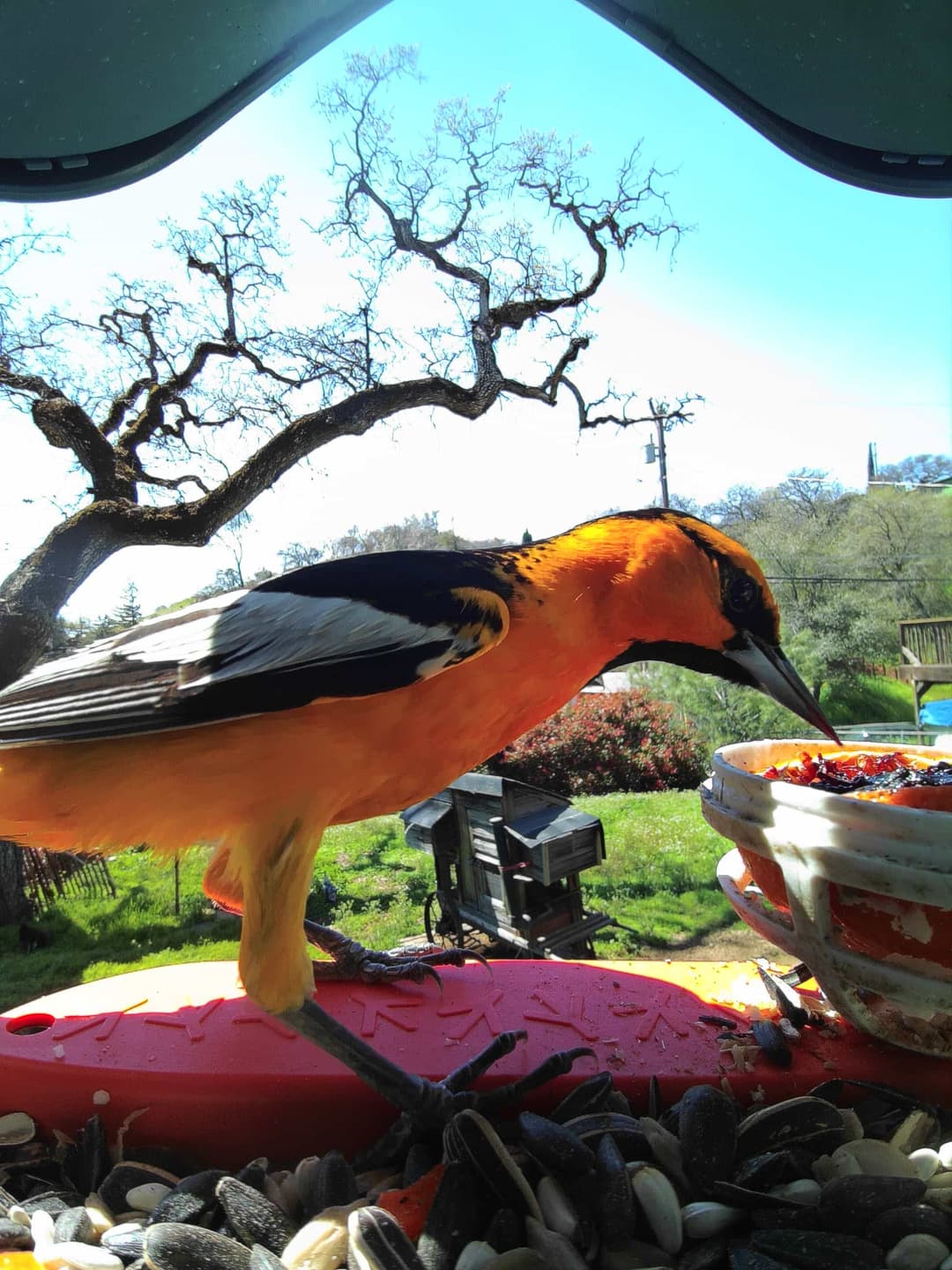
Black-Headed Grosbeak vs Purple Finch
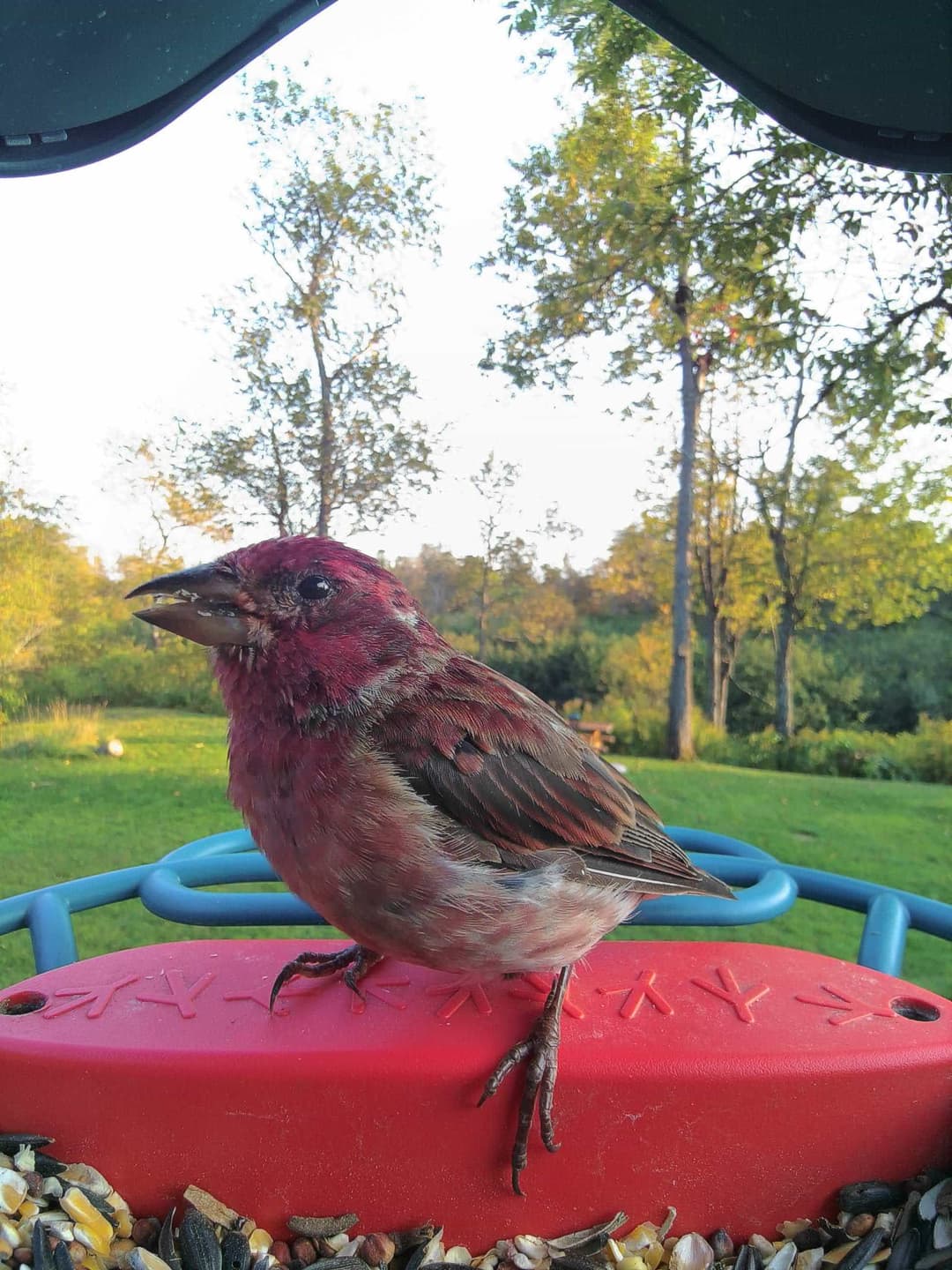
Cassin’s Finch vs House Finch
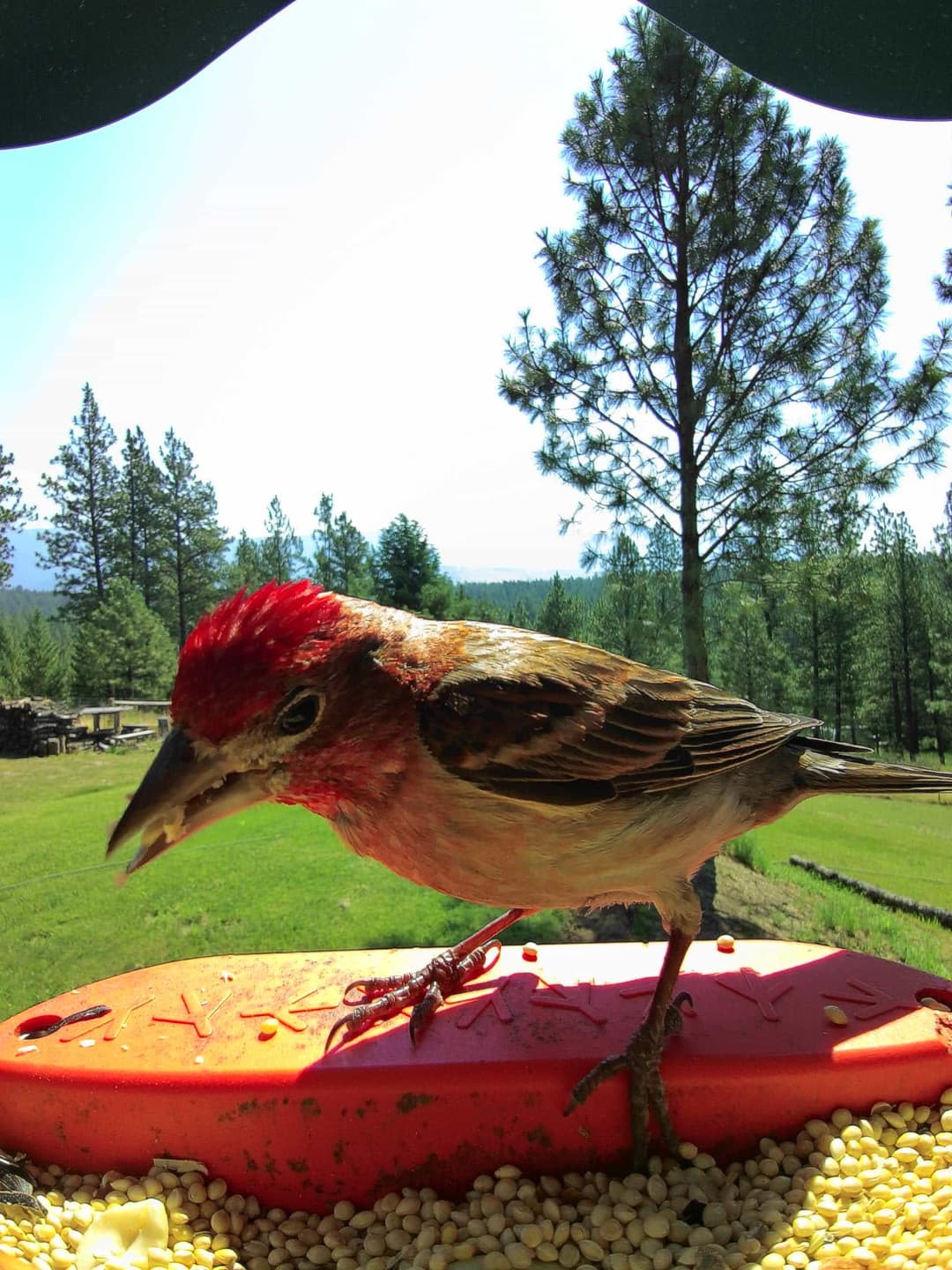
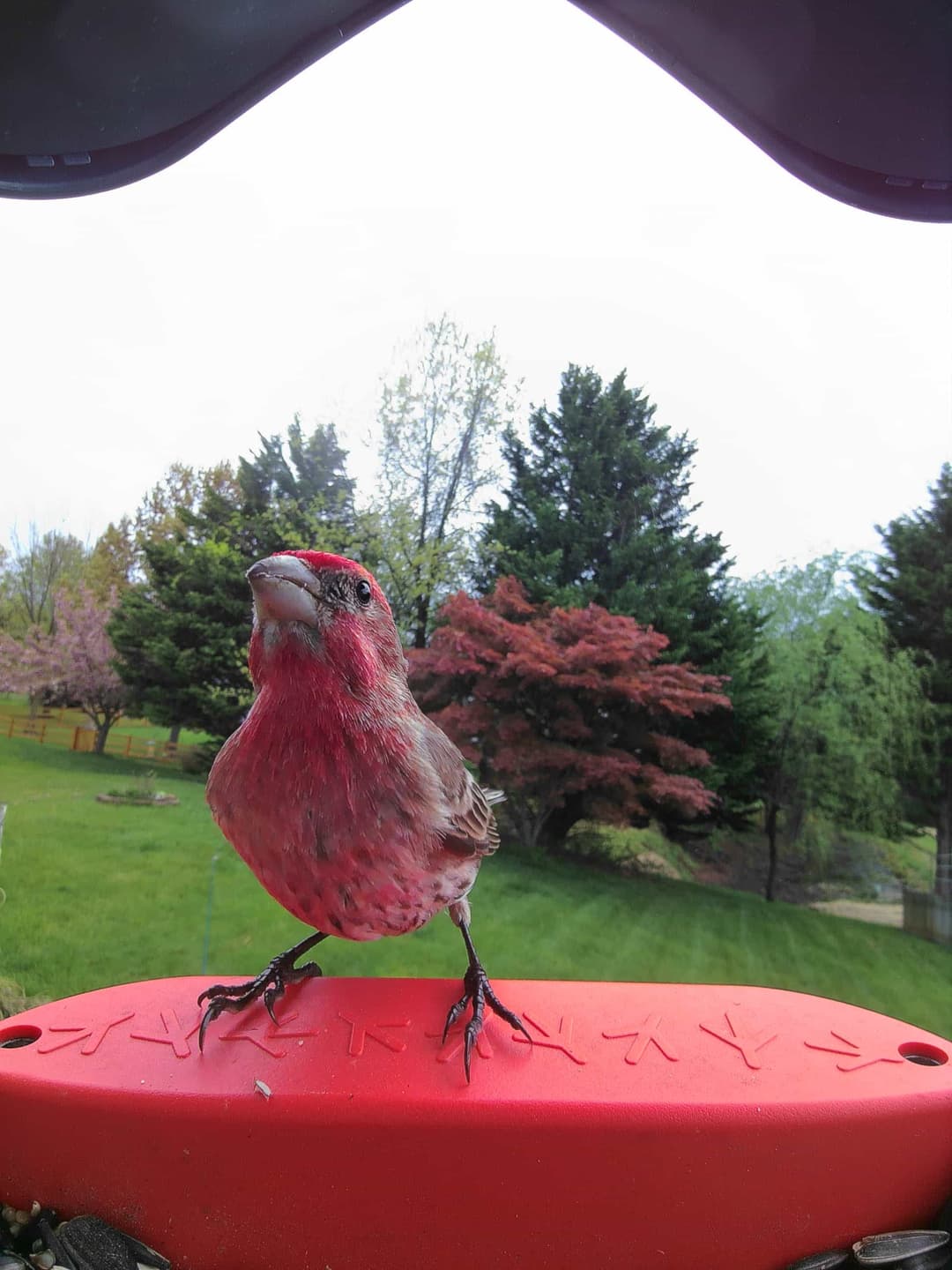
Cassin’s Finch vs Purple Finch
Black-Headed Grosbeak vs [Select a bird]

[Select a bird]
Pick a bird to compare
Cassin’s Finch vs [Select a bird]
[Select a bird]
Pick a bird to compare