Black-Throated Blue Warbler or Tennessee Warbler?
Here's how to tell the difference

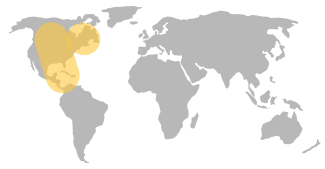

Black-Throated Blue Warbler


Tennessee Warbler
Black-Throated Blue Warbler
Setophaga caerulescens
General appearance
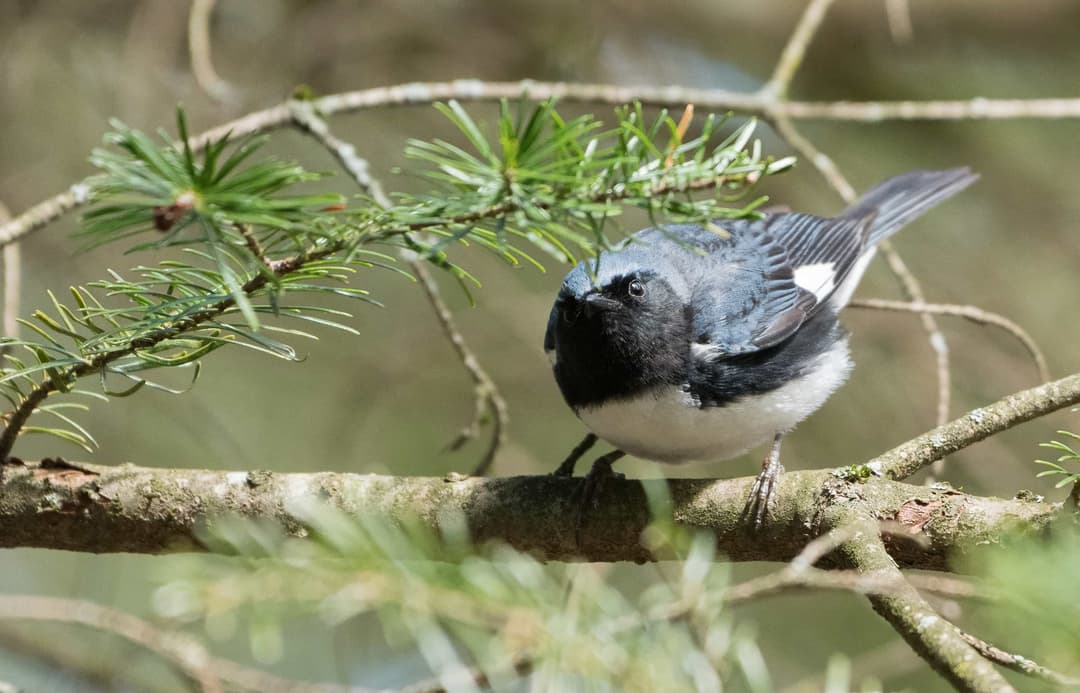
The black-throated blue warbler is approximately 13 cm in size, comparable to a sparrow. Its colors include black, blue, brown, tan, and white. The wing shape is rounded with a notched or square-tipped tail.
Male vs female
There are discernible differences between the genders. The male seems almost entirely black in shadows, with a white belly and a white spot on the wing. The female presents a more plain, dark upper body and buff lower body accompanied by a faint white wing spot and a dark cheek patch.
Juvenile
Younger females can be identified by the faint white wing spot which may not be as prominent as in mature females. Other physical traits and colorations are presumed to follow adult patterns, maturing with age.
Size
4.9 - 5.3 in/0.3 - 0.4 oz
There's more to learn about Black-Throated Blue Warbler
View full detailsTennessee Warbler
Leiothlypis peregrina
General appearance
The Tennessee warbler (Leiothlypis peregrina) is a small songbird with a wingspan of about 8.5 inches. It features an olive-green back, gray to whitish underparts, and a pale eyebrow stripe. The wings are relatively plain with no wing bars. It has a sharp, short bill ideal for feeding on insects and nectar.
Male vs female
Males and females are visually similar, but males may exhibit slightly brighter olive-green coloration, especially during the breeding season. Both sexes display the characteristic pale eyebrow and lack distinct markings on their wings, making them challenging to differentiate.
Juvenile
Juvenile Tennessee warblers look similar to adults but tend to have a duller overall coloration. Their underparts may appear slightly buffy, and their plumage lacks the bright luster of adult birds. These differences lessen as the bird matures.
Size
3.9 - 5.1 in/0.3 - 0.4 oz
There's more to learn about Tennessee Warbler
View full detailsHow to tell the Black-Throated Blue Warbler from the Tennessee Warbler
Visual differences
The Black-Throated Blue Warbler and Tennessee Warbler differ visually in several key areas. The Black-Throated Blue Warbler (5-5.3 inches long) has a distinct black and blue plumage with a noticeable white belly and wing spot, while the Tennessee Warbler (4-5 inches long) is olive-green with gray to whitish underparts and a pale eyebrow stripe, without wing bars. The beak of the Black-Throated Blue is more robust, while the Tennessee has a sharp, short bill. Males and females of both species are visually distinct in Black-Throated Blue, but more similar in Tennessee Warblers.
Key differences and behavior
The Black-Throated Blue Warbler and Tennessee Warbler share some behavioral and dietary similarities but differ in habitat preference, nesting, and feeding habits. Black-Throated Blue Warblers inhabit dense woods with rich undergrowth, while Tennessee Warblers prefer deciduous and mixed forests, often near boggy areas. Both species consume insects, but the Black-Throated Blue Warbler also feeds on tree sap and adapts to human-provided food like sugar water, whereas the Tennessee Warbler is known for "nectar thieving," consuming nectar without pollination. In breeding, Black-Throated Blue Warblers often have faithful monogamous pairs using elevated shrubs for nesting, while Tennessee Warblers nest on the ground with both parents feeding the chicks. Males of both species are involved in courtship through song, but Tennessee Warblers also display flight.
Still not sure? Here are more lookalikes!
Black-Throated Blue Warbler vs Orange-Crowned Warbler
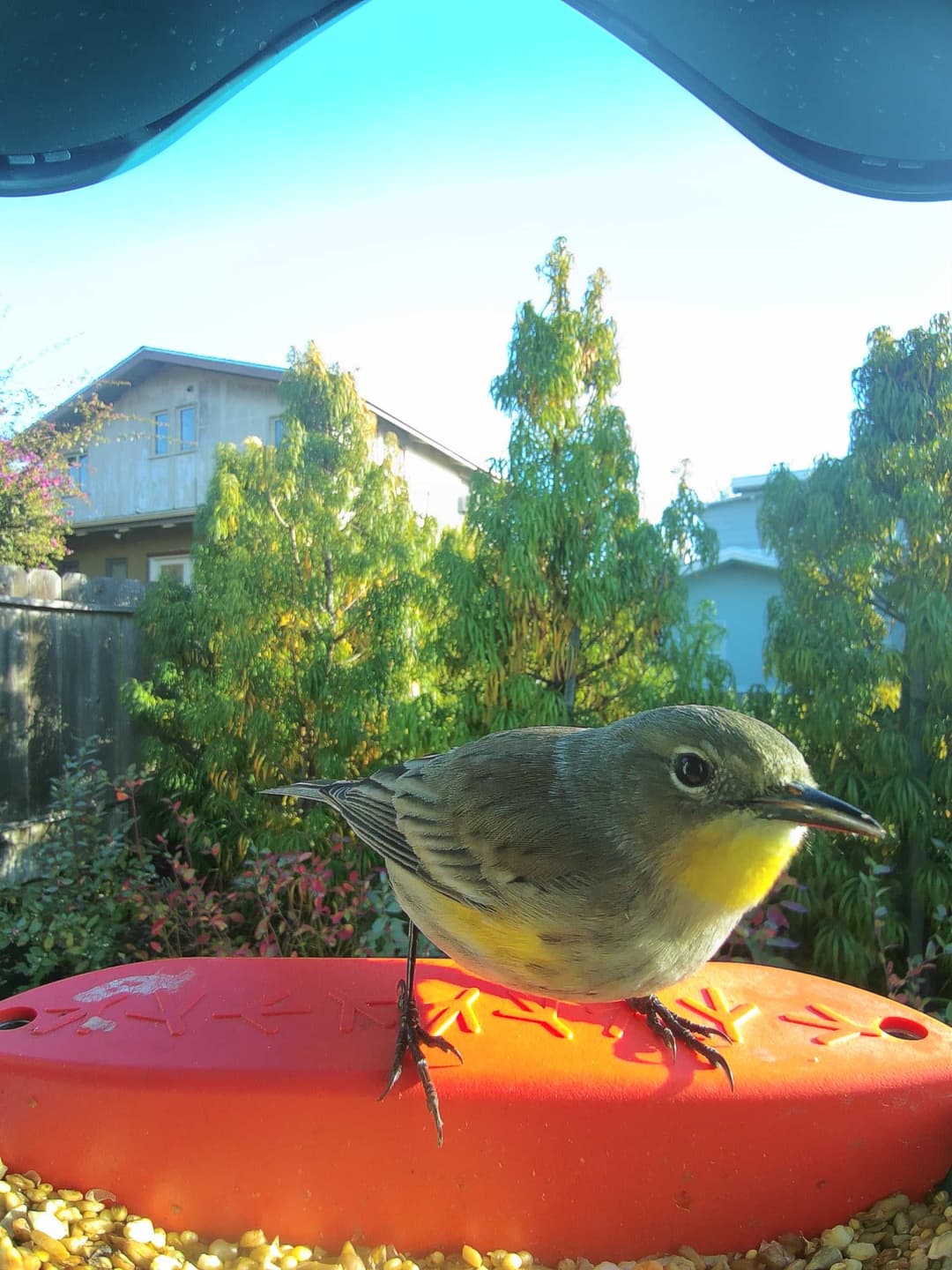
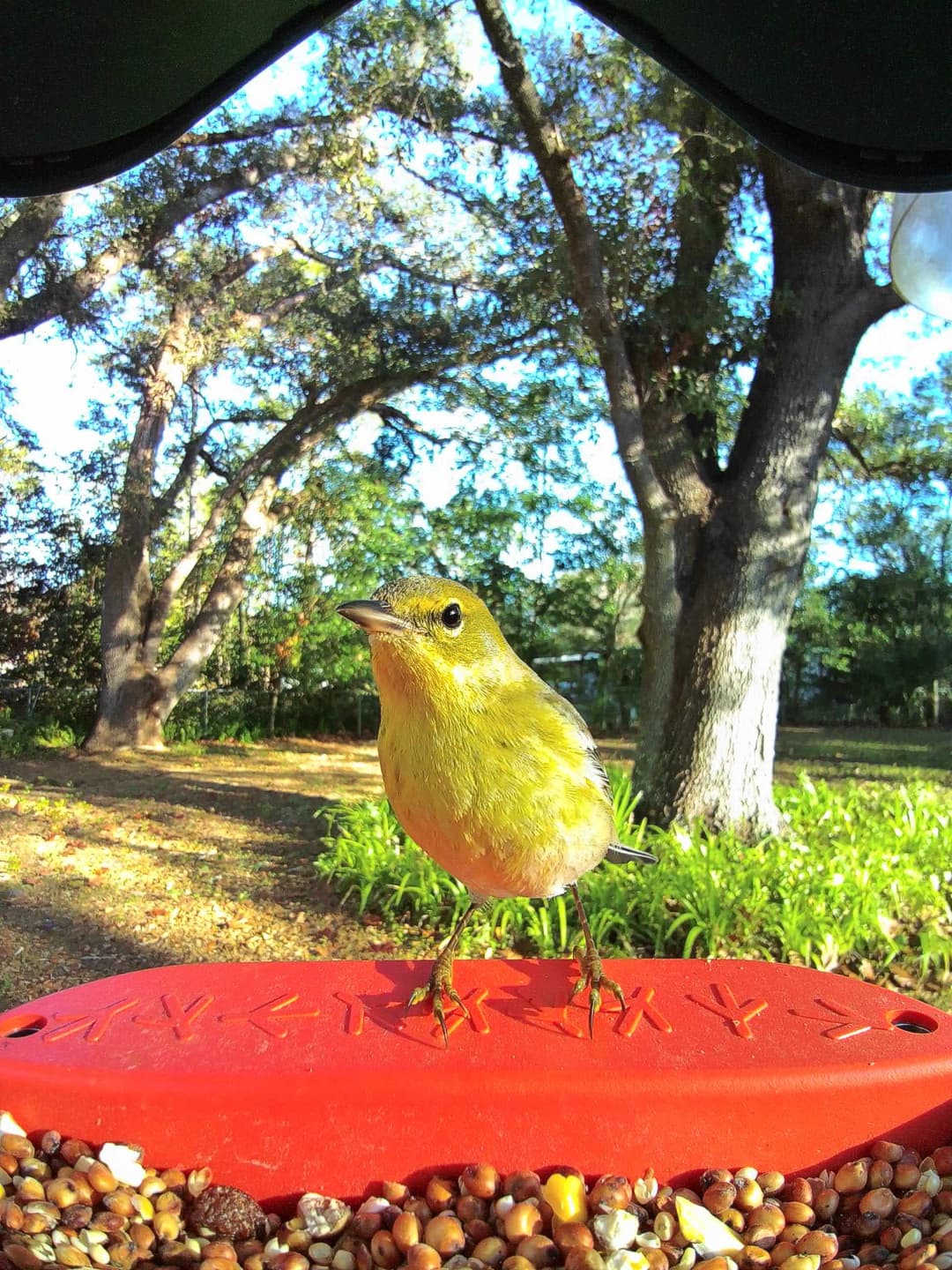
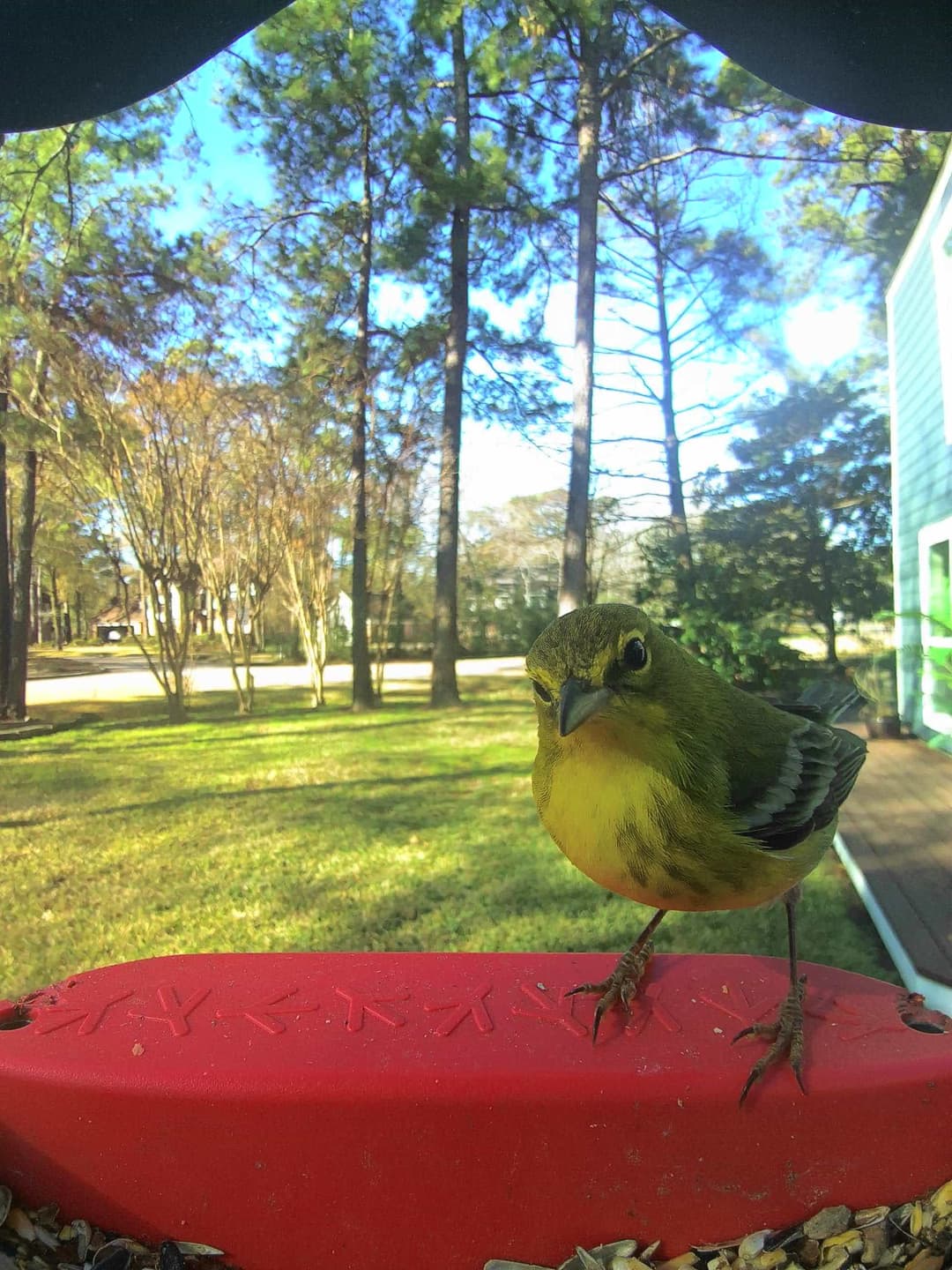
Black-Throated Blue Warbler vs Pine Warbler
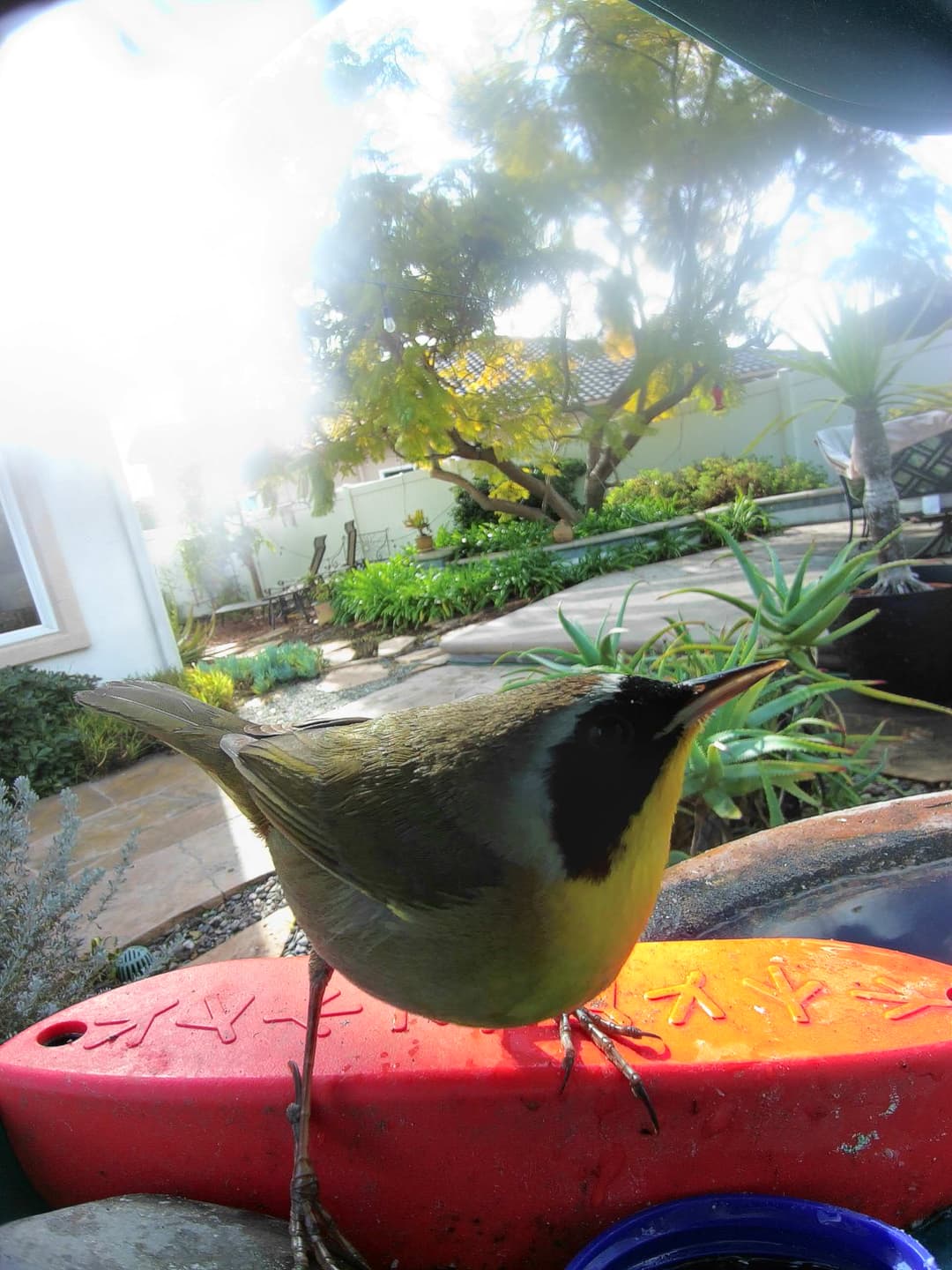
Black-Throated Blue Warbler vs Common Yellowthroat
Tennessee Warbler vs Orange-Crowned Warbler
Black-Throated Blue Warbler vs [Select a bird]

[Select a bird]
Pick a bird to compare
Tennessee Warbler vs [Select a bird]
[Select a bird]
Pick a bird to compare