Black-Throated Blue Warbler or Common Yellowthroat?
Here's how to tell the difference
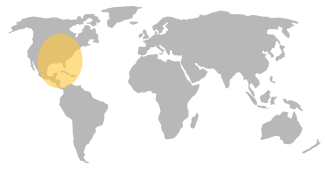

Black-Throated Blue Warbler


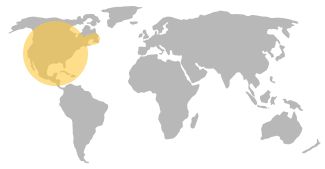
Common Yellowthroat
Black-Throated Blue Warbler
Setophaga caerulescens
General appearance
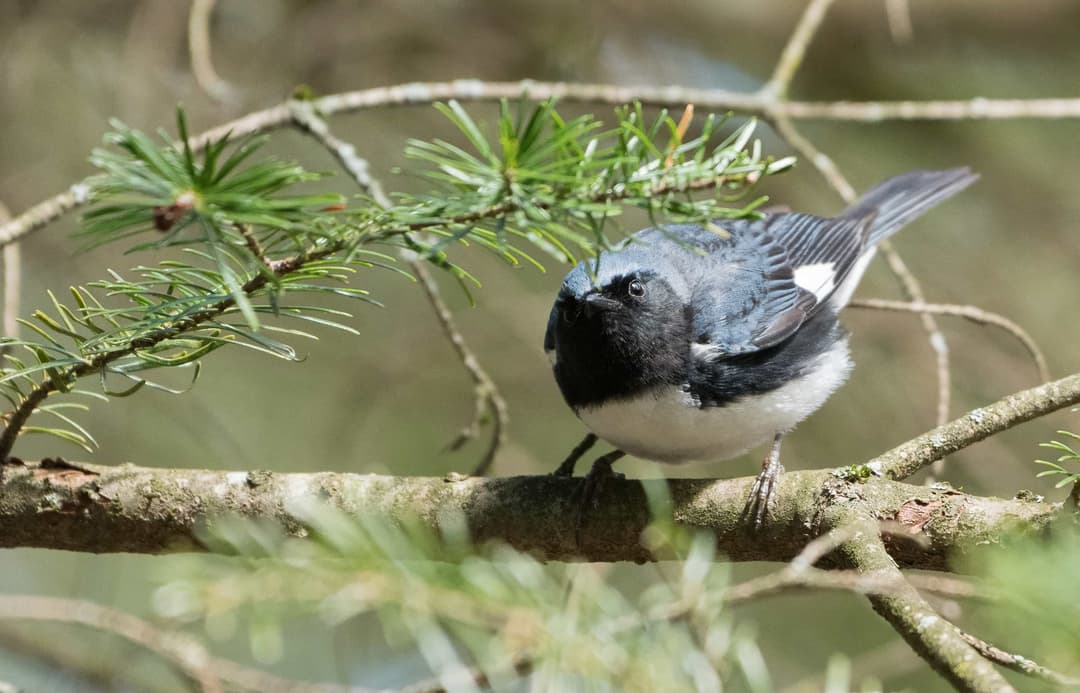
The black-throated blue warbler is approximately 13 cm in size, comparable to a sparrow. Its colors include black, blue, brown, tan, and white. The wing shape is rounded with a notched or square-tipped tail.
Male vs female
There are discernible differences between the genders. The male seems almost entirely black in shadows, with a white belly and a white spot on the wing. The female presents a more plain, dark upper body and buff lower body accompanied by a faint white wing spot and a dark cheek patch.
Juvenile
Younger females can be identified by the faint white wing spot which may not be as prominent as in mature females. Other physical traits and colorations are presumed to follow adult patterns, maturing with age.
Size
4.9 - 5.3 in/0.3 - 0.4 oz
There's more to learn about Black-Throated Blue Warbler
View full detailsCommon Yellowthroat
Geothlypis trichas
Also known as: Yellow Bandit
General appearance
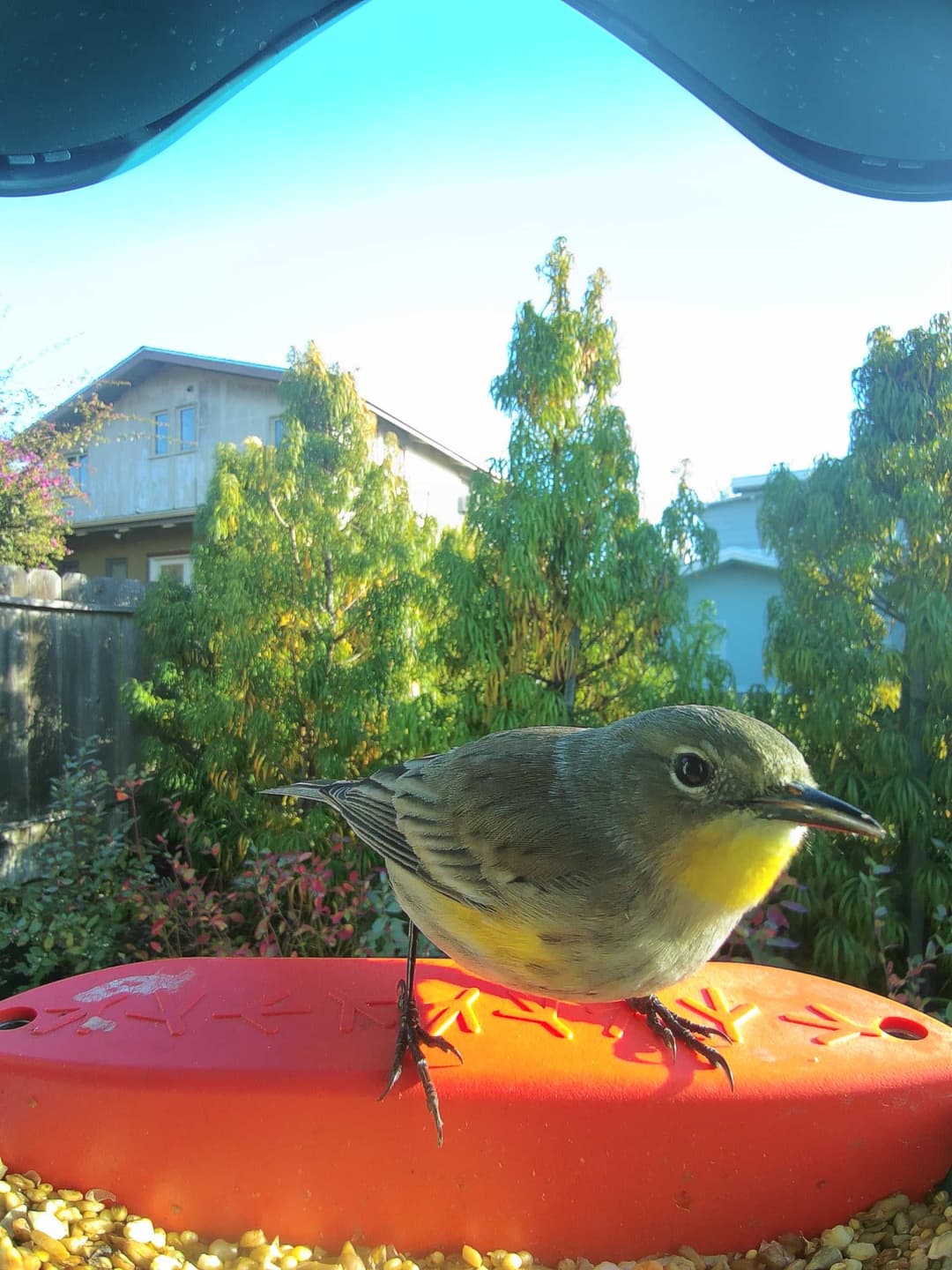
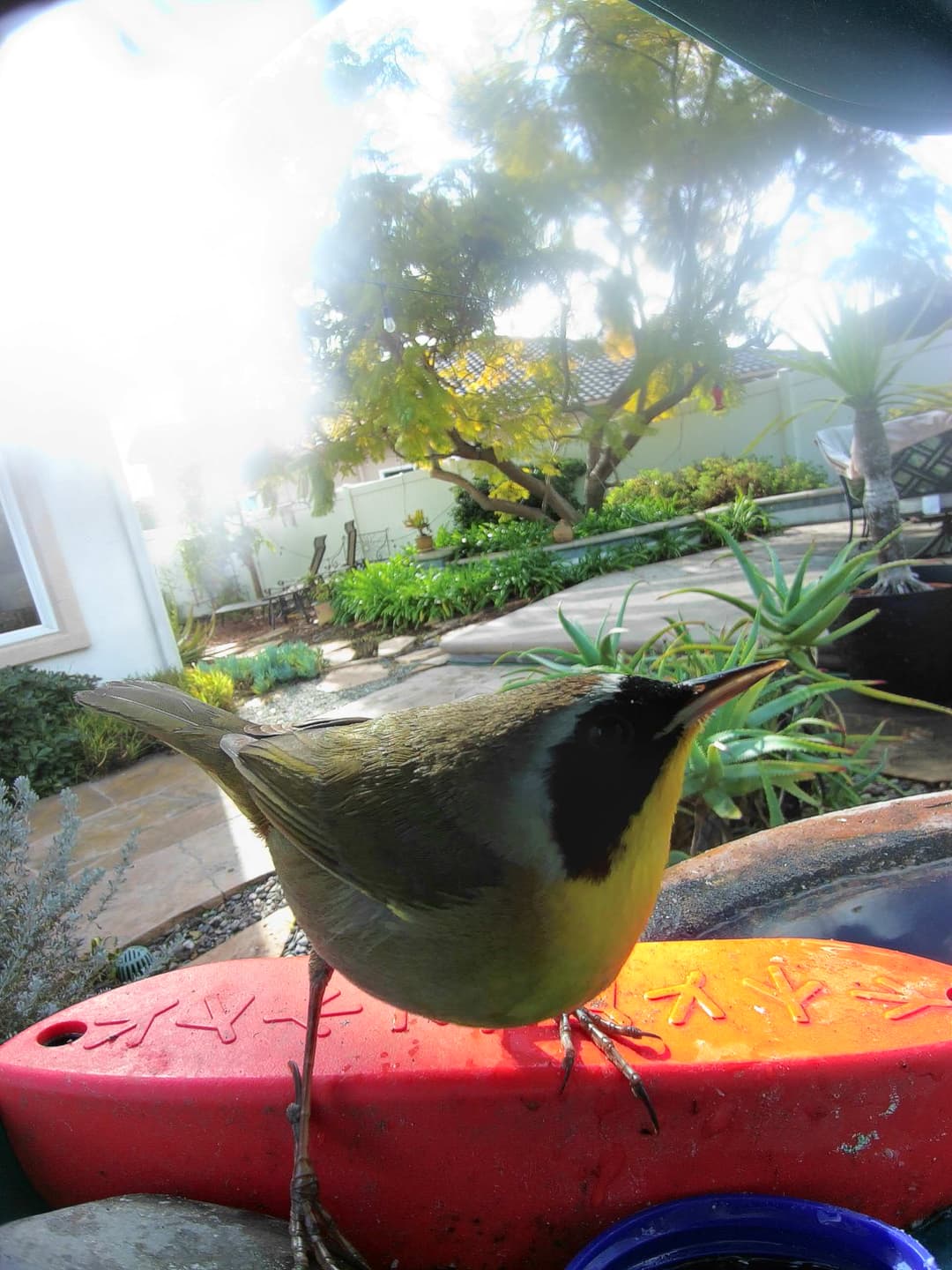
The common yellowthroat is a small warbler with a round body and a short, sleek tail. Overall plumage is olive-brown with a bright yellow throat and breast, and white underparts. It has a distinctive black face mask across the eyes, bordered by a thin white or gray line.
Male vs female
Males are easily identified by their vibrant black face masks and brighter yellow throats, while females lack the black mask and have duller olive tones. Females may also show a less vivid yellow throat and a more uniformly olive-brown appearance.
Juvenile
Juvenile common yellowthroats resemble adult females but appear even duller, with more muted tones and a less pronounced yellow on the throat. They lack the black mask seen in adult males.
Size
4.3 - 5.1 in/0.3 - 0.4 oz
There's more to learn about Common Yellowthroat
View full detailsHow to tell the Black-Throated Blue Warbler from the Common Yellowthroat
Visual differences
The Black-Throated Blue Warbler, averaging 5-5.3 inches in length, features distinct sexual dimorphism: males are mostly black with a white belly and wing spot, while females are dark with buff underparts. The Common Yellowthroat, measuring about 4.3-5.1 inches, is olive-brown with a bright yellow throat. Males have a distinctive black face mask, absent in females. Black-Throated Blues have a rounded wing with notched tail, while Yellowthroats display a round body with a short, sleek tail. Both species have small, sharp beaks, but the distinct face mask of the male Yellowthroat is a key identifier.
Key differences and behavior
The Black-Throated Blue Warbler and Common Yellowthroat exhibit distinct behaviors and preferences. The Black-Throated Blue Warbler often resides in dense woods and adapts to human environments during winter, while the Common Yellowthroat thrives in wet, brushy habitats like swamps and marshes. Black-Throated Blue Warblers can have multiple mates but often remain loyal to partners across seasons, whereas Common Yellowthroats are monogamous with hidden infidelities by females. When nesting, Black-Throated Blue Warblers choose thick shrubs close to the ground, while Common Yellowthroats nest low on dense vegetation in marshes. Dietary habits differ as well; the Black-Throated Blue Warbler feeds on insects, berries, and nectar, even visiting feeders for sugar water, whereas the Common Yellowthroat focuses on an insect-rich diet, rarely visiting feeders. These behavioral nuances aid in distinguishing the two species in their natural habitats.
Still not sure? Here are more lookalikes!
Black-Throated Blue Warbler vs Orange-Crowned Warbler
Black-Throated Blue Warbler vs Tennessee Warbler
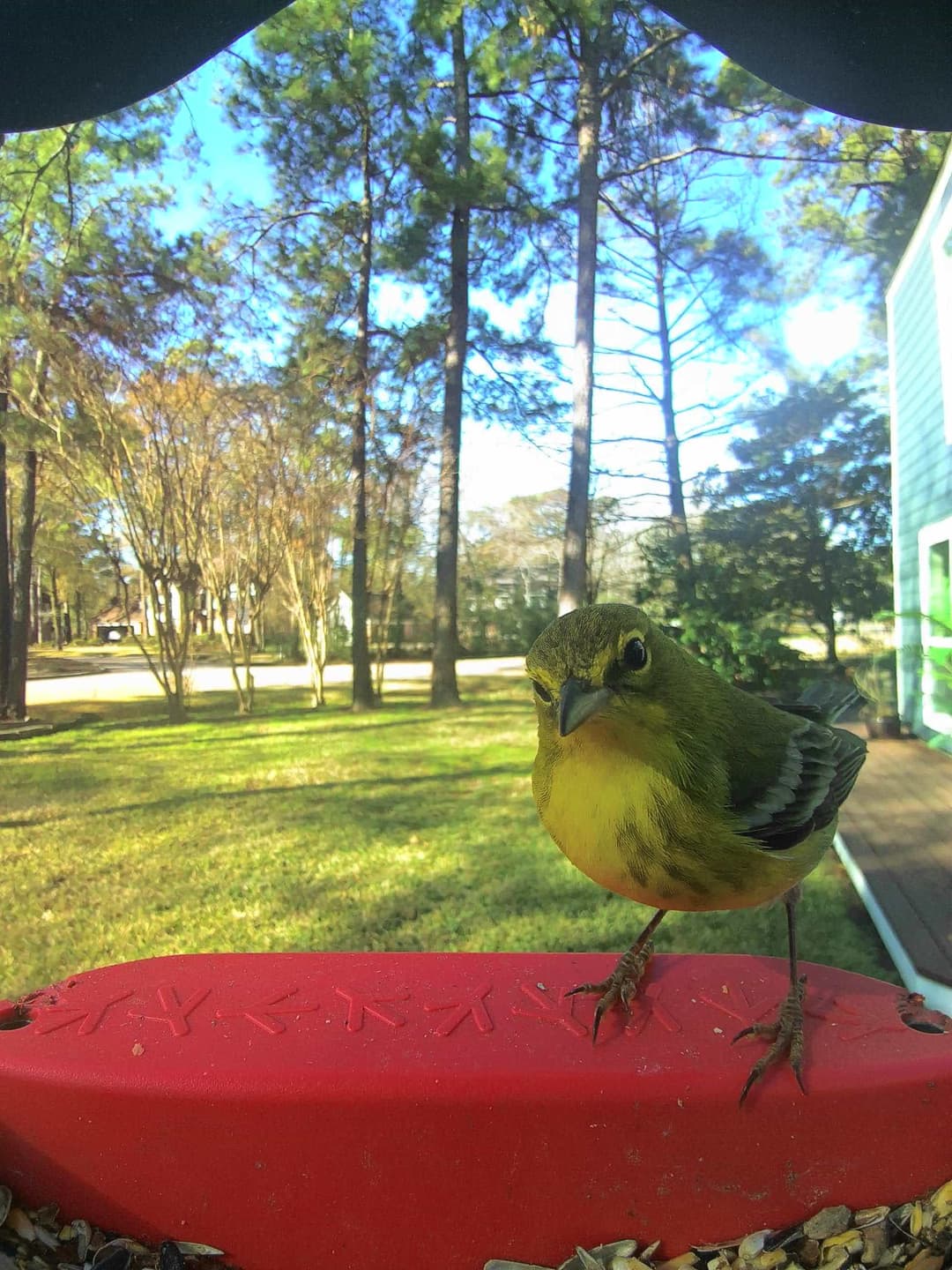
Black-Throated Blue Warbler vs Pine Warbler
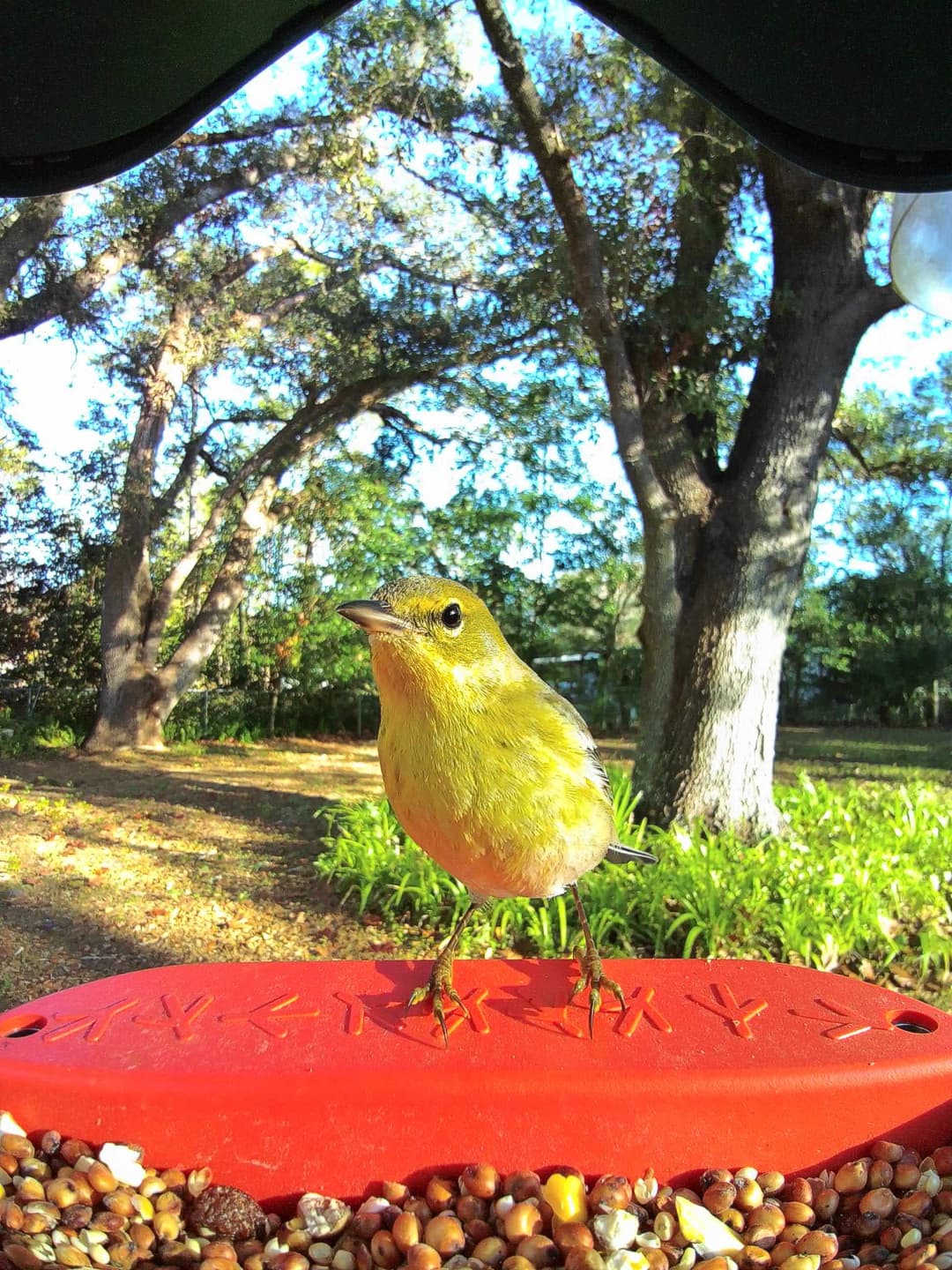
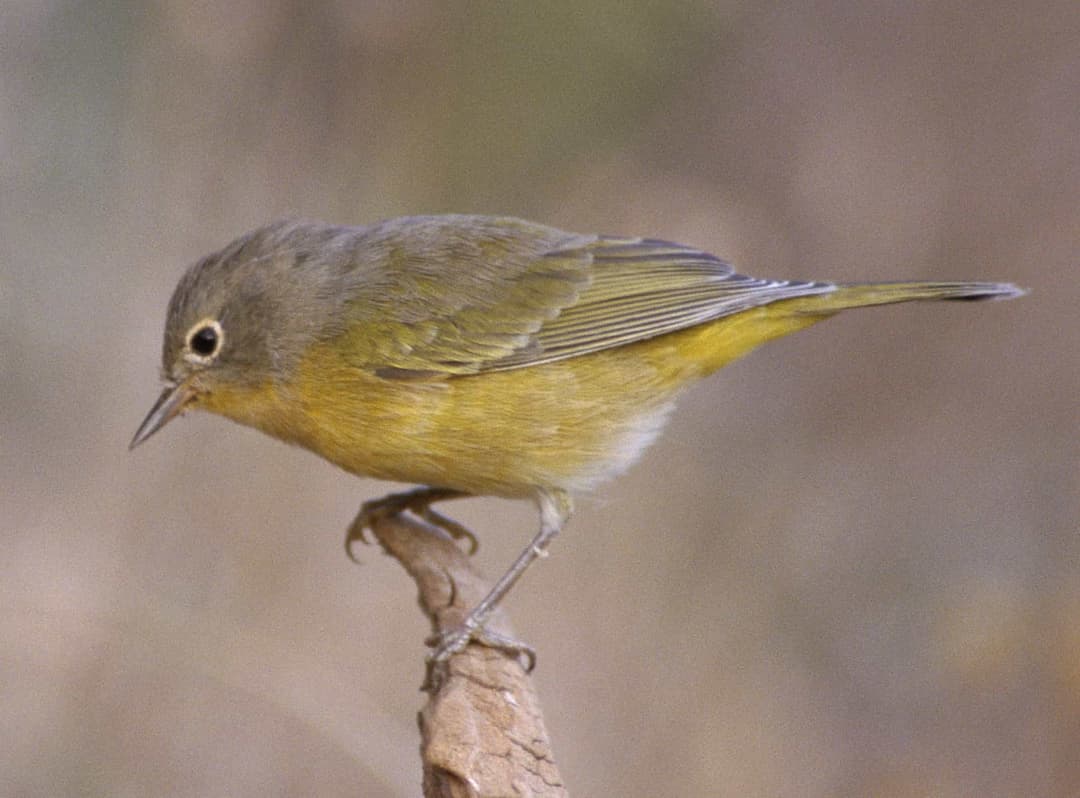
Common Yellowthroat vs Orange-Crowned Warbler
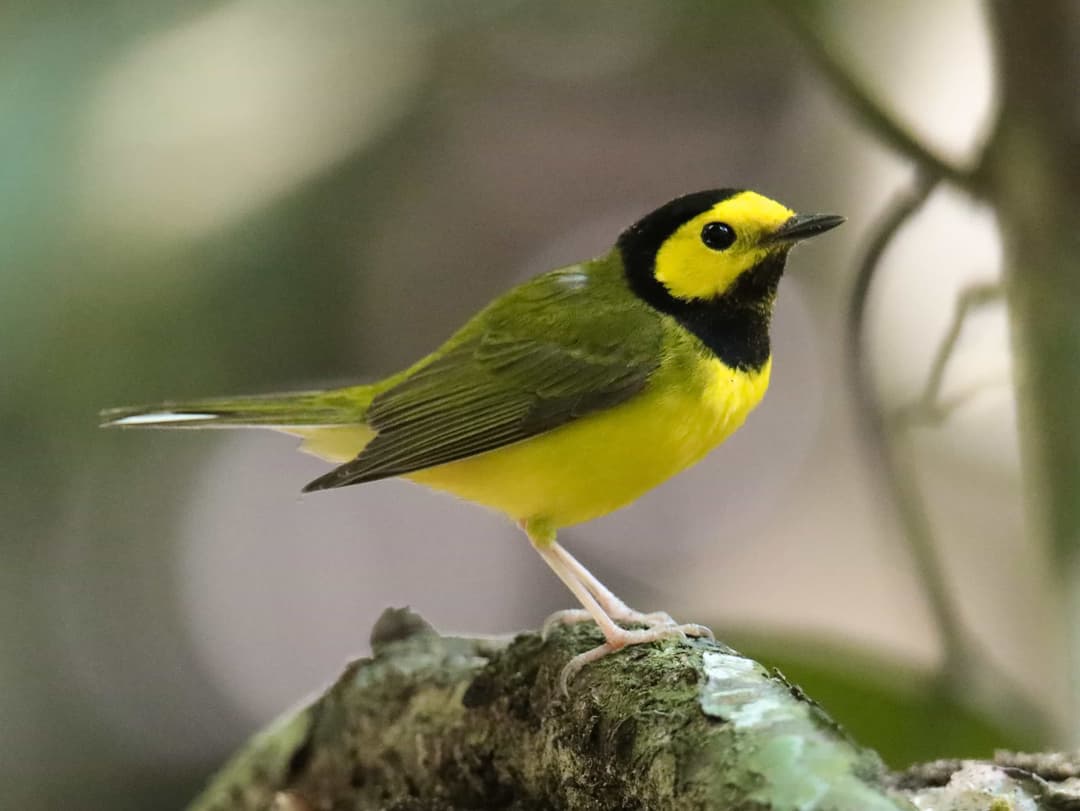
Common Yellowthroat vs Yellow-Breasted Chat
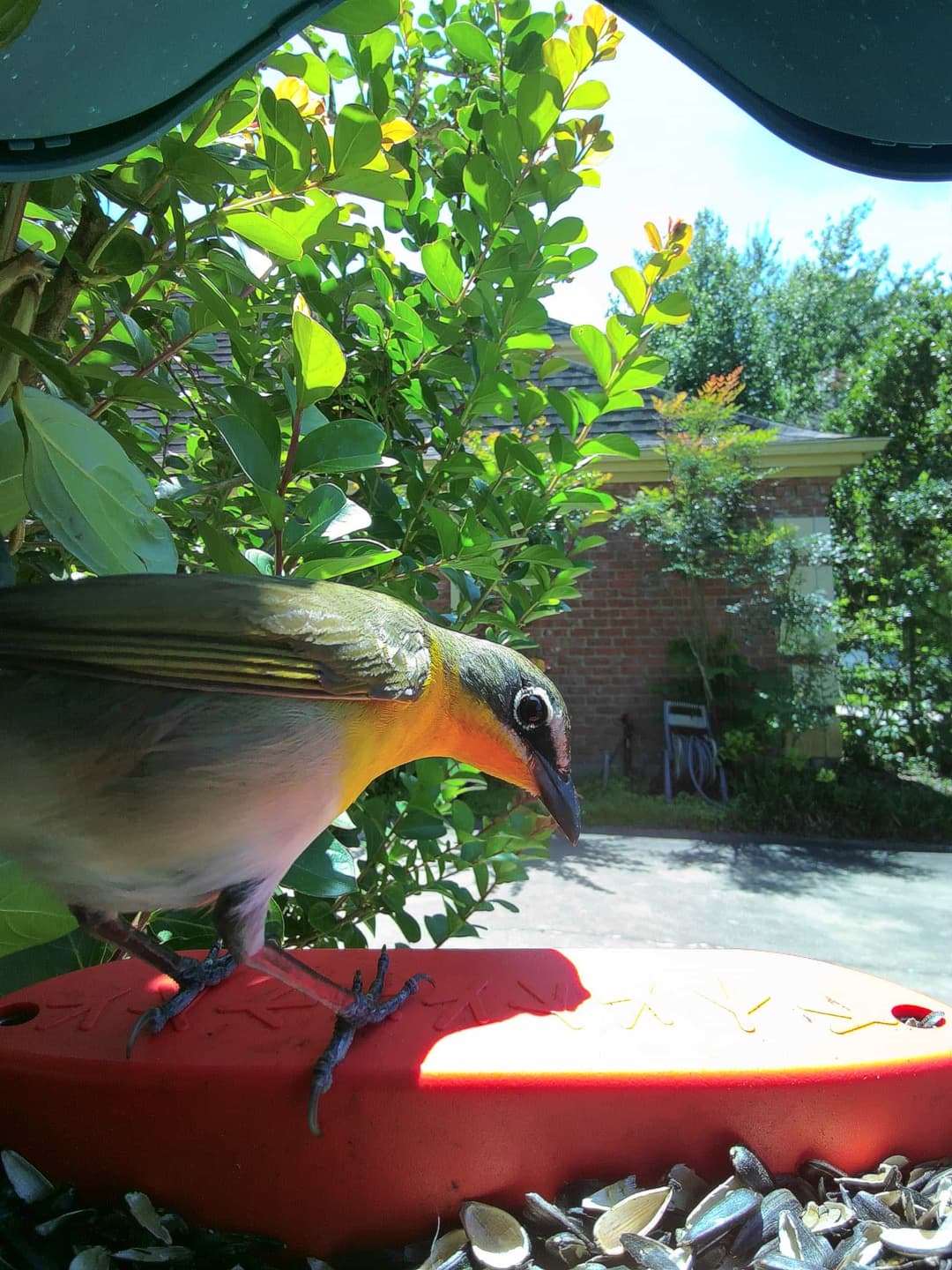
Black-Throated Blue Warbler vs [Select a bird]

[Select a bird]
Pick a bird to compare
Common Yellowthroat vs [Select a bird]
[Select a bird]
Pick a bird to compare