Mountain Chickadee or Bridled Titmouse?
Here's how to tell the difference


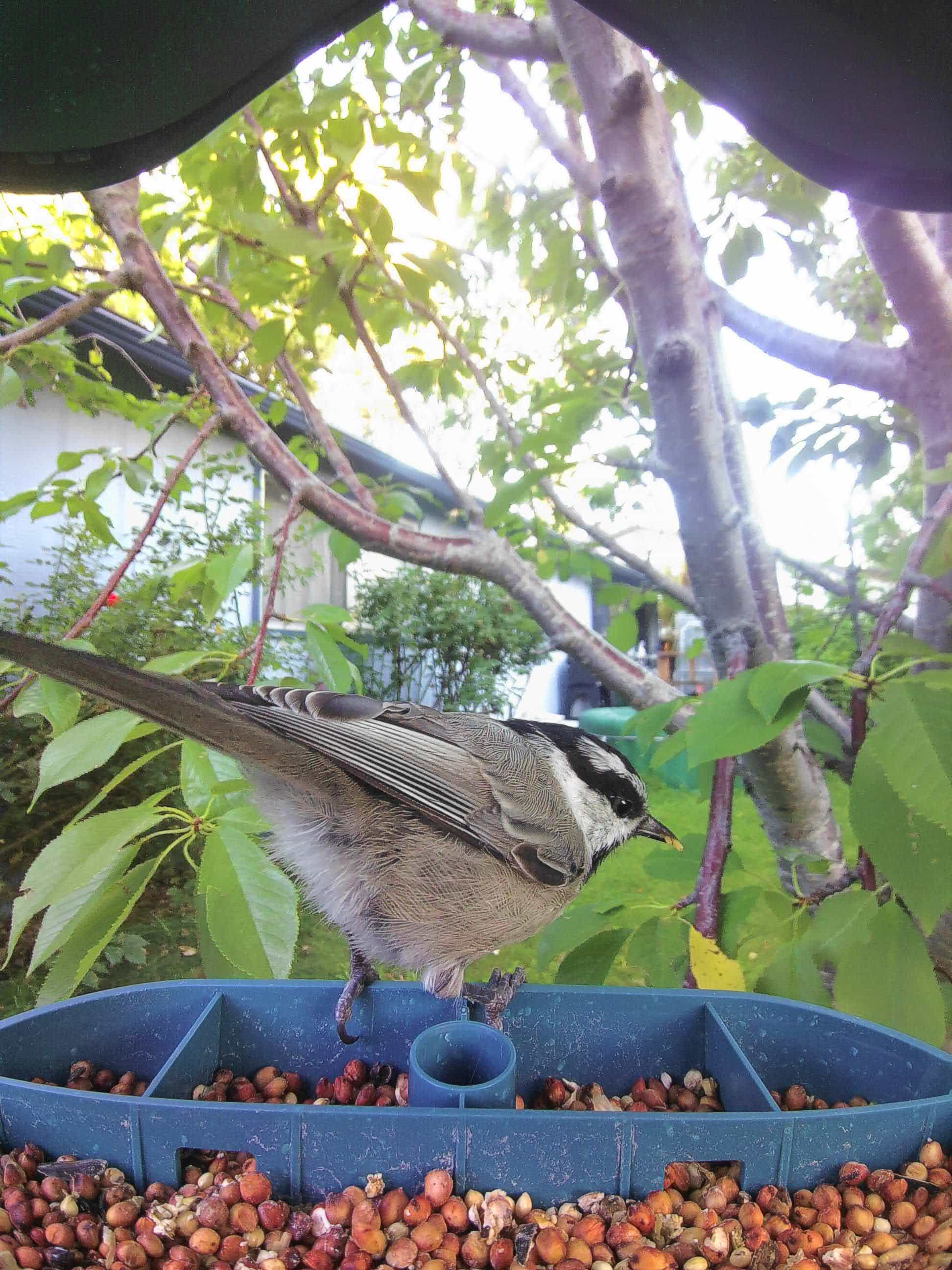


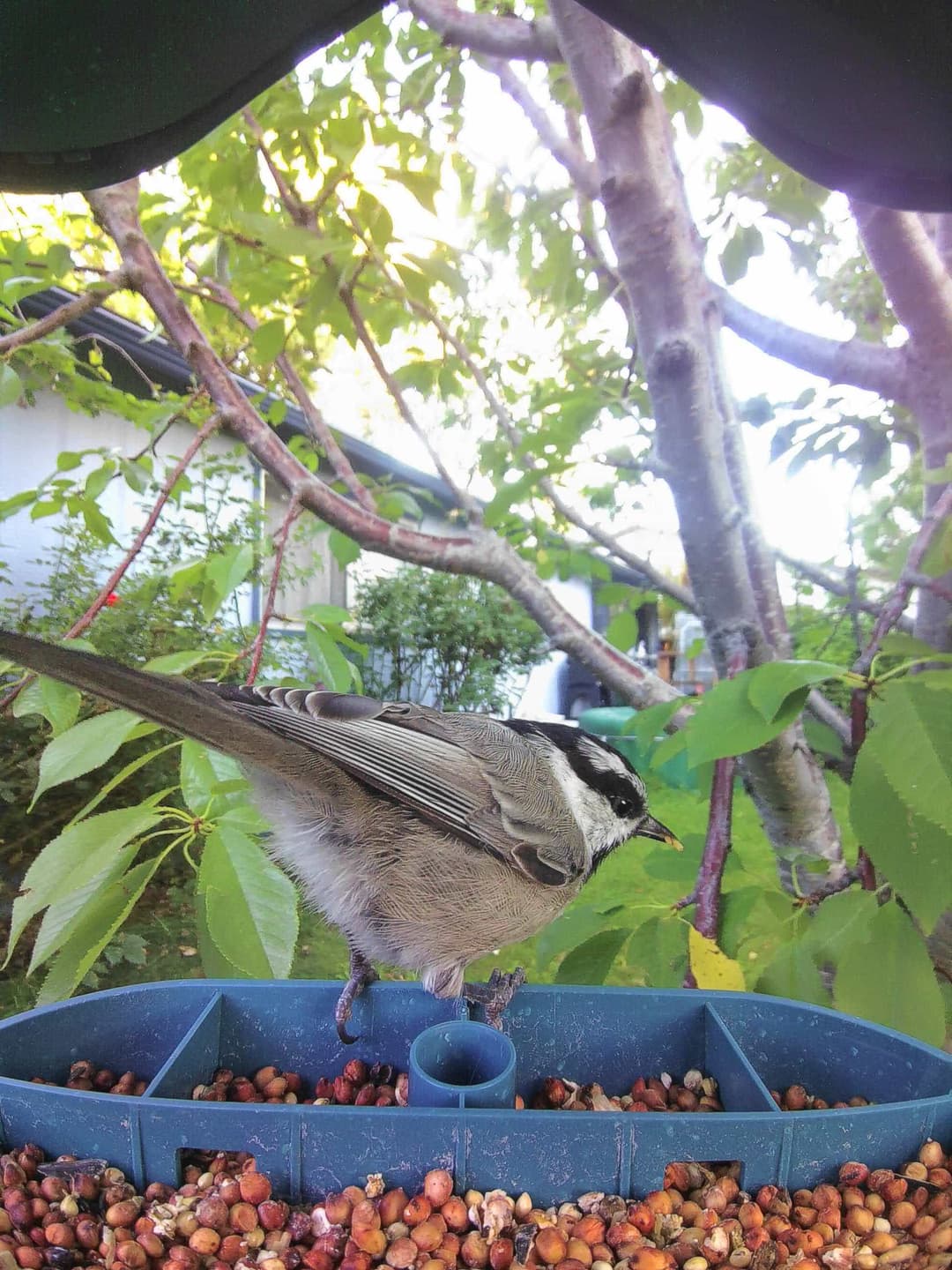
Mountain Chickadee


Bridled Titmouse
Mountain Chickadee
Poecile gambeli
General appearance
The mountain chickadee is approximately 5-5 3/4 inches (13-15 cm) long, roughly the size of a sparrow. Its characteristic features include a black cap and bib. A distinctive white eyebrow, which may be broad or narrow, breaks the black cap. Their wings are rounded while the tail shape varies from notched to rounded or square-tipped. They sport the colors of nature: black, gray, and white.
Male vs female
Males and females of the mountain chickadee species are identical in their physical appearance and there are no significant size or color variations between the two. They both sport the same black cap, whites eyebrow, and gray body coloration.
Juvenile
Young mountain chickadees resemble adults, but their plumages may be less vibrant and the distinct white eyebrow may be difficult to make out. Depending on the season, the plumage of all mountain chickadees, including juveniles, may be in worn condition, making the white eyebrow particularly difficult to see.
Size
4.7 - 5.9 in/0.3 - 0.5 oz
There's more to learn about Mountain Chickadee
View full detailsBridled Titmouse
Baeolophus wollweberi
General appearance
The bridled titmouse is a small bird with a distinctive black and white pattern. It features a prominent black crest and black face with contrasting white cheeks. Its back is a dusky gray, while the underparts are lighter gray. The wings possess a subtle white edging, and the tail is relatively short.
Male vs female
Males and females of the bridled titmouse look alike, both exhibiting the same black and white facial pattern and gray body. There are no significant differences in size or coloration between the sexes, making it difficult to distinguish between them based purely on appearance.
Juvenile
Juvenile bridled titmice resemble adults but often have less-defined markings. Their colors may appear duller, and their crests are typically shorter. As they mature, their plumage becomes clearer and more contrasting, akin to adult birds.
Size
4.5 - 5.0 in/0.3 - 0.4 oz
There's more to learn about Bridled Titmouse
View full detailsHow to tell the Mountain Chickadee from the Bridled Titmouse
Visual differences
The Mountain Chickadee, at 5-5¾ inches long, sports a black cap, bib, and a distinctive white eyebrow contrasted with its gray body, rounded wings, and varied tail shapes. In contrast, the Bridled Titmouse, slightly smaller at 4½-5 inches, features a notable black crest and face with standout white cheeks, a gray back, and lighter underparts. Both sexes appear identical within each species, and juvenile markings tend to be less defined. The chickadee's appearance is generally more monotone, while the titmouse displays a bolder facial pattern.
Key differences and behavior
The Mountain Chickadee and the Bridled Titmouse both exhibit distinctive behaviors that aid in field identification. Mountain Chickadees, residing in high-altitude coniferous forests, are agile feeders that hang upside down to forage on insects, seeds, and berries, frequently visiting bird feeders for a diverse diet. Their breeding involves active mutual preening and site nesting in tree cavities. In contrast, Bridled Titmice, found in oak and sycamore canyons, practice cooperative breeding with family assistance. Their diet also includes insects and seeds, with similar feeder preferences. However, their documented mating behaviors are less detailed. While chickadees are notable for their adaptive foraging techniques, bridled titmice are unique for their social nest-building and family-oriented care, helping distinguish their field presence.
Still not sure? Here are more lookalikes!
Mountain Chickadee vs Black-Capped Chickadee
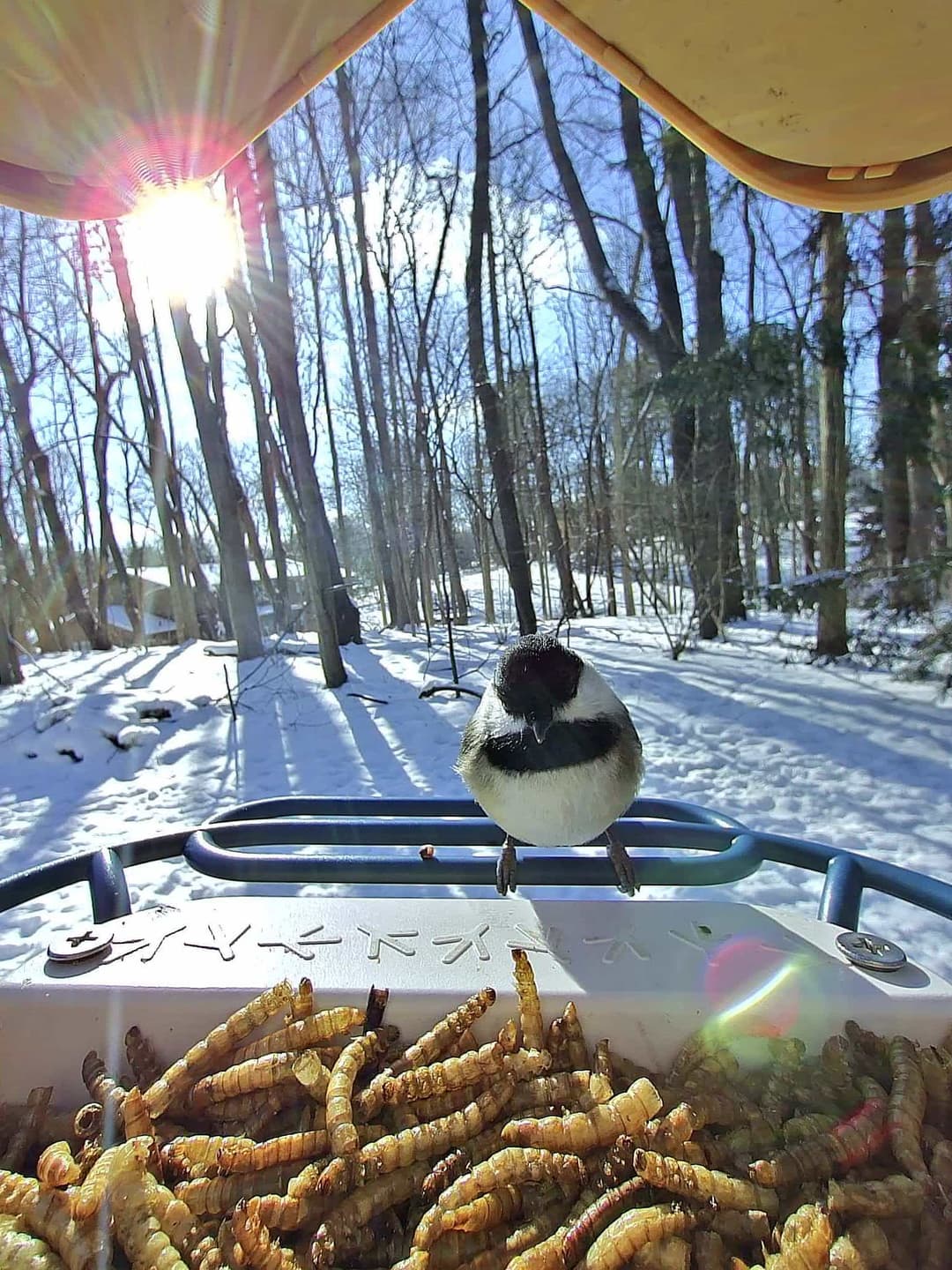
Mountain Chickadee vs Boreal Chickadee
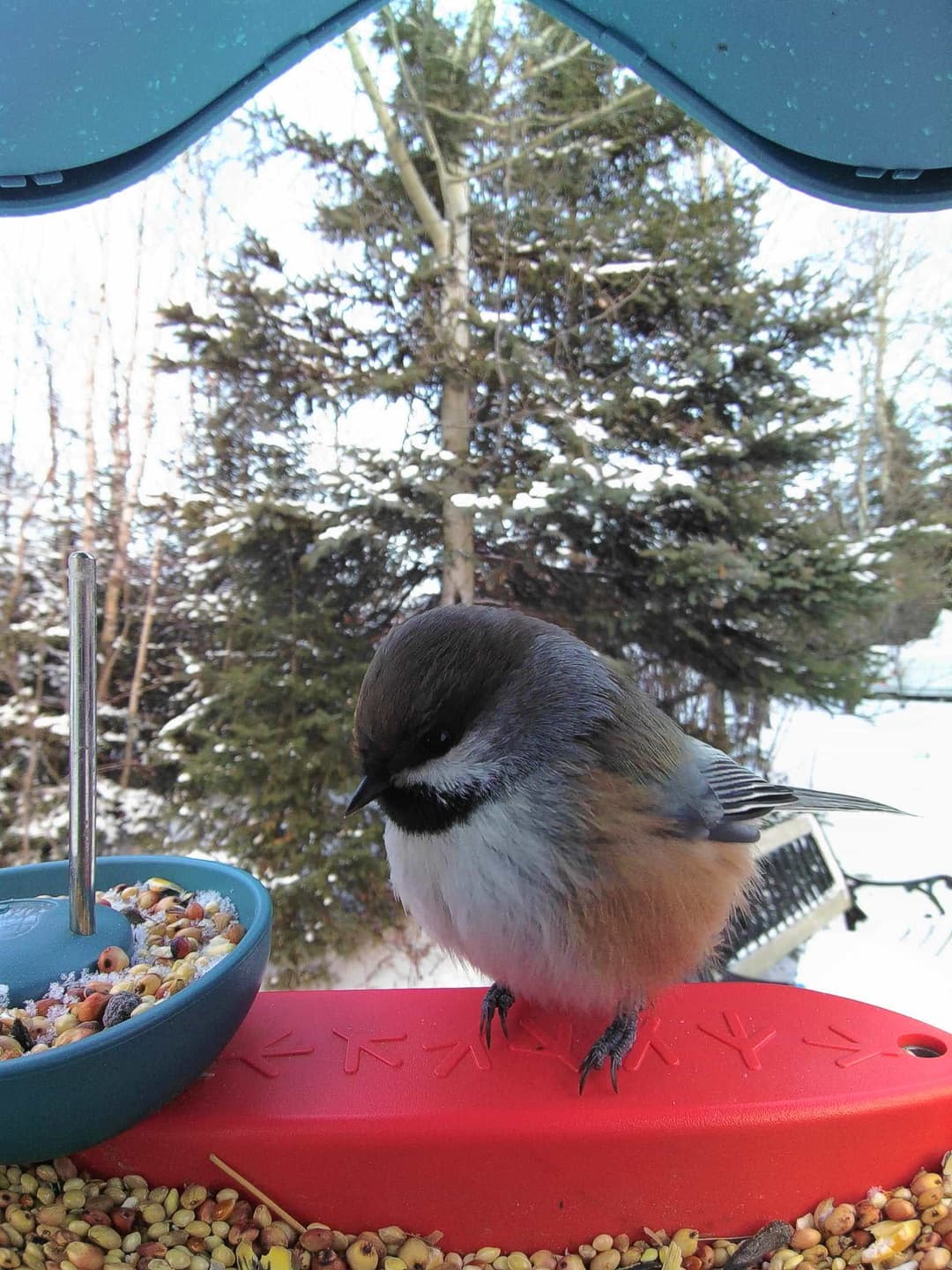
Mountain Chickadee vs Chestnut-Backed Chickadee
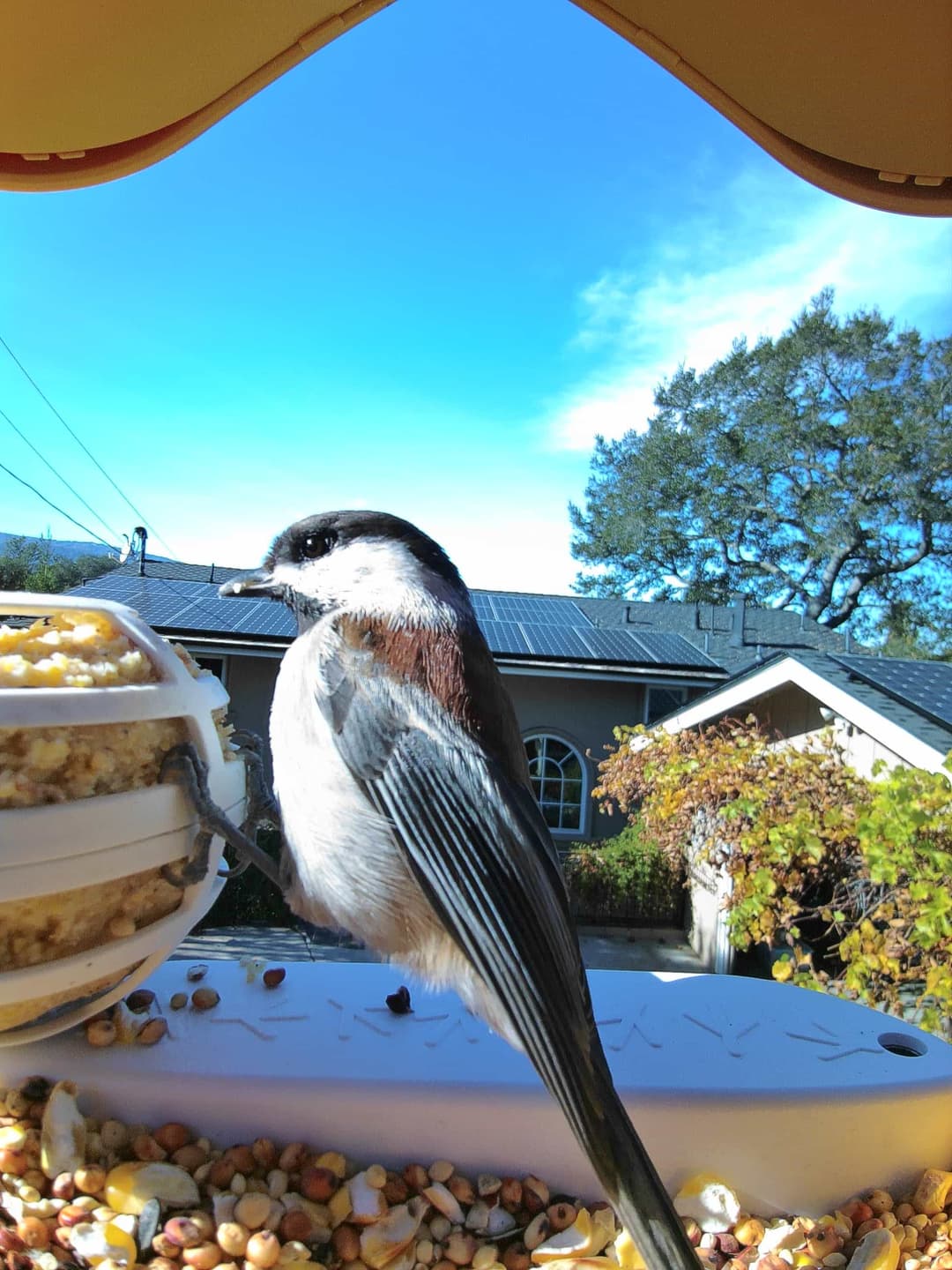
Mountain Chickadee vs Carolina Chickadee
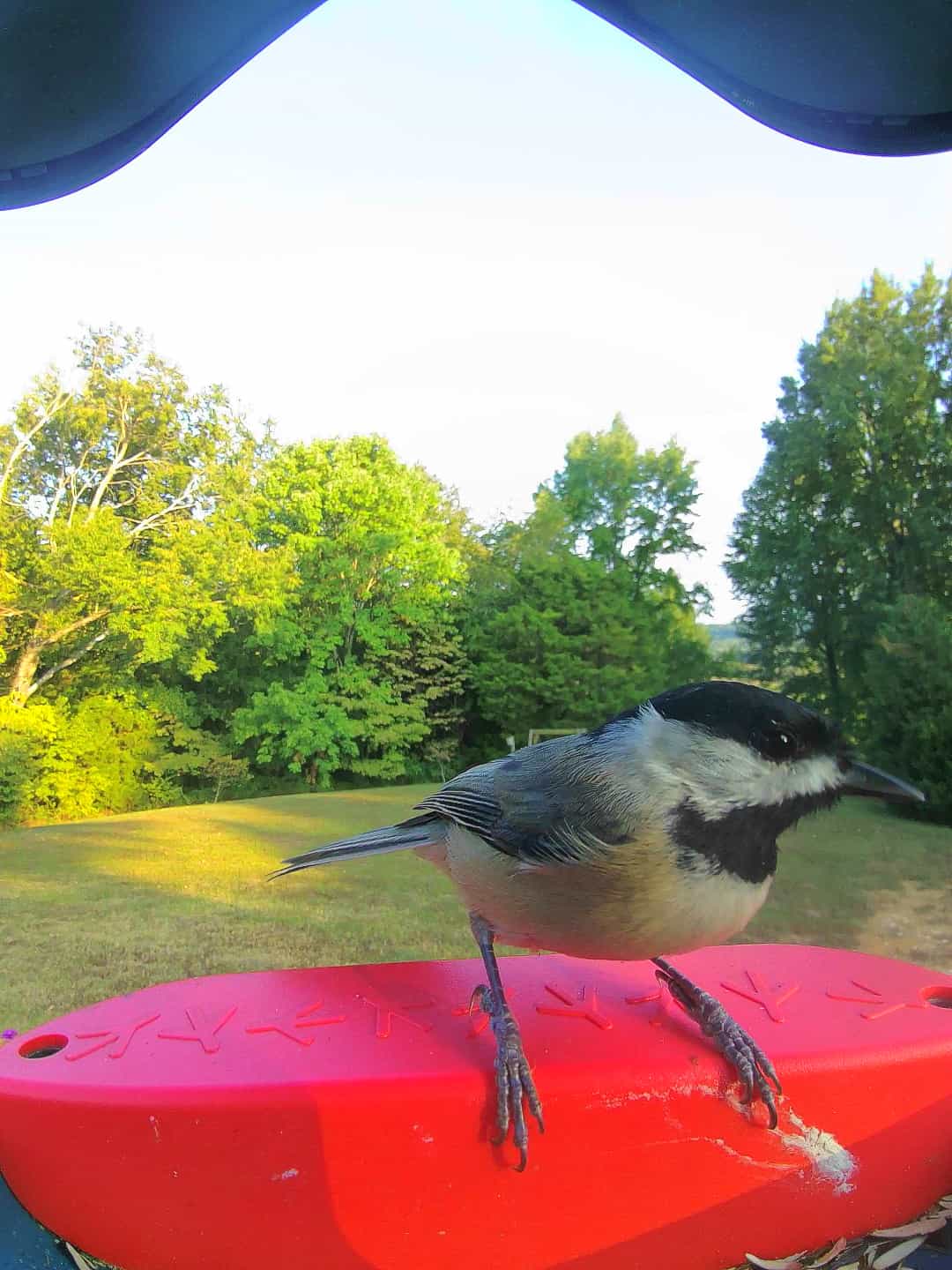
Bridled Titmouse vs Black-Crested Titmouse

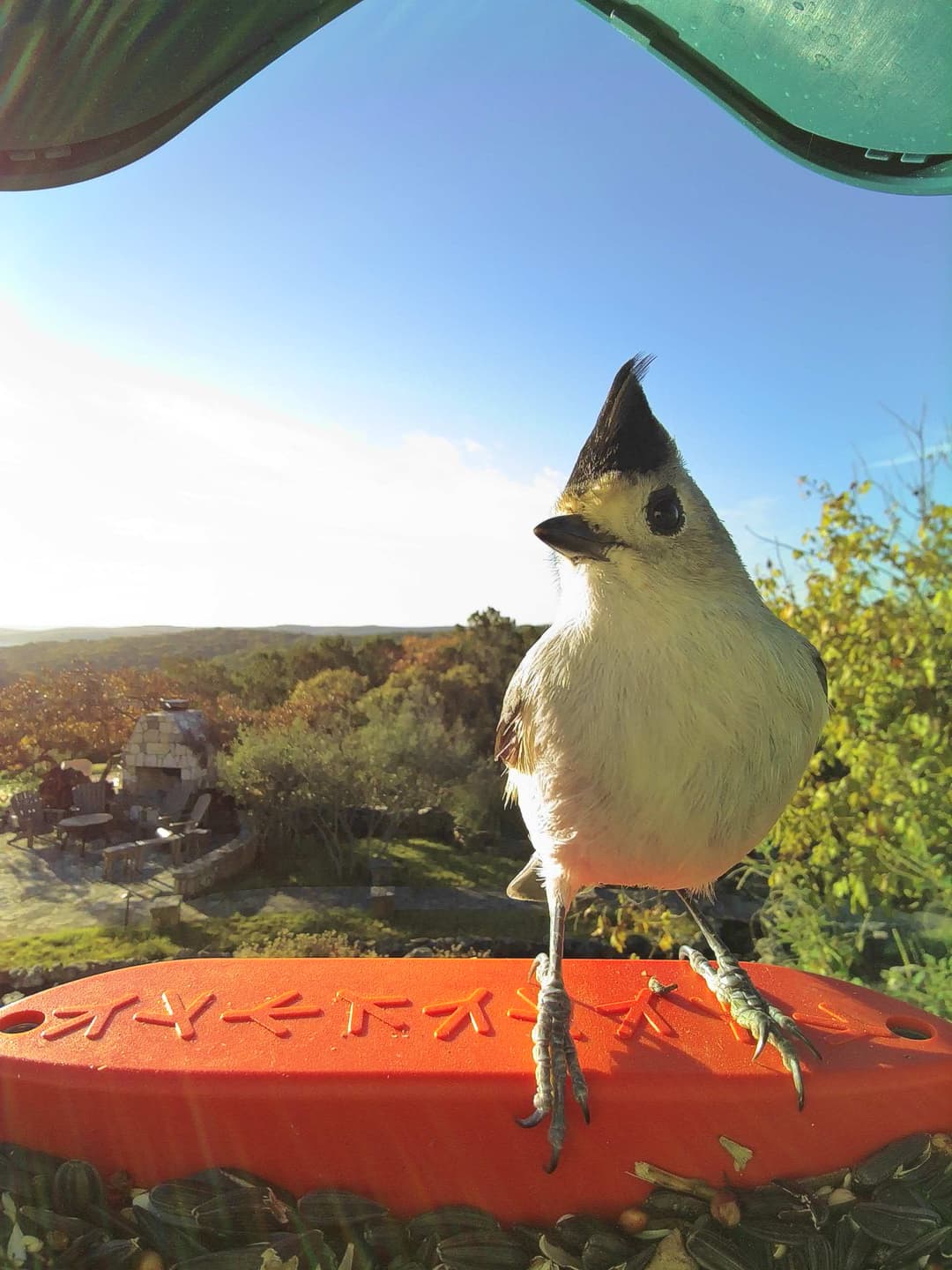
Mountain Chickadee vs [Select a bird]

[Select a bird]
Pick a bird to compare
Bridled Titmouse vs [Select a bird]
[Select a bird]
Pick a bird to compare