Oak Titmouse or Juniper Titmouse?
Here's how to tell the difference


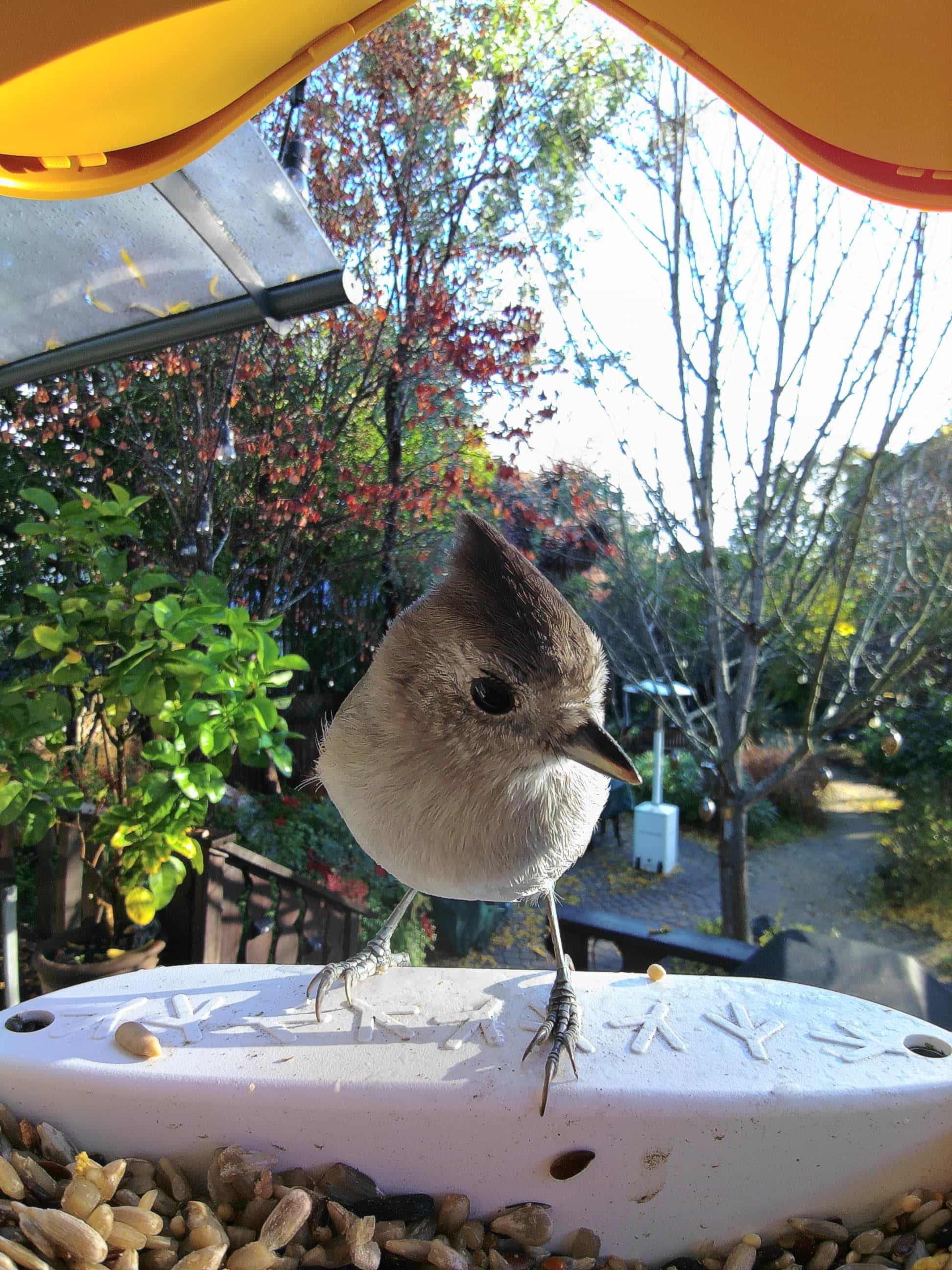


Oak Titmouse
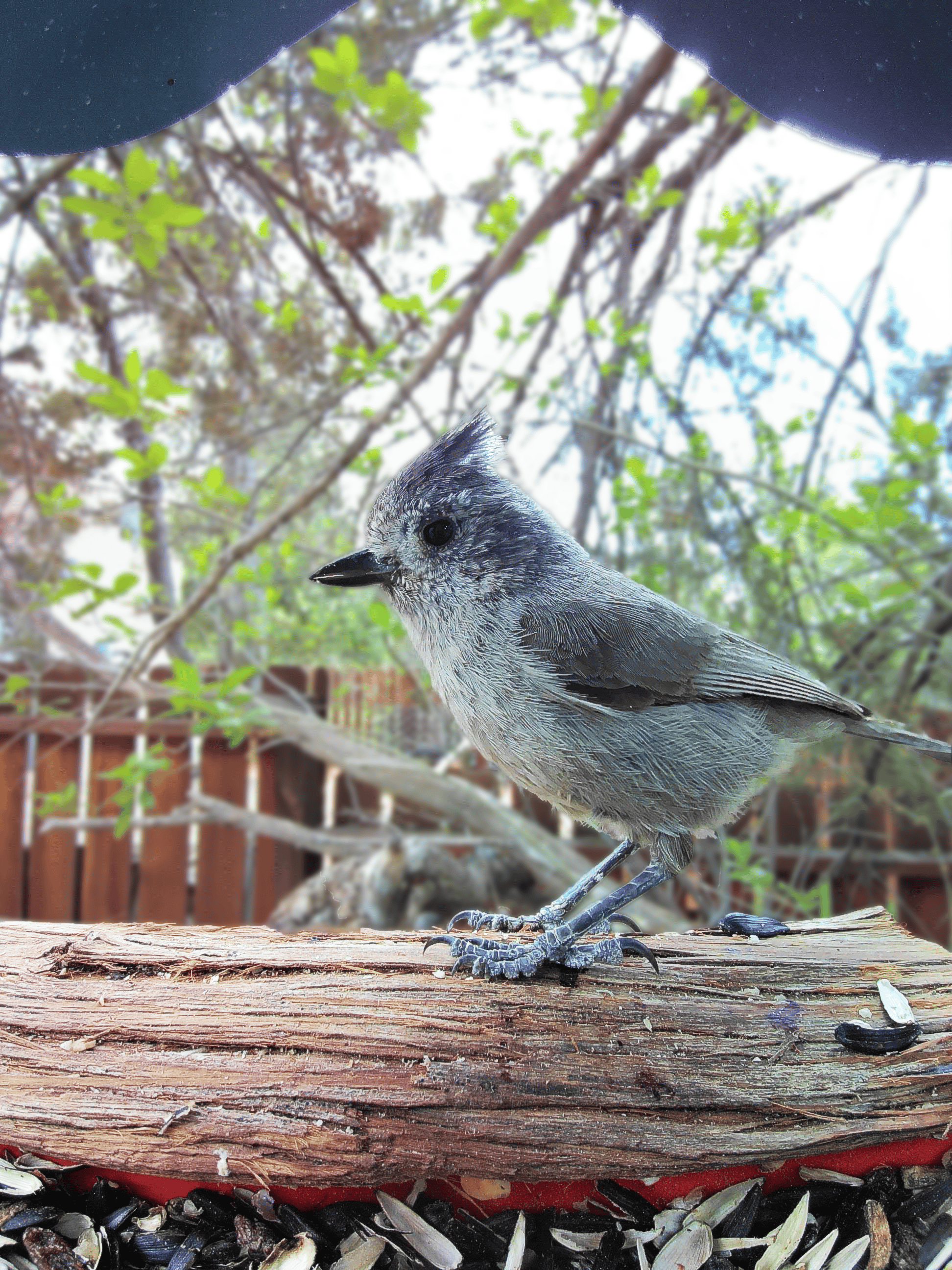


Juniper Titmouse
Oak Titmouse
Baeolophus inornatus
General appearance
The oak titmouse has a size of 5-5 1/2'' (13-14 cm), similar to a sparrow. It sports a gray or brownish-gray hue with a slightly paler underpart. This bird possesses a short crest that may be raised or almost flattened against its head. The face is very plain, and the bird's wing and tail shapes are rounded.
Male vs female
No significant visual difference is present between male and female oak titmice, as both genders share the same coloration and physical traits. This phenomenon is called sexual monomorphism. To differentiate between males and females, one must observe behavioral differences or have a professional perform a closer examination.
Juvenile
Juvenile oak titmice are similar in appearance to adults. However, they might be slightly duller in coloration. As they mature, they will develop the distinctive gray or brownish-gray hues that characterize adult oak titmice, along with the possible short crest.
Size
5.9 - 6.3 in/0.4 - 0.7 oz
There's more to learn about Oak Titmouse
View full detailsJuniper Titmouse
Baeolophus ridgwayi
General appearance
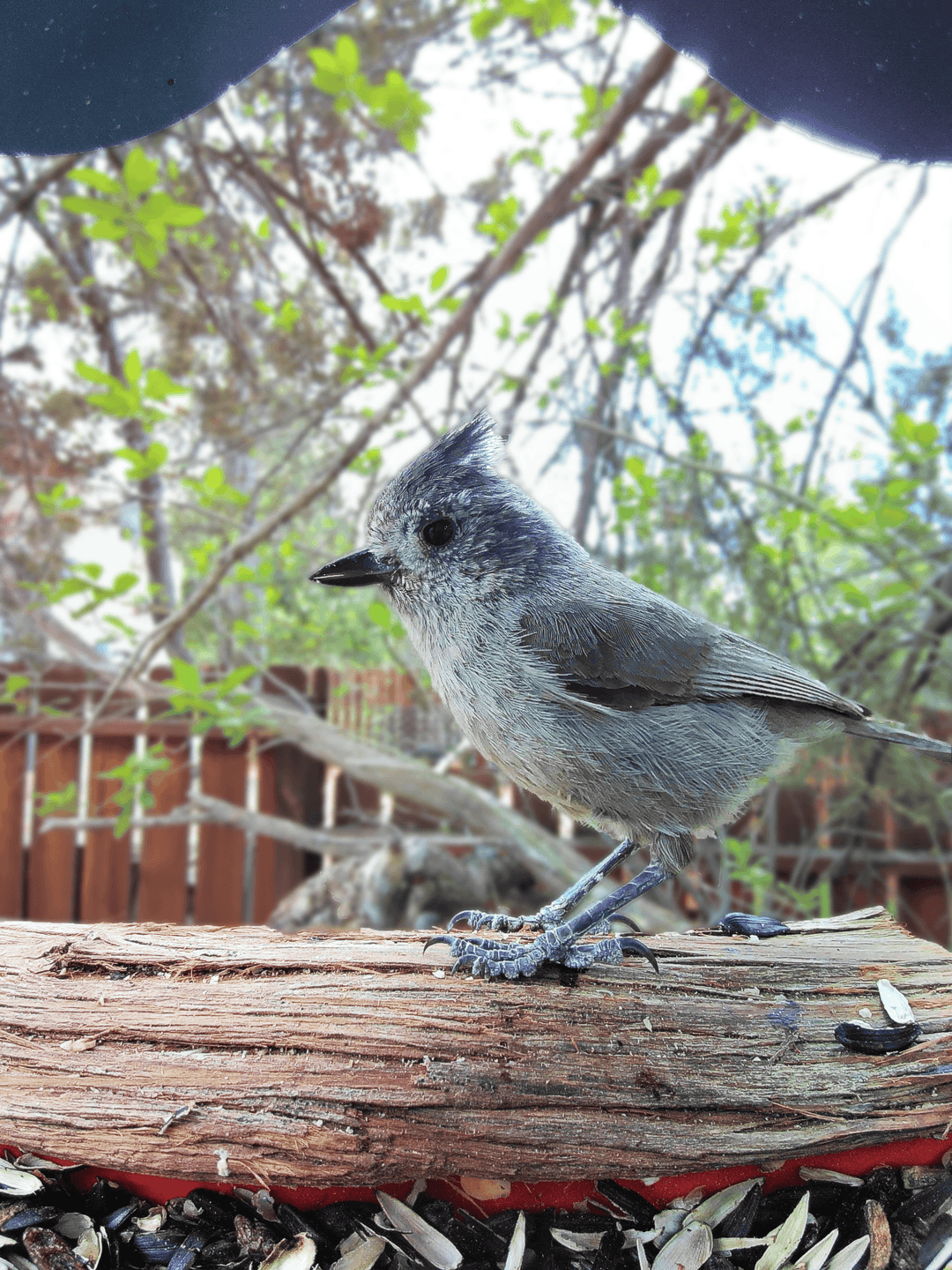
The Juniper Titmouse is a plain, grayish bird with a short crest, roughly the size of a Sparrow, about 15 cm in length. It possesses distinctly rounded wings and a rounded, square-tipped tail. Appearance is very similar to that of the Oak Titmouse, however, it tends to be a bit grayer with less brownish coloring.
Male vs female
This bird species does not have distinct differences in appearance between males and females. Both sexes share similar size and coloration, rendering gender identification in the wild considerably difficult based purely on physical appearance.
Juvenile
Young Juniper Titmice closely resemble adults, maintaining the same general appearance and grayish coloring. Attention to location may aid in identification as range is separate except very locally in northeast California. There are currently no documented seasonal variations in appearance.
Size
5.0 - 6.0 in/0.5 - 0.8 oz
There's more to learn about Juniper Titmouse
View full detailsHow to tell the Oak Titmouse from the Juniper Titmouse
Visual differences
The Oak Titmouse and Juniper Titmouse are similar in size, around 5 to 5.5 inches long, with both displaying a short crest. The Oak Titmouse has a gray or brownish-gray hue with slightly paler underparts, while the Juniper Titmouse is typically grayer with less brown. Both have rounded wings and tails, with no significant visual differences between males and females or between adults and juveniles. Differences in appearance are subtle, with slight coloration distinctions being the primary way to tell them apart visually.
Key differences and behavior
Oak and Juniper Titmice exhibit distinct behavioral differences. Oak Titmice prefer oak woodlands, often where oaks meet streamside trees, while Juniper Titmice favor open woods with pinyon pines and junipers. Both species are monogamous and defend year-round territories, but Oak Titmice do not form winter flocks, focusing instead on lifelong pair bonds. In contrast, Juniper Titmice are bold defenders of nests, especially during incubation, often hissing when threatened. Their diets are similar, primarily insectivorous with a penchant for seeds and nuts, and both visit feeders for sunflower seeds and peanuts. Both species nest in cavities with mated pairs cooperating in nest preparation and chick-rearing roles. However, the Juniper Titmouse might show more preference for artificial nest boxes. These behavioral and habitat distinctions are key for field identification.
Still not sure? Here are more lookalikes!
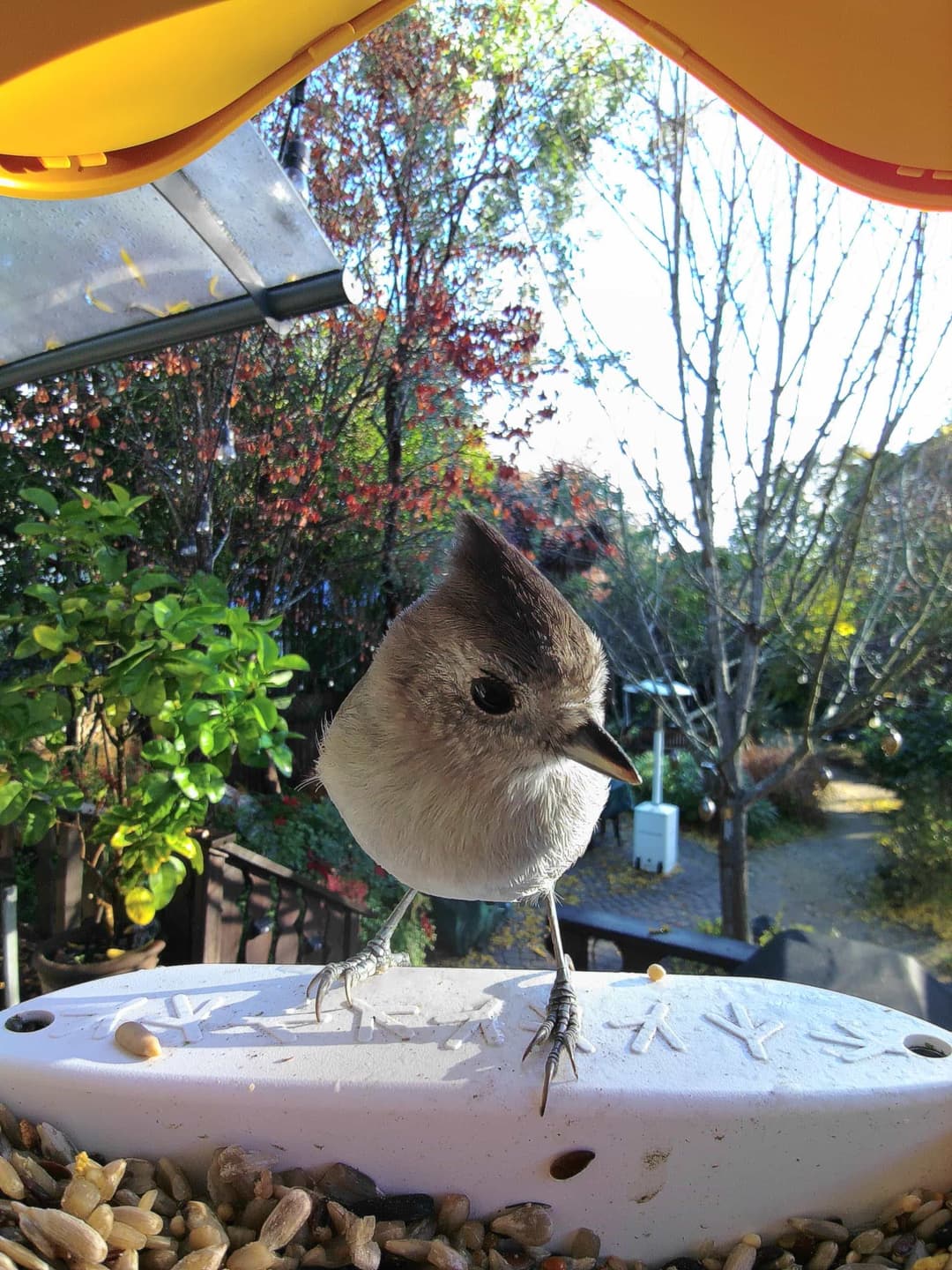
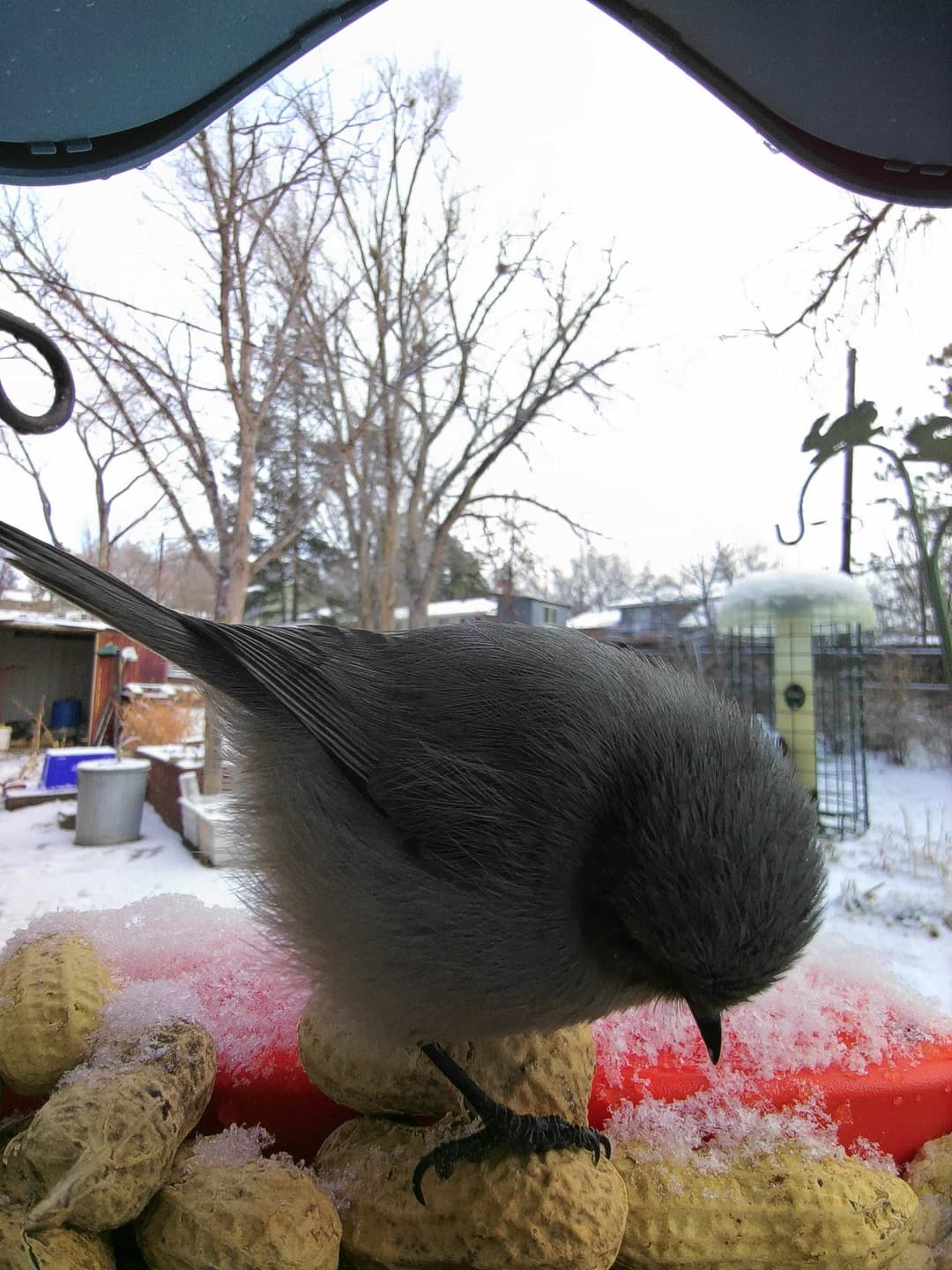
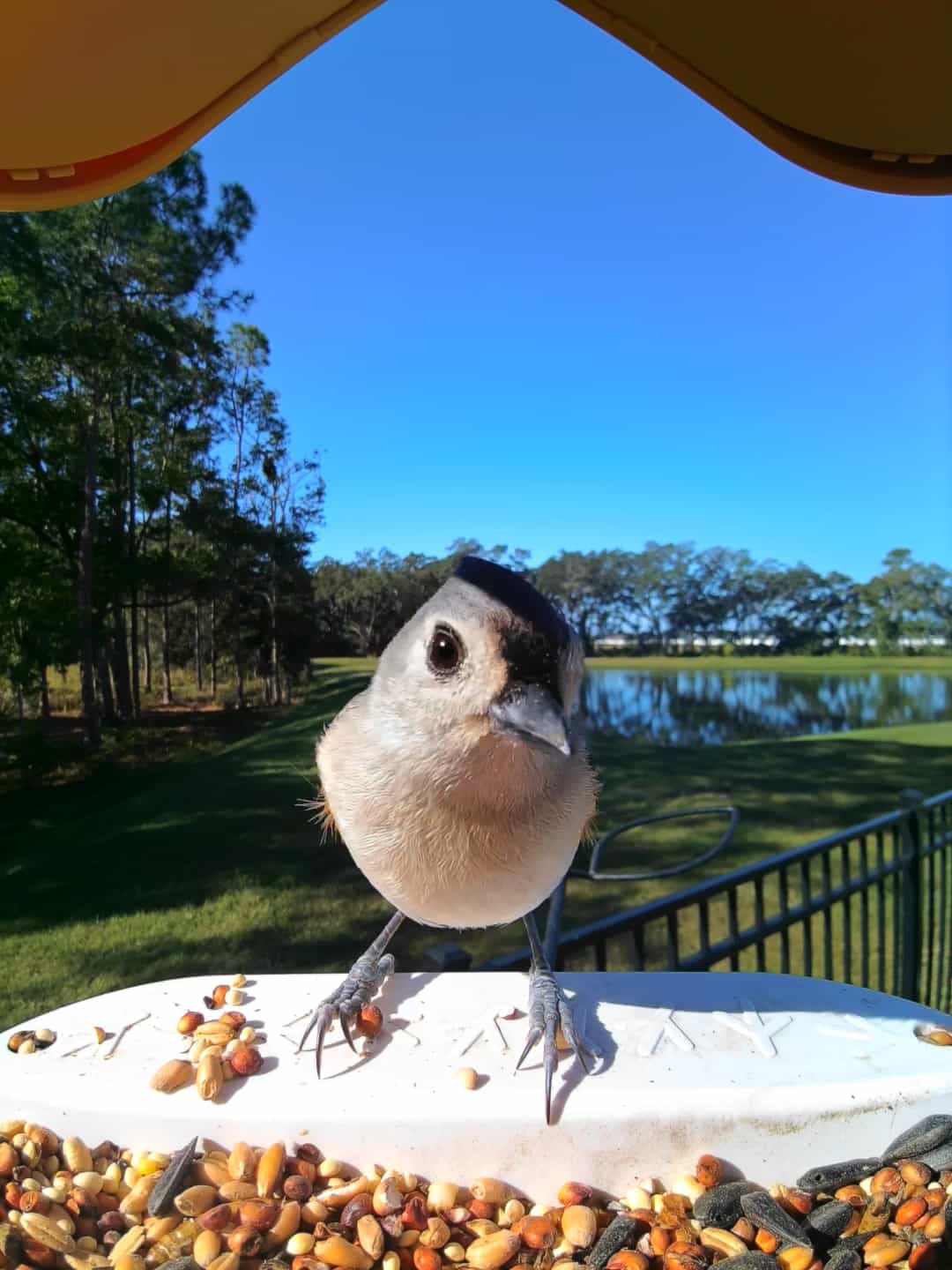
Oak Titmouse vs Tufted Titmouse
Juniper Titmouse vs Tufted Titmouse
Oak Titmouse vs [Select a bird]

[Select a bird]
Pick a bird to compare
Juniper Titmouse vs [Select a bird]
[Select a bird]
Pick a bird to compare