Bushtit or Juniper Titmouse?
Here's how to tell the difference
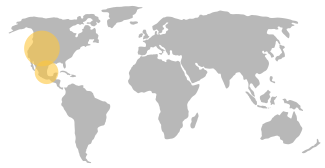
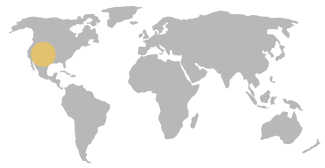
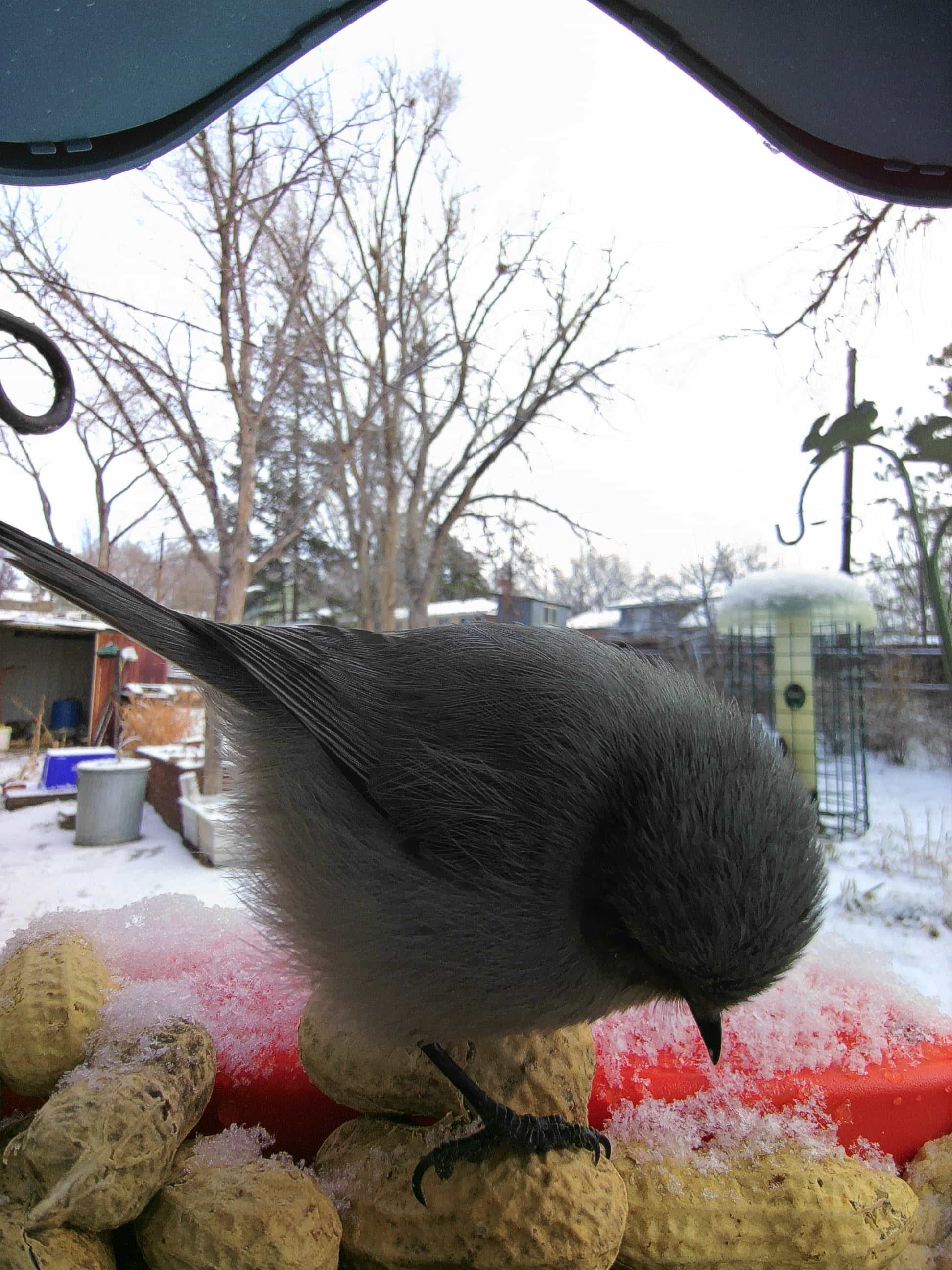


Bushtit
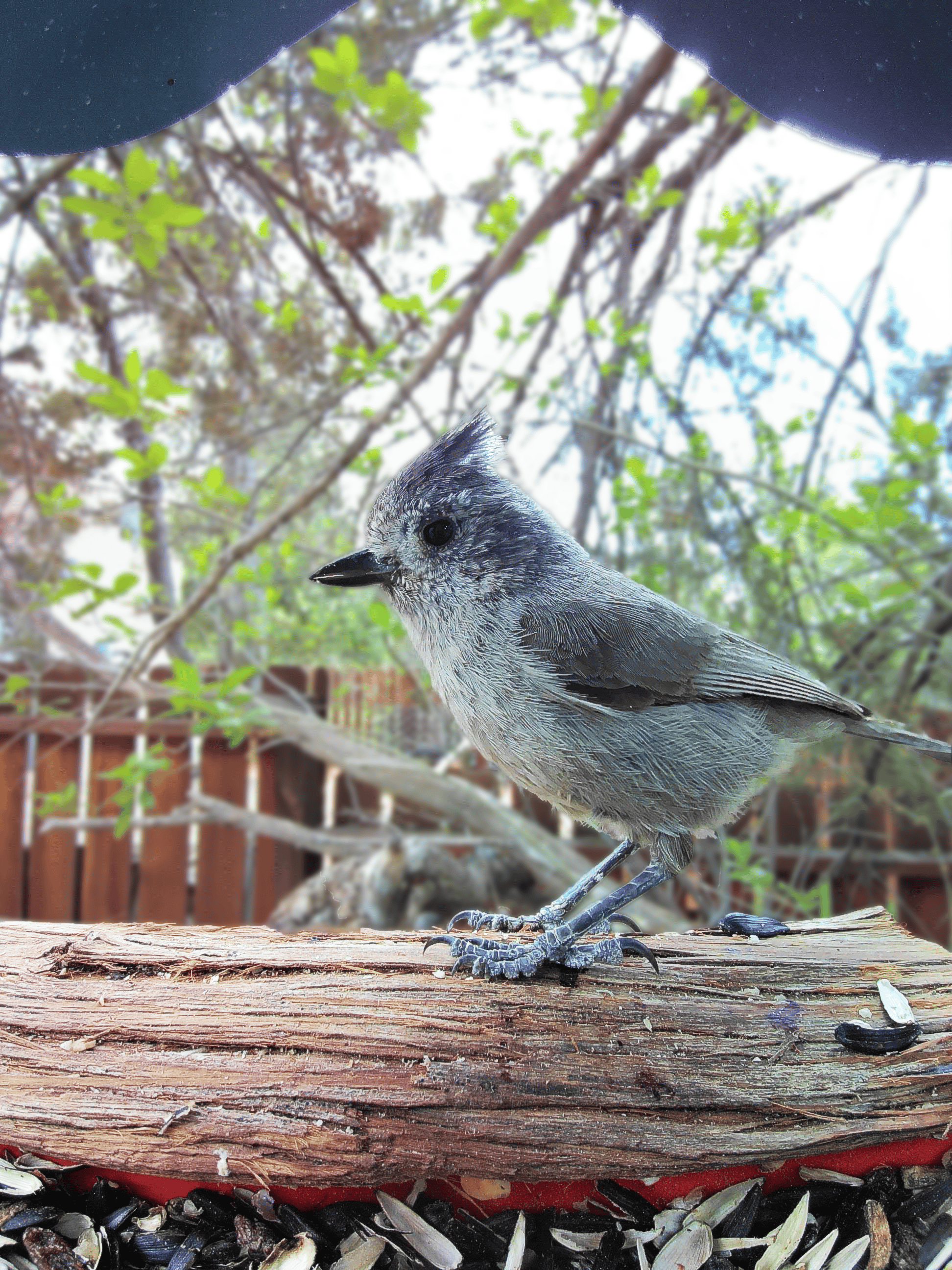


Juniper Titmouse
Bushtit
Psaltriparus minimus
Also known as: American Bushtit
General appearance
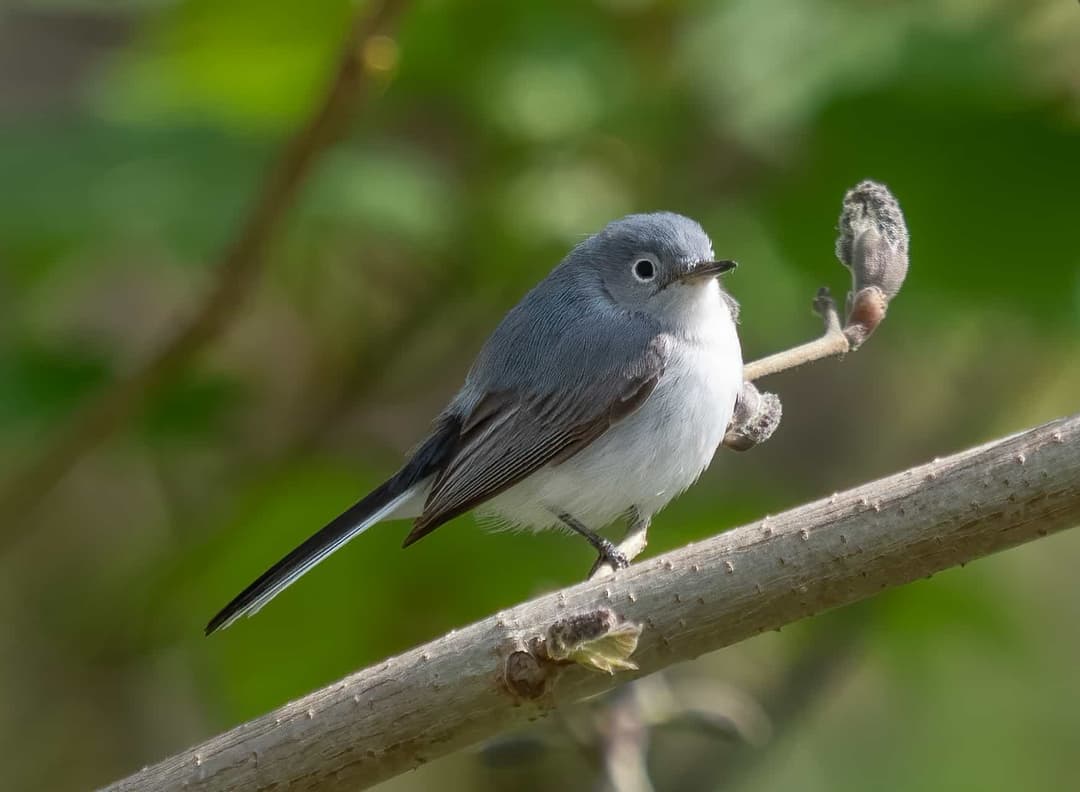
The bushtit is a tiny bird, about the size of a Sparrow, with the length of 3 3/4 - 4 inches. It has a small bill and a long, wedge-shaped tail. The bird's color ranges from black, brown, gray, to tan and white. It has a rounded wing shape and is often found in large flocks in open woods.
Male vs female
There is a stark difference between male and female bushtits, primarily observed in their eye color. Males have dark eyes, whereas females have pale ones. Coastal birds often have a browner head, setting them apart from others.
Juvenile
Juvenile males, especially in west Texas, may display black ear patches, distinguishing them from adult males. Asides from this, juveniles may hold similar physical traits to adults.
Size
4.3 - 5.5 in/0.2 oz
There's more to learn about Bushtit
View full detailsJuniper Titmouse
Baeolophus ridgwayi
General appearance
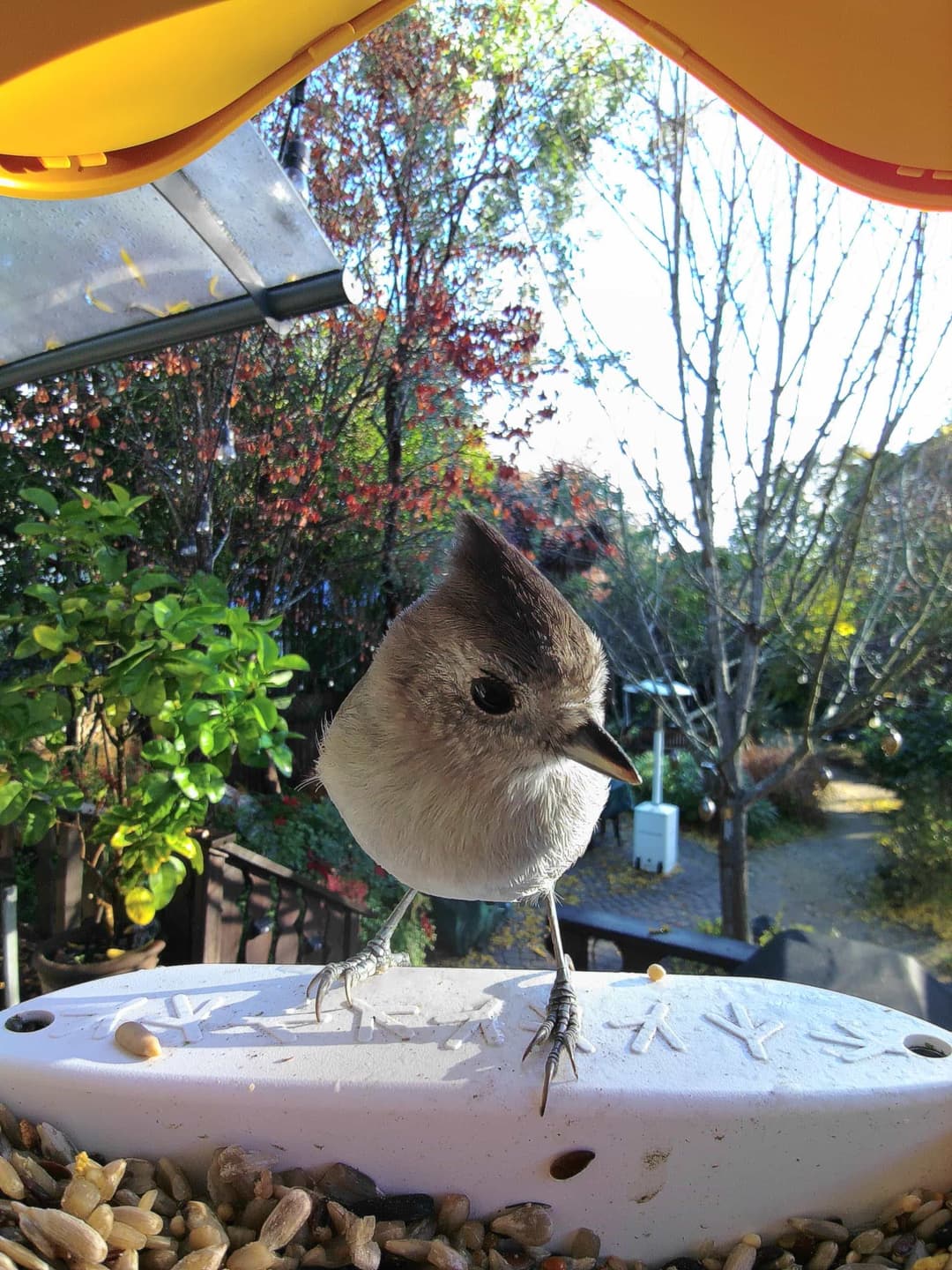
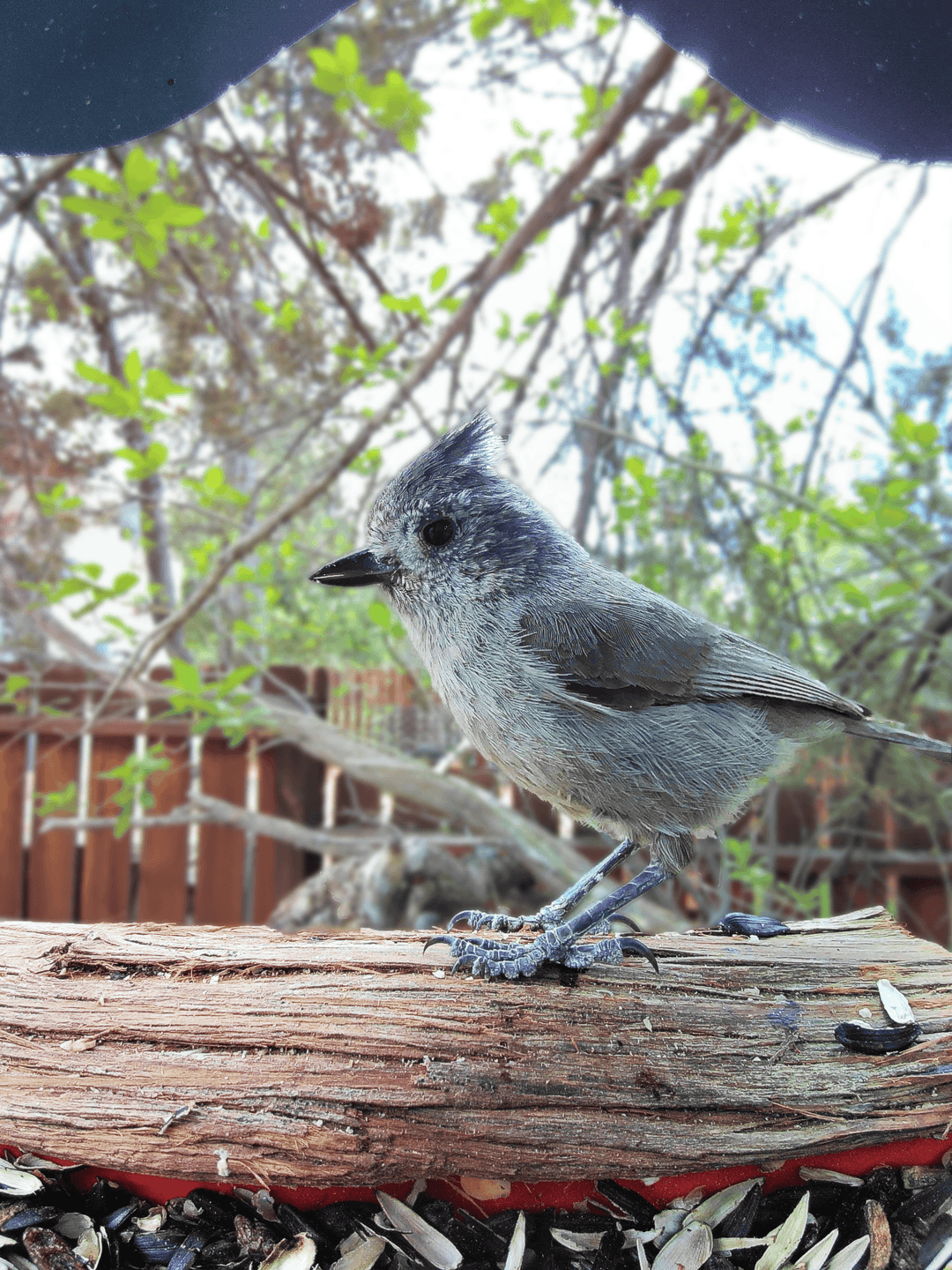
The Juniper Titmouse is a plain, grayish bird with a short crest, roughly the size of a Sparrow, about 15 cm in length. It possesses distinctly rounded wings and a rounded, square-tipped tail. Appearance is very similar to that of the Oak Titmouse, however, it tends to be a bit grayer with less brownish coloring.
Male vs female
This bird species does not have distinct differences in appearance between males and females. Both sexes share similar size and coloration, rendering gender identification in the wild considerably difficult based purely on physical appearance.
Juvenile
Young Juniper Titmice closely resemble adults, maintaining the same general appearance and grayish coloring. Attention to location may aid in identification as range is separate except very locally in northeast California. There are currently no documented seasonal variations in appearance.
Size
5.0 - 6.0 in/0.5 - 0.8 oz
There's more to learn about Juniper Titmouse
View full detailsHow to tell the Bushtit from the Juniper Titmouse
Visual differences
The Bushtit is smaller (3.75-4 inches, 0.18-0.21 ounces) with a tiny bill, long wedge-shaped tail, and a mix of black, brown, gray, tan, and white plumage. Males sport dark eyes, females have pale ones. Juveniles may feature black ear patches. In contrast, the Juniper Titmouse (6 inches, 0.46-0.78 ounces) has a plain grayish color, short crest, rounded wings, and square-tipped tail, with no eye color variation between sexes. The Juniper Titmouse is generally larger with more uniform gray coloring compared to the Bushtit's varied hues.
Key differences and behavior
The Bushtit and Juniper Titmouse exhibit distinct behaviors. Bushtits are social, often found in large flocks with constant chatter, while Juniper Titmice form small, territorial family groups. Habitat preferences also differ; Bushtits inhabit various wooded and brushy areas, including urban parks, avoiding high mountains and deserts, whereas Juniper Titmice are found mainly in pinyon-juniper and oak-pine woodlands. When threatened, Bushtits issue a loud trilling sound as a defense, while incubating Juniper Titmice may hiss like a snake. Regarding diet, both primarily consume insects, yet Juniper Titmice incorporate more seeds and nuts. Both species exhibit shared nesting responsibilities, but Bushtits abandon nests if disturbed early, unlike the more resilient Juniper Titmouse.
Still not sure? Here are more lookalikes!
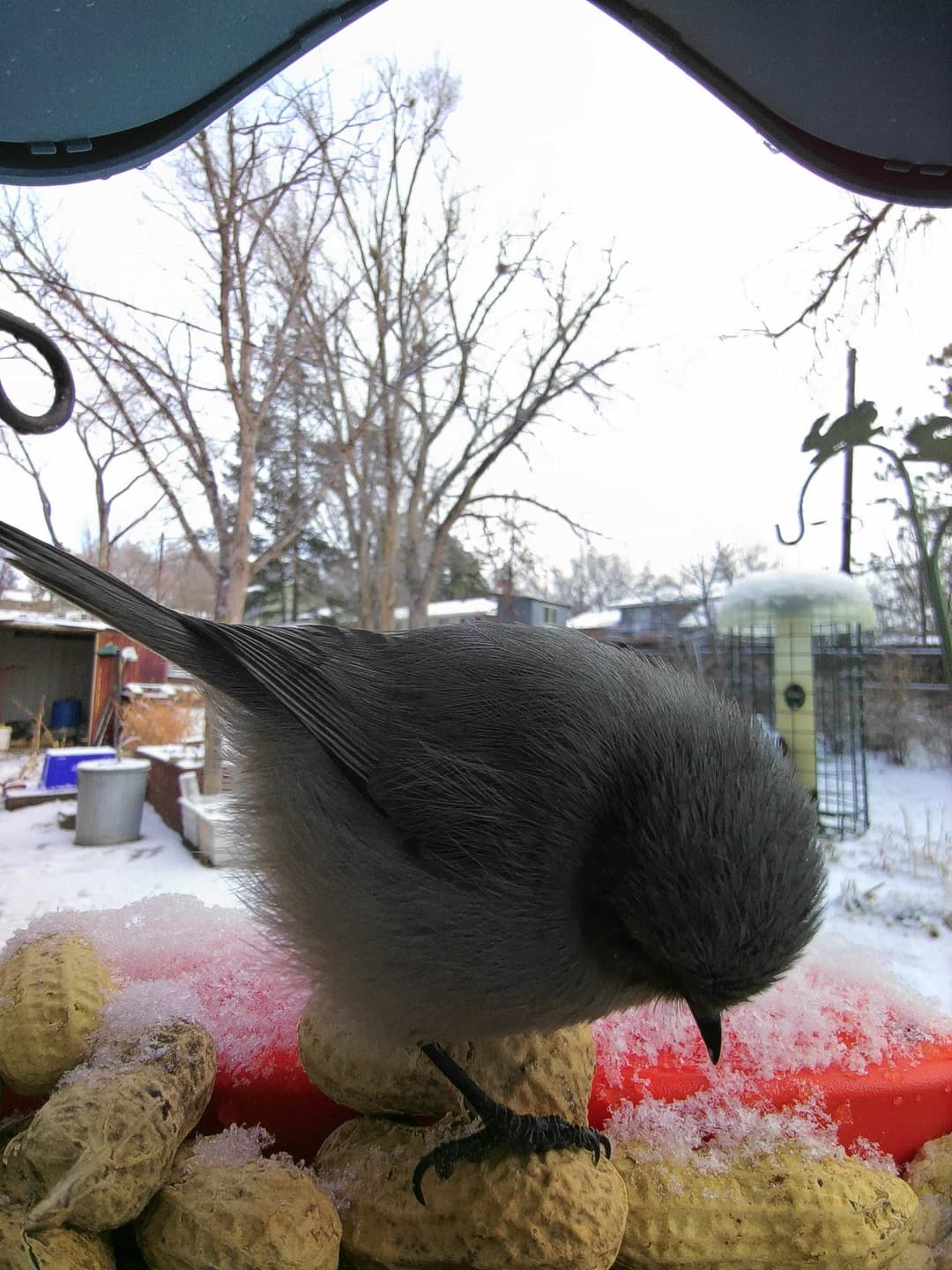
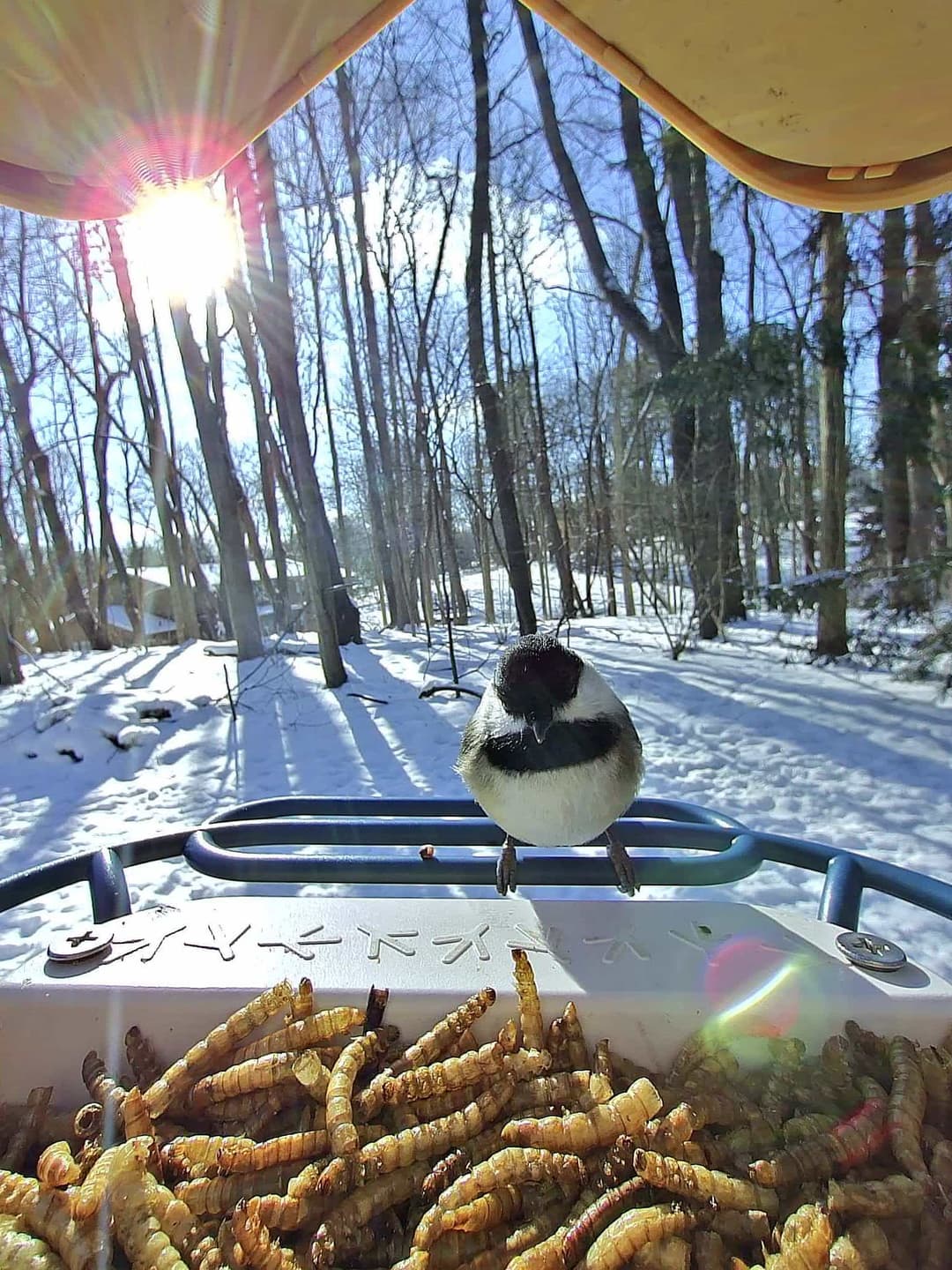
Bushtit vs Black-Capped Chickadee
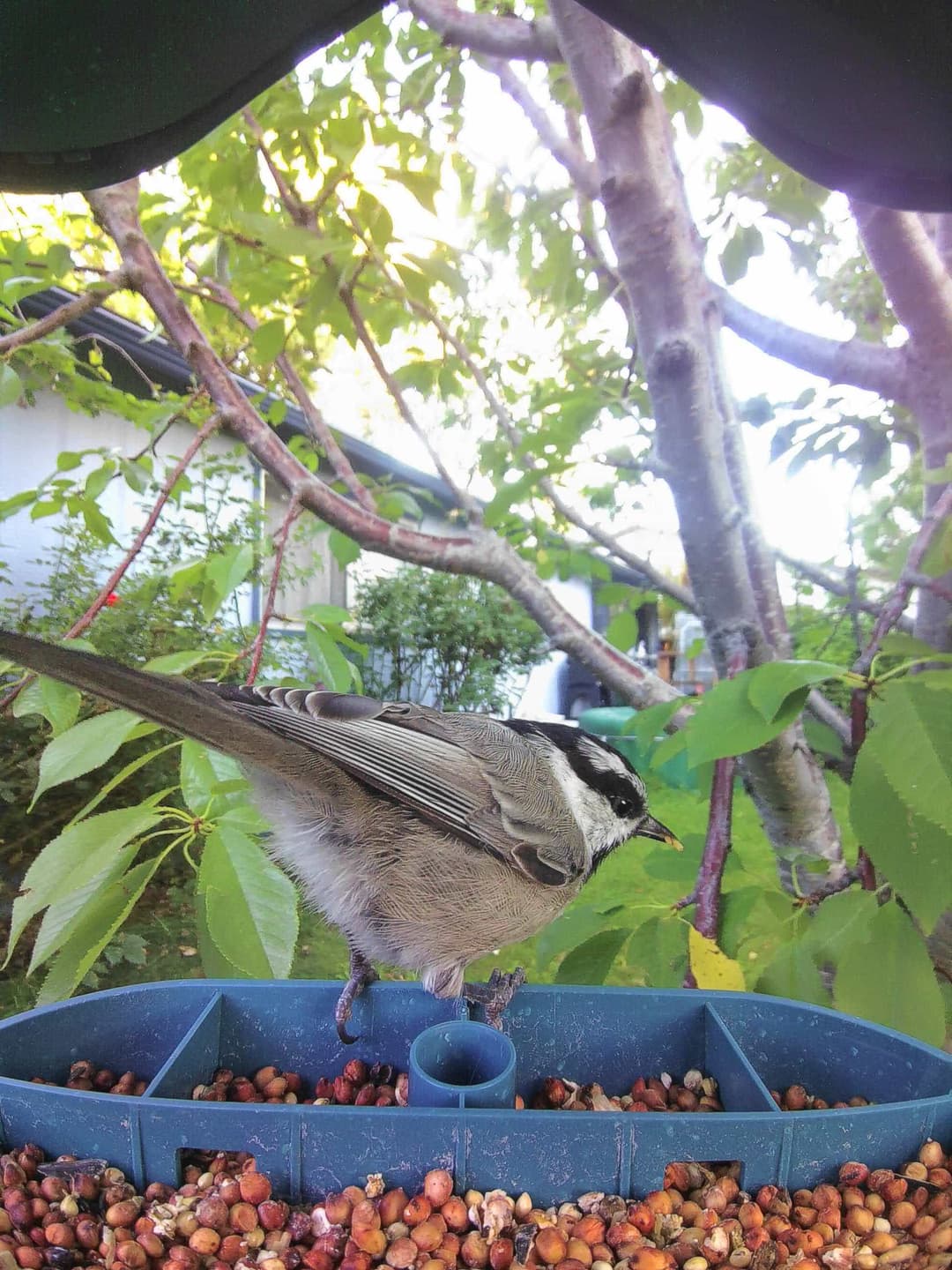
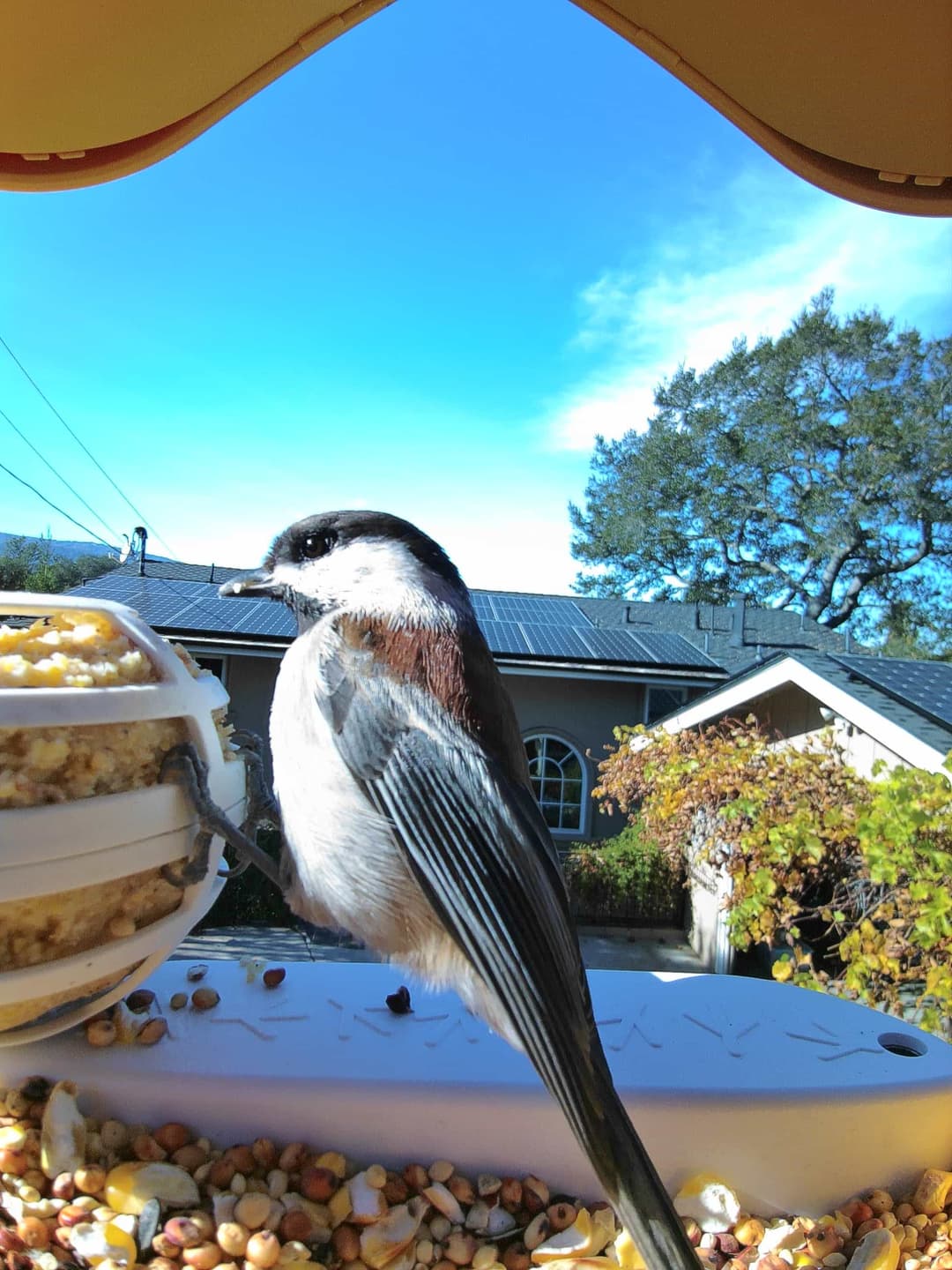
Bushtit vs Mountain Chickadee
Juniper Titmouse vs Oak Titmouse
Juniper Titmouse vs Tufted Titmouse
Bushtit vs [Select a bird]

[Select a bird]
Pick a bird to compare
Juniper Titmouse vs [Select a bird]
[Select a bird]
Pick a bird to compare