Western Meadowlark or Yellow-Headed Blackbird?
Here's how to tell the difference


Western Meadowlark


Yellow-Headed Blackbird
Western Meadowlark
Sturnella neglecta
General appearance
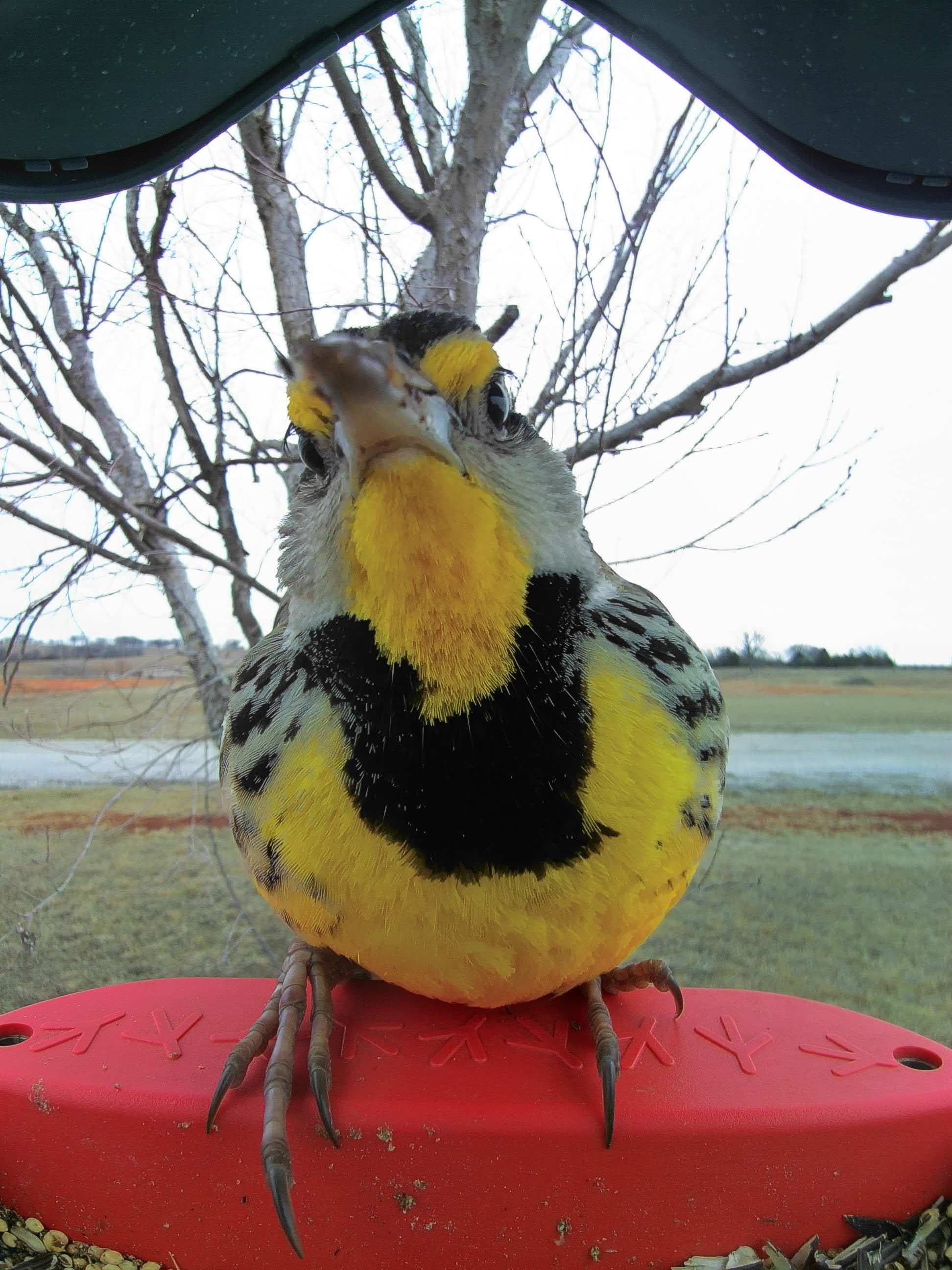
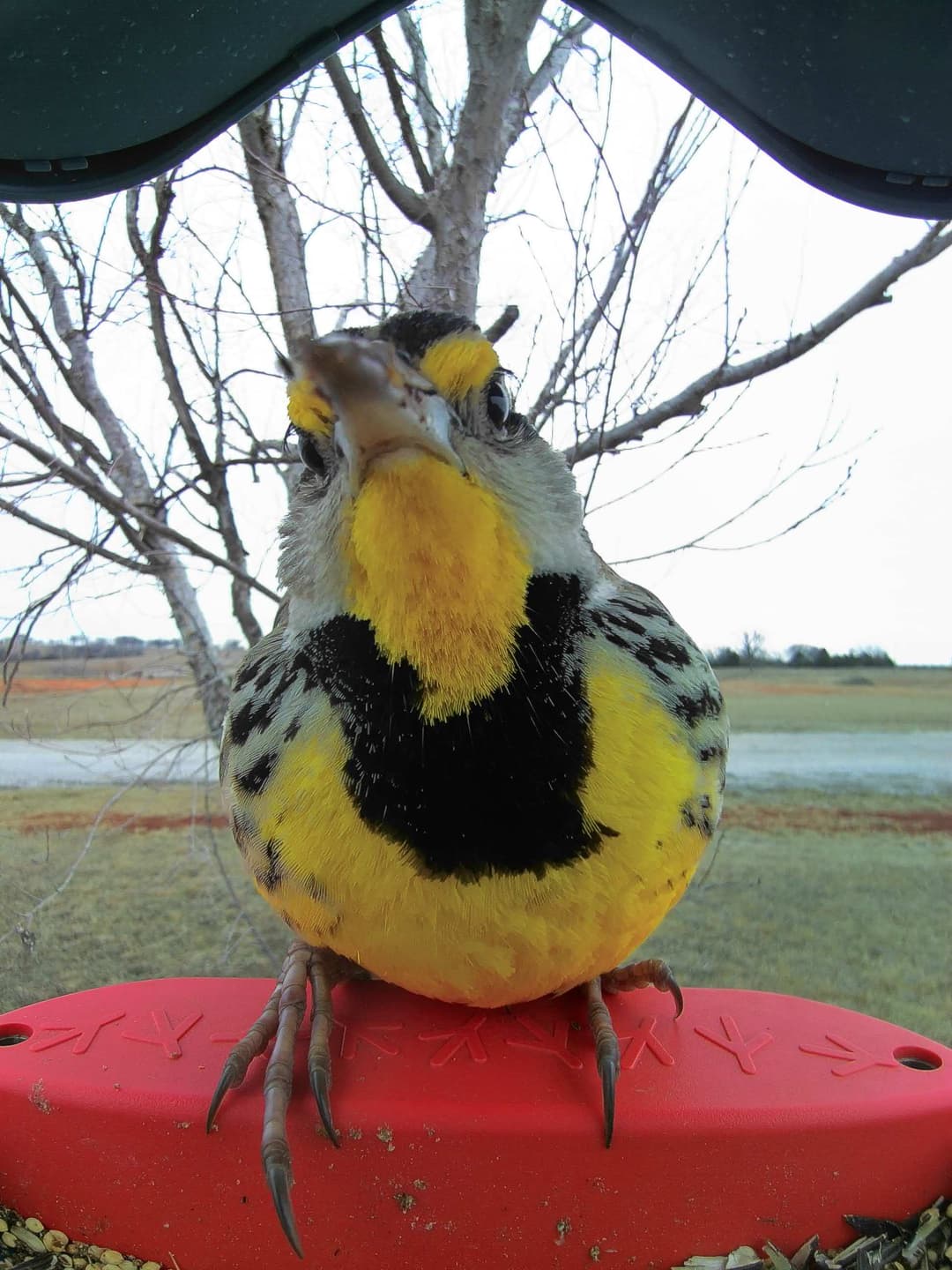
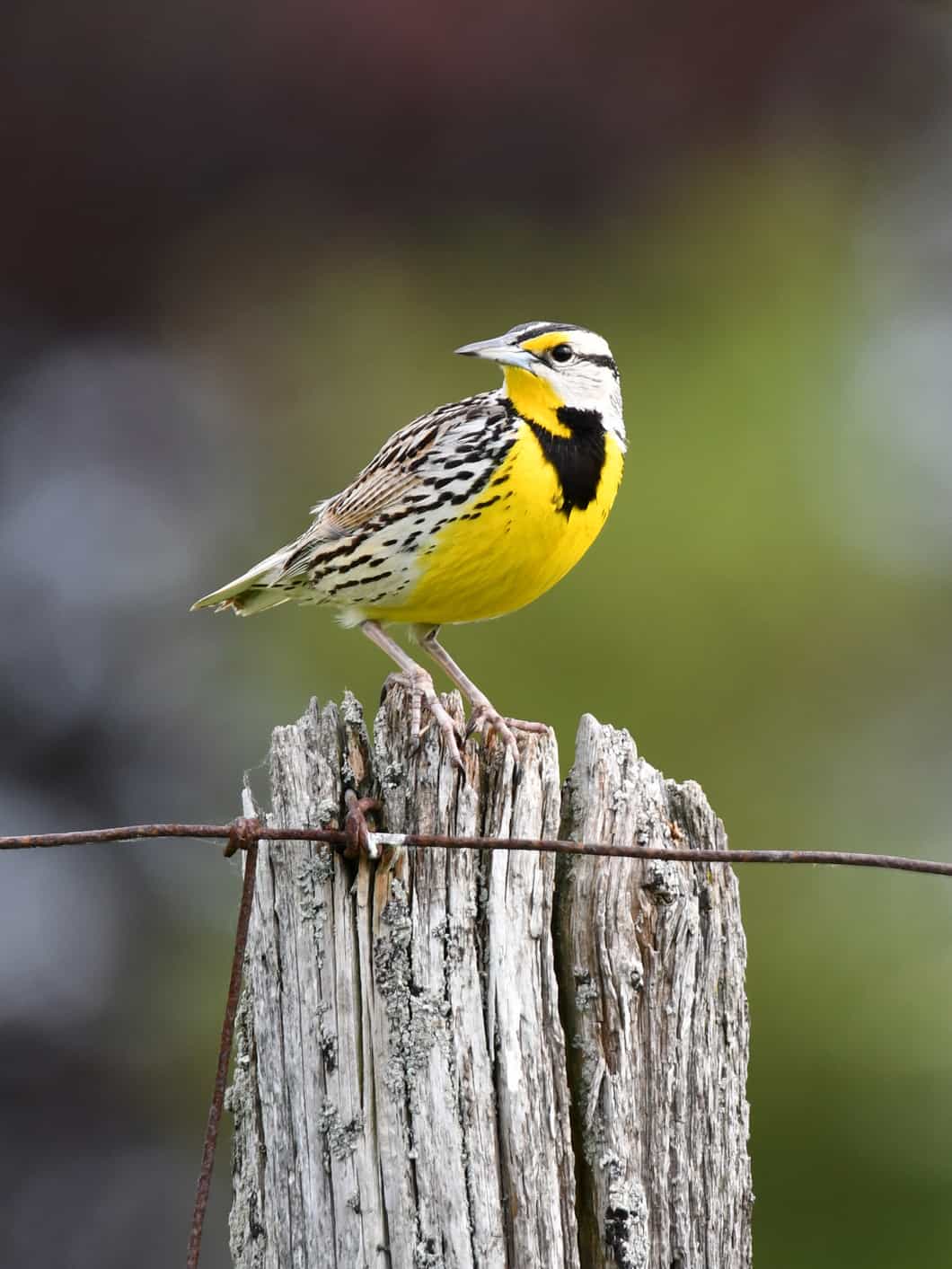
The western meadowlark is approximately 8 1/2-11 inches (22-28 cm) in size. It is the size of a Robin. Its distinctive features include a black pattern forming a 'V' on its yellow breast, which is partly veiled in fall. The bird also has white outer tail feathers, which are particularly visible upon takeoff and landing. Its wings are rounded in shape and it possesses a rounded, short, square-tipped tail.
Male vs female
There is no significant difference in appearance between the male and female western meadowlark, making it difficult to distinguish between the two genders.
Juvenile
Juvenile western meadowlarks resemble the adult birds but their plumage is generally less vibrant. The juveniles' yellow coloration on the breast area might be slightly muted in comparison to the adults.
Size
7.5 - 9.1 in/3.1 - 4.1 oz
There's more to learn about Western Meadowlark
View full detailsYellow-Headed Blackbird
Xanthocephalus xanthocephalus
General appearance
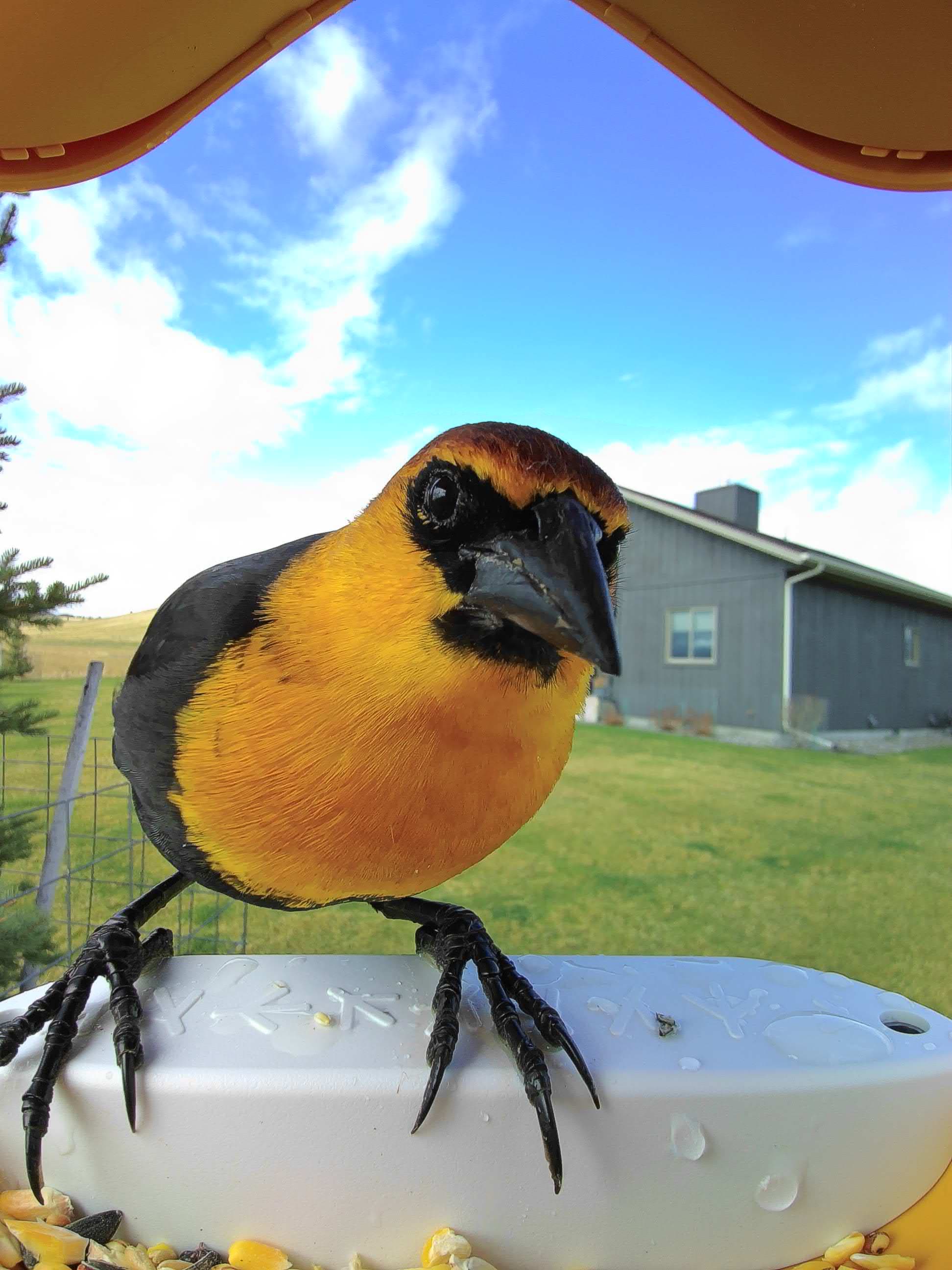
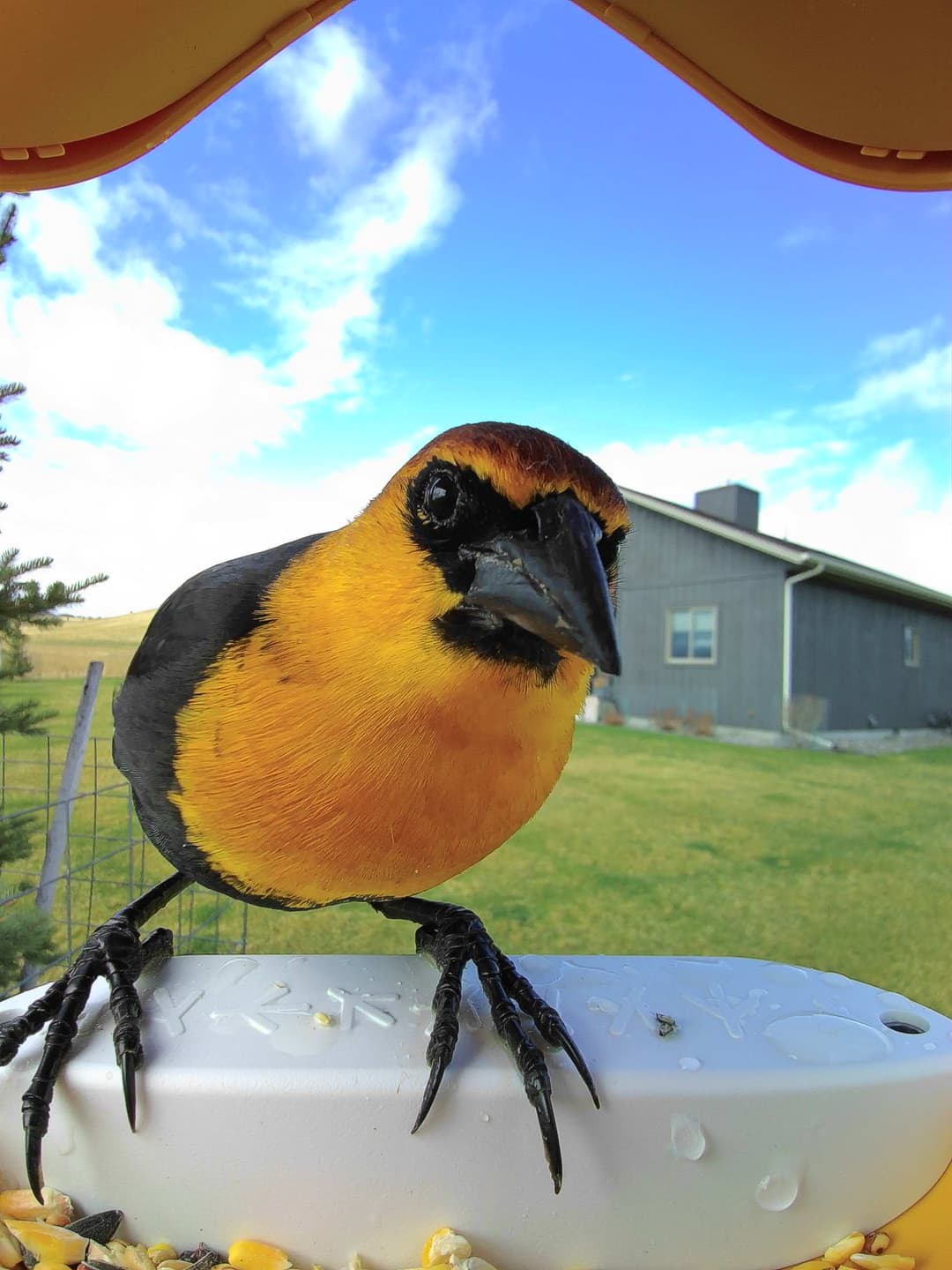
The Yellow-headed Blackbird is about the size of a Robin, ranging from 20-28 cm in size. It possesses broad, rounded wings with a rounded, square-tipped tail. Coloration includes black, brown, white, and yellow. Notably, wing patches, which are obvious in flight, are white.
Male vs female
Males and females of this species exhibit distinct differences. Males are predominately black, but their heads stand out due to their bright yellow coloring, a feature not seen in any other species. Females, a bit smaller than males, are generally of a sooty brown color, with the exception of yellow areas on the face and chest. They also have white streaks on their belly, but do not possess the male's white wing patches.
Juvenile
Immature Yellow-headed Blackbirds, or juveniles, share some similarities with adults but lack the striking differentiation between black and yellow seen in adults. They have some yellow coloring on their heads, and their wing patches, whilst present, are smaller or altogether absent compared to the adults.
Size
8.3 - 10.2 in/1.6 - 3.5 oz
There's more to learn about Yellow-Headed Blackbird
View full detailsHow to tell the Western Meadowlark from the Yellow-Headed Blackbird
Visual differences
The Western Meadowlark is 8.5-11 inches long, with a distinct black "V" on its yellow breast, white outer tail feathers, and rounded wings and tail. Both genders look similar. In contrast, the Yellow-Headed Blackbird, 8-11 inches long, features bright yellow on the male's head and chest and has white wing patches visible in flight. Females are sooty brown with yellow on the face and chest. Differences lie in plumage patterns and tail feathers, with Meadowlarks showing less color contrast and differing overall coloration. Meadowlarks are heavier (3.1-4.1 oz) than Blackbirds (1.6-3.5 oz).
Key differences and behavior
The Western Meadowlark and Yellow-Headed Blackbird exhibit distinct behavioral differences in habitat and social dynamics. Meadowlarks favor grasslands and fields, constructing ground nests with domed roofs and using strong beaks for "gaping" to forage insects and seeds. They display polygyny, with males courting females by displaying distinctive 'V' patterns on their chests. In contrast, Yellow-Headed Blackbirds thrive in marshes, building nests over water reeds, and exhibit more aggressive behaviors by defending territories against rivals, particularly when cohabiting with Red-winged Blackbirds. Male Yellow-Headed Blackbirds may have multiple mates but assist only the first. Both birds consume insects and seeds, but the Blackbird's marsh-based nesting and aggressive territorial strategies set it apart. These behavioral signatures help differentiate them in field observations despite sharing some dietary preferences.
Still not sure? Here are more lookalikes!
Western Meadowlark vs Red-Winged Blackbird
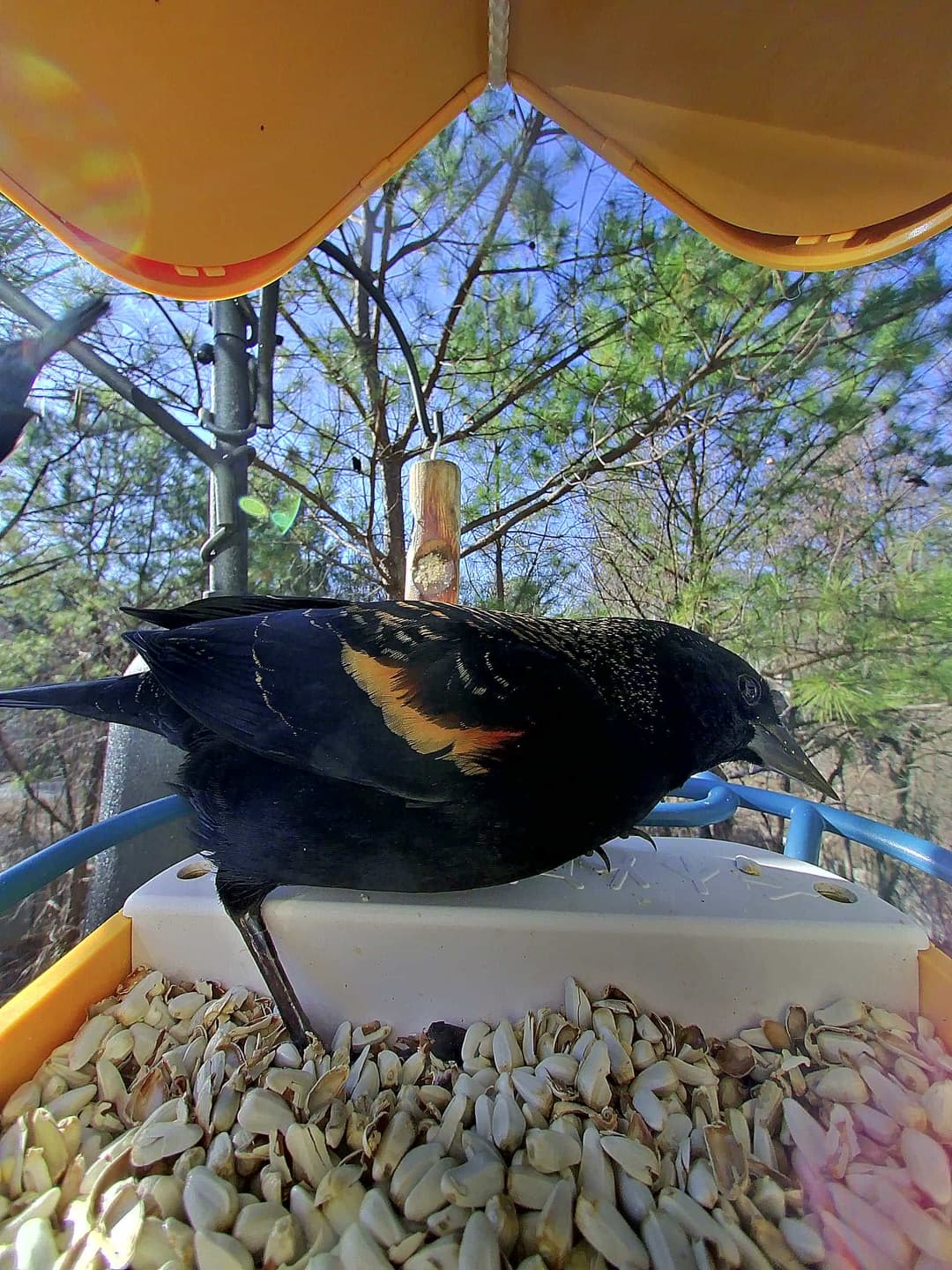
Yellow-Headed Blackbird vs Red-Winged Blackbird
Western Meadowlark vs [Select a bird]

[Select a bird]
Pick a bird to compare
Yellow-Headed Blackbird vs [Select a bird]
[Select a bird]
Pick a bird to compare