Hooded Oriole or Orchard Oriole?
Here's how to tell the difference
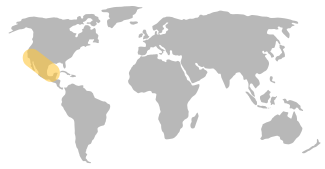
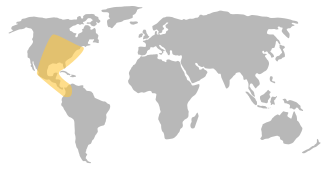
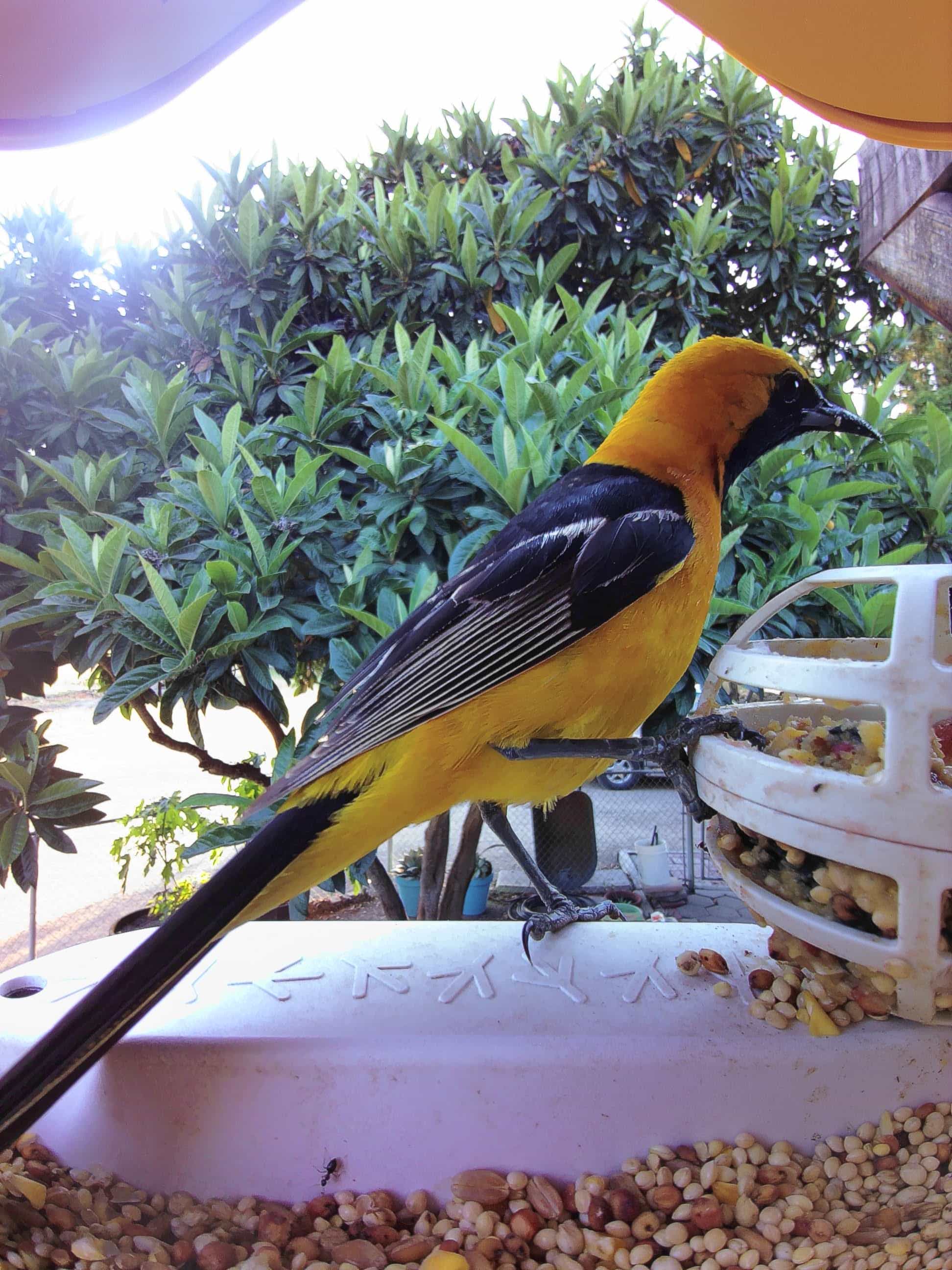


Hooded Oriole
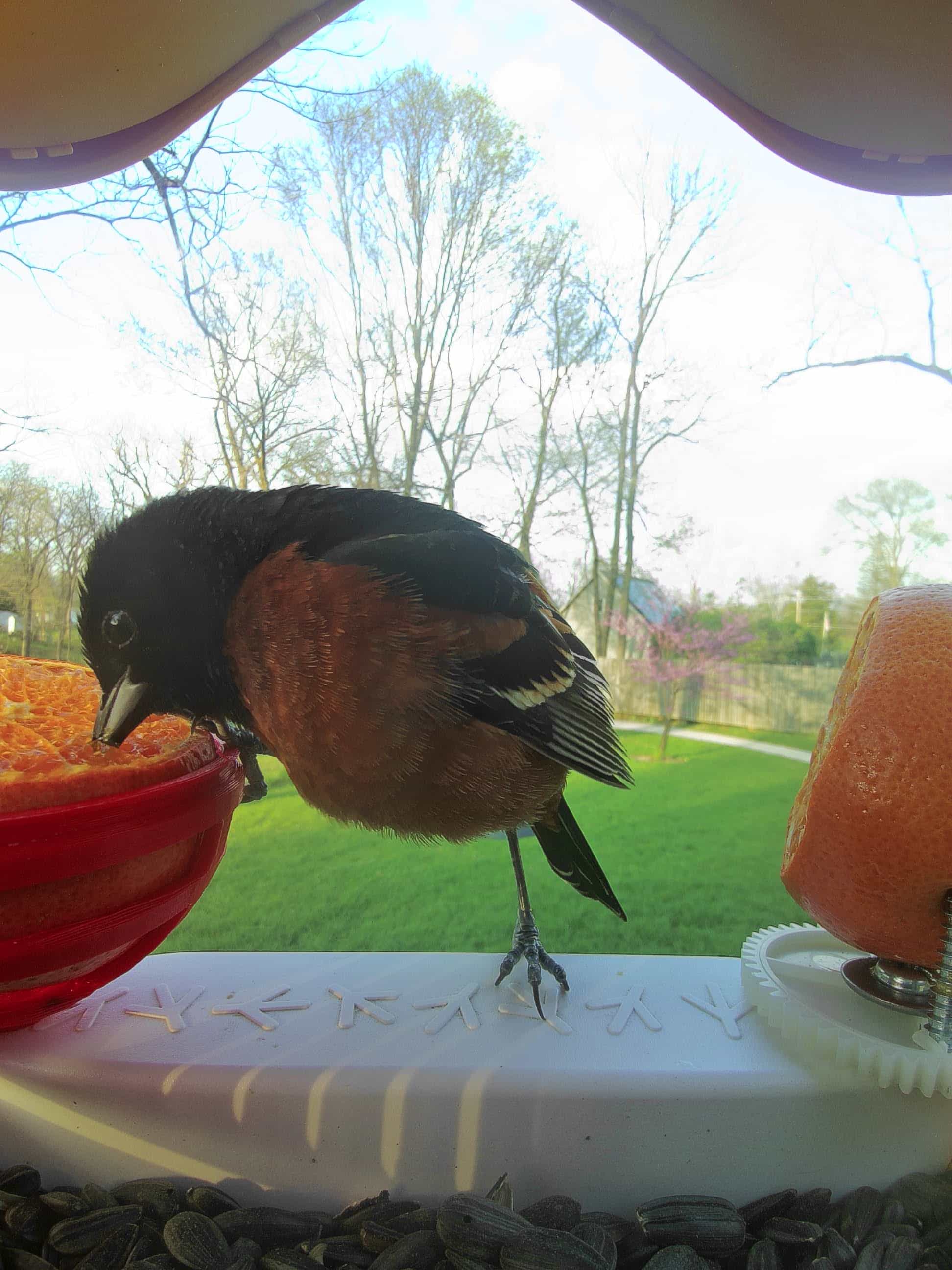


Orchard Oriole
Hooded Oriole
Icterus cucullatus
General appearance
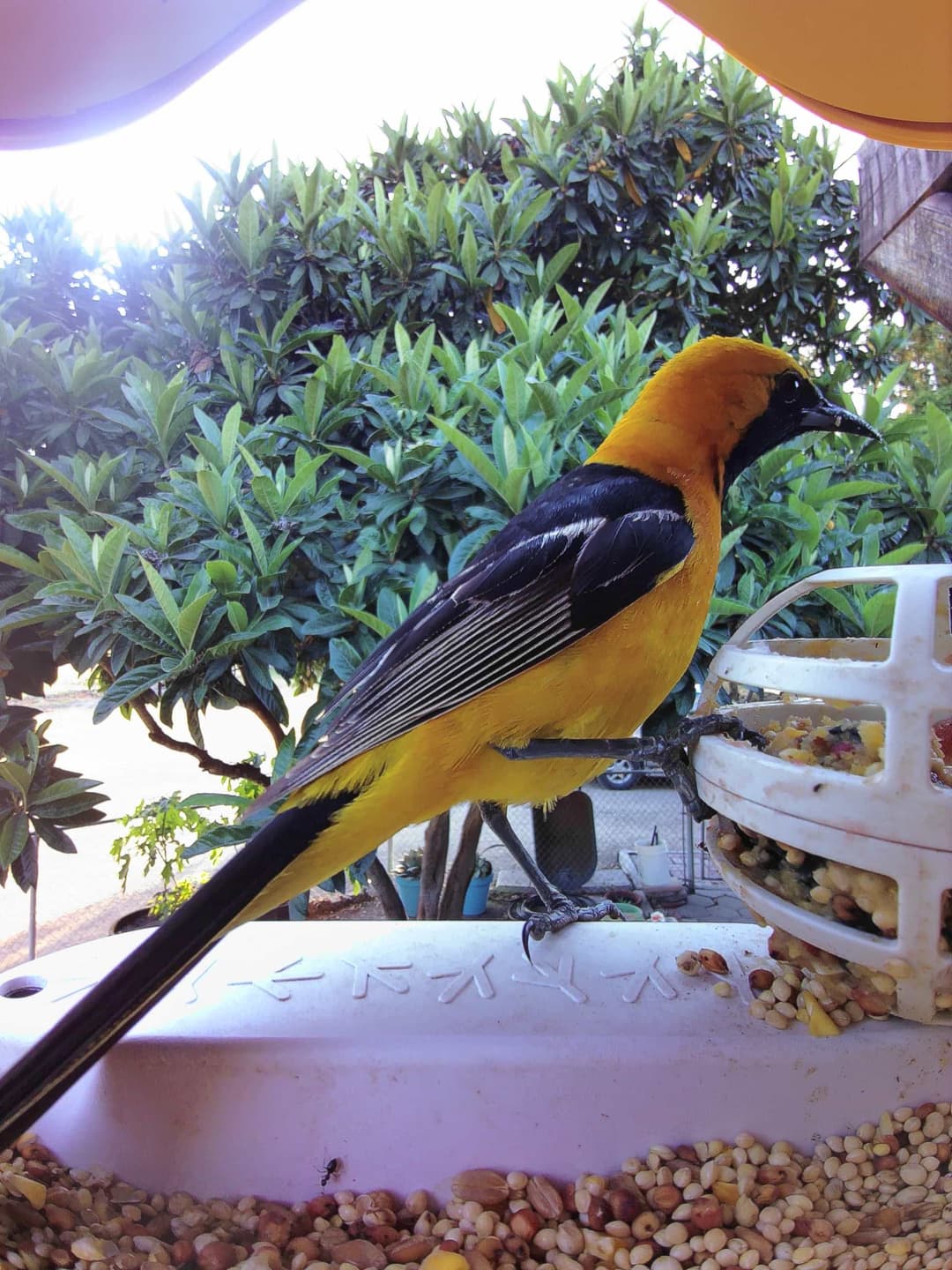
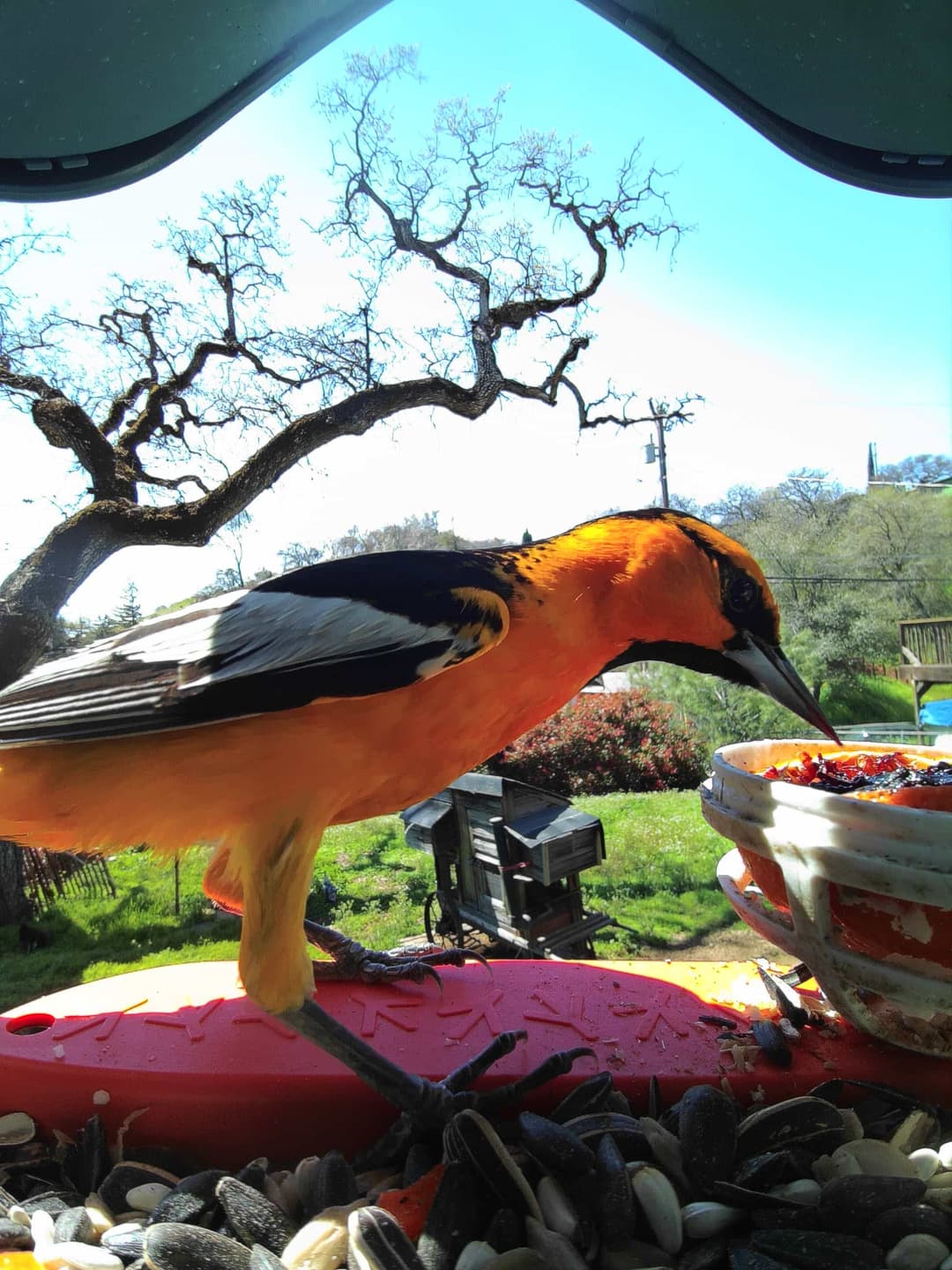
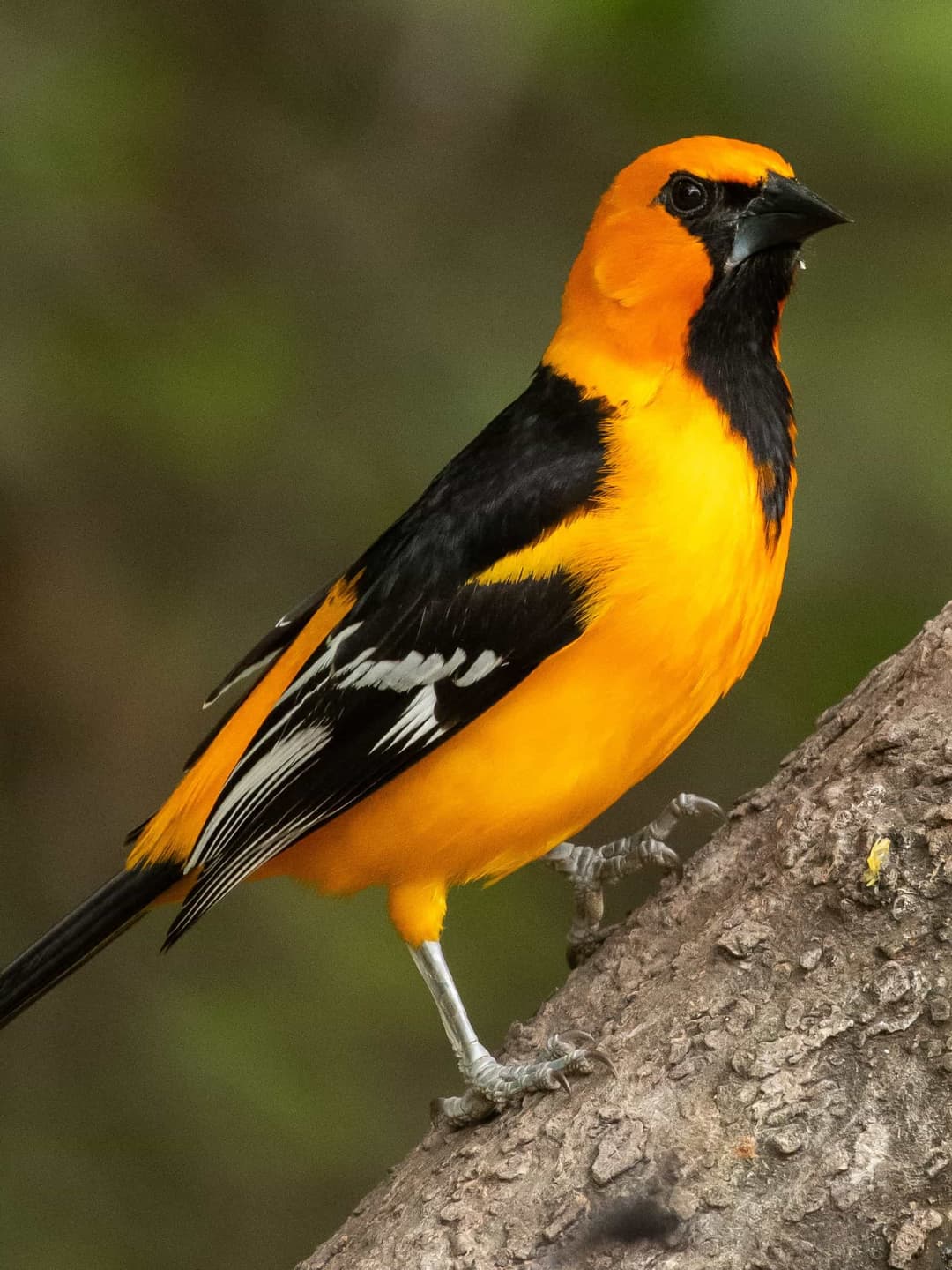
Hooded orioles are slender songbirds with long tails and slightly curved bills. They display a vibrant combination of orange-yellow and black, with distinctive hood-like coloring on the head and neck. The wings and back are predominantly black, creating a stark contrast with their bright bodies.
Male vs female
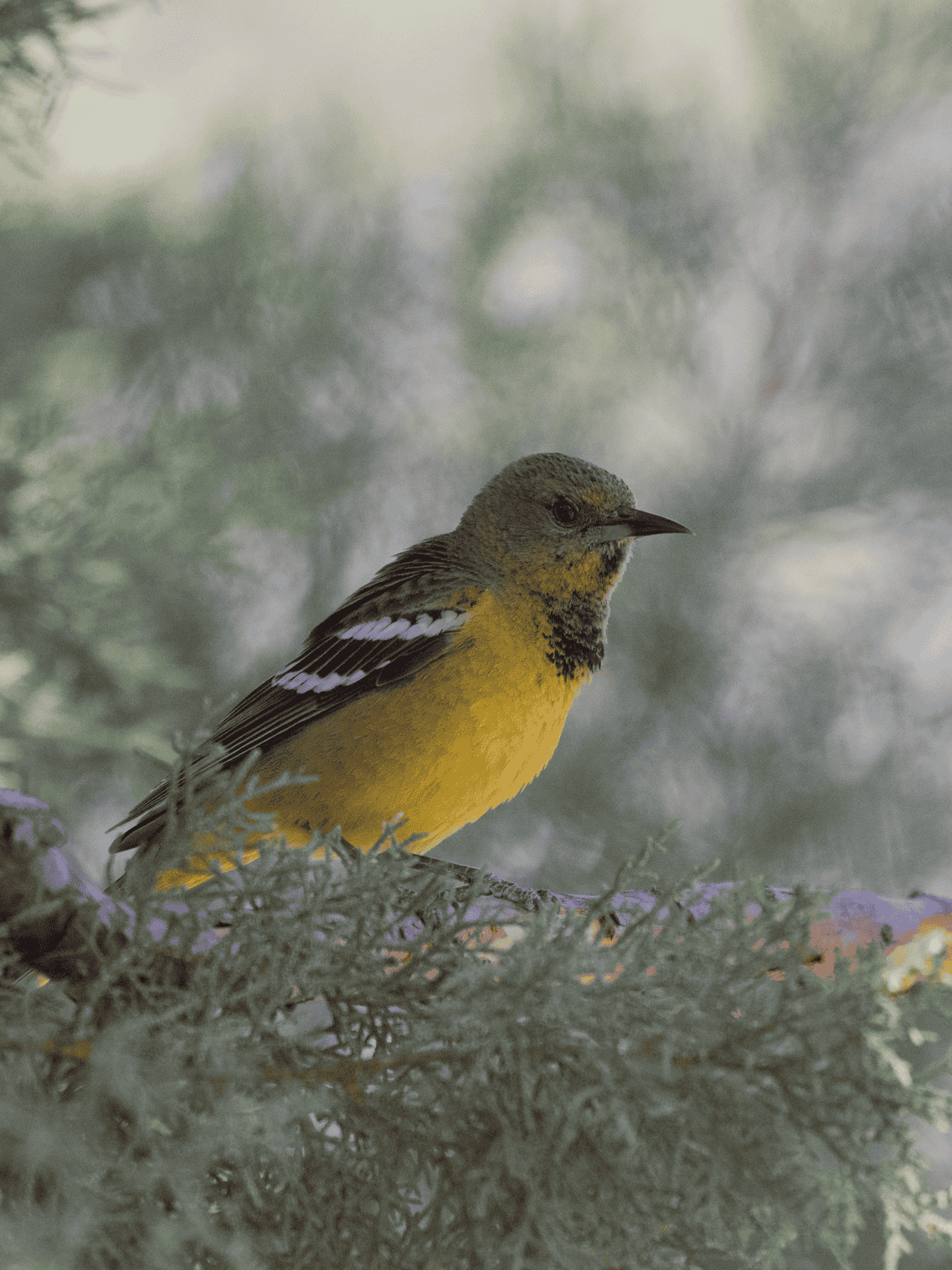
Male hooded orioles showcase a brighter orange-yellow color overall and have a more pronounced black cap and throat. Females are generally yellow to olive-yellow without the bold black markings found on males. They may exhibit some subtle grayish patterns on their wings, distinguishing them from juvenile males.
Juvenile
Juvenile hooded orioles resemble females in coloration with a yellowish-olive appearance. However, they can be distinguished by a slightly duller hue and inconsistently developed black facial markings. As they mature, young males gradually acquire brighter plumage and the distinctive black hood.
Size
7.1 - 7.9 in/0.7 - 1.2 oz
There's more to learn about Hooded Oriole
View full detailsOrchard Oriole
Icterus spurius
General appearance
The orchard oriole is a small bird about the size of a robin. It is smaller than the Baltimore Oriole, with a unique rounded wing shape and rounded, square-tipped tail shape. The bird's size is characterized as 7, measured in 18cm. The oriole’s colour palette consists of black, green, orange, red, white, and yellow.
Male vs female
There are noticeable differences between males and females. The adult male orchard oriole is unmistakable with its striking black and chestnut coloration. On the other hand, the female is smaller and flaunts an all yellow-green appearance. They lack the orange tone seen in the female Baltimore and Bullock's Orioles and have a shorter bill compared to Hooded Oriole.
Juvenile
One-year-old males, or juveniles, resemble the females but have a distinguishing black throat. This characteristic is one of the earliest signs to distinguish between young males and females.
Size
5.9 - 7.1 in/0.6 - 0.9 oz
There's more to learn about Orchard Oriole
View full detailsHow to tell the Hooded Oriole from the Orchard Oriole
Visual differences
The Hooded Oriole, larger at 7-8 inches, exhibits a vibrant orange-yellow body with a black hood, curved bill, and long tail. In contrast, the Orchard Oriole is smaller, around 7 inches, with distinct black and chestnut in males and yellow-green in females, featuring a shorter bill and rounded tail. Juvenile males of both species may show early black markings. These size and coloration differences, along with bill and tail shapes, are key identifiers between the two orioles.
Key differences and behavior
Hooded Orioles and Orchard Orioles exhibit notable behavioral differences. Hooded Orioles, often found in the western U.S., are adept at weaving intricate nests under palm fronds, and are agile, capable fliers who feed on insects and nectar, frequently visiting feeders. They breed in open woods and urban areas, with the male playing a more active role in courtship through bowing and singing. Conversely, Orchard Orioles, smaller and found in eastern North America, prefer semi-open habitats and are migratory, traveling primarily by night. Their nests are less specialized, usually found in deciduous trees, and they are less territorial, often nesting near other species. Diet-wise, they are insectivorous, favoring caterpillars but also consuming berries and nectar. At feeders, they show less preference compared to Hooded Orioles. These behavioral nuances aid in distinguishing the two species in their respective environments.
Still not sure? Here are more lookalikes!
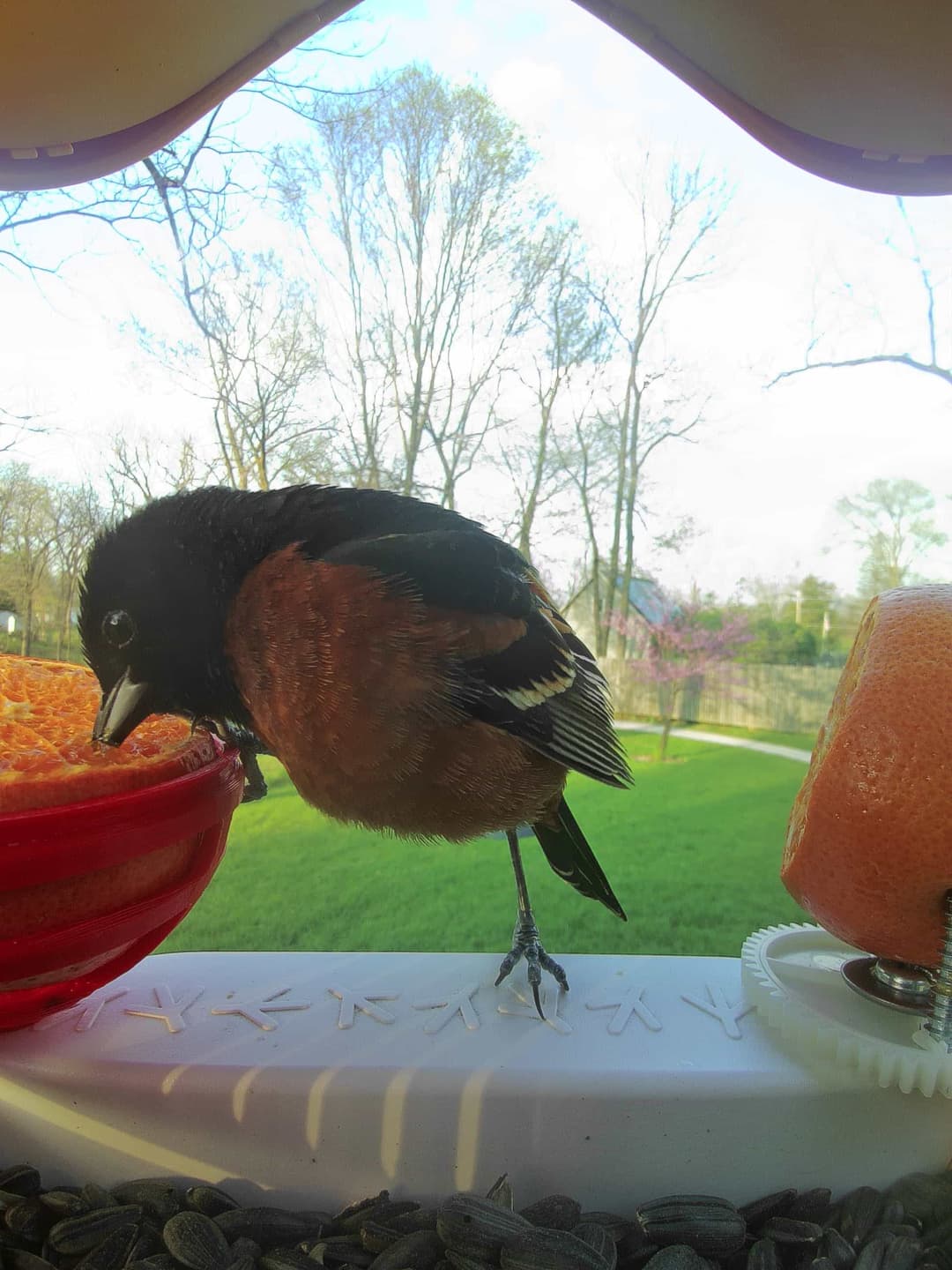
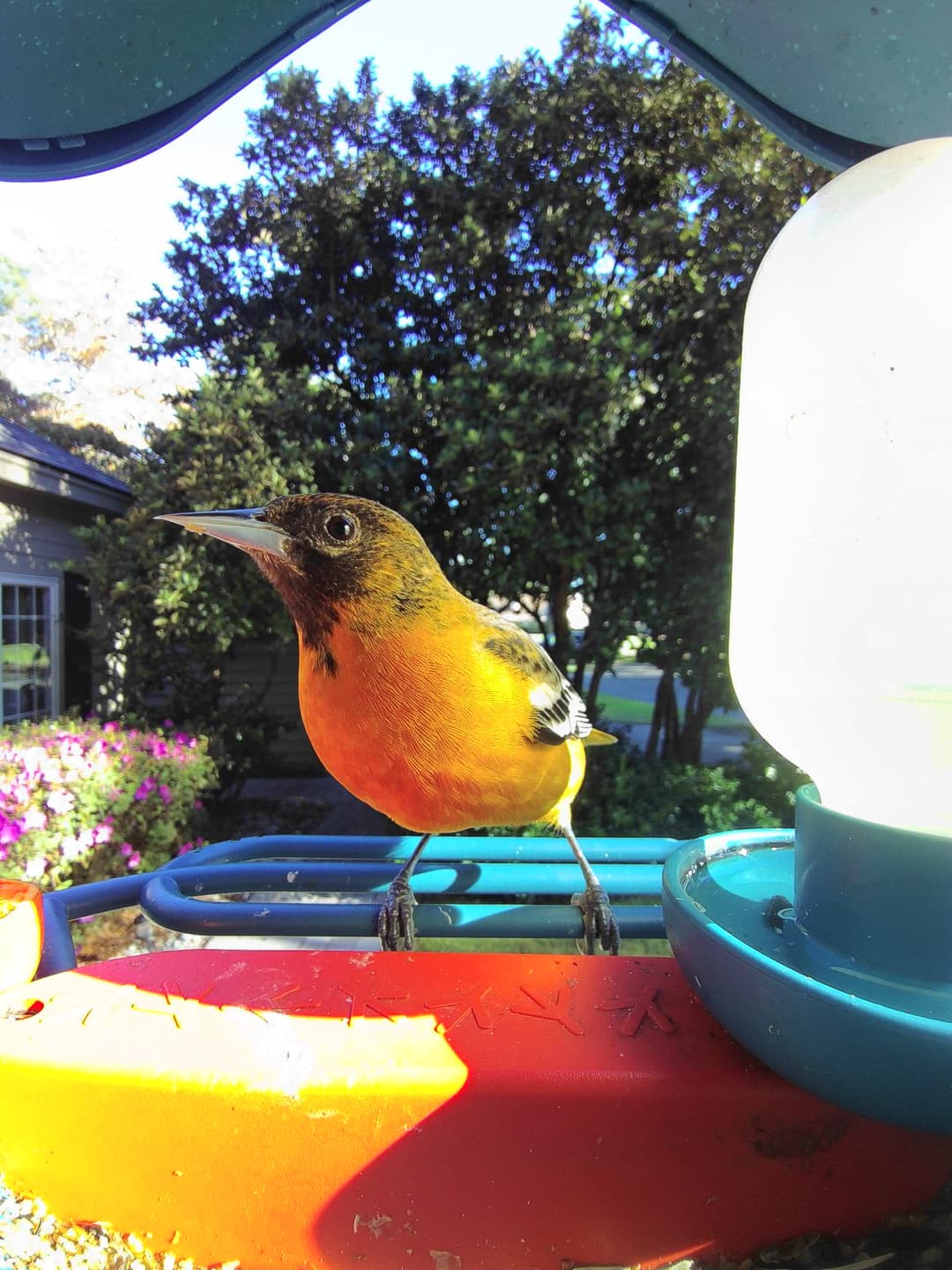
Orchard Oriole vs Baltimore Oriole
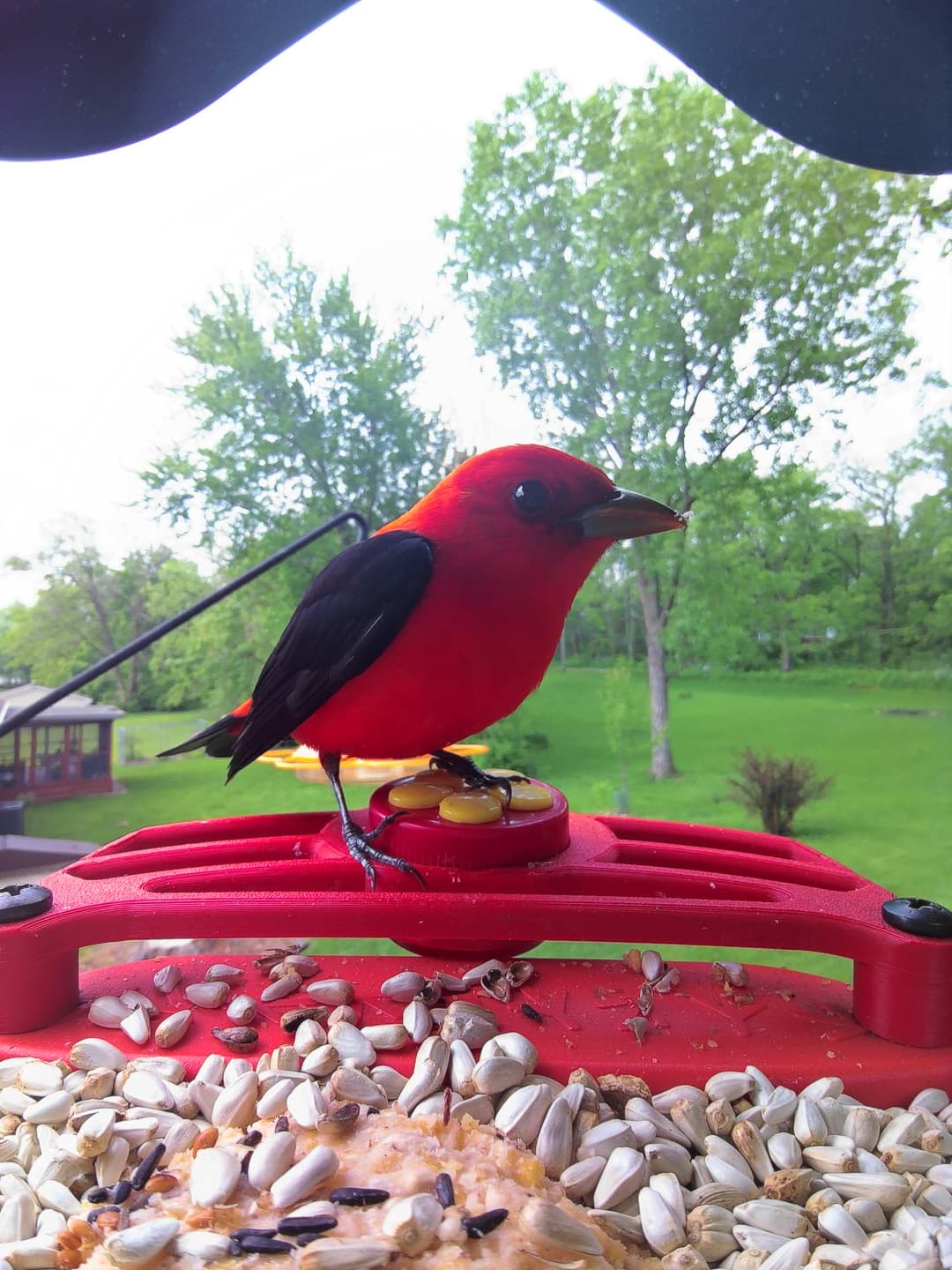
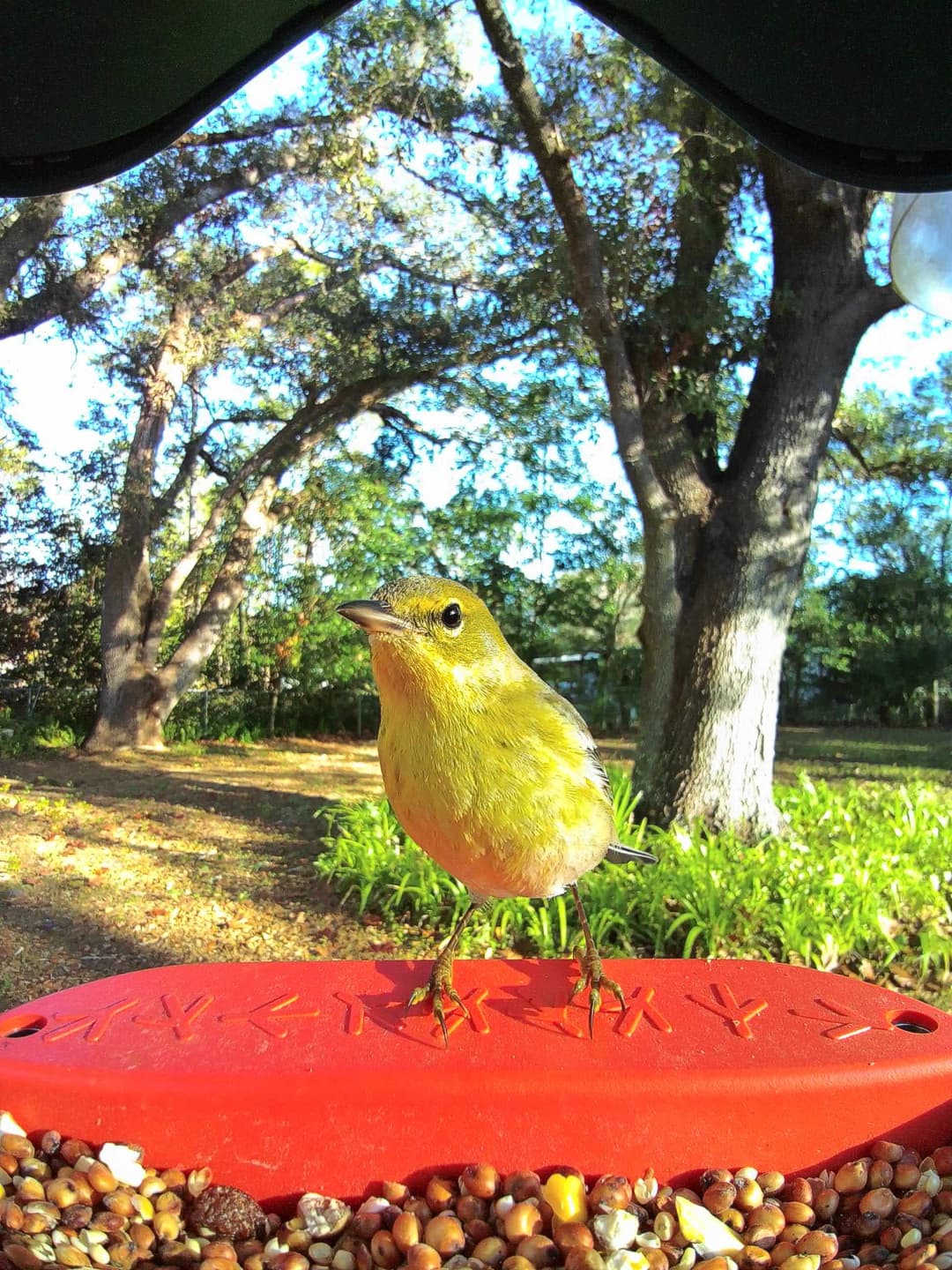
Orchard Oriole vs Pine Warbler
Orchard Oriole vs American Goldfinch
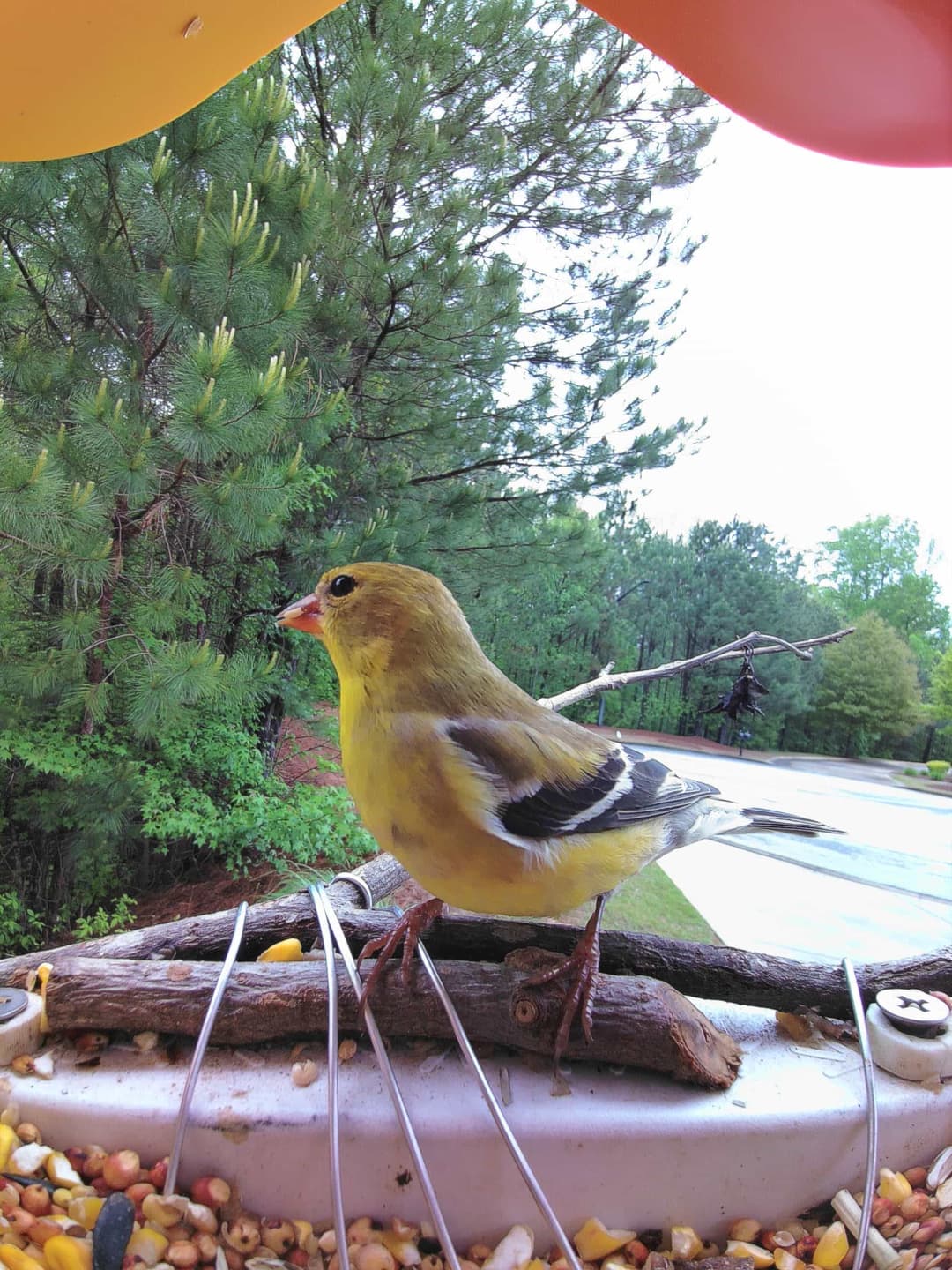
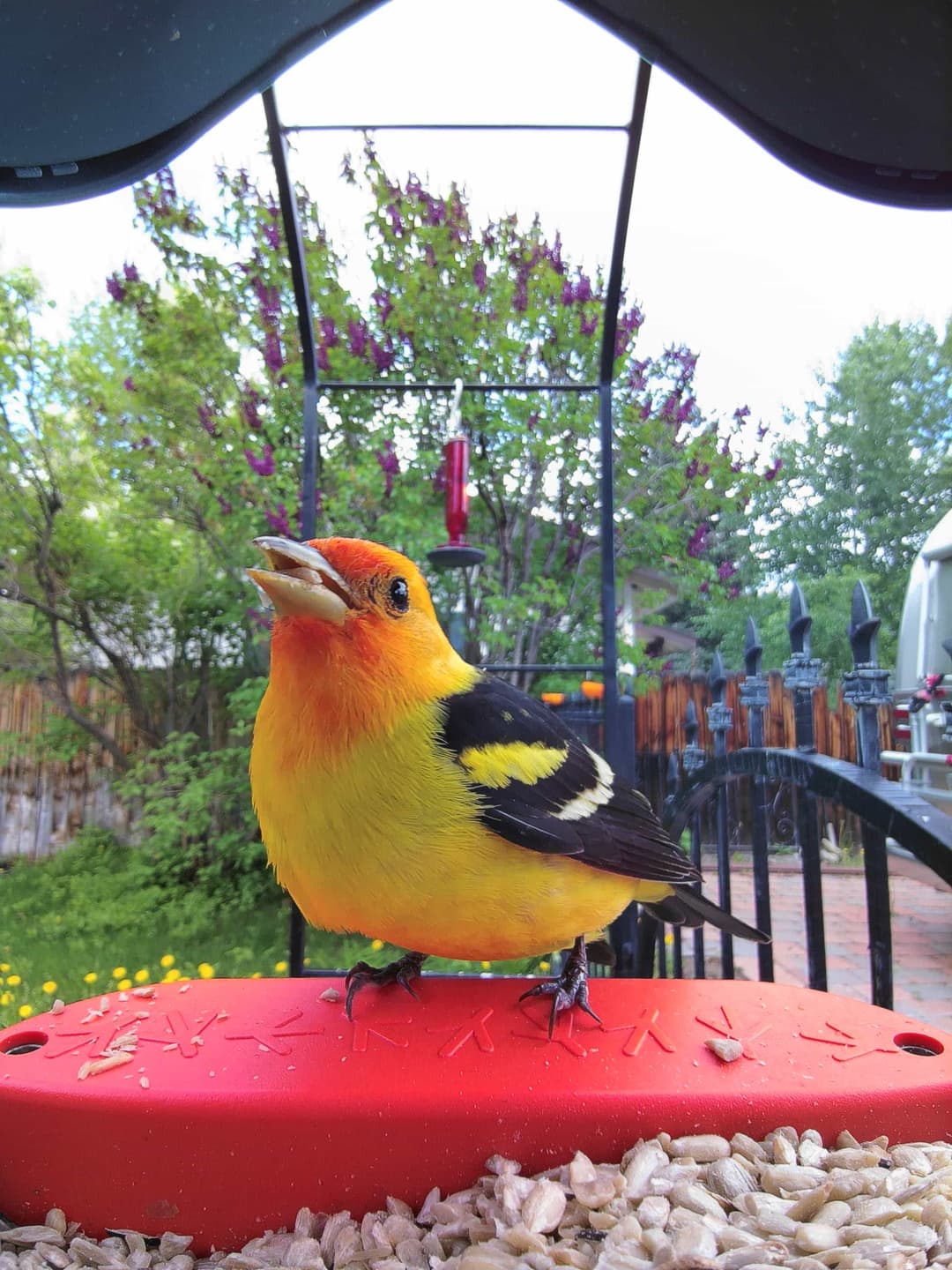
Hooded Oriole vs [Select a bird]

[Select a bird]
Pick a bird to compare
Orchard Oriole vs [Select a bird]
[Select a bird]
Pick a bird to compare