Painted Bunting or Lesser Goldfinch?
Here's how to tell the difference


Painted Bunting


Lesser Goldfinch
Painted Bunting
Passerina ciris
General appearance
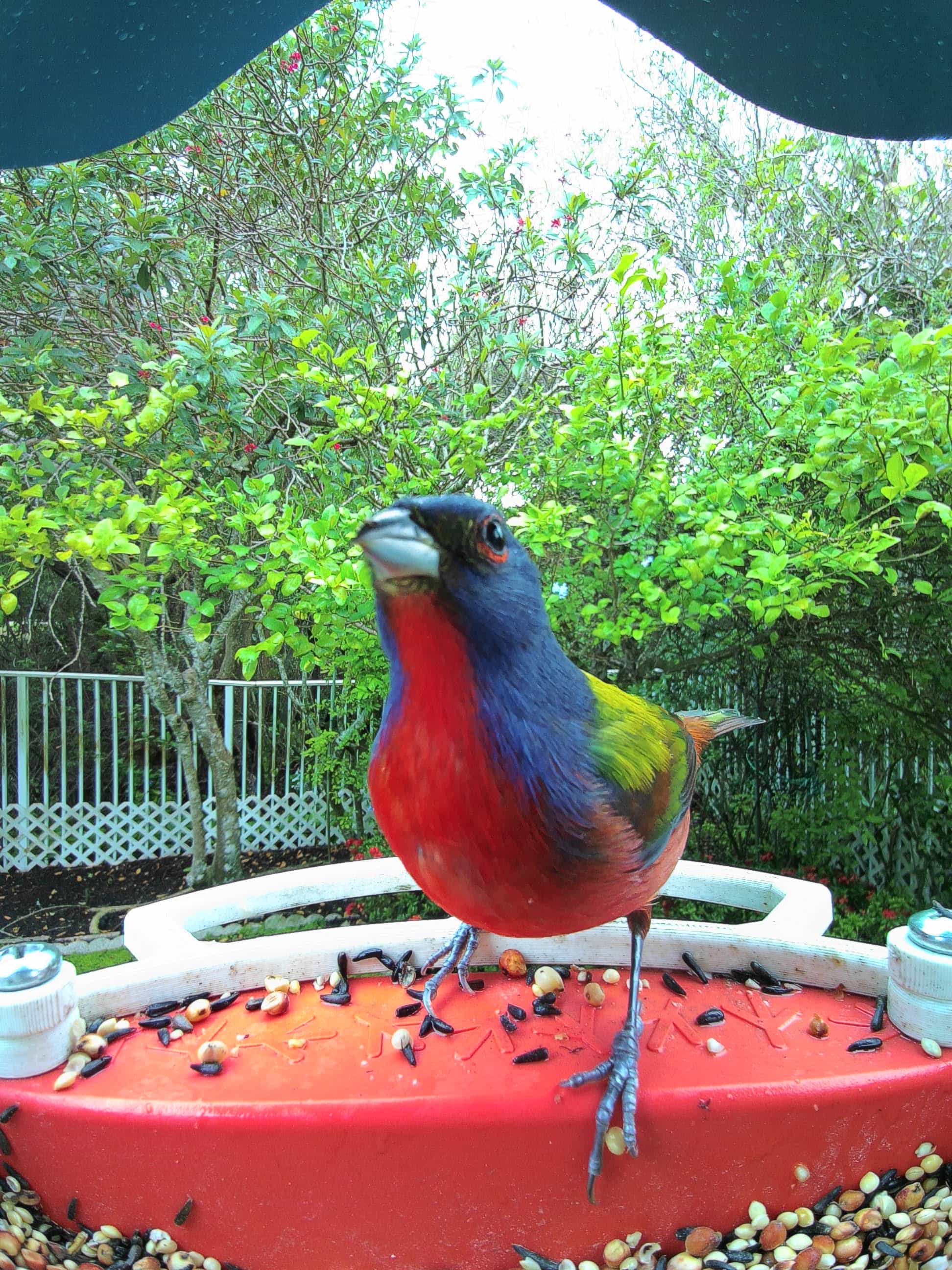
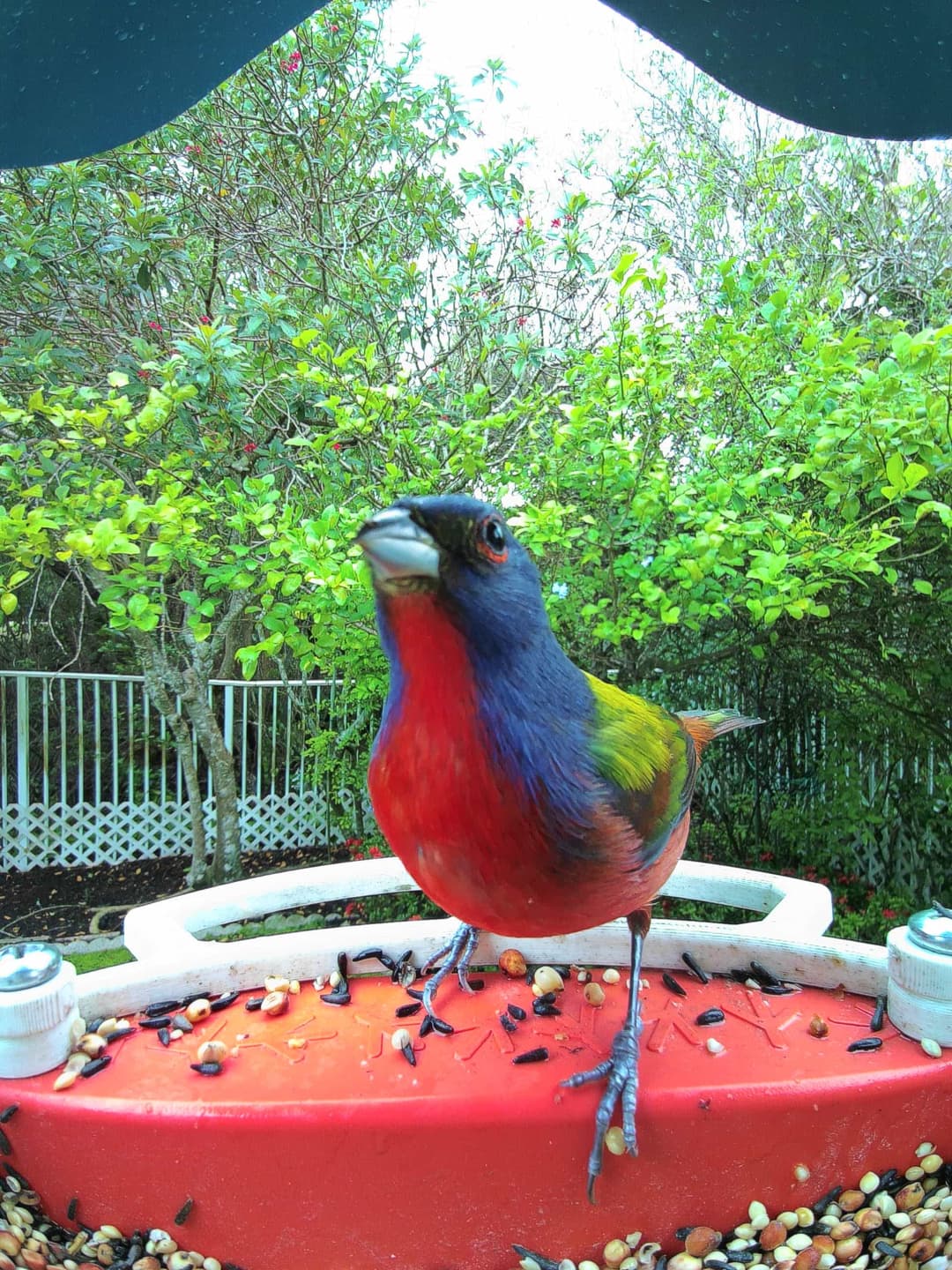
The painted bunting is a uniquely colored bird about the size of a sparrow, with a size of 5 1/2" (14 cm). Its distinguishing physical traits include its bright, vibrant colors and its bill, which is thicker than those seen on other small greenish birds. Its wing shape is rounded and its tail can be notched, rounded or square-tipped.
Male vs female
There is a substantial difference in coloration between the male and female painted buntings. The adult male is unmistakable with a blue head, red throat and chest, and bright green back. These bold colors make the male easy to identify in the wild. The female, on the other hand, is plain green with no markings, making her more difficult to identify among other green birds.
Juvenile
Juvenile painted buntings are much grayer than adult females at first, which distinguishes them from the adults. As they mature, their coloring gradually develops into either the striking colors of the adult male or the more discreet green of the female.
Size
4.7 - 5.1 in/0.5 - 0.7 oz
There's more to learn about Painted Bunting
View full detailsLesser Goldfinch
Spinus psaltria
General appearance
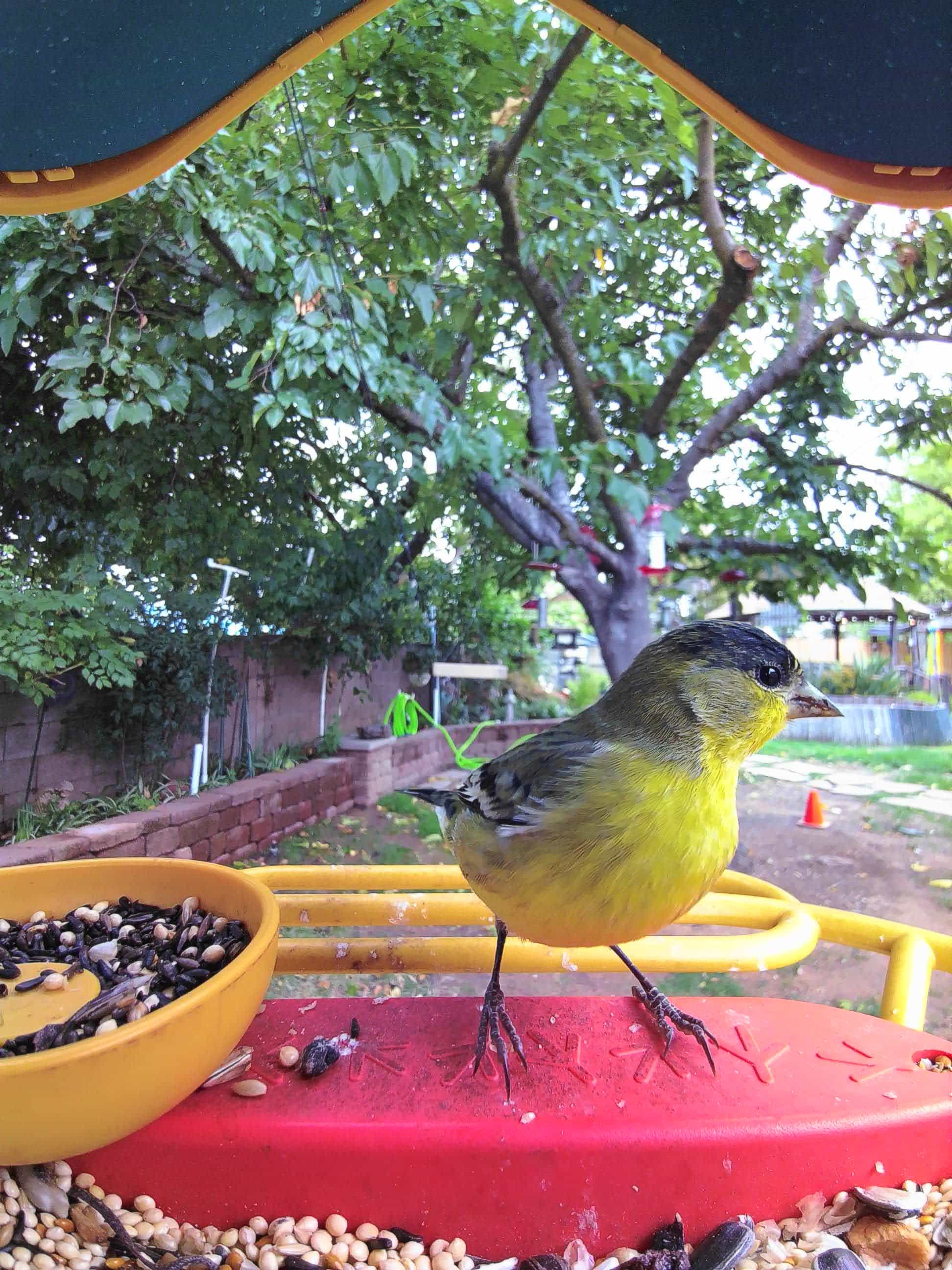
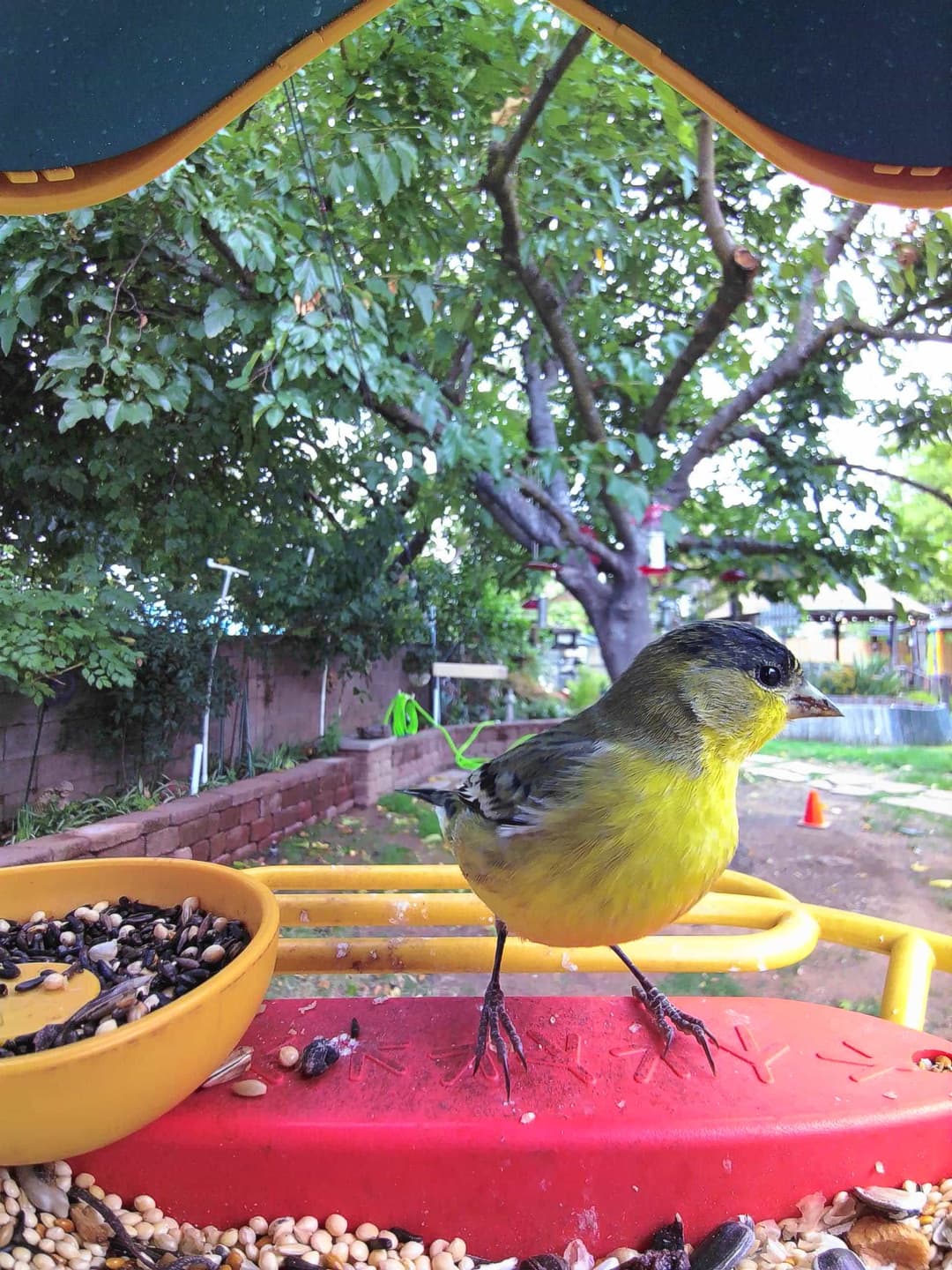
The lesser goldfinch is a small songbird, about 4.5 inches long, with a wingspan of approximately 8 inches. It has a short, conical bill ideal for seed eating. Its tail is notched and relatively short. The species is notable for its bright yellow underparts, contrasting with black or olive-green upperparts. The wings and tail are dark with white wing bars and edges, giving it a distinctive appearance in flight.
Male vs female
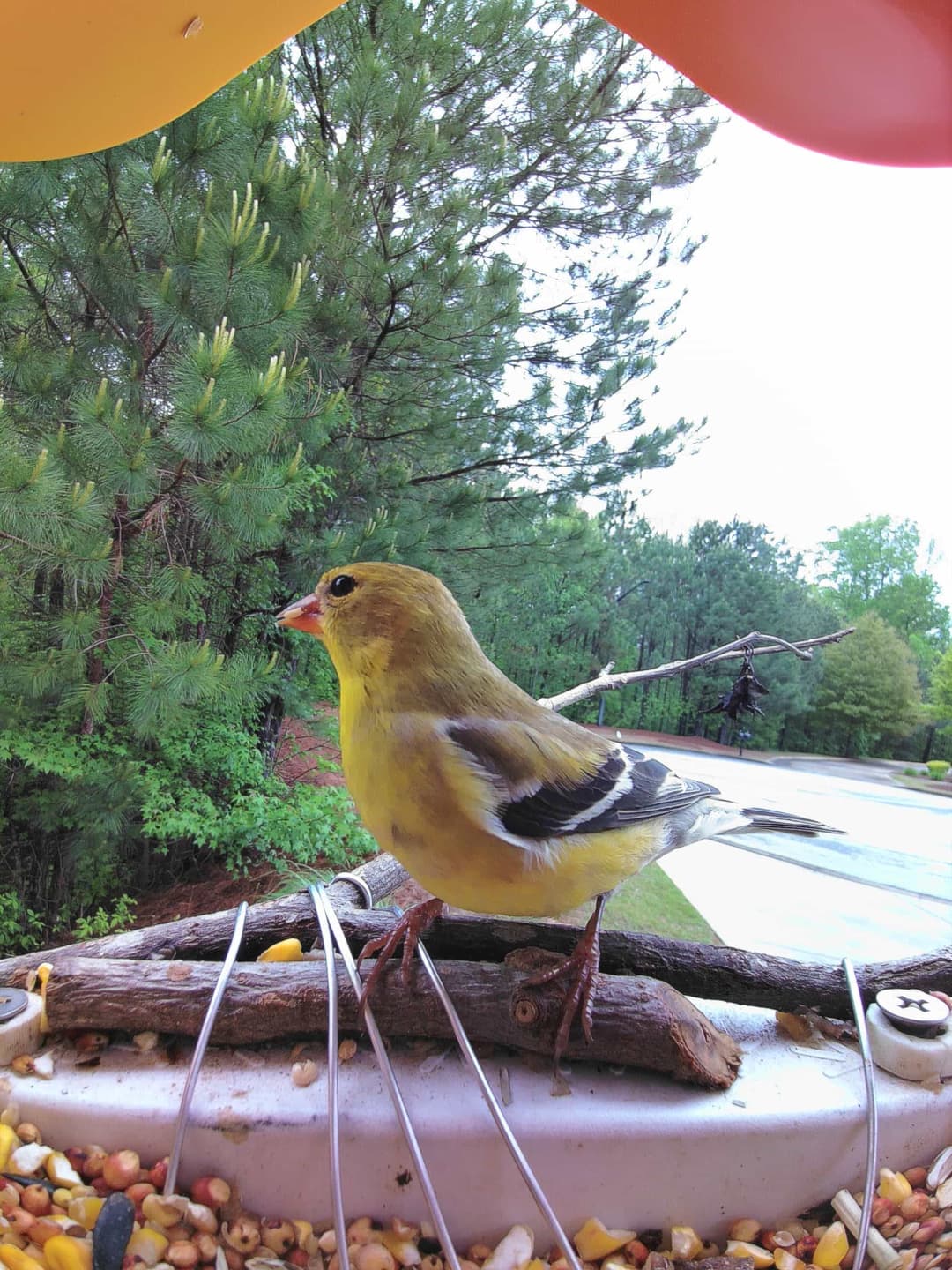
Male lesser goldfinches typically display a glossy black cap and upper back. Regionally, their back can also appear olive-green. Females are generally more subdued, with olive-green upperparts and a less distinct cap. Both genders share the yellow underparts, but females have duller shades. During the breeding season, males are brighter with clearer contrast, while females remain consistent year-round.
Juvenile
Juvenile lesser goldfinches resemble adult females, displaying olive-green upperparts and yellowish underparts but with more muted overall tones. They lack the distinct black cap found in adult males. As they mature, male juveniles develop the characteristic coloration and markings of adult males, while females retain their more subdued appearance.
Size
3.5 - 4.3 in/0.3 - 0.4 oz
There's more to learn about Lesser Goldfinch
View full detailsHow to tell the Painted Bunting from the Lesser Goldfinch
Visual differences
The Painted Bunting is larger (5.5 inches) than the Lesser Goldfinch (4.5 inches). Painted Bunting males are multicolored with blue heads, red chests, and green backs, while females are bright green. Lesser Goldfinches have yellow underparts with black or olive-green upperparts, and a short, conical bill. Buntings have a thicker bill and less distinctive wing markings. Lesser Goldfinches have a notched tail and white wing bars. Males have a black cap, unlike the Bunting. These visual distinctions aid in identification.
Key differences and behavior
The Painted Bunting and Lesser Goldfinch, while both colorful small songbirds, exhibit distinct behavioral and ecological differences. Painted Buntings favor semi-open areas with dense low growth, defending territories through song and physical displays, and often breed polygynously. They primarily eat seeds but increase insect consumption during the breeding season. In contrast, Lesser Goldfinches inhabit semi-open areas near water, breeding from early spring to mid-autumn. Males perform display flights during courtship. Their diet mainly comprises seeds from the daisy family and insects like aphids. Both species are attracted to bird feeders but differ in seed preferences; Painted Buntings prefer white millet, while Lesser Goldfinches enjoy sunflower and thistle seeds. Overall, habitat choice and breeding behaviors such as polygyny in Painted Buntings and display flights in Lesser Goldfinches serve as distinguishing factors in the field.
Still not sure? Here are more lookalikes!
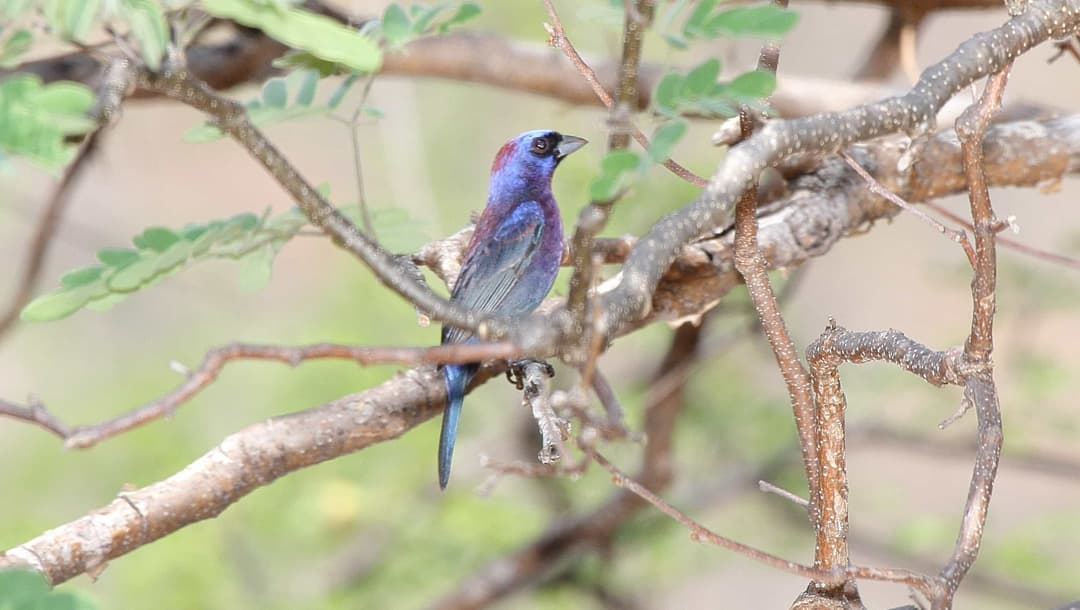
Painted Bunting vs Varied Bunting
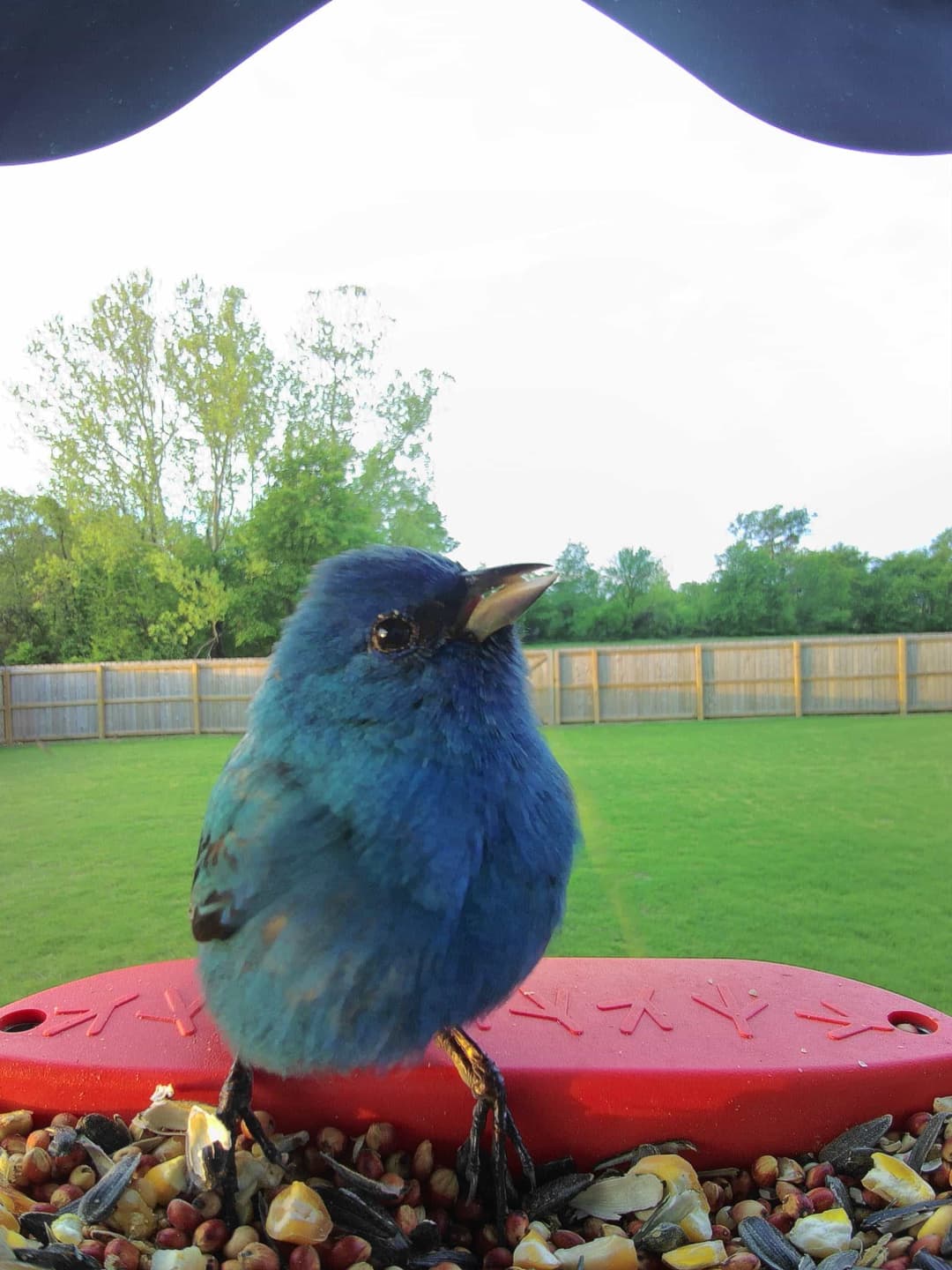
Painted Bunting vs Indigo Bunting
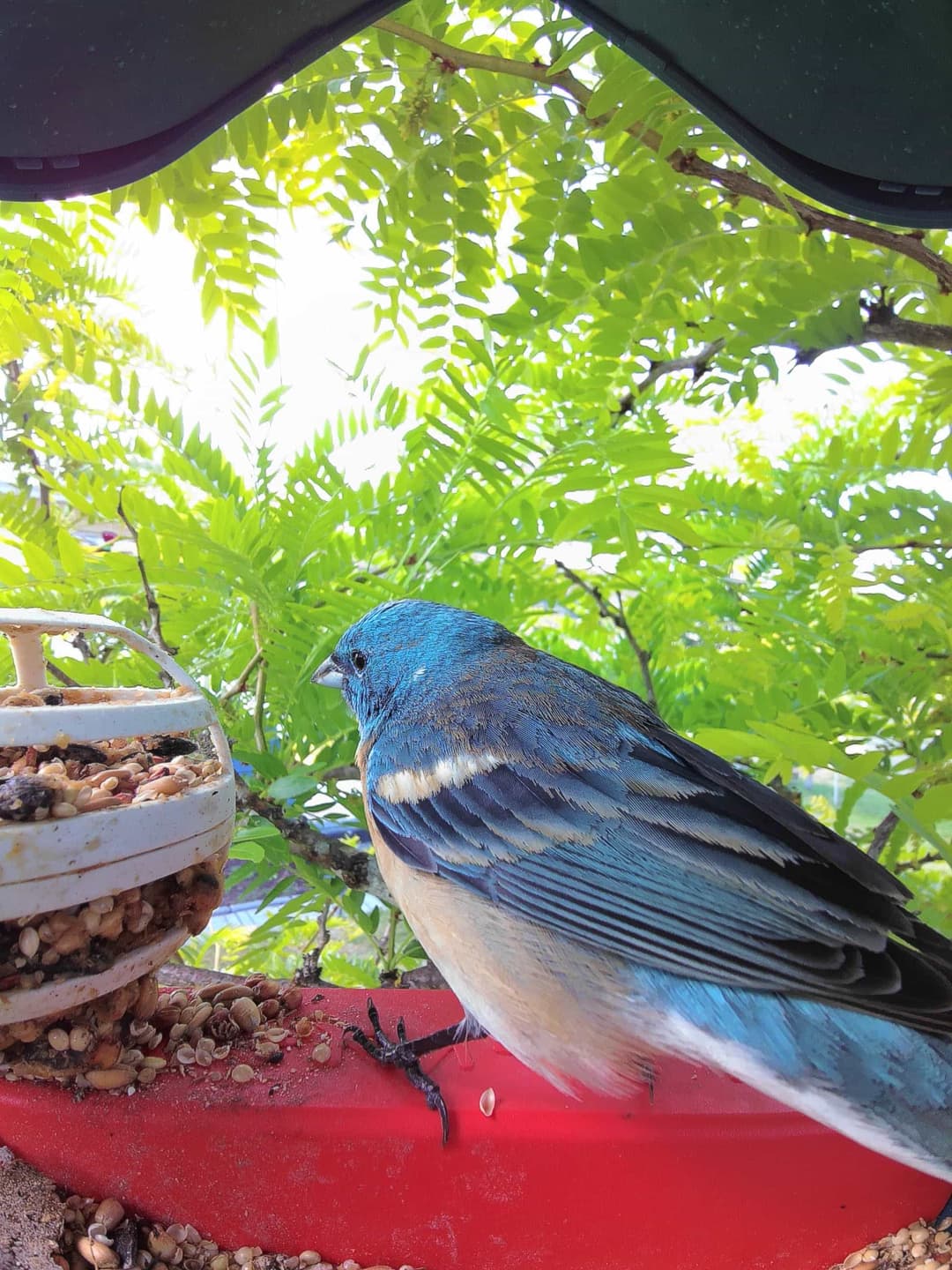
Painted Bunting vs Lazuli Bunting
Lesser Goldfinch vs American Goldfinch
Lesser Goldfinch vs Lawrence’s Goldfinch
Lesser Goldfinch vs Pine Siskin
Lesser Goldfinch vs Evening Grosbeak
Painted Bunting vs [Select a bird]

[Select a bird]
Pick a bird to compare
Lesser Goldfinch vs [Select a bird]
[Select a bird]
Pick a bird to compare