Wood Duck or Mallard?
Here's how to tell the difference
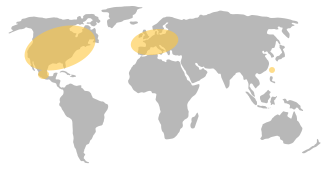


Wood Duck


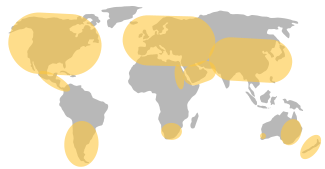
Mallard
Wood Duck
Aix sponsa
Also known as: Carolina Duck
General appearance
Wood ducks are small to medium-sized perching ducks with a distinctive shape, featuring a boxy, crested head and a long tail. They exhibit broad, multicolored wings and a unique iridescence on their plumage. Wood ducks are most commonly found near wooded swamps, shallow lakes, and freshwater marshes.
Male vs female
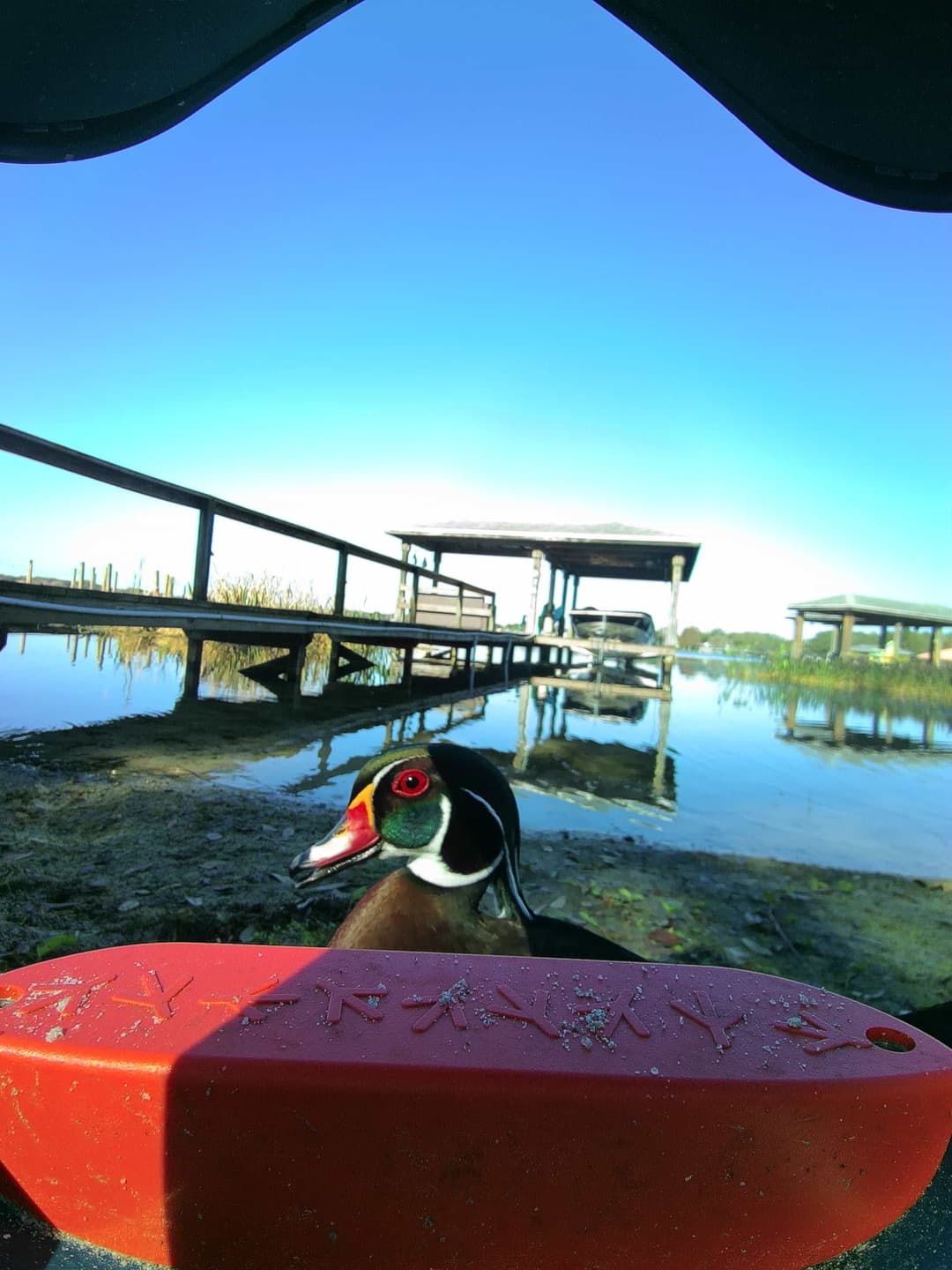
Male wood ducks display a striking array of colors with iridescent greens, purples, and blues, a glossy green head, bright red eyes, and a distinctive white throat patch framed by black lines. Females, in contrast, have a more subdued appearance with grayish-brown plumage, a white eye-ring, and an overall mottled pattern. Both sexes have a unique, thin white bill with a dark tip.
Juvenile
Juvenile wood ducks resemble females with their duller coloration, though their plumage is generally even more muted. They lack the iridescent sheen of adult males and have less developed crests. As they mature, juveniles gradually develop characteristic markings and begin to show gender-specific coloration patterns as they reach adulthood.
Size
18.5 - 21.3 in/19.1 - 26.5 oz
There's more to learn about Wood Duck
View full detailsMallard
Anas platyrhynchos
Also known as: Wild Duck
General appearance
Mallards are medium-sized dabbling ducks, often seen in and around water bodies. They have a robust body with a round head and a distinctive flat bill. They exhibit a characteristic strong, direct flight.
Male vs female
Male mallards are known for their iridescent green heads, white ring around the neck, and chestnut-brown chest, while females are mottled brown with an orange bill marked with black. Both sexes have a blue speculum bordered with white on their wings. Males lose their bright colors and resemble females during the eclipse plumage in late summer.
Juvenile
Juvenile mallards resemble adult females with their mottled brown coloration but are generally duller and lack the distinct markings. As they mature, young males slowly transition to their vibrant adult plumage. They can often be seen in flocks with adults, using wetlands and ponds for feeding.
Size
19.7 - 27.6 in/25.9 - 63.5 oz
There's more to learn about Mallard
View full detailsHow to tell the Wood Duck from the Mallard
Visual differences
The Wood Duck is smaller (17-21 in., 1.2-1.7 lbs) with a distinctively boxy, crested head and long tail, exhibiting iridescent multi-colored plumage in males. They have a thin white bill with a dark tip. Female Wood Ducks are grayish-brown with a white eye-ring. The Mallard is larger (20-28 in., 1.6-4 lbs) with a robust body, round head, and flat bill. Male Mallards have an iridescent green head and chestnut-brown chest. Both sexes have a blue wing speculum with white borders.
Key differences and behavior
Wood Ducks and Mallards exhibit distinct behavioral differences. Wood Ducks are often found in wooded swamps and freshwater marshes, utilizing tree cavities and nest boxes, whereas Mallards prefer more varied aquatic environments including urban areas, marshes, and grain fields. Wood Ducks, unique among North American ducks, can breed twice a year, while Mallards typically breed once, selecting ground-level nests. In feeding, Wood Ducks focus primarily on seeds, with acorns being significant, and rely heavily on insects in youth. Mallards, being omnivorous, have a broader diet, consuming plant material, aquatic insects, and small vertebrates. Vocal behavior also varies; female Mallards are recognized by their quacking, whereas Wood Ducks are generally less vocal. These behavioral distinctions aid in field identification beyond visual cues.
Still not sure? Here are more lookalikes!
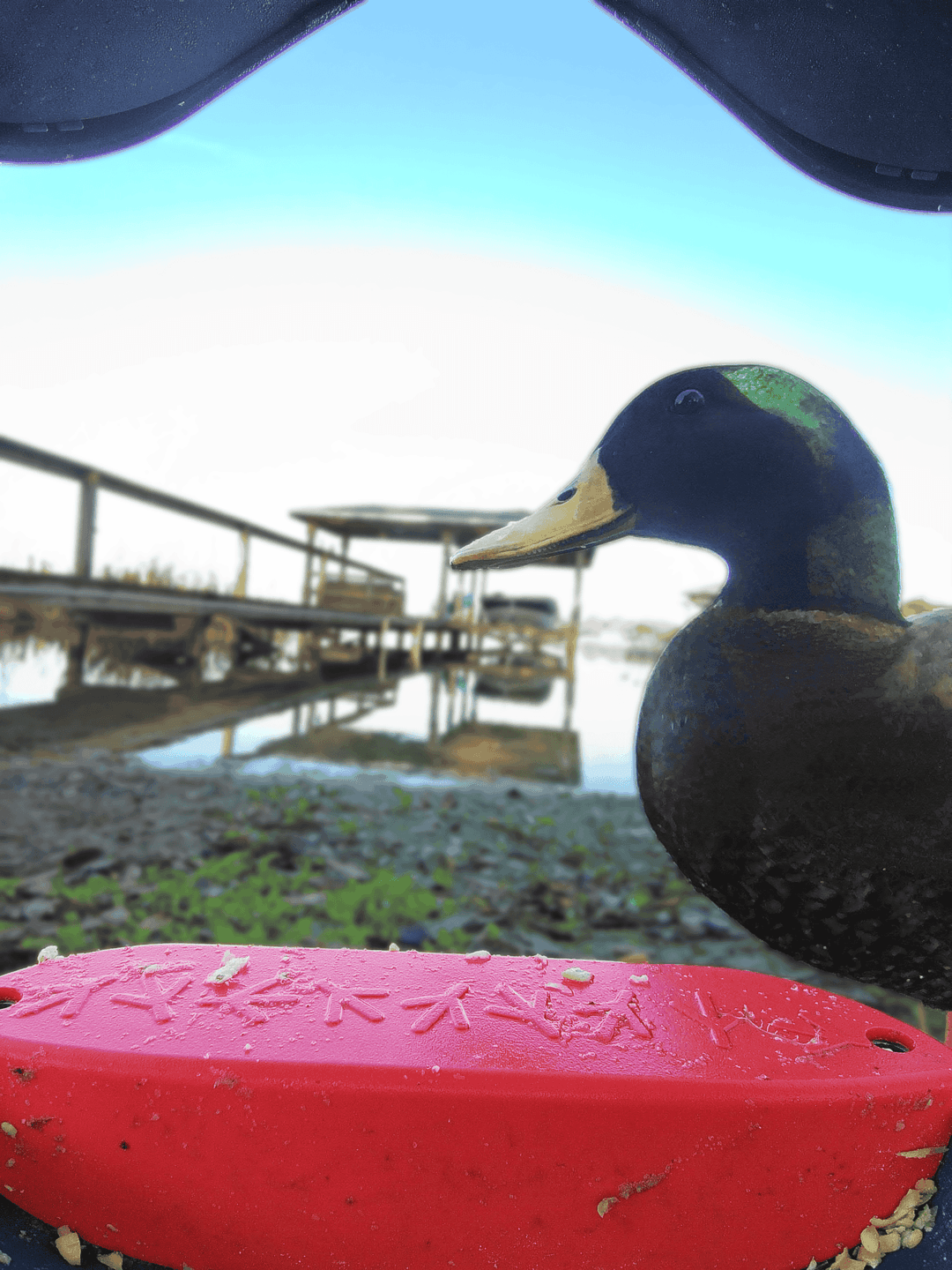
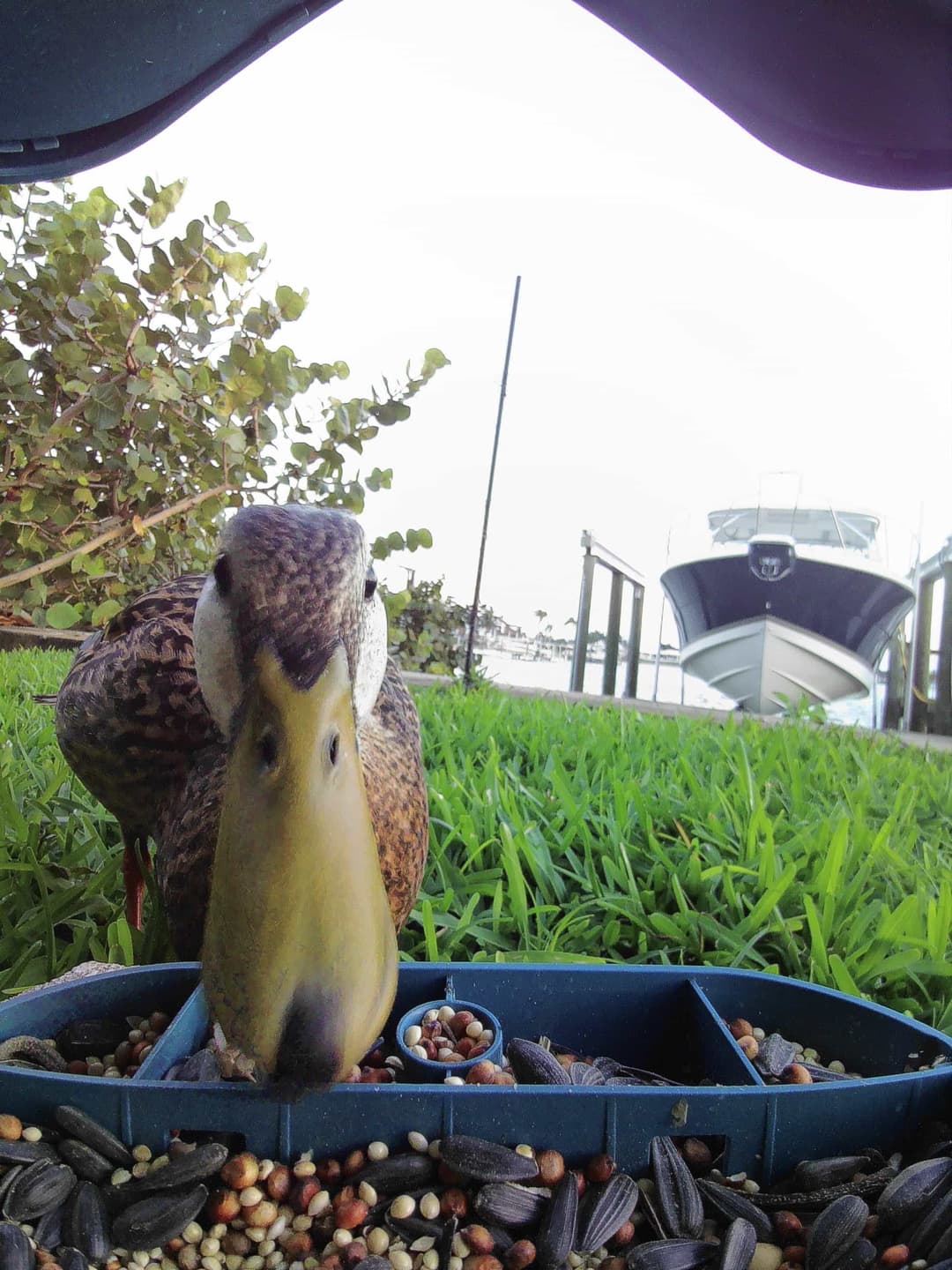
Wood Duck vs [Select a bird]

[Select a bird]
Pick a bird to compare
Mallard vs [Select a bird]
[Select a bird]
Pick a bird to compare