Bushtit or Black-Capped Chickadee?
Here's how to tell the difference
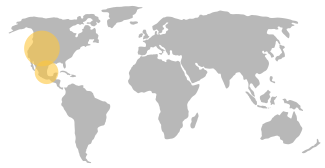
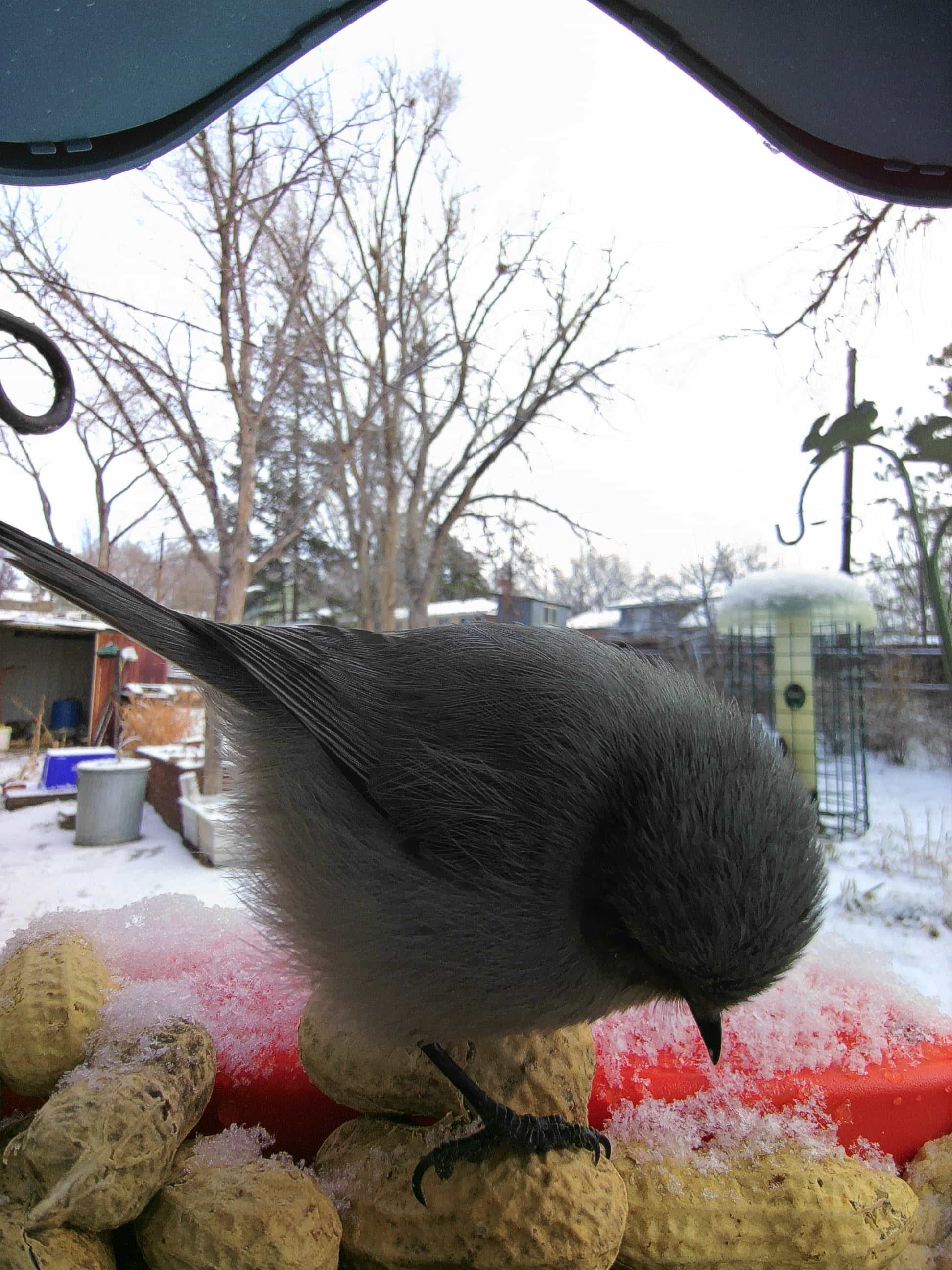


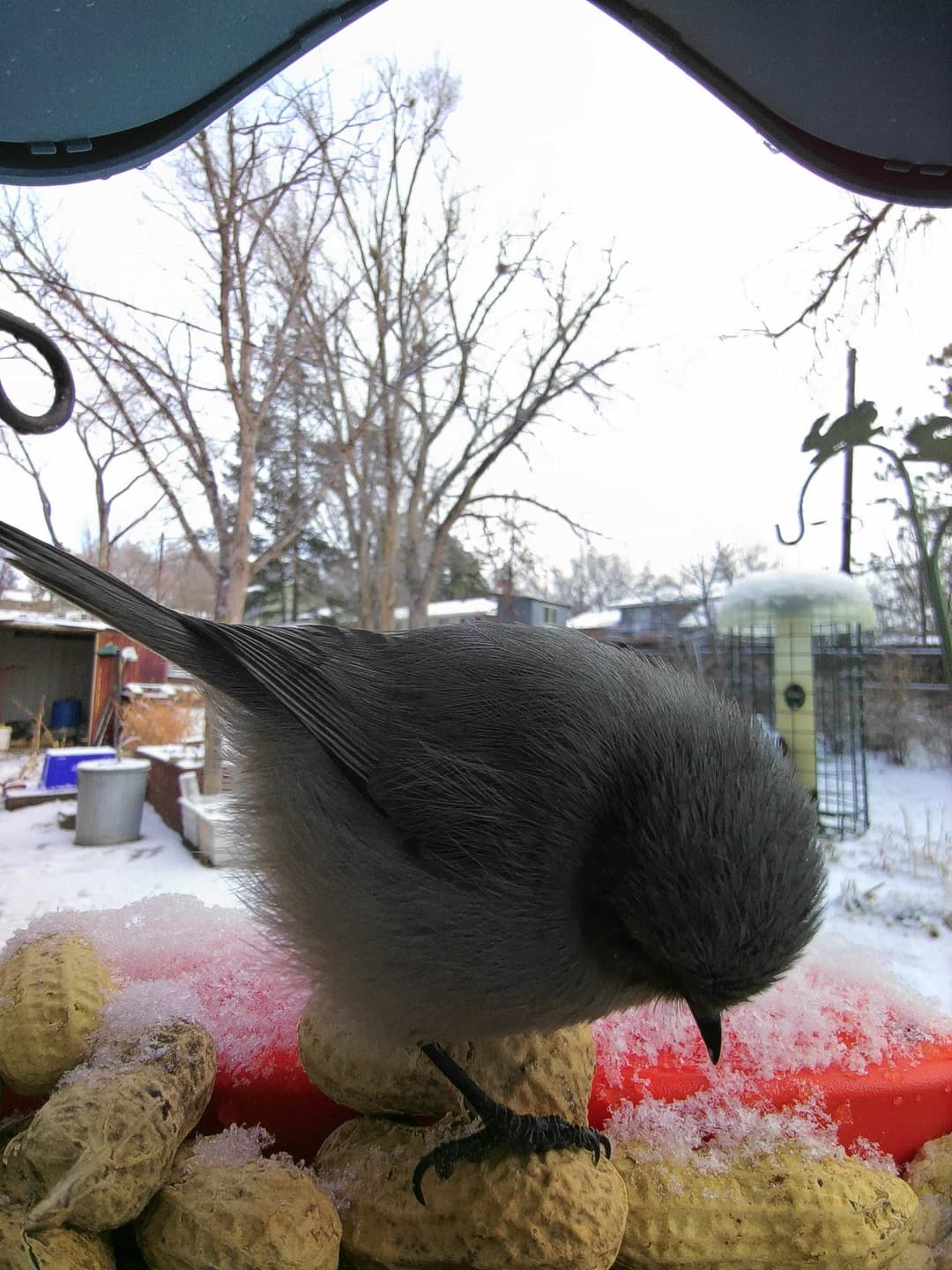
Bushtit
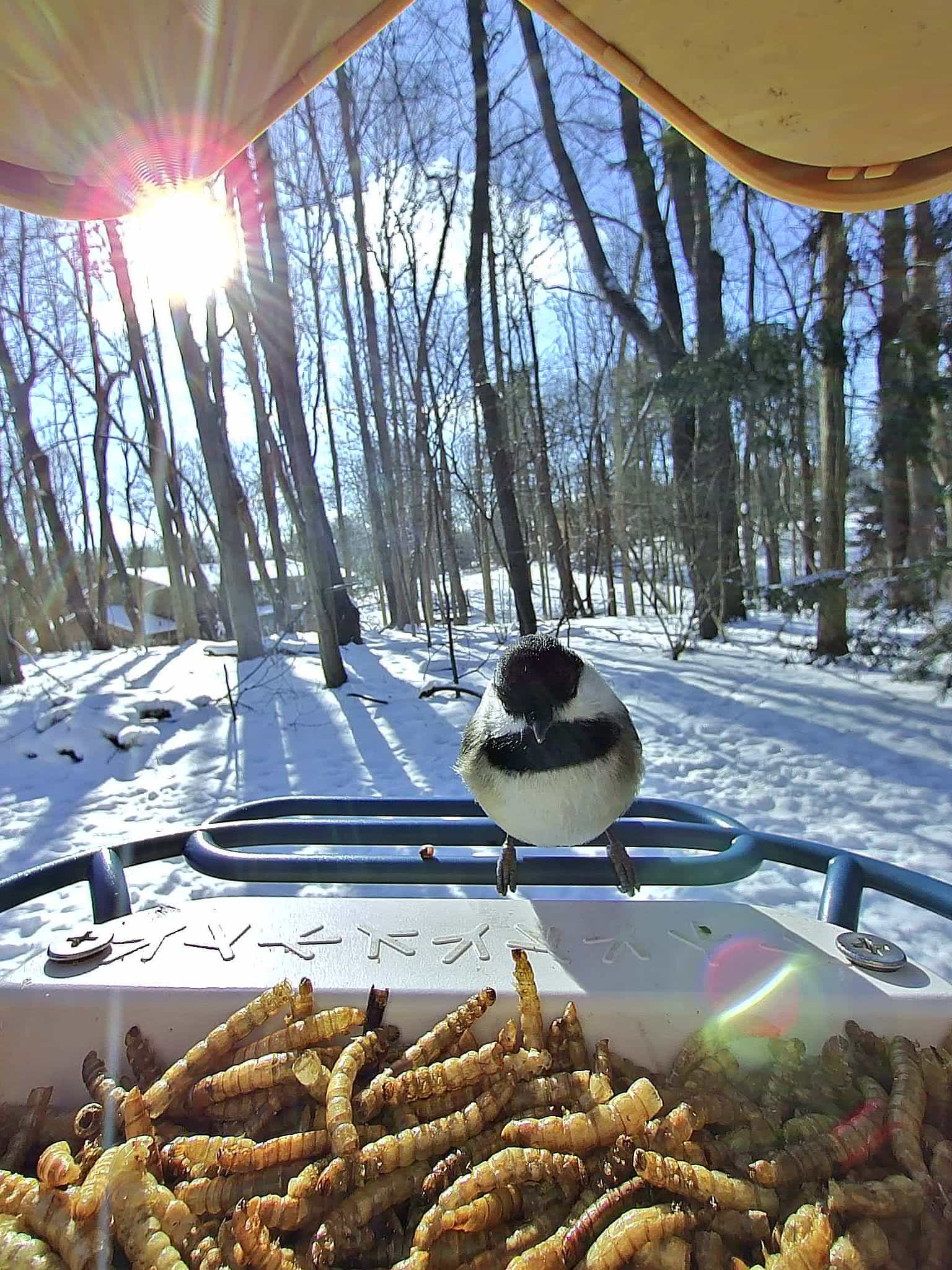


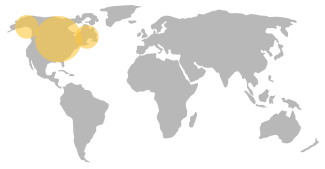
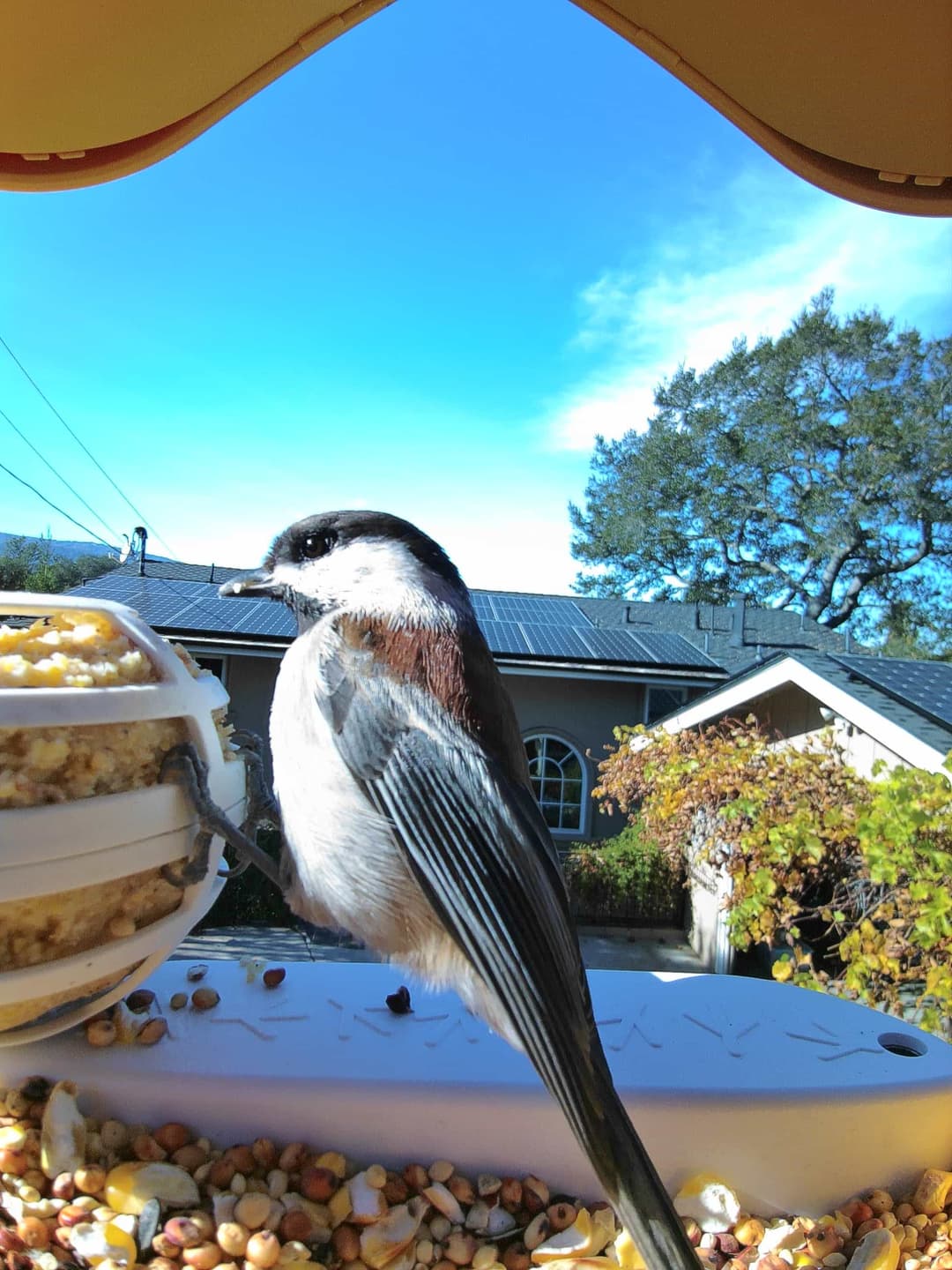
Black-Capped Chickadee
Bushtit
Psaltriparus minimus
Also known as: American Bushtit
General appearance
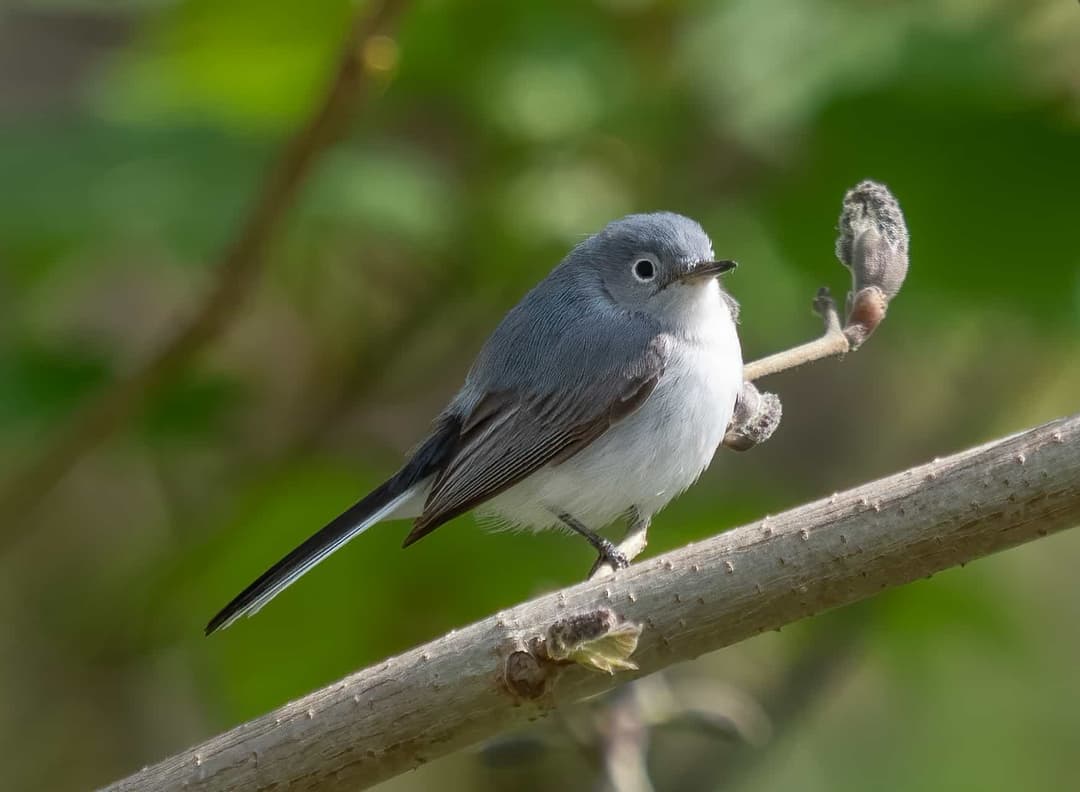
The bushtit is a tiny bird, about the size of a Sparrow, with the length of 3 3/4 - 4 inches. It has a small bill and a long, wedge-shaped tail. The bird's color ranges from black, brown, gray, to tan and white. It has a rounded wing shape and is often found in large flocks in open woods.
Male vs female
There is a stark difference between male and female bushtits, primarily observed in their eye color. Males have dark eyes, whereas females have pale ones. Coastal birds often have a browner head, setting them apart from others.
Juvenile
Juvenile males, especially in west Texas, may display black ear patches, distinguishing them from adult males. Asides from this, juveniles may hold similar physical traits to adults.
Size
4.3 - 5.5 in/0.2 oz
There's more to learn about Bushtit
View full detailsBlack-Capped Chickadee
Poecile atricapillus
General appearance
The black-capped chickadee is a small, plump bird with a distinctive black cap and bib, contrasting sharply with its white cheeks. Its back is soft gray, and it has subtle, buffy flanks. Its bill is short and pointed, and its wings and tail have white edges. The bird exhibits an acrobatic flight, often flitting around trees and feeders.
Male vs female
Males and females are visually similar, making it challenging to differentiate based on appearance. Both share the same black cap, bib, and white cheek pattern. However, males may appear slightly larger and have a more vibrant coloration, specifically noted during mating displays, though generally, such differences are subtle.
Juvenile
Juvenile black-capped chickadees resemble adults but with duller plumage. The black cap and bib are less pronounced, and their flanks may appear a lighter shade. As they mature, juveniles attain the crisp black and white patterning typical of adults. In juveniles, the bill base remains slightly flesh-colored before turning fully black.
Size
4.7 - 5.9 in/0.4 - 0.5 oz
There's more to learn about Black-Capped Chickadee
View full detailsHow to tell the Bushtit from the Black-Capped Chickadee
Visual differences
The Bushtit is smaller (3 3/4 - 4 inches) with a small bill, long wedge-shaped tail, and plumage ranging from black, brown, gray, tan to white. Males have black irises, females pale. The Black-Capped Chickadee is slightly larger (4 3/4 - 5 3/4 inches), has a black cap and bib, white cheeks, and gray back with buffy flanks. It has a short, pointed bill and wings with white edges. Juveniles of both species have duller coloring, but Bushtit juveniles may have black ear patches, unlike Chickadee juveniles.
Key differences and behavior
The Bushtit and Black-Capped Chickadee exhibit distinct behavioral differences that aid identification in the field. Bushtits are constantly in chattering flocks, flitting among bushes and emitting bell-like calls. They inhabit open woodland areas, constructing spiderweb-based hanging nests. Their diet mainly consists of tiny insects and they seldom visit feeders. In contrast, Black-Capped Chickadees are more aggressive, forming tightly-knit social groups with a clear hierarchy, often found in deciduous forests and garden areas. They use cavities for nesting and have a varied diet that includes seeds and insects, frequently visiting feeders for items like sunflower seeds and suet. Chickadees have a strong presence at feeders, adapting their diet seasonally, while Bushtits rely more on their hunting skills for tiny insects in wooded areas.
Still not sure? Here are more lookalikes!
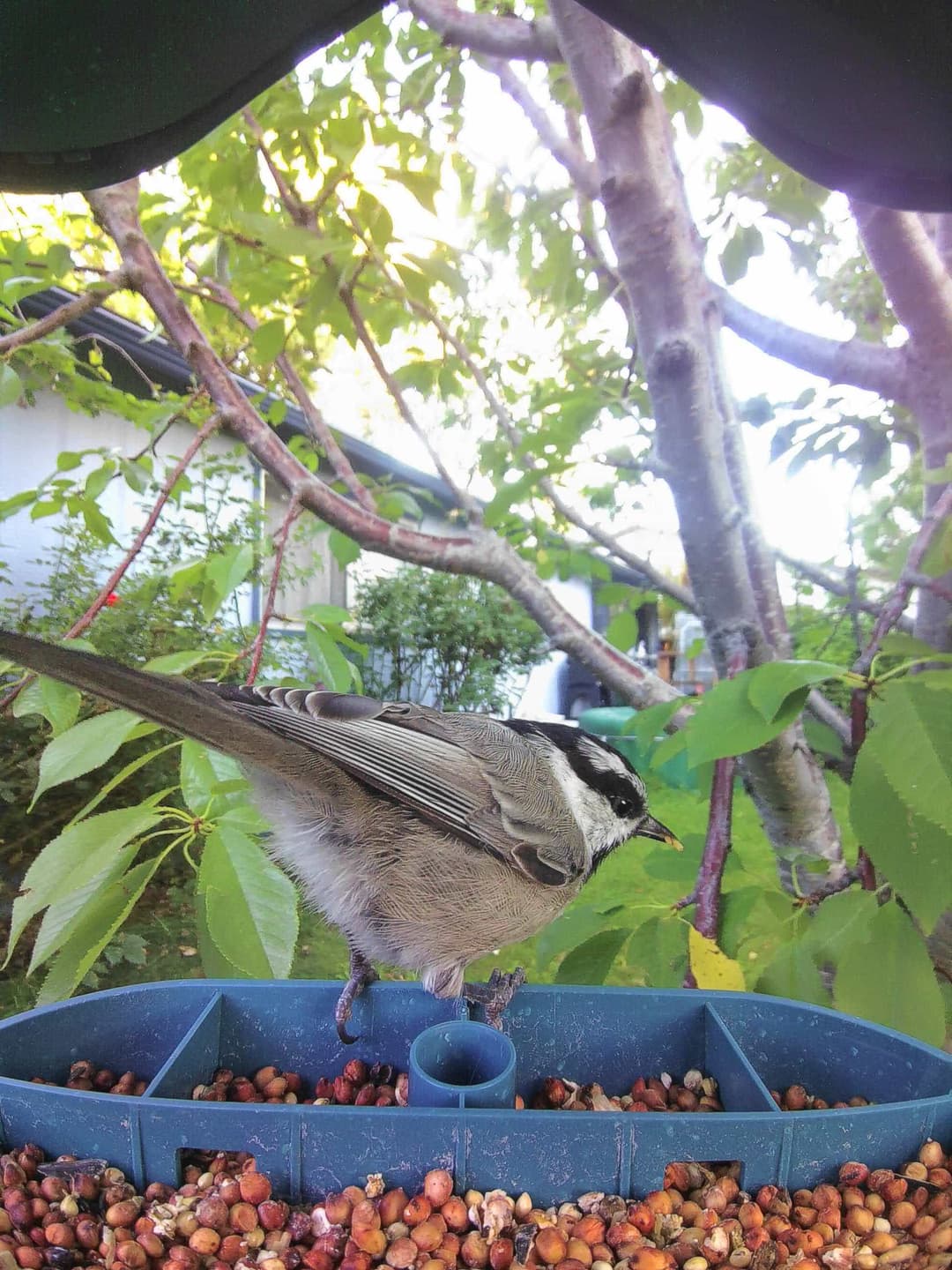
Bushtit vs Mountain Chickadee
Black-Capped Chickadee vs Carolina Chickadee
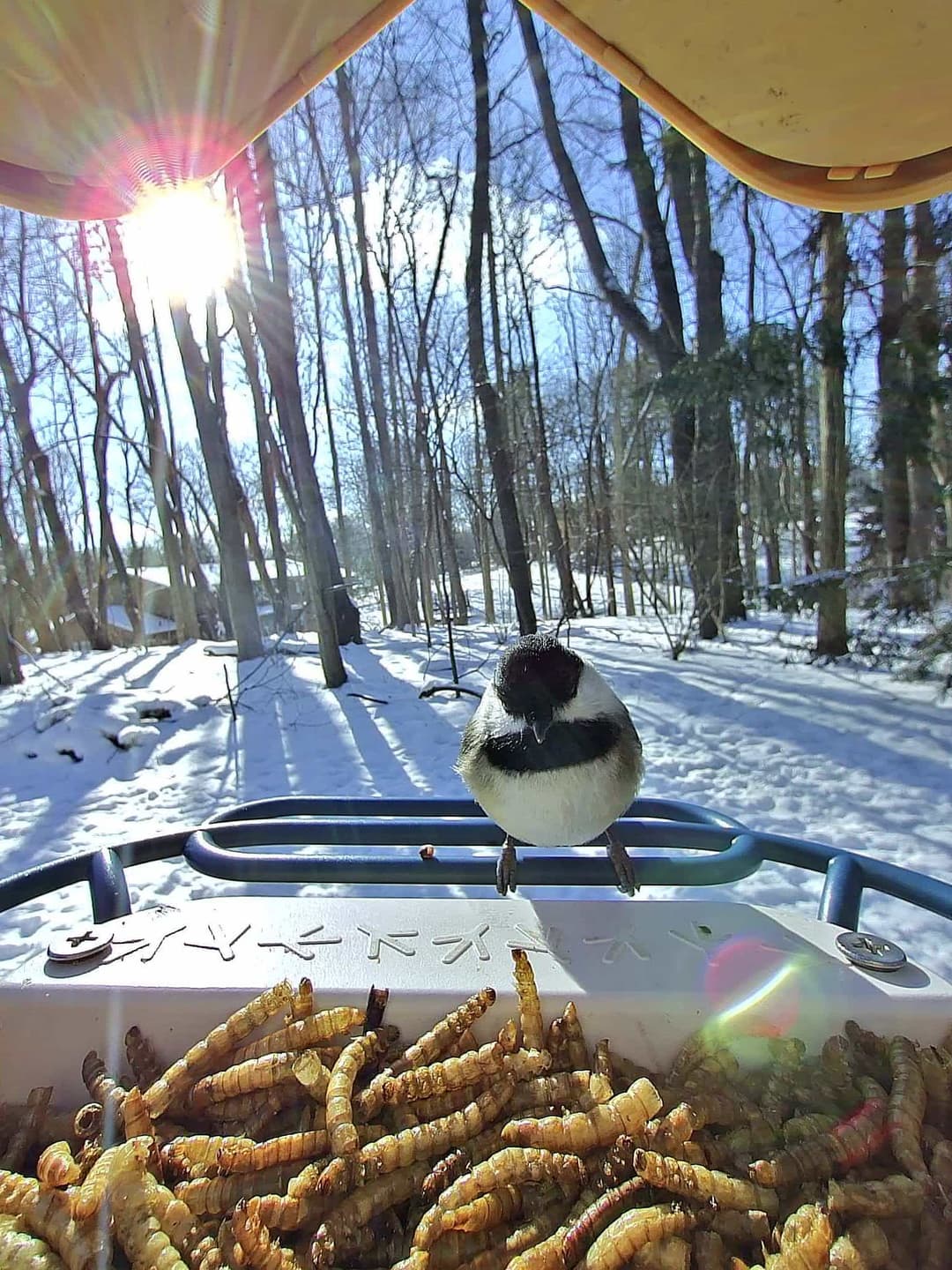
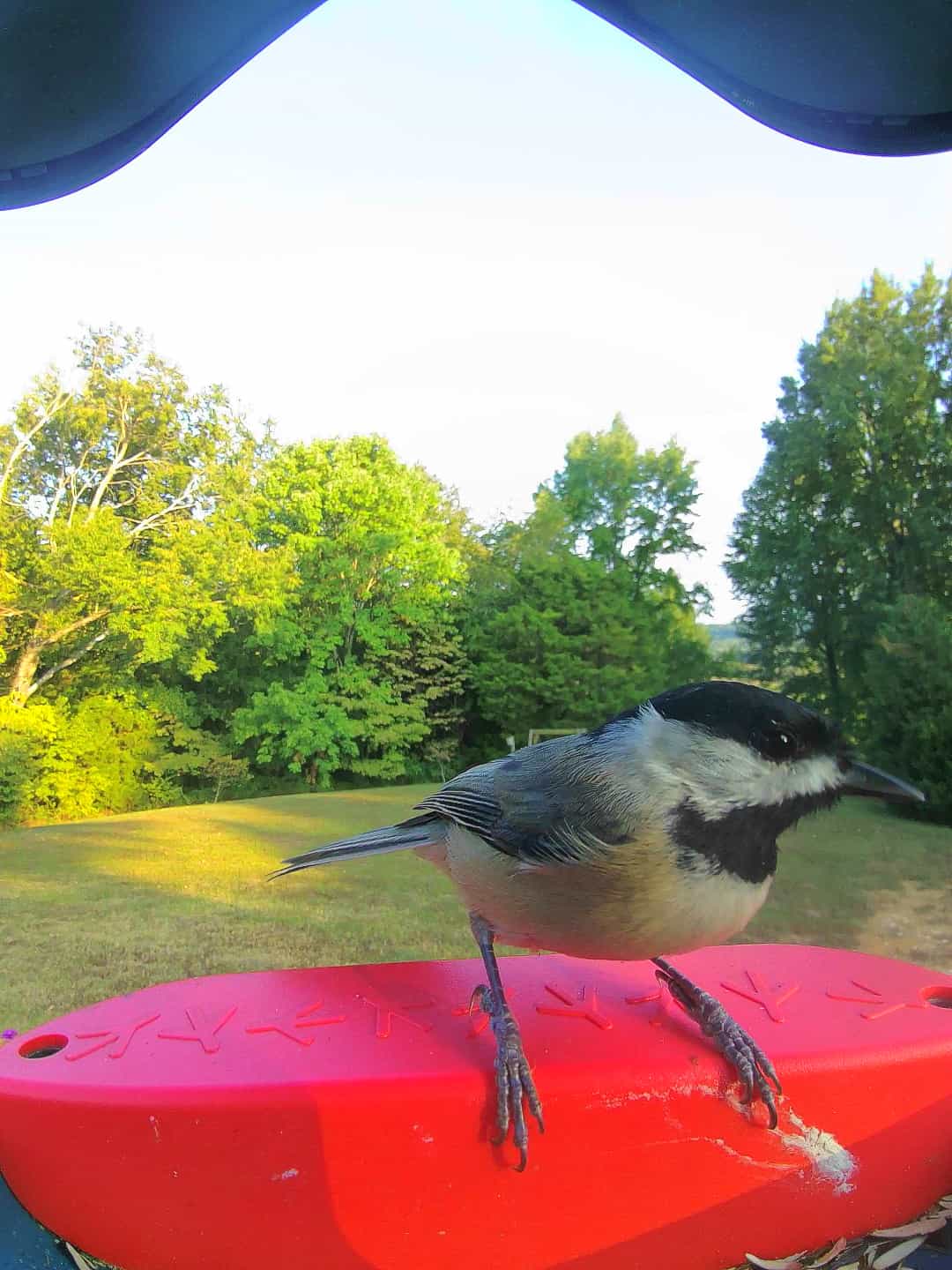
Black-Capped Chickadee vs Mountain Chickadee
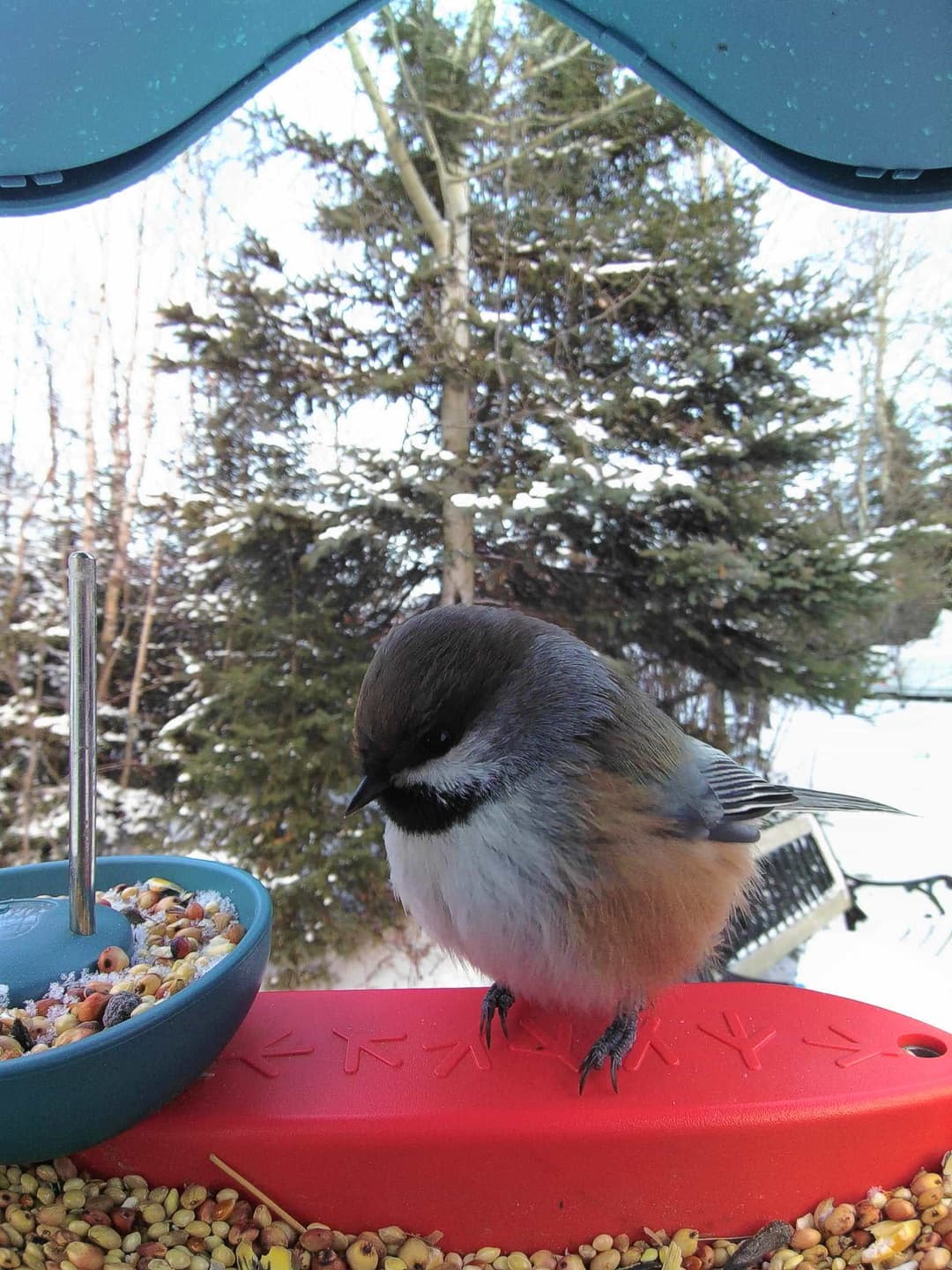
Black-Capped Chickadee vs Boreal Chickadee
Black-Capped Chickadee vs Chestnut-Backed Chickadee
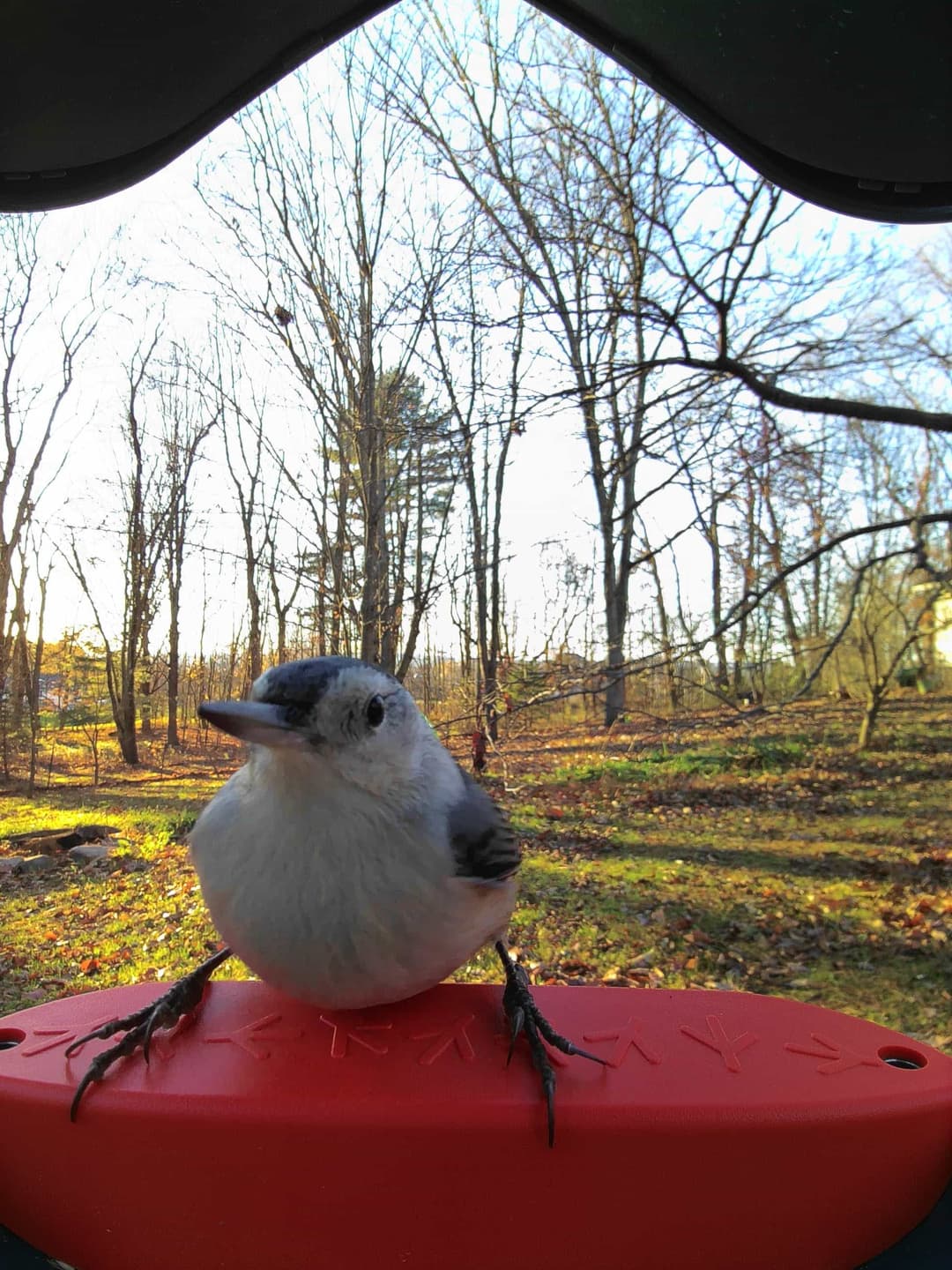
Black-Capped Chickadee vs White-Breasted Nuthatch
Bushtit vs [Select a bird]

[Select a bird]
Pick a bird to compare
Black-Capped Chickadee vs [Select a bird]
[Select a bird]
Pick a bird to compare