Bushtit or Chestnut-Backed Chickadee?
Here's how to tell the difference
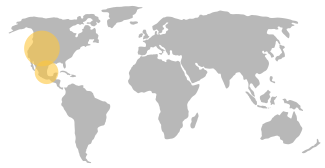
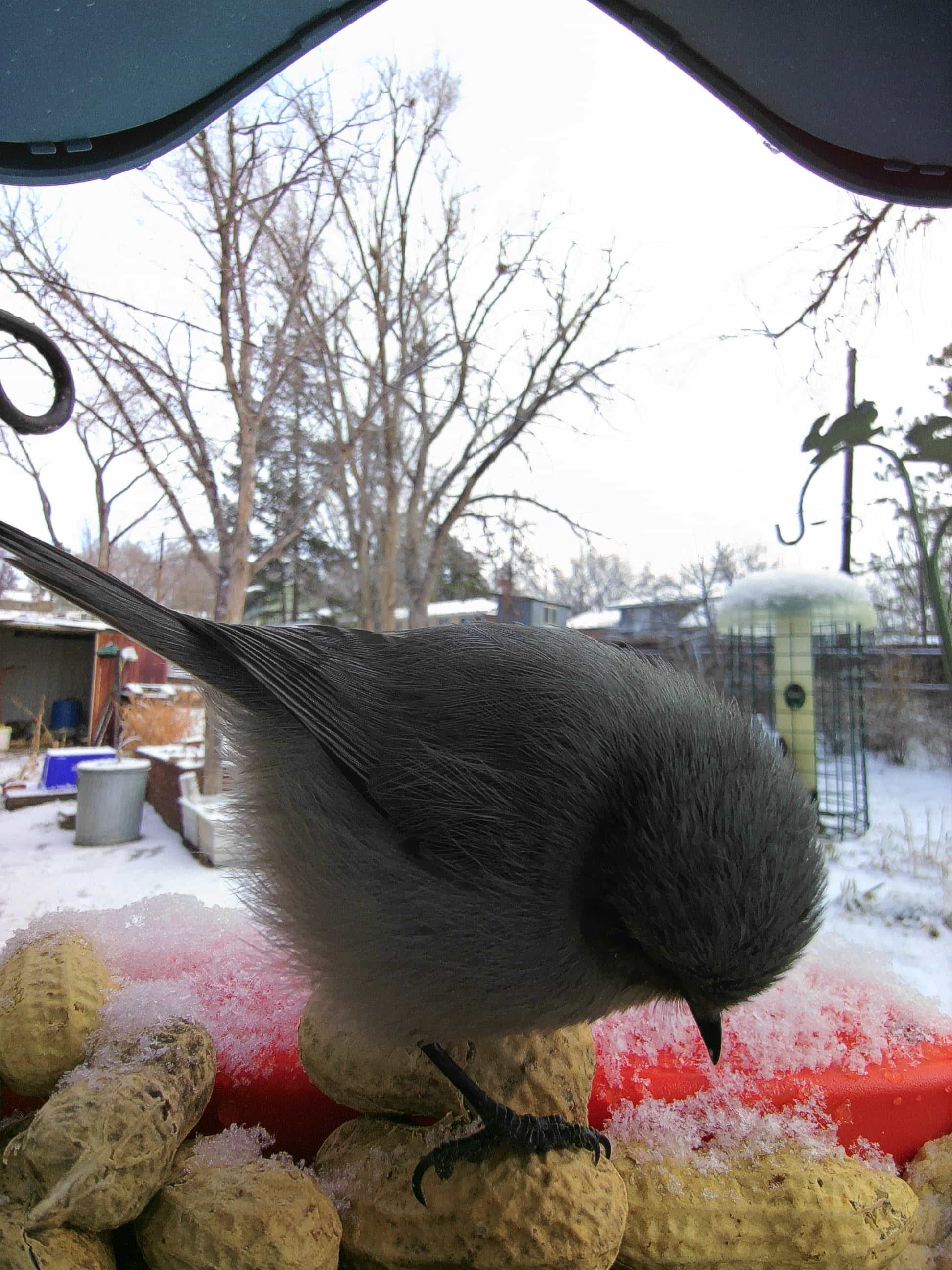


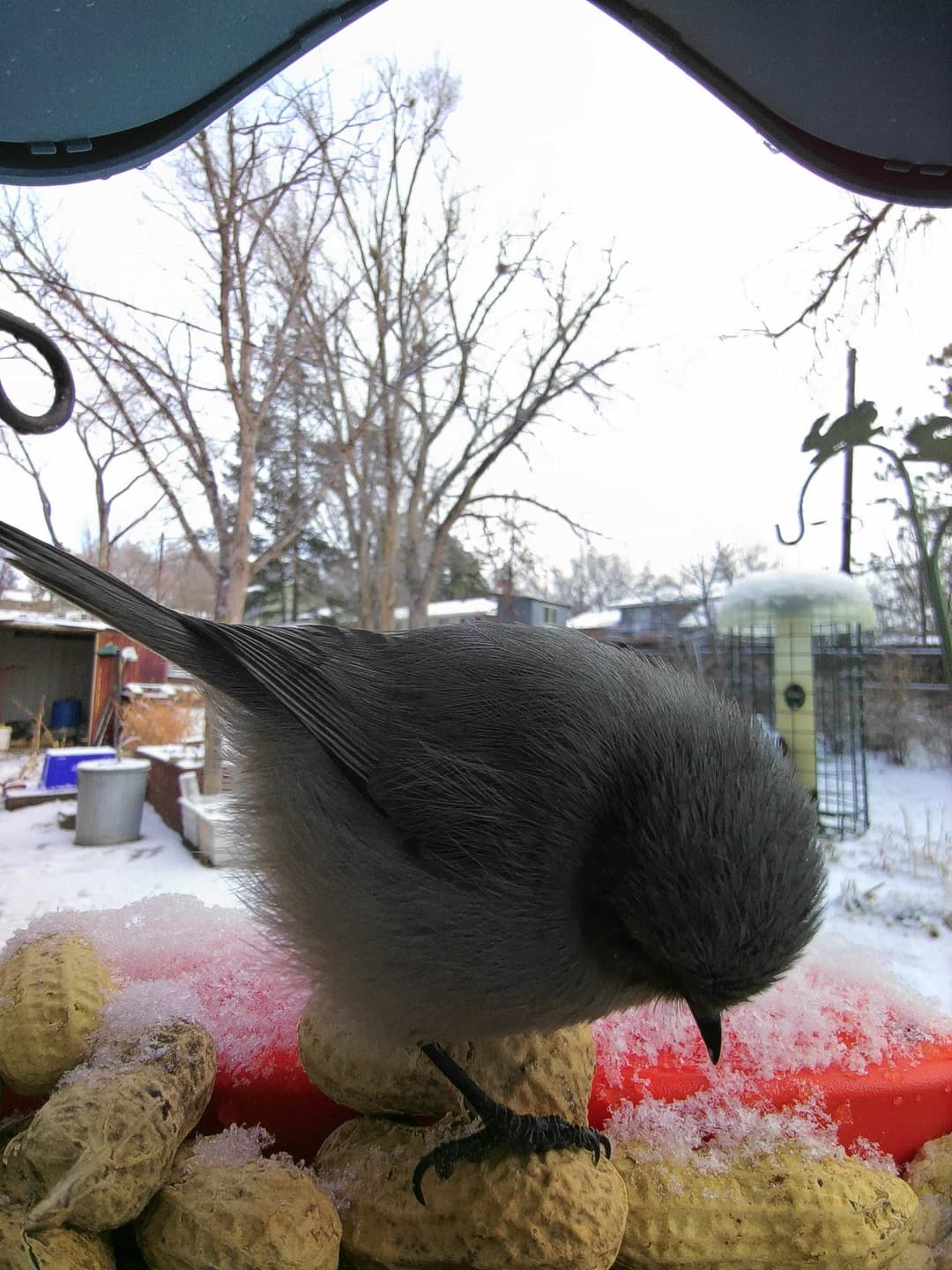
Bushtit
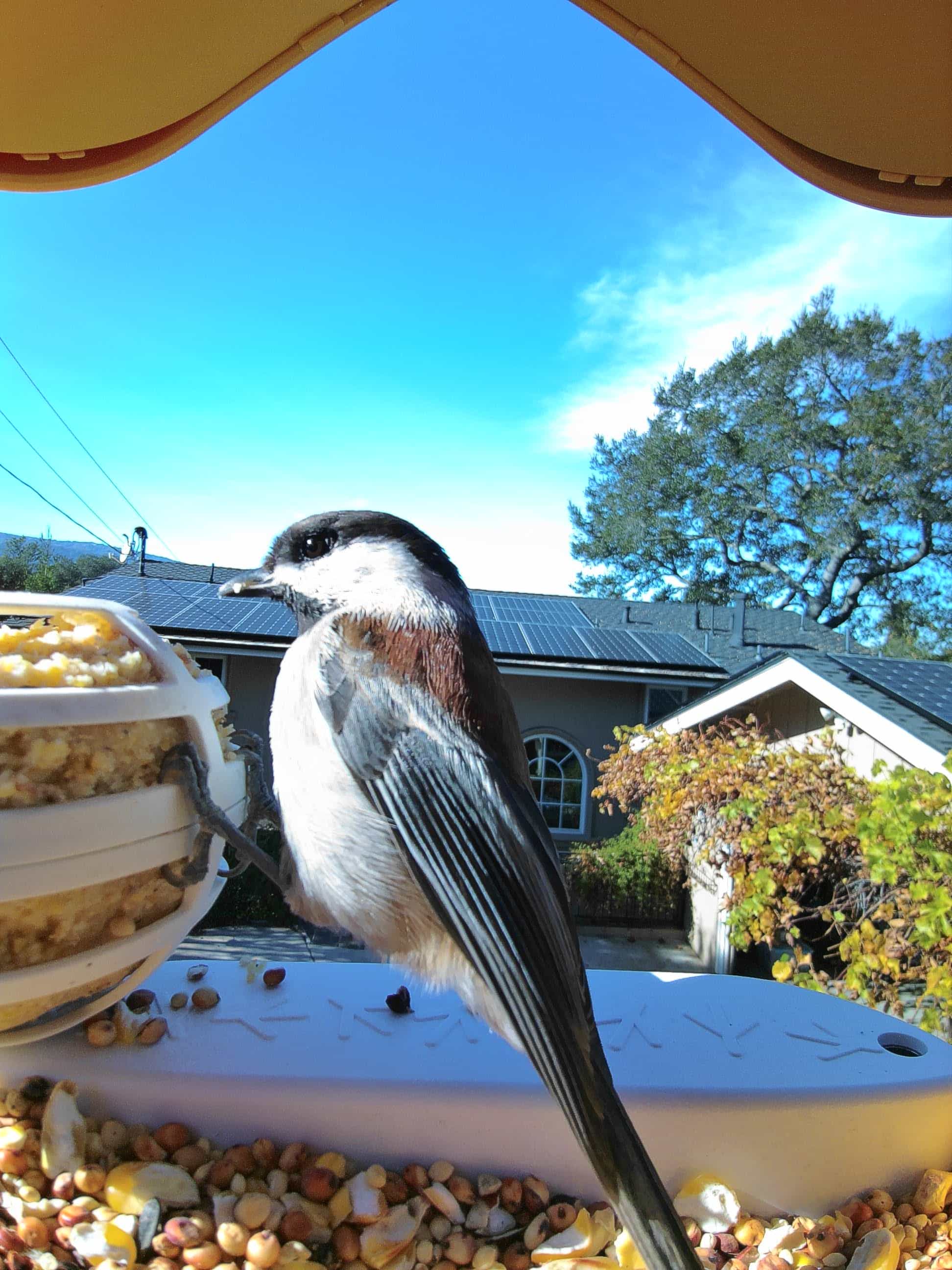


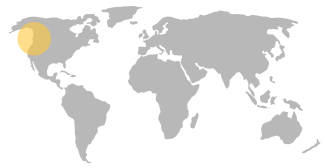
Chestnut-Backed Chickadee
Bushtit
Psaltriparus minimus
Also known as: American Bushtit
General appearance
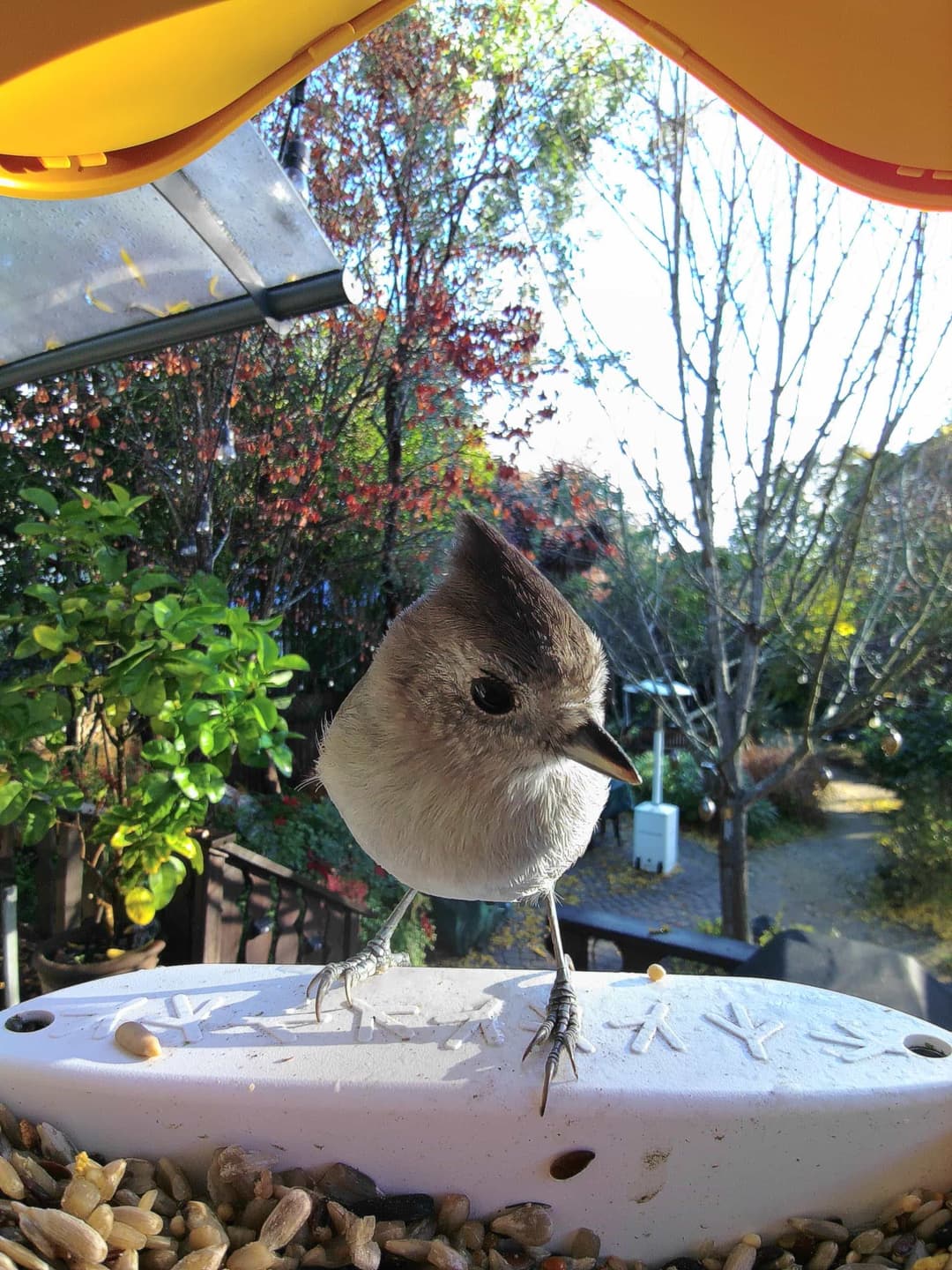
The bushtit is a tiny bird, about the size of a Sparrow, with the length of 3 3/4 - 4 inches. It has a small bill and a long, wedge-shaped tail. The bird's color ranges from black, brown, gray, to tan and white. It has a rounded wing shape and is often found in large flocks in open woods.
Male vs female
There is a stark difference between male and female bushtits, primarily observed in their eye color. Males have dark eyes, whereas females have pale ones. Coastal birds often have a browner head, setting them apart from others.
Juvenile
Juvenile males, especially in west Texas, may display black ear patches, distinguishing them from adult males. Asides from this, juveniles may hold similar physical traits to adults.
Size
4.3 - 5.5 in/0.2 oz
There's more to learn about Bushtit
View full detailsChestnut-Backed Chickadee
Poecile rufescens
General appearance
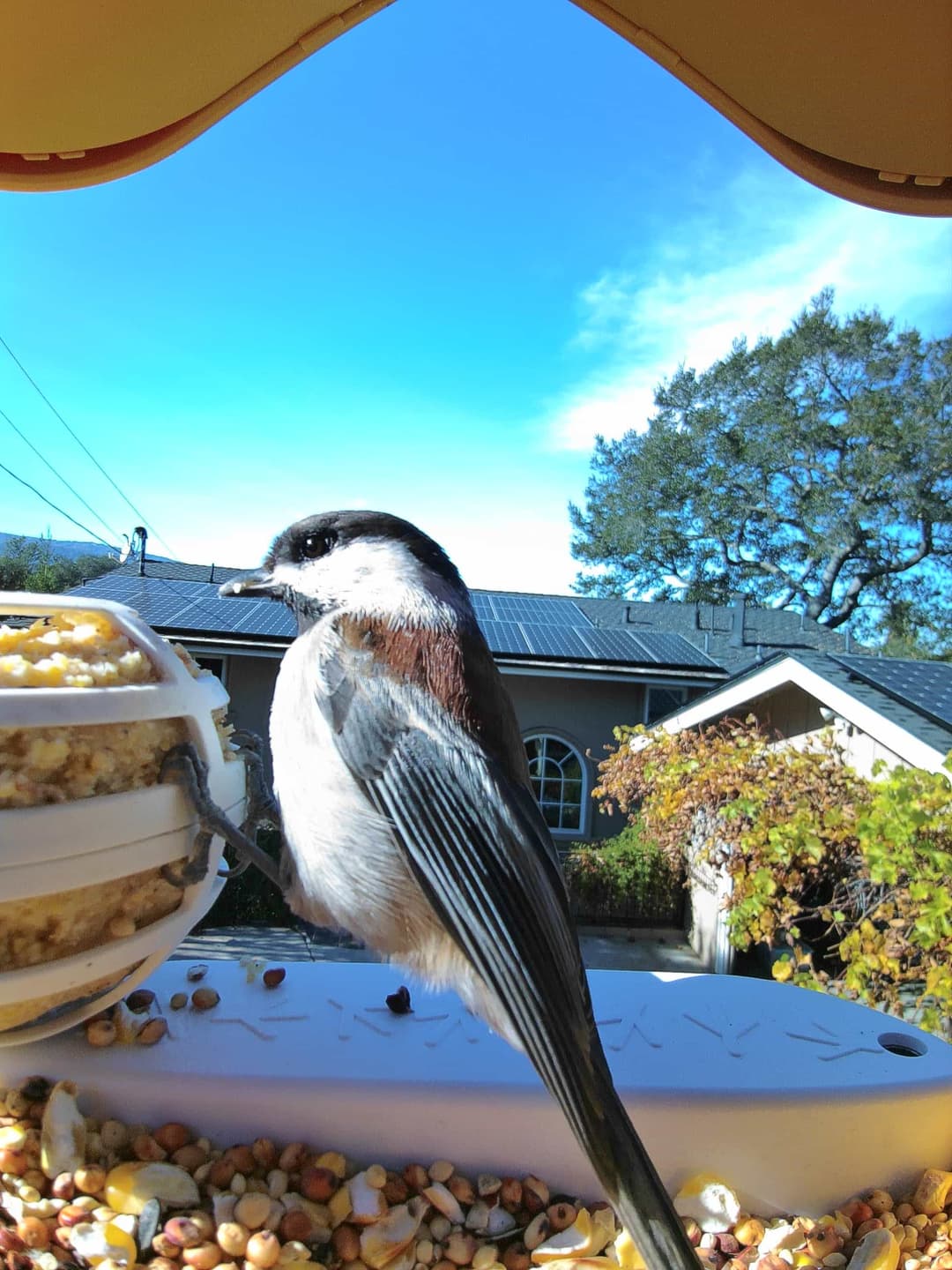
The chestnut-backed chickadee is a small bird, roughly the size of a sparrow. Measuring about 4 1/2 -5 inches from beak to tail, this variety stands out due to its distinctive color scheme. It flaunts a rich chestnut back and sides, contrasting with its sooty brown cap and gray wings. Some variations found on the central California coast have gray sides instead of chestnut but are always more deeply colored in areas overlapping with the Boreal Chickadee.
Male vs female
The chestnut-backed chickadee exhibits little to no sexual dimorphism. This means that males and females of the species are very similar in appearance, making them difficult to distinguish based on physical characteristics alone.
Juvenile
Juvenile chestnut-backed chickadees closely resemble adults, but they may be slightly duller in color. As they mature, the rich chestnut and contrasting gray of their plumage become more pronounced. Notably, they do not undergo any significant seasonal variations in their appearance. Therefore, identification throughout the year remains consistent.
Size
3.9 - 4.9 in/0.3 - 0.4 oz
There's more to learn about Chestnut-Backed Chickadee
View full detailsHow to tell the Bushtit from the Chestnut-Backed Chickadee
Visual differences
The Bushtit is smaller, measuring 3 3/4-4 inches long, with a modest color palette of black, brown, gray, tan, and white. It has a small bill and a long, wedge-shaped tail. The Chestnut-Backed Chickadee is slightly larger, about 4 1/2-5 inches long, and boasts a unique chestnut back and sides with a sooty brown cap and gray wings. The chickadee has a more pronounced bill relative to its size. Visual identifiers include the Bushtit's eye color difference by sex and the chickadee's consistent coloration across genders.
Key differences and behavior
Bushtits and Chestnut-Backed Chickadees showcase distinct behaviors that aid field identification. Bushtits are exceptionally social, traveling in large flocks and constantly communicating with bell-like calls. They thrive in a variety of wooded habitats, venturing into well-wooded suburbs, unlike chickadees who prefer dense coniferous forests. Bushtits, forming pairs post-winter, construct hanging nests intertwined with spiderwebs, while chickadees, potentially monogamous, opt for cavities often padded with fur. In terms of diet, bushtits mainly consume insects, occasionally eating berries and seeds, and seldom visit feeders. Conversely, chickadees have a diverse diet of insects, seeds, and berries and frequently visit feeders for sunflower seeds and suet. These behavioral nuances provide distinctive ways to identify these birds beyond visual cues.
Still not sure? Here are more lookalikes!
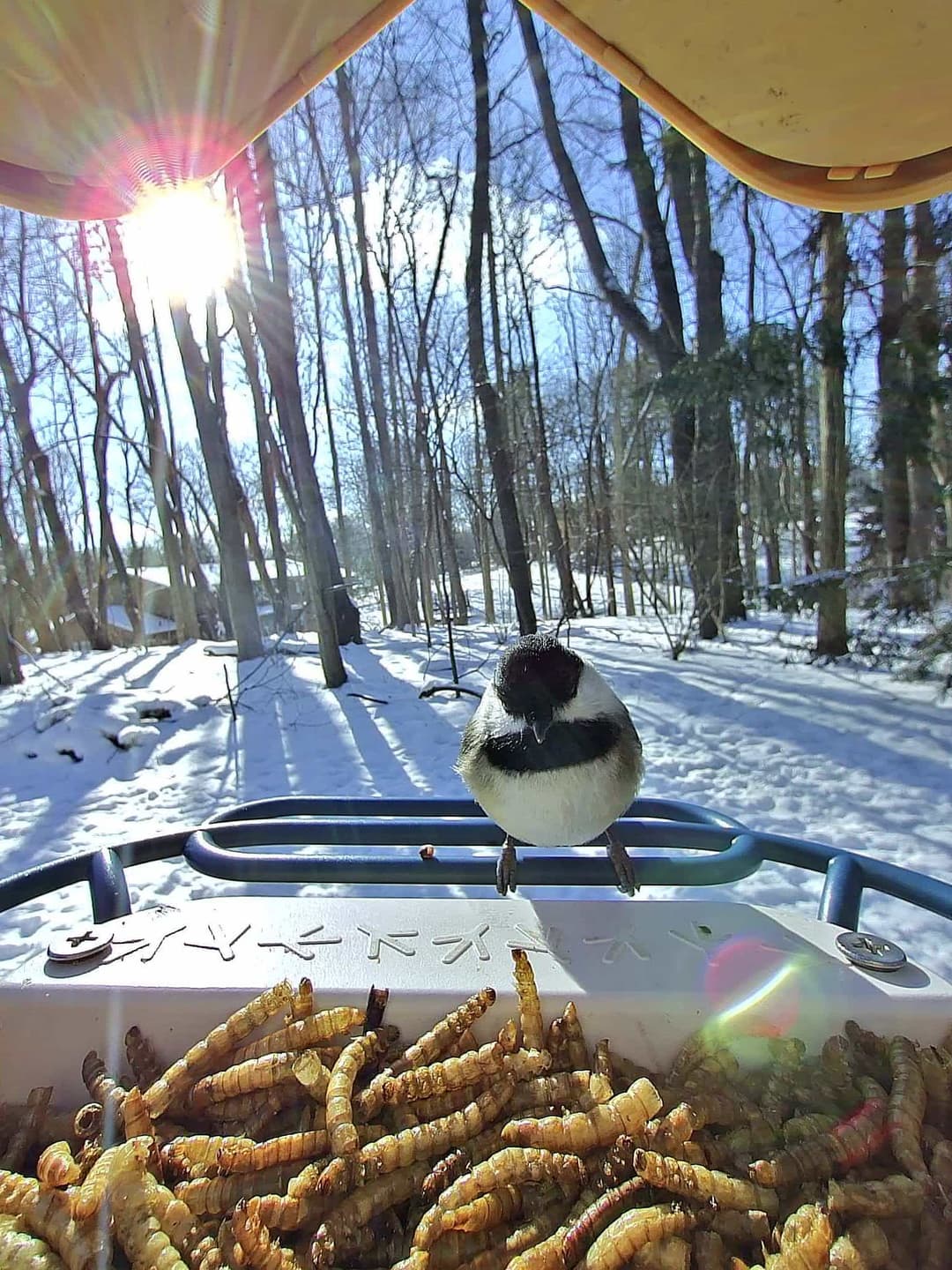
Bushtit vs Black-Capped Chickadee
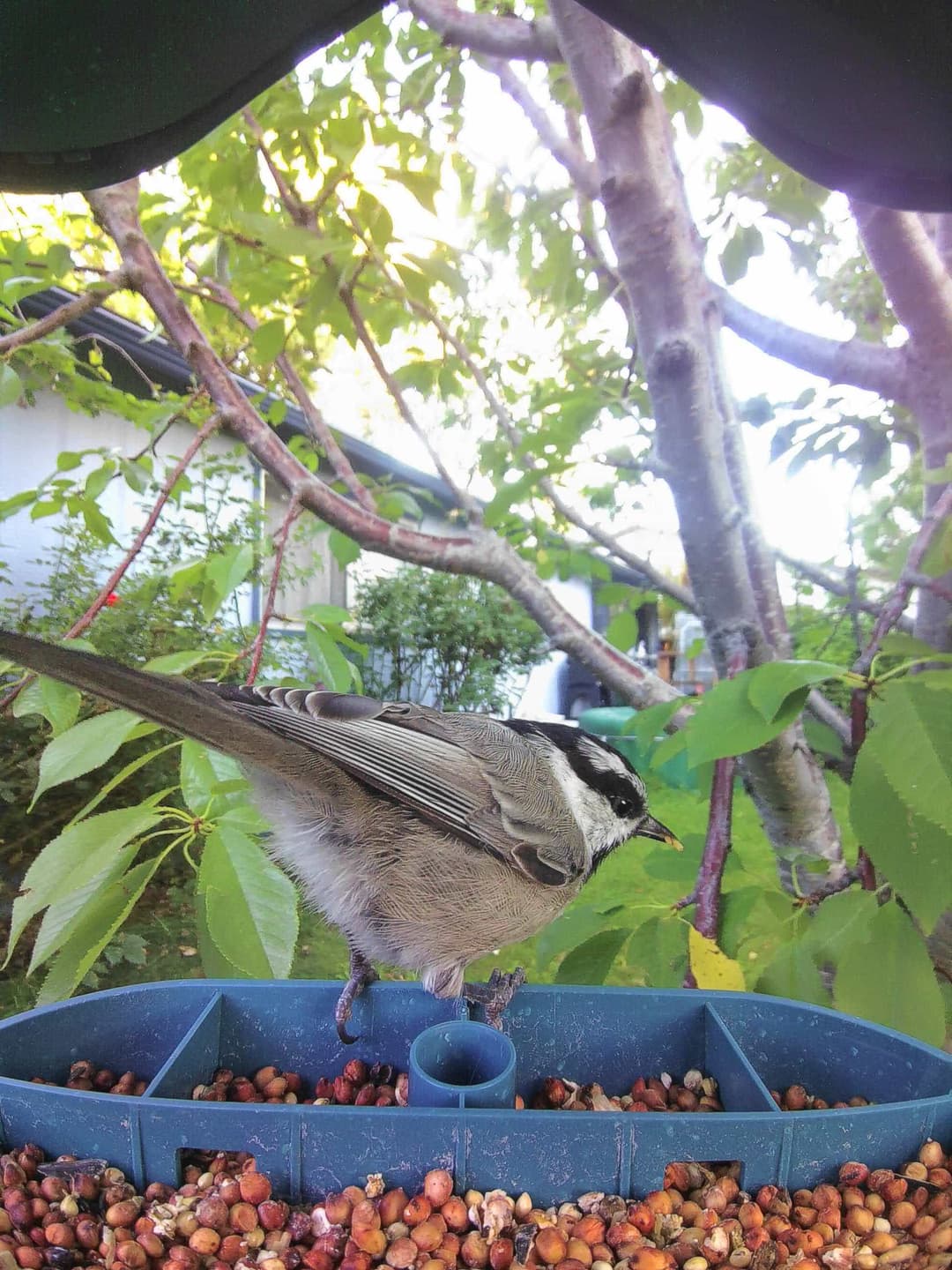
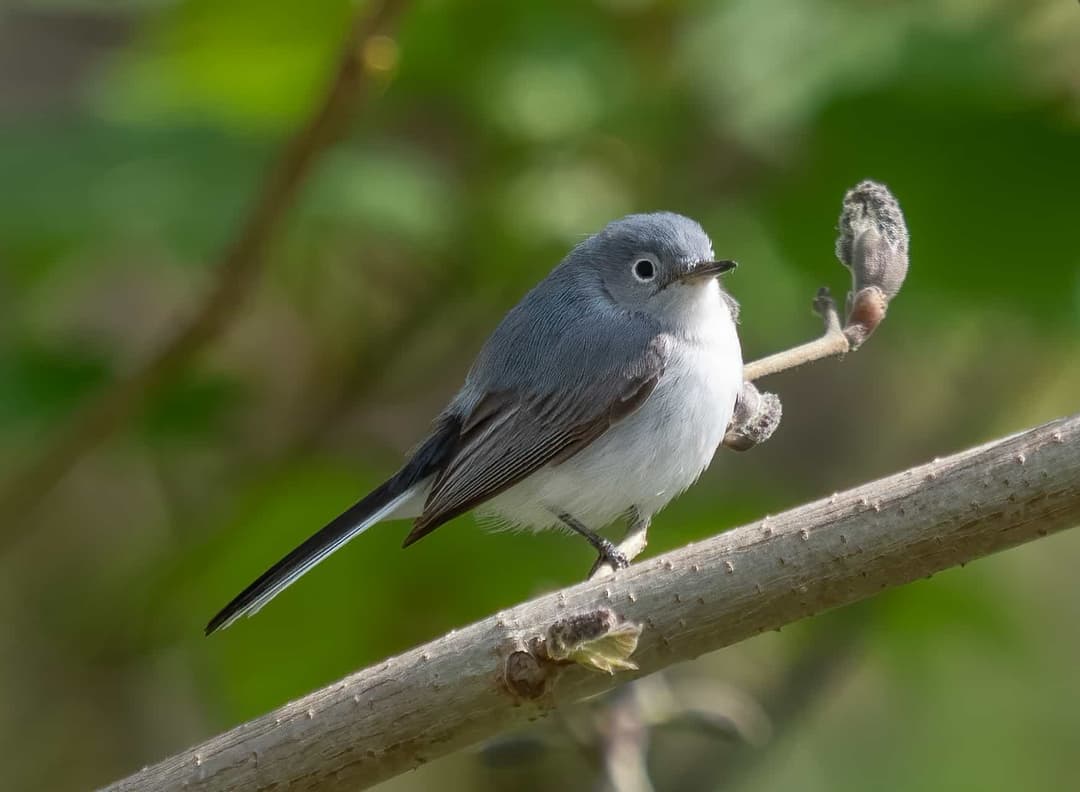
Bushtit vs Mountain Chickadee
Chestnut-Backed Chickadee vs Black-Capped Chickadee
Chestnut-Backed Chickadee vs Mountain Chickadee
Chestnut-Backed Chickadee vs Boreal Chickadee
Bushtit vs [Select a bird]

[Select a bird]
Pick a bird to compare
Chestnut-Backed Chickadee vs [Select a bird]
[Select a bird]
Pick a bird to compare